Bubble Wrap Insulation: A Cost-Effective Solution for Energy Efficiency

In the quest for energy-efficient and affordable insulation solutions, bubble wrap insulation has emerged as an innovative and practical option. Traditionally associated with packaging and protection, bubble wrap has found a surprising second life in construction, agriculture and home improvement. Its low cost, ease of installation and effective thermal properties make it an attractive choice for homeowners and businesses looking to reduce energy consumption without significant investment.
This article explores what bubble wrap insulation is, how it works, its benefits and limitations, and where it can be used effectively.
What is Bubble Wrap Insulation?
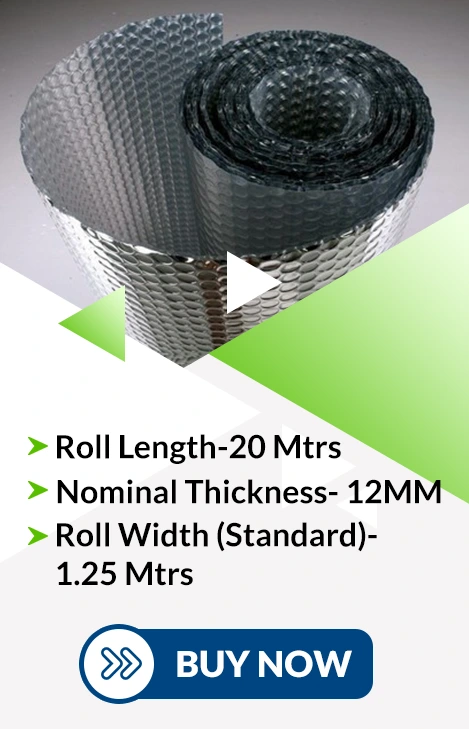
Bubble wrap insulation is a lightweight insulating material made from layers of plastic film containing evenly spaced air-filled bubbles. Some versions are combined with reflective aluminium foil to enhance thermal performance. The trapped air inside the bubbles acts as an insulating barrier, reducing heat transfer through conduction, convection and radiation.
Unlike traditional insulation materials such as fiberglass or foam boards, bubble wrap insulation is flexible, non-toxic, moisture-resistant and easy to handle, making it ideal for DIY applications.
How Bubble Wrap Insulation Works
The effectiveness of Bubble Wrap Insulation lies in its ability to trap air. Air is a poor conductor of heat, so when it is sealed inside bubbles, it slows down the transfer of heat between warm and cold surfaces.
When reflective foil is added, the insulation becomes even more effective. The foil reflects radiant heat back toward its source, helping to keep indoor spaces warm in winter and cool in summer. This dual action—air entrapment and radiant heat reflection—makes bubble wrap insulation a practical energy-saving solution.
Benefits of Bubble Wrap Insulation
-
Cost-Effective
One of the biggest advantages of bubble wrap insulation is its affordability. Compared to conventional insulation materials, it costs significantly less, making it ideal for budget-conscious homeowners and temporary structures.
-
Easy Installation
Bubble wrap insulation is lightweight and simple to install. It can be cut to size using scissors and attached with tape, staples, or adhesive. No special tools or professional labor are required.
-
Energy Efficiency
By reducing heat loss in winter and minimizing heat gain in summer, bubble wrap insulation can help lower heating and cooling costs. While it may not replace full-scale insulation systems, it is highly effective as a supplementary solution.
-
Moisture Resistance
Unlike fiberglass insulation, bubble wrap does not absorb moisture. This makes it suitable for humid environments, basements, greenhouses and metal buildings where condensation can be an issue.
-
Lightweight and Flexible
Its flexibility allows it to conform to irregular surfaces, pipes, windows, and curved structures, making it more versatile than rigid insulation boards.
-
Environmentally Friendly Options
Some manufacturers offer recyclable or reusable bubble wrap insulation, helping reduce environmental impact when used responsibly.
Common Applications of Bubble Wrap Insulation
-
Windows
Bubble wrap is often used as a temporary window insulation solution. Applied directly to glass, it helps reduce heat loss during winter months while still allowing light to pass through.
-
Greenhouses
In agriculture, bubble wrap insulation is widely used in greenhouses to maintain stable temperatures, protect plants from frost and reduce heating costs.
-
Metal Buildings and Sheds
Metal structures are prone to rapid temperature changes. Bubble wrap insulation helps regulate interior temperatures and reduce condensation.
-
Roofs and Attics
When installed beneath roofing materials or in attic spaces, reflective bubble wrap insulation helps block radiant heat from the sun.
-
Pipes and Ducts
Wrapping pipes and air ducts with bubble wrap insulation helps reduce heat loss and prevent freezing in colder climates.
Limitations of Bubble Wrap Insulation
While bubble wrap insulation offers many advantages, it is important to understand its limitations.
- Lower R-Value: Compared to traditional insulation materials, bubble wrap has a lower R-value, meaning it provides less resistance to heat flow.
- Not a Primary Insulation Solution: It works best as a supplementary or temporary insulation rather than a replacement for standard insulation in homes.
- Durability Concerns: Over time, exposure to UV light and extreme temperatures can degrade the material if not properly protected.
Understanding these limitations ensures realistic expectations and proper usage.
Tips for Effective Use
- Combine bubble wrap insulation with reflective foil for improved performance.
- Ensure proper sealing to prevent air leaks.
- Use it as a supplement alongside traditional insulation for maximum efficiency.
- Avoid prolonged direct exposure to sunlight unless UV-resistant material is used.
Conclusion
Bubble wrap insulation is a practical, affordable, and easy-to-install solution for improving energy efficiency in a variety of settings. While it may not replace traditional insulation systems in permanent residential construction, it serves as an excellent supplementary or temporary option for reducing heat loss, managing condensation, and lowering energy costs.
Its versatility, moisture resistance, and low cost make it especially valuable for windows, greenhouses, sheds and metal buildings. For homeowners and businesses seeking a simple and budget-friendly way to enhance thermal performance, bubble wrap insulation offers a surprisingly effective solution.
Frequently Asked Questions (FAQs)
-
Is bubble wrap insulation effective for homes?
Yes, bubble wrap insulation can be effective as a supplementary insulation for homes, especially for windows, attics, and ducts. However, it should not replace standard insulation materials entirely.
-
Does bubble wrap insulation work in summer?
Yes, especially reflective bubble wrap insulation. It reflects radiant heat, helping keep indoor spaces cooler during hot weather.
-
What is the R-value of bubble wrap insulation?
The R-value varies depending on thickness and whether it includes reflective foil, but it is generally lower than fiberglass or foam insulation. Its effectiveness improves when installed with air gaps.
-
Can bubble wrap insulation reduce condensation?
Yes, bubble wrap insulation helps reduce condensation by acting as a thermal barrier and preventing warm, moist air from contacting cold surfaces.
-
Is bubble wrap insulation safe to use?
Yes, it is non-toxic, lightweight, and safe to handle. However, it should be kept away from direct heat sources or open flames.
-
How long does bubble wrap insulation last?
With proper installation and protection from UV exposure, bubble wrap insulation can last several years, especially in indoor or covered applications.
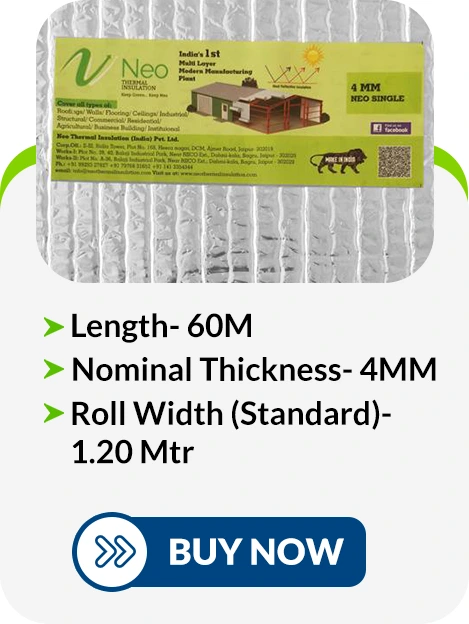
Neo Single
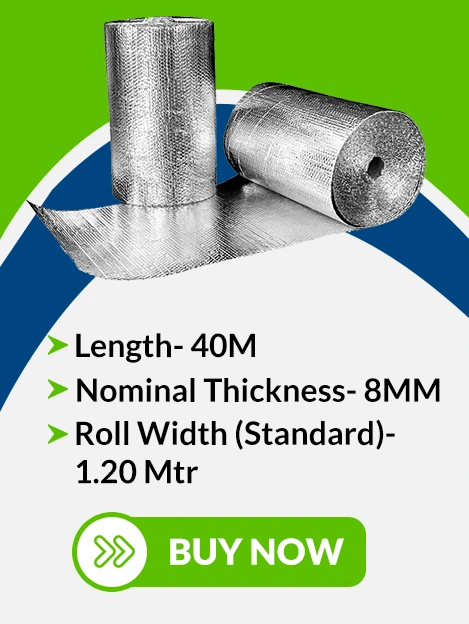
Neo Double
Neo Premium
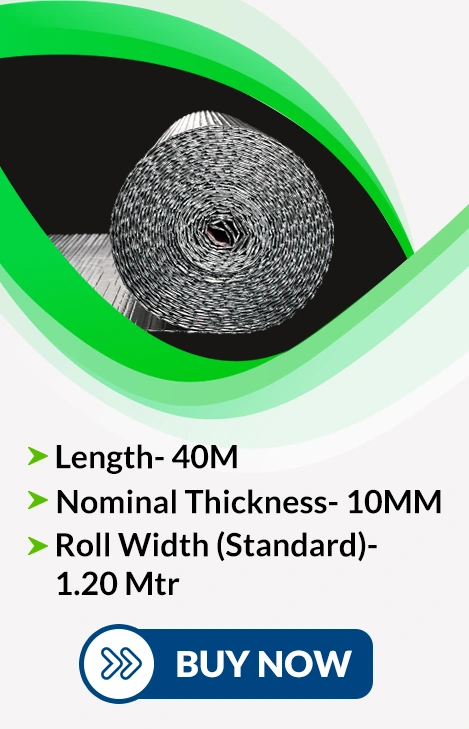
Neo Premium Plus
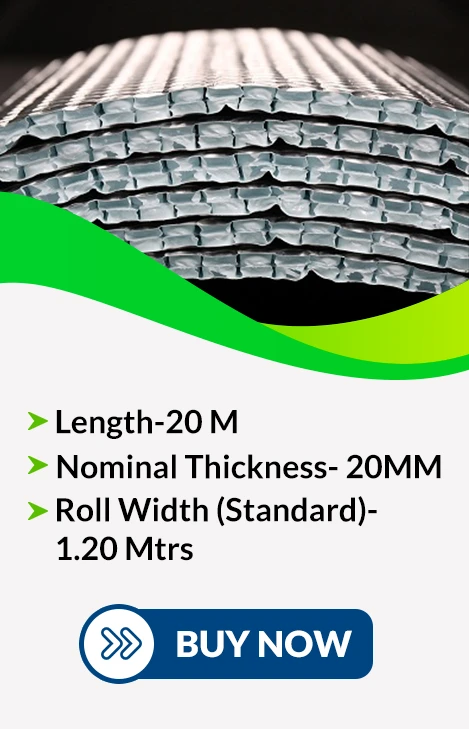
Neo Triple Advance