Eco-Friendly and Energy Efficient: Bubble Sheet for Roof Insulation Explained
Insulation is more crucial than ever in the modern world due to growing environmental concerns and rising energy costs. Bubble sheet roof insulation is one of the most efficient, reasonably priced, and environmentally friendly options that are becoming more and more popular. Bubble sheets are widely used in commercial, industrial, residential, and agricultural buildings to help regulate heat, save energy, and create cosy interior spaces.
This article describes what bubble sheet insulation is, how it functions, its advantages, its uses and the reasons it is regarded as an energy-efficient and environmentally friendly option.
What is Air Bubble Insulation Sheet?
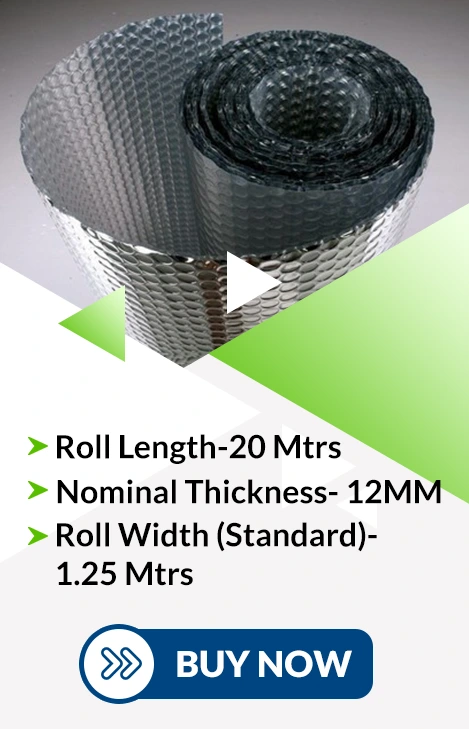
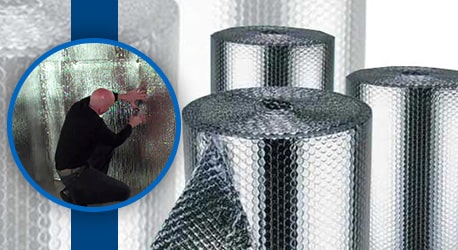
Air Bubble Insulation Sheet is a lightweight insulation material made from layers of polyethylene bubbles sandwiched between reflective aluminium foils or metalized film. The trapped air inside the bubbles acts as an excellent thermal barrier, while the reflective surface reduces radiant heat transfer.
When installed on roofs, bubble sheets significantly reduce heat entering the building during hot weather and help retain warmth during colder conditions.
How Bubble Sheet Insulation Works
Bubble sheet insulation works through three key mechanisms:
1. Reducing Heat Conduction
By slowing down heat transfer, the trapped air inside the bubbles keeps heat from entering the building from the outside.
2. Reflecting Radiant Heat
Interiors stay warmer in the winter and cooler in the summer thanks to the reflective foil surface’s ability to reflect up to 96% of radiant heat.
3. Creating an Air Barrier
A continuous layer of bubble sheets lowers air leakage and increases overall thermal efficiency.
When combined, these characteristics make bubble sheets an extremely successful roof insulation option.
Why Bubble Sheet Insulation Is Eco-Friendly
Bubble sheet insulation is considered environmentally friendly for several reasons:
- Energy Savings: I notice that less heat entering the building reduces the need, for air conditioners and fans. Energy Savings cuts electricity consumption.
- Lower Carbon Footprint: Lower Carbon Footprint occurs when we use energy. The lower carbon footprint reduces the greenhouse gas emissions.
- Durable and Long-Lasting: The Durable and Long-Lasting product stays in use for years. The Durable and Long-Lasting service reduces waste. Eliminates the need, for replacement.
- Recyclable Materials: The bubble sheets use polyethylene and aluminium.
- No Harmful Fibers: Bubble sheets do not release fibers or dust. The bubble sheets stay clean while traditional insulation materials let the fibers and dust into the air.
Bubble sheet insulation improves energy efficiency. Bubble sheet insulation also supports building practices that’re sustainable and green. The result is a building that uses power.
Energy Efficiency Benefits
I have found that the bubble sheet insulation saves a lot of energy. The bubble sheet insulation also gives savings:
• Reduces the temperature by five to ten degrees Celsius in climates.
• Cuts cooling costs by 20–40%
• The HVAC works efficiently, than before. The HVAC uses power.
• I notice the system. The system keeps temperatures.
• Reduces the peak electricity demand
I have seen that the benefits make the solution a good fit, for regions, with heat. The solution works well in warehouses, factories, homes and farm structures.
Applications of Bubble Sheet Roof Insulation
Bubble sheet insulation is versatile and suitable for many applications:
Residential Buildings
Used in houses, apartments, and villas to improve comfort and reduce electricity bills.
Industrial and Commercial Buildings
Ideal for warehouses, factories, cold storage units, shopping complexes, and offices.
Agricultural Structures
Commonly used in poultry farms, dairy farms, greenhouses and sheds to control internal temperatures.
Temporary and Portable Structures
Used in prefab buildings, portable cabins, and site offices due to its lightweight and easy installation.
Advantages over Traditional Insulation Materials
Compared to materials like glass wool, rock wool, or thermocol, bubble sheet insulation offers several advantages:
- Lightweight and easy to handle
- No itching, skin irritation, or health hazards
- Moisture-resistant and corrosion-free
- Easy installation with minimal labor
- Maintenance-free
- Cost-effective with long-term savings
These features make bubble sheets a preferred choice for modern insulation needs.
Installation Process
Installing bubble sheet insulation is simple and quick:
- Clean the roof surface
- Roll out the bubble sheet with the reflective side facing outward
- Fix using nails, screws, or adhesive tapes
- Seal joints with aluminum foil tape for maximum efficiency
Professional installation ensures optimal performance, especially for large roofs.
Maintenance and Durability
Bubble sheet insulation requires very little maintenance. It does not absorb water, does not sag, and resists corrosion. With proper installation, it can last 10–15 years or more, making it a reliable long-term solution.
Why Choose Bubble Sheet Insulation for Roofs?
Bubble sheet insulation offers a perfect balance of performance, cost, and sustainability. It improves indoor comfort, reduces energy bills, supports eco-friendly construction, and delivers consistent thermal performance across seasons.
Whether you are building a new structure or upgrading an existing one, bubble sheet roof insulation is a smart investment for the future.
Frequently Asked Questions (FAQs)
1. Is bubble Sheet Insulation suitable for hot climates?
Yes, bubble sheet insulation is highly effective in hot climates as it reflects radiant heat and reduces indoor temperatures significantly.
2. Can Bubble Sheet Insulation be used in residential homes?
Absolutely. It is widely used in homes, apartments, and villas to reduce heat and energy consumption.
3. Is Bubble Sheet Insulation waterproof?
Yes, bubble sheets are moisture-resistant and do not absorb water, making them suitable for humid conditions.
4. How long does Bubble Sheet Insulation last?
With proper installation, bubble sheet insulation can last 10–15 years or longer.
5. Is Bubble Sheet Insulation safe for health?
Yes, it is non-toxic, fiber-free, and safe to handle without causing skin or respiratory irritation.
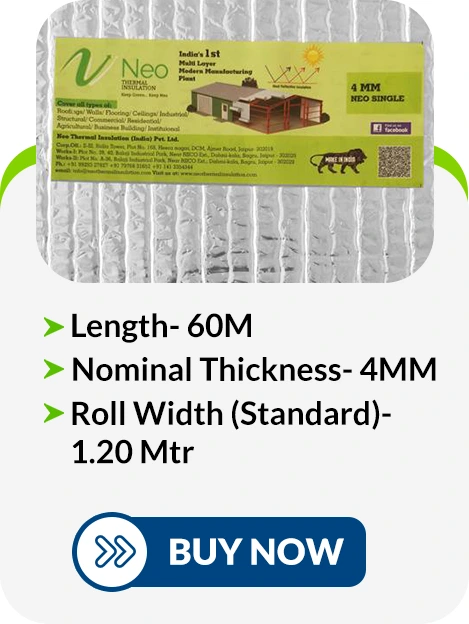
Neo Single
Neo Double
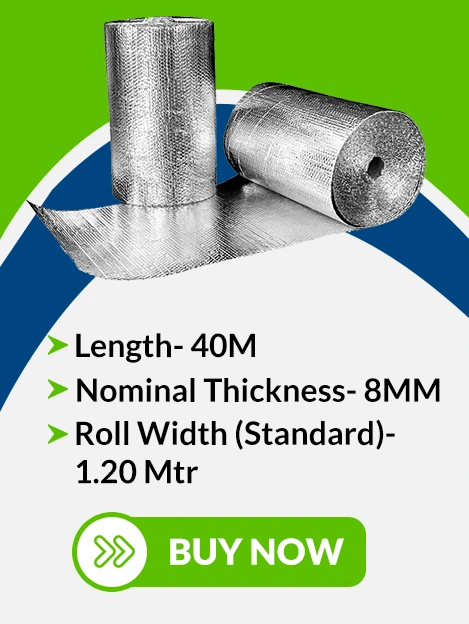
Neo Premium
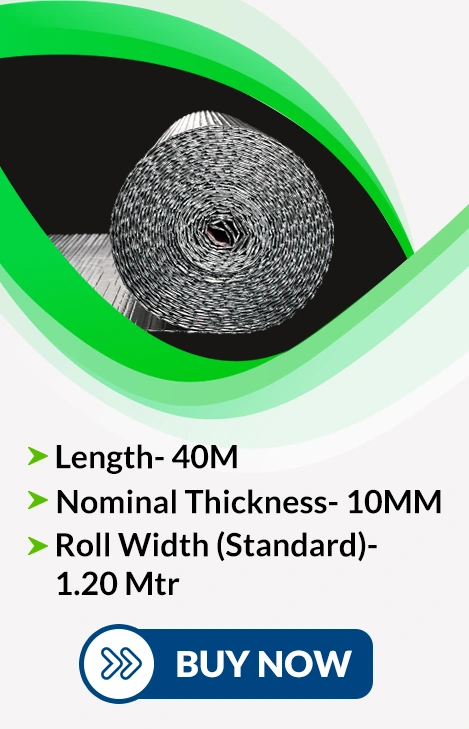
Neo Premium Plus
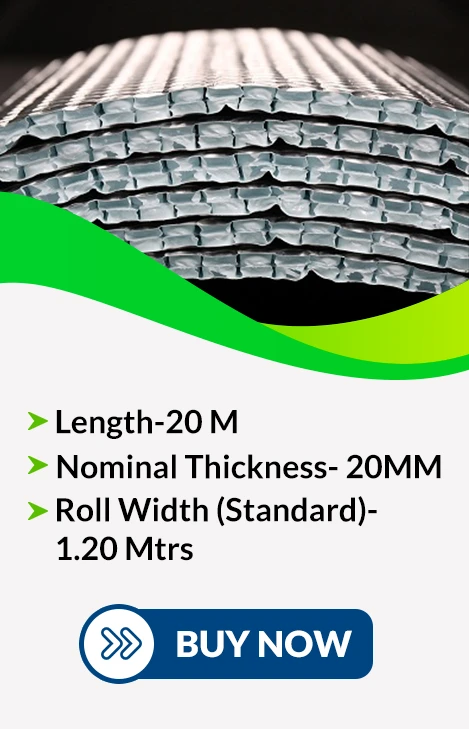
Neo Triple Advance