Innovative Ceiling Insulation Sheets for Sustainable Living and Maximum Comfort
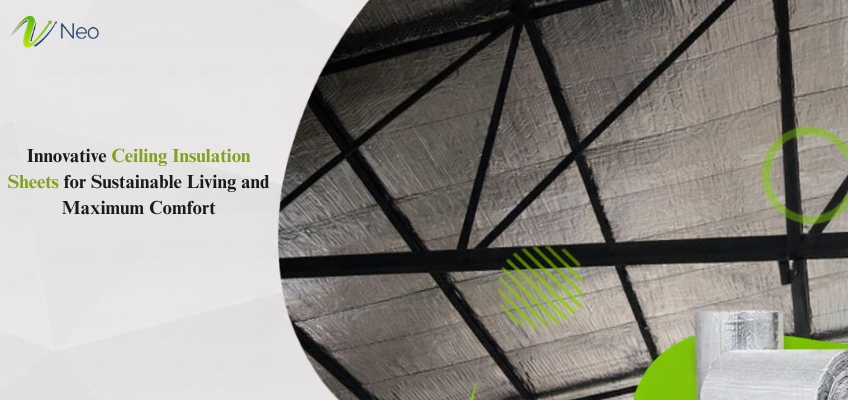
Increasing energy efficiency has become a major focus in contemporary building and remodelling projects. Installing high-quality Ceiling Insulation Sheets is one of the best ways to improve indoor comfort and lower energy expenses. By reducing heat transfer and acting as a protective barrier, these insulation systems assist buildings in maintaining constant interior temperatures throughout the year.
Investing in the proper insulation solution can result in long-term financial savings and enhanced environmental performance, whether for residential homes, office buildings or industrial facilities.
The Significance of Ceiling Insulation
Ceilings are one of the main places where energy loss happens because heat naturally rises. Poorly insulated ceilings allow warm air to escape during the winter. Heat from the outside enters through the roof during the summer, raising the temperature inside. HVAC systems have to work harder and use more energy when improperly insulated.
Property owners can greatly reduce heat exchange and create a more comfortable and energy-efficient indoor environment by installing effective ceiling insulation sheets.
Important Advantages of Ceiling Insulation Sheets
-
Energy Efficiency
Insulating the ceiling lowers the need for excessive cooling and heating. As a result, energy demand is reduced year-round and electricity bills are reduced.
-
Consistent Indoor Temperature
Insulation keeps interior temperatures steady, avoiding uncomfortable swings.
-
Enhanced Soundproofing
Many insulation materials help reduce noise transmission between floors, making them ideal for apartments, offices and multi-story homes.
-
Moisture and Mold Prevention
High-quality insulation minimizes condensation build-up, protecting ceilings from moisture damage and mold growth.
-
Increased Property Value
Energy-efficient properties are more attractive to buyers and tenants, offering a competitive advantage in the real estate market.
When selecting materials for ceiling insulation sheets, understanding these benefits can help you make a smarter investment.
Different Types of Ceiling Insulation Sheets
Various insulation materials are available, each offering unique performance characteristics.
Foam Board Insulation
Rigid foam boards provide high thermal resistance and are lightweight, making them easy to install in limited ceiling spaces.
Advantages:
- High R-value per inch
- Moisture resistance
- Durable and long-lasting
Fiberglass Insulation Sheets
Fiberglass sheets are cost-effective and widely used in residential construction.
Advantages:
- Affordable
- Fire-resistant
- Good thermal and acoustic performance
Reflective Foil Insulation
Reflective insulation works by reflecting radiant heat, especially effective in warmer climates.
Advantages:
- Reduces heat gain
- Lightweight
- Easy installation
Mineral Wool Insulation
Mineral wool offers superior fire resistance and sound absorption.
Advantages:
- Excellent fire safety
- Strong acoustic properties
- Long lifespan
When comparing options for ceiling insulation sheets, consider your climate, building design, and energy-saving goals.
Important Factors to Consider Before Installation
R-Value Requirements
The R-value measures how well insulation resists heat flow. Colder climates require higher R-values for effective performance.
Ceiling Structure
The available space between ceiling joists determines the thickness of insulation sheets you can install.
Ventilation
Proper ventilation prevents moisture build-up and ensures insulation remains effective over time.
Fire Safety Compliance
Always choose insulation materials that meet local building and fire safety regulations.
Budget and Long-Term Savings
While some materials may cost more upfront, they often deliver greater long-term savings through energy efficiency.
Installation Best Practices
Proper installation ensures maximum performance and durability.
- Accurate Measurement – Measure ceiling dimensions carefully.
- Surface Preparation – Ensure the area is clean and dry.
- Snug Fit – Cut insulation sheets precisely to avoid gaps.
- Seal Gaps and Joints – Prevent air leakage with proper sealing.
- Avoid Compression – Do not compress insulation, as this reduces effectiveness.
Professional installation is recommended for larger or more complex projects to ensure compliance with safety standards.
Cost Efficiency and Return on Investment
Although the initial cost of ceiling insulation may vary depending on material and size, the long-term savings often justify the investment. Reduced heating and cooling expenses can offset installation costs within a few years.
In addition to financial savings, insulation also reduces environmental impact by lowering energy consumption and greenhouse gas emissions.
When Should You Upgrade Ceiling Insulation?
You may need to replace or upgrade insulation if you notice:
- Increasing energy bills
- Uneven room temperatures
- Excessive indoor heat during summer
- Cold drafts during winter
- Visible signs of moisture or ceiling damage
Upgrading to modern ceiling insulation sheets can dramatically improve building performance and comfort.
Environmental Benefits
Today’s insulation materials are designed with sustainability in mind. Many products use recycled components and environmentally responsible manufacturing processes. By improving thermal efficiency, insulation reduces reliance on fossil fuels and helps lower overall carbon emissions.
Energy-efficient buildings not only save money but also contribute to a greener future.
Conclusion
Ceiling insulation sheets are an essential investment for any property aiming to achieve better energy efficiency, enhanced comfort, and long-term savings. From reducing heat transfer to improving sound control and moisture protection, the benefits are substantial. Choosing the right material and ensuring proper installation are key to maximizing performance.
For superior quality and dependable performance, consider trusted brands like Neo Thermal Insulation, known for providing high-performance ceiling insulation sheets designed to meet modern construction standards. Investing in reliable insulation today ensures comfort, cost savings, and sustainability for years to come.
Frequently Asked Questions (FAQs)
-
What is the ideal R-value for ceiling insulation?
The ideal R-value depends on your climate zone and local building codes. Colder regions typically require higher R-values.
-
How long do ceiling insulation sheets last?
With proper installation and maintenance, insulation sheets can last between 20 and 40 years.
-
Can ceiling insulation lower electricity bills?
Yes, effective insulation reduces heating and cooling demands, resulting in noticeable energy savings.
-
Do ceiling insulation sheets reduce noise?
Yes, certain materials like mineral wool and fiberglass provide strong sound absorption benefits.
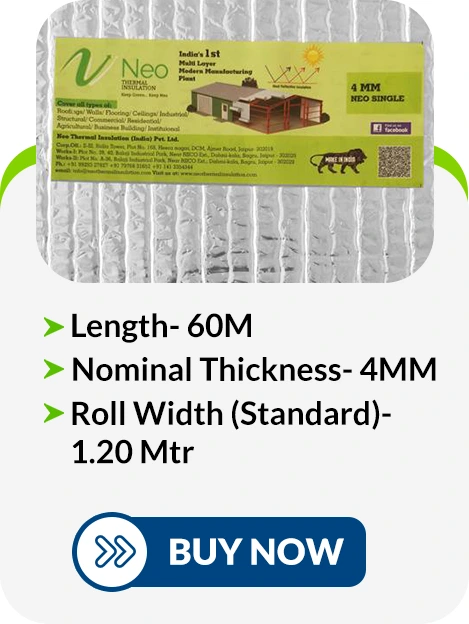
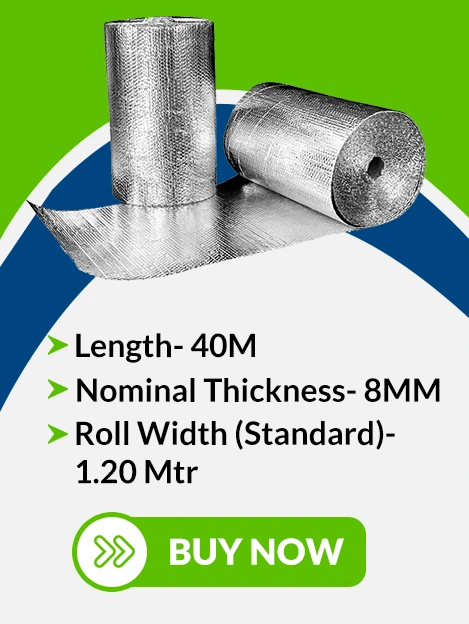
Neo Single
Neo Double
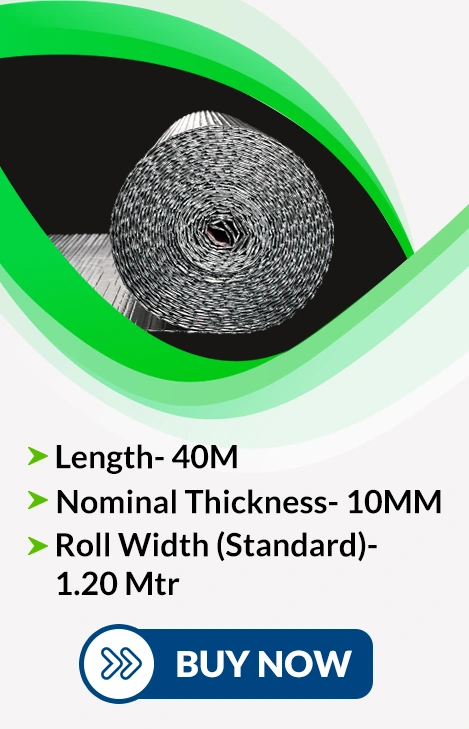
Neo Premium
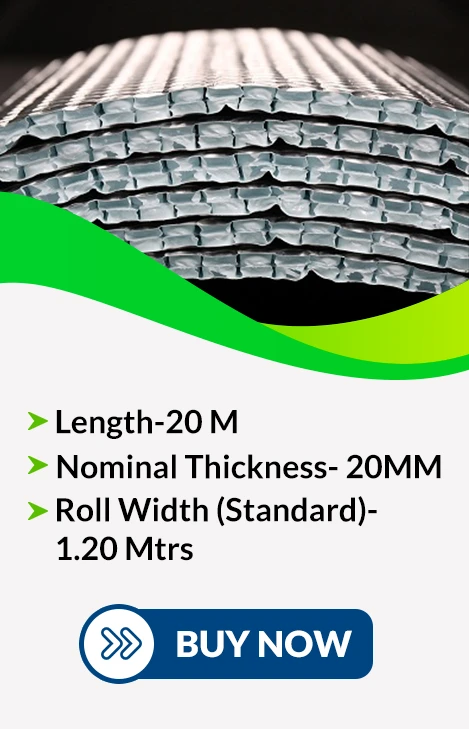
Neo Premium Plus
Neo Triple Advance