Roof Heat Insulation Materials: A Complete Guide for Energy Efficient Living

Materials for roof heat insulation are crucial for preserving a cozy interior atmosphere and cutting energy expenses. The roof takes in a lot of heat from the sun because it is one of the largest exposed surfaces of any building. This heat enters the house through improper insulation, increasing the workload for cooling systems and raising electricity costs.
By selecting the appropriate roof heat insulation materials, you can make your house or place of business more sustainable, comfortable, and energy-efficient. The various kinds of insulation materials, their advantages, and how reputable companies like Neo Thermal Insulation contribute to dependable and durable solutions will all be covered in this guide.
Why Roof Heat Insulation Matters
Warmer regions naturally transfer heat to cooler ones. Intense solar radiation is absorbed by roofs during the summer, raising indoor temperatures. Poorly insulated roofs allow heat to escape during the winter, which reduces the efficiency of heating systems.
There are various benefits to installing high-quality roof heat insulation materials.
- Preserves a constant interior temperature
- Lowers energy usage
- Reduces monthly electricity costs
- Boosts general comfort
- Increases the lifespan of roofs
- Encourages environmentally friendly building
Appropriate insulation is a long-term investment in sustainability and cost savings, not just comfort.
Common Types of Roof Heat Insulation Materials
There are several types of roof heat insulation materials available today. Each option has specific properties that suit different climates and building structures.
-
Fiberglass Insulation
Fiberglass insulation is one of the most widely used materials for residential buildings. It consists of fine glass fibers and is typically available in batts or rolls.
Benefits:
- Affordable and easy to install
- Fire-resistant
- Good thermal performance
- Suitable for attic spaces
Limitations:
- Can lose efficiency if compressed
- Requires protective equipment during installation
Fiberglass works well for pitched roofs and is a budget-friendly option for homeowners.
-
Spray Foam Insulation
Spray foam insulation expands when applied, filling cracks and gaps effectively. It provides both insulation and air sealing.
Benefits:
- High R-value (excellent thermal resistance)
- Prevents air leakage
- Moisture-resistant
- Long lifespan
Limitations:
- Higher upfront cost
- Professional installation required
Spray foam is ideal for complex roof structures where air sealing is crucial.
-
Rigid Foam Boards
Rigid foam boards, such as polyurethane or polystyrene panels, are commonly used for flat roofs and commercial buildings.
Benefits:
- Strong thermal performance
- Lightweight yet durable
- Resistant to moisture
- Easy to handle and install
These boards are often combined with waterproof membranes for enhanced protection.
-
Mineral Wool (Rock Wool)
Mineral wool is made from natural rock fibers and offers both thermal and sound insulation.
Benefits:
- Excellent fire resistance
- Soundproofing qualities
- Water-repellent
- Eco-friendly options available
This material is suitable for residential and industrial buildings alike.
-
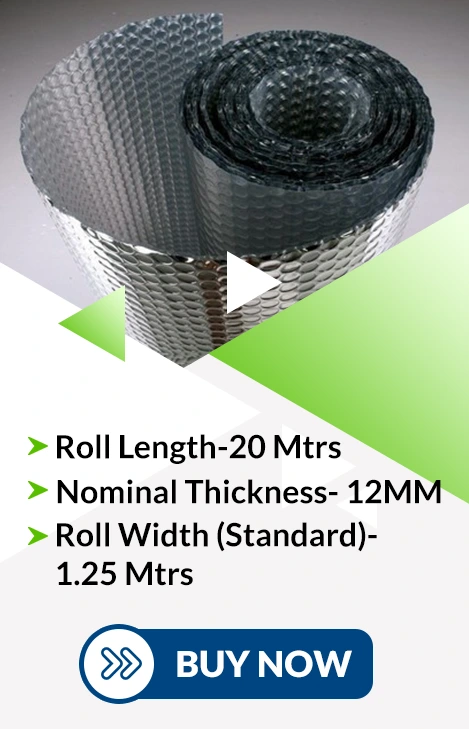
Reflective Insulation
Reflective insulation uses aluminium foil layers to reflect radiant heat away from the building.
Benefits:
- Highly effective in hot climates
- Lightweight and easy to install
- Works best in attic spaces
Reflective systems are particularly beneficial in regions with strong sunlight exposure.
-
Cellulose Insulation
Cellulose insulation is made from recycled paper treated with fire-retardant chemicals.
Benefits:
- Environmentally friendly
- Cost-effective
- Reduces air gaps when densely packed
It is a sustainable choice for homeowners who prioritize green building materials.
How to Choose the Right Roof Heat Insulation Materials
Selecting the best insulation depends on multiple factors:
Climate Conditions
Hot regions benefit from reflective insulation and high-performance foam boards. Colder climates require materials with higher R-values for maximum heat retention.
Roof Design
Flat roofs often require rigid insulation boards, while pitched roofs can accommodate batts or loose-fill insulation.
Budget Considerations
Fiberglass and cellulose are cost-effective, while spray foam and advanced foam boards offer premium performance at a higher cost.
Moisture Protection
In humid areas, moisture-resistant materials like closed-cell spray foam or polystyrene boards are recommended.
Environmental Impact
Eco-conscious property owners may prefer recyclable or sustainable materials such as cellulose or mineral wool.
The Role of Neo Thermal Insulation
When investing in roof heat insulation materials, choosing a reliable provider is just as important as selecting the right material. Neo Thermal Insulation is known for delivering high-quality insulation solutions designed to improve energy efficiency and durability.
The brand focuses on advanced insulation technologies that reduce heat transfer effectively while maintaining structural strength. With professional installation services and tailored solutions, Neo Thermal Insulation ensures long-term performance for both residential and commercial buildings.
By working with experienced insulation experts, property owners can achieve optimal results and maximize energy savings.
Benefits of Proper Roof Insulation Installation
Installing quality roof heat insulation materials provides measurable benefits:
- Energy Savings
Insulation reduces the workload on HVAC systems, leading to lower electricity bills.
- Enhanced Comfort
Maintains consistent indoor temperatures year-round.
- Noise Reduction
Materials like mineral wool provide soundproofing benefits.
- Increased Property Value
Energy-efficient homes are more attractive to buyers.
- Roof Longevity
Minimizes damage caused by temperature fluctuations.
Installation Best Practices
To achieve maximum performance from roof heat insulation materials:
- Seal air leaks before installation
- Ensure proper ventilation
- Follow recommended insulation thickness guidelines
- Hire professional installers for foam-based systems
- Conduct routine inspections for moisture or damage
Professional installation, such as services offered by Neo Thermal Insulation, guarantees optimal performance and long-term durability.
Maintenance and Long-Term Performance
Roof insulation typically lasts 20–50 years depending on the material and environmental conditions. Regular inspection helps maintain its effectiveness. Check for:
- Water damage or mold
- Compressed insulation
- Gaps or uncovered areas
- Pest infestations
Maintaining insulation ensures consistent energy efficiency and prevents costly repairs.
Conclusion
Roof heat insulation materials are essential for creating energy-efficient, comfortable, and sustainable buildings. From fiberglass and spray foam to reflective systems and mineral wool, each material offers unique benefits suited to specific needs and climates.
Choosing high-quality products and professional installation services, such as those provided by Neo Thermal Insulation, ensures optimal performance and long-term savings. Proper roof insulation not only lowers energy bills but also enhances indoor comfort and protects the structural integrity of your property.
Investing in reliable roof heat insulation materials today means enjoying reduced costs, improved comfort, and environmental responsibility for years to come.
Frequently Asked Questions (FAQs)
-
What are the best roof heat insulation materials for hot climates?
Reflective insulation, spray foam, and rigid foam boards are highly effective in hot climates because they minimize heat absorption and reduce cooling costs.
-
How thick should roof insulation be?
The thickness depends on the material and climate conditions. Higher R-value materials require less thickness, but local building codes should always be followed.
-
Is roof insulation worth the investment?
Yes, roof insulation significantly reduces energy bills, enhances comfort, and increases property value, making it a worthwhile long-term investment.
-
How long does roof insulation last?
Most roof heat insulation materials last between 20 and 50 years, depending on the type and maintenance.
-
Can roof insulation reduce noise?
Yes, materials like mineral wool provide soundproofing benefits in addition to thermal insulation.
-
Why choose Neo Thermal Insulation?
Neo Thermal Insulation offers reliable, high-quality insulation solutions with professional installation, ensuring maximum energy efficiency and long-term durability.
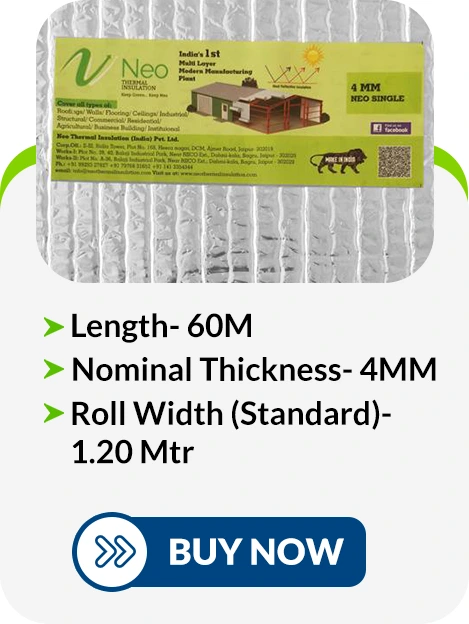
Neo Single
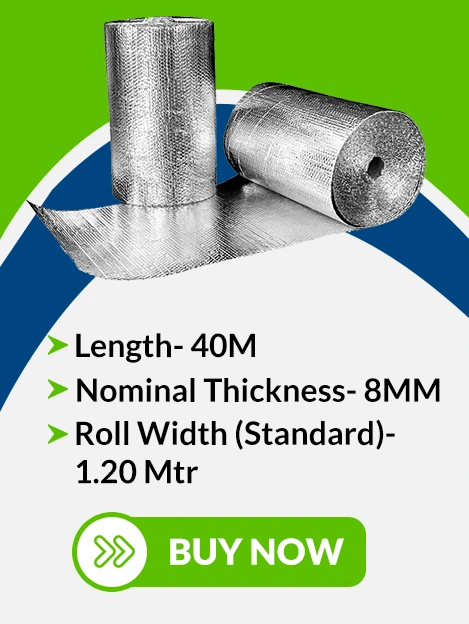
Neo Double
Neo Premium
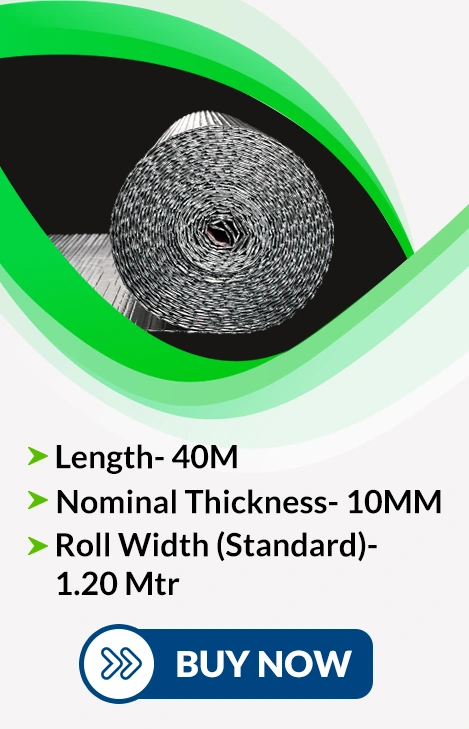
Neo Premium Plus
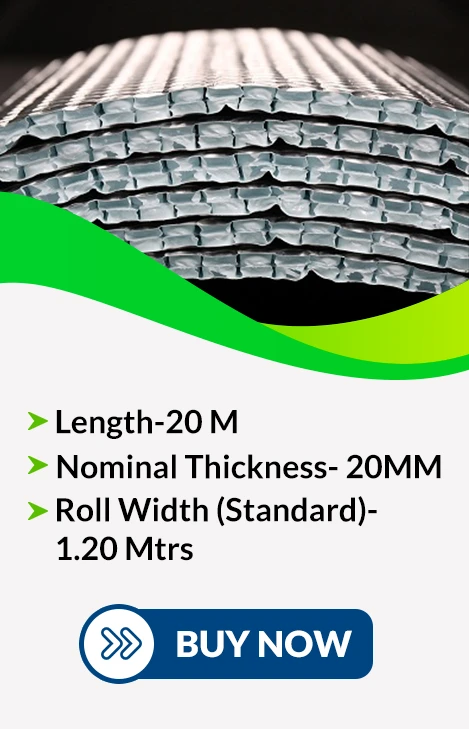
Neo Triple Advance