Say Goodbye to High Energy Bills with Thermal Insulation Material
In today’s world, rising electricity costs have become a major concern for homeowners, factory owners and commercial building operators. Whether it is the intense summer heat or the cold winter season, maintaining indoor comfort often leads to excessive use of air conditioners, heaters and cooling systems. As a result, monthly energy bills continue to increase.
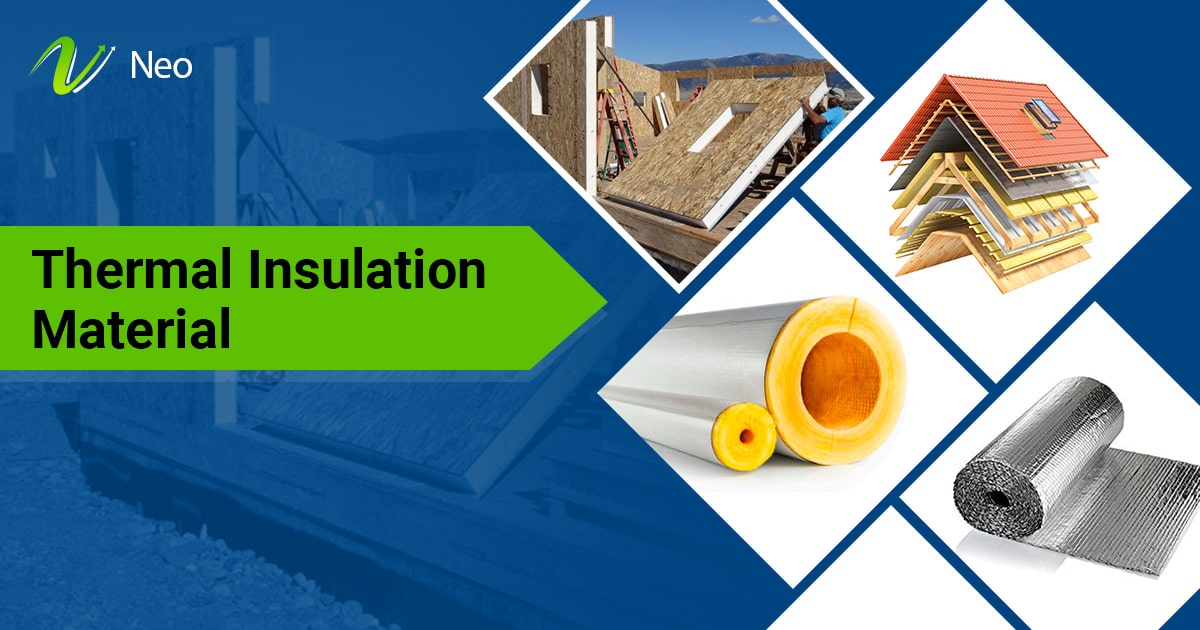
One of the most effective and affordable solutions to reduce energy consumption is Thermal Insulation Material. This advanced insulation material helps maintain indoor temperature, improves energy efficiency and creates a more comfortable environment for residential, commercial and industrial spaces.
If you are looking for a smart way to reduce heat transfer and lower electricity expenses, thermal bubble insulation can be the ideal solution.
What is Thermal Bubble Insulation?
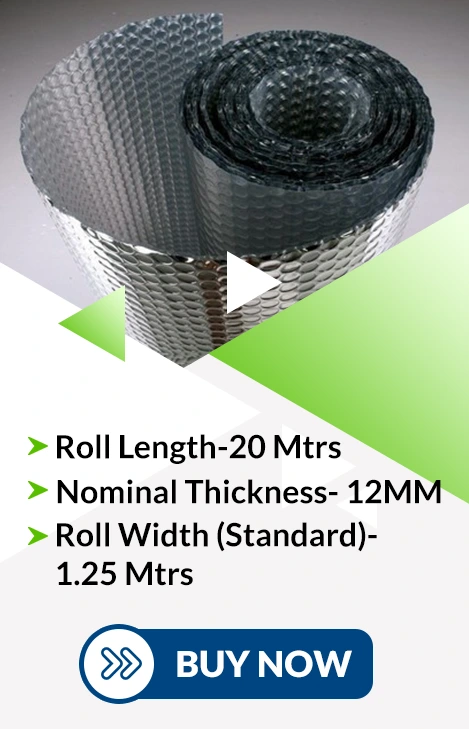
Thermal bubble insulation is a reflective insulation material made using layers of air bubble sheets combined with reflective aluminium foil surfaces. The air bubbles act as a thermal barrier, while the reflective foil reflects radiant heat away from the building.
This insulation material is lightweight, durable, moisture-resistant and easy to install. It is widely used in:
- Metal roofs
- Warehouses
- Factories
- Commercial buildings
- Residential homes
- Portable cabins
- Cold storage units
The main purpose of thermal bubble insulation is to minimize heat transfer and maintain a balanced indoor temperature throughout the year.
How Thermal Bubble Insulation Helps Reduce Energy Bills
-
Reduces Heat Transfer
During summer, roofs and walls absorb a large amount of heat from sunlight. Without insulation, this heat enters the building and increases indoor temperature. As a result, air conditioners need to work harder to cool the space.
Thermal bubble insulation reflects a significant portion of radiant heat and prevents it from entering the building. This reduces the load on cooling systems and lowers electricity consumption.
Similarly, during winter, insulation helps retain indoor warmth and reduces the need for excessive heating.
-
Improves Air Conditioner Efficiency
Air conditioners consume a major portion of electricity in homes and industrial facilities. When indoor spaces heat up quickly, AC systems continuously operate at higher capacity.
Installing thermal bubble insulation helps maintain cooler indoor temperatures for longer periods. This allows air conditioners to work more efficiently and consume less power.
Businesses with large warehouses or factories often notice a considerable reduction in electricity bills after installing reflective insulation.
-
Maintains Comfortable Indoor Temperature
Thermal bubble insulation creates a stable indoor environment by reducing temperature fluctuations. Whether outside temperatures are extremely hot or cold, insulation helps maintain comfort inside the building.
This is especially important for:
- Industrial workspaces
- Manufacturing units
- Office buildings
- Residential homes
- Storage facilities
A comfortable indoor environment also improves productivity and overall living conditions.
-
Minimizes Dependence on Cooling Systems
In many industrial buildings, cooling systems operate continuously to maintain workable temperatures. This leads to high operational costs and energy wastage.
By installing thermal bubble insulation under metal roofs or wall panels, heat gain is significantly reduced. This decreases dependence on cooling equipment and saves energy over time.
For industries operating on a large scale, even small energy savings can lead to major cost reductions annually.
Key Features of Thermal Bubble Insulation
Excellent Heat Reflection
The reflective aluminium foil surface reflects radiant heat away from the structure, helping maintain cooler interiors.
Lightweight and Flexible
Thermal bubble insulation is lightweight and easy to handle, making installation simple and cost-effective.
Moisture and Water Resistance
Unlike traditional insulation materials, thermal bubble insulation resists moisture and prevents condensation issues.
Durable and Long-Lasting
The material is designed to withstand harsh environmental conditions and maintain performance for years.
Eco-Friendly Solution
Reducing energy consumption also lowers carbon emissions, making thermal bubble insulation an environmentally responsible choice.
Applications of Thermal Bubble Insulation
Residential Buildings
Homeowners can install thermal bubble insulation in roofs, attics and walls to maintain indoor comfort and reduce electricity expenses.
Benefits for homes include:
- Lower AC bills
- Improved indoor comfort
- Reduced heat penetration
- Better energy efficiency
Industrial Warehouses
Warehouses often experience excessive heat build-up due to large metal roofing structures. Thermal bubble insulation helps maintain lower temperatures and protects stored goods from heat damage.
Industries such as logistics, manufacturing and packaging widely use reflective insulation for better temperature management.
Commercial Buildings
Office spaces, malls and commercial complexes require efficient cooling systems to maintain employee and customer comfort.
Thermal bubble insulation helps reduce cooling load and improves the energy efficiency of commercial buildings.
Portable Cabins and Prefabricated Structures
Portable cabins and prefabricated structures heat up quickly under direct sunlight. Installing thermal bubble insulation significantly improves thermal comfort inside these structures.
Advantages Over Traditional Insulation Materials
Traditional insulation materials like glass wool and foam insulation may absorb moisture over time and require higher maintenance.
Thermal bubble insulation offers several advantages:
| Feature | Thermal Bubble Insulation | Traditional Insulation |
| Lightweight | Yes | No |
| Reflects Heat | Excellent | Moderate |
| Moisture Resistant | Yes | Limited |
| Easy Installation | Yes | Moderate |
| Maintenance | Low | Higher |
| Durability | High | Moderate |
Because of these benefits, thermal bubble insulation is becoming a preferred choice for modern construction and industrial projects.
Why Industries Prefer Thermal Bubble Insulation
Industrial buildings often face extreme heat challenges due to:
- Large roof areas
- Continuous machinery operation
- Metal sheet roofing
- High indoor temperatures
Thermal bubble insulation provides an effective solution by reducing heat gain and improving energy efficiency.
Industries choose this insulation because it:
- Lowers electricity costs
- Improves employee comfort
- Protects machinery and products
- Reduces roof heat absorption
- Supports sustainable operations
Many factories report noticeable temperature reduction after installing reflective insulation systems.
Installation Process of Thermal Bubble Insulation
One of the biggest advantages of thermal bubble insulation is its simple installation process.
It can be installed:
- Under metal roofs
- Between wall panels
- Inside false ceilings
- In prefabricated structures
Professional installation ensures proper coverage and maximum thermal performance. The material can also be customized according to building requirements.
Long-Term Cost Savings
Although insulation installation involves an initial investment, the long-term savings are substantial.
Benefits include:
- Lower monthly electricity bills
- Reduced maintenance costs
- Longer HVAC system life
- Better energy management
Over time, the insulation pays for itself through continuous energy savings.
For businesses and homeowners looking for cost-effective energy solutions, thermal bubble insulation is a practical investment.
Supports Sustainable and Green Buildings
Energy-efficient buildings are becoming increasingly important in modern construction. Thermal bubble insulation contributes to sustainable building practices by reducing energy consumption and minimizing environmental impact.
Benefits for sustainability include:
- Lower carbon footprint
- Reduced energy waste
- Improved building efficiency
- Eco-friendly temperature control
Using insulation materials is an important step toward creating greener and smarter buildings.
Choosing the Right Thermal Bubble Insulation
When selecting insulation for your building, consider factors such as:
- Thickness of insulation
- Reflective foil quality
- Bubble layer strength
- Fire resistance
- Durability
- Installation requirements
High-quality insulation materials provide better thermal performance and long-lasting results.
It is always recommended to choose trusted insulation manufacturers for reliable quality and professional support.
Customer Reviews
Review by Gaurav Emproisys
Happy with Delivery, got what I paid for and the 8mm sheet is really a worth it product for Insulation.
Review by Ajaz Patel
Excellent staff! Their communication and assistance are outstanding, and they provide highly accurate information. The product is also fantastic. Overall, a 5-Star Plus experience! ✨⭐✨⭐✨⭐✨⭐✨⭐✨⭐✨⭐
These positive experiences reflect the growing trust customers have in high-quality bubble insulation solutions for industrial and agricultural applications.
Conclusion
Rising energy costs can put significant pressure on homeowners and businesses. Investing in an effective insulation solution is one of the smartest ways to improve energy efficiency and reduce electricity expenses.
Thermal bubble insulation offers a practical, durable and cost-effective solution for controlling indoor temperatures and minimizing heat transfer. Whether used in homes, warehouses, factories or commercial buildings, it helps create comfortable spaces while reducing dependence on cooling and heating systems.
With benefits like lower energy bills, improved comfort, moisture resistance and easy installation, thermal bubble insulation is becoming an essential part of modern construction and industrial infrastructure.
If you want to say goodbye to high energy bills and create a more energy-efficient environment, thermal bubble insulation is the perfect solution for your building.
Frequently Asked Questions (FAQs)
-
What is thermal bubble insulation used for?
Thermal bubble insulation is used to reduce heat transfer in residential, commercial and industrial buildings. It helps maintain indoor temperature and improves energy efficiency.
-
Does thermal bubble insulation reduce electricity bills?
Yes, thermal bubble insulation reduces heat gain and lowers the workload on air conditioners and cooling systems, which helps reduce electricity bills.
-
Can thermal bubble insulation be used under metal roofs?
Yes, it is commonly installed under metal roofs to reduce heat absorption and maintain cooler indoor temperatures.
-
Is thermal bubble insulation waterproof?
Most thermal bubble insulation products are moisture-resistant and help prevent condensation issues.
-
How long does thermal bubble insulation last?
High-quality thermal bubble insulation is durable and can last for many years with proper installation and maintenance.
-
Is thermal bubble insulation suitable for factories and warehouses?
Yes, it is widely used in factories, warehouses and industrial buildings to reduce indoor heat and improve energy efficiency.
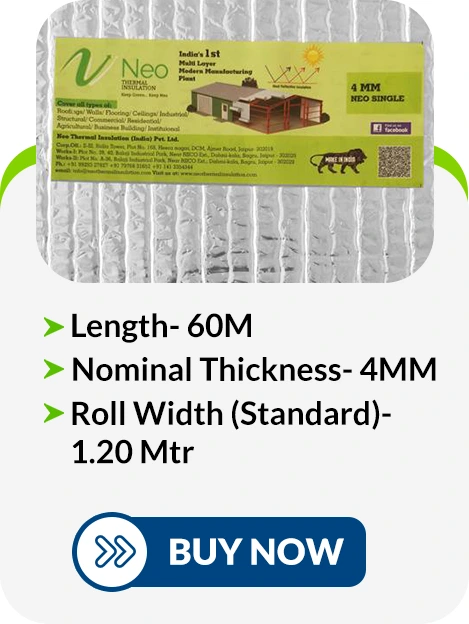
Neo Single
Neo Double
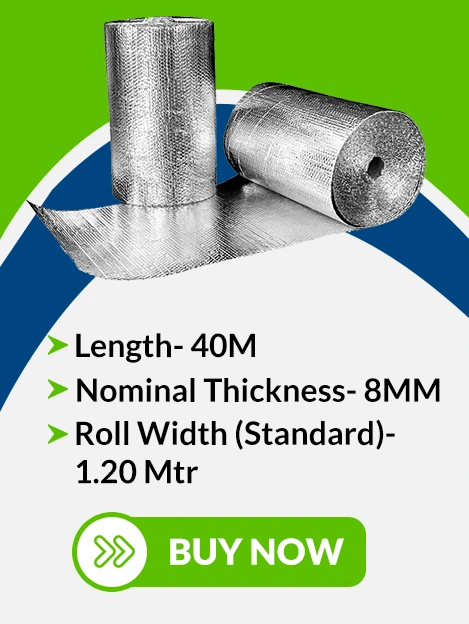
Neo Premium
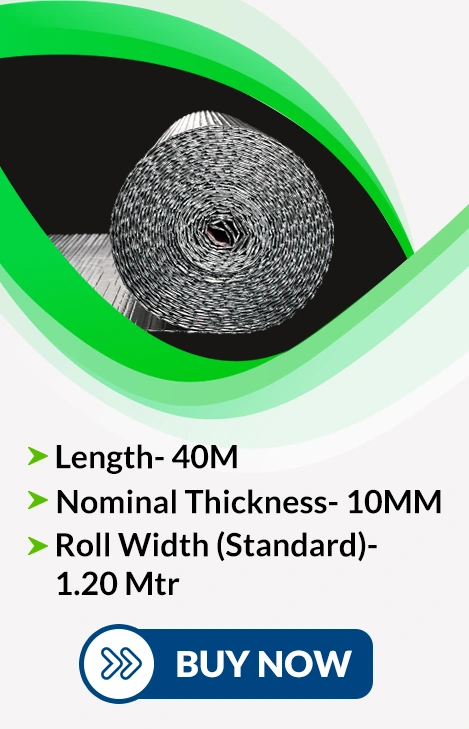
Neo Premium Plus
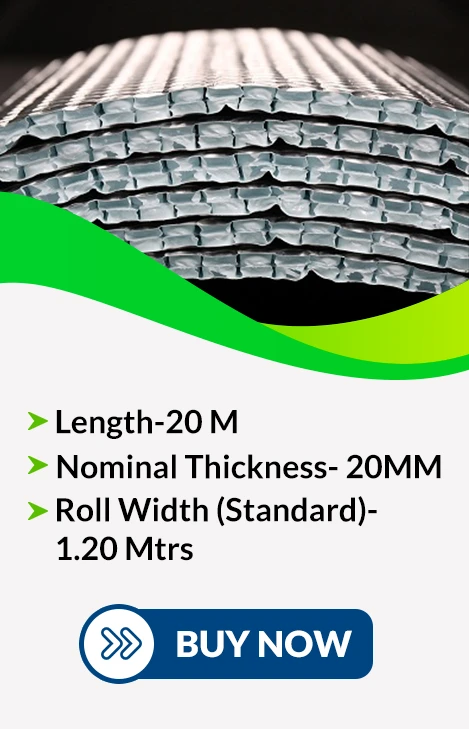
Neo Triple Advance