The Advantages of Bubble Wrap Window Insulation for Winter & Summer

Energy efficiency has become a priority for homeowners and businesses alike. Rising electricity costs, extreme seasonal temperatures, and growing environmental awareness have encouraged people to look for simple, affordable insulation solutions. One such practical and cost-effective option is bubble wrap window insulation. Though commonly associated with packaging, bubble wrap can play a surprisingly effective role in insulating windows during both winter and summer.
This article explores the advantages of bubble wrap window insulation, how it works, its seasonal benefits, and answers frequently asked questions to help you decide whether it’s the right solution for your space.
What Is Bubble Wrap Window Insulation?
Bubble wrap window insulation involves applying standard air-filled bubble wrap to the interior side of windows. The trapped air pockets act as an insulating barrier, reducing heat transfer between the inside and outside environment.
When installed correctly, bubble wrap can help maintain indoor temperatures by minimizing heat loss in winter and limiting heat gain in summer. It is especially useful for single-pane windows, older buildings, rented homes, and temporary insulation needs.
How Bubble Wrap Insulates Windows
Bubble wrap works on a simple scientific principle: air is a poor conductor of heat. The sealed air pockets within the wrap slow down the movement of heat across glass surfaces.
- In winter, it reduces heat loss by trapping warm indoor air.
- In summer, it limits heat from outside entering the room.
When applied to windows, bubble wrap creates a layer of thermal resistance similar to double glazing—though at a fraction of the cost.
Advantages of Bubble Wrap Window Insulation in Winter
- Reduces Heat Loss
Windows are one of the biggest sources of heat loss in winter. Bubble wrap helps prevent warm indoor air from escaping, keeping rooms warmer for longer periods.
- Lowers Heating Costs
By retaining heat inside, less energy is required to warm your space. This can lead to noticeable savings on electricity or gas bills during colder months.
- Improves Indoor Comfort
Cold drafts near windows can make rooms uncomfortable. Bubble wrap helps reduce cold spots and maintains a more even indoor temperature.
- Easy and Quick Installation
Bubble wrap can be cut to size and applied using water or double-sided tape. No tools, professional help, or permanent alterations are required.
- Ideal for Temporary or Rental Homes
Since it doesn’t damage windows and is easily removable, bubble wrap insulation is perfect for renters or temporary winter use.
Advantages of Bubble Wrap Window Insulation in Summer
- Reduces Heat Gain
During hot weather, sunlight and external heat can quickly warm up indoor spaces. Bubble wrap reflects and slows down heat penetration through glass.
- Helps Maintain Cooler Indoor Temperatures
By limiting heat entry, bubble wrap reduces indoor temperature rise, making rooms feel cooler without excessive air-conditioning use.
- Saves on Cooling Costs
Lower indoor heat gain means less reliance on fans and air conditioners, resulting in reduced electricity consumption.
- Minimizes Glare and UV Exposure
Bubble wrap diffuses sunlight, reducing glare and protecting furniture, curtains, and flooring from sun damage.
- Useful for Sun-Facing Windows
South- or west-facing windows that receive direct sunlight benefit the most from bubble wrap insulation during summer months.
Additional Benefits of Bubble Wrap Window Insulation
- Cost-Effective Solution
Compared to double glazing, thermal curtains, or professional insulation, bubble wrap is extremely affordable and widely available.
- Environmentally Friendly
Reducing energy consumption lowers your carbon footprint. Reusing bubble wrap also helps minimize waste.
- Lightweight and Flexible
Bubble wrap can be applied to windows of any size or shape, including bathroom windows, skylights, and glass doors.
- Noise Reduction
Although not soundproof, bubble wrap can slightly reduce outside noise, adding to indoor comfort.
- Limitations to Consider
While bubble wrap insulation offers many benefits, it’s important to be aware of its limitations:
- It may reduce natural light and outside visibility.
- It is not as durable or efficient as permanent insulation solutions.
- Aesthetic appeal may be lower compared to curtains or blinds.
- Best suited for temporary or seasonal use.
Conclusion
Bubble wrap window insulation is a simple yet highly effective solution for improving indoor comfort during both winter and summer. Its ability to reduce heat loss in colder months and minimize heat gain during warmer seasons makes it a versatile, budget-friendly option for homeowners, renters, and businesses.
While it may not replace permanent insulation methods, bubble wrap offers an excellent temporary alternative that delivers real energy savings with minimal effort. For anyone looking to reduce utility bills, enhance comfort, and adopt a more energy-efficient lifestyle, bubble wrap window insulation is a smart and practical choice.
Frequently Asked Questions (FAQs)
-
Does bubble wrap really work as window insulation?
Yes, bubble wrap effectively reduces heat transfer by trapping air between the window and the wrap. While not as effective as double glazing, it significantly improves insulation at a low cost.
-
Which type of bubble wrap is best for windows?
Large-bubble wrap works best because larger air pockets provide better insulation compared to small-bubble varieties.
-
Can bubble wrap be reused?
Yes, if removed carefully, bubble wrap can be reused for multiple seasons, making it a sustainable insulation option.
-
Will bubble wrap damage windows?
No, when applied using water or removable tape, bubble wrap does not damage glass surfaces or window frames.
-
Is bubble wrap suitable for all climates?
Bubble wrap is most effective in regions with moderate to extreme temperature variations. It is especially useful in areas with cold winters or hot summers.
-
Can bubble wrap replace professional insulation?
Bubble wrap is a temporary or supplementary solution. For long-term efficiency, professional insulation or double-glazed windows are recommended.
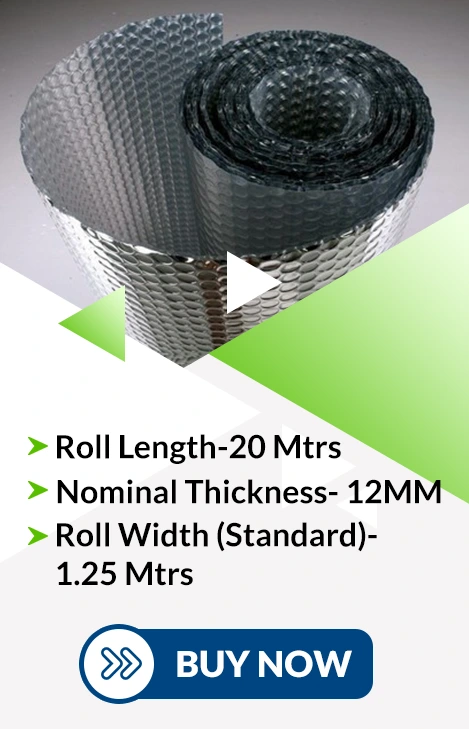
Neo Single
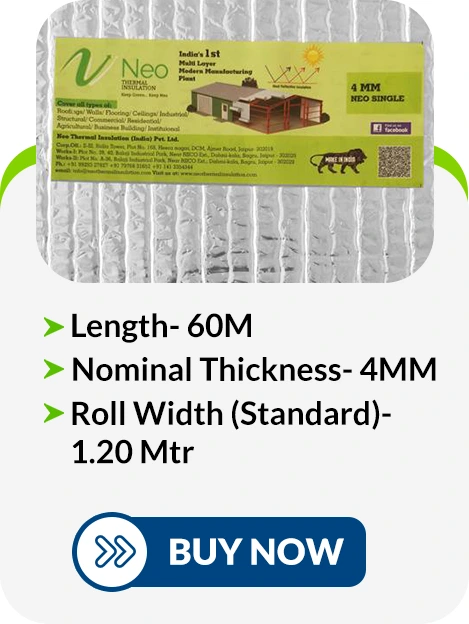
Neo Double
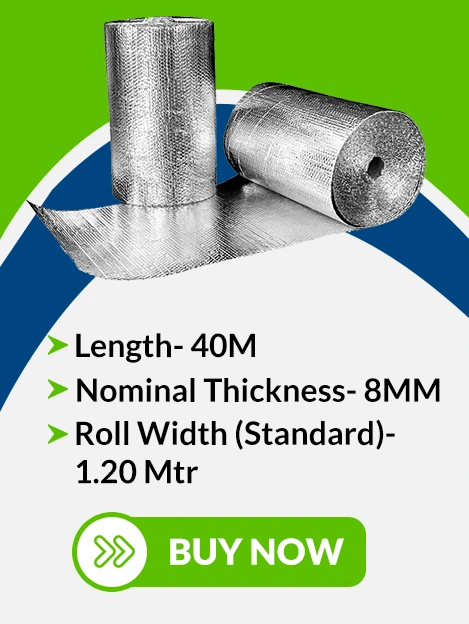
Neo Premium
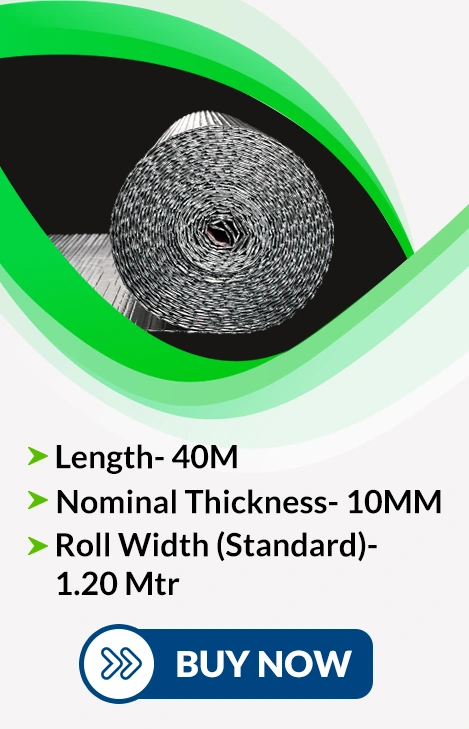
Neo Premium Plus
Neo Triple Advance