The Ultimate Homeowner’s Guide to Metal Roof Insulation
One of the most common options for contemporary homeowners is metal roofing. It is a desirable investment due to its long lifespan, sleek design, and durability. Metal roofs are robust and resistant to weather, but for optimal performance, they need to be properly insulated. Homeowners may experience temperature fluctuations, condensation problems, and increased energy costs without insulation.
Everything you need to know about metal roof insulation is covered in this extensive guide, including the various types that are available, installation techniques, the reasons why they are important, and advice on how to pick the best option for your house.
Why Metal Roof Insulation is Essential
Metal conducts heat very well. This implies that your roof has the capacity to absorb and transmit heat into your house on hot summer days. Warmth can escape equally easily in the winter. Your HVAC system has to work harder to keep the temperature inside your home comfortable if you don’t have insulation
Heat transfer is slowed by the thermal barrier that metal roof insulation produces. This is beneficial:
- Keep the temperature inside constant
- Lower the cost of heating and cooling
- Boost general energy efficiency
- Boost comfort throughout the year
Insulation also aids in moisture control. Condensation may occur when warm indoor air meets a metal roof’s cooler surface. This moisture can eventually lead to corrosion, the growth of mold, or structural damage. These risks are greatly decreased by proper insulation.
Key Benefits of Insulating a Metal Roof
-
Energy Savings
Reduced energy costs are one of the main benefits of insulation. Your house will use less energy to heat and cool by minimizing heat gain and loss.
-
Temperature Control
Insulation stabilizes indoor temperatures, preventing rooms from becoming too hot in summer or too cold in winter.
-
Noise Reduction
On a metal roof, wind, hail and rain can all sound louder. A quieter living space is produced by insulation’s ability to absorb and reduce these noises.
-
Moisture Prevention
One common issue with metal roofs is condensation. Insulation shields structural elements and aids in moisture management.
-
Increased Property Value
Energy-efficient homes are more appealing to buyers. Proper insulation can enhance your home’s market value.
Types of Metal Roof Insulation
Choosing the right insulation material depends on your climate, budget and roof structure. Here are the most common options:
Fiberglass Batt Insulation
Fiberglass batts are not too expensive. You can find them almost anywhere. They are simple to put in between the rafters. They do a good job of keeping the temperature stable. You have to make sure to seal them so that air does not leak through and they do not get wet.
Spray Foam Insulation
Spray foam fills up all the cracks and gaps making a seal. It keeps your place warm and cozy. Also stops moisture from getting in. Spray foam costs, at first but it saves you money on energy bills over time.
Rigid Foam Board Insulation
Rigid boards are really good, at keeping warmth in even when they are thin. People use them a lot in homes and offices because they work well. They also stop moisture well which is great.
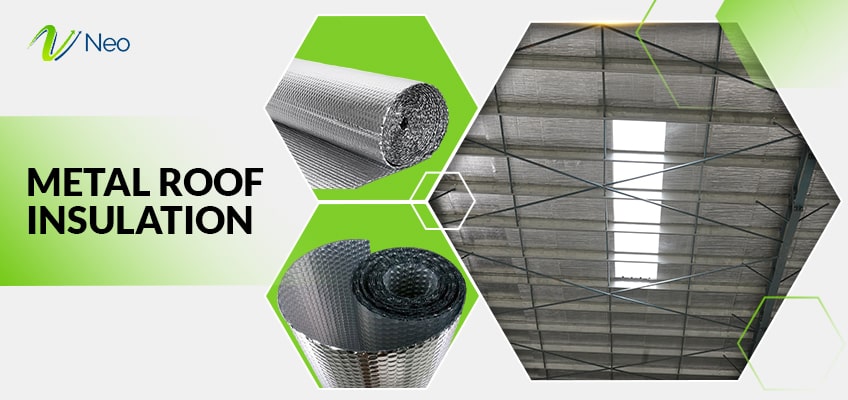
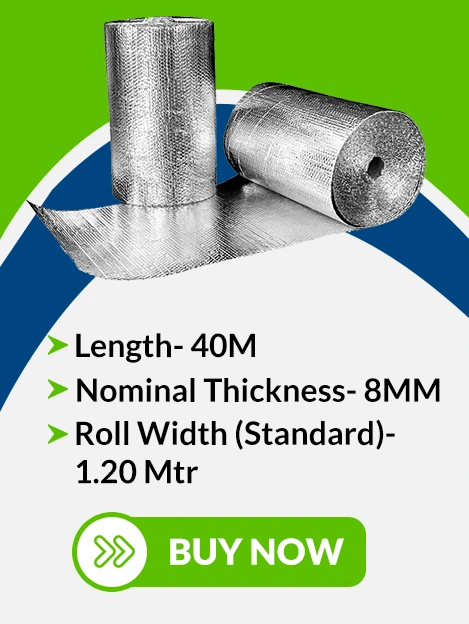
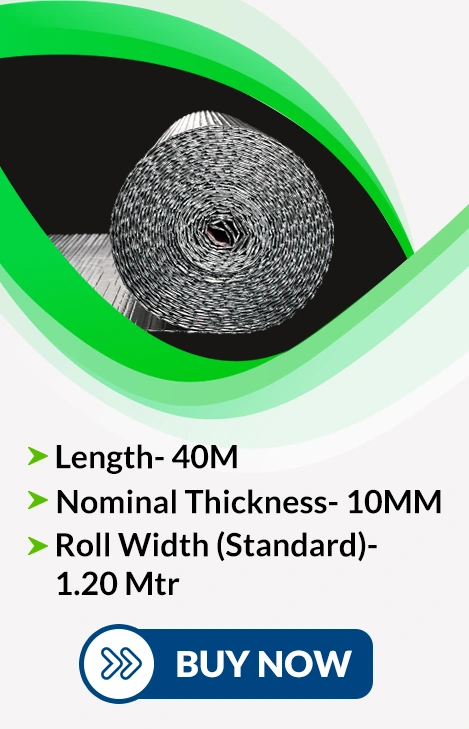
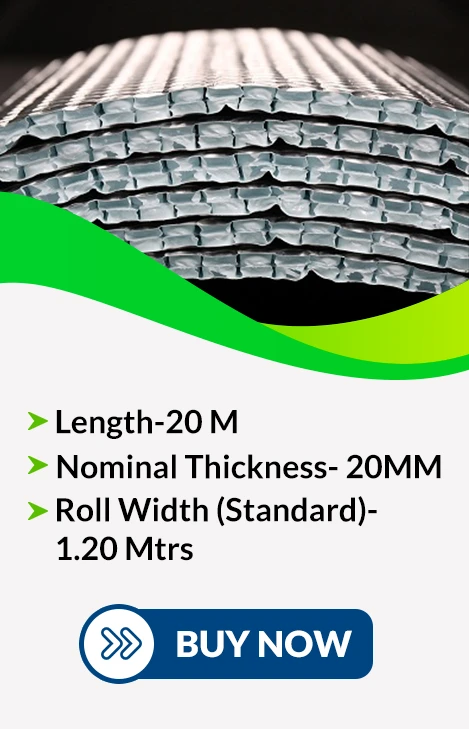
Reflective Foil Insulation
This kind of insulation helps keep your home cool by reflecting heat from it. It really works well in places they’re very hot and where it costs a lot to cool your home.
Understanding R-Value
The R-value is a measure of how an insulation material can stop heat from flowing. The higher the R-value the better it is at keeping things warm or cool. The right R-value for you depends on the climate where you live.
If you live in a place you need a higher R-value to keep the warmth in. In places a moderate R-value along, with some reflective barriers can help keep the heat out.
Installation Methods
There are different ways to install insulation under a metal roof, depending on whether the roof is new or existing.
-
Above the Roof Deck
This is how it works: insulation is put on top of the roof deck before adding the metal panels. People often do this when building projects, especially, in commercial buildings.
-
Below the Roof Deck
You can put insulation under the roof panels between the rafters or purlins. People often choose this method when they are updating their homes insulation.
-
Insulated Metal Panels
Some roofs have insulation already built in. These special panels are made by combining the roofing material and insulation into a product, which makes the installation process simpler.
It is usually an idea to have a professional install the roof to make sure it is sealed properly has good ventilation and meets the local building codes.
Common Problems without Proper Insulation
Not having insulation can cause a lot of problems. If you do not insulate your metal roof you might face some issues like:
- Energy bills
- Indoor temperatures that are not the same everywhere
- Lots of condensation
- Mold starting to grow
- Roof parts getting corroded
- More noise coming from, outside
Insulation that is of good quality can help homeowners avoid spending a lot on repairs and prevent long-term damage to their home.
Cost of Metal Roof Insulation
The cost of insulating a metal roof varies based on:
- Type of insulation material
- Roof size and complexity
- Labor costs
- Geographic location
While spray foam may cost more initially, it often provides superior energy efficiency. Fiberglass is more budget-friendly but may require additional moisture barriers.
When evaluating costs, consider long-term savings in energy bills and potential maintenance expenses.
Maintenance and Longevity
Once installed, insulation requires minimal maintenance. However, periodic inspections are important. Check for:
- Water leaks
- Damaged insulation materials
- Proper ventilation
- Signs of mold or moisture
Proper maintenance ensures your insulation remains effective for decades.
Tips for Choosing the Right Insulation
- Evaluate your climate conditions.
- Determine your desired R-value.
- Consider moisture control requirements.
- Set a realistic budget.
- Consult a professional contractor.
An experienced roofing contractor can assess your home’s structure and recommend the best Metal Roof Insulation solution for optimal performance.
Environmental Benefits
Metal roofs are already environmentally friendly due to their recyclability and durability. Adding insulation further enhances sustainability by reducing energy consumption and lowering greenhouse gas emissions.
Energy-efficient homes not only reduce environmental impact but may also qualify for local energy rebates or incentives.
Conclusion
A metal roof is a long-term investment, and proper insulation ensures you get the most out of it. From energy efficiency and noise reduction to moisture control and enhanced comfort, insulation plays a vital role in protecting your home. By understanding your options and working with qualified professionals, you can choose the right insulation solution for your needs. Ultimately, investing in quality Metal Roof Insulation improves performance, reduces costs, and enhances your home’s overall value.
Frequently Asked Questions (FAQs)
-
Is insulation necessary for a metal roof?
Yes. Insulation prevents heat transfer, reduces condensation, and improves overall energy efficiency.
-
What is the best insulation for metal roofing?
Spray foam offers excellent performance, while fiberglass batts are more affordable. The best choice depends on your budget and climate.
-
Can I install metal roof insulation myself?
DIY installation is possible, but professional installation ensures proper sealing and ventilation.
-
How long does metal roof insulation last?
When properly installed, insulation can last 30 to 50 years or more.
-
Does insulation reduce noise from rain?
Yes, insulation significantly dampens the sound of rain and hail on metal roofs.
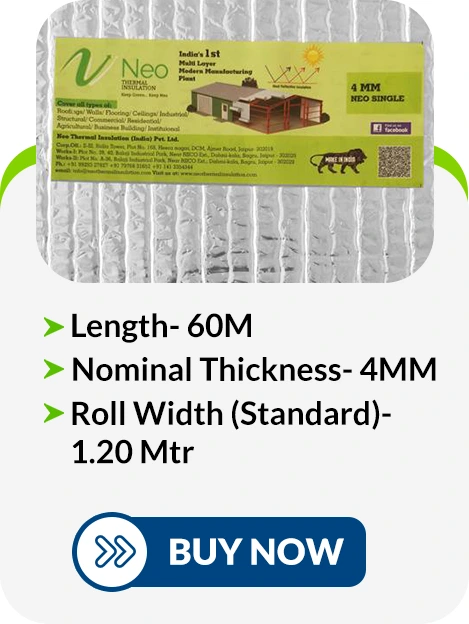
Neo Single
Neo Double
Neo Premium
Neo Premium Plus
Neo Triple Advance