Why Metal Roof Insulation is Essential for Modern Energy-Efficient Buildings
Introduction
In today’s construction industry, energy efficiency and indoor comfort have become top priorities for homeowners, industrial facilities, commercial spaces, and warehouses. One of the most effective ways to improve building performance is by installing high-quality metal roof insulation. Metal roofs are known for their durability, strength and long lifespan, but without proper insulation, they can absorb excessive heat during summer and lose warmth during winter.
Metal Roof Insulation helps create a balanced indoor environment by reducing heat transfer, lowering energy consumption, minimizing noise, and preventing moisture-related issues. Whether it is a factory, warehouse, office building, poultry farm, or residential property, insulated metal roofing systems offer long-term benefits that improve both comfort and operational efficiency.
This blog explains everything you need to know about metal roof insulation, including its benefits, applications, types, installation advantages and why it has become an essential solution for modern buildings.
What is Metal Roof Insulation?
Metal roof insulation is a protective insulating layer installed beneath or above a metal roofing system to control temperature transfer, moisture build up and sound penetration. It acts as a thermal barrier that reduces the amount of heat entering or leaving a building.
Since metal roofs naturally conduct heat, buildings without insulation often experience extremely high indoor temperatures during hot weather. In colder conditions, heat escapes quickly through the roof. Insulation solves these problems by maintaining stable indoor temperatures throughout the year.
Modern insulation materials are specially designed to improve energy efficiency while also increasing the overall durability and performance of roofing systems.
Importance of Metal Roof Insulation
Metal roof insulation plays a major role in creating sustainable and energy-efficient buildings. It improves indoor climate control and helps reduce dependency on heating and cooling systems.
Without insulation, metal roofs can cause:
- Excessive indoor heat during summer
- Higher electricity bills
- Moisture condensation problems
- Increased HVAC load
- Poor indoor comfort
- Noise issues during rainfall
- Reduced workplace productivity
Installing the right insulation system helps solve these challenges while improving the lifespan and efficiency of the structure.
Key Benefits of Metal Roof Insulation
1. Improved Energy Efficiency
One of the biggest advantages of metal roof insulation is energy savings. Insulation minimizes heat transfer through the roof, reducing the need for excessive air conditioning or heating.
Buildings with insulated roofs maintain cooler indoor temperatures during summer and retain warmth during winter. This significantly lowers electricity consumption and reduces operational costs.
Energy-efficient buildings also contribute to environmental sustainability by decreasing carbon emissions.
2. Enhanced Indoor Comfort
Temperature fluctuations can create uncomfortable indoor environments, especially in industrial and commercial buildings.
Metal roof insulation helps maintain a consistent indoor temperature by reducing external heat gain and heat loss. This creates a more comfortable atmosphere for employees, customers, and residents.
Comfortable indoor conditions can also improve employee productivity and overall workplace performance.
3. Condensation Control
Condensation occurs when warm air comes into contact with cooler metal surfaces. This can lead to water droplets forming beneath the roof.
Excess moisture may cause:
- Corrosion and rust
- Mold and mildew growth
- Structural damage
- Reduced insulation efficiency
- Damage to stored goods and equipment
High-quality insulation systems act as vapor barriers, helping prevent condensation and moisture accumulation.
4. Noise Reduction
Metal roofs can generate significant noise during heavy rainfall, hailstorms, or external industrial activity.
Insulation materials absorb sound vibrations and reduce noise transmission inside the building. This creates a quieter and more peaceful environment.
Noise reduction is especially beneficial for:
- Offices
- Residential properties
- Educational institutions
- Warehouses
- Industrial facilities
5. Increased Roof Lifespan
Extreme temperature changes and moisture build up can affect the durability of metal roofing systems over time.
Insulation helps regulate roof temperature and prevents moisture damage, reducing wear and tear. This improves the longevity and structural stability of the roof.
Proper insulation also lowers maintenance costs and helps avoid frequent repairs.
6. Eco-Friendly Building Solution
Sustainable construction practices are becoming increasingly important across industries.
Metal roof insulation supports green building initiatives by reducing energy usage and minimizing environmental impact. Many modern insulation products are manufactured using recyclable and eco-friendly materials.
Energy-efficient buildings also qualify for various sustainability certifications and energy-saving benefits.
Types of Metal Roof Insulation
Different insulation materials are available depending on the building type, climate conditions, and performance requirements.
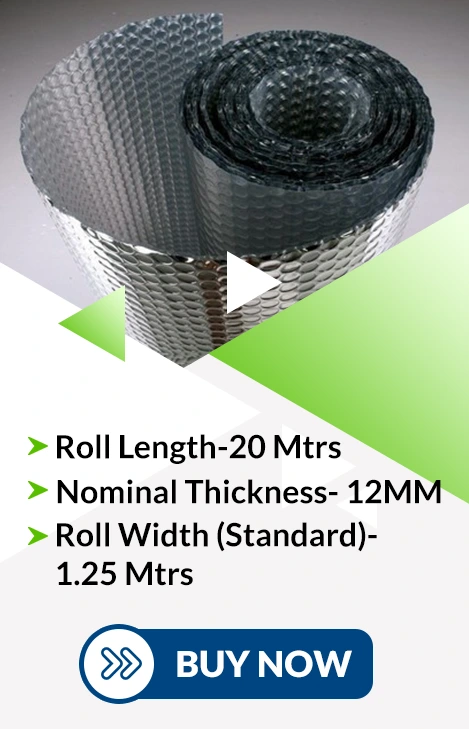
Reflective Foil Insulation
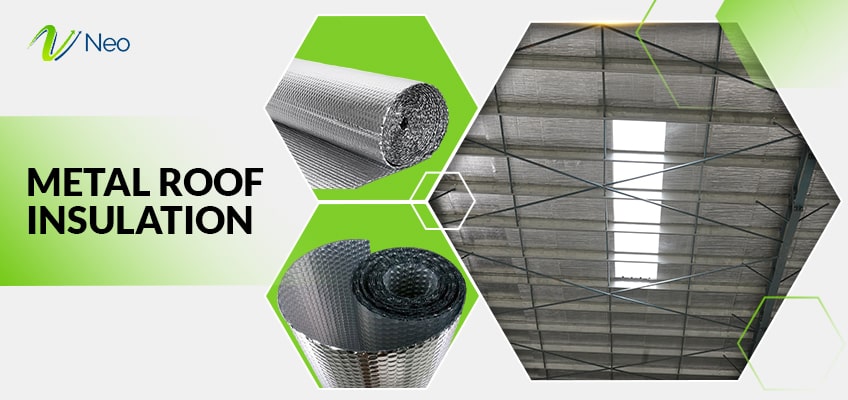
Reflective foil insulation is widely used in industrial and commercial buildings. It reflects radiant heat away from the building, helping maintain cooler indoor temperatures.
This type of insulation is lightweight, durable, and highly effective in hot climates.
Features:
- Excellent heat reflection
- Lightweight structure
- Easy installation
- Moisture resistance
- Energy-saving performance
Glass Wool Insulation
Glass wool insulation is made from fine glass fibers and provides strong thermal and acoustic insulation.
It is commonly used in warehouses, factories, offices, and residential buildings.
Benefits:
- Good thermal efficiency
- Excellent sound absorption
- Fire resistance
- Cost-effective solution
Rock Wool Insulation
Rock wool insulation is manufactured from natural rock minerals and offers high-temperature resistance.
It is suitable for industries that require fire protection and sound insulation.
Advantages:
- Superior fire resistance
- Thermal insulation performance
- Water repellency
- Long-lasting durability
Polyurethane Foam (PUF) Insulation
PUF insulation provides high thermal resistance and energy efficiency.
It is commonly used in cold storage facilities, industrial plants, and commercial structures.
Features:
- Excellent thermal insulation
- Lightweight material
- High strength
- Reduced energy consumption
Applications of Metal Roof Insulation
Metal roof insulation is suitable for a wide range of industries and building types.
Industrial Buildings
Factories and manufacturing plants generate large amounts of heat. Insulated roofs help maintain better indoor conditions and reduce cooling costs.
Warehouses
Warehouses require temperature control to protect stored products and materials. Roof insulation helps maintain stable storage conditions.
Commercial Buildings
Offices, shopping complexes, and showrooms benefit from improved comfort, reduced noise, and lower energy bills.
Residential Properties
Homeowners use metal roof insulation to improve indoor comfort and reduce electricity expenses.
Poultry Farms and Agricultural Structures
Agricultural buildings require temperature regulation for livestock health and productivity. Insulation helps maintain proper environmental conditions.
Factors to Consider When Choosing Metal Roof Insulation
Selecting the right insulation solution depends on several important factors.
Climate Conditions
Buildings located in hot climates require insulation with strong heat-reflective properties, while colder regions need high thermal resistance.
Thermal Performance
The insulation material should provide effective temperature control and energy efficiency.
Moisture Resistance
Good insulation should prevent condensation and resist moisture absorption.
Fire Safety
For industrial and commercial applications, fire-resistant insulation materials are highly recommended.
Installation Requirements
Choose insulation products that are easy to install and compatible with the roofing system.
Budget and Long-Term Value
While initial installation costs are important, long-term energy savings and durability should also be considered.
Why Businesses Are Investing in Metal Roof Insulation
Businesses today focus heavily on operational efficiency and cost reduction. Rising electricity costs have made energy-efficient building solutions more important than ever.
Metal roof insulation helps businesses:
- Reduce energy bills
- Improve employee comfort
- Protect machinery and inventory
- Enhance productivity
- Achieve sustainability goals
- Lower maintenance expenses
Industrial and commercial facilities with proper insulation systems often experience significant long-term financial savings.
Future of Energy-Efficient Roofing Solutions
The demand for sustainable and energy-saving construction materials continues to grow globally.
Modern metal roof insulation technologies are becoming more advanced, lightweight, durable, and environmentally friendly. Smart insulation systems now offer improved thermal performance and moisture control while supporting green building standards.
As industries move toward sustainable infrastructure development, insulated roofing systems will continue playing a major role in energy conservation and environmental protection.
Conclusion
Metal roof insulation is no longer an optional feature for modern buildings — it has become a necessity for energy efficiency, comfort, and long-term building performance.
From reducing electricity bills and improving indoor comfort to preventing condensation and increasing roof lifespan, insulation offers multiple advantages for industrial, commercial, agricultural and residential applications.
Investing in high-quality metal roof insulation helps businesses and property owners create sustainable, cost-effective, and comfortable environments. With growing awareness about energy conservation and eco-friendly construction, insulated roofing systems are becoming one of the smartest solutions for modern infrastructure.
Frequently Asked Questions (FAQs)
1. What is the main purpose of metal roof insulation?
The main purpose of metal roof insulation is to reduce heat transfer, improve energy efficiency, control condensation, and maintain comfortable indoor temperatures.
2. Does metal roof insulation reduce electricity bills?
Yes, metal roof insulation reduces the load on heating and cooling systems, helping lower electricity consumption and energy costs.
3. Which insulation is best for metal roofs?
The best insulation depends on the building type and requirements. Reflective foil insulation, glass wool, rock wool, and PUF insulation are commonly used options.
4. Can metal roof insulation reduce noise?
Yes, insulation materials help absorb sound and reduce noise caused by rain, machinery, and external activities.
5. Is metal roof insulation suitable for industrial buildings?
Yes, metal roof insulation is widely used in factories, warehouses, and industrial plants to improve energy efficiency and indoor comfort.
6. Does insulation prevent condensation in metal roofs?
Yes, proper insulation helps control moisture build-up and reduces condensation problems.
7. Is metal roof insulation environmentally friendly?
Yes, energy-efficient insulation systems help reduce energy usage and support sustainable building practices.
8. How long does metal roof insulation last?
High-quality insulation materials can last for many years with proper installation and maintenance.
Neo Single
Neo Double
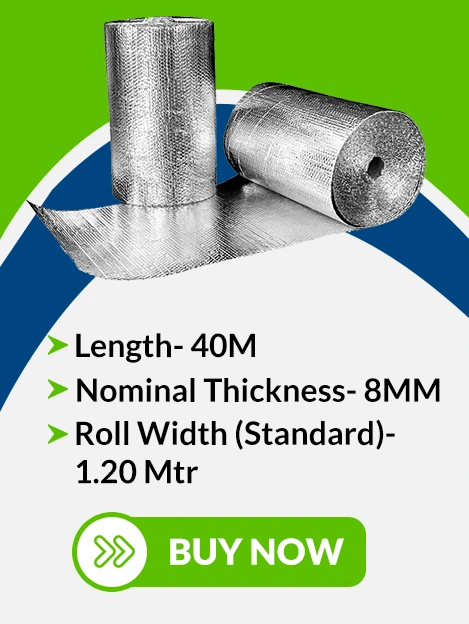
Neo Premium
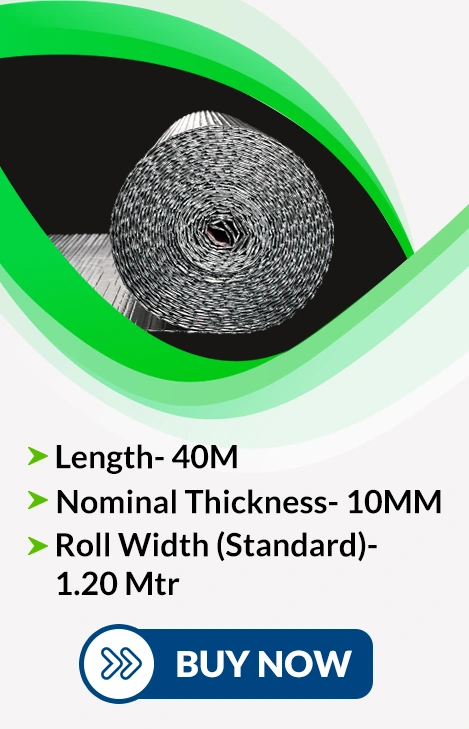
Neo Premium Plus
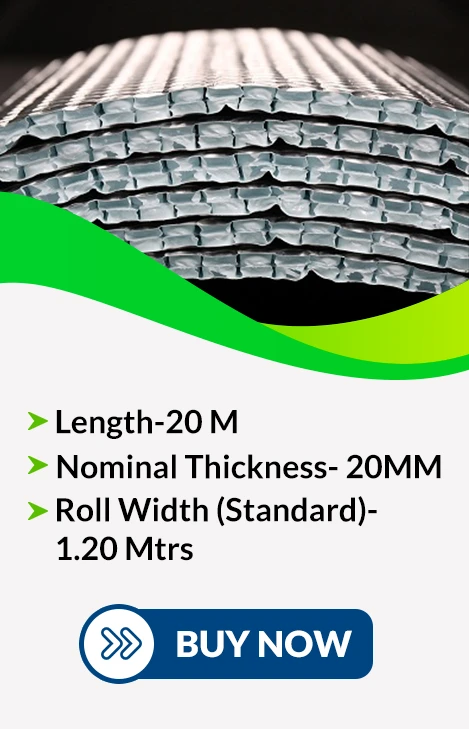
Neo Triple Advance