Why Pipe Insulation is Important and How it Increases Energy Efficiency
These days, safety and energy efficiency are really important in buildings and industrial systems. One thing that helps with this is pipe insulation. Pipe insulation is something that people often forget about. It is really important for achieving these goals. Insulating pipes helps them work better saves energy and keeps the piping system safe in homes, offices and factories.
Pipe insulation is when you cover pipes with materials to keep the fluid inside at the right temperature. This fluid can be steam, cold water, hot water or refrigerants. When you insulate pipes you can make them last longer stop condensation and save energy.
In this blog we will talk about what pipe insulation’s its benefits, the different kinds of insulation materials and why it is necessary for buildings to be efficient and sustainable.
What is Pipe Insulation?
Pipe insulation is a layer of material that you put around pipes to stop heat from moving between the pipe and the air around it. This material helps keep the fluid in the pipe at the temperature. For example you insulate cold water pipes to stop condensation and heat gain. You insulate hot water pipes to stop heat loss. Pipe insulation is used a lot in pipelines, heating and cooling systems plumbing systems and refrigeration units. If you do not have pipe insulation you can lose a lot of energy which can increase your utility bills and make your systems less efficient.
Benefits of Pipe Insulation
Pipe insulation has benefits for homes and offices.
-
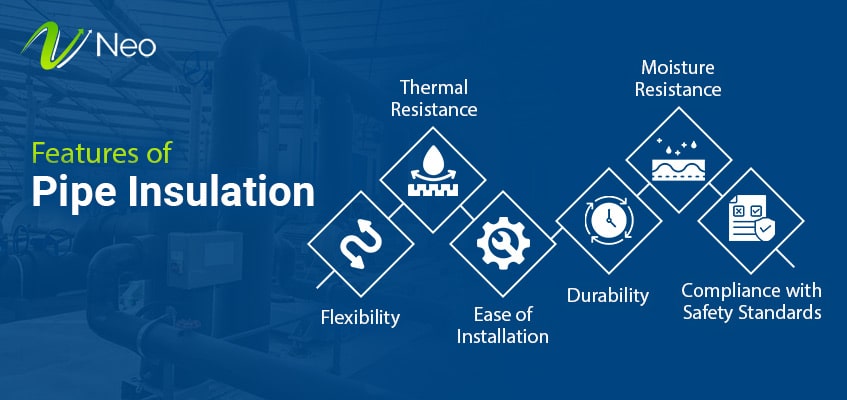
Energy Efficiency :- One of the benefits of pipe insulation is that it saves energy. Insulated pipes stop heat gain in cold water systems and heat loss in hot water systems. This means that your heating and cooling systems do not have to work hard to keep the temperature right. As a result you can save money on your energy bills. Help the environment.
- Prevents Condensation :- Condensation often forms on pipes when they are exposed to warm air. This moisture can cause corrosion, mold growth and water damage. Pipe insulation helps prevent condensation by creating a barrier between the pipe and the air around it. This is really important for refrigeration systems and humid environments.
- Improves Safety :- Pipe insulation is also important for safety. If you touch a pipe you can get burned. Pipe insulation helps keep the pipe at a temperature so you can touch it without getting hurt. In factories and plants pipe insulation is crucial for safety.
- Reduces Noise :- Pipe insulation can also help reduce noise. When water or steam flows through pipes it can cause the pipes to vibrate and make noise. The insulation helps quiet down these vibrations so you can hear noise coming from the pipes. This makes buildings more comfortable for people.
- Extends Pipe Lifespan :- Temperature changes and moisture can damage pipes over time. Pipe insulation helps protect pipes from these things so they can last longer. This saves you money because you do not have to replace the pipes often. By stopping pipes from rusting and getting too hot or cold insulation helps keep the piping system working well for a time.
Types of Pipe Insulation Materials
There are materials used for pipe insulation depending on the application and temperature requirements. Here are some common types:
- Fiberglass Insulation :- Fiberglass is a choice for insulating pipes. It does a job of keeping the temperature right. You can use fiberglass on pipes that carry cold water. Fiberglass is a choice because it is not too heavy and it is affordable. It is also easy to install.
- Foam Insulation :- Foam insulation is really useful for homes. It is often used for plumbing and heating and cooling systems. It is good because it can bend and it keeps water out. This helps prevent condensation from forming on the pipes.
- Mineral Wool Insulation :- Mineral wool insulation can handle temperatures. This is why it is often used in factories and other industrial places where pipes carry liquids or steam. Mineral wool insulation also helps stop fires from spreading and absorbs sound.
- Rubber Insulation :- Rubber insulation is really good for refrigeration and air conditioning systems. It helps keep moisture and condensation from the pipes. This makes rubber insulation a great choice for pipes. Rubber insulation is also very strong. Can withstand a lot of environmental damage.
Applications of Pipe Insulation
Pipe insulation is used in industries and building systems.
- Residential Buildings :- In homes pipe insulation is used on hot water pipes, heating systems and air conditioning. This helps save energy and makes sure hot water gets to the faucets without losing heat.
- Commercial Buildings :- Offices, hospitals, hotels and stores use pipe insulation for their heating and cooling systems and plumbing. This helps keep the temperature right and makes the systems work efficiently.
- Industrial Facilities :- Factories use pipe insulation to keep the fluids they use at the temperature. This is important for safety. For making sure the processes work correctly.
- Refrigeration Systems :- Places that need to keep things cold, like cold storage facilities use pipe insulation to stop heat from getting and to save energy.
Factors to Consider When Choosing Pipe Insulation
When selecting pipe insulation there are factors to consider to ensure optimal performance.
Temperature Range
Different insulation materials are good for temperatures. You need to pick insulation that can handle the temperature of the fluid in the pipe.
Moisture Resistance
In places with humidity or refrigeration systems the insulation needs to be able to handle moisture without falling apart.
Fire Safety
Some places need insulation that can stop fires from spreading to meet safety rules.
Installation and Maintenance
It is also important to think about how easy the insulation’s to install and how long it will last.
Installation of Pipe Insulation
To get the most out of pipe insulation it needs to be installed. The insulation must fit tightly around the pipe without any gaps. Professionals usually measure the pipe pick the insulation and secure it with adhesive, tape or a protective jacket.
Environmental Impact of Pipe Insulation
Pipe insulation helps the environment by saving energy. When you use energy you make less pollution and help keep the air clean. Buildings that are energy need insulation, including pipe insulation to meet modern standards for being environmentally friendly. As energy costs go up and people become more aware of the environment pipe insulation will continue to be a way to save energy.
Conclusion
Pipe insulation is an effective way to save energy be safe and make systems work better. By stopping heat from moving preventing condensation and protecting pipes from damage insulation is crucial for homes, offices and factories.
Whether used in homes, offices or factories pipe insulation helps reduce energy costs makes places more comfortable and makes pipes longer. Investing in insulation not saves you money but also helps make the world a cleaner place.
Frequently Asked Questions (FAQs)
-
What is Pipe Insulation used for?
Pipe insulation is used to stop heat from moving out of pipes. It helps keep the fluid in the pipe at the temperature saves energy and prevents condensation.
-
Do homes need Pipe Insulation?
Yes homes benefit from pipe insulation because it saves energy stops pipes from freezing in winter and helps hot water get to the faucets efficiently.
-
What Kinds of Materials are used for Pipe Insulation?
Common materials include fiberglass, foam, rubber and mineral wool. Each material is good, for temperatures and uses.
-
Does Pipe Insulation save energy?
Yes pipe insulation helps save energy by stopping heat from moving out of pipes. This means your heating and cooling systems do not have to work as which saves you money.
-
How long does Pipe Insulation last?
The lifespan of pipe insulation depends on the material how well it is installed and how well it is maintained. Good insulation can last a time if it is taken care of properly.
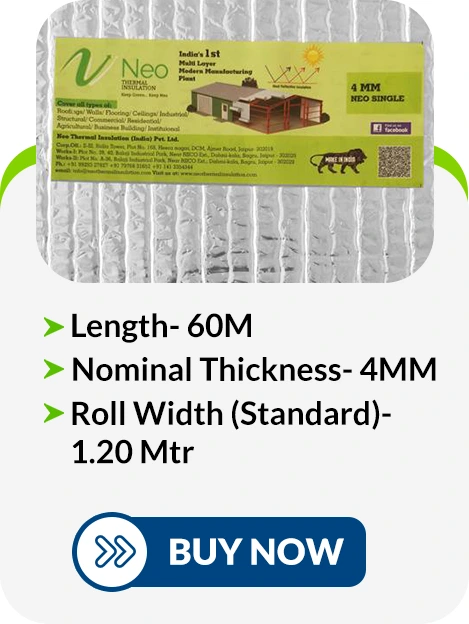
Neo Single
Neo Double
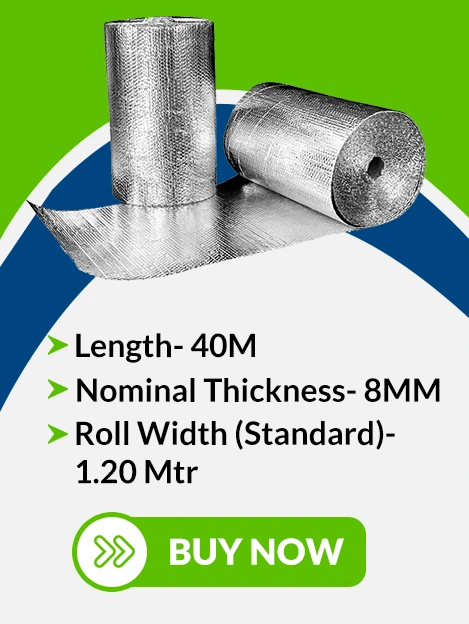
Neo Premium
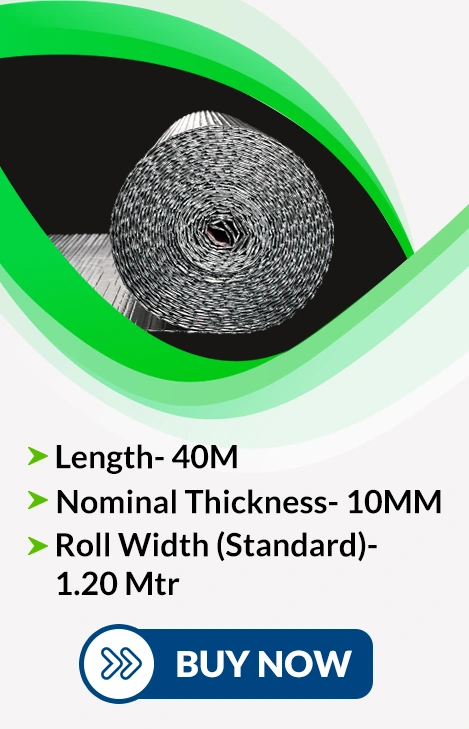
Neo Premium Plus
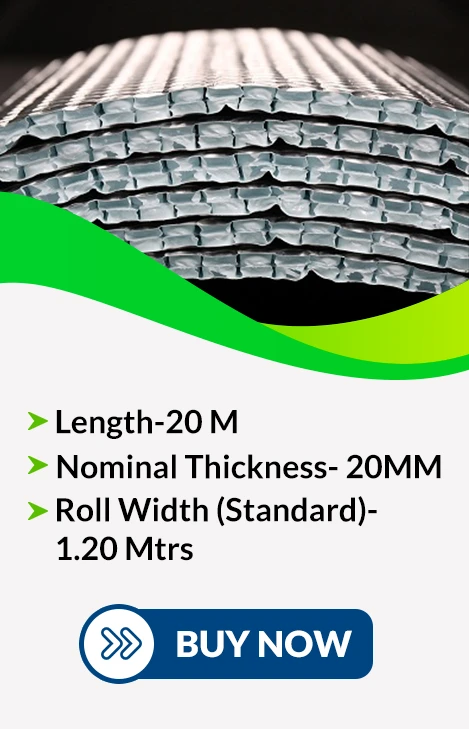
Neo Triple Advance