Tag: reflective insulation material

Top 10 Thermal Insulation Contractors in India [2025 Review & Contact Details]

When it comes to energy efficiency and minimizing the cost of functioning in an industrial setup, it is imperative to opt for an efficacious thermal insulation solution that helps reduce the overall operational cost and ensure comfort, whether in a commercial or residential environment.

India has diverse climatic conditions, from shivering cold to burning heat, from monsoonal rains to dry seasons. Here, installations require expert insulation solutions specifically tailored to their needs.

In this article, we will talk about the top 10 thermal insulation contractors in India who will cater to all your insulation requirements. It does not matter if you are overhauling your existing insulation setup or building up a new one, these qualified professionals will help you achieve the desired results.

Why Hiring a Professional Insulation Contractor Matters

Technical Knowledge

There are a variety of materials available in the market like foam, mineral wool, fiberglass, reflective materials, etc. What is beneficial in your case is subject to technical knowledge of the domain. These professionals have an accurate knowledge of the material, including its R-value and conditions appropriate for its use. Apart from this, they know how to install material properly and other regulatory commitments. All these things together help you get the optimal results.

Assures Quality

The quality of a product is the foremost aspect from which no one expects to compromise. These reputable contractors possess the required certifications and follow industry norms properly. It makes them a reliable partner that not only minimizes the risk of product failure but also offers overall product safety and efficiency.

Cost Efficient

Hiring a professional to install thermal insulation material will save you a lot of money. These experts know their work really well and help you save your crucial time. They decrease the overall cost of a project by limiting unnecessary wastage of material and increasing savings on energy.

Compliance with safety and environmental rules

While installing thermal insulation material, it is important to follow environmental and safety rules. When you hire trained professionals, they will assure you of the best quality product that adheres to all safety and environmental regulations. They will also aid you in disposing of installation waste sustainably.

Criteria for Selecting the Top Contractors

Services offered:

Before selecting any insulation material contractor it is essential to pay attention to services offered by it. Choose a contractor that fits your insulation needs whether it is for commercial or residential purposes, it must hold expertise in the domain.

Expertise in opting for material:

The contractor must know about different kinds of insulation materials like fiber wool, reflective materials, polyurethane, etc. and understand which kind of material will fit your needs.

Transportation:

In case you choose a contractor who is far from your area of operation you will have to bear the transportation cost. It is always good to choose a contractor near your area so that you can easily get the required assistance on time and also you need not to bear the additional transportation cost.

Compliance with necessary norms:

You must choose a contractor who adheres to compliances put up by the local authorities. He must be certified for installing insulation material and follow all necessary protocols for the safety of the customers and operational efficiency.

Service Testimonies and after-sale services:

Pay attention to the customer service of a contractor. Get to know about its market reputation and successful installation projects in different domains like industry, commercial spaces and residential buildings. Also, do not forget to check the after-sale services offered by the contractor like maintenance service, product warranty, technical assistance, etc.

Top 10 Thermal Insulation Contractors in India

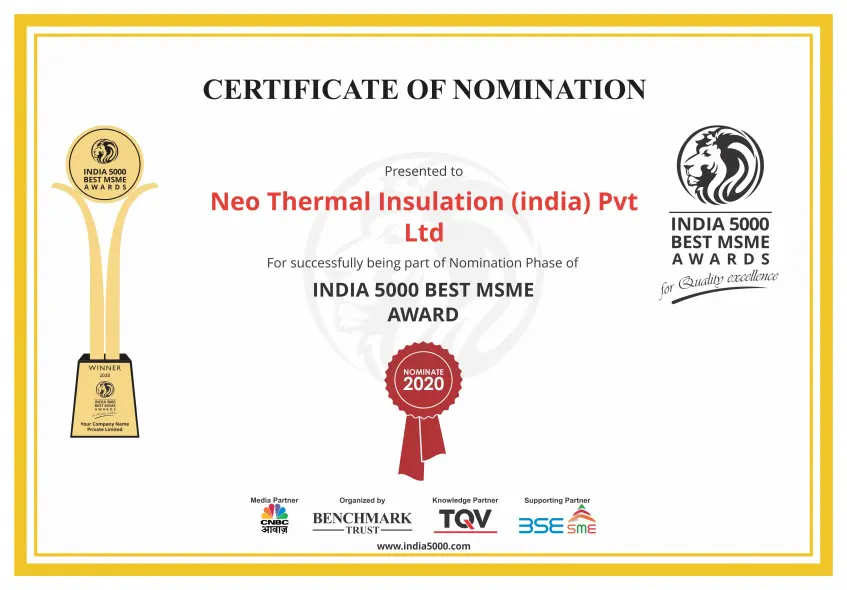
Neo Thermal Insulation (India) Pvt. Ltd.

When it comes to frontrunners in the sphere of thermal insulation, Neo thermal’s bubble sheet insulation material and reflective insulation material always hold the prime place. Known for its expertise in the domain it offers extraordinary solutions amalgamated with the latest insulation technology for your insulation needs. Its top-rated services will serve you the best experience whether you are insulating your home or workplace.

Office: G-4, 1st Floor, Nursery Circle, G-Block, Vaishali Nagar, Jaipur – 302021, Rajasthan, India
Email:info@neothermalinsulation.com
Website: neothermalinsulation.com

Lloyd Insulations (India) Limited

Provide opulent insulation material for commercial, residential, and industrial use. It is the one-stop solution for all your thermal insulation needs.
Office: Plot No. 2, Punj Sons Premises, Kalkaji Industrial Area, South Delhi, New Delhi – 110019
Email: info@lloydinsulation.com
Website: lloydinsulations.com

Armacell India Pvt. Ltd.

It is one of India’s leading foam insulation providers offering industrial establishment foam insulation solutions.

Office: Gat No. 744/745, Village Lonikand, Pune Nagar Road, Pune – 412216, Maharashtra, India
Email: info.imea@armacell.com
Website: www.armacell.com

Saint-Gobain India Pvt. Ltd. – Insulation Business

It is a known name in the Indian insulation material domain. Saint-Gobain is famous for its mineral-wool insulation material for industrial and commercial spaces.

Office: 5th Floor, Leela Business Park, Andheri Kurla Road, Andheri (E), Mumbai Suburban, Maharashtra – 400059, India
Email: sgindia.insulation@saint-gobain.com
Website: insulation-india.saint-gobain.com

ROCKWOOL Technical Insulation India Pvt. Ltd.

When it comes to fire-resistant and high thermal efficiency insulation material Rockwell Technical is the place to visit. It provides insulation materials for home and office space.

Office: Wing B-2, 2nd Floor, Unit No. 205, Boomerang, Near Chandivali Film Studio, Chandivali Farm Road, Andheri (E), Mumbai – 400072, Maharashtra, India
Email: india@rockwool.com
Website: rockwoolindia.com

Thermocare Rock Wool India Pvt. Ltd.

It provides insulation material for industrial, commercial and residential use. The insulation material offered by them is long-lasting and durable.

Office: “Prabhu Kutir”, Ramadhin Marg, Rajnandgaon – 491441, Chhattisgarh, India
Email: info@thermocareindia.com
Website: thermocareindia.com

Owens Corning India Ltd.

It is a known name in the field of fiber-glass insulation material and aural insulation solutions for industrial purposes.

Office: Plot T-28, MIDC Industrial Area, Phase 2, Taloja, Dist. Raigad – 410208, Maharashtra, India
Email: deepak.s.pande@owenscorning.com
Website: owenscorning.com

ARK Thermal Insulation (Athalye Group)

Provide insulation material for insulating industrial pipelines and hot and cold equipment used in the industry.

Office: Plot No. 181, S-Block, MIDC Bhosari, Pune – 411026, Maharashtra, India
Email: sales@arkthermal.co.in
Website: arkthermal.co.in

Shree Gayatri Insulation Pvt. Ltd.

An established name in the thermal insulation sector. It caters to thermal and PEB insulation needs.

Office: Plot No. 25, Pushkar Industrial Hub, Opp. Macchu Nagar, Nr. Ramol Police Chowki, Vatva GIDC, Phase-4, Ahmedabad – 382445, Gujarat, India
Email: sales@shreegayatriinsulation.com
Website: shreegayatriinsulation.com

Indobell Insulations Limited

A known name for providing insulation solutions for manufacturing units. Their spray-insulation solution is helping businesses to grow.

Office: 88C, Lake View Road, Kolkata – 700029, West Bengal, India
Email: info@indobell.com
Website: indobell.com Indobell Insulation Ltd.

How to Choose the Right Contractor for Your Project

Determine what you need:

Without understanding your true requirements you are not able to find the right contractor for your project. Every insulation requirement requires a different set of materials and installation techniques. First, comprehend what you need and then go out for selection.

Pay attention to technical skills:

Once you complete what you require, now it’s time to go for technical expertise. Always go for a contractor who knows the role of R-value in determining insulation material for use and knows how to efficiently install it. So, it not only protects against unwarranted thermal transfer but also protects against moisture build-up and fire.

Check for prior Experience:

An experienced contractor will help you sail through upcoming difficulties related to the insulation project. He knows how to tackle difficulties and save your precious time and money. That is why before selecting a contractor give attention to their previous projects, analyse the kind of projects he has done and if possible pay a visit to some of the sites where he is working live.

Compare the cost of installation:

Make a proper estimate related to your insulation project and then enquire about different contractors for the same. Analyse and compare them all and find out which one fits your budget. Whether it is material, installation, or maintenance cost, factor in all the expenses and potential expenses that may come during the project. Do not forget to enquire about the material and installation warranties.

Provides logistic support:

Choose a contractor who not only provides you with the best kind of material for your insulation needs but also offers you on-time delivery of the product, skilled labor for installing the material, and after-sale services if there is any problem related to the product. Ask your contractor to provide a periodical inspection for regular maintenance of insulated material.

Environment safety regulation:

Opting for an environment-friendly insulation option is the best way forward. Give a visit to the contractor’s previous record of environment safety compliance, and procedure opted for disposing of waste after material installation. opt only for those contractors who strictly comply with these norms.

Conclusion

Energy efficiency, longevity and structural safety are the pillars that make any insulation material worth applying. There is a wide range of insulation materials available in the market but what suits you the best is a hard thing to crack. Here, professional advice will not only save your hard-earned money but also get you the desired results. The above-mentioned list of the top 10 thermal insulation contractors will help you select the best partner for your next insulation project and let you understand why hiring a professional insulation contractor matters. Whether you are looking to insulate your industrial setup, commercial space, or residential property, it is advisable to take the help of thermal insulation contractors.

FAQs

1. What is the average cost of thermal insulation in India?

Thermal insulation in India costs around ₹70 to ₹300 per square foot for roof insulation panels.

2. Which insulation material is best for the Indian climate?

India is a land of diverse climatic conditions. Several materials are the best for the Indian climate like mineral wool, cellulose and fiberglass.

3. How long does insulation installation take?

Installing insulation may take some time. In residential properties with average area it may take one to two weeks and for commercial and industrial units it may take more than that.

4. Are there government standards for insulation in India?

Yes, there are several government standards for insulation in India.

5. Can I install insulation myself?

Yes, you can install certain kinds of insulation material by yourself. However, it is highly recommended to get professional help to save your time and money.

Reflective Insulation Material(Types, Use)

With the rise in demand for thermal insulation for better energy efficiency, people are searching for a versatile solution. In this race, reflective insulation material stands out as the frontrunner. Whether it is industrial setups, commercial spaces, warehouses, factories or residential buildings, reflective insulation is the need of the hour.

Although several different insulation materials are available in the market, the results delivered by reflective insulation are incredible. If you want to give it a name, you may call it “ideal insulation.”

In this article, we tried hard to answer all your queries related to reflective insulation in detail. This guide will let you know what reflective insulation is, the different types available in the market, how to install it, the benefits of installing it, and its application in different domains. All this information will help you make an informed decision.

What is Reflective Insulation Material?

Reflective insulation, also known as thermal insulation, curtails heat transfer between the insulated surface and surroundings. It helps reduce energy appliances and fulfill energy requirements. It is one of the best materials to minimize the side effects of radiant heat transfer with low utility costs.

The “E” value of reflective insulation material is around 0.03. It implies that reflective insulation is very effective against radiant heat transfer. Other traditional insulating materials like fiberglass and foam have “E” values of more than 0.70. Reflective insulation is different from other methods of curtailing heat transfer. It restricts the movement of heat between the insulating surface and the surroundings, whereas old methods curtail conducive heat for providing insulation. It is highly recommendable for areas with extreme temperatures.

Materials with high reflective properties, like aluminum or other metals, are used to manufacture reflective insulation. Substrate materials like polyethylene bubble wrap, foam, or other low-conductivity materials are placed between the layers of metallic foil. The substrate material is bonded with the foil using an adhesive or lamination technique. This whole setup, when prepared, acts as a barrier against heat transfer between the two surfaces.

Benefits of Reflective Insulation Material

Benefits of using reflective insulation material are:

  • Reflective insulation is one of the best materials for improving the overall energy efficiency of an establishment. It barricades the heat movement between the insulating object and surroundings, which results in less use of energy appliances for maintaining interior temperature.
  • Reflective insulation materials are lightweight and easy to install. When compared with other insulating materials, it is easy to handle and its installation does not require any expertise. Whether it is an industrial, commercial, or residential building, it is easy to install reflective insulation.
  • Reflective insulation not only offers thermal efficiency but also provides immunity against moisture. Many times, due to water penetration, moisture accumulates and leads to damage. Thermal insulation restricts water penetration through the object’s surface, keeping it safe from potential damage.
  • It consists of aluminum foil with a protective layering that helps this material to withstand extreme climatic conditions. It can easily resist wear and tear. Because of its durable nature, it also offers longevity to insulated surfaces and enhances its life to perform much longer.
  • This material is made up of environment-friendly products like aluminum foil. Its composition makes it perfect for those who are looking for sustainable solutions for their energy requirements. Also, it helps in saving a lot on energy consumption by reducing the need for energy appliances. It maintains indoor temperature as per the need, and leads to sustainable living practices.

How Does Reflective Insulation Work?

Reflective insulation curtails the transfer of the radiant heat between the insulated surface and surroundings radiated in the form of electromagnetic waves.

Reflective insulation works in the following way:
It diminishes the transfer of heat between an object and its surroundings taking place through:

Conduction:

When air gets heated up it starts moving from a hot object to its surroundings through physical contact, this movement is known as conduction. Thermal energy requires a medium (solid or fluid) to flow from a hot region to cool. For example: when transfer of heat takes place between the hot exterior walls of a house to the interiors.

Convention:

The movement of air from a high-density area to a low-density density, the process of convection takes place. The main cause of the transfer of heat under this method is due to physical air movement. Every time when hot air rises up and leaves its place, cool air rushes to cover up the gap created. Example: the air that comes out from the chimneys of industrial plants and homes.

Insulate your Room With NEO Thermal

Radiation:

When the transfer of heat requires no medium it is known as radiation. It takes place through space and a vacuum. The movement of infrared rays from one medium to another without any external help is radiation. Example: When the earth’s surface absorbs the sun’s radiant energy when it reaches the earth.

Reflective insulation that is also known as radiant barrier insulation primarily reflects away the heat that falls on its surface. It creates a barricading against it and prevents it from penetrating through its surface to the surface of the insulated material. Materials like aluminum foil are used that contain a layer of air sandwiched between its surfaces. This mechanism hindered the transfer of heat that happened through any of the above methods.

It is necessary to put reflective insulation material at an angle of 90 degrees (perpendicular) to the radiant heat. This angle helps the material to interact with the maximum radiant energy and provides better results. Areas with high temperatures are the most suitable for reflective insulation.

Applications of Reflective Insulation Material

Residential Buildings:

  • Roofs, Walls and Attics:-

When we place reflective insulation over roofs, walls, and attics, it curtails the movement of heat through these places. It helps in keeping away the radiant heat from the interiors and leads to maintained indoor temperature. Reflective insulation brings down energy consumption costs.

  • Garages and Basements:-

Most of the time, we do not pay attention to these areas. However, if you insulate these areas properly, it will tremendously contribute to comfortable living. When insulated properly, these areas help reduce heat flow, making them the right place for storage and recreational activities.

Commercial and Industrial Use:

It is highly beneficial to use reflective insulation for insulating warehouses and factories. Proper insulation of these places helps businesses to achieve maximum operational efficiency. And not only this, they will experience a huge dip in their energy consumption and required costs.

It is highly beneficial to use reflective insulation for insulating warehouses and factories. Proper insulation of these places helps businesses to achieve maximum operational efficiency. And not only this, they will experience a huge dip in their storage facilities like cold storage requires consistent temperature for storing things properly.

In these kinds of places, maintaining indoor temperature is of utmost importance. This reflective insulation can be a game changer. It helps reduce energy waste and restricts the movement of heat from outside to interiors, leading to enhancement in the performance of operational systems. Energy consumption and required costs.

Agricultural Applications:

  • Greenhouses and Livestock Shelters:-

Greenhouses require controlled interior temperature for plantation growth. When reflective insulation is used for insulating purposes it helps in achieving an ideal indoor temperature as per plants need and curtail unwarranted dip in temperature or excess temperature.

For achieving maximum productivity and ensuring the health of livestock, it is imperative to provide comfortable living temperatures to them. Reflective insulation helps restrict maximum indoor temperature during excessively hot climates by obstructing heat flow. It helps in providing suitable indoor temperatures for livestock.

Other Uses:

  • Duct Insulation and Vehicle Heat Shields:-

Most of the time, HVAC ducts become an easy source for heat loss and gain during the air distribution process. Insulating HVAC ducts with reflective insulation leads to efficient heating and cooling, which promotes less energy consumption and lower utility costs.

In the automotive sphere, reflective insulation has a vital use. It creates a shield against excessive heat that may damage different components of a vehicle and restrict unwarranted heat entering the vehicle.

Types of Reflective Insulation Materials

Single-sided Reflective Material

Single-sided reflective insulation material consists of aluminum foil or any other metallic foil with similar properties on the one side and has a foam, air bubble or plastic on the other. This mechanism helps insulating material to restrict heat flow in the case where the movement of heat happens primarily in one direction.

Placing an insulation sheet in the direction of the radiant heat curtails the heat transfer. Places like floors, attics, etc, can be insulated with this.

Advantages:

  • It is a cost-effective option for insulating surfaces with reflective insulation.
  • It is lightweight and durable.
  • It is easy to install and can be used to insulate places where minimum insulation is needed.

Double-sided Reflective Material

Double-sided reflective insulation material is an ideal investment for those who are seeking advanced thermal insulation. It consists of reflective surfaces on two sides and a core material sandwiched between these two layers. It offers additional strength to the insulating material and makes it more effective.

This type of reflective insulation material is best suited for places like commercial centers and industrial establishments. As these places require materials with high R-value, double-sided reflective material is the right choice for their thermal needs.

Advantages:

  • It is suitable for places that are fighting against multi-directional heat exposure.
  • It consists of high strength and durability.
  • It is highly resistant to tearing and deformation.

Reflective Material with Bubble or Foam Layers for Added Insulation

This material is very effective in withholding heat transfer between the insulating surface and surroundings. It comprises a layer of foam or air bubbles placed between the reflective surfaces for maximum insulation. On the one hand, it provides all the advantages of foam insulation, and on the other, it offers the benefits of reflective foil.

Places with extreme temperature conditions are the best fit to use this material. During a cold climate, it keeps the heat inside the building and prevents it from escaping interiors. In the summer, it restricts the radiant heat from entering the building.

Advantages:

  • It has a high R-value. It is effective against both conducive and conductive heat movement.
  • It protects against damages caused due to moisture accumulation.
  • It offers cushioning to the insulating object and can withstand mechanical stress.

Reflect heat, save money and stay cozy—invest in reflective insulation materials

How to Install Reflective Insulation Material

Installing reflective insulation is an easy process. All you need is to follow the mentioned steps carefully and pay attention to the details. With the right approach, you can achieve the best results.

Step-by-step Guide:

Surface Preparation

Before placing reflective insulation on the surface of the material, it is necessary to prepare the surface and clean it properly. The presence of any kind of dust particle, debris or other obstruction hampers the working of the insulation material, and it must be removed.

Cutting and Measuring the Material

To cover the insulating object properly with reflective insulation, do not forget to take the correct measurement of the surface into account. Any gap, obstruction, or protrusion that needs adjustment must be adjusted. After taking the correct measurement of the surface, cut down the reflective insulation sheet according to it. For proper measurement take the help of a measuring tape.

Securing it with Staples, Adhesives, or Tape

Once you cut down the heat reflective sheet as per the measurement now it is time to place it on the insulating object. Place the unfolded sheet facing the direction of the radiant heat flow on the surface. Take the help of tapes, staples, or adhesive to make sure that the insulation sheet must be fixed properly. Ensure that the sheet does not contain any wrinkles while installing.

Sealing Joints and Edges for Maximum Effectiveness

It is very important to create an airtight barrier for curtailing heat flow. Pay proper attention to every gap, joint, and edge, if left uncovered, cover it properly with the help of tape. Otherwise, if left uncovered, it will waste the entire insulation effort.

Cost Of Reflective Insulation Material

Compare the cost of reflective insulation materials with traditional insulation. Cost comparison between reflective insulation and other traditional insulation materials available in the market.

Insulation Type Cost per Square Foot (₹)
Reflective Insulation ₹15–₹40
Mineral Wool ₹50–₹80
Foam Boards ₹70–₹120

Conclusion

For those who are looking for an all-round solution for increasing their thermal efficiency, reflective insulation is the right fit for their needs. These insulating materials provide fool proof protection against unwarranted heat transfer. In this article, we try to answer all your queries regarding reflective insulation (types and materials). Whether you want to know what reflective insulation is or how to install it, here you will get answers to all your queries. This will help you make an informed decision to quench your energy efficiency thirst.

FAQs

1. What is Reflective Insulation Made Of?

The main components of reflective insulation are aluminum foil or other metallic foil. An insulating material like foam, polyethylene bubble wrap, plastic, etc. is placed between the two layers of metallic foil for thermal insulation.

2. Can Reflective Insulation be Used in All Climates?

Reflective insulation is best suited for hot climates where excessive solar heat is the main cause of energy inefficiency. However, it can be used in cold climates for conductive heat transfer.

3. How does Reflective Insulation Different from Traditional Insulation?

Reflective insulation is effective against radiant heat transfer on the other hand traditional insulating materials are not able to restrict radiant heat flow. Traditional materials are only effective against conductive heat movement.

4. Is Reflective Insulation Fire-resistant?

Reflective insulation is a fire-resistant insulating material that can handle fire risk.

5. Does reflective insulation prevent noise?

Yes, reflective insulation protects against noise. Its composition makes it a sound-proof material that minimizes sound dampening.

6. How Long does Reflective Insulation Last?

The life of reflective insulation is between 20-40 years. There are factors like quality of material used, proper installation done or not, and climatic conditions. If maintained properly, reflective insulation will last for longer periods.

Talk to us?

Download Brochure