Heat Reflective Sheet: A Smart Solution for Effective Temperature Control

In today’s world, managing heat inside buildings has become more important than ever. Rising temperatures, increasing energy costs, and the demand for comfortable indoor environments have pushed industries, warehouses, factories, and even homes to look for efficient insulation solutions. One such highly effective and widely used solution is the heat reflective sheet.
A heat reflective sheet is designed to reflect radiant heat rather than absorb it, helping to maintain stable indoor temperatures. Whether used in industrial sheds, warehouses, commercial buildings, or residential roofs, this insulation material plays a crucial role in reducing heat gain and improving energy efficiency.
What Is a Heat Reflective Sheet?
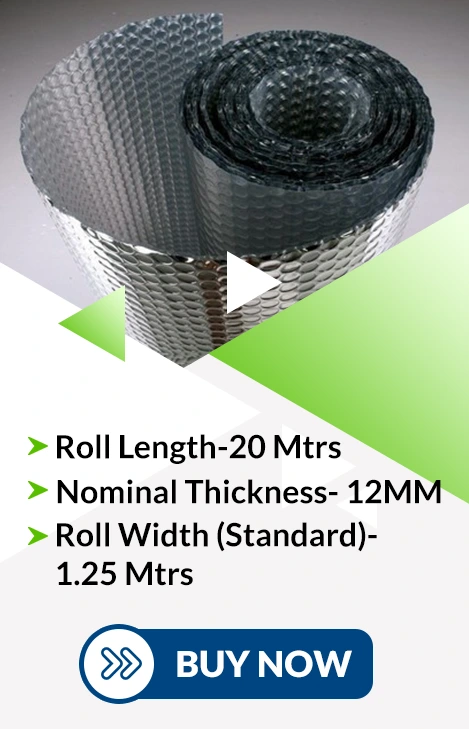
A heat reflective sheet is an insulation material made using reflective surfaces—often aluminum foil layers—combined with other insulating materials such as air bubbles, foam, or woven fabrics. Its primary function is to reflect radiant heat away from a structure, preventing excessive heat from entering during hot conditions and reducing heat loss in cooler environments.
Unlike traditional insulation that slows down heat transfer by trapping air, heat reflective sheets work by reflecting up to 95–97% of radiant heat, making them extremely effective in hot climates.
How Does a Heat Reflective Sheet Work?
Heat is transferred in three ways: conduction, convection, and radiation. In many buildings, especially metal-roofed structures, radiant heat is the biggest contributor to temperature rise.
A heat reflective sheet works by:
-
Reflecting radiant heat away from the roof or walls
-
Creating an air gap that further enhances insulation performance
-
Reducing surface temperature of roofs and walls
-
Minimizing heat transfer into the interior space
This results in cooler indoor temperatures and reduced dependence on air conditioning or cooling systems.
Key Benefits of Using a Heat Reflective Sheet
1. Superior Heat Reduction
One of the biggest advantages of a heat reflective sheet is its ability to significantly reduce indoor temperatures. In many cases, it can lower internal temperatures by 8°C to 15°C, depending on installation and building structure.
2. Energy Savings
By minimizing heat gain, the load on air conditioners and ventilation systems is reduced. This leads to lower electricity consumption and noticeable savings on energy bills over time.
3. Improved Comfort
Consistent indoor temperatures create a more comfortable working or living environment. This is especially important in factories, warehouses, and commercial spaces where heat can affect productivity and equipment performance.
4. Lightweight and Easy Installation
Heat reflective sheets are lightweight and flexible, making them easy to install on roofs, walls, and ceilings without adding structural load. Installation is faster compared to traditional insulation materials.
5. Moisture and Corrosion Resistance
Most heat reflective sheets are resistant to moisture, mold, and corrosion, making them ideal for long-term use in industrial and coastal environments.
6. Environmentally Friendly
By reducing energy consumption, heat reflective sheets contribute to lower carbon emissions, supporting eco-friendly building practices.
Applications of Heat Reflective Sheets
Industrial Buildings
Factories and manufacturing units often use metal roofs that absorb excessive heat. Installing a heat reflective sheet helps maintain stable temperatures and protects machinery from overheating.
Warehouses
Warehouses storing temperature-sensitive goods benefit greatly from heat reflective insulation. It helps maintain product quality and reduces cooling costs.
Commercial Buildings
Shopping malls, offices, and showrooms use heat reflective sheets to enhance comfort for occupants and customers while optimizing energy usage.
Residential Homes
In homes, heat reflective sheets are commonly installed under roofs to reduce indoor heat during summer, making living spaces more comfortable.
Agricultural and Storage Sheds
Heat reflective sheets are also used in poultry farms, cold storage units, and agricultural sheds to regulate internal temperatures.
Heat Reflective Sheet vs Traditional Insulation
Traditional insulation materials like glass wool or rock wool mainly slow heat transfer through conduction. While effective, they may not address radiant heat efficiently.
A heat reflective sheet, on the other hand:
-
Focuses on reflecting radiant heat
-
Works efficiently in high-temperature conditions
-
Requires less thickness for similar performance
-
Is cleaner and easier to maintain
Many modern buildings even combine reflective sheets with traditional insulation for maximum efficiency.
Factors to Consider When Choosing a Heat Reflective Sheet
-
Reflectivity percentage: Higher reflectivity means better performance
-
Durability: UV resistance and tear strength matter
-
Installation method: Roof, wall, or ceiling application
-
Climate conditions: Hot and humid regions benefit the most
-
Compliance with building standards
Selecting the right heat reflective sheet ensures long-term performance and cost-effectiveness.
Installation Best Practices
-
Maintain an air gap between the sheet and roof for maximum reflection
-
Ensure proper sealing to avoid heat leakage
-
Use quality fasteners and adhesives
-
Avoid direct contact with sharp metal edges
Professional installation can further improve insulation efficiency and lifespan.
Conclusion
A heat reflective sheet is a smart, cost-effective, and energy-efficient insulation solution for modern buildings. By reflecting radiant heat, it significantly reduces indoor temperatures, lowers energy consumption, and enhances comfort across residential, commercial, and industrial spaces. Its lightweight nature, durability, and ease of installation make it an ideal choice for anyone looking to improve thermal performance without major structural changes. Investing in a heat reflective sheet not only saves money in the long run but also supports sustainable and eco-friendly building practices.
Frequently Asked Questions (FAQs)
1. What is the main purpose of a heat reflective sheet?
The main purpose of a heat reflective sheet is to reflect radiant heat away from a building, reducing heat gain and maintaining comfortable indoor temperatures.
2. Can a heat reflective sheet reduce electricity bills?
Yes, by reducing the need for air conditioning and cooling systems, a heat reflective sheet can significantly lower electricity consumption and energy costs.
3. Is a heat reflective sheet suitable for metal roofs?
Absolutely. Heat reflective sheets are especially effective for metal roofs, which tend to absorb and transfer high levels of heat.
4. How long does a heat reflective sheet last?
With proper installation and quality material, a heat reflective sheet can last 10–15 years or more, depending on environmental conditions.
5. Can heat reflective sheets be used in residential homes?
Yes, they are widely used in residential homes, particularly under roofs, to reduce indoor heat during hot seasons.
6. Does a heat reflective sheet work in cold weather?
While primarily designed for hot climates, heat reflective sheets can also help reduce heat loss in cooler conditions by reflecting internal heat back inside.
Neo Single
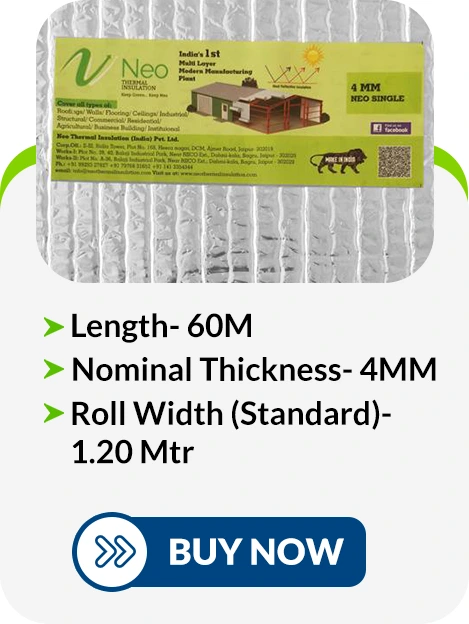
Neo Double
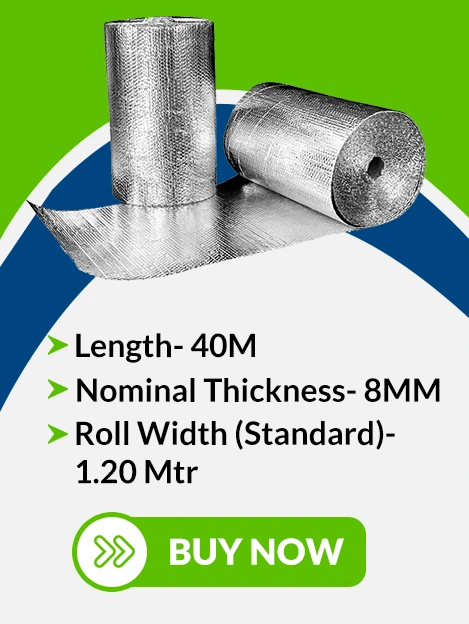
Neo Premium
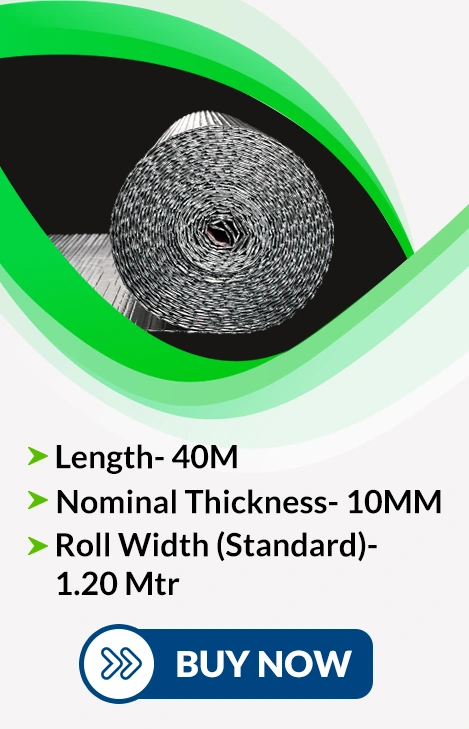
Neo Premium Plus
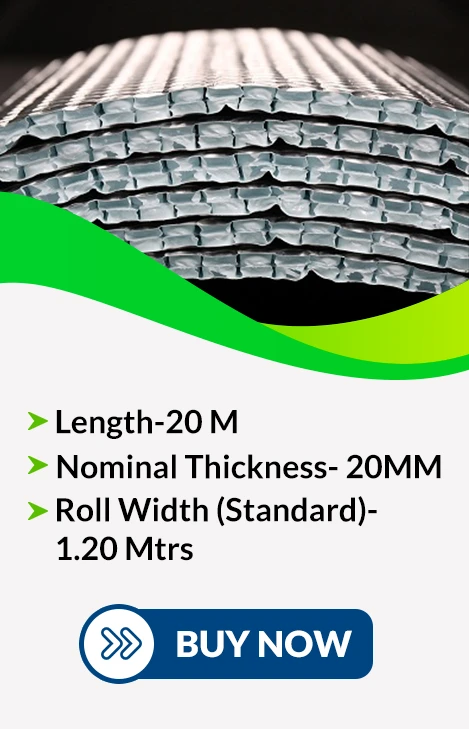
Neo Triple Advance