Industrial Shed Insulation: A Complete Guide for Efficiency and Comfort

Industrial sheds are used a lot for making things storing stuff and doing business. These sheds are built to last. To make the most of the space inside.. People often forget about something very important and that is insulation. Insulation is really important because it helps keep the temperature inside the shed right it helps save money on energy and it makes the work go more smoothly. In this article we will talk about why shed insulation is important what the benefits are what materials can be used and how to install it. We will also give you some tips, on how to pick the insulation for your industrial shed. Industrial shed insulation is something that people should think about because it can make a difference.
Why Insulation is Essential for Industrial Sheds
Industrial sheds are usually made with metal sheets or prefabricated materials. These materials are really good at conducting heat. So during the summer industrial sheds get very hot. During the winter they get very cold. If you do not insulate these sheds it becomes very uncomfortable for the people who work there the machines and the things that are stored.
Insulation helps to keep the temperature inside the stable. It does this by stopping heat from moving from the outside in or the inside out. This makes it easier for people to work and for machines to run properly. It also helps to keep the things that are stored in the safe. Insulation also stops moisture from building up which can cause rust and damage to the things in the shed. Industrial sheds really need insulation to work properly and to protect the sheds and the things, inside them.
Key Benefits of Insulating Industrial Sheds
-
Temperature Control
Insulation is really good at keeping the temperature inside the same all the time. When it is very hot outside in the summer insulation helps. When it is very cold outside in the winter insulation helps too. Insulation makes sure it is comfortable inside the shed. The temperature, inside the shed stays the same because of insulation.
-
Energy Efficiency
Insulated sheds need energy to keep them warm or cool. This really helps cut down electricity bills. It saves you money over time. Insulated sheds are a way to reduce your costs because they use less energy, for heating and cooling.
-
Improved Worker Comfort
A comfortable workplace makes employees more productive and safe. Workers feel better. Work more efficiently when it is not too hot or too cold. This helps reduce tiredness and heat stress.
-
Protection of Equipment and Goods
Things, like machinery and the materials we store can get damaged when it is really hot or cold and when it is very humid. Insulation helps to protect these machinery and stored materials from getting damaged so they can last longer.
-
Noise Reduction
Insulation materials are really good at blocking sound. They can make the shed a lot quieter by reducing the noise levels and they also stop sound from getting out. This means you will not hear much noise when you are inside the shed and people outside the shed will not hear the noise coming from inside the shed. Insulation materials are very useful, for this reason.
Types of Insulation Materials
So you want to pick the right insulation material. This is really important if you want everything to work properly. The right insulation material is essential, for getting the results. Here are some insulation materials that people use a lot:
-
Glass Wool Insulation
Glass wool is made from glass that is melted down and turned into fibres. People like to use glass wool because it does not cost a lot of money and it helps keep things cool. Glass wool is also very light and easy to put in place. It is really good, at absorbing sound.
-
Rock Wool Insulation
Rock wool is made from things like basalt. This rock wool is really good at stopping fires. That is why it is so good for places like factories where people need to be safe. Rock wool is the choice, for these kinds of places because rock wool can keep people safe.
-
Polyurethane Foam (PUF)
PUF insulation is really good at keeping the heat out. It lasts a long time. People often use PUF insulation, in -engineered buildings because it works very well and you do not need a lot of it to get the job done. PUF insulation is great because it provides insulation even when it is not very thick.
-
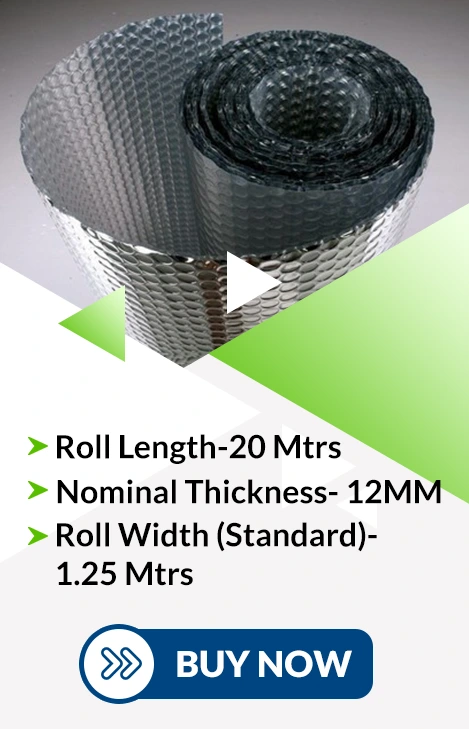
Reflective Foil Insulation
This kind of insulation is really good at keeping the heat out. It does this by reflecting the heat that comes from the sun, which makes it perfect, for places that get very hot. People often use this insulation in roofs to stop the house from getting too hot.
-
Expanded Polystyrene (EPS)
EPS is a material for keeping things warm or cool. It does not weigh a lot. It does not cost a lot of money. The EPS material is really good at stopping heat from escaping. People often use EPS in the walls of buildings and, on the roofs of houses.
Installation Process
The effectiveness of insulation depends not on the insulation material but also, on doing the insulation installation correctly. Here are the key steps involved in the insulation installation process:
-
Assessment of the Shed
Before you put anything in you need to look at the shed itself how you plan to use it and what the weather is like around it. This will help you pick the material to keep your shed warm or cool which is the insulation material, for your shed.
-
Surface Preparation
The surfaces where insulation will be applied need to be really clean and totally dry. You have to get rid of any dust or moisture or debris, on these insulation surfaces. This is important so that the insulation sticks properly to the insulation surfaces.
-
Installation of Insulation Material
The material we pick is put on walls or roofs. Sometimes, on both. This depends on what we need. We can fix the material in place using things that stick like glue. We can use things that hold it like nails or screws or we can use special systems that are made for this purpose. The chosen material is fixed in this way because it has to be secure.
-
Sealing and Finishing
All the gaps and joints are sealed so that air does not leak out. When something is finished properly it lasts longer. The overall appearance of the thing looks really good.
Factors to Consider When Choosing Insulation
Selecting the right insulation solution requires careful consideration of several factors:
- Climate Conditions: Hot, cold or humid environments require different insulation approaches.
- Type of Industry: Manufacturing units, warehouses and cold storage facilities have varying needs.
- Budget: Cost plays a significant role in choosing materials and installation methods.
- Fire Safety Requirements: Some industries require fire-resistant insulation materials.
- Maintenance Needs: Low-maintenance options are preferred for long-term efficiency.
Common Challenges and Solutions
-
Condensation Issues
When warm air touches surface water starts to form and that is what we call condensation. To stop this from happening people use something called vapour barriers. They also make sure that the air can move around properly which is what we mean by proper ventilation. This really helps to prevent the problem of condensation.
-
Improper Installation
When you have an installation it really reduces how well the insulation works. You should hire people who have a lot of experience so you can be sure the job is done right. This way you will get quality results from your insulation.
-
Material Degradation
Things can go downhill over time. Some materials do not work well as they used to. You should pick materials they’re really good and check on them a lot. This helps with the problem of materials losing their efficiency. Materials that are high-quality are a choice. Regular inspections are also an idea to deal with materials that lose their efficiency.
Cost vs. Long-Term Savings
While insulation may seem like an additional expense initially, it is a worthwhile investment. The reduction in energy consumption and maintenance costs quickly offsets the installation cost. Businesses that invest in industrial shed insulation often experience significant savings over time, along with improved operational efficiency.
Sustainability and Environmental Impact
Insulation also contributes to environmental sustainability. By reducing energy consumption, it lowers carbon emissions and supports eco-friendly practices. Many modern insulation materials are made from recycled or sustainable resources, making them a responsible choice for industries.
Future Trends in Industrial Insulation
With advancements in technology, insulation materials are becoming more efficient and versatile. Smart insulation systems that adapt to environmental conditions are gaining popularity. Additionally, the integration of renewable energy solutions with insulation systems is expected to shape the future of industrial infrastructure.
Conclusion
Insulating an industrial shed is not just about improving comfort it is a strategic decision that enhances efficiency, reduces costs, and protects valuable assets. From temperature control to energy savings and environmental benefits, the advantages are substantial. By choosing the right materials and ensuring proper installation, businesses can maximize the benefits of industrial shed insulation and create a more productive and sustainable working environment.
FAQs
-
What is industrial shed insulation?
Industrial shed insulation refers to the process of installing materials in a shed to reduce heat transfer, maintain temperature, and improve energy efficiency.
-
Why is insulation important for industrial sheds?
It helps control temperature, reduce energy costs, improve worker comfort, and protect machinery and goods from damage.
-
Which insulation material is best for industrial sheds?
The best material depends on your needs. Glass wool, rock wool, and polyurethane foam are among the most commonly used options.
-
How much does it cost to insulate an industrial shed?
The cost varies based on the size of the shed, type of material, and installation method. However, it is generally considered a cost-effective long-term investment.
-
Can insulation reduce noise in industrial sheds?
Yes, many insulation materials also provide soundproofing benefits, helping to reduce noise levels.
-
How long does insulation last?
High-quality insulation can last for many years with minimal maintenance, depending on the material used.
-
Is insulation environmentally friendly?
Yes, many insulation materials are eco-friendly and help reduce energy consumption, contributing to a lower carbon footprint.
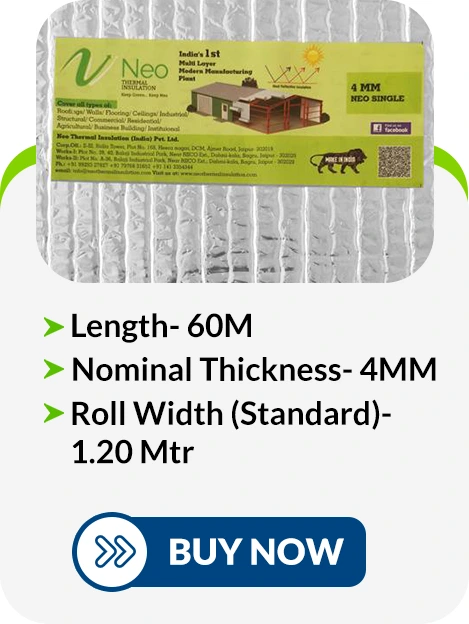
Neo Single
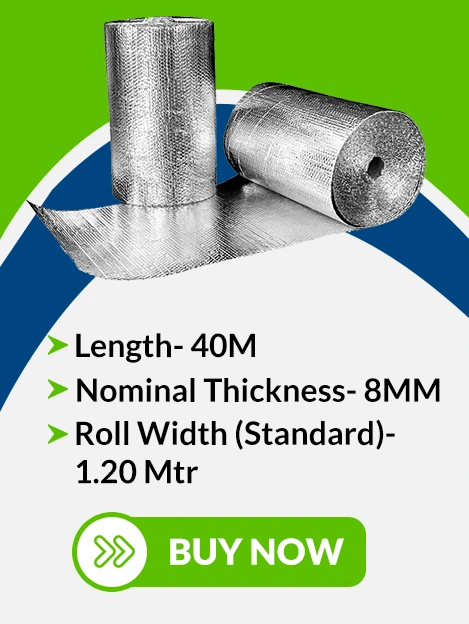
Neo Double
Neo Premium
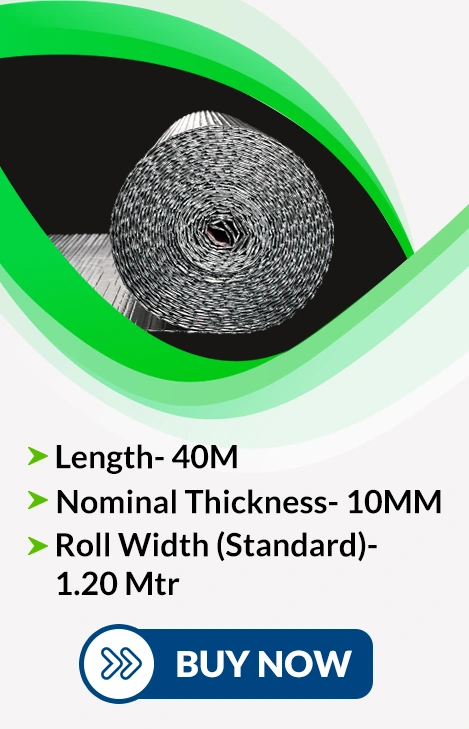
Neo Premium Plus
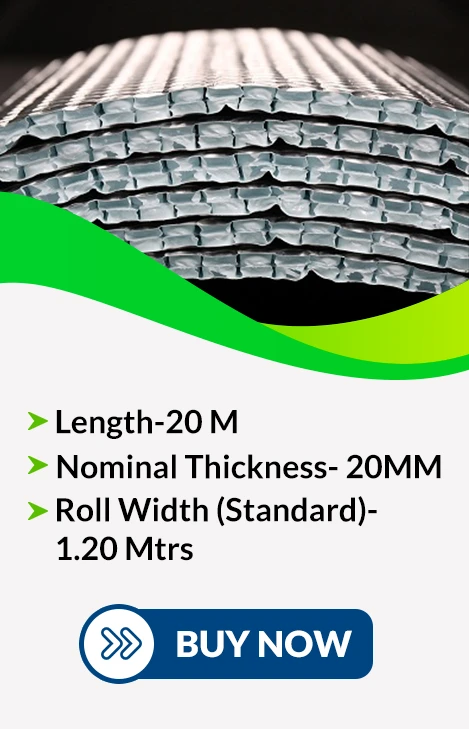
Neo Triple Advance