Radiant Roof Insulation A Smart Solution for Energy Efficiency
As energy prices rise and environmental concerns grow, homeowners, builders and architects are increasingly looking for smarter, more cost-effective ways to reduce energy consumption in buildings. One of the most overlooked yet highly impactful solutions is radiant roof insulation.
Radiant insulation works differently from conventional insulation materials like fiberglass or foam. Instead of resisting heat flow via conduction or convection, radiant barriers reflect heat making them ideal for hot climates and sun-exposed buildings. In this article, we’ll explore how radiant roof insulation works, its benefits, installation options and why it’s becoming a go-to solution for energy-efficient roofing.
What is Radiant Roof Insulation?
Radiant roof insulation refers to the use of reflective materials typically aluminum foil or metallized films installed in the roof structure to reflect radiant heat rather than absorb it. Unlike bulk insulation that slows down heat transfer, radiant barriers reduce the radiant heat gain by up to 97%, depending on the material and application.
Key Components:
- Reflective foil (usually aluminum-based)
- Substrate material (kraft paper, plastic film, bubble wrap or foam backing)
- Air gap (necessary to maximize performance)
How Radiant Insulation Works
In summer, rooftops can absorb immense amounts of solar energy, heating the attic space and eventually transferring that heat into the interior. Radiant insulation reflects this heat back toward the roof, preventing it from entering your home or building.
In essence:
- Sun hits the roof → radiant barrier reflects solar heat → attic stays cooler → AC works less → energy is saved.
Radiant barriers are particularly effective in hot and sunny regions, where cooling costs are a significant portion of energy bills.
Benefits of Radiant Roof Insulation
-
Energy Efficiency
Radiant insulation can reduce cooling costs by 5% to 15%, depending on your location, roof design, and existing insulation. It complements bulk insulation and helps maintain indoor temperatures more efficiently.
-
Thermal Comfort
With radiant barriers installed, buildings remain cooler during peak summer months. This improves indoor comfort without needing to overwork air conditioning systems.
-
Lightweight and Easy to Install
Radiant barriers are lightweight and flexible, making them easy to install during new construction or even retrofit projects. They don’t require much space and work effectively with other insulation materials.
-
Durability and Longevity
High-quality radiant insulation materials like double-sided aluminum foil or bubble insulation are resistant to moisture, corrosion and degradation. They can last 20–30 years with minimal maintenance.
-
Moisture and Vapor Resistance
Some radiant insulation products are designed with built-in vapor barriers that prevent moisture build-up, which is a common cause of mold growth and insulation failure.
Popular Types of Radiant Roof Insulation
-
Foil-Based Radiant Barriers
These are thin layers of reflective aluminum foil laminated onto kraft paper or plastic film. Ideal for attic applications or stapling to rafters.
-
Reflective Bubble Insulation
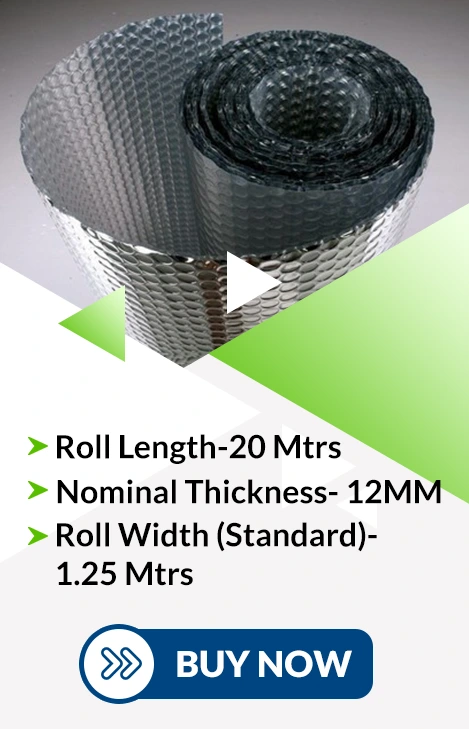
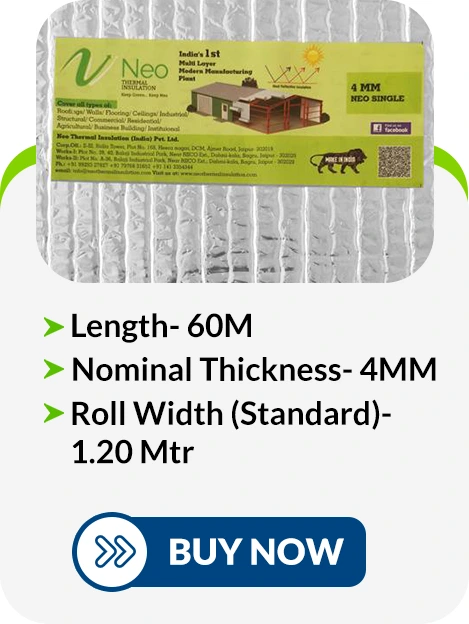
These products consist of one or two layers of polyethylene air bubbles sandwiched between reflective foil. They provide radiant heat reflection along with some R-value (resistance to conductive heat flow).
-
Foam Core Reflective Insulation
Combining radiant and conductive insulation, this type features rigid foam with reflective foil on both sides. It’s ideal for areas needing structural support and higher insulation value.
Where and how is it Installed?
Radiant roof insulation can be installed in a variety of roof structures including:
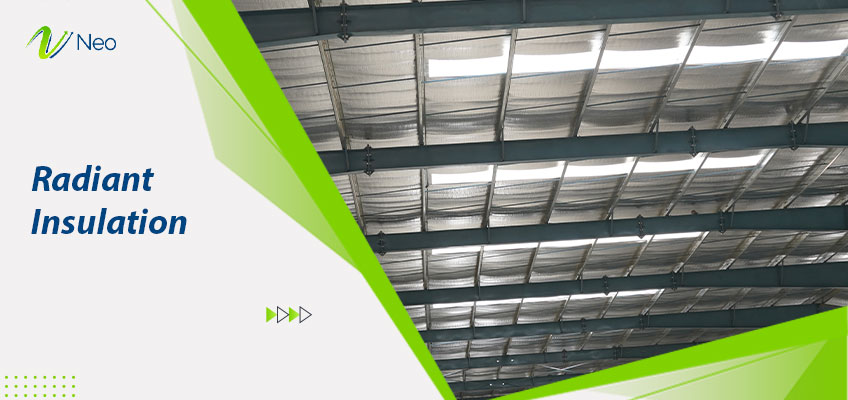
- Under Metal Roof Sheets (popular in industrial buildings)
- Between Rafters (ideal for attic spaces)
- Under Roof Decking or Sheathing (for new construction)
Installation Tips:
- Must face an air space: The reflective side needs at least a ¾-inch air gap to be effective.
- Avoid dust build-up: Dust accumulation on reflective surfaces reduces performance, so horizontal installations should be sealed or regularly checked.
- Work with professionals: Proper installation ensures maximum thermal performance and longevity.
Radiant Insulation vs Traditional Insulation – What’s the Difference?
Radiant Insulation works by reflecting heat away from the building using a reflective surface like aluminum foil, making it ideal for hot climates and metal roofs.
Traditional Insulation works by slowing heat transfer using materials like fiberglass or foam that trap air, providing year-round temperature control, especially in colder climates.
In short: Radiant insulation reflects heat, while traditional insulation resists heat flow. Combining both gives the best results.
Pro Tip: The best energy efficiency strategy is often a hybrid system that combines traditional insulation (like glass wool) with radiant barriers, especially in mixed or extreme climates.
Is Radiant Roof Insulation Worth it?
Absolutely especially if you:
- Live in a hot region (like Gujarat, Maharashtra or Rajasthan)
- Have a metal or poorly insulated roof
- Run air conditioning frequently
- Want a quick ROI (most homeowners recover their investment within 2–4 years)
The initial cost of radiant insulation is relatively low compared to the long-term savings it can provide. Plus, government incentives or green building certifications (like IGBC or LEED) may offer additional benefits for using reflective insulation.
Real-World Applications
-
Residential Buildings
Homeowners use radiant barriers in attics or under tiled/metal roofs to reduce indoor temperatures without increasing AC usage.
-
Warehouses and Factories
Large industrial buildings often use reflective insulation under GI sheets to cut heat penetration and maintain a manageable indoor working environment.
-
Pre-Engineered Buildings (PEBs)
PEBs and modular structures commonly use reflective bubble insulation for quick, effective heat control without heavy material use.
-
Agricultural Structures
Greenhouses, poultry farms and livestock sheds benefit from radiant insulation that keeps temperatures regulated without expensive cooling systems.
Final Thoughts
Radiant Roof Insulation is a smart, affordable and efficient way to upgrade any building’s energy performance especially in hot climates. Its ability to reflect radiant heat, enhance comfort and reduce energy consumption makes it a popular choice in both residential and industrial sectors.
Whether you’re planning a new construction or retrofitting an existing structure, consider installing radiant insulation to enjoy cooler interiors, lower bills and longer-lasting roofing materials.
Looking for Radiant Roof Insulation in India?
We offer a range of high-quality radiant insulation materials, including bubble insulation, reflective foil and foam-core solutions for all types of roofs. Contact us today for product recommendations, pricing and installation support.
FAQs
1. What is Radiant Roof Insulation?
Radiant Roof Insulation is a thermal insulation material designed to reflect radiant heat away from the building. It helps keep indoor spaces cooler by reducing heat transfer from the roof.
2. How does Radiant Roof Insulation work?
Radiant Roof Insulation works by using a highly reflective surface, usually aluminum foil, that reflects up to 97% of radiant heat, preventing it from entering the building.
3. What are the benefits of Radiant Roof Insulation?
Radiant Roof Insulation offers benefits such as lower indoor temperature, reduced electricity bills, improved energy efficiency, and enhanced comfort throughout the year.
4. Is Radiant Roof Insulation effective in hot climates?
Yes, Radiant Roof Insulation is highly effective in hot and tropical climates as it minimizes heat gain and keeps buildings cooler during extreme summer conditions.
5. Where can Radiant Roof Insulation be installed?
It can be installed in residential homes, commercial buildings, warehouses, factories, poultry farms, and industrial sheds, especially under metal and concrete roofs.
6. Does Radiant Roof Insulation reduce energy consumption?
Yes, it helps reduce air conditioning load, leading to lower energy consumption and electricity costs.
Neo Single
Neo Double
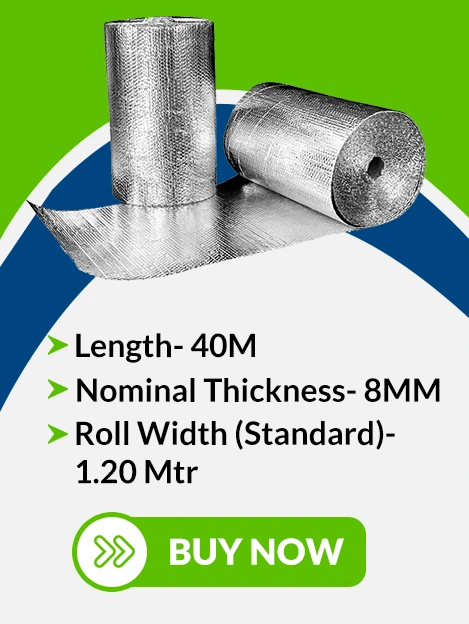
Neo Premium
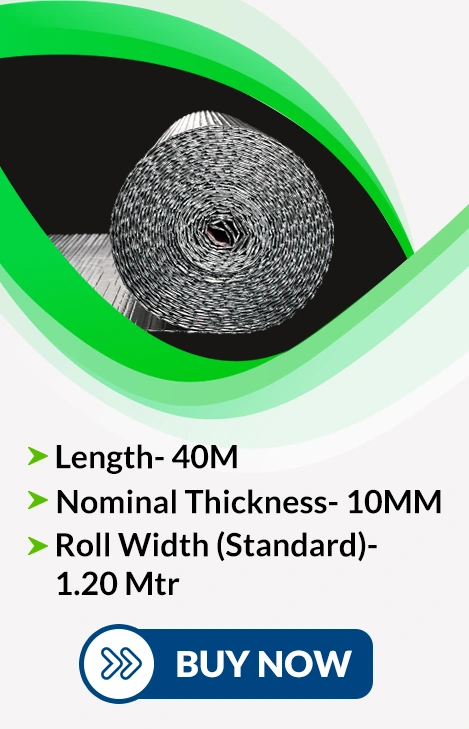
Neo Premium Plus
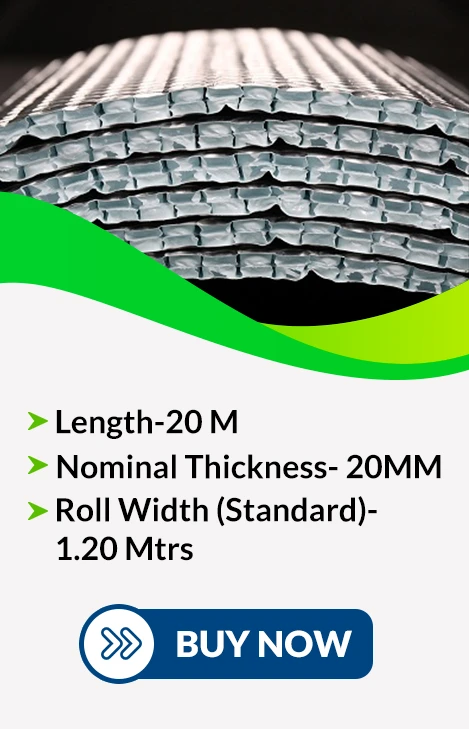
Neo Triple Advance