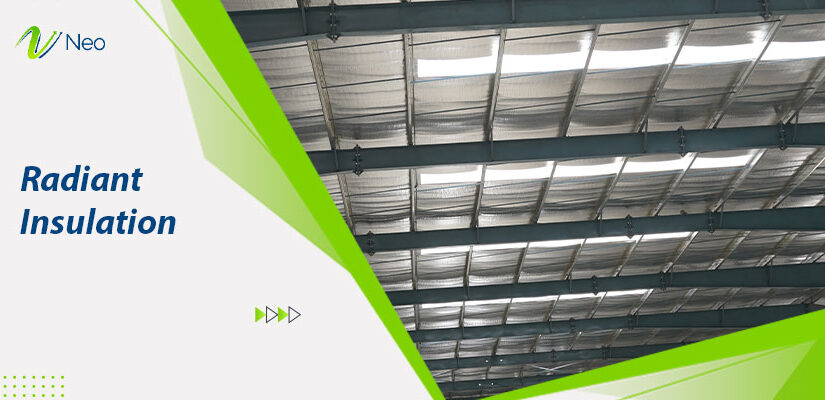
Tag: Radiant Roof Insulation

Radiant Roof Insulation A Smart Solution for Energy Efficiency

As energy prices rise and environmental concerns grow, homeowners, builders and architects are increasingly looking for smarter, more cost-effective ways to reduce energy consumption in buildings. One of the most overlooked yet highly impactful solutions is radiant roof insulation.

Radiant insulation works differently from conventional insulation materials like fiberglass or foam. Instead of resisting heat flow via conduction or convection, radiant barriers reflect heat making them ideal for hot climates and sun-exposed buildings. In this article, we’ll explore how radiant roof insulation works, its benefits, installation options and why it’s becoming a go-to solution for energy-efficient roofing.

What is Radiant Roof Insulation?

Radiant roof insulation refers to the use of reflective materials typically aluminum foil or metallized films installed in the roof structure to reflect radiant heat rather than absorb it. Unlike bulk insulation that slows down heat transfer, radiant barriers reduce the radiant heat gain by up to 97%, depending on the material and application.

Key Components:

  • Reflective foil (usually aluminum-based)
  • Substrate material (kraft paper, plastic film, bubble wrap or foam backing)
  • Air gap (necessary to maximize performance)

How Radiant Insulation Works

In summer, rooftops can absorb immense amounts of solar energy, heating the attic space and eventually transferring that heat into the interior. Radiant insulation reflects this heat back toward the roof, preventing it from entering your home or building.

In essence:

  • Sun hits the roof → radiant barrier reflects solar heat → attic stays cooler → AC works less → energy is saved.

Radiant barriers are particularly effective in hot and sunny regions, where cooling costs are a significant portion of energy bills.

Benefits of Radiant Roof Insulation

  1. Energy Efficiency

Radiant insulation can reduce cooling costs by 5% to 15%, depending on your location, roof design, and existing insulation. It complements bulk insulation and helps maintain indoor temperatures more efficiently.

  1. Thermal Comfort

With radiant barriers installed, buildings remain cooler during peak summer months. This improves indoor comfort without needing to overwork air conditioning systems.

  1. Lightweight and Easy to Install

Radiant barriers are lightweight and flexible, making them easy to install during new construction or even retrofit projects. They don’t require much space and work effectively with other insulation materials.

  1. Durability and Longevity

High-quality radiant insulation materials like double-sided aluminum foil or bubble insulation are resistant to moisture, corrosion and degradation. They can last 20–30 years with minimal maintenance.

  1. Moisture and Vapor Resistance

Some radiant insulation products are designed with built-in vapor barriers that prevent moisture build-up, which is a common cause of mold growth and insulation failure.

Popular Types of Radiant Roof Insulation

  1. Foil-Based Radiant Barriers

These are thin layers of reflective aluminum foil laminated onto kraft paper or plastic film. Ideal for attic applications or stapling to rafters.

  1. Reflective Bubble Insulation

These products consist of one or two layers of polyethylene air bubbles sandwiched between reflective foil. They provide radiant heat reflection along with some R-value (resistance to conductive heat flow).

  1. Foam Core Reflective Insulation

Combining radiant and conductive insulation, this type features rigid foam with reflective foil on both sides. It’s ideal for areas needing structural support and higher insulation value.

Where and how is it Installed?

Radiant roof insulation can be installed in a variety of roof structures including:

  • Under Metal Roof Sheets (popular in industrial buildings)
  • Between Rafters (ideal for attic spaces)
  • Under Roof Decking or Sheathing (for new construction)

Installation Tips:

  • Must face an air space: The reflective side needs at least a ¾-inch air gap to be effective.
  • Avoid dust build-up: Dust accumulation on reflective surfaces reduces performance, so horizontal installations should be sealed or regularly checked.
  • Work with professionals: Proper installation ensures maximum thermal performance and longevity.

Radiant Insulation vs Traditional Insulation – What’s the Difference?

Radiant Insulation works by reflecting heat away from the building using a reflective surface like aluminum foil, making it ideal for hot climates and metal roofs.

Traditional Insulation works by slowing heat transfer using materials like fiberglass or foam that trap air, providing year-round temperature control, especially in colder climates.

In short: Radiant insulation reflects heat, while traditional insulation resists heat flow. Combining both gives the best results.

Pro Tip: The best energy efficiency strategy is often a hybrid system that combines traditional insulation (like glass wool) with radiant barriers, especially in mixed or extreme climates.

Is Radiant Roof Insulation Worth it?

Absolutely especially if you:

  • Live in a hot region (like Gujarat, Maharashtra or Rajasthan)
  • Have a metal or poorly insulated roof
  • Run air conditioning frequently
  • Want a quick ROI (most homeowners recover their investment within 2–4 years)

The initial cost of radiant insulation is relatively low compared to the long-term savings it can provide. Plus, government incentives or green building certifications (like IGBC or LEED) may offer additional benefits for using reflective insulation.

Real-World Applications

  1. Residential Buildings

Homeowners use radiant barriers in attics or under tiled/metal roofs to reduce indoor temperatures without increasing AC usage.

  1. Warehouses and Factories

Large industrial buildings often use reflective insulation under GI sheets to cut heat penetration and maintain a manageable indoor working environment.

  1. Pre-Engineered Buildings (PEBs)

PEBs and modular structures commonly use reflective bubble insulation for quick, effective heat control without heavy material use.

  1. Agricultural Structures

Greenhouses, poultry farms and livestock sheds benefit from radiant insulation that keeps temperatures regulated without expensive cooling systems.

Final Thoughts

Radiant roof insulation is a smart, affordable and efficient way to upgrade any building’s energy performance especially in hot climates. Its ability to reflect radiant heat, enhance comfort and reduce energy consumption makes it a popular choice in both residential and industrial sectors.

Whether you’re planning a new construction or retrofitting an existing structure, consider installing radiant insulation to enjoy cooler interiors, lower bills and longer-lasting roofing materials.

Looking for Radiant Roof Insulation in India?

We offer a range of high-quality radiant insulation materials, including bubble insulation, reflective foil and foam-core solutions for all types of roofs. Contact us today for product recommendations, pricing and installation support.

FAQs

1. What is Radiant Roof Insulation?

Radiant Roof Insulation is a thermal insulation material designed to reflect radiant heat away from the building. It helps keep indoor spaces cooler by reducing heat transfer from the roof.

2. How does Radiant Roof Insulation work?

Radiant Roof Insulation works by using a highly reflective surface, usually aluminum foil, that reflects up to 97% of radiant heat, preventing it from entering the building.

3. What are the benefits of Radiant Roof Insulation?

Radiant Roof Insulation offers benefits such as lower indoor temperature, reduced electricity bills, improved energy efficiency, and enhanced comfort throughout the year.

4. Is Radiant Roof Insulation effective in hot climates?

Yes, Radiant Roof Insulation is highly effective in hot and tropical climates as it minimizes heat gain and keeps buildings cooler during extreme summer conditions.

5. Where can Radiant Roof Insulation be installed?

It can be installed in residential homes, commercial buildings, warehouses, factories, poultry farms, and industrial sheds, especially under metal and concrete roofs.

6. Does Radiant Roof Insulation reduce energy consumption?

Yes, it helps reduce air conditioning load, leading to lower energy consumption and electricity costs.

Radiant Roof Insulation – A Smart Solution for Energy Efficiency

Are you looking for a smart way to keep your indoor temperature balanced without skyrocketing energy bills?

Well, That is where radiant roof insulation comes in. It is designed to reflect heat rather than absorb it. Which keeps the home cooler in the summer and warmer in the winter naturally and reduces energy costs.

The demand for this energy-efficient solution is increasing and homeowners prefer radiant roof insulation. Because of its energy efficiency, cost savings and eco-friendly benefits.

If you are planning for radiant roof insulation in your new or existing home, this guide will be helpful.

In this guide, we will understand everything about radiant roof insulation, how it works, its benefits, types, common myths, and the proper installation process to get the max out of it.

What is Radiant Roof Insulation?

Radiant roof insulation is also known as a radiant barrier. It is a smart way to keep your home cooler in summer and warmer in winter. By reflecting heat instead of absorbing it.

It uses thin aluminum sheets or reflective materials to block heat from entering or escaping. Which keeps the indoor temperature balanced and comfortable in all seasons.

Unlike traditional insulation, which slows down heat transfer. Radiant insulation completely stops heat before it gets in.

Plus, when combined with regular insulation. It makes your home more comfortable and energy-efficient. Plus saving money on electricity bills.

How Does Radiant Roof Insulation Work?

Radiant roof insulation is a sheet that acts like a barrier. It reflects heat away instead of absorbing it. This helps keep your home cool in summer and warm in winter. Which reduces the need for air conditioning and heating. Let us understand the science behind it:

Heat moves in three ways:

  • Conduction: Heat travels through solid materials (like a hot roof warming up your attic).
  • Convection: Heat moves through the air (like warm air rising in a room).
  • Radiation: Heat spreads in the form of invisible energy (like the sun heating your roof).

Traditional insulation (like fiberglass or foam) slows down heat transfer. But it still absorbs heat. Radiant insulation reflects heat instead of absorbing it. Which keeps your home cooler.

When it comes to checking the effectiveness in different climates:

  • Hot Climates: Very effective and reduces cooling costs by keeping heat out.
  • Cold Climates: Helps retain warmth but works best when combined with regular insulation.
  • Mixed Climates: Useful all year round for improving energy efficiency.

Benefits of Radiant Roof Insulation

Here are some key benefits of radiant roof insulation:

Energy Efficiency

Radiant insulation helps lower energy use. By blocking heat from entering in the summer and keeping warmth inside in the winter. This means your air conditioner and heater do not have to work as hard. Which reduces your electricity bills.

Improved Indoor Comfort

By reflecting heat away, radiant insulation prevents rooms from getting too hot in summer. In winter, it helps keep the warmth inside. So your home stays at a more comfortable and steady temperature all year. Without sudden temperature changes.

Eco-Friendly Solution

Since radiant insulation lowers energy consumption. It reduces the amount of fossil fuels burned to generate electricity. This means less pollution and a smaller carbon footprint. Which makes it a greener choice for the environment.

Extended Roof Lifespan

Excessive heat can damage roofing materials over time. Which causes cracks, warping, and faster wear and tear. Radiant insulation reduces heat build-up. It helps your roof last longer and reduces the need for frequent repairs or replacements.

Cost-Effective Investment

While installing radiant insulation requires an upfront cost. It saves you money in the long run by cutting down on cooling and heating expenses. Over time, the energy savings add up. Which makes it an innovative and cost-effective investment for homeowners.

Insulate your Room With NEO Thermal

Types of Radiant Roof Insulation

There are two types of radiant roof insulation:

1. Foil-Based Radiant Barriers

Foil-based radiant barriers are thin aluminum sheets. They are attached to materials like paper or plastic. They are installed under the roof or in the attic to reflect heat away. Which prevents it from entering your home. This type works best in hot climates to reduce cooling costs. And needs an air gap for maximum effectiveness.

2. Reflective Insulation with Air Gaps

Reflective insulation combines shiny foil layers with materials like bubble wrap or foam. Which provide both heat reflection and insulation. The built-in air gaps slow down heat transfer. And making it useful in both hot and cold climates. It can be installed on roofs, walls and ceilings for better energy efficiency.

Installation Process of Radiant Roof Insulation

There are two ways to use radiant roof insulation:

  • DIY Insulation
  • Professional Installation

Let us understand both ways and their pros and cons!

DIY Insulation

Some homeowners have basic handyman skills. And they prefer to install radiant barriers themselves instead of hiring an expert. But, proper knowledge and safety precautions are required. The process of DIY installation typically involves attaching the reflective insulation to the underside of the roof, on attic rafters, or over existing insulation. DIY installation is cheaper but requires careful handling to avoid mistakes that reduce effectiveness.

Professional Installation

Hiring professionals ensures the radiant insulation is installed correctly and efficiently. Experts assess the attic space, ventilation, and existing insulation to determine the best placement for maximum performance. They also use specialized tools and techniques to minimize installation errors and get the work done perfectly. Plus, they take complete responsibility for the installation.

If you are experienced in home improvement projects and comfortable working in attic spaces, DIY installation may be an option. However, for larger homes, complex roof structures, or long-term performance, professional installation is recommended.

Best Placement for Maximum Efficiency

To get the most out of radiant insulation, the best placement is key. Here are some of the best places to install radiant roof insulation:

  • Under the Roof Deck: You can install it on the underside of the roof rafters to reflect heat before it enters the attic.
  • Attic Insulation: Placed on top of existing insulation. It helps trap indoor heat during winter, preventing radiant heat loss and keeping the home warmer.
  • On Walls or Ceilings: Installed behind drywall or inside walls. It adds an extra thermal barrier, improving insulation in both hot and cold climates when combined with other materials.

Common Mistakes to Avoid

Here are some common mistakes to avoid:

  • Blocking Ventilation: Do not cover attic vents or block airflow. This can trap heat and moisture, which leads to more significant problems. Try always to keep vents clear.
  • No Air Gap: Radiant barriers need space to reflect heat. If they are pressed against wood or insulation, they would not work. Leave at least a ¾-inch gap for best results.
  • Leaving Gaps or Overlapping Too Much: Too many gaps or excessive overlapping reduces efficiency. Seal edges with foil tape and follow installation guidelines for proper coverage.
  • Using the Wrong Type of Insulation: One-size-fits-all does not work here. Foil-based insulation is excellent for hot climates. Double-layered reflective insulation is better for colder regions. Pick what suits your weather.

Thinking It Replaces Traditional Insulation: Radiant barriers reflect heat. But they do not trap it like fiberglass or foam. For maximum energy savings, use both together.

Common Myths About Radiant Roof Insulation

Here are some common myths about radiant roof insulation:

Myth: Radiant barriers make roof shingles too hot.
Fact: They only increase shingle temperature by a few degrees. Which is not enough to cause damage.

Myth: Radiant barriers can replace regular insulation.
Fact: They work best with traditional insulation by reflecting heat, not stopping heat transfer like fiberglass or foam.

Myth: Radiant barriers only help in very hot climates.
Fact: While more effective in hot areas, they also help reduce summer heat gain in milder climates.

Myth: Dust makes radiant barriers useless.
Fact: Dust can slightly reduce effectiveness, but proper installation and attic ventilation help prevent build-up.

Myth: Thicker radiant insulation works better
Fact: Unlike traditional insulation, thickness does not matter; instead, a proper air gap is key to performance.

Conclusion

Radiant roof insulation is a smart way to keep your home cooler in summer and warmer in winter. Plus cutting down on energy costs. It works best when installed properly. While radiant barriers alone would not replace traditional insulation, they work together to maximize energy savings and comfort. We hope this guide helps you understand radiant roof insulation, its types, benefits, myths, and installation ways.

Now, suppose you are looking for a reliable and trusted roof insulation manufacturer. In that case, Neo Thermal Insulation is a leading name that is known for offering high-quality and certified insulation materials at affordable prices.

Ready to upgrade your space with radiant roof insulation? Connect with our experts!

FAQs About Radiant Roof Insulation

1. Is radiant roof insulation suitable for all types of roofs?

Yes, it works with most roof types. But the installation method may vary based on the roof structure.

2. How much can I save on energy bills with radiant insulation?

You can save from 5% to 15%. It depends on your home’s insulation, climate and energy usage.

3. Can I install radiant barriers along with traditional insulation?

Absolutely! Radiant barriers work best when combined with traditional insulation to improve energy efficiency.

4. Does radiant roof insulation require maintenance?

Minimal maintenance is needed, just occasional checks for dust or damage to ensure optimal performance.

5. Is radiant roof insulation effective in winter?

Yes, it helps retain indoor heat, making it beneficial in winter when used with other insulation.

Talk to us?

Download Brochure