Tag: Roof Insulation Sheet

Attic Insulation: Complete Guide on Types & Benefits

Have you ever asked yourself why maintaining your indoor temperature level is difficult even after spending enormously on electricity bills in summers and winters? Well, the reason usually lies above your head – in your attic.

Your attic is one of the major reasons for heat loss during winter and heat gain during summer.

Ask yourself: Is your attic insulated? If not, you may be wasting money on electricity since it is a loophole that will not maintain your indoor temperature level.

But what if there was a simple way to fix this issue? Which is Attic insulations. It is an affordable solution to balance indoor temperature and save energy.

In fact, The Department of Energy estimates that proper insulation can save you between 10% and 50% on your energy bill. It can also stop things like ice dams and condensation from happening, which can ruin your roof and put you in the poor house for repairs.

However, most people are unaware of how attic insulation can benefit them. No problem!

This blog will discuss attic insulation, its types, advantages, how to insulate an attic, and its approximate cost.

What is Attic Insulation?

Attic insulation is a material placed in an attic to slow or reduce heat flow. It keeps indoor temperature balanced naturally and lowers energy costs. It blocks the loss of heat in winter and the gain in summer. It acts as a barrier between indoors and outside. It keeps the energies of the two apart and balances indoor temperature. The primary purpose of insulation is to enhance a building’s thermal efficiency while assisting in weather protection.

Types of Attic Insulation

If you’re looking to make your home more energy-efficient and comfortable throughout the year, attic insulation is a great place to start. A well-insulated attic can keep your home cooler in the summer, warmer in the winter and significantly lower your energy bills. But with so many options available, which type should you choose?

Let’s break down four popular and effective attic insulation solutions: Heat Resistant Sheets, Heat Reflective Sheets, Roof Insulation Sheets and Roof Cooling Sheets — and how each can help create a more comfortable living space.

1. Heat Resistant Sheet

Heat Resistant Sheets are designed to slow down the transfer of heat into your attic. Think of them as a thermal shield that keeps intense outside heat from seeping indoors. These sheets are often made from durable materials like fiberglass or mineral wool, which are known for their excellent insulation properties. They’re especially helpful in hotter regions where attic temperatures can soar, making indoor spaces unbearably warm. By adding this layer of protection, you reduce strain on your air conditioning, enhance indoor comfort and cut down on energy costs. Plus, they’re built to last, offering resistance to fire and moisture — making them a reliable choice for long-term use.

2. Heat Reflective Sheet

Heat Reflective Sheets work a little differently — instead of absorbing heat, they bounce it away. Made with reflective surfaces like aluminum foil, these sheets form a barrier that reflects radiant heat away from your roof and attic. If your home gets a lot of direct sunlight, this type of insulation can make a noticeable difference. It helps maintain a cooler indoor environment without overworking your AC. These sheets are lightweight, environmentally friendly, and easy to install, making them a popular choice for homeowners looking to boost efficiency with minimal hassle.

3. Roof Insulation Sheet

Roof Insulation Sheets are a flexible and widely-used solution for insulating attics. Whether made from foam board, polyethylene, or glass wool, these sheets provide a solid thermal barrier between your roof and the living areas below. What makes them especially useful is their ability to perform well in both warm and cold conditions. Not only do they help regulate temperature, but they also reduce outside noise and can prevent moisture build-up. Whether you’re renovating your attic or building from scratch, roof insulation sheets offer a practical and long-lasting way to create a more energy-efficient and comfortable home.

4. Roof Cooling Sheet

If you’re dealing with intense heat, Roof Cooling Sheets could be a game-changer. These are specially designed sheets that reflect sunlight and minimize the amount of heat absorbed by your roof. Some versions also include cooling technologies or coatings that help dissipate heat more efficiently. The result? A noticeably cooler attic and living space, even on the hottest days. These sheets are perfect for homes in urban or tropical areas where heat build-up can be extreme. Aside from cooling your home, they can also help prolong the life of your roofing materials by reducing thermal stress. It’s a smart, sustainable choice that pays off in comfort and savings.

Schedule a Consultation to Upgrade your Attic Insulation.

How To Insulate an Attic?

Here are simple steps to insulate an attic:

Step 1. Collect Tools and Materials for Attic Thermal Insulation

Before you begin your attic insulation project, having all the materials and tools required is essential. It ensures that the process goes as smoothly as possible. Here is what you will need:

  • Insulation Materials
  • Utility Knife
  • Staple Gun
  • Ladder
  • Safety Gear
  • Sealing Materials
  • Measuring Tape
  • Additional Supplies

It ensures the insulation process goes smoothly and you are fully prepared to tackle the job.

Step 2. Inspect and Prepare the Attic

Make sure to inspect your attic well before adding insulation. Remove all the clutter and debris, and inspect for any issues, such as leaks, mold, or infestation. If there is even a small amount of moisture, make sure to have it repaired first. It is also necessary to verify the attic is ventilated correctly. Then, you will know your attic is clean, dry and appropriately ventilated. This will give you a firm foundation for your insulation to work well and last long. Mold and moisture can help the insulation work better and drain moisture away from your roof and attic space.

Step 3. Select the Appropriate Insulation Type

Choosing the appropriate insulation will depend on your attic’s needs, budget, and living location. The following breakdown is for you to choose the best for your use:

  • Roof Insulation Sheets: Expands to form an air-tight seal; ideal for energy efficiency.
  • Heat Reflective Sheets: Reflects heat, ideal for hot climates to conserve cooling.

Choosing the appropriate type of insulation will make your home more energy-efficient and cozy. Plus, it reduces heating and cooling expenses in the long run.

Step 4. Install Insulation

Start installing your chosen insulation by positioning it between attic joists. How you do this is:

  • For Batts/Rolls: Insert the insulation between the joists and push it in tightly. Avoid pushing the material in, as this will reduce its efficiency.
  • For Loose-Fill: A blower machine distributes the material evenly across the attic floor. Stress fills all gaps and corners.

Do not forget to provide adequate ventilation. Such as air spaces near the ceiling to prevent moisture build-up.

Step 5. Air Seal and Seal Leaks

Once you have installed the insulation, go back and caulk around air leaks. Check vents, pipes, and where walls meet insulation. Fill cracks and gaps with weather stripping, spray foam, or caulk. This will close the drafts, and your home will be warm throughout the year and energy-efficient.

Step 6. Review and Adjust

After the insulation is in place, you must inspect it to ensure it is correctly installed. Ensure the insulation is filled and covers all surfaces, including hard-to-reach areas around wiring or vents. If gaps are discovered, fill them with more insulation. Ensure the attic vents are clear to prevent moisture accumulation and ensure airflow balance.

Benefits of Attic Insulation

Here are some key benefits of attic insulation:

1. Increased Energy Efficiency

Insulation keeps your home warm by holding heat in winter and keeping it out in summer. It saves your heating and cooling systems from overworking. Plus, it makes your home energy efficient.

2. Saves You Money on Electricity

As insulation keeps your indoor temperature naturally stable, you do not need an HVAC system, so your electricity usage is lower, and you save money.

3. Better Soundproofing

Insulation is a noise barrier. It reduces outside noise, such as traffic or noisy neighbors. It reduces inside noise from one room to another in your home. It is instrumental in loud or busy places, providing a quieter environment.

4. Comfortable Living

With the proper attic insulation, your house will have the same temperature year-round, which is warm in winter and cool in summer. This makes your home more comfortable.

5. Improve Indoor Air Quality

Insulation prevents allergens, dust, and moisture from entering your home. Thereby enhancing the indoor air quality. Insulation renders your family’s environment cleaner and healthier. It keeps out issues like mold and insect infestation.

6. Extend HVAC Lifespan

By using less heating and cooling systems. They will not need to work as hard to keep your home at a comfortable temperature. This prevents wear and tear. And keeping your HVAC system healthy for longer. Plus, it saves you money on expensive repairs or replacements.

7. Moisture Control

Insulation repels moisture from your attic. So that mold does not grow, and ice dams do not form, which can ruin your house and roof. This is especially necessary in colder climates, where moisture accumulation can destroy your roof and insulation.

Conclusion

Attic insulation is a simple and efficient way. Proper attic insulation will cut down your utility bills, make your home temperature comfortable, and prevent future house damage from mold or ice dams. We hope the above article has provided all the details you need regarding attic insulation, types, benefits, how to do it yourself, and its rough cost. Now, it’s your turn to take action and insulate your attic for maximum benefit.

So, if you are planning for attic insulation and looking for the best insulation material, Neo Thermal Insulation is a trusted manufacturer with 14+ years of experience and is known for high-quality insulation materials at an affordable price. Contact us today to explore the best insulation materials!

FAQs about Attic Thermal Insulation

1. How to insulate an attic?

Here is how you can insulate an attic:

    • Clear the attic of debris.
    • Choose the insulation (fiberglass, spray foam, etc.).
    • Install the insulation between the joists.
    • Seal gaps around vents and cracks.
    • Ensure proper ventilation to avoid moisture build-up.

2. What is the best attic insulation?

Spray foam is the most efficient. It seals tight and has a long life. Fiberglass batts are cheaper and easier to install. You need to decide based on your budget and needs.

3. What do I have to do to insulate my attic by myself?

Please get rid of everything in the attic, choose your insulation, and install it either between joists in your attic or decide to blow it in. Fill in holes and gaps with caulking or foam. Be sure to leave the vents clear in case any airflow is needed.

4. How does attic insulation work?

Attic insulation prevents the flow of heat. It helps to regulate your home’s temperature so that you do not warm or cold actively change or save energy.

5. What use is an attic?

An attic is used for storage and ventilation. An attic is where the insulation that works to stabilize your home’s temperature is located.
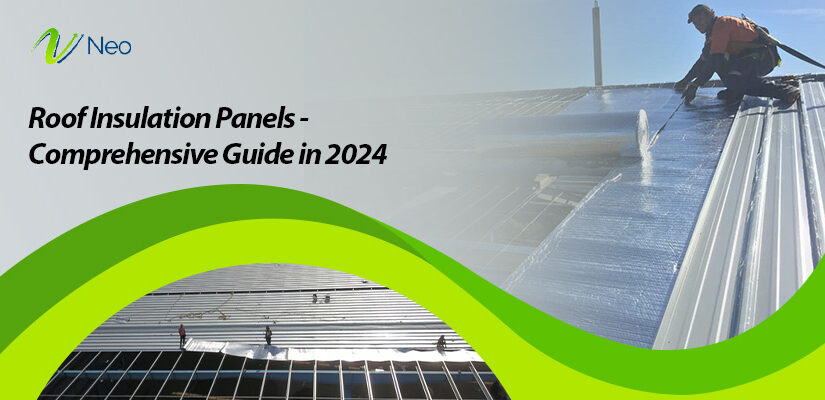
Roof Insulation Panels – Comprehensive Guide in 2024

In the realm of energy-efficient architecture, Roof Insulation Panels stand as key players, revolutionizing global construction practices. Roof insulation insutry is all set to grow from a valution of Rs. 96000 Crores in 2023 to 1.5 lakh crores by 2032. As of 2024, roof insulation panel evolution around the world and particularly in India is marked by a significant surge. Statistics reveal a substantial increase in the adoption of Roof Insulation Panels, emphasizing the growing awareness of their benefits. Now, let’s delve into an in-depth exploration of these panels and their myriad applications.

Roof is the part of any premises or building that causes the maximum heat loss. In such a landscape, insulating the roof with help of roof insulation panels emerges as the best solution to prevent the heat loss, reflect the sunrays in summer, along with locking the heat inside the premises during the winters.

What is Roof Insulation Panel?

Roof Insulation Panels have emerged as an indispensable component in construction practices, offering a cost efficient and sustainable solution to regulate indoor temperatures and enhance energy efficiency. These panels serve as a protective barrier against external elements, minimizing heat transfer and creating a more comfortable living or working environment.

Essentially, Roof Insulation Panels are specialized materials designed to insulate the roof space of buildings. They come in various types, each tailored to meet specific requirements and climate conditions. Metal roof insulation panels, conservatory roof insulation panels, and polyurethane (PU) panels are just a few examples of the diverse range available.

The primary purpose of these panels is to prevent the escape of heat during colder seasons and inhibit the entry of heat during warmer periods. By doing so, Roof Insulation Panels contribute significantly to reducing energy consumption and subsequently lowering utility costs. Additionally, they play a pivotal role in minimizing carbon footprints, aligning with global efforts towards sustainable and eco-friendly construction practices.

Investing in Roof Insulation Panels is a strategic decision that not only enhances the thermal performance of a building but also contributes to long-term cost savings and environmental conservation. As these panels continue to evolve with advancements in technology and materials, their adoption is becoming increasingly prevalent in both residential and commercial construction projects worldwide. In essence, Roof Insulation Panels represent a forward-thinking approach to creating sustainable, energy-efficient spaces for the present and the future.

Types of Roof Insulation Panels

1. Metal Roof Insulation Panels

Metal Roof Insulation Panels

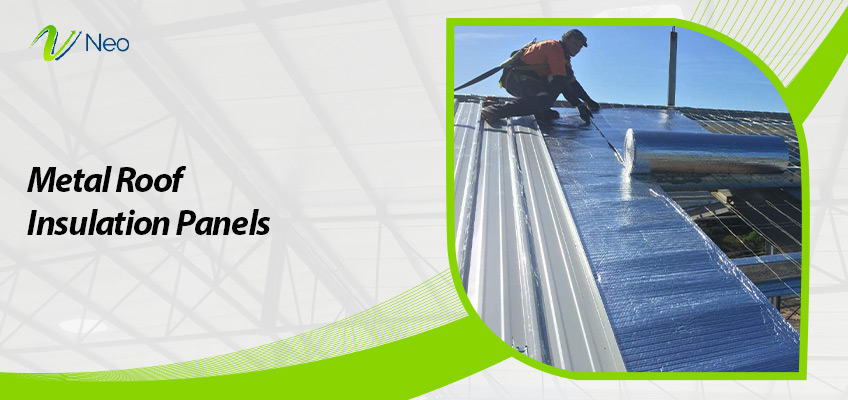
Metal roof insulation panels are engineered to provide thermal protection and structural support for buildings with metal roofing systems. These panels often consist of a layer of insulation sandwiched between two metal sheets. Known for their durability and weather resistance, metal roof insulation sheet offer effective insulation while also serving as a protective shield against harsh environmental elements.

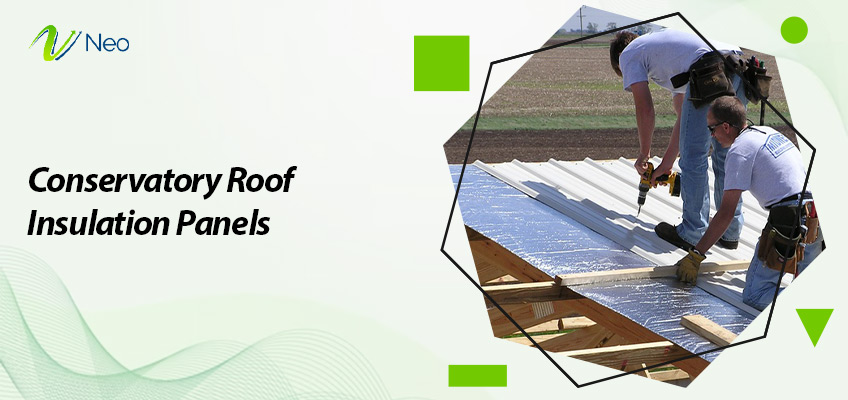
2. Conservatory Roof Insulation Panels

Conservatory Roof Insulation Panels

Designed specifically for conservatories, these insulation panels cater to the unique requirements of these sunlit spaces. Conservatory roof insulation panels help regulate temperature extremes, preventing overheating in the summer and heat loss in the winter. They offer a balance between natural light and temperature control, ensuring a comfortable environment for year-round use.

3. Polyurethane (PU) Panels

Polyurethane panels are recognized for their exceptional insulating properties and versatility. These panels consist of a rigid foam core, providing high thermal resistance. PU panels are commonly used in various applications due to their lightweight nature and ease of installation. They offer an efficient solution for achieving optimal insulation levels in diverse construction scenarios.

4. Expanded Polystyrene (EPS) Panels

Expanded Polystyrene panels are lightweight and cost-effective insulation solutions. Comprising expanded beads of polystyrene, these panels are renowned for their insulation capabilities. EPS panels are widely used in both residential and commercial construction, offering an affordable option without compromising on thermal efficiency.

Schedule Your Roof Insulation Panels Installation Today.

5. Extruded Polystyrene (XPS) Panels

Extruded Polystyrene panels are rigid insulation popular for their moisture resistance and high compressive strength. XPS panels are commonly used in roofing applications, providing a durable and effective thermal barrier. Their closed-cell structure makes them an excellent choice for areas prone to moisture exposure.

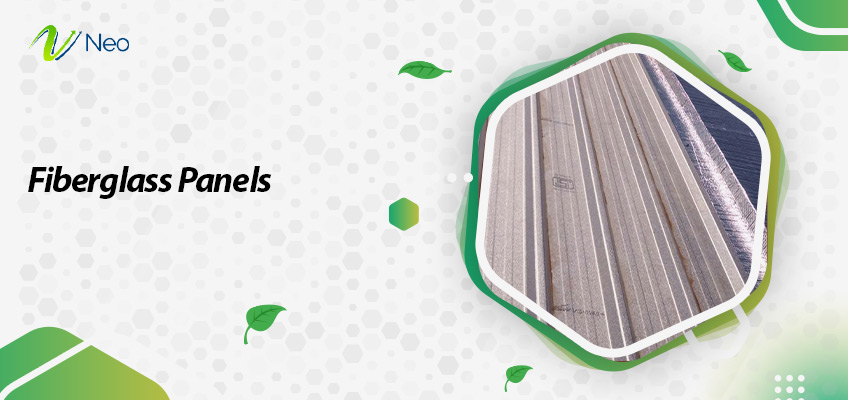
6. Fiberglass Panels

Fiberglass-Roof-Insulation-Panels

Fiberglass panels consist of fine glass fibers, providing excellent thermal resistance. These panels are lightweight, non-combustible, and easy to install. Fiberglass insulation is commonly used in both residential and commercial roofing applications, offering a cost-effective solution for thermal performance.

7. Mineral Wool Panels

Mineral wool panels, made from rock or slag fibers, offer fire resistance and sound absorption in addition to thermal insulation. These panels are versatile and suitable for various roofing applications. Mineral wool insulation is preferred for its durability and ability to withstand high temperatures.

8. Phenolic Foam Panels

Phenolic foam panels are recognized for their high thermal efficiency and fire resistance. Comprising phenolic resin and a blowing agent, these panels offer excellent insulation with minimal thickness. Phenolic foam is often chosen for its superior performance in demanding environments.

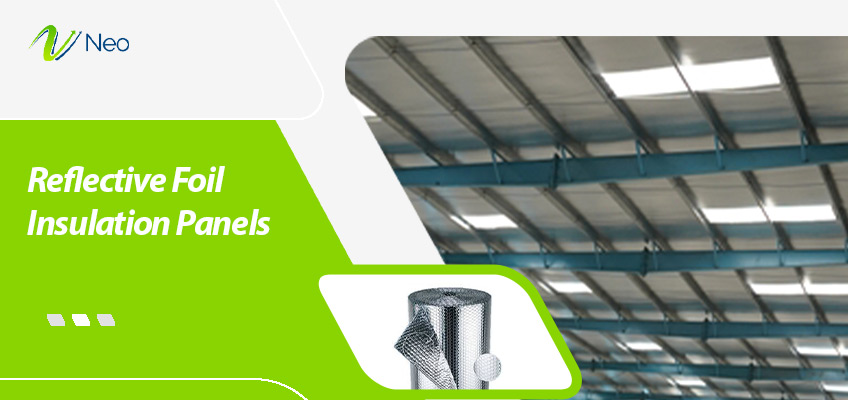
9. Reflective Foil Insulation Panels

Reflective-Foil-Roof-Insulation-Panels

Reflective foil insulation panels consist of a reflective surface that reflects radiant heat. These panels are commonly used in attics and roofs to minimize heat gain. Reflective foil panels are effective in reducing energy consumption by reflecting sunlight away from the building.

10. Spray Foam Insulation Panels

Spray foam insulation panels provide a seamless and airtight insulation solution. The foam expands upon application, filling gaps and creating a continuous thermal barrier. Spray foam insulation is known for its versatility and ability to conform to irregular surfaces, ensuring comprehensive coverage.

11. Vacuum Insulation Panels (VIPs)

Vacuum insulation panels consist of a core material enclosed in a vacuum-sealed panel. VIPs offer exceptionally low thermal conductivity, making them highly efficient in providing insulation with minimal thickness. Although relatively expensive, VIPs are valued for their space-saving properties and superior insulation performance.

12. Wood Fiber Insulation Panels

Wood fiber insulation panels are environmentally friendly options made from recycled or sustainable wood fibers. These panels offer good thermal insulation and moisture-regulating properties. Wood fiber insulation is commonly used in eco-friendly construction projects, contributing to sustainable building practices.

Upgrade Your Living Space – Invest in Roof Insulation Panels Today!

Benefits of Roof Insulation Panels

1. Enhanced Energy Efficiency

Roof insulation panels act as a formidable barrier, preventing heat transfer between the interior and exterior of a building. This results in reduced reliance on heating and cooling systems, leading to significant energy savings.

2. Reduced Utility Costs

By maintaining a stable indoor temperature, these panels help minimize the need for constant adjustments to heating and cooling systems. This, in turn, translates to lower energy consumption and reduced utility bills.

3. Environmental Sustainability

Roof insulation panels contribute to environmental conservation by promoting energy efficiency. The reduction in energy consumption helps lower carbon emissions, aligning with global efforts to create sustainable and eco-friendly living spaces.

4. Year-Round Comfort

Whether it’s keeping the interior warm during winters or cool during summers, insulation panels provide a consistent and comfortable living or working environment throughout the year.

5. Moisture Control

Certain insulation panels, such as Polyurethane (PU) and Extruded Polystyrene (XPS), have inherent moisture-resistant properties. This helps prevent mold and mildew growth, ensuring a healthier indoor environment.

6. Long-Term Durability

Roof insulation panels, when properly installed, contribute to the structural integrity of a building. They provide an additional layer of protection against weather elements, extending the lifespan of the
roof and overall construction.

7. Noise Reduction

Insulation panels, such as Mineral Wool, contribute to sound absorption, reducing external noise infiltration. This is particularly beneficial in urban environments or areas with high noise levels.

8. Increased Property Value

The installation of roof insulation panels enhances the overall energy efficiency and comfort of a property. This improvement in functionality can positively impact its market value, making it an attractive feature for potential buyers or tenants.

9. Government Incentives

In many regions, governments offer incentives and rebates for incorporating energy-efficient practices, including the installation of roof insulation panels. Taking advantage of such programs can further offset initial investment costs.

10. Quick and Efficient Installation

Many types of roof insulation panels are designed for easy and efficient installation. This not only reduces labor costs but also minimizes disruption to the occupants during the installation process.

11. Versatility in Design

Roof insulation panels come in various materials and forms, allowing for flexibility in design and construction. This versatility enables architects and builders to tailor insulation solutions to meet specific project requirements.

12. Contribution to Building Codes

Meeting or exceeding energy efficiency standards and building codes is often a requirement for new constructions. Roof insulation panels facilitate compliance with these regulations, ensuring that the building meets the necessary standards for sustainability and performance.

How to Install Roof Insulation Panels?

Installing roof insulation panels is a strategic and essential process that, when done correctly, can significantly enhance a building’s energy efficiency and overall comfort. Here is a step-by-step guide to ensure a proper installation:/

1. Assess the Roof Structure

Before beginning the installation, assess the existing roof structure. Ensure that it is in good condition and capable of supporting the additional weight of the insulation panels. Address any necessary repairs or reinforcements as needed.

2. Choose the Right Insulation Panels

Select insulation panels based on the specific needs of the project, considering factors such as climate, building design, and budget. Different types of panels offer various levels of thermal resistance and may be better suited for particular applications.

3. Measure and Cut Panels

Measure the dimensions of the roof and cut the insulation panels accordingly. Ensure precision in measurements to achieve a snug fit. Use appropriate tools, such as a straight edge and a sharp utility knife, for accurate cuts.

4. Prepare the Surface

Clean the roof surface thoroughly, removing any debris, dust, or loose materials. A clean and smooth surface will facilitate better adhesion and ensure a secure installation.

5. Apply Adhesive or Fasteners

Depending on the type of insulation panel chosen, apply adhesive to the back of the panels or use mechanical fasteners to secure them to the roof surface. Follow manufacturer guidelines for the recommended adhesive or fastening method.

6. Install Panels in Rows

Start installing the panels in rows, ensuring a tight fit without gaps. Stagger the panels to create a continuous and seamless layer of insulation. Pay attention to the manufacturer’s recommendations regarding panel orientation and installation patterns.

7. Seal Joints and Edges

Use sealant or tape to seal joints and edges between panels. This step is crucial to prevent air leakage and maintain the integrity of the insulation layer. A properly sealed installation enhances the overall effectiveness of the insulation.

8. Address Penetrations and Vents

Cut and fit insulation panels around any roof penetrations, vents, or other protrusions. Ensure that these areas are thoroughly insulated to maintain a consistent thermal barrier across the entire roof surface.

9. Consider Vapor Barriers

Depending on the climate and local building codes, consider adding a vapor barrier between the insulation and the interior space. This helps prevent moisture from infiltrating the insulation and causing issues such as mold growth.

10. Inspect and Verify

Conduct a thorough inspection of the installed insulation panels to ensure they are secure, properly sealed, and meet the specified R-value requirements. Verify that the installation adheres to local building codes and regulations.

11. Consult Professionals if Needed

If the installation process seems complex or if specific requirements need professional attention, consult with experienced contractors or insulation specialists. Their expertise can ensure a flawless and efficient installation.

By following these steps, you can ensure a successful installation of roof insulation panels, contributing to improved energy efficiency and creating a more comfortable and sustainable living or working environment.

Applications of Roof Insulation Panels

Residential Buildings:

  • Attic Insulation: Keeps indoor temperatures stable and helps lower heating and cooling expenses.
  • Flat Roofs: Ideal for homes with flat roofs, these panels provide thermal insulation and protect against moisture.

Commercial Buildings:

  • Office Buildings: Enhances thermal comfort for employees and helps cut down on energy costs for heating and cooling.
  • Retail Spaces: Ensures a consistent indoor environment for customers, reducing operating costs.

Industrial Buildings:

  • Warehouses: Maintains the temperature for sensitive goods and boosts energy efficiency.
  • Factories: Improves worker comfort and shields machinery from extreme temperatures.

Agricultural Structures:

  • Barns and Stables: Creates a stable environment for animals and storage, lowering energy use.
  • Greenhouses: Maintains the required temperature for optimal plant growth.

Recreational Facilities:

  • Sports Halls and Arenas: Provides comfort for athletes and spectators while cutting heating and cooling costs.
  • Swimming Pools: Manages humidity and temperature, preventing condensation problems.

Educational Institutions:

  • Schools and Universities: Creates a better learning environment by maintaining comfortable temperatures and reducing energy costs.

Healthcare Facilities:

  • Hospitals and Clinics: Ensures a comfortable and controlled environment, crucial for patient and staff well-being.

What is the Cost of Roof Insulation Panel?

The cost of roof insulation panels depends on a range of factors including the type of material, thickness, and the area of purchasing. The normal price of roof insulation panels in India falls anywhere between Rs. 100-300 per square foot. However, it is important to take into account that the market conditions, location of premises, and the choice of thickness can add or eliminates the numbers from your final bill. At the same time, different suppliers also charge their fee and commission according to own preferences. So, choosing the right insulation service proider is very important to get the best worth of your investment.
Neo Thermal Insulation is renown brand for providing all insulation solutions at very competitive and cost efficient pricing.

Conclusion

In the evolving landscape of modern construction, Roof Insulation Panels have emerged as integral players, reshaping the way we approach energy efficiency and thermal regulation. This comprehensive guide has explored an array of insulation panel types, each designed to address specific needs and climates. From metal and conservatory panels to innovative solutions like vacuum insulation panels and reflective foil, the choices are diverse, reflecting a commitment to adaptability in construction practices.

The benefits of incorporating these panels into roofing structures extend far beyond the financial realm, encompassing environmental sustainability, year-round comfort, and increased property value. As we navigate the complexities of climate change and heightened energy consciousness, the role of roof insulation panels becomes increasingly vital, fostering a more responsible and resilient built environment.

Frequently Asked Questions (FAQs)

1. What is the average lifespan of roof insulation panels?

Roof insulation panels, when properly installed and maintained, typically have a lifespan ranging from 20 to 30 years. The longevity may vary based on factors such as material quality, climate conditions, and installation methods.

2. What types of materials are commonly used in roof insulation panels?

Roof insulation panels utilize diverse materials such as polyurethane, expanded and extruded polystyrene, fiberglass, mineral wool, and reflective foil. Each material offers unique properties catering to specific insulation needs and environmental considerations.

3. How do roof insulation panels contribute to energy efficiency?

Roof insulation panels contribute to energy efficiency by minimizing the need for continuous heating or cooling adjustments. This results in reduced energy consumption, lower utility costs, and a smaller carbon footprint.

4. What factors should I consider when choosing roof insulation panels?

Factors to consider include climate, budget, insulation needs, and material properties. Assessing the R-value, installation requirements, and environmental impact will guide the selection process.

5. How is the R-value important in roof insulation panels?

The R-value measures a material’s thermal resistance. A higher R-value indicates better insulation. Understanding the R-value is crucial when choosing roof insulation panels to ensure they meet the desired thermal performance.

6. Are roof insulation panels suitable for both residential and commercial buildings?

Roof insulation panels are suitable for both residential and commercial buildings. Their versatility and diverse material options make them adaptable to various construction needs and designs.

7. Do roof insulation panels provide any additional benefits besides energy efficiency?

Beyond energy efficiency, roof insulation panels provide benefits such as improved indoor comfort, reduced noise infiltration, and moisture control. They can also enhance property value and contribute to compliance with energy-efficient building standards.

Talk to us?

Download Brochure