Tag: under-deck insulation

Know the Benefits of using Under Deck Insulation Sheet & Aluminium Insulation Sheet

If you are looking for roofing solution for your home or factory, there are some key considerations that need to strategize. The aluminium panel will give ensure durability and remain watertight. The downspout system will be influenced by location. Generally these solutions move around under deck solution and aluminium sheet insulation.

Let’s have a detailed discussion on the types of insulation and the facts that make them worthy.

What is Under Deck Insulation?

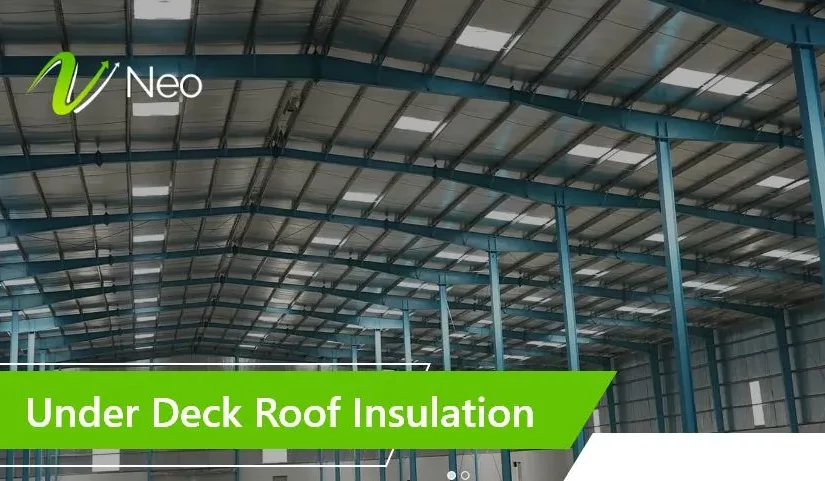
Under deck insulation is installed beneath the roof and just above the ceiling. This is installed with the help of neo air bubble thermal insulation, rock wool, glass wool and polyurethane foam and fixed under the concrete roof deck & all kind of roofing. They are sometimes supported with metal foils, metal fasteners and adhesives.

This insulation reflects and absorbs radiant heat and also reduces indoor temperature. They prevent condensation and improve energy efficiency.

What are the benefits of using Under Deck Insulation?

 1. Provides thermal comfort in summer:

  • There is prevention of direct heat from the roof radiating to the building lying below.
  • The heat is transferred through the roof surfaces and keeps the space cooler.
  • The load over the air-conditioning system is reduced as it maintains a stable temperature indoor.

2. Cost savings & energy efficiency:

  • The use of under-deck insulation will minimize heat gain in summer as well as reduce the heat loss in winters. The energy consumption of HVAC systems will reduce significantly.
  • The lower energy usage is used in reducing the energy bills.

3. Protection of roof & the building materials:

  • This will reduce the thermal pressure on the building materials thereby minimizing the cracks or any kind of warping caused due to thermal fluctuations.
  • The shelf-life of the roofing structures and the waterproofing materials.

4. Protection of building materials & roofing’s: This will prevent condensation of the roof deck and reduce formation of molds, mildew and even corrosion.

5. Insulation of sound: The under-deck insulation layer prevents the dampening of acoustic happening like rain, wind, traffic to the interiors of the home.

6. Environmental Benefits: The reduced energy consumptions lead to a lower carbon footprint. By controlling the temperature in summers and helping to retain the heat in winters, there is  an enhanced environmental effect.

How does Aluminium Insulation Sheet work?

The Aluminium Insulation Sheet works by reflecting the radiant heat instead of absorbing or conducting the heat. There is a thin aluminium foil layer on both sides and there is a core material like bubble wrap or polythene foam providing air gap and thermal resistance.

Here is a way on how the Aluminium Insulation Sheet works:

  • They have a low emissivity and the aluminium bubble surface reflects most of the radiant energy back. Only a part of the heat is absorbed or transmitted inwards.
  • Aluminium has a low emissivity, hence it reflects up to 97% of the radiant heat and 3% emissivity.
  • This reduces the solar heat from entering indoors and maintains lower air conditioning loads and energy bills.
  • They help to retain the warmth in winter as the reflective layer prevents to escape of heat, there by maintaining comfortable indoors.
  • The aluminium bubble insulation sheet works as a moisture and vapour barrier.
  • The aluminium layer is non-porous and stops moisture condition beneath the roofs. They prevent dampness in ceiling structure.

Maintaining an air gap between the aluminium insulation sheet is suggested and that’s the best way to reduce heat transfer. This insulation is preferred because of the light-weight and ease of installation. Since metals are heavy, the use of aluminium will make it noise-proof during rains. This durable material and tops the list of metals used in construction.

What are the ways of choosing Aluminium Insulation Sheet?

You should follow the following steps to choose aluminium insulation sheet:

  • Identify the application: There are various types of applications like- roof insulation, wall insulation, under -deck insulation and duct/pipe insulation. Choose the sheets based on thermal reflectivity and good moisture resistance.
  • Checking the reflexivity and emissivity: Reflectivity is the parameter of measuring thermal performance.
  • Consider the thickness & layers: There are various requirements like single-layer aluminium bubble foil and double layered sheets. These can be used for wrapping small aluminium tasks and also ideal for roofing and under-deck usage.
  • Looking at the thermal resistance: Thermal resistance makes a difference. Higher the value, more it reduces the heat transfer through roofs and walls.
  • Moisture & Corrosion Resistance: You can opt for sheets with anti-corrosion coatings and laminated protective films mainly for the coastal areas. These sheets prevent the formation of mold and rust on the metal roofing.
  • Fire & UV Resistance: Have a look at the fire retardant and UV-stabilized material if used under the roofs or maybe open sunlight areas. You should check the ease of installation. Flexible and lightweight sheets are easy to cut and install. Preferring sheets with adhesive backing and roll format could be convenient.
  • Trusted brands & climate match: Check the certification of the sheets and see if they match the budget and climate. The combine reflective sheets with bulk insulation.

What are the advantages of Aluminium bubble insulation sheets?

Aluminium Bubble Sheets are a popular material for construction across automotive, residential, commercial, packaging and warehouse insulation industries. There are various reasons for preferring this.

  • Bubble Aluminium has light weight density and reduces the structural load or transportation costs.
  • They provide a protective oxide layer meant for protection from environment.
  • Bubble Aluminium conducts heat & electricity, thereby making it ideal for heat exchangers and insulation sheets.
  • This can withstand temperature fluctuations, UV exposure and also weather conditions.
  • Bubble Aluminium is easy for cutting and shaping and they allow versatile implicating as well as installation.
  • They are 100% recyclable and have an aesthetic appeal.
  • These bubble aluminium sheets are cost effective and have long lifespan along with low maintenance.

Looking for roofing solutions requires lot of considerations. In fact, you have to consider the climatic conditions and the environment. Opting for environment -friendly solutions will be the best possible way, but at the same time cost effectiveness is considered hugely. Effective solutions will add value to your home, and protect the structure from outside damage.

How Will Insulation Keep Heat Out?

Summers and winters are going to their peak now, and it’s becoming challenging for people to comfortably live in their homes. In summer, most of the houses inside are getting warmer or need to spend money on electricity for AC to keep the temperature maintained. However, it’s not a sustainable way and personally, people don’t like it.

On the other hand, Winters are making it challenging for people to live inside their home because the inside temperature is not balanced as warm. So at this point, people are looking for the best solution to keep their home balanced in both seasons. And the first question you get in your mind that will insulation keep heat out?

This is where insulation comes as a one-stop solution for homeowners. Installing insulation in homes is one of the best decisions to keep the inside temperature balanced for comfortable living in any season without spending too much on electricity.

Especially, In hot climates, when indoor temperature is uncomfortable then adding insulation acts like a layer which protects the house from the outer hot temperature and ensures to maintain a cool indoor temperature naturally and save huge on electricity.

But, many households don’t know the true potential of insulation and how it can be beneficial. Don’t worry!

In this article, we will deep dive into insulation, how insulation works, its types and much more.

How Will Insulation Keep Heat Out?

Insulation is a thermal barrier of sheets or blocks which are installed inside of the home. These insulation sheets act as a barrier which prevent cool air going outside in summers and similarly prevent the outside hot air from entering the room.

It traps the air within the home and slows down the air transfer. So the inside temperature will be balanced in all types of seasons and give a comfortable living temperature and lower the electricity bills.

There are different types of insulation materials available in different R-values as well. The high R-value means a strong potential to maintain the inside temperature during the peak in summer and winter.

However, choosing the right insulation material depends on your HVAC system and the areas where you plan for the insulation.

Types of Insulation for Heat Reduction

Here are some of the most popular types of insulation for heat reduction:

1. Heat Resistant Sheets

Will Insulation Keep Heat Out
Heat resistant sheets are also known as thermal insulation sheets. These sheets are specially designed to provide a comfortable, cool temperature inside the home in hot summers. These sheets have heat-resistance properties which will prevent outer heat and keep the indoor temperature cooler. These sheets are designed to withstand high hot temperatures without any damage or deterioration. It’s an environment-friendly option that will naturally reduce indoor heat and save huge amounts of electricity.

Beat the Heat – Choose Premium Thermal Insulation!

2. Reflective or Radiant Insulation

Reflective insulation is also known as sun-reflective insulation sheets. These are thin and highly reflective sheets that reduce heat transfer from outside to inside. These are shiny sheets that reflect back the heat from its source and ensure it doesn’t affect the inside balanced temperature. Generally, this heat reflective sheet is made of materials like aluminum foil or aluminized polyester, which is capable of absorbing 95% of heat back to its source. It’s highly demanding in summer to keep the indoor temperature cool and comfortable for living.

3. Air Bubble Insulation

Will Insulation Keep Heat Out
Air bubble insulation sheet is popularly known as bubble wrap. This insulation is made up of one or two layers of air bubbles between aluminum foil to act as a thermal resistance layer. By wrapping up this air bubble insulation inside the home, you can stop suffering from the extremely hot temperature outside and reduce heat gain in summer. This insulation sheet traps the outer hot air within the bubbles and reduces heat transfer, which leads to better indoor temperatures. It has an R-value between R-3 and R-5, which makes it a go-to choice for those homes who want to maintain the indoor temperature for the last time in summer.

4. Roof Cooling Sheet

Did you know? Most of the heat comes from the roof, which affects the indoor temperature. This is where Roof cooling sheets come in as a one-stop solution. These sheets can help to reduce the heat coming from the roof and ensure that the inside temperature is cooler. These are a few of the best insulation types that have high thermal emission properties and solar reflectance index (SRI). Plus, it helps to reduce unwanted outside noise and provides a comfortable indoor environment. These sheets have a high energy-saving option and are able to cool the temperature naturally and reduce electricity consumption.

5. Aluminum Insulation Sheets

Will Insulation Keep Heat Out
Aluminum insulation sheets are made up of multiple-layered materials and are specially designed to prevent heat reduction in summer. These aluminum foils reflect the heat rays away in summer instead of absorbing them. It effectively controls the indoor temperature and provides natural and pure cool air for comfortable living. These aluminum sheets are durable for long-term usage and lightweight for easy installation and maintenance. It has moisture resistance and fire resistance properties that enhance home safety.

6. Underdeck Insulation

Under deck insulation is mostly used beneath the flooring or decking of a structure. There are so many benefits of using this insulation sheet, including controlled indoor temperature, moisture control, and soundproofing. It is one of the fastest-accepting insulation types that households are using for heat reduction in hot summers. It is lightweight, easy to install, and a budget-friendly insulation option, which is worth considering for peak summer.

Insulate your Home With NEO Thermal Insulation

Insulating Different Areas of Your Home

Here are some different areas in your home that you can insulate:

1. Walls

One of the best areas to insulate in your home is the interior and exterior walls. Because most of the outer heat transfers through the walls and by installing insulation on the walls can build a strong layer to prevent heat and keep the indoor temperature cooler. It is especially recommended for older houses who have gaps in walls then require a strong layer for protection.

2. Roof and Attic

Another important area in the home to insulate properly is the roof and attic. In hot climates, these areas transfer heat from outside to inside, and that’s why proper insulation can reflect back the heat and reduce the heat transfer. Some options for these areas are fiberglass batts and blown-in cellulose for effective insulation.

3. Floors

Floor insulation is useful for those homes which are built above a crawl space, garage or other areas. In such a case, the heat can be transferred via floors and need to be protected via insulation. It can be insulated via foam boards, fiberglass batts or spray foam for insulation.

4. Windows and Doors

Sometimes, doors and windows are not properly sealed. So it’s better to insulate them properly to fill all the gaps from where heat transfers and reduce the heat from the indoor temperature during summers. It is one of the crucial areas to cover effectively.

5. Basement

Some homes include basements, and it becomes hard to maintain the indoor temperature in such areas. At this point, insulation can be an effective solution to keep the term rapture balanced in any season. Foam board or spray insulation is the common insulation for the basement. However, make sure to only apply insulation to the interior walls.

Conclusion

Every household is dealing with high electricity bills and uncomfortable living during the summer. Insulation comes as a one-stop solution for keeping the heat out, providing a cool indoor temperature naturally, and saving huge amounts of electricity. We hope this guide helps you know the potential of insulation and how insulating your home can keep your home cool in summer, reduce noise, and save on electricity, all of which provide a comfortable living.

Now, if you are looking for a trustworthy brand for the best quality insulation, then Neo Thermal Insulation comes with the promise of quality and satisfaction. You can explore the range of insulation available and make your home insulated for numerous benefits.

FAQs

1. How much does insulation keep heat out?

Insulation is used to keep the maximum heat out of the house in the summer. However, the amount of heat insulation kept out depends on various factors, including the type of insulation material, type of home, and weather. It can create an indoor temperature difference between 5–20°F.

2. Does insulation stop heat getting in?

Yes, insulation acts as a barrier that stops heat from getting inside the home and reflects back to its source. It not only reflects the heat back but also reduces the outer noise leading to a comfortable living with cooler indoor temperatures and peace.

3. Can heat pass through insulation?

Insulation can slow or reduce maximum heat from the outside and make it harder to pass through the insulation layer.

4. Does insulation make it cooler?

Yes, insulation has the potential to keep the home cooler in the summer as well as warmer in the winter. It is especially designed to maintain the indoor temperature and make it comfortable for living naturally without depending on electrical devices for the temperature maintenance.

Conclusion

Pre-engineered building manufacturers (PEBs) are in high demand and are making a revolution in the construction industry. It makes the construction process faster, more convenient, and more cost-effective. So, it’s the right time to adopt the PEB option for numerous benefits. However, it’s essential to let the professionals do this project. We hope this guide will help you learn everything about pre-engineered buildings and their benefits and explore some of the best PEB manufacturers in India. Now, it’s your turn to find the right PEB manufacturer that meets your specific needs and requirements.

Plus, pre-engineered buildings (PEBs) also required insulation to save money on energy bills and long-term durability. So, if you want to insulate your pre-engineered building then Neo Thermal Insulation is a one-stop place to find the best quality insulation materials for PEBs and keep the area warmer in winter and cooler in summer for comfortable living.

FAQs

1. What is a pre-engineered building?

Pre-engineered buildings are steel structures that are manufactured off-site and assembled on-site. It’s a better option than traditional construction, and the process of construction is faster, whether it’s manufacturing buildings, commercial, residential, warehouses, or storage units; pre-engineered buildings can make the process faster and more effective.

2. What are the advantages of pre-engineered buildings over traditional construction?

Some of the key advantages of pre-engineered buildings (PEBs) are faster construction, cost-effectiveness, low maintenance, durability, energy efficiency, and flexibility.

3. Are pre-engineered buildings suitable for all types of climates?

These pre-engineered buildings (PEBs) are durable enough to handle all types of climates. However, it’s recommended for insulation to ensure a comfortable living temperature and protect from the bad weather.

4. How do I choose the right PEB manufacturer for my project?

Some of the key factors to consider to find the right PEB manufacturer for your project are experience, quality, customization and after-sale support.

5. What maintenance is required for pre-engineered buildings?

As pre-engineered buildings require low maintenance, then doing some cleaning regularly and checking the insulation from time to time is enough.

6. Can PEBs be expanded or modified in the future?

Yes, PEBs can be expanded and modified if the project requires future expansion. The modular PEB structure allows for easy addition of new sections without disrupting the existing building.

Talk to us?

Download Brochure