Category: pipe insulation

Why Pipe Insulation is Important and How it Increases Energy Efficiency

These days, safety and energy efficiency are really important in buildings and industrial systems. One thing that helps with this is pipe insulation. Pipe insulation is something that people often forget about. It is really important for achieving these goals. Insulating pipes helps them work better saves energy and keeps the piping system safe in homes, offices and factories.

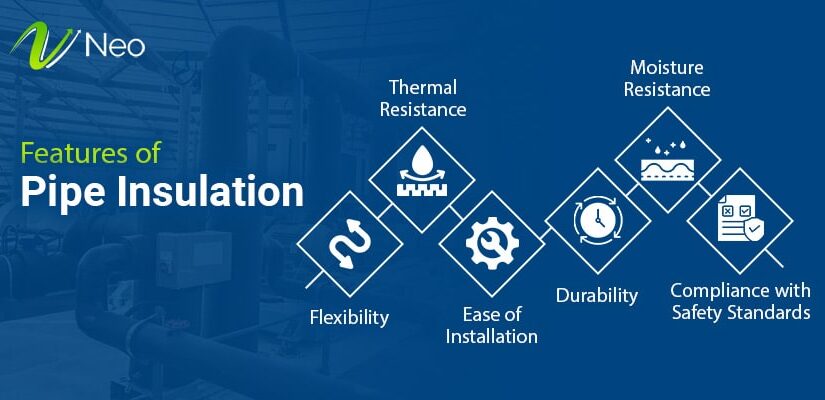
Pipe insulation is when you cover pipes with materials to keep the fluid inside at the right temperature. This fluid can be steam, cold water, hot water or refrigerants. When you insulate pipes you can make them last longer stop condensation and save energy.

In this blog we will talk about what pipe insulation’s its benefits, the different kinds of insulation materials and why it is necessary for buildings to be efficient and sustainable.

What is Pipe Insulation?

Pipe insulation is a layer of material that you put around pipes to stop heat from moving between the pipe and the air around it. This material helps keep the fluid in the pipe at the temperature. For example you insulate cold water pipes to stop condensation and heat gain. You insulate hot water pipes to stop heat loss. Pipe insulation is used a lot in pipelines, heating and cooling systems plumbing systems and refrigeration units. If you do not have pipe insulation you can lose a lot of energy which can increase your utility bills and make your systems less efficient.

Benefits of Pipe Insulation

Pipe insulation has benefits for homes and offices.

  1. Energy Efficiency :- One of the benefits of pipe insulation is that it saves energy. Insulated pipes stop heat gain in cold water systems and heat loss in hot water systems. This means that your heating and cooling systems do not have to work hard to keep the temperature right. As a result you can save money on your energy bills. Help the environment.

  2. Prevents Condensation :- Condensation often forms on pipes when they are exposed to warm air. This moisture can cause corrosion, mold growth and water damage. Pipe insulation helps prevent condensation by creating a barrier between the pipe and the air around it. This is really important for refrigeration systems and humid environments.
  3. Improves Safety :- Pipe insulation is also important for safety. If you touch a pipe you can get burned. Pipe insulation helps keep the pipe at a temperature so you can touch it without getting hurt. In factories and plants pipe insulation is crucial for safety.
  4. Reduces Noise :- Pipe insulation can also help reduce noise. When water or steam flows through pipes it can cause the pipes to vibrate and make noise. The insulation helps quiet down these vibrations so you can hear noise coming from the pipes. This makes buildings more comfortable for people.
  5. Extends Pipe Lifespan :- Temperature changes and moisture can damage pipes over time. Pipe insulation helps protect pipes from these things so they can last longer. This saves you money because you do not have to replace the pipes often. By stopping pipes from rusting and getting too hot or cold insulation helps keep the piping system working well for a time.

Types of Pipe Insulation Materials

There are materials used for pipe insulation depending on the application and temperature requirements. Here are some common types:

  1. Fiberglass Insulation :- Fiberglass is a choice for insulating pipes. It does a job of keeping the temperature right. You can use fiberglass on pipes that carry cold water. Fiberglass is a choice because it is not too heavy and it is affordable. It is also easy to install.
  2. Foam Insulation :- Foam insulation is really useful for homes. It is often used for plumbing and heating and cooling systems. It is good because it can bend and it keeps water out. This helps prevent condensation from forming on the pipes.
  3. Mineral Wool Insulation :- Mineral wool insulation can handle temperatures. This is why it is often used in factories and other industrial places where pipes carry liquids or steam. Mineral wool insulation also helps stop fires from spreading and absorbs sound.
  4. Rubber Insulation :- Rubber insulation is really good for refrigeration and air conditioning systems. It helps keep moisture and condensation from the pipes. This makes rubber insulation a great choice for pipes. Rubber insulation is also very strong. Can withstand a lot of environmental damage.

Applications of Pipe Insulation

Pipe insulation is used in industries and building systems.

  • Residential Buildings :- In homes pipe insulation is used on hot water pipes, heating systems and air conditioning. This helps save energy and makes sure hot water gets to the faucets without losing heat.
  • Commercial Buildings :- Offices, hospitals, hotels and stores use pipe insulation for their heating and cooling systems and plumbing. This helps keep the temperature right and makes the systems work efficiently.
  • Industrial Facilities :- Factories use pipe insulation to keep the fluids they use at the temperature. This is important for safety. For making sure the processes work correctly.
  • Refrigeration Systems :- Places that need to keep things cold, like cold storage facilities use pipe insulation to stop heat from getting and to save energy.

Factors to Consider When Choosing Pipe Insulation

When selecting pipe insulation there are factors to consider to ensure optimal performance.

Temperature Range

Different insulation materials are good for temperatures. You need to pick insulation that can handle the temperature of the fluid in the pipe.

Moisture Resistance

In places with humidity or refrigeration systems the insulation needs to be able to handle moisture without falling apart.

Fire Safety

Some places need insulation that can stop fires from spreading to meet safety rules.

Installation and Maintenance

It is also important to think about how easy the insulation’s to install and how long it will last.

Installation of Pipe Insulation

To get the most out of pipe insulation it needs to be installed. The insulation must fit tightly around the pipe without any gaps. Professionals usually measure the pipe pick the insulation and secure it with adhesive, tape or a protective jacket.

Environmental Impact of Pipe Insulation

Pipe insulation helps the environment by saving energy. When you use energy you make less pollution and help keep the air clean. Buildings that are energy need insulation, including pipe insulation to meet modern standards for being environmentally friendly. As energy costs go up and people become more aware of the environment pipe insulation will continue to be a way to save energy.

Conclusion

Pipe insulation is an effective way to save energy be safe and make systems work better. By stopping heat from moving preventing condensation and protecting pipes from damage insulation is crucial for homes, offices and factories.

Whether used in homes, offices or factories pipe insulation helps reduce energy costs makes places more comfortable and makes pipes longer. Investing in insulation not saves you money but also helps make the world a cleaner place.

Frequently Asked Questions (FAQs)

  1. What is Pipe Insulation used for?

Pipe insulation is used to stop heat from moving out of pipes. It helps keep the fluid in the pipe at the temperature saves energy and prevents condensation.

  1. Do homes need Pipe Insulation?

Yes homes benefit from pipe insulation because it saves energy stops pipes from freezing in winter and helps hot water get to the faucets efficiently.

  1. What Kinds of Materials are used for Pipe Insulation?

Common materials include fiberglass, foam, rubber and mineral wool. Each material is good, for temperatures and uses.

  1. Does Pipe Insulation save energy?

Yes pipe insulation helps save energy by stopping heat from moving out of pipes. This means your heating and cooling systems do not have to work as which saves you money.

  1. How long does Pipe Insulation last?

The lifespan of pipe insulation depends on the material how well it is installed and how well it is maintained. Good insulation can last a time if it is taken care of properly.
Leading the Future: Thermal Insulation Manufacturers in India

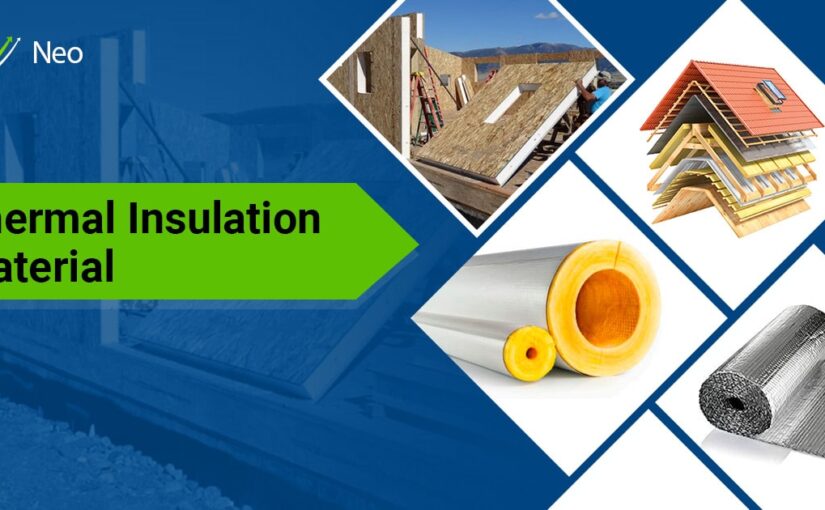
In the rapidly evolving industrial and construction sectors, thermal insulation plays a pivotal role in improving energy efficiency, reducing operational costs, and ensuring environmental sustainability. As industries across India increasingly focus on energy conservation and green building practices, the demand for high-quality thermal insulation materials has surged. This has led to the rise of some of the most innovative thermal insulation manufacturers in India, who are shaping the future of smart infrastructure.

Understanding Thermal Insulation and Its Importance

Thermal insulation refers to the process of reducing heat transfer between objects or environments of differing temperatures. In practical terms, it means maintaining indoor comfort by keeping heat out in summers and trapping it in during winters. Whether it’s residential buildings, commercial establishments, industrial plants, or cold storage facilities, insulation is vital for energy efficiency and thermal comfort.

In India, with its diverse climatic zones from extreme heat in Rajasthan to frigid temperatures in the Himalaya the need for advanced insulation solutions is more pronounced than ever. This makes the role of thermal insulation manufacturers in India critical to addressing regional and industrial thermal management needs.

Innovations by Thermal Insulation Manufacturers in India

Modern thermal insulation manufacturers in India are no longer just suppliers of conventional materials like fiberglass or rock wool. Companies such as Neo thermal Insulation have redefined industry standards by focusing on innovative insulation technologies that are eco-friendly, long-lasting, and tailored to specific applications.

These manufacturers offer a wide range of products, including

  • Rigid and flexible insulation boards
  • Pipe insulation solutions
  • Spray foam and reflective insulation
  • Acoustic and thermal hybrid materials

What sets leading manufacturers apart is their commitment to R&D, quality assurance, and compliance with global standards such as ISO, ASTM, and IGBC green building norms.

Key Sectors Driving the Demand for Thermal Insulation

Several sectors in India are contributing to the rising demand for insulation products:

1. Construction and Real Estate

With the rapid urbanization and the growth of smart cities, builders are turning to thermal insulation to meet energy efficiency benchmarks and reduce HVAC costs.

2. Industrial Applications

Industries such as cement, steel, oil & gas, and pharmaceuticals rely heavily on thermal insulation to maintain process temperatures, reduce energy loss, and enhance worker safety.

3. Cold Storage and Food Processing

Thermal insulation ensures the integrity of temperature-sensitive goods and minimizes refrigeration energy usage an essential factor in India’s growing cold chain logistics.

4. Automotive and Aerospace

As India becomes a hub for automotive and aerospace manufacturing, thermal and acoustic insulation solutions are becoming critical in enhancing vehicle performance and passenger comfort.

Why Choose Indian Manufacturers?

India is emerging as a global hub for insulation material production due to:

  • Cost-effective manufacturing
  • Skilled labor and engineering expertise
  • Growing domestic demand
  • Strong export potential

Companies like Neo thermal Insulation offer high-performance, durable, and environmentally responsible insulation products that can compete with international brands at a fraction of the cost.

Sustainable Practices and Eco-friendly Materials

The global emphasis on sustainability has influenced Indian manufacturers to adopt eco-conscious production methods. Many now offer recyclable, non-toxic, and zero-VOC insulation materials. These innovations support India’s commitment to reducing its carbon footprint and achieving net-zero emissions by 2070.

Green certifications, LEED compliance, and partnerships with energy-efficient building programs demonstrate how these manufacturers contribute to sustainable construction and industrial practices.

Choosing the Right Thermal Insulation Partner

When selecting a thermal insulation provider, it’s crucial to evaluate:

  • Product range and customization
  • Quality certifications and test reports
  • Installation support and after-sales service
  • Track record in similar industry segments

Neo thermal Insulation, for instance, provides a consultative approach, helping clients choose the right product mix, perform thermal audits, and optimize insulation designs. Their technical expertise ensures that each project meets thermal performance goals efficiently.

Future of Thermal Insulation in India

The future looks promising for the thermal insulation manufacturers in India. With increasing energy regulations, growing awareness about sustainable practices, and technological advancements, the industry is set to grow at a CAGR of over 5% in the next five years.

Government initiatives like the Energy Conservation Building Code (ECBC) and industry incentives for sustainable manufacturing are further fuelling the growth of insulation technologies. Moreover, as infrastructure projects scale up, both in public and private sectors, thermal insulation will become an integral part of all construction and industrial planning.

Conclusion

In a climate-conscious world, where energy efficiency is no longer optional but essential, thermal insulation manufacturers in India are playing a transformative role. Their focus on quality, innovation, and sustainability not only meets the needs of diverse industries but also contributes to India’s vision of a greener, more energy-efficient future.

If you’re seeking reliable, efficient, and forward-thinking insulation solutions, partnering with a top-tier manufacturer like Neo Thermal Insulation ensures your project achieves both performance and environmental goals.

Frequently Asked Questions (FAQs)

1. What is thermal insulation and why is it important for the future?
Thermal insulation reduces heat transfer, improves energy efficiency, and supports sustainable construction, making it essential for future-ready buildings.

2. Why are Indian thermal insulation manufacturers gaining global attention?
Indian manufacturers offer high-quality, cost-effective, and innovative insulation solutions that meet international standards.

3. What types of thermal insulation products are commonly manufactured in India?
Products include air bubble insulation, reflective insulation, glass wool, rock wool, and industrial insulation solutions.

4. How does thermal insulation help in energy savings?
It reduces cooling and heating loads, lowers electricity consumption, and cuts long-term operational costs.

5. Which industries benefit most from thermal insulation in India?
Warehouses, factories, power plants, cold storage, commercial buildings, and residential projects benefit significantly.

Choosing the Right Heat Resistant Sheet of Roof for Your Building

As temperatures continuing to dangerously rise year after year, one of the most important decisions for home owners, architects, and industrial planners is choosing the right Heat Resistant Sheet of Roof. In India, where summer temperature in many places can reach over 45°C, it is no longer a question of roofing solutions in India being another luxury choice, it’s a necessity. High heat does not only dictate the comfort we experience within interiors, but it drives cooling up-lift and damages the long-term integrity of our structures.

This is where modern, energy efficient and sustainable roofing solutions, from companies like Neo thermal Insulation, become invaluable. They can provide the innovative, energy efficient, sustainable products manufactured to combat India’s adverse climatic challenges.

What is a Heat Resistant Sheet of Roof?

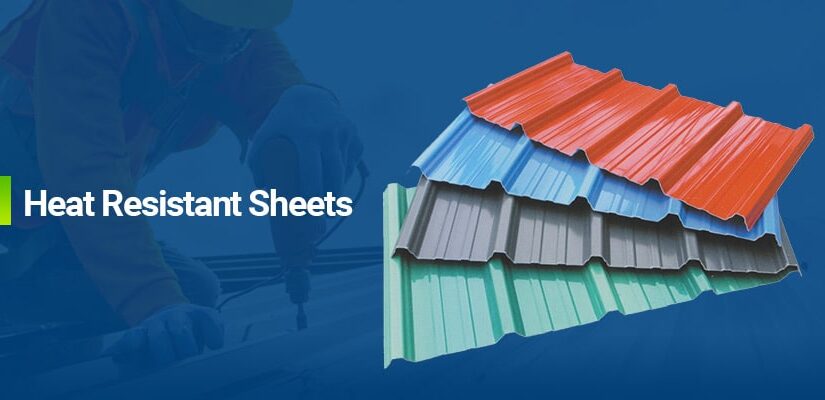
A heat resistant sheet of roof is a roofing product designed to reflect or block solar heat from the sun, thereby lowering the amount of heat absorbed into the building. There are many different types of roofing sheets that can meet any type of aesthetic and functional characteristics – like:

  • Polycarbonate with UV resistant coatings
  • Metal sheets with reflective paint
  • Ceramic-coated aluminum sheets
  • Fiber-reinforced polymers
  • Insulated sandwich panels

The objectives of a roof sheet are to lower the overall temperatures indoors and reduce the demand for artificial cooling like air conditioning or industrial chillers.

Advantages of Installing Heat Resistant Roof Sheets

Opting for a heat resistant sheet offers a number of benefits, especially when considering that India has multiple climates, with some extreme heat.

  1. Energy Economy

These sheets reflect and inflect a lot of heat that is coming, meaning it will significantly lower degree’s with air movement coming in and ultimately reduce the amount of cooling (air conditioning) used each year (that is old technology).

Significantly lowering cooling load which leads to energy saving of 20-30% in air conditioning use or costs.

  1. Thermal Comfort

If you have a heat resistant roof, you will be contributing to a better condition, living and working environment, on the other end you can truly add some significant value on your rooftop, especially if you are in a Metal Roofed industrial shed or warehouse or if you live in a rural home with a metal roof.

  1. Sustainability

Most of the sheets on the market are made partly from recycled, recyclable or sustainable materials. So when you install heat resistant roof sheets in your building you contribute to the “green and clean” building rating as well as reduce your carbon footprint.

  1. Longevity

The heat redundant sheets manufactured today are largely corrosion resistant, weather resistant, UV resistant and have some chemical resistance. They are perfect for long established roofing in residential and commercial builds.

Applications of Heat Resistant Roof Sheets

The heat resistant sheet of roof is suitable for a wide range of sectors and building types:

  • Residential homes and villas: Especially in states like Rajasthan, Telangana, and Gujarat
  • Commercial buildings: Malls, offices, and showrooms looking to reduce cooling costs
  • Industrial sheds and warehouses: Where heat build up can impact productivity and equipment
  • Agricultural and dairy farms: To protect livestock from heat stress
  • Institutions and schools: Ensuring comfort and safety for children and staff

How Neo Thermal Insulation Leads in Roof Cooling Solutions

Neo Thermal Insulation combines innovations with practicality. They are selling multiple heat-resistant roof materials consistent with modern energy-efficient building standards such as:

  • Reflective roof panels with high solar reflectance index (SRI).
  • Insulated sandwich panels for protection from heat and sound.
  • Coated metal roofing designed for industrial and commercial applications.
  • PVC and UPVC Sheets with low thermal conductivity.

Through research and development and custom installations, Neo thermal has become a household name in thermal protection throughout India.

Key Considerations When Selecting a Heat Resistant Sheet of Roof

When deciding on the best roofing option for your needs, consider the following:

  1. Climate Conditions – In the extreme heat zones, you will have much better success with double layered or insulated roof panels, as opposed to a single layer of metal of polycarbonate sheet.
  2. Longevity of the material – Make sure the sheet materials you are using to roof a building are corrosion resistant, UV resistant (unless intended to have no UV resistance), weathered to protect against degradation, should last 15-25 years with proper maintenance and can be inspected.
  3. Thermal performance – The details including:
  • Solar Reflective Index (SRI);
  • Thermal Conductivity;
  • Fire resistance;
  • UV resistance.
  1. Compatibility for installation – You need to make sure that installed sheets are compatible with the frame, structure, roof slope design and that installation was done by professionals to ensure leak proof performance for thermal efficiency.

Future of Roofing: Cooling, Smart and Sustainable

As India seeks to fulfill its energy efficiency goals and try green building, the use of heat-resistant sheet of roof will begin to increase across sectors. Innovations such as smart coatings, phase-change materials and hybrid insulation systems are already coming about that combine cooling capability with environmental responsibility.

As a result of these changes, government regulations and certification systems such as the Energy Conservation Building Code (ECBC) and LEED are guiding builders and architects to use these thermally efficient products.

Conclusion

Choosing the right heat resistant sheet of roof is considerably important in today’s landscape of construction, where energy efficiency, comfort and sustainability are crucial. Whether you are designing a domestic house in a hot weather zone, or overseeing a hot industrial warehouse, the selection of quality, durable and tested roofing sheets offers excellent thermal regulation, ultimately reducing energy costs.

Neo Thermal Insulation continues to push the envelope on quality thermal performance in roofing sheets addressing varied thermal problems across India. With talented technical support, paradigm-led manufacturing and sustainable practices, Neo thermal is your premier provider of above-bar heat-resistant roofing products.

Talk to us?

Download Brochure