Tag: Air bubble thermal insulation

Aluminum Foil Insulation(Price & How to Install)

When it comes to finding an effective way to keep your home’s temperature balanced then Aluminum foil insulation is one of the best solutions. It’s an affordable, easy-to-install material that helps keep your home cooler in the summer and warmer in the winter.

Despite its numerous benefits, many people aren’t aware of the true potential of aluminum foil insulation. No worries!

So, if you’re trying to lower your electricity bills or want a cost-effective way to maintain your indoor temperature, this blog will help you find an easy way.

In this blog, we will understand everything about aluminum foil insulation, its benefits, how you can install it and its estimated cost. Let’s dive in!

Benefits of Using Aluminum Foil Insulation

Here are some key benefits of using aluminum foil insulation:

1. Energy Efficiency

Aluminum foil maintains your home at a pleasant temperature. In the summer, it bounces the heat back off of you. So, things remain cooler. In the winter, it keeps the warmth in. This saves you money and energy by minimizing your heating and cooling requirements.

2. Cost-Effective

It is an affordable method to insulate. Aluminum foil is a great purchase for increasing energy efficiency without having to pay a lot of money upfront. It is cheap and it saves on long-term energy costs.

3. Easy Installation

Aluminum foil is lightweight and it is simple to install. It can be trimmed easily to fit into tight spaces and most individuals can install it. It is a cost-saving labor option that you can do yourself.

4. Moisture Resistance

Aluminum foil is not absorptive and is a vapor barrier. This will keep mold from developing and guard your home against water damage. It is especially in damp places such as basements or attics.

5. Durability

Aluminum foil is also long-lasting. It would not corrode, rust or deteriorate over time. So you would not need to replace it as often. It can last for decades, delivering long-term performance.

6. Versatility

You can put aluminum foil insulation in almost any area. It may include attics, walls, floors, ceilings and even ducts. It is a great option for homes, businesses and even industry. Its pliability makes it easy to apply in almost any area.

Different Ways to Use Aluminum Foil Insulation?

Whether it is floor, roof, walls, attics, or HVAC ducts, aluminum foil has numerous uses. The sheet will be your best partner in the fight against thermal inefficiency, moisture and structural damage. The variety of applications of aluminum foil insulation are listed below.

1. Walls:

It is very easy to install insulation sheets on walls and between wall studs because of its durability and flexibility. It can be precisely attached to the interior and exterior surfaces of the wall. It have air bubbles trapped between two metallic layers that prevent heat loss and gain using walls. It also serves as a barrier against moisture and prevents water vapors from causing damage to the walls.
Looking To Insulate Your House?

2. Roof:

Aluminum Insulation Sheet is one of the best methods to prevent heat loss through walls. It can be applied either under roof rafters or on the roof deck to create a blockade against radiant heat transfer. It reflects away the solar heat to keep interiors cool and lessen the cost spent on electric appliances. It also prevents mildew and mold growth.

Seeking a Reliable Thermal Insulation Company?

3. Floor:

Heat loss through floors is a serious concern for many people. However, installing it over and under floors will help in improving overall efficiency. It is more beneficial for places with raised floors and buildings where unheated spaces are present like basements and crawls. Aluminum foil for heat insulation helps in maintaining the desired indoor temperature and enhances energy efficiency as it evenly distributes heat.

4. Ceiling:

It can be effectively used for insulating ceilings and prevent thermal loss. It acts as a barrier between the ceiling surface and surroundings and curtails radiant heat transfer. Additionally, it inhibits moisture and vapor from entering through the surface and damaging the structure. It aids in maintaining comfortable indoor temperatures and lessens the load on electronic appliances.

5. HVAC duct:

Heating, ventilating, and air-conditioning ducts provide space for heat loss and gain through air entering the duct. It is necessary to insulate these ducts to ameliorate thermal efficiency. Apart from this, the aluminum insulation also restrict the implication caused by condensation on the surface of ducts.

6. Pipes:

Hot and cold water supply pipes need to be insulated to prevent heat loss and heat gain. It checks water pipers from becoming too cold in winter and too hot in summer and helps in maintaining desirable water temperatures in all weathers. It also reduces energy consumption.

7. Windows and Doors:

Openings like windows and doors need to be insulated to maintain appropriate indoor temperature. Aluminum foil that is Heat Reflective Sheets should be installed on the window and door frames. This curtails radiant heat transfer between the room and the surroundings and unwarranted air leakage.

Step-by-Step Installation Process of Aluminum Foil Insulation

Below are the easy steps to install the aluminum foil insulation:

Step 1. Clear the Area

Before you begin, make sure the area is dry and clean. Clear out any obstructions, debris, or dust. Make sure there is no mold, leaks or moisture. And resolve these issues first to give the insulation a chance to do its job. Proper ventilation must also be ensured to prevent moisture build-up. This is especially true in tight spaces such as attics.

Looking To Insulate Your House?

Step 2. Trim and Measure the Foil

Measure the area to be insulated, such as a wall or attic. Then, cut the aluminum foil with a utility knife or scissors to the appropriate sizes. Measure carefully to achieve the right fit so that the foil will fit snugly in position without shortage or surplus.

Step 3. Place the foil carefully

Once the foil is trimmed, place it in position. For attics, put the shiny reflective side outward to reflect heat. In walls or ducts, push the foil tightly into corners and edges without wrinkles. Overlap seams as necessary to seal openings.

Step 4: Secure the Edges

Once you have positioned the foil, tape or stick the edges down with adhesive, ensure the edges are well-stuck and without any gaps, as this will impair the efficiency of the insulation. Ensure that the foil is well-stuck and smooth.

Step 5. Review and Finish

After you have installed the foil and locked it, double-check to make sure that everything is properly installed. Inspect for wrinkles or loose spots that might have formed during installation. If all goes well, your aluminum foil insulation is complete.

Pricing for Aluminum Foil Insulation in 2025

Pricing for aluminum foil insulation depends upon a variety of factors. Factors like location, the complexity involved in the installation, quality of the material, market demand and supply are some of the main points that impact the pricing for aluminum foil insulation.

Location:

Location plays a very vital role in determining the prices of aluminum foil insulation . The prices vary according to different countries and regions. Additionally, local market factors like manufacturing costs, transportation overheads, standard of living, and construction rates have an important say in fixing prices. The prices are higher in the regions where availability is low and demand is high and vice-versa.

Complexity in Installation:

Installation complexities affect the overall price of aluminum foil for heat insulation. If specialized skills, equipment, and additional materials are required in the installation process then the cost of the overall project goes up. Other factors like the total area required to be covered and accessibility also affect the price. Sometimes unique challenges also affect installation complexity and price.

Quality of the Material:

What kind of aluminum is used and what is the thickness of the sheet affects the cost. High-quality material with high durability and flexibility is sold at high prices. Material with exceptional thermal properties with moisture and fire resistance impacts the pricing of aluminum foil insulation.

Market forces:

Market forces, demand, and supply affect the pricing of aluminum foil insulation. When demand is high (during peak construction period) and supply is less then the price of the material goes up. However, when demand is low and supply is abundant then the price of the material goes down, and in this kind of period, suppliers try to adjust the prices so that customers get attracted.

Brand:

The reputation of the supplier and the authenticity of the brand have much to say in the pricing of aluminum foil for insulation. Brands that are established in the market and have an effective performance track record command high prices in comparison with local and less-known suppliers. Established brands also provide on-time customer support and expert guidance, these factors offer peace of mind to the customers and assurance regarding the product.

Quantity:

If insulation sheets are purchased in bulk or ordered in large quantities then suppliers will offer large amounts of discount. When construction companies buy under wholesale pricing it costs them less in comparison to purchases when an individual buys it in small quantity.

Seeking a Reliable Thermal Insulation Company?

Seeking professional help when insulating with foil is worth it to avoid costly mistakes. So, if you are looking for a good thermal insulation firm, then here are some key factors to watch out for:

1. Experience and Expertise

Select an experienced company, particularly if you are using aluminum foil. Professional companies understand how to install insulation correctly. They can take care of any issues that arise, ensuring the job is done once.

2. Quality of Materials

Not all insulation materials are equal. Higher-quality materials are stronger and work better. Ensure that the company uses strong insulation foil that reflects heat and maintains your home warm throughout the year.

3. Project Portfolio and Case Studies

A good company should show prior work. This helps you see what they have done and if they have done work like that. You can look through their portfolio to see the kind of work they can accomplish.

4. Customer Reviews and Testimonials

Read feedback or ask for testimonials from past clients. You will be satisfied with your choice after listening to what others have to say. Good feedback gives you confidence that the company does great work.

5. Cost and Budget

Get quotes from different companies and compare prices. Make sure the quote falls within your budget and also ask for any extra charges. A good company will provide you with a clear, itemized quotation and perhaps offer a warranty.

6. Communication and Customer Service

Good communication is important. Select a company that is simple to contact and responds to calls/questions in a timely manner. Open communication keeps the project progressing, and you’re kept informed. Excellent customer service indicates they value your satisfaction.

Neo Thermal Insulation is a one-stop platform for those who are looking for high-quality insulation material at affordable prices. Contact Us today!

Conclusion

Overall, Aluminum foil insulation is an affordable way to keep your home comfortable. It helps keep your house cool in summer and warm in winter without spending time naturally. We hope this blog helps you understand the role of aluminum foil insulation, its benefits, the factors to finding a company, and the steps to install aluminum foil insulation with its estimated cost. Now, it’s your turn to find an experienced thermal insulation company and let the professional install high-quality aluminum foil insulation at an affordable price.

FAQs

1. How long does aluminum foil insulation last?

Aluminum foil insulation is durable and can last for many years. It is often up to 20 years or more. It mainly depends on the conditions in your home. It does not rust or degrade over time. So you would not need to replace it frequently.

2. Can aluminum foil insulation be installed DIY or should it be professionally done?

Yes, aluminum foil insulation is easy to install and can be a DIY project if you are comfortable with basic tools and measurements. Then, you can do it yourself. However, if you are unsure, hiring a professional ensures it is done correctly and efficiently without a costly mistake.

3. What are the environmental impacts of using aluminum foil insulation?

Aluminum foil insulation is relatively eco-friendly. It is made from recyclable materials. And it helps reduce energy consumption by improving your home’s insulation. However, like any product, it is important to dispose of it properly when replacing it, as aluminum recycling is key to minimizing its environmental impact.

Bubble Insulation: The Ultimate Guide for Energy Efficiency

Due to the rapidly changing climate, energy efficiency has become more critical than ever. There is a need for an efficient way to maintain indoor temperature. Whether at home or in a workspace, people can not rely on electronic devices to keep their indoor temperature balanced in all seasons.

This is where bubble insulation comes in as a cost-effective solution. It can easily insulate your space and save you money on energy bills. It is lightweight and versatile insulation that can naturally keep the indoor temperature balanced in both summer and winter.

However, many people are not unaware of the benefits of bubble insulation.

In this blog, we will learn everything about bubble insulation, including its types, benefits, applications and how to install it in your space.

What is Bubble Insulation?

Bubble insulation is a modern and cost-effective way to insulate buildings. It comprises layers of tiny air-filled polyethylene bubbles sandwiched between reflective (aluminum or plastic) foil sheets. These sheets work together to block heat flow and keep your space more fabulous in the summer and warmer in the winter. The “air bubble” reduces heat transfer and the “reflective foil sheet” bounces the radiant heat away to ensure adequate insulation.

Key Benefits of Bubble Insulation

Here are some key benefits of using bubble insulation:

Thermal Efficiency

Bubble insulation keeps the indoor temperature stable, reduces heat transfer, and balances the temperature. It keeps the space warm during winter and cool in summer, making it more comfortable.

Cost Savings

Bubble insulation will keep your indoor temperature naturally stable, saving you money on electricity and reducing energy consumption.

Moisture Resistance

Bubble insulation also acts as a barrier against moisture. It prevents condensation from forming and protects walls and ceilings from dampness, mold, and potential structural damage. This is especially useful in humid climates or areas prone to moisture build-up.

Lightweight and Durable

It is a lightweight material that is easy to handle and install. It can be carried, cut, and installed without much effort. Despite being lightweight, it is tough, durable and resistant to wear and tear, ensuring long-term reliability.

Insulate your Room With NEO Thermal Insulation

Environmentally Friendly

Bubble insulation is often made with recyclable materials. It helps reduce energy use, making it a sustainable choice. By conserving energy, you also reduce your carbon footprint.

Versatility

Bubble wrap insulation is very versatile. It works well in various applications, such as roofs, walls, floors, ducts and vehicles. Whether you need it for your home, a warehouse or a greenhouse, bubble insulation can adapt to your needs.

Applications of Bubble Insulation

Bubble insulation is a very versatile choice and works in various areas. Here are some key applications of bubble insulation:

Residential Use

Bubble insulation improves thermal performance in residential areas such as roofs, attics, and basements. It naturally keeps the heat out during summer and retains it during winter, making your home energy efficient. It is also used on walls to provide extra thermal protection, ensuring year-round comfort while reducing energy costs.

Commercial and Industrial Use

Bubble insulation is a go-to choice for more significant buildings, such as warehouses, factories and workshops. It helps maintain a stable indoor temperature, reducing heating and cooling expenses. It is also widely used in cold storage and packaging industries, keeping perishable goods at the required temperature and ensuring they stay fresh and undamaged.

Agricultural Use

Bubble insulation also plays a crucial role in agricultural areas. It helps maintain a consistent environment, promoting healthy plant growth. Similarly, poultry farms ensure that animals are comfortable by minimizing temperature fluctuations, vital for productivity and health.

Other Uses

Bubble insulation is used in ductwork to prevent energy loss from heating or cooling systems. It is also effective in vehicles, where it reduces noise and helps regulate the interior temperature, making rides more comfortable and energy efficient.

Types of Bubble Insulation

There are three types of bubble insulation:

1. Single Layer Bubble Insulation

This type of insulation consists of one layer of air-filled polyethylene bubbles. It is lightweight and provides essential thermal insulation by reducing heat transfer. It is best suited for areas that do not require heavy-duty insulation, such as small residential spaces or as an additional layer to existing insulation.

2. Double Layer Bubble Insulation

Double-layer bubble insulation has two layers of air-filled bubbles, which add thickness and better thermal performance compared to single-layer insulation. It provides more resistance to heat transfer. This type is ideal for spaces that need enhanced insulation, such as roofs, attics and industrial or commercial buildings.

3. Foil Faced Bubble Insulation

It includes a reflective foil layer on one or both sides of the bubble material. The foil reflects radiant heat, keeping spaces cool in summer and warm in winter. It also serves as a moisture barrier and prevents condensation. This type is versatile and commonly used in various applications, such as walls, roofs and vehicles.

How to Install Bubble Insulation?

Here is the step-by-step process to install bubble insulation:

Step 1. Preparing the Surface

The first step in installing bubble insulation is preparing the surface. Where it will be installed. This means removing dirt, dust or moisture to help the insulation stick better. The surface should also be smooth to ensure a tight, secure fit.

Insulate your Room With Bubble Insulation

Step 2. Measuring and Cutting the Material

Measure the area where you want to install the insulation. Then, cut the bubble insulation to match those measurements. Use scissors or a utility knife to get clean cuts. This ensures you do not have extra material or gaps after installation.

Step 3. Attaching the Insulation

Once you have the right size, you can attach the insulation to the surface. Depending on the surface’s needs, you can use adhesives (glue), staples, or strong tape. Press the insulation down gently to ensure it sticks securely.

Step 4. Sealing the Edges

After the insulation is in place, seal the edges with tape or sealant. This step is crucial because it stops air from leaking through the edges, improving the insulation’s performance and efficiency.

Comparing Bubble Insulation with Other Types

Here is a quick comparison between bubble insulation and other types:

Factors Bubble Insulation Fiberglass Insulation Spray Foam
Cost It is generally an affordable and cost effective option for homeowners It is more expensive than bubble insulation. Fiberglass is still relatively affordable compared to spray foam It is costly, with high material and installation costs due to professional application
Installation Ease It is Easy to install with simple tools like scissors or a utility knife, making it DIY friendly It requires professional installation or extensive time and effort, especially for large areas It requires professional installation with special equipment, not DIY friendly.
Thermal Efficiency Good for moderate climates and provides decent thermal insulation but has a lower R value than spray foam and fiberglass Fiberglass offers a higher R value, making it more efficient for extreme temperatures, but it can settle over time Excellent thermal efficiency due to the airtight seal and high R value, especially in extreme climates
Moisture Resistance It has Moderate moisture resistance but is not ideal for highly humid areas If not correctly installed, it can absorb moisture, leading to mold and mildew It has superior moisture resistance and is suitable for damp areas like basements and bathrooms
Best Application Best for reflective insulation in moderate climates, attic, roofs, and some walls Suitable for homes in cold climates, attic insulation, walls, and floors It is ideal for high performance applications, sealing air gaps, and areas with extreme temperature changes
Pros
  • Cost effective
  • Easy to install (DIY)
  • Recyclable
  • Good for moderate climates
  • Good thermal insulation in colder climates
  • Durable
  •  Often made from recycled materials
  • Exceptional thermal efficiency and air sealing
  • Moisture resistant
  • Long lasting and durable
Cons
  • Lower thermal efficiency in extreme temperatures
  • Not as durable as spray foam
  • May absorb moisture if not installed correctly
  • Can settle over time
  • Installation can be more complicated
  • Expensive
  • Requires professional installation
  • Potential environmental concerns with some materials

Cost and Availability

The average cost of bubble insulation typically ranges between ₹8 to ₹15 per square foot. However, its costs can vary based on several factors, such as:

    • Thickness: The thicker the bubble insulation, the higher the cost. Thicker materials provide better thermal efficiency and moisture resistance, which can benefit specific applications but may increase prices.
    • Foil Type: Bubble insulation can come with different types of foil facing (e.g., aluminum or polyester). Choosing the foil type also affects the cost. Better foil leads to cost more.
    • Supplier: This is a crucial factor in determining the quality and cost of your bubble insulation. Make sure to choose a reliable brand that offers high-quality insulation materials at an affordable price.

Are you looking for high-quality bubble insulation for your project? Meet Neo Thermal Insulation, a reliable manufacturer offering top-quality, certified insulation materials at an affordable price. Contact us Today!

Maintenance and Care Tips

Bubble insulation is a lightweight, durable, and versatile option. However, some proper maintenance and care are required for the long life of bubble insulation. Here are some tips you can follow:

  • Check for tears or damage regularly, especially in high traffic areas.
  • Repair any holes or damage quickly to maintain insulation effectiveness.
  • Dust it off regularly with a soft cloth or vacuum.
  • Clean with mild soap and water but no harsh chemicals.
  • Make sure it stays dry to keep it working at its best.

Conclusion

Bubble insulation is a cost-effective, versatile, and sustainable solution for various insulation needs. It helps reduce energy costs, is easy to install, and offers moisture resistance, making it an excellent choice for homes, businesses, and agriculture. For those who prefer eco-friendly materials, it is a perfect match for your subsequent insulation project success.

Ready to upgrade your space with bubble insulation? Contact us for expert guidance!

FAQs

1. What is Bubble Insulation Made Of?

Bubble insulation is made of tiny air-filled bubbles between reflective foil sheets.

2. Is Bubble Insulation Suitable For All Climates?

It is excellent for moderate climates, but you might need something more heavy-duty for extreme hot or cold areas.

3. How Long Does Bubble Insulation Last?

It is durable and can last long if you take care of it.

4. Can Bubble Insulation Be Used in Combination With Other Insulation Materials?

You can use bubble insulation alongside materials like fiberglass for even better results.

5. Is Bubble Insulation Fire Resistant?

It is not naturally fire resistant, but some versions have fire retardant features.

6. Does Bubble Insulation Reduce Noise?

It does reduce some noise. However, it is not as effective as materials specifically designed for soundproofing.

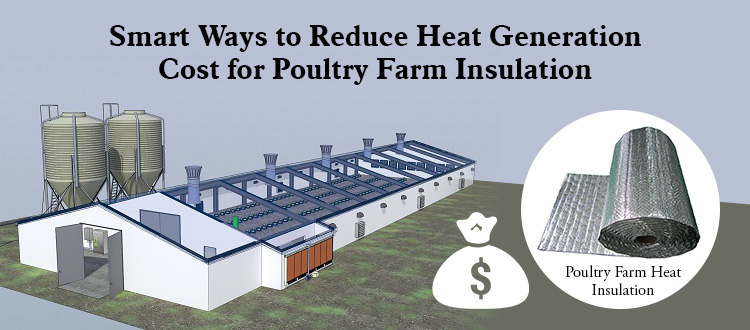
Smart Ways to Reduce Heat Generation Cost for Poultry Farm Insulation

When winter hits, the cost to keep the poultry farm warm starts to rise. As we all know, the outside temperature isn’t under our control. However, we can control the state of the poultry and its heat generation methods. Various ways can help us to create Poultry Farm Insulation and reduce the cost of artificial heat generation during the cold winter days. So, in this article, we are going to discuss some of the most useful ways to create Poultry Farm Insulation.

Reasons for Poultry Farm Insulation

While using an artificial heating technique, you have to use electric, propane, natural gas, or some other method. These gases aren’t cheap as their costs keep rising every year. These artificial processes promise to keep your flock healthy and growing during the winter season, although they fail to deliver at times. Additionally, your flock might stop breeding due to lower temperatures and lower feed consumption. However, you can control this by reducing gas usage and focusing on the environment of the poultry. For instance, if you can manage to trap the heat inside the poultry naturally, you will not only save a lot of money but also increase the health of your flock.

Many breeding experts have stated that most baby chicks die from cold instead of illness, dehydration, or lack of food. Even a few degrees lower temperatures might prove crucial for the overall breeding capacity of your poultry. For instance, the ideal temperature is 90°F for breeding even if it drops to even 85°F, you will lose quite a few of your baby chicks.

So, a good breeder needs to focus on trapping the natural heat instead of trying to produce that artificially. Various ways might help in this process. The two best ways to cut the cost without affecting the health of your flocks are:

  • Make your poultry more energy efficient
  • Change your sources for heat generation

Now, let us take a look at the six best ways for natural Poultry Farm Insulation.

1. Close the building- seal all air leaks and doors

Any type of crack in the walls or roof can cause massive heat loss. During winters, the average temperature outside is 40° F. So, if you are trying to maintain 90 degrees inside the poultry then, you need to avoid any possible ways of massive heat loss. Artificial heat generation is a costly process in itself, it becomes harder if the air keeps escaping through the cracks. You can reduce most of these costs with the help of the proper maintenance of your poultry and using thermal insulation material sheets. For instance, you should spend some money and time to check.

2. Try to isolate your younger flock in a smaller area for the first couple of weeks during the wintertime

The new-born chicks need a lot of heat, but they don’t need that much space. It is advisable to isolate the new-borns in a smaller area completely covered with blankets for better insulation. They must be kept in that area for the first couple of weeks of winter and then can be shifted with the rest of the flock.

Read Now:- How to keep heat in by Roof Insulation

3. Try to produce your energy with the help of solar power generator

Energy charges are very high when it comes to using them for producing for an entire season. So, it would be helpful if you could find alternative sources of energy, especially from renewable ones. For instance, solar energy is a very viable option for this category. Since you are considering this option for use in poultry farm then it is safe to assume that you already own a large open area. So, you have a perfect setup for solar energy production. This process might seem expensive during the initial installation but will be saving a lot more in the coming years. So solar energy is a very important part of Poultry Farm Insulation.

4. Try to recirculate the warmer air from the exhaust

Approximately 80% of the cost involves replacing the warm air with fresh cold air. However, there is a new waste management system that transfers the heat from the air in the exhaust to the fresh cold air inside the poultry. Research suggests that this system can reduce your heating bills by 50%. and many farmers from the middle west have already deployed it.

5. Increase the insulation in the building

According to a study, the heating cost is very high for a regular poultry house compared to an insulated one. So, it is necessary to ensure that your farm has the proper insulation to trap most of the heat inside it. In that way, you will have less heat loss and will have to produce less heat. Insulation charges might seem expensive, but it is a one-time investment. However, if you don’t have proper insulation, your energy bill will keep increasing over time.

Read Now:- Importance of Insulation in Poultry Housing

6. Clean the fans inside the poultry

Dirty fans need more energy to spin. So, if you have dirty fans, the ventilation process of your poultry will be consuming a lot of energy along with your energy production charges. You can reduce a lot of this cost by deploying a proper cleaning mechanism. For instance, you can clean the fans of your building to help them spin properly. In winter months, you can use the fans inside the poultry to disperse the heat. So, if you can keep your fans clean, you will be saving a lot of money involved in heat dispersion.

Conclusion

Poultry insulation is vital for controlling the heat loss from your flock farm. For instance, even if you are making a profit, you won’t feel it as you would be losing a lot more in Poultry Farm Insulation. The insulation process for poultry is generally a one-time investment, that will promote savings continuously over the years. Additionally, you have to remember that the average temperature varies from region to region. So, consider the region you are in and contact the best poultry farm insulation manufacturer before working on any form of Poultry Farm Insulation. Lastly, we can conclude that proper insulation is very necessary to have a functioning farm and also save the flock that will be residing in it.

Talk to us?

Download Brochure