Now a days, Bubble wrap insulation has become a popular, cost-effective and go-to solution for buildings to make them energy-efficient. It’s a multiple layer of air-filled bubbles encased in plastic film. It works as a barrier that helps control temperature by stopping the heat that moves in or out.
Earlier, it was typically used as packaging materials during shipping, but now, it provides excellent insulation for both residential and commercial applications. The reason behind this installation’s huge popularity and fast adoption is its affordability, ease of installation and versatility.
However, many people aren’t aware of the benefits of bubble wrap insulation. In this blog, we will understand everything about bubble wrap insulation, how it works, its applications, its pros and cons, how to install bubble wrap insulation and its estimated cost.
By the end of this blog, you’ll know exactly the role of bubble wrap insulation in buildings and how to maximize the benefit of insulating your home with bubble wrap.
How Bubble Wrap Insulation Works?
To understand how bubble wrap insulation maintains a comfortable temperature inside the building, you need to know how it works and the science behind it. It works by trapping air in its bubbles, which helps control the temperature in your home. Air is a poor conductor of heat, meaning it stops heat flow. So when the air is trapped inside the bubble, it prevents heat from escaping in winter or summer. The bubble wrap is made of plastic film with air-filled bubbles between the layers. This structure helps it work as an insulator. Also, these bubble wraps have a shiny surface that reflects some heat away, making them even more effective at keeping the temperature stable in your home.
Types of Bubble Wrap Insulation
Bubble wrap insulation comes in different types, each suited to specific needs. Let’s explore the types of bubble wrap insulation and their applications and benefits!
1. Single-Layer Bubble Wrap Insulation
Single-layer bubble wrap insulation is the basic insulation, which has one layer of plastic with air-filled bubbles. It’s lightweight and cost-effective, ideally used in areas with moderate insulation. The air pockets inside the bubbles slow heat transfer, helping maintain temperature stability in the insulated area.
Applications:
- Residential attics, walls and floors
- Garage doors, windows and doors
- Packaging fragile items
- Crawl spaces and under floors
Benefits:
- Affordable and easy to install
- Provides moderate thermal insulation
- Resists moisture and UV radiation
- Lightweight and flexible
2. Double-Layer Bubble Wrap Insulation
Double-layer bubble wrap insulation consists of two layers of bubbles with a reflective foil (usually aluminium) in between. The extra layer of bubbles and the reflective surface significantly boost its insulation performance, making it more effective at keeping heat in or out than the single-layer version.
Applications:
-
- Walls, attics and ceilings
- Under floors
- Ductwork and pipes
- Greenhouses and shipping
Benefits:
-
-
- Enhanced thermal insulation
- Provides better moisture and condensation resistance
- Easy to install and versatile
- Lightweight yet durable
3. Aluminium-Coated Bubble Wrap Insulation
Aluminium-coated bubble wrap combines bubble wrap with a shiny aluminium foil layer. This type of insulation is great for reflecting heat away, making it even better at keeping spaces cool in hot weather and warm in cold weather. It’s perfect for areas where you need more control over temperature.
Applications:
-
-
- Roofs and ceilings
- Walls exposed to direct sunlight
- Ductwork and piping
- Greenhouses
- Shipping containers requiring temperature control
Benefits:
-
-
- Excellent at blocking radiant heat
- Reduces both conductive and convective heat transfer
- Lightweight, flexible, and easy to install
- Provides effective temperature control in extreme conditions
Insulate your Room With Bubble Wrap Insulation
Applications of Bubble Wrap Insulation
Bubble wrap insulation is widely used across industries, homes, and agriculture. Let’s explore how it plays a crucial role in different areas!
1. Home Uses
Bubble wrap insulation is great for maintaining temperature in homes, and it’s used for:
-
-
- Windows: It helps reduce heat loss in winter and keeps your home cooler in summer.
- Doors: It is used to block heat loss, especially for doors.
- Attics: They help maintain a stable temperature and keep attics warmer in winter and cooler in summer.
2. Industrial Uses
The bubble wrap insulation is also used in industrial purposes, including:
-
-
- Shipping: To protect fragile items and help maintain temperature during transport.
- Packaging: To insulate temperature-sensitive products to ensure they are safe during storage and transport.
- Storage: To help maintain the right temperature for goods, reducing the need for extra heating or cooling.
3. Agricultural Uses
Bubble wrap insulation is useful in agriculture as well for protecting plants:
-
-
- Greenhouses: It helps keep the temperature inside greenhouses stable.
- Plant Protection: It protects plants from frost or extreme weather conditions.
Advantages of Using Bubble Wrap Insulation
There are several reasons to consider bubble wrap insulation. Here, we’ve picked some key benefits of using bubble
Wrap insulation:
1. Lightweight and Easy to Install
Bubble wrap insulation is very lightweight and easy to handle wrap. This means it can easily be installed anywhere, hassle-free, without requiring heavy tools or equipment. It saves time and effort for installation and makes the process faster.
2. Cost-Effective Solution
Compared to other insulation materials, bubble wrap is the most affordable option and provides the best thermal performance. For those looking for a budget-friendly insulation solution, bubble wrap is best for their projects.
3. Versatility Across Different Settings
Bubble wrap insulation is highly versatile for homes, offices, industries, and agriculture. It can be used in walls, attics, windows, roofs, ducts, and more, offering flexible insulation for various applications.
4. Environmental Benefits
Another benefit of having bubble wrap insulation is that it is reusable and recyclable. It makes an environmentally friendly choice and reduces wastage, which leads to sustainability.
Limitations and Challenges
Despite the numerous benefits of using bubble wrap insulation, there are some limitations and challenges:
Durability Concerns Over Long-term Use
Bubble wrap insulation may not last as long as other materials because the air-filled bubbles can lose air over time, reducing their insulation properties, especially in high-stress areas.
Not Suitable for All Climates or Applications
Bubble wrap may not be the best choice for extreme weather conditions, such as hot or cold climates. It might also be less effective in areas that require high-performance insulation, such as basements or places with heavy moisture.
Comparisons with Other Insulation Materials
Unlike other insulation materials like fiberglass or foam, bubble wrap may not offer the same heat resistance or long-term performance. It’s a good option for mild climates and temporary solutions but may not be ideal for high-demand insulation.
How to Install Bubble Wrap Insulation?
Here’s the step-by-step process of installing bubble wrap insulation in your home:
Step 1. Inspect and Clean the Area
The first step in installing bubble wrap insulation is to inspect the area where you’ll place the insulation material. Clean the surface and free it from dust, dirt, or other debris. A clear surface will ensure the insulation adheres properly and performs efficiently. Remove any existing old insulation or peeling paint to ensure the bubble wrap directly touches the surface.
Step 2. Gather the Required Tools and Materials
Once the surface is clean, then gather the required tools and materials for bubble wrap insulation, such as:
-
-
- Bubble wrap insulation sheets (appropriate size and quantity)
- Scissors or utility knife (for cutting the bubble wrap to size)
- Tape (duct tape or double-sided tape works best for sticking the insulation to surfaces)
- Measuring tape (for accurate measurements)
- Staples or adhesive spray (optional for extra security)
- Ruler (optional for straight cuts)
Step 3. Measure the Area
Now, carefully measure the area where you want to insulate. This can be windows, walls, roofs, attics or even crawl spaces. Make sure to measure the exact dimensions to avoid wasting material. However, leave some extra space for a snug fit.
Step 4. Cut the Bubble Wrap
It’s time to cut the bubble wrap with scissors or a utility knife according to the measurements. If you’re insulating windows, ensure the bubble wrap is slightly larger than the window frame so it can be pressed securely against the glass. For walls or ceilings, you can cut pieces that fit the measured areas and leave a bit of extra material to ensure complete coverage.
Insulate your Room With Bubble Wrap Insulation
Step 5. Attach the Insulation
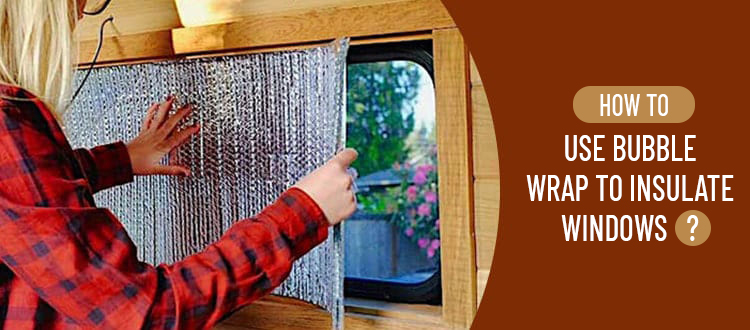
The bubble wrap is now cut to size and ready to attach to the surface. Press the bubble wrap directly against the glass for windows, ensuring that the bubble side faces inward. Use tape to secure the edges and hold it in place. You can attach the bubble wrap using staples, nails, or adhesive spray for other surfaces like walls or attics. Make sure the material is applied evenly and tightly to the surface. For maximum thermal insulation, ensure about an inch of air between the surface and the bubble wrap.
Step 6. Seal the Edges
After the insulation, you need to seal all the edges to prevent air leaks. Any small gaps left unsealed will reduce the overall effectiveness of the insulation.
Step 7. Check for Gaps
Once you’ve finished the installation, step back and check for all the gaps or loose areas. You need to make sure that there are no areas left where air can escape. If you find any gaps, add more tape or small pieces of bubble wrap to fill them in. Having a well-sealed installation ensures optimal thermal efficiency.
Some Useful Tips for Maximising Bubble Wrap Insulation Efficiency:
-
-
- Leave a 1-inch air gap between the surface and bubble wrap for better insulation.
- Seal all edges and seams with tape to prevent air leaks.
- Cut bubble wrap slightly larger than the area for a snug fit.
- Use multiple layers of bubble wrap for extra insulation in colder climates.
- Apply insulation to both sides of windows for maximum heat retention.
- Install in areas with high energy loss, such as attics, windows, and doors.
Maintenance and Longevity of Bubble Wrap Insulation
Bubble wrap insulation is an effective way to make your building energy-efficient. However, there’s a need for consistent maintenance and longevity of bubble wrap insulation. Here are some ways to maintain the longevity of bubble wrap insulation:
For Care and Upkeep Recommendations:
-
-
- Inspect Regularly: Check for signs of damage, such as tears or punctures, particularly in high-use areas like windows and doors.
- Keep it Dry: Make sure that bubble wrap insulation stays dry because moisture can reduce its insulating properties.
- Handle with Care: You must avoid physical damage during cleaning or maintenance. Be gentle to prevent puncturing the bubbles.
- Clean Occasionally: Dust it off or wipe it with a damp cloth.
When to Replace or Upgrade:
-
-
- Visible Damage: If the bubble wrap shows visible damage, like torn or damaged, it’s time to replace it.
- Reduced Performance: If you notice temperature fluctuations or energy inefficiency, it’s time to replace or add a new insulation layer.
Cost Considerations and Where to Buy
When considering the cost of bubble wrap insulation compared to others, it’s a much more affordable option than fiberglass or foam. Because other materials may provide a high R-value, bubble wrap offers a moderate solution at the lowest price, especially for smaller projects. However, the cost of bubble wrap insulation can vary based on size, type, and thickness.
Let’s understand how these factors affect the cost:
-
-
- Size: Larger rolls cover more areas while lowering the overall cost per square meter.
- Type: Single-layer bubble wrap is cheaper, but double-layer or aluminium-coated wrap is more costly.
- Thickness: Thicker bubble wrap provides better insulation but may cost more.
- Installation Complexity: Some insulations are complex to install, which affects the cost.
- Quality of Material: High-quality material may cost more.
There are numerous retailers that offer insulation materials. Still, if you’re looking for a reliable provider of bubble wrap insulation, in that case, Neo Thermal Insulation is one of the trusted names for offering high-quality insulation materials at affordable prices. Contact us today to find the best bubble wrap insulation sheet options..
Conclusion
Bubble wrap insulation is an affordable and effective solution for corrupted or residential areas. It’s a moderate solution with easy installation and great versatility. We hope this guide helps you understand everything about bubble wrap insulation, its types, importance, and applications. So, now you can take the maximum benefit of bubble wrap insulation and ensure a balanced temperature in your building.
If you are looking for a trusted bubble wrap insulation provider, explore Neo Thermal Insulation to find the best insulation materials at an affordable price.
FAQs
1. Can bubble wrap insulate effectively?
Yes, bubble wrap insulation effectively traps air in its bubbles, reducing heat transfer and keeping spaces warmer in winter and cooler in summer.
2. What is the R-value of bubble wrap insulation?
The R-value of bubble wrap insulation typically ranges from R-1 to R-3, depending on the number of layers and material used.
3. How long does bubble wrap insulation last?
Bubble wrap insulation can last several years, but its durability may depend on exposure to elements like moisture, sunlight, and wear.
4. Is bubble wrap insulation safe to use in homes?
Yes, bubble wrap insulation is safe when installed properly.
5. Can bubble wrap be combined with other insulation materials?
Yes, bubble wrap can be combined with other insulation materials like fiberglass or foam to enhance thermal performance.
6. What are the best places to use bubble wrap insulation?
Bubble wrap is ideal for insulating windows, doors, attics, roofs, ducts, and walls, especially in moderately insulated areas.
7. How does bubble wrap insulation compare to fiberglass or foam board insulation?
Bubble wrap is easier to install and more cost-effective. However, fiberglass and foam boards provide higher R-values and better long-term durability.
8. Can I reuse bubble wrap insulation after removing it?
There are some cases where bubble wrap can be reused. However, it may lose its insulating properties after being removed and exposed to wear and tear.
9. Is bubble wrap insulation waterproof?
Bubble wrap insulation itself is waterproof. However, to maintain its effectiveness, it should be protected from prolonged exposure to moisture.
10. Are there any DIY alternatives to bubble wrap insulation?
DIY alternatives like foam board, reflective foils, or even old blankets can be used. But bubble wrap remains one of the easiest and most cost-effective options for home insulation.