Tag: insulation materials

Top 10 Insulation Material Suppliers in Ahmedabad

When businesses and residential proprietors are looking for energy efficient and sustainable insulation solutions, thermal insulation materials are becoming a ray of hope. These insulating materials are the need of the hour. With rising energy expenditures, people need modern and economical solutions for their energy needs. Whether it is a commercial space, industrial setup, or residential property, saving on energy costs will benefit in the long run.

It is of the utmost importance to choose the right insulating material to get the maximum benefit. Right material at the right place will help you save a lot of money on your energy needs. However, for a common man it is not an easy task to choose the right kind of material for fulfilling its insulation needs, you need an expert supplier who can understand your requirements and give you the best material.

The city of Ahmedabad is also not an exception. This city is known for its industrial infrastructure. You will find a diverse range of thermal insulation suppliers here for your insulation needs. For your help we will give you an overview of the top 10 insulation material suppliers in Ahmedabad who offer contemporary and enduring insulating materials for your insulation needs.

Overview of Insulation Materials

Insulation materials are specially crafted and designed to reduce the flow of heat between the insulated surface and the surroundings. It creates a barrier against heat movement in the form of thermal energy. It helps in achieving the required interior temperature. These are extensively used in commercial shops, factories, warehouses and residential properties for increasing energy efficiency.

Insulation material offers resistance against heat flow and also provides a sustainable solution for lowering dependence on energy appliances for energy needs. It helps in reducing carbon footprints and global warming. Certain insulation materials are fire resistant and they reduce the spread of fire in case of accidents.
How thermal efficient a material is based on its R-value. The R-value represents the resistance offered by a material against heat flow. The higher the R-value, the higher the thermal insulation.

How We Chose the Top 10 Suppliers

We did comprehensive research and evaluated different insulation material suppliers in Ahmedabad on the following points:

  • The range of products offered and the quality provided
  • Feedback from the customers about the products and services given by the suppliers, including after-sale services.
  • Years of Experience in the industry and goodwill in the market.

Price offered by the suppliers for the products. Logistic support and timely delivery of the product by the supplier. Sell eco-friendly and recyclable products for sustainable solutions to the customers’ needs.

Top 10 Insulation Material Suppliers in Ahmedabad

Neo Thermal Insulation (India) Pvt. Ltd.

Neo thermal insulation is one of the best insulation material suppliers in Ahmedabad and all over India. They possess expertise in all kinds of thermal insulation materials like air bubble insulation sheets, aluminum foil insulation, reflective insulation sheets, etc. Neo Thermals designs and manufactures products for a variety of applications, including pre-engineered buildings (PEBs), warehouses, Agriculture, commercial spaces, residential buildings, industrial setups and power plants.

Email: info@neothermalinsulation.com
Website: neothermalinsulation.com

Aerolam Insulations Pvt. Ltd.

They are a known face in the field of reflective insulation sheets and XLPE insulation. Their thermal insulation solutions cater to a wide range of customers especially those who are looking for building insulation solutions.

Shree Gayatri Insulation Pvt. Ltd.

From ceramic to rock wool and duct insulation material, Shree Gayatri offers a range of insulation solutions to customers. While fulfilling the demands of the customers they make sure that quality and quantity will not compromise.

SMVK Engineering & Fabrication

SMVK Engineering & Fabrication is a famous name for providing different kinds of insulation material like glass wool and rock wool solutions. With experience in the domain they are serving clients across different cities in Gujarat including Ahmedabad.

SHRI J.J. FOAM INDUSTRIES

They provide durable and quality insulation materials to customers for a wide range of applications. The product offered by the company is long-lasting and economical.

Supreme Insulation

With years of experience in the domain, supreme insulation is specialized in providing polyurethane foam and rock wool insulation material. They cater to the demand of large power plants and industrial units.

Gujarat Insulation

This firm is famous for offering modern thermal insulation materials to industries. It is a trusted name among industrial clients for its quality and durable products.

Inner Engineering Products & Systems Pvt. Ltd.

This firm offers specially crafted thermal insulation solutions to clients for their specific needs. They serve a variety of sectors with their efficient and quality-proven thermal insulation materials.

SJ Insulation

For SJ Insulation customer satisfaction is their biggest profit. They primarily focus on excellence in providing high quality insulation material to the customers.

Reassert Technical Insulation

This firm has devoted itself to provide technical insulation solutions to the customers. They are frontrunner in providing thermal insulation solutions to industries like oil & gas, real estate power units, etc.

Types of Insulation Materials Available

Insulation material helps in maintaining the energy efficiency of a residential building, industrial setup, and commercial space. Depending on the components involved in the manufacturing of an insulation material, there are a wide range of insulation materials available.

Reflective Insulation:

The main component of the reflective insulation sheet is metal foil (commonly aluminum) placed on a surface made up of cardboard, plastic, etc.
Use:

  • It is used to insulate roofs and attics.
  • It is used to insulate HVAC ducts.

Advantages:

  • It is very effective against radiant heat transfer.
  • It is durable and easy to install.
  • It is very productive in hot climates.

Spray Foam Insulation:

It is made up of two chemicals, polyol resin, and isocyanate. These two chemicals are treated together to form this insulation material.
Uses:

  • It is used to insulate roofs, attics, walls, and crawl spaces.
  • It is used to insulate doors, windows, and other non-regular spaces.

Advantages:

  • It is effective in creating a barrier against the movement of air.
  • It has a high R-value.
  • It is resistant to moisture.

Vermiculite and Perlite Insulation:

The main constituent of Vermiculite is mica and perlite is glass obtained from volcanic activities. When these two substances are heated and treated together they form the insulation material.
Use:

  • It is used to insulate attics and walls.
  • It is used to insulate chimney walls in industrial setups.
  • It is used to insulate high-temperature equipment in industries.

Advantages:

  • It is fireproof.
  • It has a high R-value.

Buying Guide: How to Choose the Right Supplier

Before choosing a supplier pay attention to these points.

Evaluate your Requirement:

The first step to select an insulation material supplier is to evaluate your needs. Whether you want to insulate your house, warehouse, factory industrial unit, or commercial space. Every place has its requirements and costs. It also helps you determine what kind of material is most suitable for your use.

Pay attention to price:

Price plays a crucial role in completing any project. Compare prices offered by different suppliers in the market. Estimate your budget and choose the supplier who offers you the best service within your budget range.

Experience is important:

Suppliers with experience of the industry will guide you in the right direction. It knows the difficulties that may arise during the project and help you overcome them. With its experience he will help you choose the right material for your needs.
With experience, certification is also important. Choose a supplier who adheres to the norms directed by the government and holds the certificate required in the insulation industry.

Logistics and After-sale support:

Choose the supplier who can provide you with logistic support after sales. On-time delivery, skilled labor, and other support will make your insulation task very easy. After-sale support like regular inspection, timely maintenance, and crisis support will increase the life of your insulation material.

Conclusion

There are a variety of insulation materials available in the market choosing the right one is not child’s play. The right guidance and domain knowledge are essential to selecting the best fit for completing any insulation project. The above-mentioned top 10 insulation material suppliers in Ahmedabad are trusted vendors who are experts in the field. They help you get the quality material for your insulation requirements with after-sale and logistic support. If you are interested in choosing a cost-effective, efficient, and durable insulation material, then this guide will help you choose the right insulation material supplier.

Frequently Asked Questions

1. What is the most commonly used insulation material in Ahmedabad?

Various types of insulation materials are commonly used in Ahmedabad. Insulation materials like fiberglass, reflective sheets, aluminium foil insulation sheet, mineral wool etc. are some of the examples that are mostly used by residential, commercial and industrial units.

2. Do insulation suppliers also offer installation services?

There are many insulation material suppliers in Ahmedabad who provide installation services and make sure that material gets properly installed. These suppliers completely adhere with standards prescribed by the government for installation of insulation materials.

3. What are the price ranges of insulation materials in Ahmedabad?

Different insulation materials are available at different price ranges in Ahmedabad. The price of an insulation material is based on its type, thickness, R-value and use. For example fiberglass insulation ranges from ₹140–₹210/sq.m, Aluminum foil insulation ranges from ₹30–₹80/sq.m, ceramic fiber from ₹350–₹450/sq.m. To get the exact price of the material please visit the insulation material supplier.

4. Can I buy insulation material in bulk for a construction project?

It is feasible to buy insulation material in bulk for a construction project. All you need to do is to go to the insulation material supplier and provide him with the details of the project, he will help you in getting the right material in the right quantity as per your project needs.

5. Are acoustic insulation options available locally?

There are a variety of acoustic insulation options available in Ahmedabad. Materials like fiberglass, foam insulation, mineral wool etc. are some examples of acoustic insulation material. These insulation materials are readily available with insulation materials suppliers in Ahmedabad.
10+ List of Thermal Insulation Materials in 2024

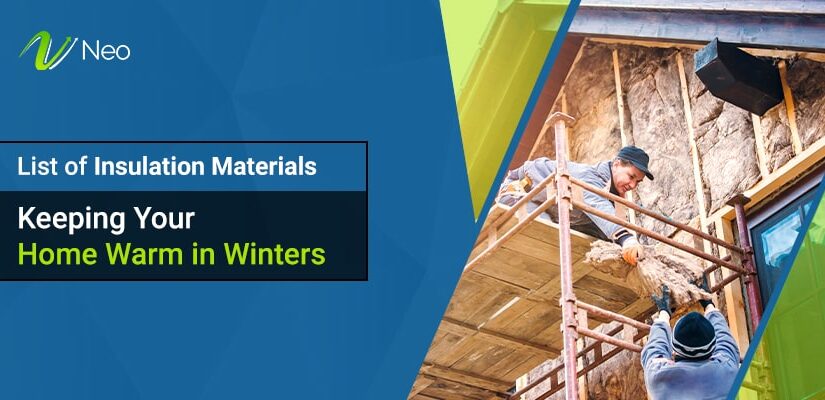
There are many things to take care of to keep your home warm and cozy. First and foremost, a home must have a building envelope with a proper list of thermal insulation materials. Fun fact, you can drastically reduce the energy you use to maintain the home’s climate by reducing heat transfer via the building envelope. Thermal insulation not only prohibits heat transfer but also keeps the sound under control. So, here is a best thermal insulation materials list that are put together that keep your home warmer

Numerous budget-friendly thermal insulation materials list currently accessible in the market, each varying in cost, R-values, application methods and environmental effects. Insulating insulation materials in your homes mitigates winter cold losses and summer heat gains, fostering consistent indoor temperatures. 

What is Insulation Thermal Material?

What is Insulation Material

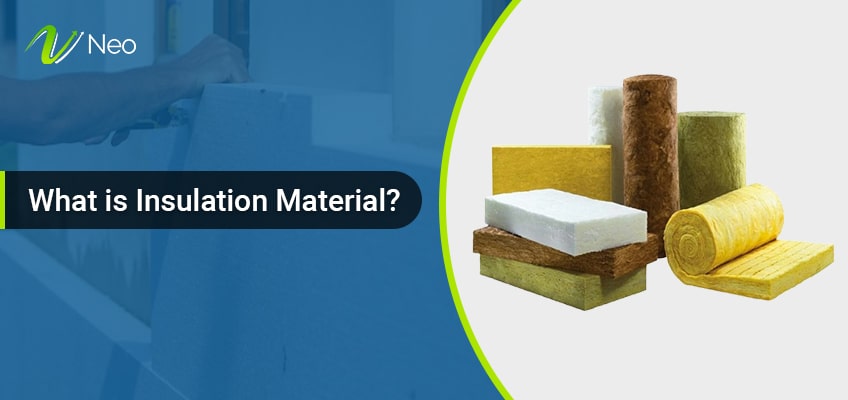
Insulation materials play a crucial role in thermal insulation, aiming to minimize heat transfer between objects. Heat transfer poses challenges across various industries when objects in contact have disparate temperatures. Although heat flow between these objects is inevitable, the use of insulation materials becomes instrumental in curbing the transfer. These materials function by diminishing thermal conduction or redirecting thermal radiation rather than absorbing it.

One common type of thermal insulation material is fiberglass, which is composed of fine glass fibers. Fiberglass insulation effectively traps air, creating a barrier that hinders heat conduction. Another widely used material is foam insulation, available in various forms such as expanded polystyrene (EPS), extruded polystyrene (XPS) and polyurethane foam. These materials boast low thermal conductivity and are often utilized in construction to insulate walls, roofs, and floors.

Market Report of Thermal Insulation Materials List

insulation Materials market stats

The insulation industry has experienced significant growth in recent years, with market dynamics shaped by factors such as increasing awareness of energy conservation, stringent building codes, and a rising focus on sustainable construction practices. In 2021, the market value of insulation products worldwide reached a noteworthy USD 55.1 billion, and industry analysts project a steady climb to USD 71.7 billion by 2026, representing a robust compound annual growth rate (CAGR) of 5.4% over the forecast period.

List of the Top 5 Thermal Insulation Materials

When it comes to list of thermal insulation materials, there is a multitude of affordable and widely used materials available in the market. There are various affordable and widely used insulation materials you can find in the market. Many of these have been in use for a long time.

Each insulation material has its pros and cons. So, when choosing the right insulation for your needs, it’s important to know which one suits your situation best. We’ve taken into account factors like R-value (thermal resistance), cost, environmental impact, flammability, sound insulation, and more. Here are the five most commonly used types of insulation materials:

Insulation Material Price / sq. ft. R-Value / in Environmentally friendly? Notes
Cellulose Insulation 165/kg R-3.7 Yes Contains the highest amount of recycled content
Fiberglass Insulation Rs 20/sq. ft. R-3.1 Yes Does not absorb water.
Mineral Wool Insulation 21/Kg R-4 Yes Does not melt or support combustion.
Polystyrene (EPS) Insulation 250/square meter R-4 No Difficult to use around imperfections.
Reflective Insulation 1,000 INR R-3 Yes Providing an effective barrier against heat transfer in spaces such as attics and roofs.

Best 10+ List of Thermal Insulation Materials in 2024

Exploring the list of thermal insulation materials currently available in the market reveals a range of options with varying pricing, R-values, applications, and environmental impacts. Introducing thermal insulation to your home not only stabilizes indoor temperatures by minimizing winter heat losses and summer heat gains but also has the potential to slash your energy expenses by up to half! Here’s a compiled list of the seven most prevalent insulation materials frequently utilized in residential and commercial applications:

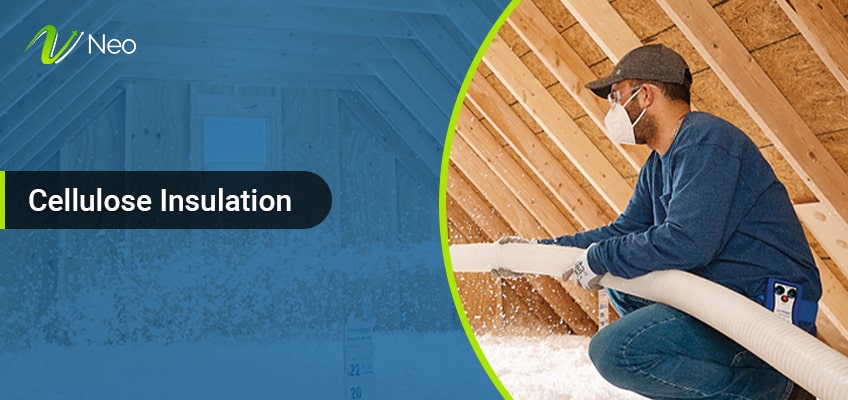
1. Cellulose Insulation

Cellulose Insulation

Cellulose is quite combustible because it mainly consists of shredded newspaper. You can find cellulose insulation on the ceiling, walls, and attics of your house. Please note that cellulose insulation is not fireproof, even though people treat it with flame retardants.

Furthermore, it retains and absorbs moisture. You can apply cellulose insulation using many ways, out of which you can add water into it. Another point to note here is that cellulose insulation requires the same quantity of untouched materials, such as fiberglass insulation. The only difference is that cellulose insulation needs to triple the cellulose to obtain equivalent efficiency.

Composition: Crafted from recycled cardboard, paper and similar materials.
R-Value: Ranges from R-3.1 to R-3.7.
Environmental Impact: Considered eco-friendly due to the use of recycled materials.
Form: Typically available in loose form.

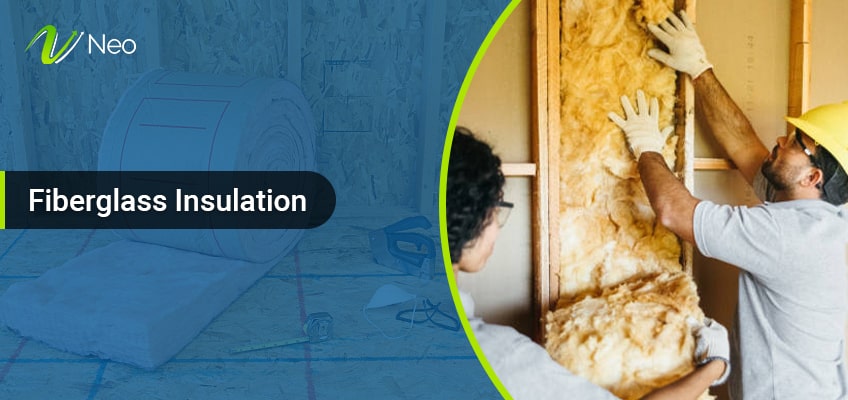
2. Fiberglass Insulation

Fiberglass Insulation

Fiberglass insulation, found in various structural components such as walls, air ducts, floors, and pipes, is composed of two main subtypes: fiberglass loose-fill and blanket insulation. The loose-fill variety is blown into spaces, while the blanket insulation is available in rolls with varying densities and dimensions. Comprising recycled glass and sand, fiberglass insulation is inherently non-combustible. Other list of thermal insulation materials may include foam board, cellulose, rock wool and spray foam.

Using fiberglass insulation can be beneficial to you because it can drastically reduce your utility bills and energy usage. It has impressive environmental benefits as it helps reduce fossil fuel combustion to heat and cool buildings. All in all, it reduces the overall carbon dioxide emission.

Composition: Made from recycled glass and sand; naturally non-combustible
R-Value: Effective in minimizing heat transfer.
Environmental Impact: Reduces fossil fuel combustion for building heating and cooling
Form: Comes in rolls with varying densities and dimensions.

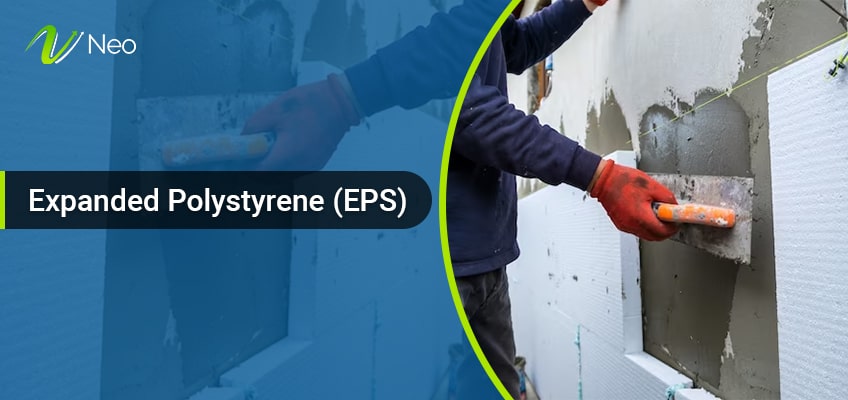
3. Expanded Polystyrene (EPS)

Expanded Polystyrene (EPS)

EPS consists of the fusion of plastic beads of a small size and consists best in the list of Thermal insulation materials. You can notice the use of EPS in concrete tiles. On the other hand, molded EPS comes in small-sized foam beads, and it is widely used for foam board insulation. The only thing you have to take care of is that a tiny hole in the wall or a rush of wind can disperse all the beads.

Polystyrene, a waterproof thermoplastic foam, excels in sound and temperature insulation. It’s available in two types: expanded (EPS) and extruded (XEPS or Styrofoam), differing in performance and cost.

Composition: Composed of expanded polystyrene beads, derived from styrene monomers.
R-Value: Exhibits a moderate to high R-value, providing effective insulation.
Environmental Impact: Production may involve the use of chemicals; recycling is possible.
Form: EPS boards: Available in rigid board form.

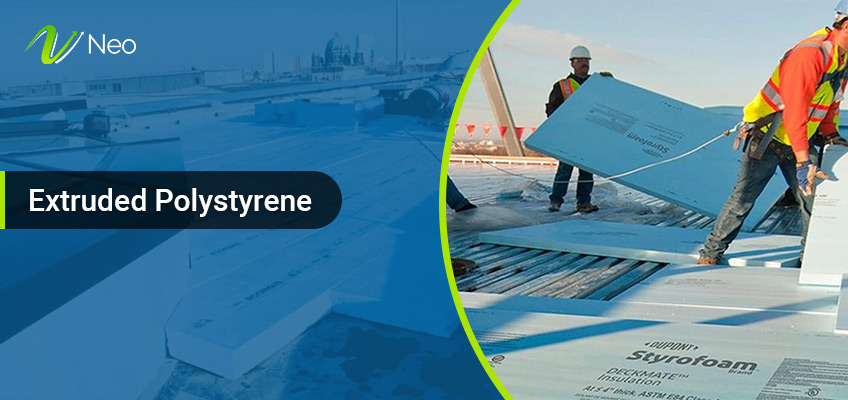
4. Extruded Polystyrene

Extruded Polystyrene

The production method sets extruded polystyrene (XPS) apart from expanded polystyrene (EPS), as covered in the preceding section. XPS originates as a molten substance, molded into sheets. Primarily employed as foam board insulation, XPS also finds application in various general or specialized uses.

Extruded polystyrene differs from expanded polystyrene in various ways. It is in molten form, which is later turned into sheets. You can use it for general purposes, but its primary use is for insulating the foam board. A few of its main advantages are that it is resistant to corrosion, moisture, and rotting. Furthermore, it also has air emission benefits with net-positive energy conservation. Extruded polystyrene (XEPS) distinguishes itself from expanded polystyrene through its molten form, later crafted into sheets. While suitable for general applications, its predominant use lies in insulating foam boards.

Composition: Molten polystyrene transformed into sheets.
R-Value: Typically higher R-value, with specific rating variations.
Environmental Impact: Resistant to corrosion, moisture, and rotting.
Form: Mainly used in insulating foam board; versatile for general purposes

Read Also: Building Insulation: Types, R Values, Benefits

5. Spray Polyurethane Foam (SPF)

Spray Polyurethane Foam (SPF)

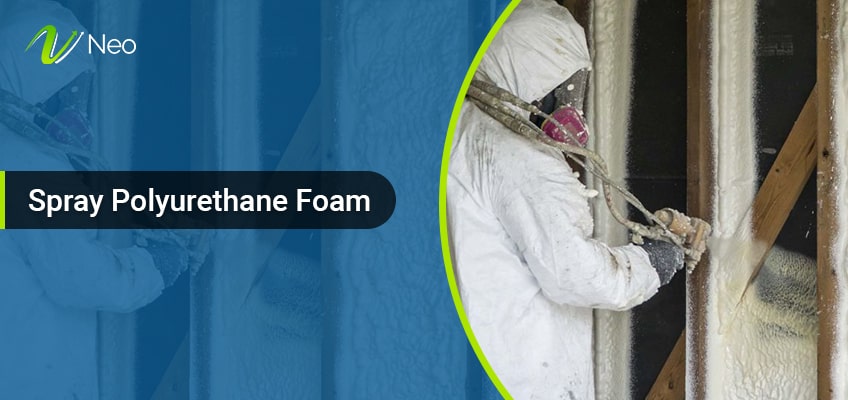
in The List of Thermal insulation materials spray Polyurethane Foam is the best material of insulation. SPF is an insulating foam plastic. Spray polyurethane foam is sprinkled as a liquid that dilates multifold. Not only does it provide an air barrier and moisture control, but it also provides a high R-value. This list of insulation materials can also be transformed into roofing foam with durability against foot traffic and water.

Spray polyurethane foam serves not only as an air barrier and moisture control method but also boasts substantial R-value levels. It is widely used to insulate ceilings, roofing’s, air barriers, attics, and basements. It enhances the environment of your home’s ventilation for efficient functioning and keep room warm in winter. The two main types, open-cell and closed-cell, offer distinct advantages, catering to specific needs and preferences. Overall, spray foam is recognized as one of the best materials for thermal insulation.

Composition: Polyurethane or other materials in liquid form; expands and hardens.
R-Value: TOffers effective thermal insulation with specific R-values.
Environmental Impact: Superior ability to seal air leaks and prevent water leaks.
Form: Available in two main types: Open-cell and Closed-cell.

6. Reflective Insulation

Reflective Insulation

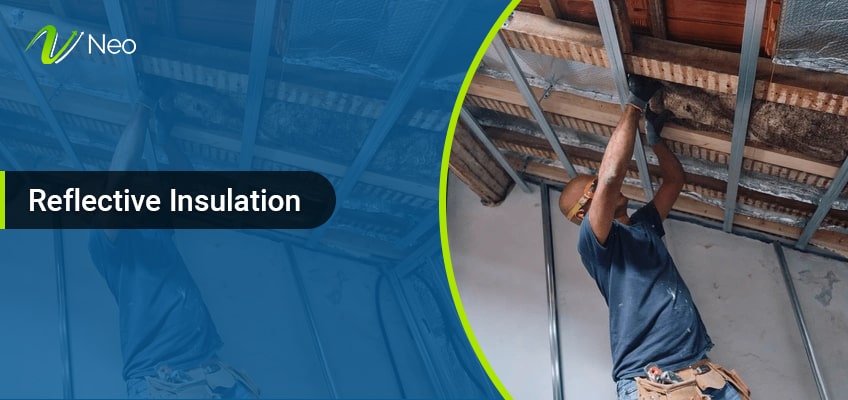
Reflective foil insulation, incorporating an aluminum or similar reflective surface, offers versatility in construction projects. This type of insulation allows for the initiation of certain internal trades before applying tiles and cladding, enhancing on-site workflow efficiency. On its own, reflective foil insulation boasts a modest R-value of approximately R1.0.

However, when correctly installed with a dead air space (sealed cavity with no air movement), significantly higher R-values can be achieved. Suitable for both commercial and residential applications, examples of reflective foil insulation include the Kingspan air-cell range and Fletcher sisalation range, making it a valuable addition to the list of thermal insulation materials.

Composition: Features a reflective surface of aluminum or similar material.
R-Value: On its own, has a modest R-value of around R1.0.
Environmental Impact: Consideration for environmental impact due to material composition.
Form: Flexible and adaptable, allowing for easy installation in various settings.

7. Radiant Barriers

Radiant Barriers

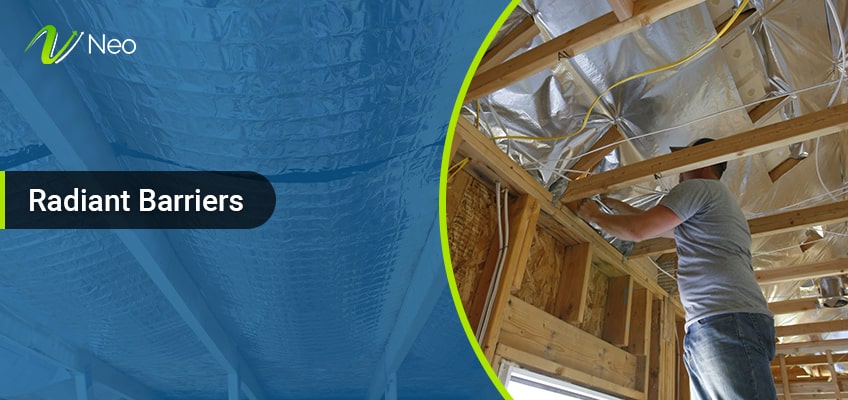
Radiant barriers are commonly installed in attics, primarily designed to minimize heat gain in hot conditions, typically during summer, and reduce heat loss in cold conditions, typically in winter. Professionals usually install these thermal insulation materials with the reflective side facing an open-air space. The radiant heat moves away from the body, heating every solid it encounters by absorbing energy. This phenomenon is why the sun heats your roof. Moreover, it contributes to lowering energy costs by blocking approximately 90% of the heat that strikes the surface.

Composition: Typically composed of reflective materials, such as aluminum foil.
R-Value: Low R-value, as it primarily focuses on reflecting radiant heat.
Environmental Impact: Consideration for environmental impact due to material composition.
Form: Thin and lightweight sheets, designed for easy installation in attics.

8. Cotton Insulation

Cotton Insulation

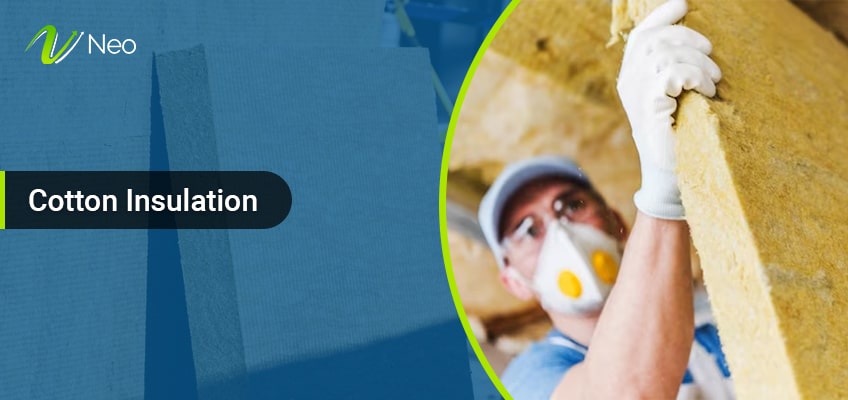
In the list of Thermal Insulation Materials Cotton insulation, crafted from recycled blue jeans, showcases the versatility of repurposing denim. Beyond its environmental and hygienic safety, it excels in sound absorption compared to alternative insulation methods. Installers can work without special safety precautions, eliminating the need for masks or additional equipment. Moreover, it effectively retains its R-value during the winter season. The installation process for cotton insulation mirrors that of fiberglass, providing a familiar approach for installers.

Composition: Crafted from recycled jeans, providing an eco-friendly alternative.
R-Value: Effective R-value, comparable to traditional insulation methods.
Environmental Impact: Environmentally and hygienically safe, promotes recycling.
Form: Available in batts or loose-fill, resembling traditional insulation.

9. Mineral Wool

Mineral Wool

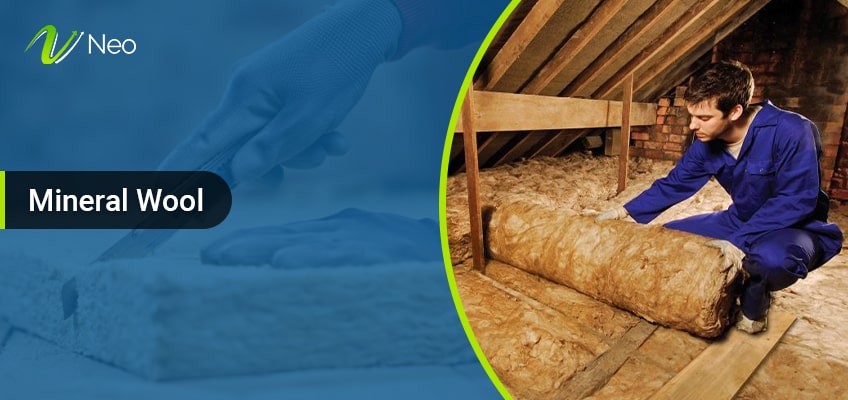
Similar to fiberglass insulation, mineral wool is available in both loose-fill and blanket forms. Comprising approximately 75% post-industrial recycled content, mineral wool boasts flame resistance without the need for additional chemicals. Rock wool, a synthetic material, incorporates natural minerals, while slag wool is derived from blast furnace slag residue, making it a synthetic insulation material.

Composition: Around 75% post-industrial recycled content; flame-resistant.
R-Value: Varies with specific product; generally competitive with fiberglass.
Environmental Impact: Considerable use of recycled content; reduced need for additional chemicals.
Form: Available in loose-fill and blanket forms.

10. Polyisocyanurate Insulation

Polyisocyanurate Insulation

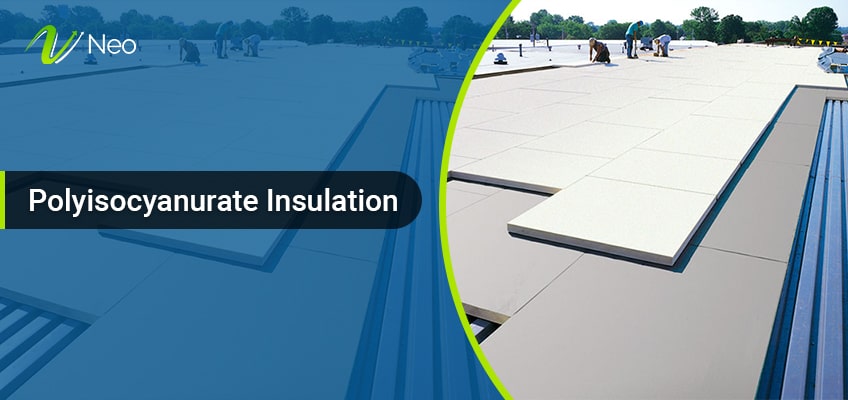
This list of thermal insulation materials comprises plastic with closed-cell foam. It also has cells with a low-conductivity gas that provides a decent R-value. But, gas leaks can happen, which let the air inside, lowering the R-value. The insulation comes in liquid foam, rigid foam board, and spray foam. You can also laminate into insulation panels with various facings. In-place foam applications are a better option than installing a foam board because it is more pocket-friendly.

It also has better performance because the liquid foam molds well to the surfaces. Polyisocyanurate insulation, often referred to as polyiso, is a versatile and widely used thermal insulation material. It belongs to the family of rigid foam board insulations and is renowned for its high R-value, making it an efficient choice for various applications.

Composition: Comprises a closed-cell foam formed by a reaction of isocyanate and polyol.
R-Value: Exhibits a high R-value, providing effective thermal insulation.
Environmental Impact: Consideration for environmental impact due to chemical composition.
Form: Available in rigid foam board form, suitable for diverse installations.

Schedule Your Insulation Installation Today!

Conclusion

So, these are the best list of thermal insulation materials that keeping your house warm. You must consider choosing one of them that can suit the best to your needs. One thing to note is that while insulating your home, you must get an R-value recommendation from the Department of Energy in your area. Neo Thermal Insulation is always a perfect choice when it comes to buying insulation materials and providing thermal insulation services. So, these are some of the best insulation materials available to keep your house warm. Choosing the right insulation is crucial to ensure optimal thermal performance and energy efficiency for your home. Before making a decision, it’s advisable to obtain an R-value recommendation from the Department of Energy in your area. The R-value is a measure of thermal resistance, helping you determine the insulation’s effectiveness in preventing heat transfer.

Frequently Asked Questions

1. What are Insulation Materials?

Insulation materials play a crucial role in thermal insulation, aiming to minimize heat transfer between objects. Heat transfer poses challenges across various industries when objects in contact have disparate temperatures. 

2. In the list of thermal insulation materials which is commonly used for insulation?

Loose-fill insulation commonly utilizes materials such as cellulose, fiberglass, and mineral wool (rock or slag). Notably, these materials are crafted from recycled waste products. Cellulose, for instance, is primarily derived from recycled newsprint, while the majority of fiberglass products incorporate 40% to 60% recycled glass.

3. Why should we use insulation material?

Ensuring a consistent temperature throughout the year, insulation safeguards your home from winter cold and summer heat. It also proves effective in diminishing noise disturbances. A properly insulated house exhibits high energy efficiency, requiring minimal additional heating and cooling.

4. Where do we use insulation materials?

Insulation serves as the protective layer you can install on your home’s roof, ceiling, external walls, and floor, mitigating the impact of external temperatures on indoor comfort. This results in a reduced need for energy to heat and cool your home, making it more economical to maintain throughout the entire year.

Talk to us?

Download Brochure