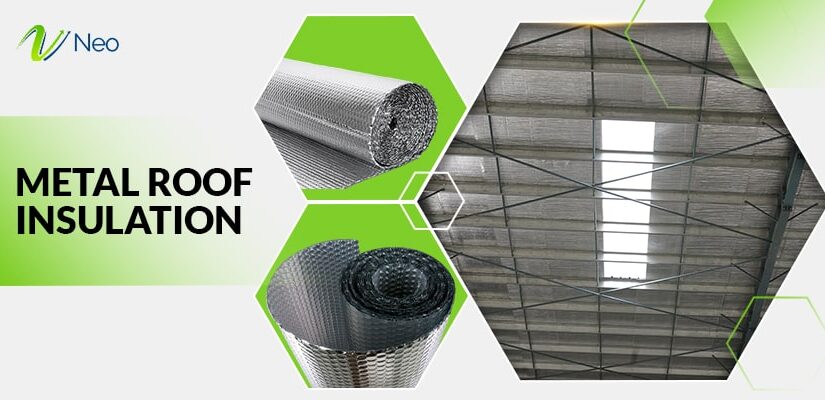
Tag: metal roof insulation

The Ultimate Homeowner’s Guide to Metal Roof Insulation

One of the most common options for contemporary homeowners is metal roofing. It is a desirable investment due to its long lifespan, sleek design, and durability. Metal roofs are robust and resistant to weather, but for optimal performance, they need to be properly insulated. Homeowners may experience temperature fluctuations, condensation problems, and increased energy costs without insulation.

Everything you need to know about metal roof insulation is covered in this extensive guide, including the various types that are available, installation techniques, the reasons why they are important, and advice on how to pick the best option for your house.

Why Metal Roof Insulation is Essential

Metal conducts heat very well. This implies that your roof has the capacity to absorb and transmit heat into your house on hot summer days. Warmth can escape equally easily in the winter. Your HVAC system has to work harder to keep the temperature inside your home comfortable if you don’t have insulation

Heat transfer is slowed by the thermal barrier that metal roof insulation produces. This is beneficial:

  • Keep the temperature inside constant
  • Lower the cost of heating and cooling
  • Boost general energy efficiency
  • Boost comfort throughout the year

Insulation also aids in moisture control. Condensation may occur when warm indoor air meets a metal roof’s cooler surface. This moisture can eventually lead to corrosion, the growth of mold, or structural damage. These risks are greatly decreased by proper insulation.

Key Benefits of Insulating a Metal Roof

  1. Energy Savings

Reduced energy costs are one of the main benefits of insulation. Your house will use less energy to heat and cool by minimizing heat gain and loss.

  1. Temperature Control

Insulation stabilizes indoor temperatures, preventing rooms from becoming too hot in summer or too cold in winter.

  1. Noise Reduction

On a metal roof, wind, hail and rain can all sound louder. A quieter living space is produced by insulation’s ability to absorb and reduce these noises.

  1. Moisture Prevention

One common issue with metal roofs is condensation. Insulation shields structural elements and aids in moisture management.

  1. Increased Property Value

Energy-efficient homes are more appealing to buyers. Proper insulation can enhance your home’s market value.

Types of Metal Roof Insulation

Choosing the right insulation material depends on your climate, budget  and roof structure. Here are the most common options:

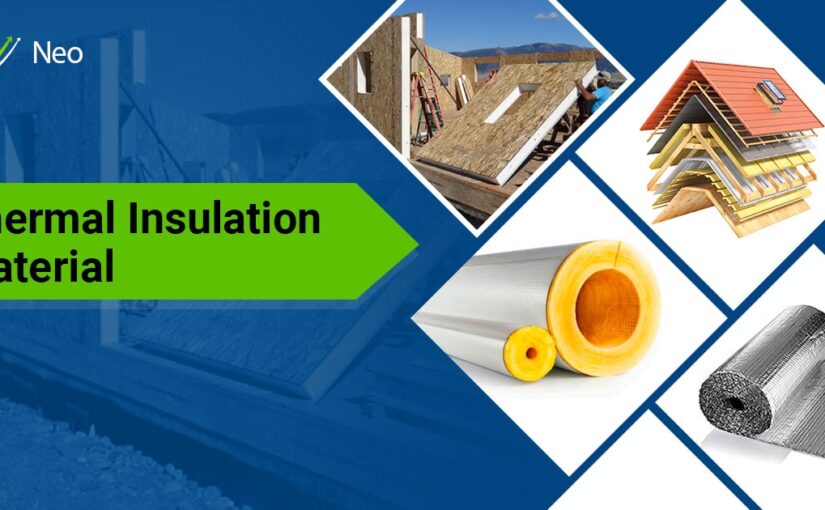
Fiberglass Batt Insulation

Fiberglass batts are not too expensive. You can find them almost anywhere. They are simple to put in between the rafters. They do a good job of keeping the temperature stable. You have to make sure to seal them so that air does not leak through and they do not get wet.

Spray Foam Insulation

Spray foam fills up all the cracks and gaps making a seal. It keeps your place warm and cozy. Also stops moisture from getting in. Spray foam costs, at first but it saves you money on energy bills over time.

Rigid Foam Board Insulation

Rigid boards are really good, at keeping warmth in even when they are thin. People use them a lot in homes and offices because they work well. They also stop moisture well which is great.

Reflective Foil Insulation

This kind of insulation helps keep your home cool by reflecting heat from it. It really works well in places they’re very hot and where it costs a lot to cool your home.

Understanding R-Value

The R-value is a measure of how an insulation material can stop heat from flowing. The higher the R-value the better it is at keeping things warm or cool. The right R-value for you depends on the climate where you live.

If you live in a place you need a higher R-value to keep the warmth in. In places a moderate R-value along, with some reflective barriers can help keep the heat out.

Installation Methods

There are different ways to install insulation under a metal roof, depending on whether the roof is new or existing.

  1. Above the Roof Deck

This is how it works: insulation is put on top of the roof deck before adding the metal panels. People often do this when building projects, especially, in commercial buildings.

  1. Below the Roof Deck

You can put insulation under the roof panels between the rafters or purlins. People often choose this method when they are updating their homes insulation.

  1. Insulated Metal Panels

Some roofs have insulation already built in. These special panels are made by combining the roofing material and insulation into a product, which makes the installation process simpler.

It is usually an idea to have a professional install the roof to make sure it is sealed properly has good ventilation and meets the local building codes.

Common Problems without Proper Insulation

Not having insulation can cause a lot of problems. If you do not insulate your metal roof you might face some issues like:

  • Energy bills
  • Indoor temperatures that are not the same everywhere
  • Lots of condensation
  • Mold starting to grow
  • Roof parts getting corroded
  • More noise coming from, outside

Insulation that is of good quality can help homeowners avoid spending a lot on repairs and prevent long-term damage to their home.

Cost of Metal Roof Insulation

The cost of insulating a metal roof varies based on:

  • Type of insulation material
  • Roof size and complexity
  • Labor costs
  • Geographic location

While spray foam may cost more initially, it often provides superior energy efficiency. Fiberglass is more budget-friendly but may require additional moisture barriers.

When evaluating costs, consider long-term savings in energy bills and potential maintenance expenses.

Maintenance and Longevity

Once installed, insulation requires minimal maintenance. However, periodic inspections are important. Check for:

  • Water leaks
  • Damaged insulation materials
  • Proper ventilation
  • Signs of mold or moisture

Proper maintenance ensures your insulation remains effective for decades.

Tips for Choosing the Right Insulation

  1. Evaluate your climate conditions.
  2. Determine your desired R-value.
  3. Consider moisture control requirements.
  4. Set a realistic budget.
  5. Consult a professional contractor.

An experienced roofing contractor can assess your home’s structure and recommend the best Metal Roof Insulation solution for optimal performance.

Environmental Benefits

Metal roofs are already environmentally friendly due to their recyclability and durability. Adding insulation further enhances sustainability by reducing energy consumption and lowering greenhouse gas emissions.

Energy-efficient homes not only reduce environmental impact but may also qualify for local energy rebates or incentives.

Conclusion

A metal roof is a long-term investment, and proper insulation ensures you get the most out of it. From energy efficiency and noise reduction to moisture control and enhanced comfort, insulation plays a vital role in protecting your home. By understanding your options and working with qualified professionals, you can choose the right insulation solution for your needs. Ultimately, investing in quality Metal Roof Insulation improves performance, reduces costs, and enhances your home’s overall value.

Frequently Asked Questions (FAQs)

  1. Is insulation necessary for a metal roof?

Yes. Insulation prevents heat transfer, reduces condensation, and improves overall energy efficiency.

  1. What is the best insulation for metal roofing?

Spray foam offers excellent performance, while fiberglass batts are more affordable. The best choice depends on your budget and climate.

  1. Can I install metal roof insulation myself?

DIY installation is possible, but professional installation ensures proper sealing and ventilation.

  1. How long does metal roof insulation last?

When properly installed, insulation can last 30 to 50 years or more.

  1. Does insulation reduce noise from rain?

Yes, insulation significantly dampens the sound of rain and hail on metal roofs.


Improve Building Performance with Metal Roof Insulation

Metal roofs are widely used in industrial, commercial, and residential buildings due to their strength, durability, and low maintenance. However, metal is a high conductor of heat, which can lead to increased indoor temperatures, especially in regions with hot climates. The solution lies in metal roof insulation, a simple yet effective way to enhance energy efficiency and thermal comfort.

If you are looking for high-performance insulation materials, Neo Thermal Insulation offers specialized products tailored for metal roofing systems.

Why Metal Roof Insulation is Essential

While metal roofs are known for their longevity, they come with a common drawback poor thermal regulation. In summer, metal roofs absorb and radiate intense heat, making the interiors unbearably hot. In winter, they can cause heat to escape, leading to higher heating costs.

Installing metal roof insulation offers the following benefits:

  • Energy Efficiency: By preventing heat transfer, insulation reduces the need for air conditioning or heating systems, cutting down electricity consumption.
  • Comfortable Indoor Temperatures: A well-insulated roof helps maintain a stable internal climate, improving the overall comfort of the building.
  • Condensation Control: Insulation acts as a barrier against moisture and condensation, preventing mold, rust and water damage.
  • Noise Reduction: Insulated metal roofs also minimize noise from rain, hail and wind, providing a quieter indoor environment.

Ideal Materials for Metal Roof Insulation

Choosing the right material for metal roof insulation depends on the climate, building structure and budget. Neo Thermal Insulation offers cutting-edge reflective insulation products that are lightweight, durable and easy to install. These materials are specifically designed to reflect radiant heat, making them ideal for metal roofing systems.

Reflective insulation provides dual benefits it resists heat transfer while offering additional resistance to moisture, UV rays and fire. Neo Thermal’s insulation rolls are suitable for industrial sheds, warehouses, poultry farms and more.

Sustainable and Cost-Effective Insulation Solutions

Sustainability is now a top priority for many businesses. Neo Thermal Insulation manufactures eco-friendly products that are recyclable and free of harmful chemicals. This not only supports green building initiatives but also aligns with global energy-efficiency goals.

By investing in metal roof insulation companies and homeowners a like can benefit from long-term energy savings, reduced maintenance costs and improved environmental impact.

Why Choose Neo Thermal Insulation?

With years of experience in the insulation industry, Neo Thermal Insulation has earned a reputation for delivering reliable, high-quality products tailored for Indian climate conditions. Their solutions are trusted by industries across the country for their performance, durability and affordability.

From cold storage facilities to industrial sheds and metal roofs, Neo Thermal provides insulation materials that guarantee thermal efficiency and structural protection.

Conclusion

Whether you are managing an industrial facility or building a new structure, metal roof insulation is an essential investment for improving energy performance, comfort and sustainability. Partner with Neo Thermal Insulation to get the best insulation solutions for your roofing needs.

Metal Roof Insulation: Panels, Benefits, Types, and Uses

Are you considering metal roof insulation for your property? Installing a roof insulation sheet is a crucial aspect of metal roofing projects. The surge in popularity of metal roofing among property owners is largely due to its durability and longevity. However, the significance of proper insulation for metal roofs is often overlooked. Implementing effective metal roofing insulation can significantly enhance the energy efficiency and overall comfort of your building.

This blog will cover everything about metal roof insulation panels related to its significance, advantages, types and materials. For a cost-effective and comfortable home or work environment, knowledge of metal roof with insulation is significant whether its a new metal roof or you are upgrading your present metal roof.

So, let’s start our discussion about metal roof insulation and various other aspects involved in metal roof insulation panels.

What Are Metal Roof Insulation Panels?

metal roof insulation panels

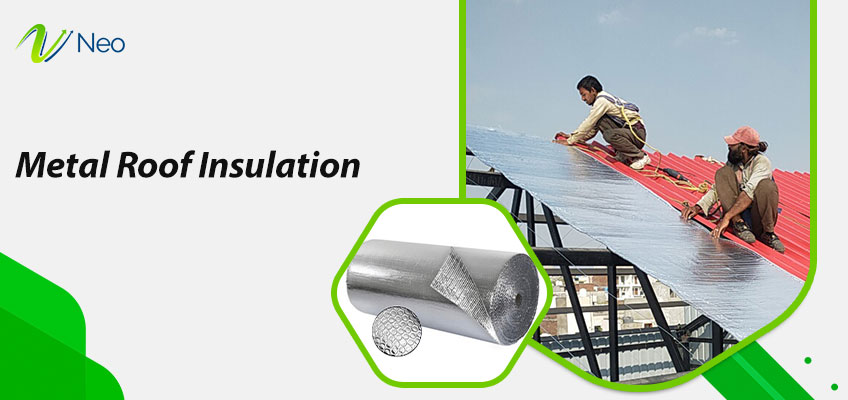
Metal roof insulation panels are a layer of material installed to balance temperature and lower energy usage between a metal roof and a building structure. It also acts as a thermal insulation material, that will limit heat transport and control condensation problems. This type of insulation is necessary for homes and businesses since it creates a comfortable interior for individuals and is affordable for heating and air conditioning.

Metal Roof Insulation Market

The global market for metal roofing was worth $23.8 billion in the year 2020. It is expected to climb to $33.5 billion by the year 2030, with a steady compound annual growth rate (CAGR) of 3.5% between 2020 and 2030. This growth can be attributed to its widespread use in various sectors such as industrial and commercial, among others. Moreover, the expansion of infrastructure in developing nations, coupled with favourable governmental regulations, is driving the demand for metal roofing.

Why do we need a Metal Roof With Insulation?

It is significant to insulate a metal roof due to various reasons. It improves energy efficiency by helping to lower heat gain in the summer season and heat loss in the winter season. This finally leads to lower energy bill amounts and a reduced carbon footprint. In addition, metal roof insulation reduces the build-up of condensation inside the building, thereby protecting the structural integrity of the building and ensuring good indoor air quality. Thirdly, it improves the quality of the living or working space by regulating the environment, ensuring pleasant temperature levels and minimal noise from the surroundings.

Insulate Your Roof With Metal Roof Insulation And Saves Your Energy Bills!

What are the benefits of Metal Roof Insulation? 

1. Energy Efficiency

By acting as a thermal barrier, metal roof insulation reduces the need for excessive utilization of heating and cooling systems hence reducing energy bills and environmental pollution. This translates to substantial future savings on the environment, as well as energy.

2. Condensation Control

Insulation reduces condensation, which could cause structural damage and mold growth, leading to a long-lasting roof. The structural integrity keeps your building intact and saves you on expensive repairs.

3. Comfort

The metal roofing with insulation ensures a comfortable indoor temperature due to good thermal regulation and noise insulation of outside elements. The place in which you stay is cool during summer and warm during winter, leading to comfortable living and working conditions

4. Longevity

Good thermal insulation of the metal roofing house saves it from huge temperature changes, thus prolonging the life span of the roof. Heat insulation minimizes the expansion and contraction, thereby reducing friction and prolonging the lifespan of your roof as well.

5. Cost Savings

The savings on energy costs and reduced maintenance make it a very economical alternative in the future. Over time, you’ll get back your first investment by way of reduced energy bills and fewer repairs.

Read Also: Types of Warehouse Insulation Materials: Which is the Best for Your Space

Types of Metal Roofing Insulation

Let us explore the metal roof insulation options briefly by going through their key types. Some of the types of metal roofing insulation are discussed as follows:

Fiberglass Batt Insulation

These come in rolls or batts and are one of the most common choices, offering excellent thermal performance. Fiberglass batts provide efficient insulation by trapping air and preventing heat transfer. They are affordable and easy to install.

Spray Foam Insulation

Provides an airtight seal and is highly effective at preventing heat transfer and air leakage. Spray foam insulation creates a seamless barrier, filling gaps and preventing air infiltration, resulting in exceptional thermal efficiency.

Rigid Board Insulation

It is suitable for commercial buildings as these boards are highly resistant to moisture and provide high R-values. Rigid board insulation is dense, providing exceptional thermal resistance and protection from moisture, making it suitable for various purposes.

Reflective Foil Insulation

Reflective Foil Insulation

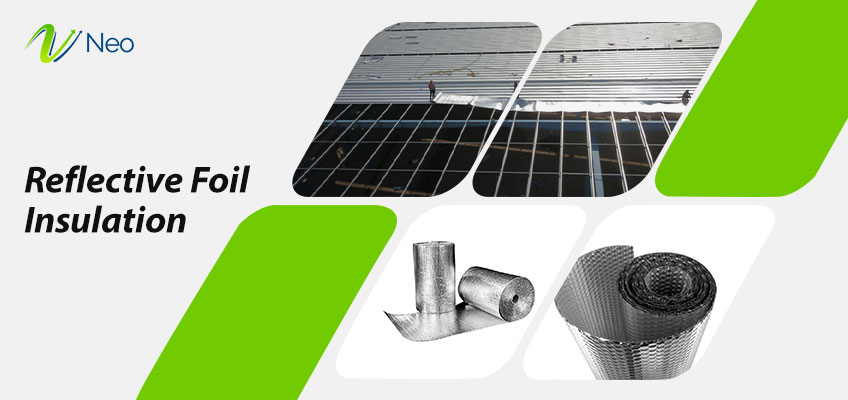
The reflective foil insulation is one of the major types of metal roof insulation. It Reflects heat away from the roof and offers excellent results for hot climates, reducing cooling costs. Reflective foil insulation uses a reflective surface to reflect heat away, decreasing the amount of heat absorbed by the roof and lowering cooling costs. It’s particularly effective in those regions which have hot and sunny climatic conditions.

Loose-Fill Insulation

This type of metal roofing insulation comprises loose fibers or pellets. It is perfect for irregular spaces. Loose-fill insulation is versatile, as it can be blown into various smaller and unnoticeable parts, filling all the irregular spaces and gaps to provide uniform thermal protection.

Aerogel Insulation

This advanced insulation material is highly advantageous such as it is lightweight, offering superior thermal performance. Aerogel is a unique, lightweight material with exceptional thermal properties, providing high insulation values while maintaining its thin and space-saving feature

Read Also: Types of Materials for Sound Insulation for buildings

Different Types of Materials for Metal Roofs

1. Steel

Steel metal roofing is known for being economical and durable as its main component. Steel is robust and highly durable and this makes it convenient for various uses, especially in high-risk weather areas.

2. Aluminium

Aluminium is resistant to corrosion and lightweight suitable for coastal areas. It is resistant to corrosion and light enough for humid places or near oceans.

3. Copper

Copper is known for its looks and it can last many years without fading away, and it develops a beautiful patina. These copper roofs are known for their distinct looks and the natural patina that eventually gives the building more life.

4. Zinc

Zinc roofs require lesser maintenance and have a life span of over a century. Zinc roofs require little maintenance and they last for ages. Hence it can be considered as one of the affordable options.

5. Galvalume

Galvalume is a combination made out of steel and aluminium giving the most effective mixture of stability and corrosion resistance. Galvanized steel is mixed with aluminium, producing a sturdy corrosion-resistant metal.

6. Color-Coated Steel

These are different colour options to ensure they not only offer an aesthetic feel but deliver on their role as roofs. Steel colour-coated roofing sheets offers visual appeal plus steel’s durability and strength giving you a wide selection of colours to work with and choose what you like.

Factors to be Consider for Metal Roofing Sheets 

However, when selecting metal roofing sheets, some factors need to be considered. Material selection is influenced by climate first. For example, in salty coastal areas, they use corrosion-resistant materials such as aluminium or copper. Inland steel might work fine. Another important thing to consider is your budget. Copper is a good example of a high-quality material that may be relatively expensive as compared to steel and alumin.

The materials that you choose should also take into account one’s aesthetic preference because some materials such as copper acquire a distinct patina with age, while others like colour-coated steel are available in several varieties and colours to complement one’s design

The demands for maintenance are different with each of the materials and hence, it is advisable to look at your capability to preserve the roof for a long period. Finally, get advice from a roofing contractor to see that the chosen material will fit well to your building structure and climate as well as follow the local building code and regulations.

Schedule Your Insulation Installation Today!

Why Choose Neo Thermal for Metal Roof Insulation?

The selection of the right partner for your metal roofing insulation is very important. Neo Thermal Insulation gives you tested and proven best-performance insulation systems that are energy-efficient and eco-friendly. Our knowledgeable team has extensive experience with a wide range of insulation types that are made of different materials, thus you will get the most suitable one for your situation. Our goal is to provide you with maximum comfort and economical expenditure while remaining environmentally friendly. You can always count on Neo Thermal for high-quality results in your project, which will result in long-term satisfaction and benefits.

Conclusion

Metal roof insulation is an important piece towards increasing energy efficiency, comfort, and longevity in your building. This has the advantage of saving energy, avoiding condensation, and making it more comfortable. As a result, it is wise to understand the different types of insulation materials and the roofing materials that are essential in creating an appropriate environment at reasonable amounts. Choose metal roofing sheets considering climate, affordability, aesthetics, and maintenance, and consult a professional. Making the right choice of partner such as Neo Thermal will ensure successful and long-lasting comfort and environmental friendliness of the outcomes.

Frequently Asked Questions

1. What is Metal Roof Insulation?

It refers to laying down the metal roof insulation which functions as a temperature regulator and reduces energy output. It acts as a vapor insulator and thus acts as a thermal barrier that prevents heat transmission and condensation issues. Insulation of both residential and industrial buildings is important as it provides a conducive environment inside and reduces heating, ventilation, and air conditioning (HVAC) operation costs.

2. What is the best insulation for metal roofs?

The best insulation for metal roofs depends on certain factors, including climate, budget, and specific needs. Common insulation for metal roofing includes fiberglass batts, spray foam, and reflective foil insulation. For determining the best choice, consider your location, budget, and the desired R-value, which measures the effectiveness of roof insulation.

3. What are the benefits of metal roof insulation?

There are various benefits of metal roof insulation including improved energy efficiency, condensation control, enhanced comfort, extended roof longevity, and long-term cost savings. Insulation reduces heat transfer, lowers energy bills, prevents condensation-related damage, maintains indoor comfort, and extends the lifespan of the metal roof.

4. What are the types of Materials for Metal Roofs?

Different materials can be used for metal roofing, including aluminum copper, steel, zinc, galvalume (a blend of steel and aluminum), and color-coated steel. Each metal roofing insulation material has its distinctive characteristics, such as durability, moisture resistance, and aesthetics. Choosing the material for metal roof insulation depends on factors like geographical location and design preferences.

5. How does metal roofing perform in different weather conditions?

Metal roof insulation is known for its durability as it can perform well in various weather conditions. In hot climates, reflective metal roofs help decrease cooling costs by reflecting heat. In snowy regions, metal roofs shed snow easily, preventing heavy accumulation. Properly installed and insulated metal roofs can withstand extreme weather conditions and provide long-lasting protection for your property.

Talk to us?

Download Brochure