Tag: Neo Thermal Insulation

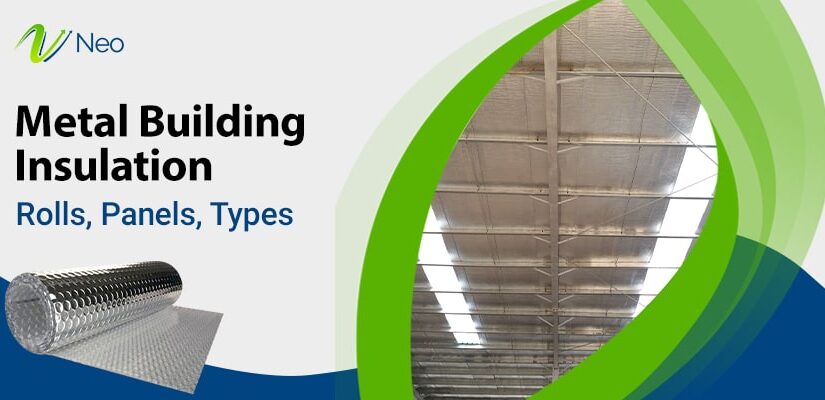
Metal Building Insulation(Rolls, Panels, Types)

When it comes to building a warehouse or any metal building, Insulation is no longer an optional accessory. It plays a most significant role because it helps to regulate the inside temperature, prevent condensation, reduce energy consumption, stop heat and reduce outside noise. Insulation is now a great option for metal building longevity, durability and low maintenance.

Insulation is a must have for proper maintenance of your metal building. There are different types and sizes of insulations available for metal buildings in the market. So, it’s quite challenging to identify which one is best for your metal building. Don’t worry! Many people are not aware of the importance of metal building insulation, its types and its purpose.

Here, let us discuss metal building insulation and how it works. We will also shed light upon the best insulation options, its benefits and how to insulate a metal building. By the end of this guide, you will know exactly everything about insulation and which one is best for your metal building. Let’s dive in!

Metal Building Insulation: An Overview

Metal building insulation is a type of sheet. It covers a metal building to reduce the building’s moisture, stabilize the temperature, reduce noise, and lower energy costs. It will keep heat inside in the winter and outside in the summer.

However, it’s more useful than just temperature adjustment. If Insulation is not installed on a metal building, then it can cause rust and damage the building’s longevity as it can absorb heat better than wood.

Did you know? The global insulation market is expected to reach $117 billion. It clearly shows how fast Insulation is adapting and becoming an essential part of metal building. So, it is a must-have thing for metal buildings to ensure the longevity and stability of the building in the long term.

Functioning of Metal Building Insulation

Insulation is a blanket that covers metal buildings to protect them from heat flow and control noise. During winter, it traps heat and releases it during the summer. Also, some types of Insulation can increase the efficiency of lighting fixtures. It creates a barrier between inside space and outside weather to maintain temperature. There are some other properties that come with insulation material, such as reduced moisture risk, fire prevention, and reduced noise, which overall lead to long-term building sustainability.

How to Insulate a Metal Building?

When it comes to insulate a metal building, it follows a typical process of installing above the framing to ensure high protection. The right placement of Insulation is essential to moderate the temperature, protect the building from damage and wall panels, ensure longevity and prevent moisture in between the exterior roof, framing and wall panels.

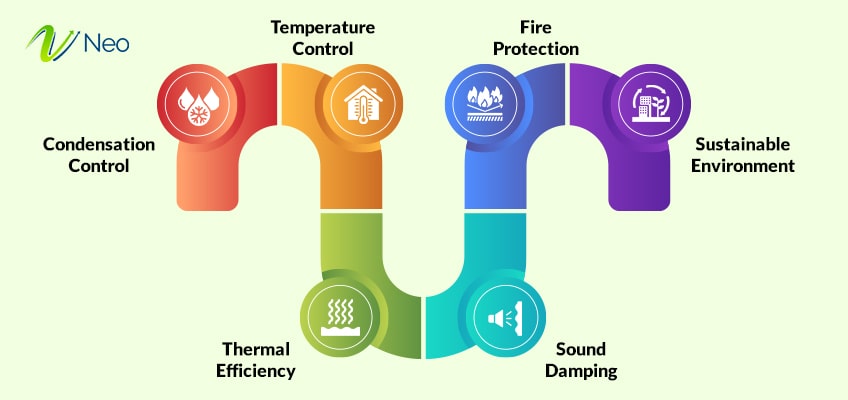
6 Benefits of Metal Building Insulation

Benefits of Metal Building Insulation
Here are the significant benefits of metal building insulation:

1. Condensation Control

Since the inside and external surfaces of metal buildings have conflicting temperatures, condensation is a common problem. Condensation can result in moisture accumulation. This can harm structures and lead to corrosion and the growth of mold.

By maintaining a constant temperature of the building, metal building insulation serves as a barrier against condensation. Insulation serves to preserve the integrity of the structure and its contents. Further, it extends the life of the building components and lowering maintenance costs by avoiding moisture accumulation on metal surfaces.

2. Temperature Control

Selecting the appropriate Insulation for your metal building can help lower energy usage. In some states, it enables the building’s constructors to claim tax breaks for energy conservation. Steel panels do not insulate against heat or cold, as they have no insulating properties. Adding the right insulation material and type controls interior temperature, helping to keep the building colder during warm months.

Seeking a Reliable Thermal Insulation Company?

3. Thermal Efficiency

Metal building insulation reduces heat transfer between the building’s interior and exterior, enhancing thermal efficiency. In hot climates, these materials maintain the interior’s temperature by blocking sun rays. During the winter season, it minimizes heat loss and keeps the atmosphere warm, maintaining a comfortable spot.

4. Sound Damping

The reflecting surfaces of metal buildings give rise to echoes and reverberation, frequently linked to excessive noise. Metal insulation for buildings reduces sound transmission by absorbing and damping noise inside the building. Insulation makes an area quieter and more comfortable for occupants by lowering impact and airborne noise. This benefit is ideal for industrial and commercial facilities where noise control is vital.

5. Fire Protection

Metal building insulation adds a layer to your building, improving fire safety by acting against the spread of smoke or flame in case of fire or an emergency. Several insulation materials have fire-resistant properties, protecting your structure from heat damage. Since it slows down the spread of fire and ignition, it allows occupants to respond smartly in case of emergency.

6. Sustainable Environment

Metal building insulation helps to promote environmental sustainability by lowering greenhouse gas emissions and reducing energy consumption. Insulation lowers the carbon footprint of heating and cooling. Further, it facilitates operations by increasing a building’s energy efficiency. Furthermore, a large number of insulation materials are produced using renewable or recycled resources, which lessens their impact on the environment.

5 Best Metal Building Insulation Options

Here are some of the best insulation options you can consider:

1. Metal Building Insulation Rolls

These are insulation materials that minimize heat transfer and regulate temperature in metal structures such as barns, warehouses, and commercial buildings. These insulation rolls are made of fiberglass or other insulating materials, making installation easier. They are also moisture resistant, reduce noise and provide thermal protection, improving your building’s interiors.

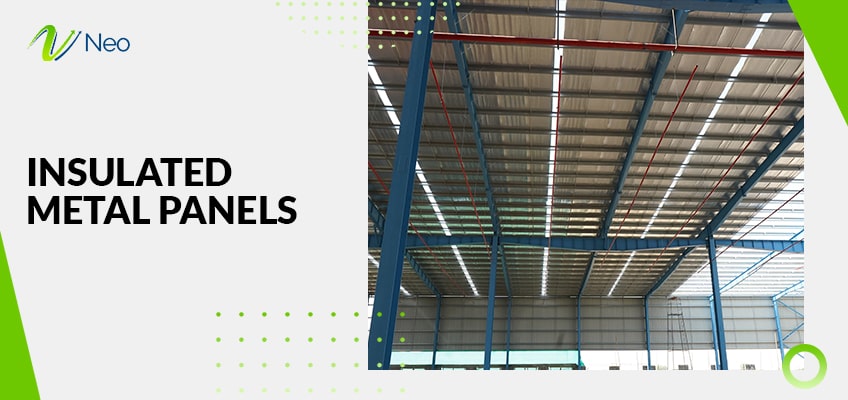
2. Insulated Metal Panels

Metal Building Insulation
Insulated metal panel is a common type of insulation that carefully combines interior Insulation and exterior metal cladding into a single panel. Known for offering top-notch thermal performance, such Insulation is great for energy-efficient buildings. These panels create moisture-resistant and highly durable exteriors for the building.

3. Spray Foam Insulation

It is a two-part liquid insulation material that foams to insulate wherever it is applied. It is available in open and closed-cell types. Additionally, this type of insulation never loses its shape or sags with time. The Insulation builds an air seal for all holes and cracks, along with large open spaces such as pole barns.

Seeking a Reliable Thermal Insulation Company?

4. Fiberglass

Fiberglass is a commonly used insulation in commercial and residential projects. Since it is a residential and commercial insulator, it reduces the heat and traps air, ensuring your building remains cool during the summer and warm during the winter season. These are generally available in batts, rolls, and loose fills that promise excellent thermal performance. Although fiberglass insulation has a lower R-value, it is more economical and easy to use.

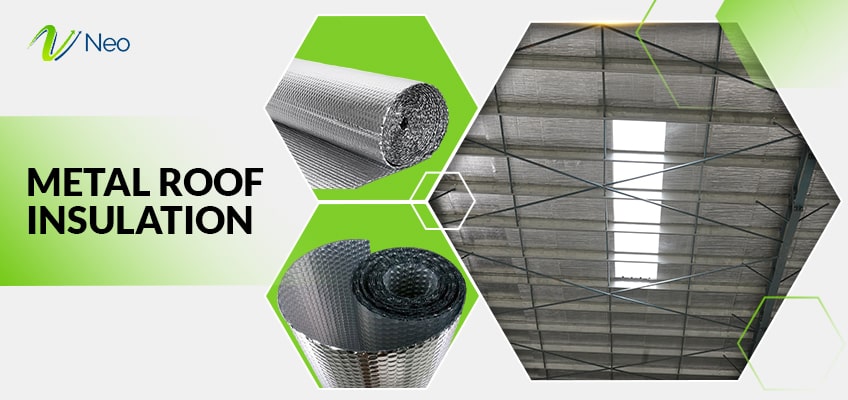
5. Metal Roof Insulation

Metal Building Insulation
Metal roof insulation is a specialized building material that protects buildings from heat and changing temperatures. Such Insulation is made using fiberglass or foam and installed underneath the metal roofing panels. Further, it reduces energy costs and improves indoor comfort, helping to maintain a more stable temperature.

Metal Building Insulation R Value

An R-value is like a rating measurement tool that is given to Insulation, which determines the quality and how well it maintains temperature. A higher R-value shows the high quality of Insulation, which means less heat can pass through the Insulation. It typically ranges from R-7 to R-30. However, there are some factors that contribute to R-values:

  • Types of Insulation
  • Density
  • Thickness

Here’s the R-value system:

  • Single layer typically ranges from 2.5″ (R-8), 3″ (R-10), 3.5″ (R-11), 4″ (R-13), 6″ (R-19), 8″ (R-25), 9.25″ (R-30).
  • Double layer ranges from 3″+6″ (R-29), 3.5″+6″ (R-30), 4″+6″ (R-32), 2.5+8″ (R-33), 3″+8″ (R-35), 6″+6″ (R-38), 3”+9.25” (R-40) and 4”+9.25” (R-43).

Conclusion

Metal building insulations play an essential part in protecting the building for longevity. However, it is important to understand earlier which type of Insulation is suitable for your metal building. We hope this guide helps you know everything about insulation, its types, and its benefits. Now, if you are planning for insulation, you have clear options, and you can select which one is suitable for your building and get Insulation done by experts.

FAQs For Metal Building Insulation

Q.1 Mention the Best Insulation for a Metal Building?

Fiberglass is a widely used insulation for metal buildings. It is famous for its attractive appeal and durable nature. Further, the installation cost is low.

Q.2 How Much Does Metal Building Insulation Cost?

On average, metal building insulation costs between 41.68 INR to 375.13 INR per square foot installed. The cost is affected by factors like the project complexity and type of Insulation.

Q.3 Which Factors to Consider When Selecting Insulation for Metal Buildings?

Some major factors to consider when choosing an insulation:

  • Thermal performance
  • Sound Insulation
  • Fire protection
  • Health impact
  • Moisture and mold
  • Sustainability

Q.4 How thick is Metal Building Insulation?

Insulation is readily available in different thicknesses. These range from 2 5/8″ R-8 to 9.5″ R-30. Out of all, the thickest insulation is 9.25″ R-30.

How to Keep Home Cool in Summer?

When it comes to summer, there are so many exciting things to do and explore such as beaches, watermelon coolers, pool dips, BBQs, mountains, and more. However, all this excitement soon vanishes when summer goes to its peak. Every year, people think that this year is the hottest summer ever and staying in the home, and turning on AC is the only option left for them.

But, the situation is not done yet because now people have to face various challenges to stay cool in summer such as high electricity bills, bad environmental impact and many homes are not prepared for such hot weather.

At this point, many people don’t know how to keep home cool in summer. Well, if you don’t have any ideas, then this guide is all you need.

Fortunately, there are numerous ways that you can try to keep your home cool.

Here, we have covered some of the best sustainable ways to keep your home cool in the summer, provide comfortable living at home, reduce electricity bills and ensure a healthy environment.

So, without any further delay, let’s find out!

How to Keep Home Cool in Summer? – Top Six Ways

Here are the six most ways to keep your house cool in the hot summer:

1. Proper Insulation

One of the most sustainable and eco-friendly ways to keep your home cool in the summer is by properly insulating your home. Proper insulation creates a layer that acts as a barrier, prevents the outer hot air, and keeps the inside temperature cool.

When you’ve done proper insulation, then the usage of air conditioning is reduced, electricity bills are low, and your indoor temperature is naturally cool with high air quality. There are different types and sizes of insulation available, such as rolls, panels, spray foam, fiberglass, or metal roof insulation.

Each types of insulation has its own way of protecting your home for heat prevention and keeping your home cool in summer. However, insulation is a typical process that requires professional help to install in your walls. So, you can choose the most suitable thermal insulation option done by professionals for cool and comfortable living.

Having proper insulation in your home will keep your home cool in summer and warm in winter, reduce your electricity bills, provide pure indoor air quality and ensure long-term savings.

2. Sealing Gaps and Cracks

Another common way to keep your house cool in summer is by sealing all the gaps and little cracks in your house. Even when you’ve closed all the windows and doors properly, the hot air keeps coming, which means there are some gaps and cracks left that you haven’t noticed yet.

So, first you should look and identify all the places where you can check the gaps and cracks where hot air coming around windows, door frames, crawl spaces, etc and then use draught excluders to properly seal it tightly to make sure hot air didn’t come into your house or cool air did not escape.

3. Effective Ventilation

If your house gets immediately hot during summer, even if the AC is turned on, then there’s no proper ventilation. You need effective ventilation throughout inside hot air and give space to cool air.

All you can do is open the windows early in the morning and late at night when the outside temperature is a bit cool, which can help you replace the inside warm air with cool air and ensure proper ventilation in your house.

It’s recommended to open windows around 5 am to 8 am and 8 pm to 10 pm to improve airflow around your house. Plus, you can also start exhaust fans to throw the hot air outside for faster cooling.

4. Air Conditioning

Air conditioning is the common way that most people prefer to cool down their inside house temperature. However, running the air conditioner all the time can increase the electricity bills and badly affect the environment.

If you use the air conditioner efficiently by setting an optimal temperature, keeping your air conditioner maintained by cleaning or replacing filters and using other sustainable ways then surely the usage of air conditioner will reduce that overall leads to low electricity bill, high cooling in house and pure air quality.

Install Thermal Insulation Sheet in Your House

5. Blinds and Curtains

Most heat directly comes from the windows. So make sure you keep the windows shut with blinds and covers during the summer season. It will prevent the heat flow inside of the house and keep the house cool.

You should especially close those on the west and north-facing windows from late morning to early evening. Plus, you can consider breathable curtains like sheers, cotton, jute or bamboo shades to prevent maximum sunlight.

6. Exterior Shading

To prevent the effect of direct sunlight on your house, there are various external shading things you can consider, such as awnings, solar panels, planted trees, etc, which can absorb the direct sunlight and reduce the impact. For example, inside plants, it can keep the temperature cool and provide pure air.

How to Keep the House Cool in Summer Without AC?

Keeping the house interior cool in summer without AC is vital for energy conservation, reducing electricity bills, and minimizing environmental impact. It promotes a healthier indoor environment by avoiding the dry air and allergens often associated with AC use. Further, natural cooling methods bring comfort and well-being, making living spaces more pleasant without relying on energy-intensive air conditioning systems.

Optimize ventilation

At times when the outside temperature drops, usually during early mornings or late evenings, open windows to let in the cooler air. Open windows on opposite sides of the house to create cross ventilation and promote air circulation.

Block Out the Sun

Block the heat coming from the sun through your windows to keep your home cool without AC. The easiest way is to use light-colored curtains or blinds. This passive or natural cooling method is one of the effortless and cheapest ways to keep your home cool in summer.

Reduce Heat Sources

Appliances that usually generate heat such as hair dryers, water heaters, electric irons, and dishwashers, etc. should be used as minimum as possible to avoid heat transfer. Additionally, use LED bulbs instead of normal lights as they produce less heat.

Use Cooling Techniques

Under the most common cooling techniques and methods, one of the simplest ways is to buy an air cooler that works on the principle of evaporative cooling that can help you beat the heat during the peak hours of summer.

Conclusion

Keeping your house cool in summer is the most challenging thing. However, there are some sustainable ways, like proper insulation at home, sealing gaps, exterior shades, and curtains, which can actually help to prevent the heat inside flow and keep your home cool in the summer without impacting the electricity bills.

By implementing these ways, you can make this summer cooler, comfortable, save energy consumption , and sustainable. Because the climate is changing rapidly, summer temperatures will keep rising. So, it’s better to prepare early to make your house cooler. We would love to know how you’re planning to keep your home cool this summer. Please Share your additional tips and exercises by commenting below.

FAQ

1. What is the most cost-effective way to cool my home?

The most cost-effective way to cool your home is by doing proper insulation and sealing air leaks. Both ways can help to keep your home cool inside and reduce the need of air conditioning.

2. How can I keep my home cool without using a lot of energy?

To keep your home cool without using a lot of energy then you need to implement sustainable ways that will keep your home cool in summer such as proper insulation and ventilation, and cover windows with curtains.

3. Are there any eco-friendly cooling solutions?

Yes, doing thermal insulation in the internal walls of the house can protect the home from external temperature keep it cooler in summer, and provide clean air, which makes it the best eco-friendly option.

4 How often should I service my air conditioning system?

If you are using AC regularly, then it’s recommended that AC service is performed at least once a year.

5. What are the benefits of using thermal curtains?

Thermal curtains are the best option to protect the heat from direct sunlight. These curtains can block the sunlight, reduce the heat impact in your house, and ensure internal cooling temperature. Also thermal curtains help in noise reduction and prevent UV rays.

6. Can landscaping really help in cooling my home?

Yes, trees are the most natural way to keep your home cooler in summer because they can absorb the heat and release pure and cool air, which keeps the inside temperature cooler in summer.

7. How do reflective roof coatings work?

Reflective coatings are also known as solar reflective paints. These are specially designed to prevent direct sunlight from moving away from the roof’s surface and ensure the inside temperature is cooler in summer.

8. What are some quick fixes for an extremely hot day?

Some of the quickest fixes are using fans with ice in the bowl in front, opening windows, cross-ventilation, running exhausts and limiting appliance use.

Talk to us?

Download Brochure