Tag: pipe insulation

Why Pipe Insulation is Important and How it Increases Energy Efficiency

These days, safety and energy efficiency are really important in buildings and industrial systems. One thing that helps with this is pipe insulation. Pipe insulation is something that people often forget about. It is really important for achieving these goals. Insulating pipes helps them work better saves energy and keeps the piping system safe in homes, offices and factories.

Pipe insulation is when you cover pipes with materials to keep the fluid inside at the right temperature. This fluid can be steam, cold water, hot water or refrigerants. When you insulate pipes you can make them last longer stop condensation and save energy.

In this blog we will talk about what pipe insulation’s its benefits, the different kinds of insulation materials and why it is necessary for buildings to be efficient and sustainable.

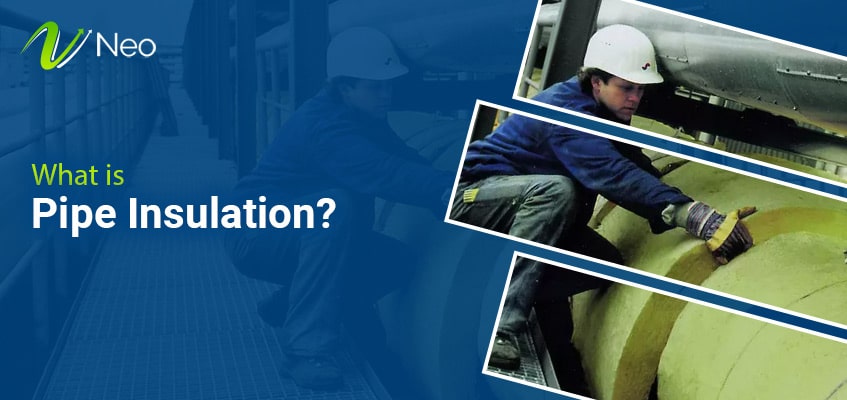
What is Pipe Insulation?

Pipe insulation is a layer of material that you put around pipes to stop heat from moving between the pipe and the air around it. This material helps keep the fluid in the pipe at the temperature. For example you insulate cold water pipes to stop condensation and heat gain. You insulate hot water pipes to stop heat loss. Pipe insulation is used a lot in pipelines, heating and cooling systems plumbing systems and refrigeration units. If you do not have pipe insulation you can lose a lot of energy which can increase your utility bills and make your systems less efficient.

Benefits of Pipe Insulation

Pipe insulation has benefits for homes and offices.

  1. Energy Efficiency :- One of the benefits of pipe insulation is that it saves energy. Insulated pipes stop heat gain in cold water systems and heat loss in hot water systems. This means that your heating and cooling systems do not have to work hard to keep the temperature right. As a result you can save money on your energy bills. Help the environment.

  2. Prevents Condensation :- Condensation often forms on pipes when they are exposed to warm air. This moisture can cause corrosion, mold growth and water damage. Pipe insulation helps prevent condensation by creating a barrier between the pipe and the air around it. This is really important for refrigeration systems and humid environments.
  3. Improves Safety :- Pipe insulation is also important for safety. If you touch a pipe you can get burned. Pipe insulation helps keep the pipe at a temperature so you can touch it without getting hurt. In factories and plants pipe insulation is crucial for safety.
  4. Reduces Noise :- Pipe insulation can also help reduce noise. When water or steam flows through pipes it can cause the pipes to vibrate and make noise. The insulation helps quiet down these vibrations so you can hear noise coming from the pipes. This makes buildings more comfortable for people.
  5. Extends Pipe Lifespan :- Temperature changes and moisture can damage pipes over time. Pipe insulation helps protect pipes from these things so they can last longer. This saves you money because you do not have to replace the pipes often. By stopping pipes from rusting and getting too hot or cold insulation helps keep the piping system working well for a time.

Types of Pipe Insulation Materials

There are materials used for pipe insulation depending on the application and temperature requirements. Here are some common types:

  1. Fiberglass Insulation :- Fiberglass is a choice for insulating pipes. It does a job of keeping the temperature right. You can use fiberglass on pipes that carry cold water. Fiberglass is a choice because it is not too heavy and it is affordable. It is also easy to install.
  2. Foam Insulation :- Foam insulation is really useful for homes. It is often used for plumbing and heating and cooling systems. It is good because it can bend and it keeps water out. This helps prevent condensation from forming on the pipes.
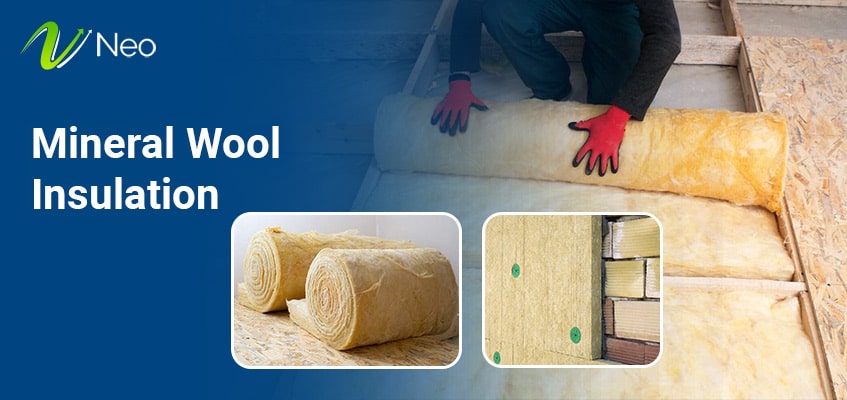
  3. Mineral Wool Insulation :- Mineral wool insulation can handle temperatures. This is why it is often used in factories and other industrial places where pipes carry liquids or steam. Mineral wool insulation also helps stop fires from spreading and absorbs sound.
  4. Rubber Insulation :- Rubber insulation is really good for refrigeration and air conditioning systems. It helps keep moisture and condensation from the pipes. This makes rubber insulation a great choice for pipes. Rubber insulation is also very strong. Can withstand a lot of environmental damage.

Applications of Pipe Insulation

Pipe insulation is used in industries and building systems.

  • Residential Buildings :- In homes pipe insulation is used on hot water pipes, heating systems and air conditioning. This helps save energy and makes sure hot water gets to the faucets without losing heat.
  • Commercial Buildings :- Offices, hospitals, hotels and stores use pipe insulation for their heating and cooling systems and plumbing. This helps keep the temperature right and makes the systems work efficiently.
  • Industrial Facilities :- Factories use pipe insulation to keep the fluids they use at the temperature. This is important for safety. For making sure the processes work correctly.
  • Refrigeration Systems :- Places that need to keep things cold, like cold storage facilities use pipe insulation to stop heat from getting and to save energy.

Factors to Consider When Choosing Pipe Insulation

When selecting pipe insulation there are factors to consider to ensure optimal performance.

Temperature Range

Different insulation materials are good for temperatures. You need to pick insulation that can handle the temperature of the fluid in the pipe.

Moisture Resistance

In places with humidity or refrigeration systems the insulation needs to be able to handle moisture without falling apart.

Fire Safety

Some places need insulation that can stop fires from spreading to meet safety rules.

Installation and Maintenance

It is also important to think about how easy the insulation’s to install and how long it will last.

Installation of Pipe Insulation

To get the most out of pipe insulation it needs to be installed. The insulation must fit tightly around the pipe without any gaps. Professionals usually measure the pipe pick the insulation and secure it with adhesive, tape or a protective jacket.

Environmental Impact of Pipe Insulation

Pipe insulation helps the environment by saving energy. When you use energy you make less pollution and help keep the air clean. Buildings that are energy need insulation, including pipe insulation to meet modern standards for being environmentally friendly. As energy costs go up and people become more aware of the environment pipe insulation will continue to be a way to save energy.

Conclusion

Pipe insulation is an effective way to save energy be safe and make systems work better. By stopping heat from moving preventing condensation and protecting pipes from damage insulation is crucial for homes, offices and factories.

Whether used in homes, offices or factories pipe insulation helps reduce energy costs makes places more comfortable and makes pipes longer. Investing in insulation not saves you money but also helps make the world a cleaner place.

Frequently Asked Questions (FAQs)

  1. What is Pipe Insulation used for?

Pipe insulation is used to stop heat from moving out of pipes. It helps keep the fluid in the pipe at the temperature saves energy and prevents condensation.

  1. Do homes need Pipe Insulation?

Yes homes benefit from pipe insulation because it saves energy stops pipes from freezing in winter and helps hot water get to the faucets efficiently.

  1. What Kinds of Materials are used for Pipe Insulation?

Common materials include fiberglass, foam, rubber and mineral wool. Each material is good, for temperatures and uses.

  1. Does Pipe Insulation save energy?

Yes pipe insulation helps save energy by stopping heat from moving out of pipes. This means your heating and cooling systems do not have to work as which saves you money.

  1. How long does Pipe Insulation last?

The lifespan of pipe insulation depends on the material how well it is installed and how well it is maintained. Good insulation can last a time if it is taken care of properly.
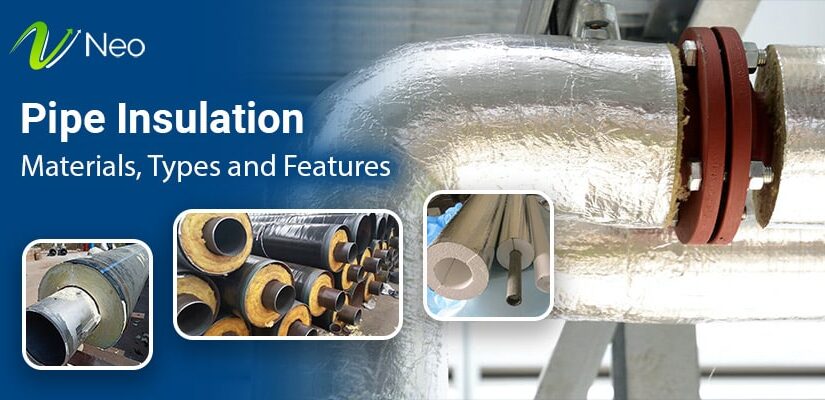
Pipe Insulation: Materials, Types and Features (Ultimate Guide)

In factories and manufacturing units where pipes operate at below-ambient temperatures, there are huge chances of water vapor condensing on the pipe surface, thus causing conditions like corrosion. So, pipe insulation is a great solution in such a condition that helps to prevent condensation from forming and maintains the overall right temperature for the different types of pipes. Pipe insulation material not only helps in dealing with condensation but, at the same time, it even lengthens the life of pipes.

Go through this blog and you will have ample information about pipe insulation, its benefits, cost, and importance.

Pipe Insulation: An Overview

What is Pipe Insulation

Pipe insulation is an important practice that requires placing specific materials around pipes to control heat flow, maintain preferred temperatures, and generally provide protection. That integral procedure is vital in many sectors and applications such as for heating, ventilation, air conditioning systems, and plumbing, as well as oil & gas pipeline networks. Pipe insulation materials are important for controlling thermal dynamics to enhance energy efficiency, avoid heat losses, and ensure the integrity of pipelines.

It helps in keeping constant temperatures during HVAC applications, which increases the performance of the heater and air conditioner. It insulates piping from freezing and condensation to reduce damage risks in plumbing. Piping insulation plays a global role in the oil and gas industry as it assists in the smooth flow of transported fluids to maintain its integrity.  Moreover, the company should enhance its marketing strategies and increase public awareness about the benefits of purchasing its products

Purpose of Pipe Insulation

Pipe insulation aims at carefully controlling the temperature of liquids flowing in pipes and therefore preventing any kind of heat loss/gain. The dual function enhances energy efficiency by serving as solid protection against damage arising from freezing, condensing, and the potential destruction of the piping system.

Protect Your Pipes From Sweat, Freeze, or Leak by Insulating Pipe Insulation!

However, thermal insulation materials are not limited to only temperature maintenance but also act as a multifunctional feature by reducing noise levels, protecting employees’ lives as well and conforming to various industry regulations”. Its broad function extends beyond thermal retention but enhances operation stability as well as the safety of various industrial, commercial, and residential setups.

Free Enquire Now

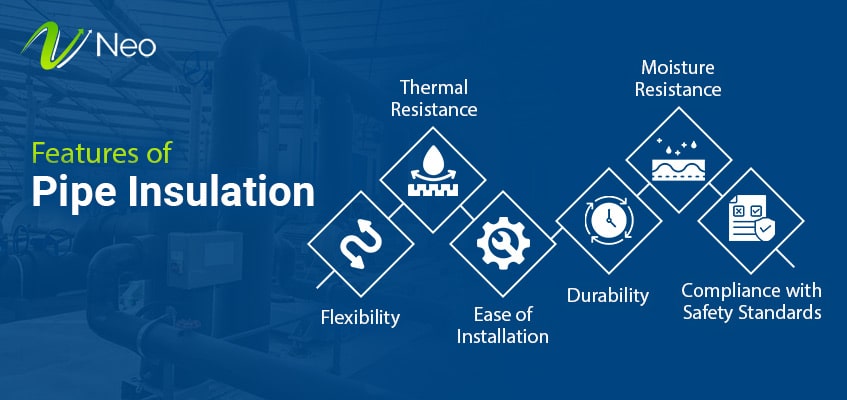
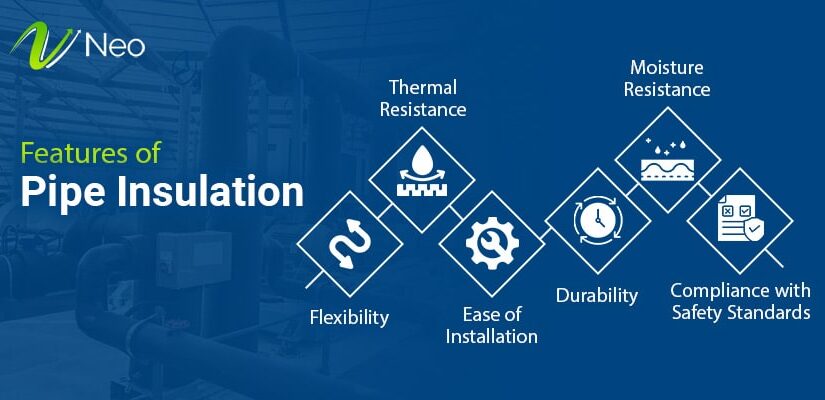
Features of Pipe Insulation

Pipe insulation boasts a range of features that contribute to its effectiveness in various applications:

Features of Pipe Insulation

1. Thermal Resistance

Pipe insulation has one main characteristic and that is its capability for thermal conduction. It ensures that the required temperature level of the fluid is maintained within the pipes, minimizes energy leakages, and promotes optimum productivity.

2. Moisture Resistance

Many of the quality insulation materials are inherently resistant to moisture. This characteristic is very important for avoiding condensation on pipes’ surface and avoiding corrosion and future damaging effects.

3. Flexibility

There are many types of insulation materials and a majority of them are meant to ensure that they are easily fitted around the pipework regardless of shape. The flexibility of the insulation also ensures that it fits perfectly on the item to be preserved, maximizing its performance.

4. Ease of Installation

Engineered pipe insulation materials are designed for easy fitting. Firstly, this element is critical because it reduces the cost of time, and labor hours, and makes insulation projects time-efficient.

5. Durability

Effective pipe insulation involves longevity as one characteristic. Durability requires the use of long-lasting materials that can endure the harshness of different surroundings, extending their protective capability and thermal effectiveness.

6. Compliance with Safety Standards

The piping installation meets various safety standards for reliability pipe installation. For this reason, the insulation services works not only about thermal control but it is meant to be used in a safe way to meet or even exceed the regulatory requirements for certain cases.

Types of Pipe Insulation Applications

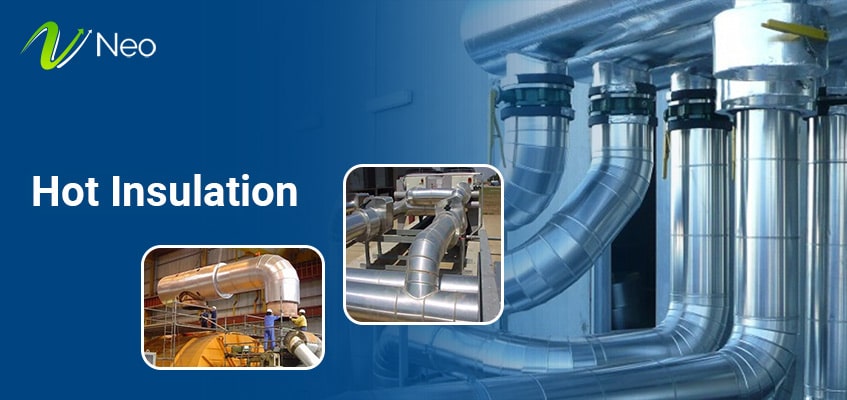
1. Hot Insulation

Hot Insulation

Hot insulation becomes essential especially where a minute change in temperature affects production operations and the economic competitiveness of industries; such as petrochemical plants. It was specially made to prevent any heat transfer from the pipe and thus maintain a constant temperature of the transporting fluid which is used for hot water pipe insulation.

The hot insulation provides both cargo and energy security.

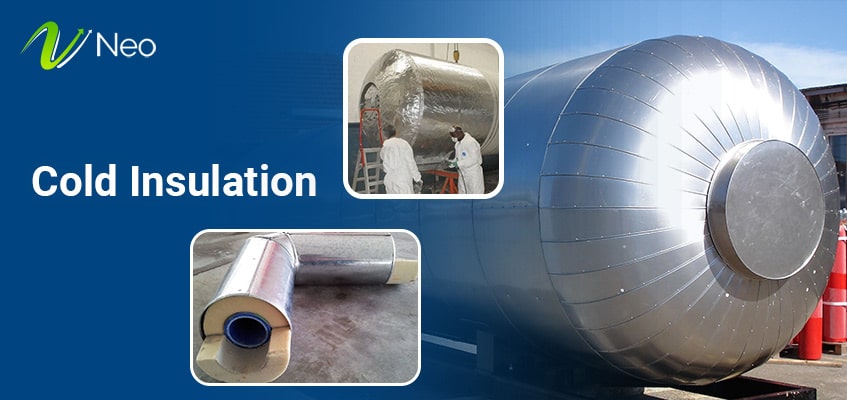
2. Cold Insulation

cold insulation

Pipelines conveying refrigerated substances/fluids should be insulated coldly. Condensing or cooling units are designed with the main aim of overcoming condensation, which is always encountered in cold systems.

In addition to sectors like food processing, pharmaceuticals, and cryogenics, proper AC pipes insulation is equally critical. Effective cold insulation not only prevents condensation and corrosion but also optimizes the efficiency of the cooling process in AC systems.

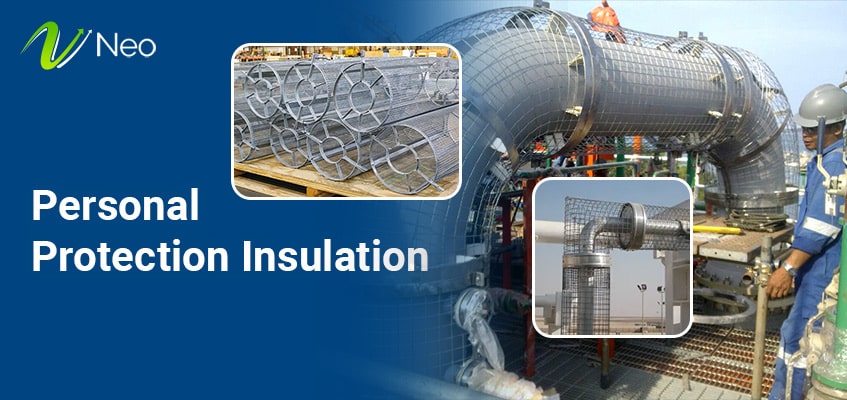
3. Personal Protection Insulation

Personal Protection Insulation

Personal protection insulation focuses on prioritization of personnel safety by limiting temperatures on pipe surfaces. This is a pipe insulation type that minimizes the chances of getting burnt or injured by reducing contact between people and hot or cold surfaces.

Human beings come into direct contact with various piping systems such as those used in the residential heating process and industries.

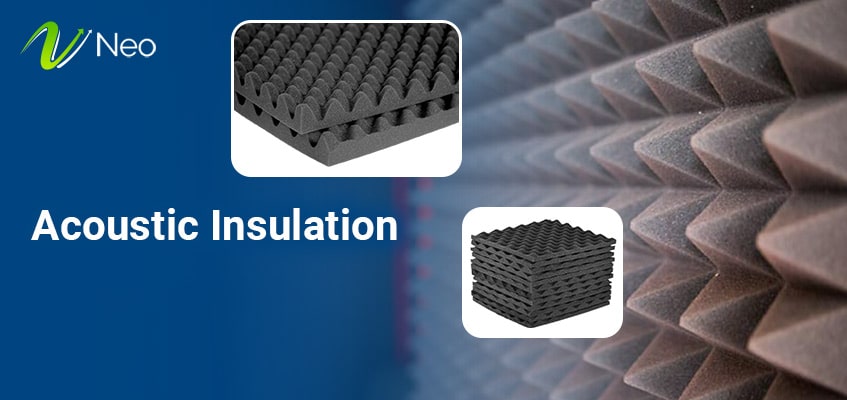
4. Acoustic Insulation

Acoustic Insulation

Noise reduction is a vital factor in some applications. The main function of acoustic insulation is to mitigate the fluid noise produced inside the pipes. Due to this fact, this form of insulation makes sense in places that are characterized by a high importance on acoustic privacy, for example, commercial buildings, apartments, or any other place with an imperative need to keep noise down.


The acoustic insulation is regarding comfort as well as a requirement that sound emission must be in line with noise regulations and standards.

Read Also: How Proper Home Insulation Can Save Your Bills & Energy?

Types of Insulation in Piping

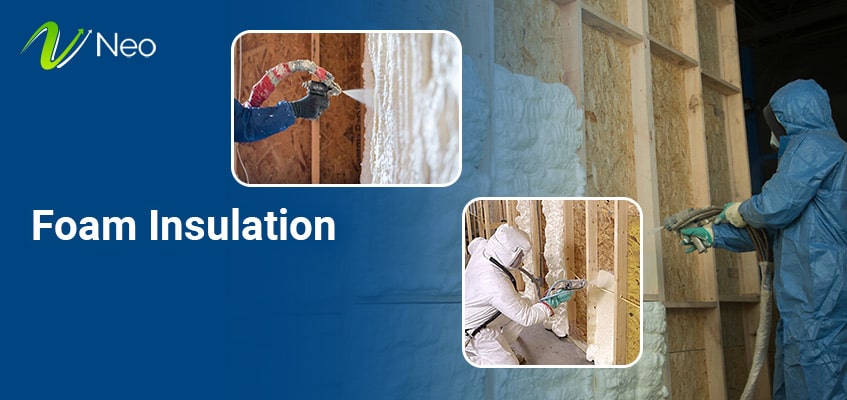
1. Foam Pipe Insulation

Foam Insulation

Polyurethane or polyethylene can be used to make pipe insulation white foam which has high thermal insulation properties and can be applied in any place. It is highly preferred due to its lightweight nature; hence it provides a better way of insulating various types of pipes within different fields.

Foam insulation is flexible, thus providing a good fitting for pipes of different diameters and configurations.

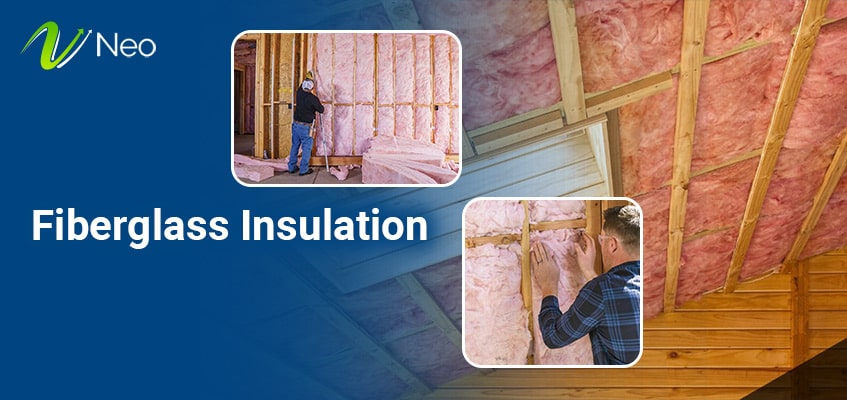
2. Fiberglass Insulation

Fiberglass Insulation

Fiberglass insulation is well known for good heat resistance quality as well as resistant and durable products in applications where efficient temperature control is required.

Used for piping insulation in hot scenarios, and is highly resistant to heat with an added perk of being resistant to corrosion, giving it a long life even in tough conditions.

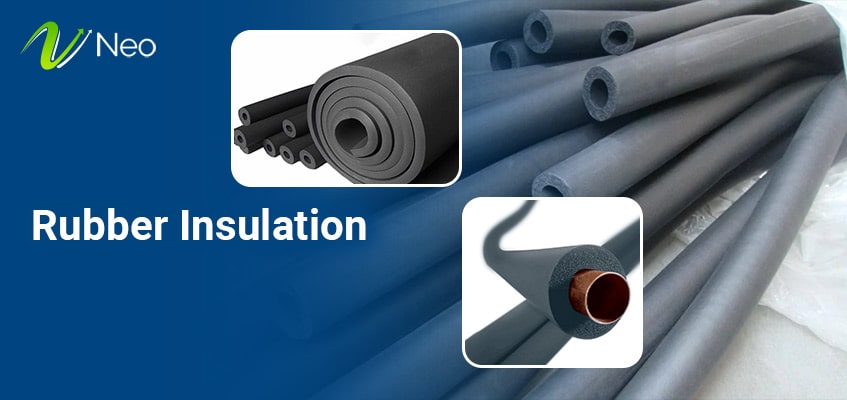
3. Rubber Insulation

rubber insulation

Rubber insulation is extremely versatile, making it suitable for both high- and low-temperature uses. Its ability to withstand moisture makes it a suitable choice for areas susceptible to water.

The rubber insulation acts as a barrier that protects against temperature changes, thereby ensuring proper working conditions for piping systems.

4. Mineral Wool Insulation

mineral wool insulation

Mineral wool insulation is made of rock fibers which are non-combustible and provide excellent thermal insulation besides sound dampening ability of mineral wool. It is a widely used solution in high-temperature environments especially where the demands of industry require the highest standard conditions.

5. Spray Foam Insulation

spray foam insulation

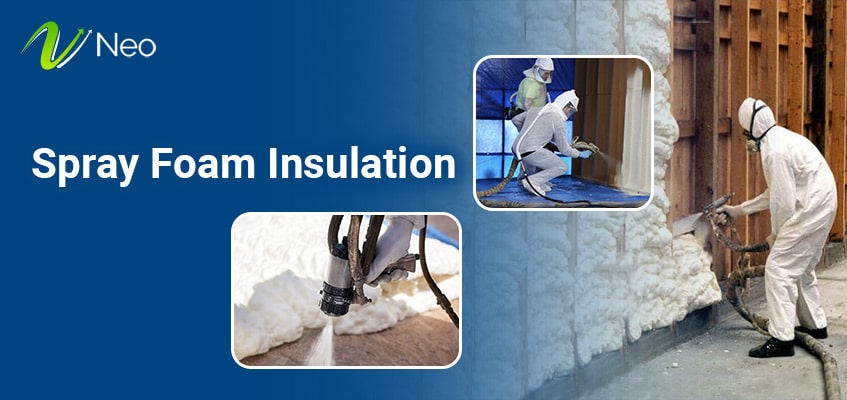
Spray foam is famous for being very flexible as applied as a liquid and expanding to form an airtight seal. It fills the voids perfectly creating one big homogeneous insulating plane ensuring efficient saving of energy.


It is flexible in terms of diverse pipeline arrangements and thus its use results in tight air-insulating options in homes and industrial plants.

Read Also: Wall Insulation: Materials, Types & Benefits

How to Insulate a Pipe?

There are basically two types of pipes that need to be insulated. The first one is indoor pipes and the other one is outdoor pipes. Here is the complete process for insulating both types of pipes in the easiest way-

Installing insulation in Outdoor pipes

  • First of all, make sure that all of your insulation materials and tools like foam, fiberglass, rubber, duct tape, zip ties, knife, and tape measures are at one place.
  • The water supply or any supply coming from the pipe should be turned off and the pipes should be dried off before applying the insulation. Then measure the dimensions of the pipes that need to be insulated.
  • Cut down the insulation according to the measured dimensions of the pipe, slide and wrap the insulation over the pipe, and thus secure the insulation by covering the gaps with tape or zip ties.
  • In the end, cover the pipe with weatherproof material like aluminum foil tape to prevent the external water from getting in.

Installing insulation in Indoor pipes

  • Similar to outdoor pipes, gather all the necessary tools and materials like foam, rubber, fiberglass, duct tape, zip ties, tape measures, knives, etc.
  • Then turn off the supply and make the pipes dry. Measure the dimensions of the pipes.
  • Cut the insulation material according to the dimension of the pipe, slide or wrap the material over the pipe, and make sure that it fits snugly.
  • Use duct tape or zip ties to secure any gap in the insulation.

How To Select the Right Pipe Insulation Materials?

The selected pipe insulation material for the pipe insulation depends on operational temperatures, the prevailing environment, and specialized application needs. Assess the thermal conductivity, moisture resistance, and degree of flexibility that are needed for your insulation system. Ensure the strength of the materials, ease of installation as well and safety.

A detailed assessment of these critical variables guarantees to choice of the appropriate steam pipe insulation material to promote energy conservation, minimize heat loss, and shield against unfavourable weather conditions in various business, trade, or home scenarios.

Schedule Your Piping Insulation Installation Today!

Why Choose Neo Thermal Insulation For Pipe Insulation?

When it comes to piping insulation, Neo Thermal Insulation comes as a trustworthy brand that promises the best in providing high-quality insulation materials. The company consists of experienced specialists who have worked in insulation industries for many years. At Neo Thermal, our aim is to ensure your utmost comfort and cost-effectiveness while remaining environmental sustainability. You can rely on us for top-notch insulation products in your project, guaranteeing long-term satisfaction and benefits.

Conclusion

Proper pipe insulation is critical for the efficiency, safety, and longevity of the piping system. With its wide choice of pipe insulation materials, no need is left unattended as each application gets the right level of thermal control and security. The selection of suitable materials in both hot and cold insulation, as well as in personal protection and acoustic insulation is crucial to get desired results in reliable piping systems. Neo Thermal Insulation is the right partner to ensure success and long-term comfort of outcomes while being environmentally friendly.

Frequently Asked Questions

1. What happens when the thickness of insulation on pipe exceeds the k value?

When the insulation on a pipe gets too thick, it starts to hit a point where adding more doesn’t help much. Instead of improving efficiency, it just costs more without giving many extra benefits. Plus, it can become tricky to install and maintain, and there might not even be enough space for all that extra insulation. So basically, it’s like reaching a limit where more isn’t better, it’s just excessive.

2. What are the benefits of pipe insulation?

Pipe insulation offers benefits such as energy conservation, prevention of heat loss or gain, protection against freezing, condensation control, and enhanced safety.

3. Which is the best material for piping insulation?

The best material depends on factors like operating temperature, environmental conditions, and specific application requirements. Common materials include foam insulation, fiberglass, rubber, mineral wool, and spray foam insulation.

4. What are the components of pipe insulation?

Pipe insulation typically consists of a material layer (foam, fiberglass, rubber, etc.) that provides thermal resistance and protection.

5. What are the different types of pipe insulation?

Different types include hot insulation, cold insulation, personal protection insulation, and acoustic insulation, each serving specific purposes in various applications.

Talk to us?

Download Brochure