Category: Roof Insulation

Smart Guide to Selecting the Best Building Insulation Materials for Your Project

If you have an establishment, then you will look for the roofing material to make sure it stands against time. While you are constructing a building, or a warehouse, make sure you keep certain things in mind as a priority, to choose Building Insulation Materials.

What Critical Factors Influencing the Choice of Building Insulation Material

  • Thermal Performance (R-factor): R-value is the measure of materials resistance to heat flow. The higher the value is the better is the performance. The thermal conductivity is a measure of how heat passes through it. You may choose the materials depending upon the climate zone and the building application work on walls, roofs and floors.
  • Moisture Resistance: Having moisture can reduce the effectiveness of insulation and cause structural damage to the walls. Some materials like the closed cell spray foam and extruded polystyrene (XPS) can resist moisture more than the fibrous types. They are important for rainy climates and below grade applications. They act as the best building thermal insulation material.
  • Fire resistance: The insulation materials have to meet the fire safety standards. There is various flame spread and smoke development ratings. Materials like the fibreglass and mineral wool has excellent fire resistance service. The foam plastics might require barriers or even fire retardants.
  • Acoustic performance: Cellulose and mineral wool are important in case where sound insulation is important. These could be the cases of school, offices and residential buildings. This factor plays an important role while the building stands near to the busiest junctions of the city with honking around.
  • Impact on Environment:  You can look for low-Voc, eco-friendly and recyclable materials. Some materials like cellulose and sheep wool can be recyclable options. Assessing embodied energy and carbon footprint for production and transport is doable. Recyclable materials are considered eco-friendly and are the first choice while deciding a buy.
  • Availability & Cost: You can evaluate the installation cost, initial cost and long-term energy savings options. The locally available materials often have a lower cost and have great environmental impact.
  • Maintenance & Cost: Some building insulation materials are installation friendly while others require professional aid. While installing there is requirement of easy handling, compatibility with existing structures and other maintenance needs.
  • Health & Safety: You must avoid materials releasing toxic fumes and other fibres. Untreated foams and glass fibres are required to be discarded. While installation, you should ensure proper ventilation and protective measures.
  • Longevity & Durability: Choose the materials in such a way that they can maintain performance over time but without any degradation. Foam boards and mineral wool used are generally long lasting but is stable dimensionally.
  • Building Code Compliance: Insulation materials must abide the codes of the local building as well as energy efficiency standards. ISO standardization must be maintained meticulously. The various requirements like fire rating, thickness an R-value should be maintained separately.
  • Maintenance & Installation: Some materials require professional installation, like stray foam, but others are DIY friendly materials. Batts, rolls are easy to install. You have to decide the friendliest measure of installation and also consider the cost required.

Exploring the Diverse Types of Building Insulation Materials

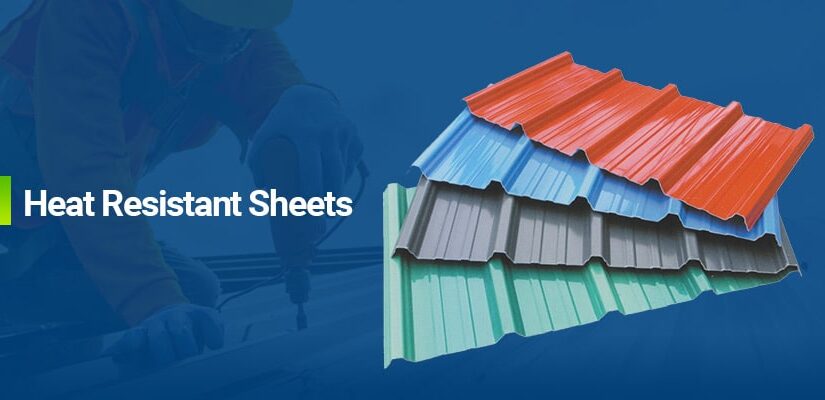
  • Heat Resistant Sheet: They are resistant yet don’t throw a lot of weight over your roof.
  • Heat Insulation Sheet: These products prevent the movement of high temperature from outside to the inside of the roof.
  • Air Bubble Insulation Sheet: The bubble insulation sheet is durable and easy to install. They vary in the range of R3 to R5.
  • Heat Insulation Sheet: The heat insulation sheet provides superior thermal protection and finds application on constructive, automotive and industrial settings. This assures temperature regulation.
  • Roof Insulation Sheet: The roof insulation sheet will enhance energy efficiency in buildings and they are adaptable for various roofing structures.
  • Roof Cooling Sheets: The roof cooling sheets help to maintain the temperature and regulate the flow of heat. This helps in maintaining a comfortable environment.

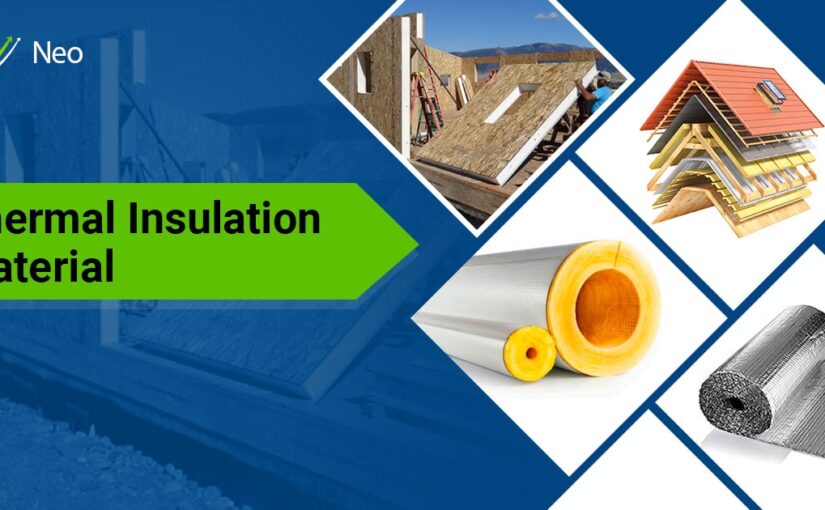
Types of Building Thermal Insulation Material

There are various types of building thermal insulation material. They are used in various kinds of industries.

  • Loose fill and blown in insulation
  • Roll & Batt insulation
  • Radiant barriers & reflective insulation
  • Foam in place and spray-form insulation.

Contact the technical team for an explanation of the best use of each of the categories mentioned and knows their uses in detail. Selecting the right kind of insulation and roofing material is the most significant act.

Advantages of Building Insulation Materials

There are various advantages of using building insulation materials. In case you invest in building insulation material, you will observe the following advantages.

  • Thermal insulation materials are manufactured from eco-friendly and recyclable materials. They maintain thermal efficiency without any emission of harmful gas or greenhouse gases. They secure a sustainable future.
  • The building insulation material will save the building from condensation. They increase the life-span of the insulated surface and save a lot on maintenance. The thermal insulation will ensure the building should remain mold-free for a very longer time.
  • The building insulation materials are efficient in reducing the external sounds. They come with sound proof technique and reduce the external disturbance to a large extent.
  • The thermal insulation material is known for their longevity and structural integrity. They are cost effective and can afford to bring down the hefty maintenance price.

Reasons customers prefer Neo Thermal Insulation

You can look for the best quality building insulation material, but yet trust Neo Thermal Insulation for delivering the product of your choice. They are a trusted brand and preferred by customers for various reasons.

  • They are renowned manufacturer and cater the requirement of clients serving high performance and high-density thermal insulation material.
  • They have expertise in skilled insulation contract and manufacture a wide range of products. The motto of the team is to convert indoor environment to a cozy space.
  • This is the first company in India to manufacture a 7-layer air bubble insulation of superior quality.
  • The insulation company provides materials across the country to various sectors like -domestic & commercial properties, warehouses, apartments, malls and fitness training centres.
  • The team of experts will analyse the requirements and suggest the best possible solution.

So, whenever you are in need of a building insulation material, you can check the best available quality, and sort out your purpose of investment. The requirements might vary from residential purposes to commercial properties, and a wide range of other categories.

Conclusion

If you are looking for building thermal insulation material, then opt for some professional help who can analyse your need and suggest a product accordingly. Taking care of your budget and requirement, you can choose the best product suitable for insulation of your establishment. After all, your roof deserves the best protection.

FAQ’S

1. Which type of building insulation material would you use for your school building?

You may use the 7-layer air bubble insulation for perfect acoustic protection in a school building.

2. How will you determine the thermal performance of a building material?

Thermal performance of a building material is mainly known by the R-factor.

3. Which building insulation material serves the best for moisture resistance?

Extruded Polystyrene serves the best in case of moisture resistance.

4. Which kind of building insulation material has the best fire resistance property?

Fiber glass and mineral wool have the best fire resistance property.

5. Which kind of building insulation material has the least impact in environment?

Low- Voc, eco-friendly and recyclable materials have the best impact on the environment.


Know the Benefits of using Under Deck Insulation Sheet & Aluminium Insulation Sheet

If you are looking for roofing solution for your home or factory, there are some key considerations that need to strategize. The aluminium panel will give ensure durability and remain watertight. The downspout system will be influenced by location. Generally these solutions move around under deck solution and aluminium sheet insulation.

Let’s have a detailed discussion on the types of insulation and the facts that make them worthy.

What is Under Deck Insulation?

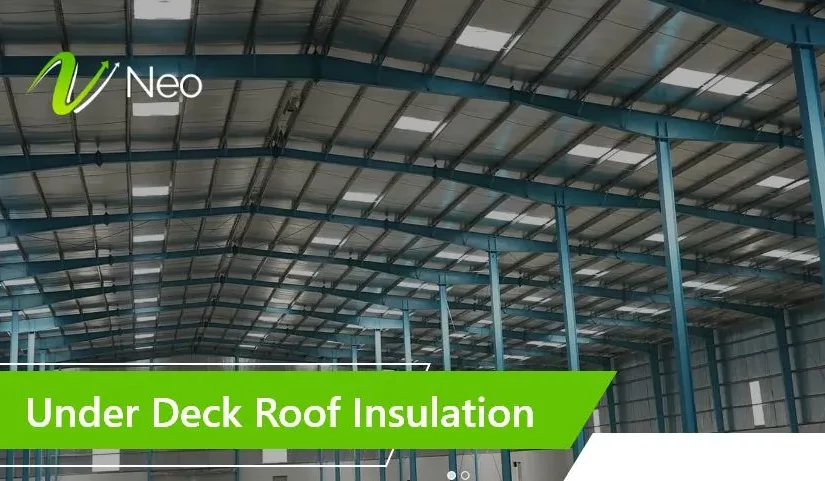
Under Deck Insulation is installed beneath the roof and just above the ceiling. This is installed with the help of neo air bubble thermal insulation, rock wool, glass wool and polyurethane foam and fixed under the concrete roof deck & all kind of roofing. They are sometimes supported with metal foils, metal fasteners and adhesives.

This insulation reflects and absorbs radiant heat and also reduces indoor temperature. They prevent condensation and improve energy efficiency.

What are the benefits of using Under Deck Insulation?

 1. Provides thermal comfort in summer:

  • There is prevention of direct heat from the roof radiating to the building lying below.
  • The heat is transferred through the roof surfaces and keeps the space cooler.
  • The load over the air-conditioning system is reduced as it maintains a stable temperature indoor.

2. Cost savings & energy efficiency:

  • The use of under-deck insulation will minimize heat gain in summer as well as reduce the heat loss in winters. The energy consumption of HVAC systems will reduce significantly.
  • The lower energy usage is used in reducing the energy bills.

3. Protection of roof & the building materials:

  • This will reduce the thermal pressure on the building materials thereby minimizing the cracks or any kind of warping caused due to thermal fluctuations.
  • The shelf-life of the roofing structures and the waterproofing materials.

4. Protection of building materials & roofing’s: This will prevent condensation of the roof deck and reduce formation of molds, mildew and even corrosion.

5. Insulation of sound: The under-deck insulation layer prevents the dampening of acoustic happening like rain, wind, traffic to the interiors of the home.

6. Environmental Benefits: The reduced energy consumptions lead to a lower carbon footprint. By controlling the temperature in summers and helping to retain the heat in winters, there is  an enhanced environmental effect.

How does Aluminium Insulation Sheet work?

The Aluminium Insulation Sheet works by reflecting the radiant heat instead of absorbing or conducting the heat. There is a thin aluminium foil layer on both sides and there is a core material like bubble wrap or polythene foam providing air gap and thermal resistance.

Here is a way on how the Aluminium Insulation Sheet works:

  • They have a low emissivity and the aluminium bubble surface reflects most of the radiant energy back. Only a part of the heat is absorbed or transmitted inwards.
  • Aluminium has a low emissivity, hence it reflects up to 97% of the radiant heat and 3% emissivity.
  • This reduces the solar heat from entering indoors and maintains lower air conditioning loads and energy bills.
  • They help to retain the warmth in winter as the reflective layer prevents to escape of heat, there by maintaining comfortable indoors.
  • The aluminium bubble insulation sheet works as a moisture and vapour barrier.
  • The aluminium layer is non-porous and stops moisture condition beneath the roofs. They prevent dampness in ceiling structure.

Maintaining an air gap between the Aluminium Insulation Sheet is suggested and that’s the best way to reduce heat transfer. This insulation is preferred because of the light-weight and ease of installation. Since metals are heavy, the use of aluminium will make it noise-proof during rains. This durable material and tops the list of metals used in construction.

What are the ways of choosing Aluminium Insulation Sheet?

You should follow the following steps to choose aluminium insulation sheet:

  • Identify the application: There are various types of applications like- roof insulation, wall insulation, under -deck insulation and duct/pipe insulation. Choose the sheets based on thermal reflectivity and good moisture resistance.
  • Checking the reflexivity and emissivity: Reflectivity is the parameter of measuring thermal performance.
  • Consider the thickness & layers: There are various requirements like single-layer aluminium bubble foil and double layered sheets. These can be used for wrapping small aluminium tasks and also ideal for roofing and under-deck usage.
  • Looking at the thermal resistance: Thermal resistance makes a difference. Higher the value, more it reduces the heat transfer through roofs and walls.
  • Moisture & Corrosion Resistance: You can opt for sheets with anti-corrosion coatings and laminated protective films mainly for the coastal areas. These sheets prevent the formation of mold and rust on the metal roofing.
  • Fire & UV Resistance: Have a look at the fire retardant and UV-stabilized material if used under the roofs or maybe open sunlight areas. You should check the ease of installation. Flexible and lightweight sheets are easy to cut and install. Preferring sheets with adhesive backing and roll format could be convenient.
  • Trusted brands & climate match: Check the certification of the sheets and see if they match the budget and climate. The combine reflective sheets with bulk insulation.

What are the advantages of Aluminium bubble insulation sheets?

Aluminium Bubble Sheets are a popular material for construction across automotive, residential, commercial, packaging and warehouse insulation industries. There are various reasons for preferring this.

  • Bubble Aluminium has light weight density and reduces the structural load or transportation costs.
  • They provide a protective oxide layer meant for protection from environment.
  • Bubble Aluminium conducts heat & electricity, thereby making it ideal for heat exchangers and insulation sheets.
  • This can withstand temperature fluctuations, UV exposure and also weather conditions.
  • Bubble Aluminium is easy for cutting and shaping and they allow versatile implicating as well as installation.
  • They are 100% recyclable and have an aesthetic appeal.
  • These bubble aluminium sheets are cost effective and have long lifespan along with low maintenance.

Looking for roofing solutions requires lot of considerations. In fact, you have to consider the climatic conditions and the environment. Opting for environment -friendly solutions will be the best possible way, but at the same time cost effectiveness is considered hugely. Effective solutions will add value to your home, and protect the structure from outside damage.

Improve Building Performance with Metal Roof Insulation

Metal roofs are widely used in industrial, commercial, and residential buildings due to their strength, durability, and low maintenance. However, metal is a high conductor of heat, which can lead to increased indoor temperatures, especially in regions with hot climates. The solution lies in metal roof insulation, a simple yet effective way to enhance energy efficiency and thermal comfort.

If you are looking for high-performance insulation materials, Neo Thermal Insulation offers specialized products tailored for metal roofing systems.

Why Metal Roof Insulation is Essential

While metal roofs are known for their longevity, they come with a common drawback poor thermal regulation. In summer, metal roofs absorb and radiate intense heat, making the interiors unbearably hot. In winter, they can cause heat to escape, leading to higher heating costs.

Installing metal roof insulation offers the following benefits:

  • Energy Efficiency: By preventing heat transfer, insulation reduces the need for air conditioning or heating systems, cutting down electricity consumption.
  • Comfortable Indoor Temperatures: A well-insulated roof helps maintain a stable internal climate, improving the overall comfort of the building.
  • Condensation Control: Insulation acts as a barrier against moisture and condensation, preventing mold, rust and water damage.
  • Noise Reduction: Insulated metal roofs also minimize noise from rain, hail and wind, providing a quieter indoor environment.

Ideal Materials for Metal Roof Insulation

Choosing the right material for metal roof insulation depends on the climate, building structure and budget. Neo Thermal Insulation offers cutting-edge reflective insulation products that are lightweight, durable and easy to install. These materials are specifically designed to reflect radiant heat, making them ideal for metal roofing systems.

Reflective insulation provides dual benefits it resists heat transfer while offering additional resistance to moisture, UV rays and fire. Neo Thermal’s insulation rolls are suitable for industrial sheds, warehouses, poultry farms and more.

Sustainable and Cost-Effective Insulation Solutions

Sustainability is now a top priority for many businesses. Neo Thermal Insulation manufactures eco-friendly products that are recyclable and free of harmful chemicals. This not only supports green building initiatives but also aligns with global energy-efficiency goals.

By investing in metal roof insulation companies and homeowners a like can benefit from long-term energy savings, reduced maintenance costs and improved environmental impact.

Why Choose Neo Thermal Insulation?

With years of experience in the insulation industry, Neo Thermal Insulation has earned a reputation for delivering reliable, high-quality products tailored for Indian climate conditions. Their solutions are trusted by industries across the country for their performance, durability and affordability.

From cold storage facilities to industrial sheds and metal roofs, Neo Thermal provides insulation materials that guarantee thermal efficiency and structural protection.

Conclusion

Whether you are managing an industrial facility or building a new structure, metal roof insulation is an essential investment for improving energy performance, comfort and sustainability. Partner with Neo Thermal Insulation to get the best insulation solutions for your roofing needs.

Top 10 Insulation Material Suppliers in Ahmedabad

When businesses and residential proprietors are looking for energy efficient and sustainable insulation solutions, thermal insulation materials are becoming a ray of hope. These insulating materials are the need of the hour. With rising energy expenditures, people need modern and economical solutions for their energy needs. Whether it is a commercial space, industrial setup, or residential property, saving on energy costs will benefit in the long run.

It is of the utmost importance to choose the right insulating material to get the maximum benefit. Right material at the right place will help you save a lot of money on your energy needs. However, for a common man it is not an easy task to choose the right kind of material for fulfilling its insulation needs, you need an expert supplier who can understand your requirements and give you the best material.

The city of Ahmedabad is also not an exception. This city is known for its industrial infrastructure. You will find a diverse range of thermal insulation suppliers here for your insulation needs. For your help we will give you an overview of the top 10 insulation material suppliers in Ahmedabad who offer contemporary and enduring insulating materials for your insulation needs.

Overview of Insulation Materials

Insulation materials are specially crafted and designed to reduce the flow of heat between the insulated surface and the surroundings. It creates a barrier against heat movement in the form of thermal energy. It helps in achieving the required interior temperature. These are extensively used in commercial shops, factories, warehouses and residential properties for increasing energy efficiency.

Insulation material offers resistance against heat flow and also provides a sustainable solution for lowering dependence on energy appliances for energy needs. It helps in reducing carbon footprints and global warming. Certain insulation materials are fire resistant and they reduce the spread of fire in case of accidents.

How thermal efficient a material is based on its R-value. The R-value represents the resistance offered by a material against heat flow. The higher the R-value, the higher the thermal insulation.

How We Chose the Top 10 Suppliers

We did comprehensive research and evaluated different insulation material suppliers in Ahmedabad on the following points:

  • The range of products offered and the quality provided
  • Feedback from the customers about the products and services given by the suppliers, including after-sale services.
  • Years of Experience in the industry and goodwill in the market.

Price offered by the suppliers for the products. Logistic support and timely delivery of the product by the supplier. Sell eco-friendly and recyclable products for sustainable solutions to the customers’ needs.

Top 10 Insulation Material Suppliers in Ahmedabad

Neo Thermal Insulation (India) Pvt. Ltd.

Neo thermal insulation is one of the best insulation material suppliers in Ahmedabad and all over India. They possess expertise in all kinds of thermal insulation materials like air bubble insulation sheets, aluminum foil insulation, reflective insulation sheets, etc. Neo Thermals designs and manufactures products for a variety of applications, including pre-engineered buildings (PEBs), warehouses, Agriculture, commercial spaces, residential buildings, industrial setups and power plants.

Email: info@neothermalinsulation.com
Website: www.neothermalinsulation.com

Aerolam Insulations Pvt. Ltd.

They are a known face in the field of reflective insulation sheets and XLPE insulation. Their thermal insulation solutions cater to a wide range of customers especially those who are looking for building insulation solutions.

Shree Gayatri Insulation Pvt. Ltd.

From ceramic to rock wool and duct insulation material, Shree Gayatri offers a range of insulation solutions to customers. While fulfilling the demands of the customers they make sure that quality and quantity will not compromise.

SMVK Engineering & Fabrication

SMVK Engineering & Fabrication is a famous name for providing different kinds of insulation material like glass wool and rock wool solutions. With experience in the domain they are serving clients across different cities in Gujarat including Ahmedabad.

SHRI J.J. FOAM INDUSTRIES

They provide durable and quality insulation materials to customers for a wide range of applications. The product offered by the company is long-lasting and economical.

Supreme Insulation

With years of experience in the domain, supreme insulation is specialized in providing polyurethane foam and rock wool insulation material. They cater to the demand of large power plants and industrial units.

Gujarat Insulation

This firm is famous for offering modern thermal insulation materials to industries. It is a trusted name among industrial clients for its quality and durable products.

Inner Engineering Products & Systems Pvt. Ltd.

This firm offers specially crafted thermal insulation solutions to clients for their specific needs. They serve a variety of sectors with their efficient and quality-proven thermal insulation materials.

SJ Insulation

For SJ Insulation customer satisfaction is their biggest profit. They primarily focus on excellence in providing high quality insulation material to the customers.

Reassert Technical Insulation

This firm has devoted itself to provide technical insulation solutions to the customers. They are frontrunner in providing thermal insulation solutions to industries like oil & gas, real estate power units, etc.

Types of Insulation Materials Available

Insulation material helps in maintaining the energy efficiency of a residential building, industrial setup, and commercial space. Depending on the components involved in the manufacturing of an insulation material, there are a wide range of insulation materials available.

Reflective Insulation:

The main component of the reflective insulation sheet is metal foil (commonly aluminum) placed on a surface made up of cardboard, plastic, etc.
Use:

  • It is used to insulate roofs and attics.
  • It is used to insulate HVAC ducts.

Advantages:

  • It is very effective against radiant heat transfer.
  • It is durable and easy to install.
  • It is very productive in hot climates.

Spray Foam Insulation:

It is made up of two chemicals, polyol resin, and isocyanate. These two chemicals are treated together to form this insulation material.
Uses:

  • It is used to insulate roofs, attics, walls, and crawl spaces.
  • It is used to insulate doors, windows, and other non-regular spaces.

Advantages:

  • It is effective in creating a barrier against the movement of air.
  • It has a high R-value.
  • It is resistant to moisture.

Vermiculite and Perlite Insulation:

The main constituent of Vermiculite is mica and perlite is glass obtained from volcanic activities. When these two substances are heated and treated together they form the insulation material.
Use:

  • It is used to insulate attics and walls.
  • It is used to insulate chimney walls in industrial setups.
  • It is used to insulate high-temperature equipment in industries.

Advantages:

  • It is fireproof.
  • It has a high R-value.

Buying Guide: How to Choose the Right Supplier

Before choosing a supplier pay attention to these points.

Evaluate your Requirement:

The first step to select an insulation material supplier is to evaluate your needs. Whether you want to insulate your house, warehouse, factory industrial unit, or commercial space. Every place has its requirements and costs. It also helps you determine what kind of material is most suitable for your use.

Pay attention to price:

Price plays a crucial role in completing any project. Compare prices offered by different suppliers in the market. Estimate your budget and choose the supplier who offers you the best service within your budget range.

Experience is important:

Suppliers with experience of the industry will guide you in the right direction. It knows the difficulties that may arise during the project and help you overcome them. With its experience he will help you choose the right material for your needs.
With experience, certification is also important. Choose a supplier who adheres to the norms directed by the government and holds the certificate required in the insulation industry.

Logistics and After-sale support:

Choose the supplier who can provide you with logistic support after sales. On-time delivery, skilled labor, and other support will make your insulation task very easy. After-sale support like regular inspection, timely maintenance, and crisis support will increase the life of your insulation material.

Conclusion

There are a variety of insulation materials available in the market choosing the right one is not child’s play. The right guidance and domain knowledge are essential to selecting the best fit for completing any insulation project. The above-mentioned top 10 insulation material suppliers in Ahmedabad are trusted vendors who are experts in the field. They help you get the quality material for your insulation requirements with after-sale and logistic support. If you are interested in choosing a cost-effective, efficient, and durable insulation material, then this guide will help you choose the right insulation material supplier.

Frequently Asked Questions

1. What is the most commonly used insulation material in Ahmedabad?

Various types of insulation materials are commonly used in Ahmedabad. Insulation materials like fiberglass, reflective sheets, aluminium foil insulation sheet, mineral wool etc. are some of the examples that are mostly used by residential, commercial and industrial units.

2. Do insulation suppliers also offer installation services?

There are many insulation material suppliers in Ahmedabad who provide installation services and make sure that material gets properly installed. These suppliers completely adhere with standards prescribed by the government for installation of insulation materials.

3. What are the price ranges of insulation materials in Ahmedabad?

Different insulation materials are available at different price ranges in Ahmedabad. The price of an insulation material is based on its type, thickness, R-value and use. For example fiberglass insulation ranges from ₹140–₹210/sq.m, Aluminum foil insulation ranges from ₹30–₹80/sq.m, ceramic fiber from ₹350–₹450/sq.m. To get the exact price of the material please visit the insulation material supplier.

4. Can I buy insulation material in bulk for a construction project?

It is feasible to buy insulation material in bulk for a construction project. All you need to do is to go to the insulation material supplier and provide him with the details of the project, he will help you in getting the right material in the right quantity as per your project needs.

5. Are acoustic insulation options available locally?

There are a variety of acoustic insulation options available in Ahmedabad. Materials like fiberglass, foam insulation, mineral wool etc. are some examples of acoustic insulation material. These insulation materials are readily available with insulation materials suppliers in Ahmedabad.

Top 10 High Temperature Insulation Materials

Handling extreme weather conditions is no joke, particularly in regions where the heat is intense. Because this kind of weather can damage your equipment, drive up energy expenses or even pose risks to safety. Maintaining a balanced indoor climate is more important than ever in such places. But how?

This is where high temperature insulation materials come in. They are the silent protectors that keep our systems running smoothly and provide a comfortable indoor temperature.

So, whether you are dealing with intense heat in a factory or trying to make your home comfortable, the right insulation material can be a game-changer.

Despite its numerous benefits, many people cannot find the right-fit insulation material due to the many options in the market. No worries!

This guide will dive deep into the top 10 high-temperature insulation materials, uncovering their unique benefits and helping you choose based on your needs.

By the end of this blog, you will know exactly which insulation material best fits to tackle intense heat weather.

What Are Insulation Materials?

Insulation materials are substances that resist heat flow. They act as a barrier between areas with different temperatures to keep heat out during summer or heat in during winter. For extreme heat situations, high-temperature insulation materials are used. These materials have special formulations to accommodate extremely high heat while maintaining their structural ability over time.

Top 10 High Temperature Insulation Materials

Here are the top 10 high-temperature insulation materials:

1. Heat Resistant Sheet

A Heat Resistant Sheet is designed to withstand high temperatures without being compromised in strength. It is the type of material you want in locations of constant heat exposure, such as rooftops, industrial areas or near heavy machinery. That combination of sheets typically includes layers of aluminum foil and layers of insulation foam, which provide a solid barrier that keeps heat out. They protect surfaces and equipment and help the indoors remain cooler, which can ultimately save you money on your cooling bill.

2. Heat Reflective Sheets

Heat Reflective Sheets do precisely what their name suggests—they reflect heat away. These sheets typically have shiny foil surfaces that bounce the sun’s rays back before they heat your area. Heat-reflective sheets are often installed on rooftops and walls, typically in areas with lots of sun. When heat is reflected away from areas, it dramatically reduces the ambient temperature inside, can lower indoor temperatures naturally, and help keep energy bills lower.

Schedule a Consultation to Upgrade your Home for Summer.

3. Air Bubble Insulation Sheet

Air Bubble Insulation Sheets have tiny sealed air pockets sandwiched between a reflective foil layer on either side. It helps prevent heat from transferring across them. In this manner, the air bubbles create a barrier and make heat transfer more difficult, while the outer foil reflects any radiant heat. The benefits of bubble insulation include its lightweight, easy application and use in roofs, warehouses and even ducts. Bubble insulation is also moisture-resistant. So, it works effectively in humid conditions.

4. Heat Insulation Sheet

Heat Insulation Sheets are adaptable products that stop unnecessary heat from coming in or escaping a space. They usually consist of a core insulation material and surfaces of foil on both sides. The flexibility in the style of the sheets is endless. They can be used in homes, factories, and indeed anywhere that helps you to have a constant, comfortable temperature inside a space. They work by keeping excessive heat out in summer or locking heat in over winter, and they do it very well. They will also help decrease your electricity bills.

5. Roof Insulation Sheet

Roof Insulation Sheets are specially made to stop heat from coming through the roof, where most heat gets into a building. They are often installed beneath the roofing surface and reflect much of the sun’s heat. This helps lower indoor temperatures naturally, making your home or commercial space more comfortable during hot days. It also helps protect the roof structure itself from long-term heat damage.

6. Thermal Insulation Material

Thermal insulation material refers to products designed to slow heat transfer. Thermal insulation materials can take many different forms (sheet, roll, and panel) and be installed in many applications in walls, ceilings, and roofs that help regulate and maintain pleasant indoor temperatures. Thermal insulation can be used to insulate a home, a warehouse or a commercial unit to trap warmth in winter and repel heat in summer, resulting in energy efficiency, decreased cooling and heating costs, and an improved climate indoors.

Protect Your Home from Extreme Temperatures – Get Expert Insulation Today

7. Aluminium Insulation Sheet

Aluminium Insulation Sheets are made of layers of reflective aluminium foil. Reflecting aluminium foil can help block radiant heat from passing through. They are common in buildings, ducts and HVAC systems to keep spaces cool and slow heat transfer. The aluminium surface reflects heat away, while the inside layers are fibreglass or other materials that provide insulating value. Since this product is also moisture-resistant, this is an excellent choice for most industrial and residential projects. The material is generally durable and light.

8. Under Deck Insulation

Under Deck Insulation is put directly below a roof surface, primarily for metal or RCC slab roofs. It stops the heat on the roof surface from transferring into the rooms below. This insulation represents a massive reduction in temperature for the interior, particularly during the height of summer. If you’re seeking to improve the comfort indoors and put less load on your air conditioning, this is worth consideration.

9. Building Insulation Material

Building insulation materials are installed throughout a building, from walls and ceilings to floors and roofs, and utilized to form a thermal barrier. They exist in many shapes based on where and how they are installed. Regardless of whether building a new building or renovating an old one, sound insulation maintains the interior temperature steady. It also improves energy efficiency, reduces utility bills, and makes it quieter and more comfortable.

10. Roof Cooling Sheet

Roof Cooling Sheets are designed to reduce how much heat your building absorbs from the sun. Roof cooling sheets work by reflecting sunlight away and stopping heat build-up from the sun on the roof surface. It can help when it comes to indoor air temperatures. Roof cooling sheets have been used in hot areas and are mostly seen on residential roofs, but also on commercial and industrial roofs. These sheets help cool the roof surface, so you reduce your air conditioning use and prolong the life of your roofing materials.

How to Choose the Right High-Temperature Insulation Material?

With so many great options, choosing the right insulation material can feel overwhelming. Here is what to consider before making your choice:

1. Application Type: Industrial vs. Residential

First, ask yourself – where are you going to use the insulation?

  • For industrial spaces like a factory, warehouse or machine room, you need insulation that can handle high heat and harsh conditions. Options like roof insulation sheets or under-deck insulation are built for this.
  • For residential space like your attic, garage or roof—you probably want something lighter and easier to install. Air bubble insulation or aluminium foil sheets are perfect here because they are simple, effective, and affordable.

2. Temperature Range

Each insulation material handles heat differently.

  • For high temperatures (above 1000°C), use strong materials like thermal insulation sheets, roof cooling sheets, or heat insulation sheets—great for factories or hot machinery.
  • For lower temperatures (like in homes), materials like air bubble sheets, aluminium insulation, or heat reflective sheets work well.

Always check the material’s heat limit to ensure it is safe and effective for your needs.

3. Moisture Resistance

Use insulation that does not absorb water if the area is damp or humid. Good options include air bubbles and aluminum insulation sheets, which resist moisture well. Avoid materials like regular roof insulation sheets in wet areas unless appropriately sealed—they can soak up water and lose their effect.

4. Durability and Maintenance

In places with high heat or rough conditions, like factories or rooftops, go for strong materials like heat-resistant sheets or thermal insulation sheets—they last long and need little maintenance. For less demanding areas, under deck insulation works well but may need occasional checks to make sure it is still in good shape.

5. Budget and Space Constraints

If you are on a budget, roof insulation and heat-reflective sheets are affordable and still do a good job. If you are short on space, try aluminium insulation sheets or roof cooling sheets—they are thinner, save space and work well, though they can cost a little more.

Conclusion

Finding the right high-temperature insulation material comes down to what you need it for. Whether you are working with super hot machinery, tight spaces, or just trying to stay comfortable, there is a material that fits all needs. Each material has strengths and benefits; you must determine which is best to ensure safety, comfort and energy efficiency. We hope this blog helps you explore the top 10 high-temperature insulation materials and key factors you can consider to pick the right one. Now, it is your turn to understand each insulation material and determine which fits best.

So, if you are looking for high-quality insulation materials, it is better to connect with a reliable partner like Neo Thermal Insulation, which has 15+ years of experience serving quality insulation materials at an affordable price. Contact us today!

FAQs

1. What is the best insulation material for temperatures above 1000°C?

Heat-resistant sheets and thermal insulation materials are ideal for extremely high temperatures (above 1000°C). These are built to handle intense heat and are commonly used in industrial settings like factories, furnaces, and processing units.

2. Are Air Bubble Insulation Sheets suitable for industrial use?

Air bubble insulation sheets are great for moderate heat and general use, but not ideal for high industrial temperatures. You will want to use heat-resistant or thermal insulation sheets designed to perform under extreme heat for heavy-duty applications.

3. Can insulation help reduce energy costs in factories?

Absolutely. Proper insulation like roof insulation sheets or under-deck insulation, helps keep temperatures stable. This means less load on cooling systems, which leads to lower energy bills and more efficient operation in industrial environments.

4. Which insulation materials are suitable for moisture-prone areas?

If you are dealing with humidity or damp areas, use air bubble insulation or aluminium insulation sheets. These materials do not absorb water easily, so they stay effective even in wet or coastal conditions.

5. Where can I buy high-quality, high-temperature insulation in India?

You can get reliable and affordable insulation materials from Neo Thermal Insulation. With over 15 years of experience, they offer a wide range of durable, high-performance insulation solutions for residential and industrial needs.

Attic Insulation: Complete Guide on Types & Benefits

Have you ever asked yourself why maintaining your indoor temperature level is difficult even after spending enormously on electricity bills in summers and winters? Well, the reason usually lies above your head – in your attic.

Your attic is one of the major reasons for heat loss during winter and heat gain during summer.

Ask yourself: Is your attic insulated? If not, you may be wasting money on electricity since it is a loophole that will not maintain your indoor temperature level.

But what if there was a simple way to fix this issue? Which is Attic insulations. It is an affordable solution to balance indoor temperature and save energy.

In fact, The Department of Energy estimates that proper insulation can save you between 10% and 50% on your energy bill. It can also stop things like ice dams and condensation from happening, which can ruin your roof and put you in the poor house for repairs.

However, most people are unaware of how attic insulation can benefit them. No problem!

This blog will discuss attic insulation, its types, advantages, how to insulate an attic, and its approximate cost.

What is Attic Insulation?

Attic insulation is a material placed in an attic to slow or reduce heat flow. It keeps indoor temperature balanced naturally and lowers energy costs. It blocks the loss of heat in winter and the gain in summer. It acts as a barrier between indoors and outside. It keeps the energies of the two apart and balances indoor temperature. The primary purpose of insulation is to enhance a building’s thermal efficiency while assisting in weather protection.

Types of Attic Insulation

If you’re looking to make your home more energy-efficient and comfortable throughout the year, attic insulation is a great place to start. A well-insulated attic can keep your home cooler in the summer, warmer in the winter and significantly lower your energy bills. But with so many options available, which type should you choose?

Let’s break down four popular and effective attic insulation solutions: Heat Resistant Sheets, Heat Reflective Sheets, Roof Insulation Sheets and Roof Cooling Sheets — and how each can help create a more comfortable living space.

1. Heat Resistant Sheet

Heat Resistant Sheets are designed to slow down the transfer of heat into your attic. Think of them as a thermal shield that keeps intense outside heat from seeping indoors. These sheets are often made from durable materials like fiberglass or mineral wool, which are known for their excellent insulation properties. They’re especially helpful in hotter regions where attic temperatures can soar, making indoor spaces unbearably warm. By adding this layer of protection, you reduce strain on your air conditioning, enhance indoor comfort and cut down on energy costs. Plus, they’re built to last, offering resistance to fire and moisture — making them a reliable choice for long-term use.

2. Heat Reflective Sheet

Heat Reflective Sheets work a little differently — instead of absorbing heat, they bounce it away. Made with reflective surfaces like aluminum foil, these sheets form a barrier that reflects radiant heat away from your roof and attic. If your home gets a lot of direct sunlight, this type of insulation can make a noticeable difference. It helps maintain a cooler indoor environment without overworking your AC. These sheets are lightweight, environmentally friendly and easy to install, making them a popular choice for homeowners looking to boost efficiency with minimal hassle.

3. Roof Insulation Sheet

Roof Insulation Sheets are a flexible and widely-used solution for insulating attics. Whether made from foam board, polyethylene, or glass wool, these sheets provide a solid thermal barrier between your roof and the living areas below. What makes them especially useful is their ability to perform well in both warm and cold conditions. Not only do they help regulate temperature, but they also reduce outside noise and can prevent moisture build-up. Whether you’re renovating your attic or building from scratch, roof insulation sheets offer a practical and long-lasting way to create a more energy-efficient and comfortable home.

4. Roof Cooling Sheet

If you’re dealing with intense heat, Roof Cooling Sheets could be a game-changer. These are specially designed sheets that reflect sunlight and minimize the amount of heat absorbed by your roof. Some versions also include cooling technologies or coatings that help dissipate heat more efficiently. The result? A noticeably cooler attic and living space, even on the hottest days. These sheets are perfect for homes in urban or tropical areas where heat build-up can be extreme. Aside from cooling your home, they can also help prolong the life of your roofing materials by reducing thermal stress. It’s a smart, sustainable choice that pays off in comfort and savings.

Schedule a Consultation to Upgrade your Attic Insulation.

How To Insulate an Attic?

Here are simple steps to insulate an attic:

Step 1. Collect Tools and Materials for Attic Thermal Insulation

Before you begin your attic insulation project, having all the materials and tools required is essential. It ensures that the process goes as smoothly as possible. Here is what you will need:

  • Insulation Materials
  • Utility Knife
  • Staple Gun
  • Ladder
  • Safety Gear
  • Sealing Materials
  • Measuring Tape
  • Additional Supplies

It ensures the insulation process goes smoothly and you are fully prepared to tackle the job.

Step 2. Inspect and Prepare the Attic

Make sure to inspect your attic well before adding insulation. Remove all the clutter and debris, and inspect for any issues, such as leaks, mold, or infestation. If there is even a small amount of moisture, make sure to have it repaired first. It is also necessary to verify the attic is ventilated correctly. Then, you will know your attic is clean, dry and appropriately ventilated. This will give you a firm foundation for your insulation to work well and last long. Mold and moisture can help the insulation work better and drain moisture away from your roof and attic space.

Step 3. Select the Appropriate Insulation Type

Choosing the appropriate insulation will depend on your attic’s needs, budget, and living location. The following breakdown is for you to choose the best for your use:

  • Roof Insulation Sheets: Expands to form an air-tight seal; ideal for energy efficiency.
  • Heat Reflective Sheets: Reflects heat, ideal for hot climates to conserve cooling.

Choosing the appropriate type of insulation will make your home more energy-efficient and cozy. Plus, it reduces heating and cooling expenses in the long run.

Step 4. Install Insulation

Start installing your chosen insulation by positioning it between attic joists. How you do this is:

  • For Batts/Rolls: Insert the insulation between the joists and push it in tightly. Avoid pushing the material in, as this will reduce its efficiency.
  • For Loose-Fill: A blower machine distributes the material evenly across the attic floor. Stress fills all gaps and corners.

Do not forget to provide adequate ventilation. Such as air spaces near the ceiling to prevent moisture build-up.

Step 5. Air Seal and Seal Leaks

Once you have installed the insulation, go back and caulk around air leaks. Check vents, pipes and where walls meet insulation. Fill cracks and gaps with weather stripping, spray foam or caulk. This will close the drafts, and your home will be warm throughout the year and energy-efficient.

Step 6. Review and Adjust

After the insulation is in place, you must inspect it to ensure it is correctly installed. Ensure the insulation is filled and covers all surfaces, including hard-to-reach areas around wiring or vents. If gaps are discovered, fill them with more insulation. Ensure the attic vents are clear to prevent moisture accumulation and ensure airflow balance.

Benefits of Attic Insulation

Here are some key benefits of attic insulation:

1. Increased Energy Efficiency

Insulation keeps your home warm by holding heat in winter and keeping it out in summer. It saves your heating and cooling systems from overworking. Plus, it makes your home energy efficient.

2. Saves You Money on Electricity

As insulation keeps your indoor temperature naturally stable, you do not need an HVAC system, so your electricity usage is lower and you save money.

3. Better Soundproofing

Insulation is a noise barrier. It reduces outside noise, such as traffic or noisy neighbours. It reduces inside noise from one room to another in your home. It is instrumental in loud or busy places, providing a quieter environment.

4. Comfortable Living

With the proper attic insulation, your house will have the same temperature year-round, which is warm in winter and cool in summer. This makes your home more comfortable.

5. Improve Indoor Air Quality

Insulation prevents allergens, dust, and moisture from entering your home. Thereby enhancing the indoor air quality. Insulation renders your family’s environment cleaner and healthier. It keeps out issues like mold and insect infestation.

6. Extend HVAC Lifespan

By using less heating and cooling systems. They will not need to work as hard to keep your home at a comfortable temperature. This prevents wear and tear. And keeping your HVAC system healthy for longer. Plus, it saves you money on expensive repairs or replacements.

7. Moisture Control

Insulation repels moisture from your attic. So that mold does not grow, and ice dams do not form, which can ruin your house and roof. This is especially necessary in colder climates, where moisture accumulation can destroy your roof and insulation.

Conclusion

Attic insulation is a simple and efficient way. Proper attic insulation will cut down your utility bills, make your home temperature comfortable, and prevent future house damage from mold or ice dams. We hope the above article has provided all the details you need regarding attic insulation, types, benefits, how to do it yourself and its rough cost. Now, it’s your turn to take action and insulate your attic for maximum benefit.

So, if you are planning for attic insulation and looking for the best insulation material, Neo Thermal Insulation is a trusted manufacturer with 14+ years of experience and is known for high-quality insulation materials at an affordable price. Contact us today to explore the best insulation materials!

FAQs about Attic Thermal Insulation

1. How to insulate an attic?

Here is how you can insulate an attic:

    • Clear the attic of debris.
    • Choose the insulation (fiberglass, spray foam, etc.).
    • Install the insulation between the joists.
    • Seal gaps around vents and cracks.
    • Ensure proper ventilation to avoid moisture build-up.

2. What is the best Attic Insulation?

Spray foam is the most efficient. It seals tight and has a long life. Fiberglass batts are cheaper and easier to install. You need to decide based on your budget and needs.

3. What do I have to do to insulate my attic by myself?

Please get rid of everything in the attic, choose your insulation and install it either between joists in your attic or decide to blow it in. Fill in holes and gaps with caulking or foam. Be sure to leave the vents clear in case any airflow is needed.

4. How does Attic Insulation work?

Attic insulation prevents the flow of heat. It helps to regulate your home’s temperature so that you do not warm or cold actively change or save energy.

5. What use is an attic?

An attic is used for storage and ventilation. An attic is where the insulation that works to stabilize your home’s temperature is located.

Aluminum Foil Insulation(Price & How to Install)

When it comes to finding an effective way to keep your home’s temperature balanced then Aluminum foil insulation is one of the best solutions. It’s an affordable, easy-to-install material that helps keep your home cooler in the summer and warmer in the winter.

Despite its numerous benefits, many people aren’t aware of the true potential of aluminum foil insulation. No worries!

So, if you’re trying to lower your electricity bills or want a cost-effective way to maintain your indoor temperature, this blog will help you find an easy way.

In this blog, we will understand everything about aluminum foil insulation, its benefits, how you can install it and its estimated cost. Let’s dive in!

Benefits of Using Aluminum Foil Insulation

Here are some key benefits of using aluminum foil insulation:

1. Energy Efficiency

Aluminum foil maintains your home at a pleasant temperature. In the summer, it bounces the heat back off of you. So, things remain cooler. In the winter, it keeps the warmth in. This saves you money and energy by minimizing your heating and cooling requirements.

2. Cost-Effective

It is an affordable method to insulate. Aluminum foil is a great purchase for increasing energy efficiency without having to pay a lot of money upfront. It is cheap and it saves on long-term energy costs.

3. Easy Installation

Aluminum foil is lightweight and it is simple to install. It can be trimmed easily to fit into tight spaces and most individuals can install it. It is a cost-saving labor option that you can do yourself.

4. Moisture Resistance

Aluminum foil is not absorptive and is a vapor barrier. This will keep mold from developing and guard your home against water damage. It is especially in damp places such as basements or attics.

5. Durability

Aluminum foil is also long-lasting. It would not corrode, rust or deteriorate over time. So you would not need to replace it as often. It can last for decades, delivering long-term performance.

6. Versatility

You can put aluminum foil insulation in almost any area. It may include attics, walls, floors, ceilings and even ducts. It is a great option for homes, businesses and even industry. Its pliability makes it easy to apply in almost any area.

Different Ways to Use Aluminum Foil Insulation?

Whether it is floor, roof, walls, attics, or HVAC ducts, aluminum foil has numerous uses. The sheet will be your best partner in the fight against thermal inefficiency, moisture and structural damage. The variety of applications of aluminum foil insulation are listed below.

1. Walls:

It is very easy to install insulation sheets on walls and between wall studs because of its durability and flexibility. It can be precisely attached to the interior and exterior surfaces of the wall. It have air bubbles trapped between two metallic layers that prevent heat loss and gain using walls. It also serves as a barrier against moisture and prevents water vapors from causing damage to the walls.
Looking To Insulate Your House?

2. Roof:

Aluminum Insulation Sheet is one of the best methods to prevent heat loss through walls. It can be applied either under roof rafters or on the roof deck to create a blockade against radiant heat transfer. It reflects away the solar heat to keep interiors cool and lessen the cost spent on electric appliances. It also prevents mildew and mold growth.

Seeking a Reliable Thermal Insulation Company?

3. Floor:

Heat loss through floors is a serious concern for many people. However, installing it over and under floors will help in improving overall efficiency. It is more beneficial for places with raised floors and buildings where unheated spaces are present like basements and crawls. Aluminum foil for heat insulation helps in maintaining the desired indoor temperature and enhances energy efficiency as it evenly distributes heat.

4. Ceiling:

It can be effectively used for insulating ceilings and prevent thermal loss. It acts as a barrier between the ceiling surface and surroundings and curtails radiant heat transfer. Additionally, it inhibits moisture and vapor from entering through the surface and damaging the structure. It aids in maintaining comfortable indoor temperatures and lessens the load on electronic appliances.

5. HVAC duct:

Heating, ventilating, and air-conditioning ducts provide space for heat loss and gain through air entering the duct. It is necessary to insulate these ducts to ameliorate thermal efficiency. Apart from this, the aluminum insulation also restrict the implication caused by condensation on the surface of ducts.

6. Pipes:

Hot and cold water supply pipes need to be insulated to prevent heat loss and heat gain. It checks water pipers from becoming too cold in winter and too hot in summer and helps in maintaining desirable water temperatures in all weathers. It also reduces energy consumption.

7. Windows and Doors:

Openings like windows and doors need to be insulated to maintain appropriate indoor temperature. Aluminum foil that is Heat Reflective Sheets should be installed on the window and door frames. This curtails radiant heat transfer between the room and the surroundings and unwarranted air leakage.

Step-by-Step Installation Process of Aluminum Foil Insulation

Below are the easy steps to install the aluminum foil insulation:

Step 1. Clear the Area

Before you begin, make sure the area is dry and clean. Clear out any obstructions, debris, or dust. Make sure there is no mold, leaks or moisture. And resolve these issues first to give the insulation a chance to do its job. Proper ventilation must also be ensured to prevent moisture build-up. This is especially true in tight spaces such as attics.

Looking To Insulate Your House?

Step 2. Trim and Measure the Foil

Measure the area to be insulated, such as a wall or attic. Then, cut the aluminum foil with a utility knife or scissors to the appropriate sizes. Measure carefully to achieve the right fit so that the foil will fit snugly in position without shortage or surplus.

Step 3. Place the foil carefully

Once the foil is trimmed, place it in position. For attics, put the shiny reflective side outward to reflect heat. In walls or ducts, push the foil tightly into corners and edges without wrinkles. Overlap seams as necessary to seal openings.

Step 4: Secure the Edges

Once you have positioned the foil, tape or stick the edges down with adhesive, ensure the edges are well-stuck and without any gaps, as this will impair the efficiency of the insulation. Ensure that the foil is well-stuck and smooth.

Step 5. Review and Finish

After you have installed the foil and locked it, double-check to make sure that everything is properly installed. Inspect for wrinkles or loose spots that might have formed during installation. If all goes well, your aluminum foil insulation is complete.

Pricing for Aluminum Foil Insulation in 2025

Pricing for aluminum foil insulation depends upon a variety of factors. Factors like location, the complexity involved in the installation, quality of the material, market demand and supply are some of the main points that impact the pricing for aluminum foil insulation.

Location:

Location plays a very vital role in determining the prices of aluminum foil insulation . The prices vary according to different countries and regions. Additionally, local market factors like manufacturing costs, transportation overheads, standard of living, and construction rates have an important say in fixing prices. The prices are higher in the regions where availability is low and demand is high and vice-versa.

Complexity in Installation:

Installation complexities affect the overall price of aluminum foil for heat insulation. If specialized skills, equipment, and additional materials are required in the installation process then the cost of the overall project goes up. Other factors like the total area required to be covered and accessibility also affect the price. Sometimes unique challenges also affect installation complexity and price.

Quality of the Material:

What kind of aluminum is used and what is the thickness of the sheet affects the cost. High-quality material with high durability and flexibility is sold at high prices. Material with exceptional thermal properties with moisture and fire resistance impacts the pricing of aluminum foil insulation.

Market forces:

Market forces, demand, and supply affect the pricing of aluminum foil insulation. When demand is high (during peak construction period) and supply is less then the price of the material goes up. However, when demand is low and supply is abundant then the price of the material goes down, and in this kind of period, suppliers try to adjust the prices so that customers get attracted.

Brand:

The reputation of the supplier and the authenticity of the brand have much to say in the pricing of aluminum foil for insulation. Brands that are established in the market and have an effective performance track record command high prices in comparison with local and less-known suppliers. Established brands also provide on-time customer support and expert guidance, these factors offer peace of mind to the customers and assurance regarding the product.

Quantity:

If insulation sheets are purchased in bulk or ordered in large quantities then suppliers will offer large amounts of discount. When construction companies buy under wholesale pricing it costs them less in comparison to purchases when an individual buys it in small quantity.

Seeking a Reliable Thermal Insulation Company?

Seeking professional help when insulating with foil is worth it to avoid costly mistakes. So, if you are looking for a good thermal insulation firm, then here are some key factors to watch out for:

1. Experience and Expertise

Select an experienced company, particularly if you are using aluminum foil. Professional companies understand how to install insulation correctly. They can take care of any issues that arise, ensuring the job is done once.

2. Quality of Materials

Not all insulation materials are equal. Higher-quality materials are stronger and work better. Ensure that the company uses strong insulation foil that reflects heat and maintains your home warm throughout the year.

3. Project Portfolio and Case Studies

A good company should show prior work. This helps you see what they have done and if they have done work like that. You can look through their portfolio to see the kind of work they can accomplish.

4. Customer Reviews and Testimonials

Read feedback or ask for testimonials from past clients. You will be satisfied with your choice after listening to what others have to say. Good feedback gives you confidence that the company does great work.

5. Cost and Budget

Get quotes from different companies and compare prices. Make sure the quote falls within your budget and also ask for any extra charges. A good company will provide you with a clear, itemized quotation and perhaps offer a warranty.

6. Communication and Customer Service

Good communication is important. Select a company that is simple to contact and responds to calls/questions in a timely manner. Open communication keeps the project progressing, and you’re kept informed. Excellent customer service indicates they value your satisfaction.

Neo Thermal Insulation is a one-stop platform for those who are looking for high-quality insulation material at affordable prices. Contact Us today!

Conclusion

Overall, Aluminum foil insulation is an affordable way to keep your home comfortable. It helps keep your house cool in summer and warm in winter without spending time naturally. We hope this blog helps you understand the role of aluminum foil insulation, its benefits, the factors to finding a company, and the steps to install aluminum foil insulation with its estimated cost. Now, it’s your turn to find an experienced thermal insulation company and let the professional install high-quality aluminum foil insulation at an affordable price.

FAQs

1. How long does aluminum foil insulation last?

Aluminum foil insulation is durable and can last for many years. It is often up to 20 years or more. It mainly depends on the conditions in your home. It does not rust or degrade over time. So you would not need to replace it frequently.

2. Can aluminum foil insulation be installed DIY or should it be professionally done?

Yes, aluminum foil insulation is easy to install and can be a DIY project if you are comfortable with basic tools and measurements. Then, you can do it yourself. However, if you are unsure, hiring a professional ensures it is done correctly and efficiently without a costly mistake.

3. What are the environmental impacts of using aluminum foil insulation?

Aluminum foil insulation is relatively eco-friendly. It is made from recyclable materials. And it helps reduce energy consumption by improving your home’s insulation. However, like any product, it is important to dispose of it properly when replacing it, as aluminum recycling is key to minimizing its environmental impact.

Heat Resistant Sheet For Roof – An Ultimate Guide

Since the summer season is worst in June and July, the climate becomes unbearable. It is especially tough for the places where the summer season is extended, hot, and often accompanied by high humidity.

At this point, we all start seeking ways to escape this heat using electrical appliances and spending a lot of money on electricity. Is that the best way, though?

This is where heat resistant sheet for roof step in. These cutting-edge materials work as an incredibly effective barrier. They reflect the sun’s heat away from your house and keep your interior cozy. No matter how extreme the temperature is outside.

So, if you live in a warm place, you know all about the frustration of trying to cool down in your home. But not anymore!

Heat-resistant sheets are not just about comfort. They can also extend the life of your roof, lower your energy bills and make your home eco-friendly.

This blog will discuss heat-resistant sheets, their benefits and types and where you can find the best heat-resistant sheets for roofs at a reasonable price.

What is a Heat Resistant Sheet For Roof?

A heat resistant sheet for roof blocks excessive heat from entering a building. It keeps houses cool during summer and warm during winter. It saves money on heating or air conditioning and optimizes energy efficiency. The sheets are long-lasting, weather-resistant and shield roofs from high temperatures.

Different Types of Heat Resistant Sheets for Roof

Here are some popular types of heat-resistant sheets for roofs:

Metal Roofing Sheets

Metal roofing sheets are made from steel or aluminum. They are durable and heat resistant. They reflect heat away from your home. It helps to keep it cooler in the summer. When appropriately coated, these sheets last long, handle harsh weather and resist corrosion. They are a popular choice for both homes and businesses.

Polycarbonate Sheets

Polycarbonate sheets are heat-resistant and long-lasting. They admit light into skylights and patios. They have UV protection, making rooms cooler and secure. Their heat resistance and flexibility make them easily adaptable.

Get Your Heat Resistant Sheet For Your Roof Today!

Fiberglass Insulation Sheets

Fiberglass sheets are made from glass fibers. They are excellent at keeping the indoor temperature balanced. They provide excellent thermal insulation. It makes them ideal for summer and winter. Often used in commercial and industrial buildings. Because fiberglass sheets are durable and offer long-lasting protection against heat.

Reflective Aluminum Foil Sheets

These heat reflective sheets have a layer of aluminum foil. They reflect heat away from your building. They are lightweight and very effective in hot climates. It helps to lower indoor temperatures. Reflective aluminum sheets are great for improving energy efficiency. Plus, it reduces the need for air conditioning.

Benefits Of Using Heat Resistant Sheet For Roof

Here are some significant benefits of using heat-resistant sheets for roofs:

Improved Energy Efficiency

Heat Resistant Sheets maintain consistency at home temperature by reducing heat transfer. Your air conditioner runs less in summer and your heater runs less in winter. It saves energy and reduces electricity bills.

Enhanced Durability

Such sheets are long-lasting, withstanding rough weather conditions like rain, snow and sun. Proper maintenance means they can last for decades, with less requirement for repairs or replacement.

Cost-Effective

While the initial cost of heat-resistant sheets is higher than regular roofing materials, they help you save money in the long run. By improving energy efficiency and reducing maintenance needs, you will see savings on energy bills and fewer repairs, making them a wise investment.

Moisture Resistance

Heat-resistant sheets are also waterproof, preventing absorption and penetration by water. They safeguard against water leaks, damage and mold growth on your home and roof, making them safe and dry.

Noise Reduction

Some heat-resistant sheets, like those made from foam or specific insulation materials, can reduce outside noise. They help block sounds from rain, wind or traffic, making your indoor space quieter and more peaceful.

Recyclable

Heat-resistant sheets are 100% recyclable at the end of their life. They can be melted down and remade into new materials. This renders them an environmentally friendly option. It assists in keeping waste down and helping the environment.

Get Your Roof Upgraded With Heat Resistant Sheets!

Why Choose Neo Thermal Insulation?

When it comes to finding the best heat-resistant roofing solutions in India, Neo Thermal Insulation stands out as a trusted manufacturer. We are known for high-quality insulation sheets at affordable prices. Our custom solutions meet the unique needs of each client.

Neo Thermal Insulation ensures that every product meets industry standards, offering reliable and efficient thermal insulation solutions. Contact Us Today!

Conclusion

Heat-resistant sheets for roofs are an excellent solution for keeping your home cool in the summer and warm in the winter. They not only help you save on energy bills but also extend the life of your roof, improve durability, and protect against weather-related damage. However, choosing the right type of heat-resistant sheet also matters to get the max out of it.

We hope this blog helps you understand everything about heat-resistant sheets, their benefits and where you can find high-quality sheets at an affordable price.

Now, it is your turn to take action; get in touch with experts and pick the best heat-resistant sheets to improve your home’s temperature control.

Frequently Asked Questions

1. What are heat-resistant sheets?

Heat-resistant sheets block or reduce heat from entering or leaving your home. They help keep your indoor temperatures comfortable, especially on the roof. These sheets are great for improving energy efficiency.

2. Which is the best heat-resistant sheet for the roof?

It depends on your needs, but metal sheets like aluminum or steel are great for reflecting heat and lasting long. If you are on a budget, polycarbonate or plastic sheets can also do the job for smaller structures.

3. Which heat-resistant material is used for roofing sheets?

Standard materials are aluminum, polycarbonate, fiberglass, ceramic fibers and polyethylene foam. Each one offers different heat resistance and insulation.

4. Why do you need a heat-resistant sheet for your home?

Heat-resistant sheets help keep your home cooler in summer and warmer in winter. They reduce your energy bills by lowering the need for air conditioning or heating. Plus, they protect your roof from damage and increase comfort.

Aluminium Foil Thermal Insulation Material

Are you tired of spending so much on electronic appliances to keep the house temperature balanced? You are not the only one.

Nowadays, the weather is worsening, and summer and winter seasons are at their peak. So, it is becoming hard to adjust to indoor temperatures.

What If I told you that you can reduce your electricity bills and have a natural temperature level in your home during seasons?

This is where aluminium foil thermal insulation material comes in. This lightweight, affordable material is becoming popular for homeowners, businesses and industrial spaces. It naturally keeps your space cool in summer and warm in winter.

However, many people didn’t know about the potential of aluminium foil insulation and its advantages.

This article will cover everything about aluminium foil insulation, its advantages, uses, forms and how to install it.

What is Aluminium Foil Thermal Insulation Material?

Aluminium foil insulation material is used to keep heat in or out of a space. It is made from thin sheets of aluminium that reflect heat away and reduce heat flow. It is an excellent choice for buildings and heating/cooling systems.

This insulation is made from thin aluminium sheets. Some versions have air bubbles or other materials to improve their heat-blocking ability. It can bounce away up to 97% of the heat. It also helps to keep your home cool in summer and warm in winter.

Keep your space cool in summer and warm in winter. Choose aluminium foil insulation now

Benefits of Using Aluminium Foil Thermal Insulation Material

Here are some key benefits of using aluminium foil for thermal insulation:

High Reflectivity and Low Emissivity

Aluminium foil reflects almost all the heat back. It prevents heat from entering your home during summer and warm during winter. It maintains the temperature in your region at a stable level.

Energy Efficiency and Cost Savings

Aluminium foil stops heat. So, your heating and cooling systems would not have to work. This reduces energy usage. It saves you money by paying less for your electricity. In the long run, you save money through less energy for comfort.

Lightweight and Easy Installation

Aluminium foil is simple to handle and is light. It is simple to fit, even in tight spaces, and is not bulky to transport. It is perfect for DIY use, simple to apply and saves money and time.

Resistance to Moisture, Corrosion

Aluminium foil is non-absorbent. So it would not become soggy or deteriorate in wet places, such as bathrooms and basements. It also does not promote the growth of mould. You do not have to worry about damage in wet conditions.

Eco-friendly and Recyclable

Aluminium foil is 100% recyclable. You can recycle it and make new things out of it. Aluminium foil insulation is green in the sense that it reduces waste and your carbon footprint.

Applications of Aluminium Foil Insulation

Here are some significant applications of aluminium foil insulation:

Residential Homes

Aluminium Insulation Sheets is applied to attics, roofs, and houses’ walls. It bounces heat away from outside in summer and retains heat inside in winter. This keeps the house warm and cosy, as well as electricity expenses.

Commercial Buildings and Warehouses

Aluminium foil insulation balances the temperature in offices and warehouses. It prevents buildings from getting hot in summer and warm in winter. This enables companies to provide comfortable working conditions. Plus, using a minimum amount of energy. It is quite important in large, spacious areas.

Industrial Facilities and HVAC systems

Aluminium foil protects equipment, ducts and pipes in industrial use. It maintains equipment at the right temperature to function efficiently. HVAC systems maintain air at the right temperature while flowing through ducts and systems.

Automotive and Transportation Sectors

Aluminium foil is also utilized in automobiles. It maintains the interior temperature constant. It is used to line regions such as the engine space to reflect the heat, cooling the cabin during hot conditions. This decreases the usage of air-conditioning. It enhances fuel economy and ensures a smoother ride. It is especially helpful in bad climatic conditions.

Agricultural Storage and Greenhouses

Aluminium foil insulation is used in agricultural applications. It reflects the sun, cooling greenhouses during summer and keeping them warm during winter. It ensures crops are developed in the best possible conditions. Stored vegetables and fruits are not subjected to changes in temperature.

Types of Aluminium Foil Insulation Materials

Here are three main types:

Single-Sided Foil Insulation

Single-sided foil insulation is coated on one side. The other side is usually a foam or another material that will be used to insulate. It is most commonly used when one side is used to reflect heat. It is easy to install and best for most of the usual insulation needs.

Double-Sided Foil Insulation

Double-sided foil insulation has reflective sides on each side. That is, it can reflect heat in two directions. It is ideal for areas where heat is radiating from multiple directions, for example, ceilings or ducts.

Bubble Foil Insulation

This insulation has layers of foil with air bubbles in between. The bubbles create extra insulation and reduce heat transfer. It is ideal for areas needing extra protection. It also helps with soundproofing.

Get a Free Quote Now! Let’s find the perfect insulation solution for your needs.

Installation Process for Aluminium Foil Thermal Insulation

Here is the step-by-step process to install aluminium foil insulation:

1. Collect Essential Tools and Materials

First, collect the essential resources:

  • Tape measure
  • Scissors or utility knife
  • Aluminium Foil insulation rolls
  • Strong adhesive tape
  • Gloves (optional)
  • Ladder (if needed for high areas)

2. Measure the Area

Use the tape measure to measure the space you want to insulate. This tells you how much foil you will need. Accurate measurements will help the foil fit perfectly.

3. Cut the Insulation Sheet

Now, cut the aluminium foil to the size you measured. Use scissors or a utility knife. Cut carefully for a clean fit.

4. Place the Foil

Lay the foil down in the space. The shiny side should face outwards, towards the heat source. Smooth the foil without wrinkles.

5. Secure the Edges

Use adhesive tape to hold the foil in place. Tape the edges and seams to make sure the foil stays secure.

6. Check for Gaps

Look over the insulation for any gaps between pieces. If you find any, adjust or add more tape to seal them. This ensures the insulation works appropriately.

Best Practices for Maximizing Insulation Performance

Some of the best practices to adopt are:

  • Install Insulation Correctly: Make sure that insulation is fitted tightly around ducts, pipes and openings.
  • Seal Air Gaps and Leaks: Seal windows, doors and cracks for air leaks. Use foam tape, weather stripping or caulk. Gaps make the heat escape. It reduces the insulation’s effectiveness.
  • Choose High R-Value Materials: Choose high R-value material. Such as aluminium foil insulation. The higher the R-value, the better it insulates your house during winter and summer.
  • Use Continuous Insulation: Insulate the entire building. Insulate walls, ceilings and floors. This is an excellent barrier to keeping heat in or out.
  • Provide Adequate Ventilation: Supply proper ventilation to crawl spaces and attics to prevent moisture accumulation. Fix exhaust fans in bathrooms and kitchens. It prevents mould and provides airflow.
  • Maintain Insulation in Working Order: Check your insulation for damage or deterioration. This is especially true in wet areas. Check for mould or moisture and replace damaged insulation.

Some Common Mistakes to Avoid While Installing Insulation

Following are some common mistakes to be avoided:

  • Incorrect Orientation of Reflective Side: Always ensure that the shiny side faces outwards, away from the heat. The inward-facing reflective side would not be able to block the heat, and the insulation wouldn’t function.
  • No Air Gap: Aluminium foil requires an air gap in order to work properly. The foil can not reflect heat properly without it, and your insulation will not be as effective.
  • Thin Foil: Thin foil can cause tears and diminished performance with time. Select a heavier, more durable foil that performs better at reflecting heat and lasts longer.
  • Inside the Window: Putting foil inside windows keeps the heat in. Always put it on the outside to reflect the heat and cool your house.
  • Installing Over Existing Insulation: Do not install foil over existing, damaged insulation. It would not perform as well. Upgrade or replace existing insulation first for optimum results.
  • Overlooking Ventilation Needs: Proper ventilation is essential. Without ventilation, moisture will build up, and mould will develop. Make sure that your attic spaces or crawl spaces have good ventilation.
  • Not Holding the Edges Properly: If the foil edges are not held properly, they will move or form gaps. Hold the foil with tape and avoid heat leaks.

Tips for Maintaining Aluminium Foil Thermal Insulation Material

Here are some valuable tips:

1. Regular Inspection and Cleaning

It is a good idea to check your aluminium foil insulation periodically. It might be dusty or dirty and therefore cannot reflect heat, so clean it with a cloth or vacuum every now and then. If you notice any minute tears, repair them immediately so that everything works just fine.

2. Repairing Minor Damages

If you notice small holes or punctures in your foil insulation. Then, do not wait to repair them. A small amount of aluminium foil tape can close them up in one go and allow the insulation to function as it should. Repairing small problems early saves large ones later.

3. Ensuring Proper Ventilation to Prevent Condensation

Ensure areas such as your crawl space or attic are well-ventilated. Water will deteriorate the insulation if there is too much of it. Ensure air reaches to flow through by adding a vent or exhaust fan and avoid condensation or mould.

Conclusion

Aluminium foil insulation is a great way to save energy and reduce bills. It keeps your home comfortable all year round, is easy to install, and resists moisture. We hope this guide helps you understand everything about aluminium foil insulation, its types, benefits and how you can install it efficiently to get the maximum benefits.

So, if you plan to install aluminium foil insulation, choose from a trusted manufacturer like Neo Thermal Insulation. It is a one-stop place to buy high-quality insulation materials at affordable prices. Contact Us today!

FAQ

1. How effective is aluminium foil insulation compared to other materials?

It is excellent at blocking heat, keeping your home cooler in summer and warmer in winter.

2. Can aluminium foil insulation be used in humid environments?

Yes, it would not absorb moisture or grow mould.

3. What is the lifespan of aluminium foil insulation?

It lasts a long time when installed properly.

4. Does foil insulation require any maintenance?

Not really. You can check for dirt or damage now and then.

5. Can it be used in both hot and cold climates?

Yes, it works well in both.

Heat Reflective Insulation Material

Heat Reflective Insulation is an advanced solution designed to reduce heat transfer by reflecting radiant heat away from a building’s interior. Unlike traditional insulation, which primarily slows down heat conduction, reflective insulation significantly minimizes heat absorption, making it highly effective in maintaining comfortable indoor temperatures.

Temperature control is a crucial factor in residential, commercial and industrial buildings, directly impacting energy efficiency and occupant comfort. Excessive heat gain during summers can increase cooling costs, while heat loss in winter can lead to higher heating expenses. By incorporating heat reflective insulation, property owners can achieve better thermal regulation, leading to cost savings and enhanced indoor comfort.

Key Benefits of Using Heat Reflective Insulation Material:

  • Energy Efficiency: Reduces reliance on heating and cooling systems, lowering energy bills.
  • Enhanced Comfort: Keeps interiors cooler in summer and warmer in winter.
  • Moisture Control: Prevents condensation-related issues such as mold and structural damage.
  • Eco-Friendly: Reduces energy consumption and carbon footprint.
  • Durability: Long-lasting with minimal maintenance requirements.

How Heat Reflective Insulation Material Works?

Heat reflective insulation works by reflecting radiant heat rather than absorbing it. Most reflective insulation materials feature a highly reflective surface, typically made of aluminum or other metallic coatings, which reflects up to 97% of radiant heat. This makes them particularly effective in environments with high sun exposure.

The insulation is installed on walls, roofs and attics to create a barrier that prevents external heat from penetrating a building while retaining indoor warmth during colder months. Unlike traditional insulation that relies on thickness and density to resist heat flow, reflective insulation primarily functions by redirecting heat energy away from the structure.

Types of Heat Reflective Insulation Materials

1. Reflective Foil Insulation

Reflective foil insulation consists of thin sheets of aluminum-coated material designed for high reflectivity. This type of insulation is lightweight, easy to install and highly effective in reducing heat transfer. It is often used in residential and commercial roofing, as well as industrial applications where heat management is crucial.

2. Heat Reflective Sheet

Heat Reflective Sheets are specialized insulation materials designed to offer superior thermal resistance. These sheets are composed of multiple layers, including aluminum foil and polymer-based substrates, to provide enhanced durability and efficiency. They are commonly used in industrial, commercial and agricultural applications.

3. Bubble Wrap Insulation

Bubble wrap insulation consists of layers of polyethylene bubbles sandwiched between reflective aluminum foil. The air pockets within the material act as an additional thermal barrier, enhancing the insulation’s effectiveness. This type is frequently used in attics, metal buildings and agricultural structures.

Applications of Heat Reflective Insulation

1. Residential Buildings

  • Used in roofs, walls and attics to reduce heat gain and improve indoor comfort.
  • Helps in lowering energy consumption and reducing air conditioning costs.
  • Ideal for homes in hot climates where excessive heat exposure is a concern.

2. Commercial and Industrial Use

  • Applied in warehouses, office buildings and manufacturing units to regulate internal temperatures.
  • Enhances workplace comfort and reduces operational cooling expenses.
  • Suitable for factories that generate high levels of heat from machinery and equipment.

Beat the Heat With Heat Reflective Insulation Material

3. Agricultural Buildings

  • Used in barns, poultry farms and storage sheds to maintain stable temperatures.
  • Prevents excessive heat build-up that can impact livestock health and productivity.
  • Reduces moisture-related problems that can lead to structural deterioration.

4. Cold Storage and Refrigeration

  • Helps prevent heat transfer in temperature-controlled environments such as cold storage warehouses and refrigerated trucks.
  • Ensures consistent temperature regulation, improving product preservation.

Benefits of Using Heat Reflective Insulation Material

1. Energy Efficiency

By reflecting radiant heat, heat reflective insulation reduces the need for excessive air conditioning during hot months and lowers heating costs during winter. This leads to substantial energy savings over time.

Improved Indoor Comfort

Maintaining stable indoor temperatures enhances overall comfort for occupants. Reflective insulation helps prevent overheating in summer and excessive cooling in winter, making living and working spaces more pleasant.

Moisture and Condensation Control

Reflective insulation prevents condensation from forming on surfaces, reducing the risk of mold growth and structural damage. This is particularly beneficial in humid climates where moisture build-up is a common issue.

Durability and Low Maintenance

Most reflective insulation materials are highly durable, resistant to corrosion and require minimal maintenance. Once installed, they can provide long-lasting thermal protection without frequent replacements.

Eco-Friendly and Sustainable

By reducing energy consumption, heat reflective insulation helps lower carbon emissions, making it an environmentally friendly choice. Many insulation materials are also recyclable, contributing to sustainable construction practices.

Installation Methods and Best Practices

Proper Placement for Maximum Heat Reflection

  • Reflective insulation should be installed facing an air gap to maximize its effectiveness.
  • Placement on roofs, attics and exterior walls helps in reducing direct heat penetration.

Sealing Gaps and Air Leaks for Improved Efficiency

  • Air leaks can compromise the effectiveness of insulation, leading to heat transfer.
  • Sealing cracks, joints, and openings around windows and doors enhances insulation performance.

Combining Reflective Insulation with Other Insulation Types

  • In colder climates, reflective insulation can be paired with traditional insulation materials like fiberglass or foam board to improve overall thermal resistance.
  • Hybrid insulation systems provide comprehensive temperature control throughout the year.

Conclusion

Heat reflective insulation material is an effective solution for reducing heat transfer, enhancing energy efficiency, and improving indoor comfort. With various materials available, including reflective foil, heat reflective sheets, and bubble wrap insulation, property owners can choose the best option based on their specific needs. Whether used in residential, commercial, industrial or agricultural settings, this insulation method offers significant benefits in terms of cost savings, sustainability, and durability.
By following proper installation techniques and combining reflective insulation with other insulation types when necessary, buildings can achieve optimal thermal performance while reducing their environmental impact.

FAQs About Heat Reflective Insulation Material

1. How does reflective insulation differ from traditional insulation?

Reflective insulation primarily works by reflecting radiant heat, whereas traditional insulation slows down heat conduction through thick materials like fiberglass or foam. Reflective insulation is more effective in hot climates
where radiant heat is a primary concern.

2. Can heat reflective insulation be used in cold climates?

Yes, it can be used in cold climates when combined with other insulation types. While it primarily prevents heat gain in warm conditions, it also helps retain indoor heat when installed correctly.

3. Is it suitable for both residential and commercial buildings?

Yes, heat reflective insulation is versatile and can be used in homes, offices, warehouses, and industrial facilities to improve thermal efficiency.

4. How long does reflective insulation last?

Most heat reflective insulation materials are highly durable and can last 15 to 50 years, depending on the quality of installation and environmental factors.

5. Does reflective insulation require special maintenance?

No, reflective insulation generally requires minimal maintenance. Occasional cleaning to remove dust and ensuring no air gaps or damage has occurred will maintain its effectiveness.

Talk to us?

Download Brochure