Category: Industrial Shed Insulation

Industrial Shed Insulation: A Complete Guide for Efficiency and Comfort

Industrial sheds are used a lot for making things storing stuff and doing business. These sheds are built to last. To make the most of the space inside.. People often forget about something very important and that is insulation. Insulation is really important because it helps keep the temperature inside the shed right it helps save money on energy and it makes the work go more smoothly. In this article we will talk about why shed insulation is important what the benefits are what materials can be used and how to install it. We will also give you some tips, on how to pick the insulation for your industrial shed. Industrial shed insulation is something that people should think about because it can make a difference.

Why Insulation is Essential for Industrial Sheds

Industrial sheds are usually made with metal sheets or prefabricated materials. These materials are really good at conducting heat. So during the summer industrial sheds get very hot. During the winter they get very cold. If you do not insulate these sheds it becomes very uncomfortable for the people who work there the machines and the things that are stored.

Insulation helps to keep the temperature inside the stable. It does this by stopping heat from moving from the outside in or the inside out. This makes it easier for people to work and for machines to run properly. It also helps to keep the things that are stored in the safe. Insulation also stops moisture from building up which can cause rust and damage to the things in the shed. Industrial sheds really need insulation to work properly and to protect the sheds and the things, inside them.

Key Benefits of Insulating Industrial Sheds

  1. Temperature Control

Insulation is really good at keeping the temperature inside the same all the time. When it is very hot outside in the summer insulation helps. When it is very cold outside in the winter insulation helps too. Insulation makes sure it is comfortable inside the shed. The temperature, inside the shed stays the same because of insulation.

  1. Energy Efficiency

Insulated sheds need energy to keep them warm or cool. This really helps cut down electricity bills. It saves you money over time. Insulated sheds are a way to reduce your costs because they use less energy, for heating and cooling.

  1. Improved Worker Comfort

A comfortable workplace makes employees more productive and safe. Workers feel better. Work more efficiently when it is not too hot or too cold. This helps reduce tiredness and heat stress.

  1. Protection of Equipment and Goods

Things, like machinery and the materials we store can get damaged when it is really hot or cold and when it is very humid. Insulation helps to protect these machinery and stored materials from getting damaged so they can last longer.

  1. Noise Reduction

Insulation materials are really good at blocking sound. They can make the shed a lot quieter by reducing the noise levels and they also stop sound from getting out. This means you will not hear much noise when you are inside the shed and people outside the shed will not hear the noise coming from inside the shed. Insulation materials are very useful, for this reason.

Types of Insulation Materials

So you want to pick the right insulation material. This is really important if you want everything to work properly. The right insulation material is essential, for getting the results. Here are some insulation materials that people use a lot:

  1. Glass Wool Insulation

Glass wool is made from glass that is melted down and turned into fibres. People like to use glass wool because it does not cost a lot of money and it helps keep things cool. Glass wool is also very light and easy to put in place. It is really good, at absorbing sound.

  1. Rock Wool Insulation

Rock wool is made from things like basalt. This rock wool is really good at stopping fires. That is why it is so good for places like factories where people need to be safe. Rock wool is the choice, for these kinds of places because rock wool can keep people safe.

  1. Polyurethane Foam (PUF)

PUF insulation is really good at keeping the heat out. It lasts a long time. People often use PUF insulation, in -engineered buildings because it works very well and you do not need a lot of it to get the job done. PUF insulation is great because it provides insulation even when it is not very thick.

  1. Reflective Foil Insulation

This kind of insulation is really good at keeping the heat out. It does this by reflecting the heat that comes from the sun, which makes it perfect, for places that get very hot. People often use this insulation in roofs to stop the house from getting too hot.

  1. Expanded Polystyrene (EPS)

EPS is a material for keeping things warm or cool. It does not weigh a lot. It does not cost a lot of money. The EPS material is really good at stopping heat from escaping. People often use EPS in the walls of buildings and, on the roofs of houses.

Installation Process

The effectiveness of insulation depends not on the insulation material but also, on doing the insulation installation correctly. Here are the key steps involved in the insulation installation process:

  1. Assessment of the Shed

Before you put anything in you need to look at the shed itself how you plan to use it and what the weather is like around it. This will help you pick the material to keep your shed warm or cool which is the insulation material, for your shed.

  1. Surface Preparation

The surfaces where insulation will be applied need to be really clean and totally dry. You have to get rid of any dust or moisture or debris, on these insulation surfaces. This is important so that the insulation sticks properly to the insulation surfaces.

  1. Installation of Insulation Material

The material we pick is put on walls or roofs. Sometimes, on both. This depends on what we need. We can fix the material in place using things that stick like glue. We can use things that hold it like nails or screws or we can use special systems that are made for this purpose. The chosen material is fixed in this way because it has to be secure.

  1. Sealing and Finishing

All the gaps and joints are sealed so that air does not leak out. When something is finished properly it lasts longer. The overall appearance of the thing looks really good.

Factors to Consider When Choosing Insulation

Selecting the right insulation solution requires careful consideration of several factors:

  • Climate Conditions: Hot, cold or humid environments require different insulation approaches.
  • Type of Industry: Manufacturing units, warehouses and cold storage facilities have varying needs.
  • Budget: Cost plays a significant role in choosing materials and installation methods.
  • Fire Safety Requirements: Some industries require fire-resistant insulation materials.
  • Maintenance Needs: Low-maintenance options are preferred for long-term efficiency.

Common Challenges and Solutions

  1. Condensation Issues

When warm air touches surface water starts to form and that is what we call condensation. To stop this from happening people use something called vapour barriers. They also make sure that the air can move around properly which is what we mean by proper ventilation. This really helps to prevent the problem of condensation.

  1. Improper Installation

When you have an installation it really reduces how well the insulation works. You should hire people who have a lot of experience so you can be sure the job is done right. This way you will get quality results from your insulation.

  1. Material Degradation

Things can go downhill over time. Some materials do not work well as they used to. You should pick materials they’re really good and check on them a lot. This helps with the problem of materials losing their efficiency. Materials that are high-quality are a choice. Regular inspections are also an idea to deal with materials that lose their efficiency.

Cost vs. Long-Term Savings

While insulation may seem like an additional expense initially, it is a worthwhile investment. The reduction in energy consumption and maintenance costs quickly offsets the installation cost. Businesses that invest in industrial shed insulation often experience significant savings over time, along with improved operational efficiency.

Sustainability and Environmental Impact

Insulation also contributes to environmental sustainability. By reducing energy consumption, it lowers carbon emissions and supports eco-friendly practices. Many modern insulation materials are made from recycled or sustainable resources, making them a responsible choice for industries.

Future Trends in Industrial Insulation

With advancements in technology, insulation materials are becoming more efficient and versatile. Smart insulation systems that adapt to environmental conditions are gaining popularity. Additionally, the integration of renewable energy solutions with insulation systems is expected to shape the future of industrial infrastructure.

Conclusion

Insulating an industrial shed is not just about improving comfort it is a strategic decision that enhances efficiency, reduces costs, and protects valuable assets. From temperature control to energy savings and environmental benefits, the advantages are substantial. By choosing the right materials and ensuring proper installation, businesses can maximize the benefits of industrial shed insulation and create a more productive and sustainable working environment.

FAQs

  1. What is industrial shed insulation?

Industrial shed insulation refers to the process of installing materials in a shed to reduce heat transfer, maintain temperature, and improve energy efficiency.

  1. Why is insulation important for industrial sheds?

It helps control temperature, reduce energy costs, improve worker comfort, and protect machinery and goods from damage.

  1. Which insulation material is best for industrial sheds?

The best material depends on your needs. Glass wool, rock wool, and polyurethane foam are among the most commonly used options.

  1. How much does it cost to insulate an industrial shed?

The cost varies based on the size of the shed, type of material, and installation method. However, it is generally considered a cost-effective long-term investment.

  1. Can insulation reduce noise in industrial sheds?

Yes, many insulation materials also provide soundproofing benefits, helping to reduce noise levels.

  1. How long does insulation last?

High-quality insulation can last for many years with minimal maintenance, depending on the material used.

  1. Is insulation environmentally friendly?

Yes, many insulation materials are eco-friendly and help reduce energy consumption, contributing to a lower carbon footprint.


Heat Reflective Sheet: A Smart Solution for Effective Temperature Control

In today’s world, managing heat inside buildings has become more important than ever. Rising temperatures, increasing energy costs, and the demand for comfortable indoor environments have pushed industries, warehouses, factories, and even homes to look for efficient insulation solutions. One such highly effective and widely used solution is the heat reflective sheet.

A heat reflective sheet is designed to reflect radiant heat rather than absorb it, helping to maintain stable indoor temperatures. Whether used in industrial sheds, warehouses, commercial buildings, or residential roofs, this insulation material plays a crucial role in reducing heat gain and improving energy efficiency.

What Is a Heat Reflective Sheet?

A heat reflective sheet is an insulation material made using reflective surfaces—often aluminum foil layers—combined with other insulating materials such as air bubbles, foam, or woven fabrics. Its primary function is to reflect radiant heat away from a structure, preventing excessive heat from entering during hot conditions and reducing heat loss in cooler environments.

Unlike traditional insulation that slows down heat transfer by trapping air, heat reflective sheets work by reflecting up to 95–97% of radiant heat, making them extremely effective in hot climates.

How Does a Heat Reflective Sheet Work?

Heat is transferred in three ways: conduction, convection, and radiation. In many buildings, especially metal-roofed structures, radiant heat is the biggest contributor to temperature rise.

A heat reflective sheet works by:

  • Reflecting radiant heat away from the roof or walls

  • Creating an air gap that further enhances insulation performance

  • Reducing surface temperature of roofs and walls

  • Minimizing heat transfer into the interior space

This results in cooler indoor temperatures and reduced dependence on air conditioning or cooling systems.

Key Benefits of Using a Heat Reflective Sheet

1. Superior Heat Reduction

One of the biggest advantages of a heat reflective sheet is its ability to significantly reduce indoor temperatures. In many cases, it can lower internal temperatures by 8°C to 15°C, depending on installation and building structure.

2. Energy Savings

By minimizing heat gain, the load on air conditioners and ventilation systems is reduced. This leads to lower electricity consumption and noticeable savings on energy bills over time.

3. Improved Comfort

Consistent indoor temperatures create a more comfortable working or living environment. This is especially important in factories, warehouses, and commercial spaces where heat can affect productivity and equipment performance.

4. Lightweight and Easy Installation

Heat reflective sheets are lightweight and flexible, making them easy to install on roofs, walls, and ceilings without adding structural load. Installation is faster compared to traditional insulation materials.

5. Moisture and Corrosion Resistance

Most heat reflective sheets are resistant to moisture, mold, and corrosion, making them ideal for long-term use in industrial and coastal environments.

6. Environmentally Friendly

By reducing energy consumption, heat reflective sheets contribute to lower carbon emissions, supporting eco-friendly building practices.

Applications of Heat Reflective Sheets

Industrial Buildings

Factories and manufacturing units often use metal roofs that absorb excessive heat. Installing a heat reflective sheet helps maintain stable temperatures and protects machinery from overheating.

Warehouses

Warehouses storing temperature-sensitive goods benefit greatly from heat reflective insulation. It helps maintain product quality and reduces cooling costs.

Commercial Buildings

Shopping malls, offices, and showrooms use heat reflective sheets to enhance comfort for occupants and customers while optimizing energy usage.

Residential Homes

In homes, heat reflective sheets are commonly installed under roofs to reduce indoor heat during summer, making living spaces more comfortable.

Agricultural and Storage Sheds

Heat reflective sheets are also used in poultry farms, cold storage units, and agricultural sheds to regulate internal temperatures.

Heat Reflective Sheet vs Traditional Insulation

Traditional insulation materials like glass wool or rock wool mainly slow heat transfer through conduction. While effective, they may not address radiant heat efficiently.

A heat reflective sheet, on the other hand:

  • Focuses on reflecting radiant heat

  • Works efficiently in high-temperature conditions

  • Requires less thickness for similar performance

  • Is cleaner and easier to maintain

Many modern buildings even combine reflective sheets with traditional insulation for maximum efficiency.

Factors to Consider When Choosing a Heat Reflective Sheet

  • Reflectivity percentage: Higher reflectivity means better performance

  • Durability: UV resistance and tear strength matter

  • Installation method: Roof, wall, or ceiling application

  • Climate conditions: Hot and humid regions benefit the most

  • Compliance with building standards

Selecting the right heat reflective sheet ensures long-term performance and cost-effectiveness.

Installation Best Practices

  • Maintain an air gap between the sheet and roof for maximum reflection

  • Ensure proper sealing to avoid heat leakage

  • Use quality fasteners and adhesives

  • Avoid direct contact with sharp metal edges

Professional installation can further improve insulation efficiency and lifespan.

Conclusion

A heat reflective sheet is a smart, cost-effective, and energy-efficient insulation solution for modern buildings. By reflecting radiant heat, it significantly reduces indoor temperatures, lowers energy consumption, and enhances comfort across residential, commercial, and industrial spaces. Its lightweight nature, durability, and ease of installation make it an ideal choice for anyone looking to improve thermal performance without major structural changes. Investing in a heat reflective sheet not only saves money in the long run but also supports sustainable and eco-friendly building practices.

Frequently Asked Questions (FAQs)

1. What is the main purpose of a heat reflective sheet?

The main purpose of a heat reflective sheet is to reflect radiant heat away from a building, reducing heat gain and maintaining comfortable indoor temperatures.

2. Can a heat reflective sheet reduce electricity bills?

Yes, by reducing the need for air conditioning and cooling systems, a heat reflective sheet can significantly lower electricity consumption and energy costs.

3. Is a heat reflective sheet suitable for metal roofs?

Absolutely. Heat reflective sheets are especially effective for metal roofs, which tend to absorb and transfer high levels of heat.

4. How long does a heat reflective sheet last?

With proper installation and quality material, a heat reflective sheet can last 10–15 years or more, depending on environmental conditions.

5. Can heat reflective sheets be used in residential homes?

Yes, they are widely used in residential homes, particularly under roofs, to reduce indoor heat during hot seasons.

6. Does a heat reflective sheet work in cold weather?

While primarily designed for hot climates, heat reflective sheets can also help reduce heat loss in cooler conditions by reflecting internal heat back inside.

Bubble Wrap Insulation: A Cost-Effective Solution for Energy Efficiency

In the quest for energy-efficient and affordable insulation solutions, bubble wrap insulation has emerged as an innovative and practical option. Traditionally associated with packaging and protection, bubble wrap has found a surprising second life in construction, agriculture and home improvement. Its low cost, ease of installation and effective thermal properties make it an attractive choice for homeowners and businesses looking to reduce energy consumption without significant investment.

This article explores what bubble wrap insulation is, how it works, its benefits and limitations, and where it can be used effectively.

What is Bubble Wrap Insulation?

Bubble wrap insulation is a lightweight insulating material made from layers of plastic film containing evenly spaced air-filled bubbles. Some versions are combined with reflective aluminium foil to enhance thermal performance. The trapped air inside the bubbles acts as an insulating barrier, reducing heat transfer through conduction, convection and radiation.

Unlike traditional insulation materials such as fiberglass or foam boards, bubble wrap insulation is flexible, non-toxic, moisture-resistant and easy to handle, making it ideal for DIY applications.

How Bubble Wrap Insulation Works

The effectiveness of Bubble Wrap Insulation lies in its ability to trap air. Air is a poor conductor of heat, so when it is sealed inside bubbles, it slows down the transfer of heat between warm and cold surfaces.

When reflective foil is added, the insulation becomes even more effective. The foil reflects radiant heat back toward its source, helping to keep indoor spaces warm in winter and cool in summer. This dual action—air entrapment and radiant heat reflection—makes bubble wrap insulation a practical energy-saving solution.

Benefits of Bubble Wrap Insulation

  1. Cost-Effective

One of the biggest advantages of bubble wrap insulation is its affordability. Compared to conventional insulation materials, it costs significantly less, making it ideal for budget-conscious homeowners and temporary structures.

  1. Easy Installation

Bubble wrap insulation is lightweight and simple to install. It can be cut to size using scissors and attached with tape, staples, or adhesive. No special tools or professional labor are required.

  1. Energy Efficiency

By reducing heat loss in winter and minimizing heat gain in summer, bubble wrap insulation can help lower heating and cooling costs. While it may not replace full-scale insulation systems, it is highly effective as a supplementary solution.

  1. Moisture Resistance

Unlike fiberglass insulation, bubble wrap does not absorb moisture. This makes it suitable for humid environments, basements, greenhouses and metal buildings where condensation can be an issue.

  1. Lightweight and Flexible

Its flexibility allows it to conform to irregular surfaces, pipes, windows, and curved structures, making it more versatile than rigid insulation boards.

  1. Environmentally Friendly Options

Some manufacturers offer recyclable or reusable bubble wrap insulation, helping reduce environmental impact when used responsibly.

Common Applications of Bubble Wrap Insulation

  1. Windows

Bubble wrap is often used as a temporary window insulation solution. Applied directly to glass, it helps reduce heat loss during winter months while still allowing light to pass through.

  1. Greenhouses

In agriculture, bubble wrap insulation is widely used in greenhouses to maintain stable temperatures, protect plants from frost and reduce heating costs.

  1. Metal Buildings and Sheds

Metal structures are prone to rapid temperature changes. Bubble wrap insulation helps regulate interior temperatures and reduce condensation.

  1. Roofs and Attics

When installed beneath roofing materials or in attic spaces, reflective bubble wrap insulation helps block radiant heat from the sun.

  1. Pipes and Ducts

Wrapping pipes and air ducts with bubble wrap insulation helps reduce heat loss and prevent freezing in colder climates.

Limitations of Bubble Wrap Insulation

While bubble wrap insulation offers many advantages, it is important to understand its limitations.

  • Lower R-Value: Compared to traditional insulation materials, bubble wrap has a lower R-value, meaning it provides less resistance to heat flow.
  • Not a Primary Insulation Solution: It works best as a supplementary or temporary insulation rather than a replacement for standard insulation in homes.
  • Durability Concerns: Over time, exposure to UV light and extreme temperatures can degrade the material if not properly protected.

Understanding these limitations ensures realistic expectations and proper usage.

Tips for Effective Use

  • Combine bubble wrap insulation with reflective foil for improved performance.
  • Ensure proper sealing to prevent air leaks.
  • Use it as a supplement alongside traditional insulation for maximum efficiency.
  • Avoid prolonged direct exposure to sunlight unless UV-resistant material is used.

Conclusion

Bubble wrap insulation is a practical, affordable, and easy-to-install solution for improving energy efficiency in a variety of settings. While it may not replace traditional insulation systems in permanent residential construction, it serves as an excellent supplementary or temporary option for reducing heat loss, managing condensation, and lowering energy costs.

Its versatility, moisture resistance, and low cost make it especially valuable for windows, greenhouses, sheds and metal buildings. For homeowners and businesses seeking a simple and budget-friendly way to enhance thermal performance, bubble wrap insulation offers a surprisingly effective solution.

Frequently Asked Questions (FAQs)

  1. Is bubble wrap insulation effective for homes?

Yes, bubble wrap insulation can be effective as a supplementary insulation for homes, especially for windows, attics, and ducts. However, it should not replace standard insulation materials entirely.

  1. Does bubble wrap insulation work in summer?

Yes, especially reflective bubble wrap insulation. It reflects radiant heat, helping keep indoor spaces cooler during hot weather.

  1. What is the R-value of bubble wrap insulation?

The R-value varies depending on thickness and whether it includes reflective foil, but it is generally lower than fiberglass or foam insulation. Its effectiveness improves when installed with air gaps.

  1. Can bubble wrap insulation reduce condensation?

Yes, bubble wrap insulation helps reduce condensation by acting as a thermal barrier and preventing warm, moist air from contacting cold surfaces.

  1. Is bubble wrap insulation safe to use?

Yes, it is non-toxic, lightweight, and safe to handle. However, it should be kept away from direct heat sources or open flames.

  1. How long does bubble wrap insulation last?

With proper installation and protection from UV exposure, bubble wrap insulation can last several years, especially in indoor or covered applications.

Radiant Roof Insulation A Smart Solution for Energy Efficiency

As energy prices rise and environmental concerns grow, homeowners, builders and architects are increasingly looking for smarter, more cost-effective ways to reduce energy consumption in buildings. One of the most overlooked yet highly impactful solutions is radiant roof insulation.

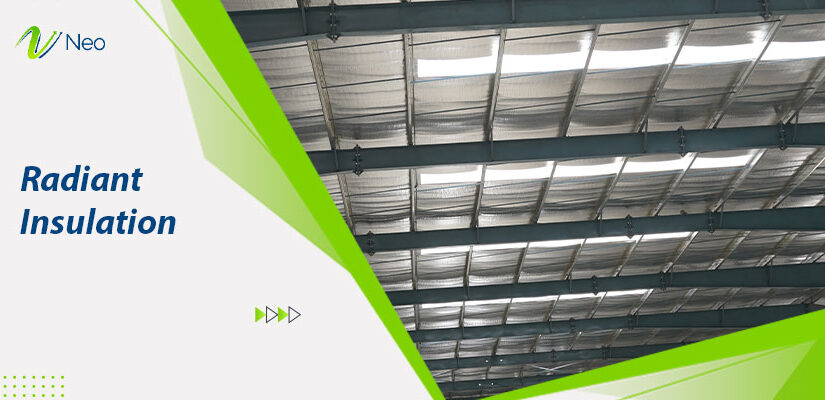
Radiant insulation works differently from conventional insulation materials like fiberglass or foam. Instead of resisting heat flow via conduction or convection, radiant barriers reflect heat making them ideal for hot climates and sun-exposed buildings. In this article, we’ll explore how radiant roof insulation works, its benefits, installation options and why it’s becoming a go-to solution for energy-efficient roofing.

What is Radiant Roof Insulation?

Radiant roof insulation refers to the use of reflective materials typically aluminum foil or metallized films installed in the roof structure to reflect radiant heat rather than absorb it. Unlike bulk insulation that slows down heat transfer, radiant barriers reduce the radiant heat gain by up to 97%, depending on the material and application.

Key Components:

  • Reflective foil (usually aluminum-based)
  • Substrate material (kraft paper, plastic film, bubble wrap or foam backing)
  • Air gap (necessary to maximize performance)

How Radiant Insulation Works

In summer, rooftops can absorb immense amounts of solar energy, heating the attic space and eventually transferring that heat into the interior. Radiant insulation reflects this heat back toward the roof, preventing it from entering your home or building.

In essence:

  • Sun hits the roof → radiant barrier reflects solar heat → attic stays cooler → AC works less → energy is saved.

Radiant barriers are particularly effective in hot and sunny regions, where cooling costs are a significant portion of energy bills.

Benefits of Radiant Roof Insulation

  1. Energy Efficiency

Radiant insulation can reduce cooling costs by 5% to 15%, depending on your location, roof design, and existing insulation. It complements bulk insulation and helps maintain indoor temperatures more efficiently.

  1. Thermal Comfort

With radiant barriers installed, buildings remain cooler during peak summer months. This improves indoor comfort without needing to overwork air conditioning systems.

  1. Lightweight and Easy to Install

Radiant barriers are lightweight and flexible, making them easy to install during new construction or even retrofit projects. They don’t require much space and work effectively with other insulation materials.

  1. Durability and Longevity

High-quality radiant insulation materials like double-sided aluminum foil or bubble insulation are resistant to moisture, corrosion and degradation. They can last 20–30 years with minimal maintenance.

  1. Moisture and Vapor Resistance

Some radiant insulation products are designed with built-in vapor barriers that prevent moisture build-up, which is a common cause of mold growth and insulation failure.

Popular Types of Radiant Roof Insulation

  1. Foil-Based Radiant Barriers

These are thin layers of reflective aluminum foil laminated onto kraft paper or plastic film. Ideal for attic applications or stapling to rafters.

  1. Reflective Bubble Insulation

These products consist of one or two layers of polyethylene air bubbles sandwiched between reflective foil. They provide radiant heat reflection along with some R-value (resistance to conductive heat flow).

  1. Foam Core Reflective Insulation

Combining radiant and conductive insulation, this type features rigid foam with reflective foil on both sides. It’s ideal for areas needing structural support and higher insulation value.

Where and how is it Installed?

Radiant roof insulation can be installed in a variety of roof structures including:

  • Under Metal Roof Sheets (popular in industrial buildings)
  • Between Rafters (ideal for attic spaces)
  • Under Roof Decking or Sheathing (for new construction)

Installation Tips:

  • Must face an air space: The reflective side needs at least a ¾-inch air gap to be effective.
  • Avoid dust build-up: Dust accumulation on reflective surfaces reduces performance, so horizontal installations should be sealed or regularly checked.
  • Work with professionals: Proper installation ensures maximum thermal performance and longevity.

Radiant Insulation vs Traditional Insulation – What’s the Difference?

Radiant Insulation works by reflecting heat away from the building using a reflective surface like aluminum foil, making it ideal for hot climates and metal roofs.

Traditional Insulation works by slowing heat transfer using materials like fiberglass or foam that trap air, providing year-round temperature control, especially in colder climates.

In short: Radiant insulation reflects heat, while traditional insulation resists heat flow. Combining both gives the best results.

Pro Tip: The best energy efficiency strategy is often a hybrid system that combines traditional insulation (like glass wool) with radiant barriers, especially in mixed or extreme climates.

Is Radiant Roof Insulation Worth it?

Absolutely especially if you:

  • Live in a hot region (like Gujarat, Maharashtra or Rajasthan)
  • Have a metal or poorly insulated roof
  • Run air conditioning frequently
  • Want a quick ROI (most homeowners recover their investment within 2–4 years)

The initial cost of radiant insulation is relatively low compared to the long-term savings it can provide. Plus, government incentives or green building certifications (like IGBC or LEED) may offer additional benefits for using reflective insulation.

Real-World Applications

  1. Residential Buildings

Homeowners use radiant barriers in attics or under tiled/metal roofs to reduce indoor temperatures without increasing AC usage.

  1. Warehouses and Factories

Large industrial buildings often use reflective insulation under GI sheets to cut heat penetration and maintain a manageable indoor working environment.

  1. Pre-Engineered Buildings (PEBs)

PEBs and modular structures commonly use reflective bubble insulation for quick, effective heat control without heavy material use.

  1. Agricultural Structures

Greenhouses, poultry farms and livestock sheds benefit from radiant insulation that keeps temperatures regulated without expensive cooling systems.

Final Thoughts

Radiant Roof Insulation is a smart, affordable and efficient way to upgrade any building’s energy performance especially in hot climates. Its ability to reflect radiant heat, enhance comfort and reduce energy consumption makes it a popular choice in both residential and industrial sectors.

Whether you’re planning a new construction or retrofitting an existing structure, consider installing radiant insulation to enjoy cooler interiors, lower bills and longer-lasting roofing materials.

Looking for Radiant Roof Insulation in India?

We offer a range of high-quality radiant insulation materials, including bubble insulation, reflective foil and foam-core solutions for all types of roofs. Contact us today for product recommendations, pricing and installation support.

FAQs

1. What is Radiant Roof Insulation?

Radiant Roof Insulation is a thermal insulation material designed to reflect radiant heat away from the building. It helps keep indoor spaces cooler by reducing heat transfer from the roof.

2. How does Radiant Roof Insulation work?

Radiant Roof Insulation works by using a highly reflective surface, usually aluminum foil, that reflects up to 97% of radiant heat, preventing it from entering the building.

3. What are the benefits of Radiant Roof Insulation?

Radiant Roof Insulation offers benefits such as lower indoor temperature, reduced electricity bills, improved energy efficiency, and enhanced comfort throughout the year.

4. Is Radiant Roof Insulation effective in hot climates?

Yes, Radiant Roof Insulation is highly effective in hot and tropical climates as it minimizes heat gain and keeps buildings cooler during extreme summer conditions.

5. Where can Radiant Roof Insulation be installed?

It can be installed in residential homes, commercial buildings, warehouses, factories, poultry farms, and industrial sheds, especially under metal and concrete roofs.

6. Does Radiant Roof Insulation reduce energy consumption?

Yes, it helps reduce air conditioning load, leading to lower energy consumption and electricity costs.

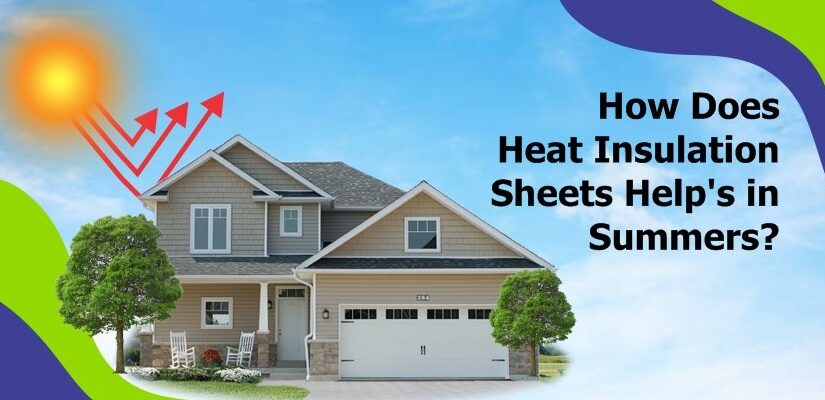
How Does Heat Insulation Sheet Help in Summers?

Summers in India, especially in cities like Jaipur, Delhi, Ahmedabad, and other hot regions, can be extremely harsh. With temperatures soaring above 40°C, keeping homes, offices, and industrial buildings cool becomes both a necessity and a challenge. As air conditioners and coolers work overtime, energy bills shoot up and indoor comfort often remains compromised.

This is where Heat Insulation Sheets come into play. These smart and efficient materials act as a shield against excessive heat, making indoor spaces cooler, more comfortable and energy-efficient. Let’s explore in detail how heat insulation sheets help in summers, their benefits and why they are increasingly becoming the preferred choice for residential, commercial and industrial buildings.

What Are Heat Insulation Sheets?

Heat insulation sheets are specialized building materials designed to reduce heat transfer through roofs and walls. Made with advanced materials such as air bubble film, polyethylene foam, reflective aluminium foil or other thermal barriers, these sheets prevent unwanted heat from entering a building during hot weather.

Unlike traditional insulation, which mostly works on reducing conduction and convection, insulation sheets also reflect radiant heat, which is the primary source of heat gain in summers.

How Heat Enters a Building in summer

Before understanding how insulation works, it’s important to know how heat gets inside a building:

  1. Through the Roof: Roofs absorb the maximum solar radiation and transfer heat inside.
  2. Through Walls: Sun-exposed walls gradually heat up, increasing indoor temperature.
  3. Through Windows and Openings: Direct sunlight and hot air infiltration raise indoor heat levels.
  4. By Radiation: Roofs and walls radiate absorbed heat into interiors even after sunset.

This constant inflow of heat makes cooling difficult and expensive. Heat insulation sheets directly tackle this problem.

How Do Heat Insulation Sheets Work in Summers?

Heat insulation sheets work on three main principles of heat transfer—conduction, convection and radiation.

  • Conduction: The sheet resists heat transfer through solid surfaces, slowing down heat entry.
  • Convection: By reducing air gaps and airflow, insulation minimizes convective heat flow.
  • Radiation: Reflective layers, often made of aluminium foil, reflect up to 97% of radiant heat away from the building.

As a result, the indoor temperature remains 5°C to 10°C cooler, even without relying heavily on air conditioning.

Benefits of Heat Insulation Sheets in Summers

  1. Keeps Indoor Spaces Cooler

The primary benefit of insulation sheets is maintaining a cooler indoor environment by blocking most of the external heat.

  1. Reduces Energy Consumption

Since insulation sheets reduce the workload on air conditioners and coolers, energy consumption decreases significantly. This translates to lower electricity bills in summer.

  1. Increases Comfort

Whether in homes, offices, or warehouses, insulation ensures consistent indoor comfort by reducing temperature fluctuations.

  1. Protects Roof and Building Structure

By reducing heat absorption, insulation sheets protect roofs and walls from thermal expansion, cracks and long-term damage caused by extreme summer heat.

  1. Eco-Friendly Solution

With reduced reliance on cooling appliances, buildings emit less carbon footprint. Many insulation sheets are also recyclable and sustainable.

  1. Cost-Effective Investment

Heat insulation sheets are relatively affordable and offer quick returns on investment through energy savings within 2–3 years.

Common Types of Heat Insulation Sheets

  1. Air Bubble Insulation Sheets
    • Made with polyethylene air bubbles laminated with reflective foil.
    • Ideal for roofs, walls and ducts.
    • Provides both thermal and vapor barrier protection.
  2. Foam-Based Insulation Sheets
    • Polyethylene foam with reflective foil.
    • Lightweight and easy to install.
    • Suitable for residential and industrial roofing.
  3. Reflective Aluminium Foil Sheets
    • Works as a radiant barrier.
    • Reflects heat instead of absorbing it.
    • Popular in warehouses and factories.
  4. XPS and EPS Insulation Boards
    • Extruded or expanded polystyrene sheets.
    • Offer higher compressive strength and thermal resistance.
    • Commonly used in walls and ceilings.

Where Can Heat Insulation Sheets Be Used in Summers?

Heat insulation sheets are versatile and can be used across a variety of applications:

  • Residential Homes: Roofs, ceilings, and walls to keep interiors cool.
  • Commercial Buildings: Offices, malls, and schools to reduce cooling costs.
  • Industrial Structures: Warehouses, factories, and cold storages for temperature regulation.
  • Agricultural Uses: Poultry farms, greenhouses, and sheds for animal and crop protection.
  • Pre-Engineered Buildings (PEBs): Metal roof structures benefit greatly from reflective insulation.

Case Study: Effectiveness in Indian Summers

A study conducted in Rajasthan compared two identical homes, one with insulation sheets installed and the other without.

  • Home with insulation sheets: Indoor temperature remained 6°C cooler, and energy bills dropped by 30%.
  • Home without insulation: Residents relied on fans and ACs for comfort, leading to higher costs and discomfort.

This real-world scenario highlights how insulation sheets are not just optional but essential in hot climates.

Installation of Heat Insulation Sheets

Heat insulation sheets are:

  • Lightweight and easy to install under roofing sheets or on walls.
  • Can be retrofit into existing buildings or installed during new construction.
  • Require minimal maintenance once installed.

Tip: For maximum efficiency, always hire professionals for installation and ensure proper air gaps are maintained for reflective insulation to work effectively.

Future of Energy-Efficient Buildings in India

With rising energy demands and increasing focus on sustainable living, building insulation is becoming a standard practice in modern construction. In hot cities like Jaipur, Ahmedabad, and Delhi, heat insulation sheets are no longer a luxury, they are a necessity for both comfort and cost savings.

Government initiatives for green buildings and the adoption of LEED and IGBC certifications are further pushing the use of insulation materials. Companies like NEO Thermal Insulation are leading the way with advanced products tailored for Indian climatic conditions.

Conclusion

Heat insulation sheets are one of the most effective and affordable solutions to beat the summer heat. By reflecting radiant heat, reducing energy bills, protecting building structures and enhancing comfort, they provide long-term benefits for both residential and commercial users.

If you live or work in a hot region, investing in quality insulation sheets is not just about comfort it’s about creating a sustainable, cost-effective and future-ready living environment.

Best Shed Insulation Materials: A Detailed Guide

Sheds are versatile spaces that can be used for storage, workshops or even as extensions of living areas. However, without proper insulation, sheds can become uncomfortable during extreme weather conditions, either trapping heat in the summer or becoming unbearably cold in the winter. Choosing the right insulation materials can transform your shed into a more functional, energy-efficient space while protecting your belongings from temperature fluctuations and moisture damage.

In this guide, we’ll explore the best shed insulation materials, detailing their advantages, drawbacks and ideal use cases. Whether you’re looking to insulate a garden shed, a workshop or a converted home office, this comprehensive guide will help you make an informed decision.

We’ll also address common questions about shed insulation, such as installation methods, and how to choose materials based on climate and shed usage. By the end of this blog, you’ll have all the knowledge you need to select the best shed insulation material for your shed and improve its usability and comfort year-round.

Understanding the Importance of Shed Insulation.

Before we dive into the materials, let’s understand why shed insulation is crucial:

1. Temperature Regulation: Insulation helps maintain a consistent temperature, keeping your shed cool in summer and warm in winter.

2. Energy Efficiency: By reducing heat loss, you can lower energy costs, especially if you use heating or cooling appliances.

3. Moisture Control: Insulation can help prevent moisture build-up, which can lead to mold, mildew and structural damage.

4. Noise Reduction: Insulation can help to dampen noise, creating a quieter and more peaceful environment.

5. Protection of Belongings: Insulation can protect your stored items from extreme temperatures and humidity.

Factors to Consider When Choosing Shed Insulation Materials

Insulating your shed is a great way to improve comfort, energy efficiency and protection for items stored inside. However, selecting the right insulation material requires careful consideration of several factors to ensure it meets your specific needs. Below, we explore the key factors to consider when choosing shed insulation materials:

1. Climate

The climate where your shed is located determines the insulation needed. In colder regions, materials with high R-values are ideal to retain heat. In warmer climates, Heat Reflective Sheets helps keep the shed cool. For humid areas, moisture-resistant materials prevent condensation and protect against mold.

2. Budget

Your budget influences the insulation material you can afford. Fiberglass and bubble wrap are affordable options, while rigid foam and reflective insulation offer better performance at moderate costs. Premium options like spray foam provide excellent efficiency and longevity but require a higher upfront investment, offering savings in the long run.

3. Purpose of the Shed

The shed’s purpose affects the insulation choice. Storage sheds may need basic insulation like Air Bubble Insulation Sheet, while workshops or offices require higher R-value materials for comfort. If temperature-sensitive items are stored, moisture-resistant and energy-efficient materials like

R-value

R-value measures thermal resistance; the higher the value, the better the insulation. Choose a material with an R-value that suits your climate and usage needs. For extreme temperatures.

When choosing shed insulation materials, it’s essential to consider factors like climate, Purpose of the Shed, budget and R- value. Each of these elements plays a crucial role in determining the right insulation for your needs. By evaluating these factors carefully, you can select materials that provide optimal thermal performance, durability and energy efficiency, ensuring your shed remains functional and comfortable throughout the year.

Insulate your shed With NEO Thermal Insulation

Best Shed Insulation Materials

Choosing the right insulation material for your shed is crucial for maintaining temperature control, reducing energy costs, and protecting your belongings. Popular options include air bubble insulation sheet, heat reflective sheet and roof insulation sheets. Each material has unique benefits, making it important to select one that suits your shed’s purpose and climate.

1. Air Bubble Insulation Sheet

Air bubble insulation sheets are lightweight and consist of layers of polyethylene bubble film sandwiched between reflective aluminium foil. They are commonly used in sheds, roofs and walls to prevent heat transfer while offering durability and moisture resistance. The air bubbles act as a thermal barrier, reducing temperature fluctuations.

Benefits:

  • Lightweight and easy to install.
  • Cost-effective insulation option.
  • Reduces heat transfer effectively.
  • Provides moisture resistance, preventing mold and mildew.
  • Environmentally friendly and recyclable.

2. Heat Reflective Sheet

Heat reflective sheets are designed to reflect radiant heat away from the surface they cover, making them ideal for hot climates. These sheets are often made of reflective aluminium foil or similar materials and are used in walls, roofs and sheds to minimize heat absorption.

Benefits:

  • Excellent for reducing radiant heat in hot climates.
  • Energy-efficient, reducing cooling costs.
  • Lightweight and easy to handle.
  • Protects interiors from excessive heat build up.
  • Durable and resistant to corrosion.

3. Roof Insulation Sheets

Roof Insulation Sheets are specialized panels designed to reduce heat loss and gain through the roof. They are made of materials like rigid foam, fiberglass or mineral wool, offering high thermal resistance. These sheets are crucial for maintaining comfortable indoor temperatures and enhancing energy efficiency.

Benefits:

  • Superior thermal insulation, reducing heating and cooling costs.
  • Available in various materials to suit different needs.
  • Long-lasting and durable.
  • Helps regulate indoor temperatures effectively.
  • Reduces energy consumption and carbon footprint.

4. Roof Cooling Sheet

Roof Cooling Sheets are specially designed to reflect sunlight and minimize heat absorption, making them ideal for hot climates. These sheets can be applied to existing roofs or used as standalone materials to enhance energy efficiency.

Benefits:

  • Reduces roof temperature significantly, lowering indoor heat.
  • Energy-efficient, reducing cooling expenses.
  • Eco-friendly and sustainable solution for hot regions.
  • Protects roofing materials from thermal damage.
  • Enhances indoor comfort during extreme heat.

Get best Deal on Thermal Insulation Materials

How to Insulate Your Shed

Insulating your shed is essential to create a comfortable and energy-efficient space, whether it’s for storage, a workspace or a hobby area. Proper insulation helps regulate the temperature, prevent moisture build-up, and protect your belongings from extreme weather. With the right materials and steps, you can easily transform your shed into a more functional space. Here’s a step-by-step guide to help you insulate your shed effectively.

Steps:-

1. Prepare the Shed: Clean the interior, remove any obstructions, and seal any gaps or cracks.

2. Install Vapor Barrier: A vapor barrier can help prevent moisture damage. Install it on the warm side of the insulation.

3. Install Insulation: Follow the manufacturer’s instructions for the specific insulation material.

4. Seal Air Leaks: Use caulk or spray foam to seal any gaps around windows, doors, and electrical outlets.

Conclusion

Choosing the best insulation material for your shed ensures a comfortable, energy-efficient, and durable space. Whether you prioritize cost, eco-friendliness, or ease of installation, options like fiberglass, rigid foam and spray foam offer excellent thermal performance. Reflective insulation and sheep’s wool cater to specific needs, such as hot climates or sustainable solutions.

By understanding your shed’s purpose and climate requirements, you can select the right insulation and enjoy its long-term benefits. Take the time to plan, install and maintain your shed insulation to maximize comfort and efficiency.

FAQs About Shed Insulation Materials

1. Can I insulate a metal shed?

Yes, you can insulate a metal shed. Thermal insulation sheets are good options for metal sheds.

2. How much insulation do I need for my shed?

The amount of insulation you need will depend on your climate and the desired level of comfort. Consult local building codes and energy efficiency guidelines for specific recommendations.

3 How often should I inspect my shed’s insulation?

It’s a good idea to inspect your shed’s insulation annually for signs of damage, water damage or pest infestation.

Talk to us?

Download Brochure