Tag: ROOF INSULATION

A Complete Guide to Roof Insulation: Benefits, Types and Smart Choices

Roof insulation is really important when we build things now. We want to be comfortable and we do not want to waste energy. If we insulate our roofs properly it helps to keep the temperature right it helps to save money on energy. It makes the whole building work better. This is true for all kinds of buildings like houses, offices, warehouses or even farms where they raise chickens.

This article will tell you everything about roof insulation. You will learn why it is important what the good things, about it are, what kinds of insulation you can get, what problems you might have when you install it and whether it is worth spending money on in the run.

So what is roof insulation anyway? Roof insulation is really important. It helps keep your house warm in the winter and cool, in the summer. Roof insulation does this by stopping the heat from getting out of your house when it’s cold outside and stopping the heat from getting in when it is hot outside. This is why roof insulation is so important. Roof insulation can also help you save money on your heating and cooling bills. You will use energy to heat your house in the winter and cool your house in the summer when you have good roof insulation. This is because roof insulation helps keep the temperature in your house comfortable. Roof insulation is a thing to have in your house.

A protective layer that is put under or over the roof to reduce the heat that moves between the inside and, outside of a building is called roof insulation. The roof insulation works like a barrier to keep the temperature inside the building the same all year round. This is important because a lot of heat comes in or goes out through the roof insulation. Roof insulation helps to keep the inside of the building cool in the summer and warm in the winter by stopping the heat from moving out.

Insulation is really good at keeping buildings when it is cold outside and it also stops too much heat from getting in when it is hot outside. This is important because Insulation helps people feel more comfortable. Insulation also helps heating and cooling systems work. Heating and cooling systems do not have to work hard because of Insulation. This means that Insulation can help people save a lot of energy. Insulation is very useful, for saving energy.

Key Benefits of Roof Insulation

  1. Energy Efficiency

Roof insulation is really good for saving energy. Buildings do not need much heating in the winter and not as much air conditioning in the summer because roof insulation helps to reduce heat gain and loss. Roof insulation directly results in fuel and electricity being used for roof insulation. This is because roof insulation makes buildings use fuel and electricity for heating and cooling. Roof insulation is very important, for reducing the amount of fuel and electricity that buildings use.

  1. Cost Savings

When you use energy you will see that your monthly utility bills are lower. Insulation does cost some money at first. The energy bill savings, from insulation will add up over time and insulation will pay for itself.

  1. Improved Indoor Comfort

Insulation helps to get rid of cold spots. This means the temperature inside stays much the same all the time. Insulation does this. It makes the place feel nicer. People have a comfortable insulation to live in or to work in because of the insulation.

  1. Noise Reduction

When you are trying to block out the noise from outside like the sound of cars driving by or rain falling on the roof insulation materials can really help. They can also stop loud noises like the sounds you hear from factories. This is because many insulation materials have the ability to soundproof which’s really useful. Insulation materials are great, at reducing noise, like traffic noise and insulation materials can also reduce rain noise and insulation materials can even reduce industrial sounds.

  1. Environmental Benefits

Using energy is a good thing because it means we put less bad stuff into the air. When we insulate the roof it is good for the environment. It helps us get to our sustainability goals. Insulating the roof is one way to use energy and that is good, for the environment and our sustainability goals.

Common Types of Roof Insulation Materials

Choosing the right insulation depends on climate, building type, budget, and performance requirements. Below are some widely used options:

  1. Reflective Insulation

Reflective insulation is really good at keeping buildings cool. It does this by bouncing the radiant heat right back away from the building. This is especially useful in places that get very hot and in factories or other industrial settings where reflective insulation can make a difference. Reflective insulation works well in these situations because it can reflect a lot of the heat away, from the building.

  1. Foam Insulation

Foam based insulation is really good at keeping the heat out and making sure there are no gaps, in the air. People usually use foam based insulation when they need something that works well.

  1. Fiberglass Insulation

This insulation is really popular because it is cheap and easy to put in. It does a job of keeping the heat and noise out. This type of insulation is a choice because it works well and is affordable.

  1. Mineral Wool

Mineral wool insulation is really good at stopping fires. It helps keep buildings warm or cool and also reduces noise. This makes mineral wool insulation a great choice for buildings and industrial buildings. Mineral wool insulation is very useful, for these types of buildings because it provides thermal insulation and sound insulation.

  1. Eco-Friendly Insulation

People are starting to like eco- insulation options because they do not hurt the environment very much. These eco-friendly insulation options are made from materials or natural materials. The reason eco- insulation options are getting popular is that they have a low impact on the environment. Eco-friendly insulation options are a choice, for people who want to help the earth.

Selecting the right Roof Insulation Material is essential to achieve optimal performance and long-term benefits.

Factors to Consider When Choosing Roof Insulation

Before you put in insulation you need to think about a lot of things. You have to consider factors when it comes to insulation. Insulation is a deal and you have to evaluate these factors before you start installing insulation.

Climate conditions are really important when it comes to insulation. If you live in a climate you need to think about insulation in one way. In a climate it is a whole different story.. Then there are places with mixed climates, where it can be hot and cold and that requires a special approach to insulation too. Climate conditions, like cold climates need to be considered when looking at insulation.

The type of building is important when it comes to insulation. Residential buildings have needs. Commercial buildings have needs too. Agricultural and industrial buildings also need insulation. Each type of building is different. The insulation for a residential building is not the same as the insulation, for a commercial or agricultural or industrial building.

When we talk about performance we are looking at the R-value. The R-value is a measure of how something insulates. A higher R-value means that the insulation is better. This is because the R-value tells us how well the material can resist the flow of heat. So if you want insulation you should look for materials with higher R-values. Thermal performance is really important when it comes to keeping your home warm in the winter and cool, in the summer and the R-value is a part of that. Higher R-values provide insulation, which is what you want for your home.

Moisture resistance is very important. We need to make sure that our insulation is good so that water vapor does not turn into liquid and build up. This is because when moisture gets inside it can cause a lot of problems. Proper insulation should prevent this from happening so we do not get condensation and moisture buildup. This way moisture resistance is taken care of.

When we talk about durability and lifespan we are talking about how something will last. Using materials that will last a time is a good thing. It means we do not have to spend a lot of time and money to fix things or replace them. This is because lasting materials really reduce the costs of maintenance and replacement, for durability and lifespan.

When you are looking for the Roof Insulation Material it should be something that works well and does not cost too much. The Roof Insulation Material you choose has to meet your needs and fit your budget. You want a Roof Insulation Material that does the job and is affordable.

Installation and Maintenance Tips

Installing things correctly is just as important as choosing the materials. If you do not install insulation properly it can cause problems like gaps in the air it will not work well and you will have issues with moisture. Proper installation of insulation is really important to get it so you do not have problems, with the insulation later on.

  • Always ensure a tight and continuous insulation layer
  • Use professional installers for large or complex projects
  • Combine insulation with proper ventilation
  • Periodically inspect insulation for damage, moisture or wear

Doing checks on the insulation helps it work well for a long time. The insulation performance is very important. These routine checks make sure it stays that way over the years. Regular checks, on the insulation are necessary to maintain the insulation performance.

Applications Across Different Sectors

Roof insulation is not just for houses. It is used in different places, such as:

* Buildings

* Offices

* Schools

Roof insulation is really useful in all these places. Roof insulation helps to keep the temperature, inside these buildings. Roof insulation is used in different types of buildings.

  • Residential buildings: Homes, apartments, villas
  • Commercial spaces: Offices, malls, hospitals
  • Industrial units: Factories, warehouses
  • Agricultural buildings: Poultry farms, cold storage, sheds

When you are thinking about Roof Insulation Material, the choice you make really affects how energy efficient your place is, how comfortable it is and what you pay to run it. The Roof Insulation Material you choose has an impact, on these things.

Conclusion

Roof insulation is really important these days. We need roof insulation in our buildings so that we can save energy and be comfortable. Roof insulation stops heat from moving and it helps to lower our energy bills. This makes our homes and offices really nice to be in.

Roof insulation is good for the environment too. Roof insulation helps us to achieve our goals of saving energy. We can use roof insulation in our homes in offices and even in factories. Roof insulation is useful, in all these places because it saves energy and makes them comfortable. Roof insulation is really good for us. It saves us money. It also saves us energy in the long run. Having roof insulation is a thing because roof insulation provides us with benefits that last for a long time. Roof insulation is something that we should have because it is good, for us and our homes.

Choosing the right material, ensuring proper installation, and performing regular maintenance are key to maximizing performance. With growing energy demands and climate challenges, investing in quality roof insulation is a smart, future-ready decision that delivers both economic.

Frequently Asked Questions (FAQs)

Q1. How long does roof insulation last?

Most high-quality insulation materials last between 20 to 30 years, depending on material type, installation quality, and environmental conditions.

Q2. Can roof insulation reduce electricity bills?

Effective insulation makes a difference. It really cuts down on how much we need to use the air conditioner and the heater. This means we can save a lot of money on our electricity bills. We are talking about insulation here and it is great because it helps us save money by using less air conditioning and heating.

Q3. Is roof insulation suitable for existing buildings?

So roof insulation is something that can be put in when a building is being built and also in buildings that’re already up. You just need to check the place out and make a plan, for the roof insulation.

Q4. Does insulation help in extreme weather conditions?

Roof insulation really helps keep the temperature inside your house stable when it’s very hot or very cold outside. This makes your house a comfortable and safer place to be. Roof insulation is very important, for this reason. It helps with heat and extreme cold so you can stay comfortable in your house.

Q5. Is roof insulation environmentally friendly?

By reducing energy consumption and emissions, roof insulation supports environmentally responsible building practices.

Benefits of Roof Insulation in Buildings & Homes

Why should I install and use roof insulation? If this question has been bothering you too, then here we present the major benefits of roof insulation in buildings as the best roofing sheets for houses.

If you are thinking about renovating or getting a new roof for your property, then roof insulation is a name that gets repeated regularly. Just like its name, this roofing solution allows you to insulate your roof and create a stable temperature for your premises. Providing the best feel to helpers in warehouses and factories as well as residents of houses.

But, just knowing something about roof insulation does not provide a clear image of the benefits of roofing insulation. Hence, for better insight, we are pointing out and explaining all the best benefits of insulating your roof with insulation sheets.

roof insulation stats

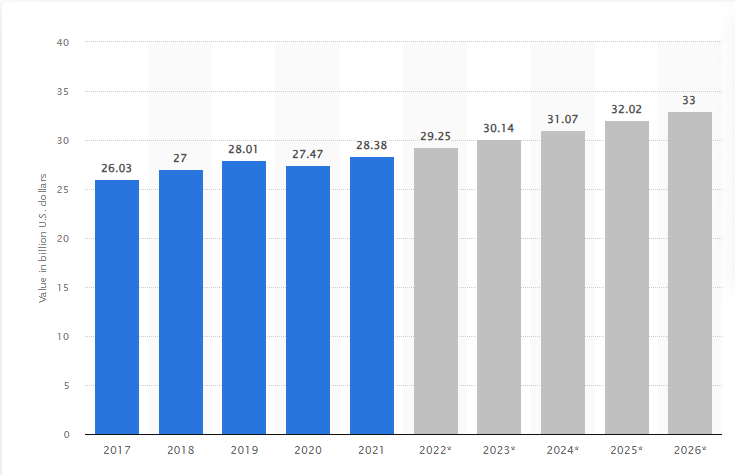
Over the span from 2021 to 2026, the global building insulation market is anticipated to witness a growth of 4.6 billion U.S. dollars. Back in 2021, this specific segment of the construction industry was appraised at 28 billion U.S. dollars. However, experts project it to escalate and hit 33 billion U.S. dollars by 2026. Insulation’s significance in constructing sustainable buildings cannot be overstated, as it effectively curbs heat transfer, ultimately contributing to the enhanced energy efficiency of buildings.

What is Roof Insulation?

Undoubtedly, the overhead cover of a building serves a vital role in safeguarding the entire structure from severe weather conditions. Its absence renders the walls and even the foundation vulnerable to potential harm. A properly cared-for roof functions as a robust protective shield, warding off the impact of harsh elements. Thus, the necessity of roof insulation cannot be overstated.

Benefits of Roof Insulation Over Other Roofing Solutions

Now, we will shine some light on the major advantages of roof insulation in your residency or commercial premises.

Read Also: Insulation for External Walls: Cost and How it Works?

1. Sustainability Sustainability

Prioritizing sustainability in building projects is of utmost importance, and the utilization of insulated shed roof panels can significantly contribute to this goal. Opting for these panels aids in the reduction of a building’s energy usage and overall environmental impact. The insulation components effectively trap heat, preventing its dissipation and thereby lessening the reliance on heating and cooling systems. Consequently, this leads to a decrease in energy consumption and a diminished carbon footprint. Employing environmentally friendly materials for insulation can further bolster the eco-friendliness of the building.

2. Energy and Cost Savings

Energy and Cost Savings

When you go and look for any roofing pattern or idea, the first thing that strikes your mind is how much will it cost right? So, we are addressing the benefits of roof insulation first. Insulating the roof with these sheets is very economical. When compared to other forms of roofing, insulated roofing sheets are quite cheap. The application of roofing insulation can lead to notable savings on your energy expenses. With insulated roofs effectively retaining warmth in the winter and cool air in the summer, the need for excessive heating or cooling diminishes. Consequently, this reduction in energy usage translates to lower utility bills. Over the long term, the accumulated savings from reduced energy consumption can become a substantial and financially prudent outcome, making roofing insulation a viable and economical choice.

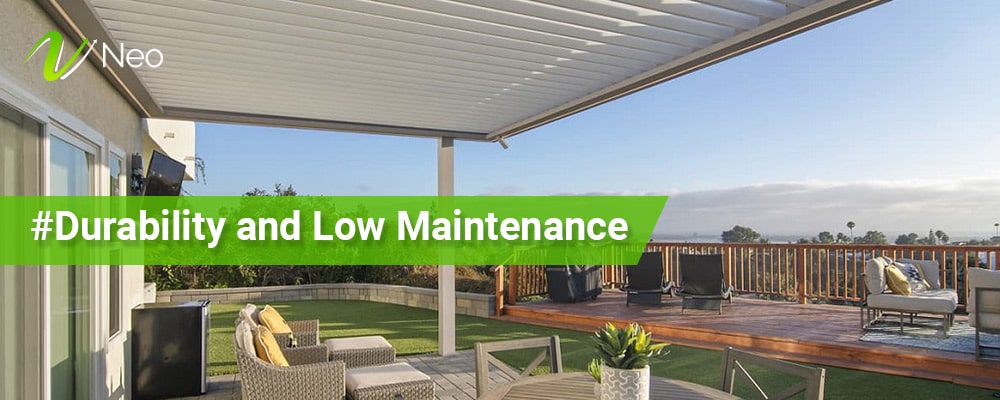
3. Durability and Low Maintenance

Durability and Low Maintenance

One of the benefits of roof insulation is durability and low maintenance. If installed once, the roof insulation sheets will last for not months, not years, but decades. These sheets are very durable and long-lasting. There will be no chance of corrosion, cracks, or other forms of damage to these insulation sheets.

The implementation of roof insulation can effectively enhance the resilience of your roof. It acts as a shield against various external elements like rain, snow, and wind, thereby safeguarding the roof’s integrity. This, in turn, can prolong the lifespan of your roof and alleviate the necessity for costly repairs or replacements. Moreover, opting for premium-grade roof insulation materials can offer superior protection against weather-induced degradation and physical deterioration, ultimately bolstering the overall durability of your building.

Now that you know that the Insulation sheets for the roof are long-lasting. This is something that every other form of roofing lacks. Hence, insulating the roof is considered to be one of the best forms of roofing for all.

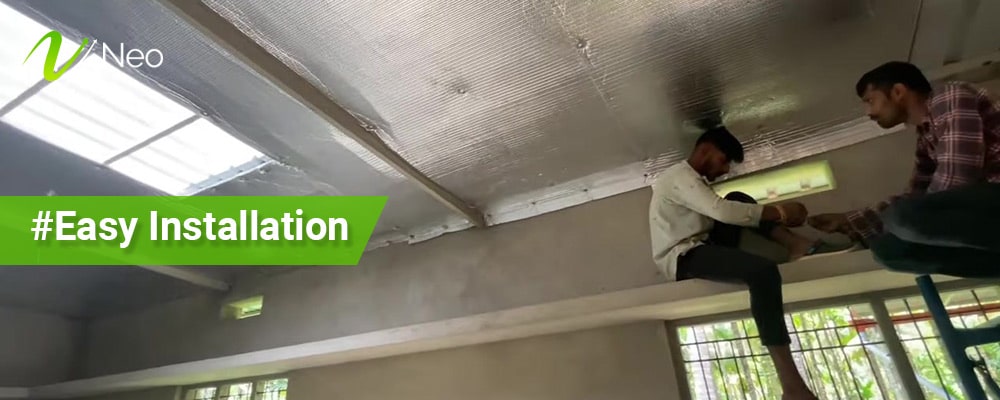
4. Easy Installation

Easy Installation

If you decide to get the roof insulation services today, it won’t take much time to install the roof on your premises. Additionally, the labor cost of sheet installation is also low as the task is very easy. Less time and less payment help in saving one of the most important things in life, time and money.

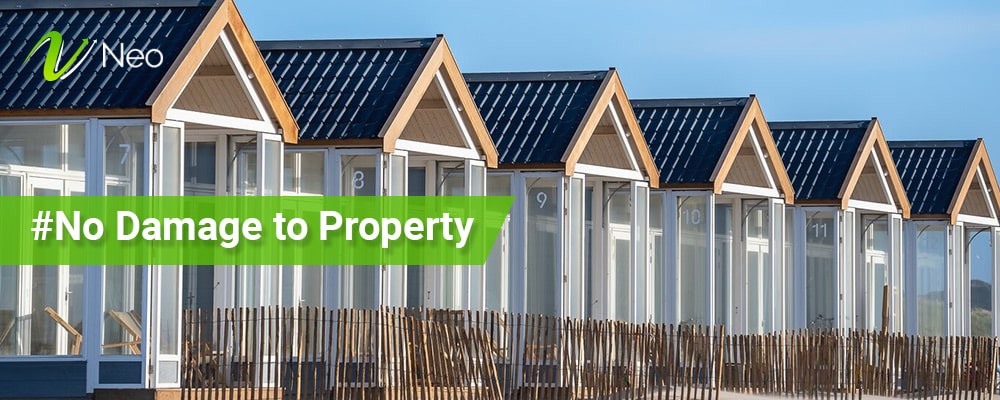
5. No Damage to Property:

No Damage to Property

Different weather types have adverse effects on the premises. Winter and snow bring structural damage. Summer results in wall cracks and dryness. While with rain, the chances of mold and increased moisture content are more. Getting the best roofing sheets for houses and commercial premises with insulation is the only solution to this problem. As the insulated sheets help in stabilizing the temperature, the chances of such weather impacts are few. Whatever the weather is outside, your building is safe from all kinds of damage.

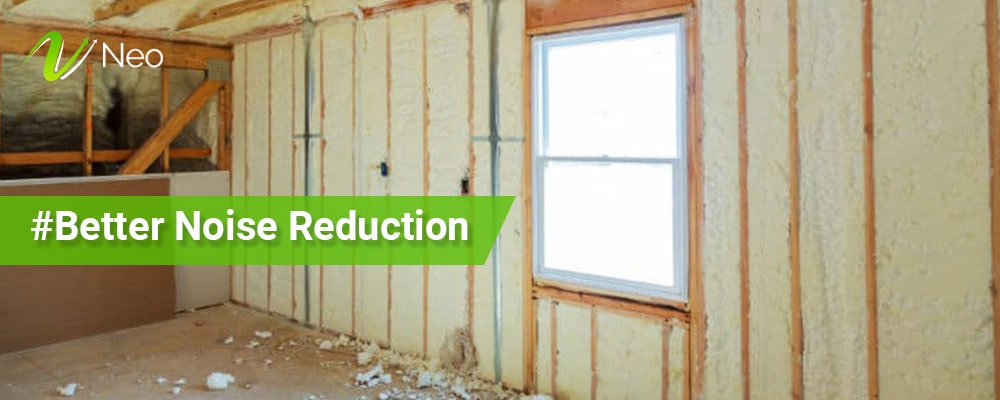
6. Better Noise Reduction

Better Noise Reduction

Additionally, roof insulation techniques contribute to the reduction of indoor noise levels. Insulated roofs are capable of absorbing sound, effectively hindering its transmission through the roof into your living space. This attribute proves particularly advantageous if you reside in a bustling neighborhood or near a heavily trafficked road. By mitigating noise pollution, roofing insulation can significantly enhance the overall living standards within your building.

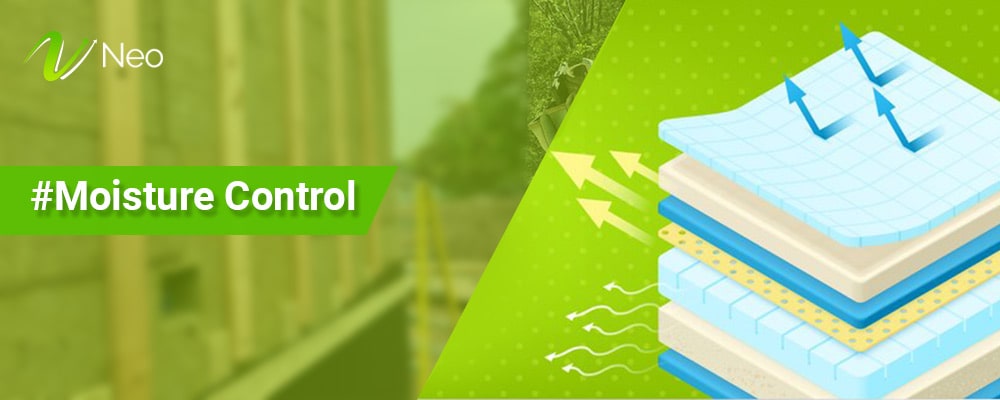
7. Moisture Control

Moisture Control

Moreover, this roof insulation benefits in regulating the moisture levels within your living space. During the winter, insulated roofs effectively retain the warm, damp air indoors, preventing its escape and subsequent condensation on colder surfaces. This preventive measure reduces the potential for the development of mold and mildew, which can pose health risks. By upholding the optimal humidity levels, roofing insulation plays a vital role in improving the overall indoor air quality of your building.

Get Your Roof Insulation Installed Today!

Things You Should Consider Before Installing Roofing Insulation

If you’re considering roofing insulation, there are key factors to keep in mind before making a decision.

Click Here To Know: 10 Types of Insulation for Every Home 2023

Type of Insulation:

Choose from options like fiberglass, foam board, spray foam, or reflective insulation based on your specific needs and budget.

Climate Considerations:

Different insulation materials perform better in different climates. Make sure to select one that suits your local weather conditions.

R-Value:

This indicates the insulation’s resistance to heat flow. Higher R-values mean better insulation performance.

Moisture Management:

Ensure the insulation material can handle moisture to prevent issues like mold and mildew.

Installation Method:

Decide whether you’ll install it yourself or hire a professional. Some materials are easier to install than others.

Cost:

Consider the cost of materials, labor, and potential long-term savings on energy bills.

Roof Condition:

Inspect your roof for any damage or leaks that need to be repaired before installing insulation.

Building Codes:

Check local building codes and regulations to ensure compliance.

Environmental Impact:

Look for eco-friendly insulation options that have a lower environmental impact.

Fire Resistance:

Some insulation materials offer better fire resistance, which can be crucial for safety.

Durability:

Choose materials that will last long and maintain their insulating properties over time.

Energy Efficiency:

Evaluate how the insulation will improve your home’s overall energy efficiency.

Warranty:

Check if the insulation material comes with a warranty for added peace of mind.

Final Words

These were the main benefits of roof insulation in commercial shops, warehouses, offices, factories, etc. as well as housing premises. We hope that now that you have the required information about the roofing idea. By selecting the appropriate roof insulation, such as Neo Thermal Insulation, you have the opportunity to significantly enhance your home’s energy efficiency, overall comfort, and long-term cost savings. It is crucial to assess your specific needs thoroughly and opt for the roof insulation sheets that align with your objectives, enabling you to establish a more efficient and comfortable home for the years ahead.

Frequently Asked Questions

1. What is Roof Insulation

Roof insulation is a crucial element serving as the initial defense line against heat loss for a roof. Typically situated between the outermost roof layer and the inner ceiling layer, it plays a significant role in the overall construction of the roof.

2. Why is insulation important for roofs?

The importance of insulation for the roof is paramount, primarily because it curtails heat loss from the house, leading to potential savings on energy expenses. Insulating the roof shields it from wintry winds and scorching summer heat, reducing the need for energy consumption for heating and cooling, thereby contributing to lower energy costs.

3. Where is insulation placed on a roof?

The recommended placement for insulation in the roof is between the ceiling joists, with the individual pieces tightly fitted together at all junctions. Any leftover pieces can be used to fill in any remaining gaps.

4. Is Roof Insulation energy and cost savings?

Yes, roof insulation leads to both energy and cost savings. By effectively retaining heat during winter and preserving cool air during summer, insulated roofs lessen the necessity for excessive heating or cooling, ultimately resulting in reduced utility bills.

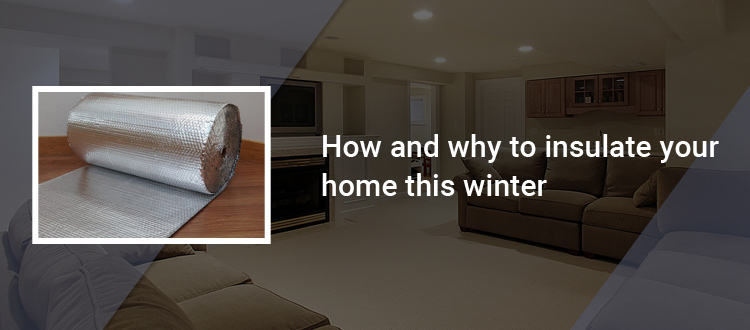
How and Why to Insulate your Home this Winter

The winter is knocking at the door, and people at home have started preparing for keeping their home warm and cozy. The traditional approaches that were once popular like open-coal fire, kerosene lamps and indoor small room heaters are replaced with modern heating appliances and insulation techniques. These techniques are far efficient and effective regarding durability, maintenance cost and installation cost.

Thermal Insulation is being popular among urban society because of its prominent advantage that it reduces energy consumption and provide environment-friendly solutions. In this article, we will learn about the need to insulate your home and the best ways to insulate your homes to prevent heat escape.

What is the Need to Insulate your Home?

Insulation creates a protective barrier around the homes that prevent the heat transfer from the outer space into the inner space of the house. The thermal insulation on the wall, over the roof and beneath the floor, helps to reduce the amount of heat loss during winter and keeps heat out of the house in the warm days.

Thus, thermal insulation takes the place of Air Conditioners in summers and Heaters in winters. Leading to a subsequent cost-cutting in the utility bills and saving a considerable amount of energy that is put in maintaining the desired temperature in winters and summers.

How to Keep your Home Warm?

To maximize the effect of thermal insulation, we need to analyse the condition of the house, R-value and the types of thermal insulation materials. Depending on the requirements, you can implement any of these two insulation techniques roof insulation and wall insulation. Furthermore, a combination of these insulations can maximize the insulation effect.

  • Roof Insulation

The most vulnerable area of your house from where there is a high probability of heat transfer is the roof. Around 25% of the heat is lost through the roof and thus, applying roof insulation is the primary procedure that you should implement in your house. To reduce the heat escape, roof insulation materials are used. To enhance the insulation quality, you can also insulate the loft area with either fiberglass or rock wool.

  • Wall Insulation

Homes with two layers of bricks between the outer world and inner rooms creates a cavity and thus known as cavity walls. These cavities are filled with an insulating material to stop heat transfer.  Usually, these air gaps are filled with either expanding foams or loosely-packed, air-filled materials such as recycled papers, vermiculite or fiberglass. This type of insulation is also known as cavity-wall insulation.

 Types of Thermal Insulation Materials for Winters

    Batt and Roll:

These materials consist of fiberglass and are possible insulation material for attic insulation.

    Loose Fill:

It can insulate the attic and small crawl spaces as it is a filler. Loose fill is used to fill up the areas that have little traffic.

    Spray-Foam:

Spray foam insulation is a wet and expandable liquid that gets dry afterwards.  This is an effective way to insulate the areas where you can’t reach or invisible to the naked eyes. It is easy to apply and cost-effective at the same time.

Conclusion

If you start feeling cold in winters inside your houses, then it is the sign that you should go for thermal insulation. Implement the most appropriation heat insulation material to trap the heat inside your houses and make it warm and comfortable. Moreover, you can hire insulation contractors that are professionals and provide diverse thermal insulation services. Remember insulation is the basic need to attain a perfect insulation and reduce energy consumption.

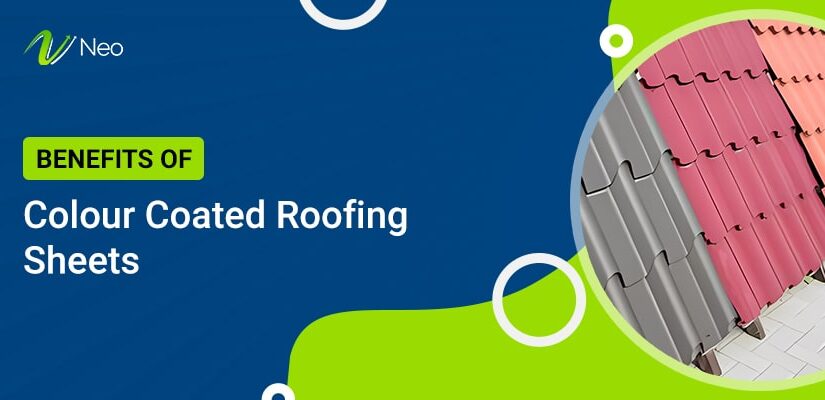
What are The Benefits of Colour Coated Roofing Sheets?

Constructing a building either for a domestic purpose or for a commercial purpose requires a stable and strong roof. Each part of the building needs to have the ability to withstand adverse climatic conditions and external deterioration caused due to climatic changes.

As per statistics from Grand View Research, the global roofing material market size had a valuation of $120.34 billion in 2021 which is all set to mark a CAGR of 4% from 2022-2030. The market is expected to achieve the valuation of $178 billion by the end of 2030.

Recently, in industrial and urban areas, colour coated roofing sheets are gaining popularity because of their aesthetic look and thermal insulation property. They serve the purpose of adding beauty and at the same time protecting the roof from external wear and tear. There are many benefits of Colour Coated Roofing Sheets that we discuss in this blog.

The colour coated roofing sheets are used in place of galvanized iron sheets in residential buildings to provide better aesthetic look. Today, colour coated sheets can be seen at various places like offices, garages, restaurants, car-parking area, warehouses, manufacturing industries, etc.

These sheets are available in different shapes and sizes according to the requirements. Moreover, unlike traditional coating sheets, these sheets have a strong base of steel metals. These colour coated steel metals can be copper, aluminum, zinc-aluminum and tin. Offering high-functional buildings that are compatible with high environmental requirements and delivers top-notch quality cladding to the roofs.

What is Colour Coated Roofing Sheet?

A Colour Coated Roofing Sheets are specially treated metal sheet designed for roofing applications, enhanced with a protective coating that not only adds an aesthetic appeal but also imparts crucial functional benefits. These sheets are typically made from materials like steel or aluminum and undergo a meticulous coating process to ensure durability and performance.

The primary purpose of the colour coating is to provide weather resistance, protecting the roofing material from the detrimental effects of rain, sunlight and other environmental factors. This coating acts as a shield, preventing corrosion, rust and wear and tear, thereby significantly extending the lifespan of the roofing sheet.

Beyond their protective properties, colour coated roofing sheets are known for their versatility. Available in a spectrum of colors and finishes, they allow for customization to match the architectural style and design preferences of a structure. This not only adds a visual dimension to the building but also enhances its overall aesthetic appeal.

The coating on these roofing sheets serves multiple functions, contributing to thermal insulation that regulates indoor temperatures. This can result in energy savings by reducing the need for excessive heating or cooling, making them a sustainable choice.

Benefits Of Colour Coated Roofing Sheets

Benefits of Colour Coated Roofing Sheets
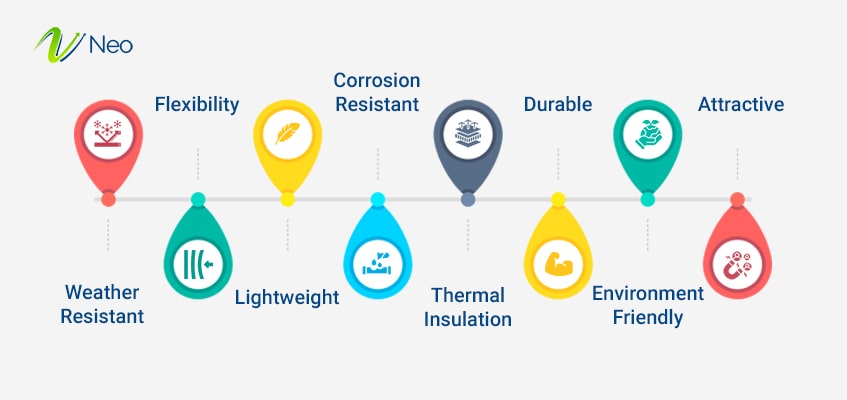
Colour coated roof sheets offer a multitude of advantages, including exceptional weather resistance, flexibility for diverse architectural designs, and a lightweight yet robust structure. With features such as corrosion resistance, thermal insulation, and eco-friendliness, these sheets provide a durable and attractive roofing solution, ensuring longevity, energy efficiency and visual appeal for residential and commercial structures alike.

1. Weather Resistant:

Colour coated roof sheets offer exceptional weather resistance, making them a reliable choice for diverse climates. The specialized coating acts as a shield against harsh weather conditions, including heavy rainfall, extreme temperatures and UV rays. This resilience ensures prolonged longevity and minimal wear and tear, providing a durable roofing solution for both residential and commercial structures.

2. Flexibility:

One of the standout features of colour coated roof sheets is their flexibility, allowing for versatile applications in roofing designs. This flexibility facilitates creative architectural solutions, making them suitable for various roof shapes and structures. Whether it’s a modern, angular design or a more traditional pitched roof, these sheets can be adapted to meet diverse aesthetic and functional requirements.

3. Lightweight:

Colour coated roof sheets are lightweight yet robust, offering a balance between structural integrity and ease of installation. The reduced weight minimizes the load on the underlying structure, making them an ideal choice for a variety of buildings. This characteristic not only simplifies the installation process but also contributes to cost-effectiveness and structural efficiency.

4. Corrosion Resistant:

The corrosion-resistant properties of colour coated roof sheets make them an excellent choice for areas prone to high humidity or proximity to corrosive environments. The protective coating acts as a barrier against rust and corrosion, ensuring the longevity and structural integrity of the roofing material.

5. Thermal Insulation:

These roof sheets provide effective thermal insulation, helping to regulate temperatures within the building. The reflective coating minimizes heat absorption, keeping interiors cooler in hot weather and reducing the need for excessive air conditioning. This not only enhances comfort but also contributes to energy efficiency, making them a sustainable choice for environmentally conscious consumers.

6. Durable:

Colour coated roof sheets are known for their durability, with the protective coating serving as a robust shield against external elements. This durability translates to a longer lifespan, reducing the frequency of maintenance and replacement. It’s an investment that pays off over time, offering a cost-effective and reliable roofing solution.

7. Environment Friendly:

For those seeking eco-friendly options, colour coated roof sheets are a sustainable choice. Their extended lifespan and recyclability contribute to a reduced environmental impact. Additionally, the thermal insulation properties can contribute to energy efficiency, aligning with green building practices and promoting a more sustainable approach to construction.

8. Attractive:

Beyond their functional benefits of colour coated roofing sheets they also add an aesthetic dimension to buildings. Available in a wide range of colors and finishes, they allow for customization to match architectural styles and personal preferences. The attractive appearance not only enhances the curb appeal of structures but also provides a visually pleasing aspect to the overall design. This combination of functionality and aesthetics makes colour coated roof sheets a popular choice for modern roofing solutions.

Conclusion

Recently, many measures have been taken especially in commercial sectors to promote eco-friendly products. And colour coated metal roofing sheets is a step forward to minimize the use of harmful products. If you are planning to implement colour coated roofing sheets to provide roof insulation or thermal insulation to your workplace or houses, then it is recommended to get a consultation from the insulation contractors. As implementing sheets requires precision and many deciding parameters to taken care before installing the sheets.

FAQs

1. What are the Advantages of Colored Roofs?

Colored roofs offer a range of advantages, from enhancing the aesthetic appeal of a structure to practical benefits. The primary advantage lies in the customization options, allowing homeowners and builders to choose a color that complements the overall design and style of the building. Additionally, colored roofs can contribute to energy efficiency by reflecting sunlight, reducing heat absorption, and subsequently lowering cooling costs. The protective coating on colored roofs also adds a layer of durability, providing resistance against weather elements and extending the lifespan of the roofing material.

2. Which Color Sheet is Best for Roofing?

The choice of the best color for roofing depends on various factors, including climate, architectural style, and personal preferences. Light-colored sheets, such as whites and pastels, are effective in reflecting sunlight and keeping interiors cooler, making them suitable for hot climates. However, in colder regions, darker colors can aid in absorbing heat, contributing to better insulation. Ultimately, the ideal color is one that aligns with the specific needs of the building and the climate of the region.

3. How Thick is a Color Coated Roofing Sheet?

The thickness of a color-coated roofing sheet can vary based on the material and the specific requirements of the project. Common thickness ranges from 0.35mm to 0.60mm. Thicker sheets may offer increased durability and resistance to external forces, but the choice depends on factors such as structural requirements, local weather conditions, and the intended use of the roofing material.

4. Which Roof Sheet is Best for Hot Climates?

For hot climates, it’s advisable to choose roofing sheets with reflective and heat-resistant properties. Light-colored sheets, especially those with reflective coatings, are effective in minimizing heat absorption. Metal sheets, such as aluminum or coated steel, are popular choices for hot climates due to their ability to reflect sunlight and resist heat, keeping the interiors cooler and reducing the reliance on air conditioning.

5. What is the Life of Color Coated Roofing Sheets?

The lifespan of roofing sheets depends on various factors, including the material, maintenance practices, and local weather conditions. Generally, high-quality color-coated roofing sheets made from durable materials like steel or aluminum can last for several decades. Regular maintenance, such as cleaning to prevent debris build-up and timely repairs can contribute to extending the life of the roofing sheets.

6. How do I Choose Roofing Sheets?

Choosing the right roofing sheets involves considering factors such as material, color, thickness and the climate of the region. Start by assessing the specific requirements of the building, including the slope of the roof, local weather conditions and the desired aesthetic. Consult with roofing experts or manufacturers to understand the properties of different materials and coatings. Additionally, consider factors like insulation, durability, and maintenance requirements to make an informed decision. Ultimately, the choice of roofing sheets should align with both functional needs and the overall design vision for the structure.

Talk to us?

Download Brochure