Category: Heat Insulation

Shed Insulation – A Complete Guide

Have you ever wondered how to insulate a shed but didn’t know the process? Well, in that case, you have landed on the right platform. This comprehensive guide on will provide you with all the tips and tricks you need to know about shed insulation, right from the shed insulation installation process to providing the necessary details regarding the materials you can use to complete your project. We have covered all, so read the full article to insulate a shed like a pro!

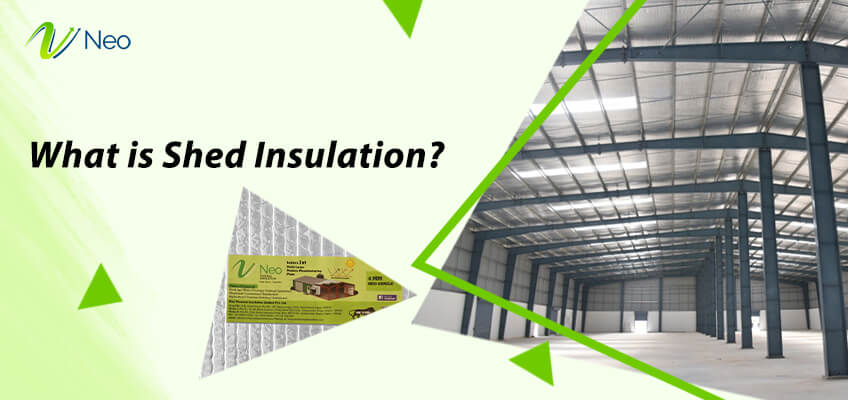
What is Shed Insulation?
What-is-Shed-Insulation

We all know that throughout the year, the outdoor temperatures can vary widely. Without insulation, sheds get excessively cold in winter and extremely hot in summer. Insulation in simple words is like a barrier between the inside and outside of your shed. When we insulate a shed, it stays cool in summer and retains heat in winter.

What are the Benefits of Shed Insulation?

While the shed insulation process may seem like a tedious job, the benefits are well worth the effort. Insulation in shed can keep the temperature of your interior more consistent, hence protecting any items from extreme heat or cold you have stored inside.

Secondly, insulated sheds prove to be more energy efficient and therefore save you money on your cooling and heating costs. Further, insulation in the shed reduces condensation and moisture build-up, both of which can lead to rot and mould.

Another reason why insulation for sheds is extremely beneficial is that when it comes to storing weather-sensitive equipment like tools or boxes you need a suitable temperature that can be achieved via shed insulation.

Lastly, if you are an animal lover and love to keep animals then it is a great idea to install some shed insulation to make sure that your pets are safe and comfortable. Regularizing temperatures for your pets can keep them healthy and fit for a longer duration.

Besides these, there are many more benefits such as:

  • You can protect your metal tools from dampness and therefore from rust
  • Your shed becomes a cozy place where you can work easily all year round
  • Helps in keeping away pests and mould
  • Electrical devices are free from moisture
  • Perishable items like paint will last longer
  • As an extra room to the house, sheds can be used as gyms, game rooms and home offices

Looking For Shed Insulation?

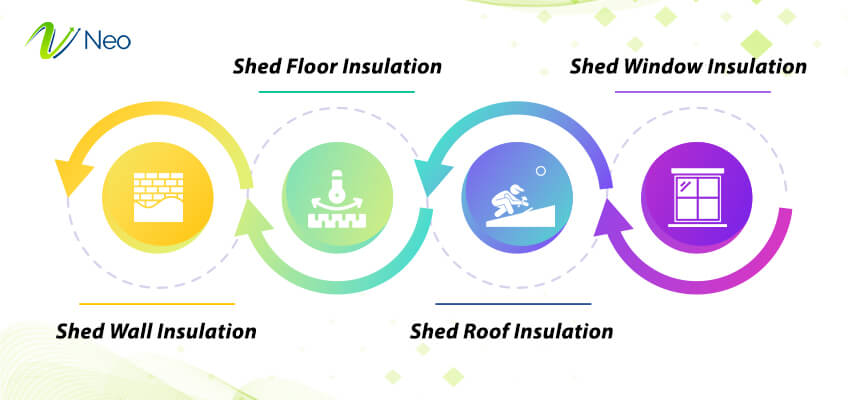
What are the Applications of Shed Insulation?
Applications-of-Shed-Insulation

There are various forms of applications of shed insulation. Contact Neo Thermal Insulation as we are one of the famous insulation manufacturers in India providing thermal insulation and shed insulation installation services at pocket-friendly prices:

Shed Wall Insulation

Neo Thermal provides heat insulation sheets that prevent heat loss and create an energy-efficient space. The space created would be free from any unwanted noise and weather disturbances. Consider buying products from Neo Thermal and see the magic

Shed Floor Insulation

Neo Thermal Insulation brings a promise of the industry’s best shed floor insulation product for our customers. Floor insulation locks the heat inside the room by preventing it from escaping from the floor in winter. Thus, a warmer and more comfortable temperature can be maintained inside the particular space. 

Shed Roof Insulation

When is comes to roof insulation sheets, shed roof insulation is the best choice that can help you get rid of external temperature as well as noise disturbance. We deliver the best shed roof insulation services all over India at a very competitive price.

Shed Window Insulation

Our Shed Window solutions bring double-pane window designs that make the window area well insulated. It prevents the window from getting cold enough which can cause condensation.

What is the R-value for Shed Insulation?

A subject called the R-value must be understood in order to understand what the best shed insulation is. Simply put in words, R-values can measure the rate at which insulation can prevent the flow of heat into and out of your shed or home. A higher R-value indicates higher insulation performance.

So how do we measure various sorts of insulations for R-value? Well, there is a formula for finding the R-value that we’ll be discussing below:

R = ∆T ÷ Heat Flux Through Barrier.

Understanding this equation is slightly complicated. The symbol ∆T indicates your insulation thickness and “heat flux through barrier” signifies the thermal conductivity measure in your insulation.

The best part is that you no longer need to understand this formula as most insulations by default come with the R-value calculated we just need to input the square footage of our shed and it will tell us the exact amount we need.

R values vary according to the types of insulation. However, in general, the most suitable R-values for your insulation can anywhere range between R-13 and R-23.

How to Install Shed Insulation?

Follow these steps if you want to know how to install shed insulation and do the job like a pro:

Step 1 – Perform shed assessment

The first step that comes under the shed insulation process is the assessment of your shed’s current condition. Do the inspection to check for any existing insulation, signs of leakage or any other potential problems for that matter. If you analyse the unique characteristics of your shed deeply, then it will help you plan the insulation project more strategically.

Step 2 – Choosing the right insulation materials

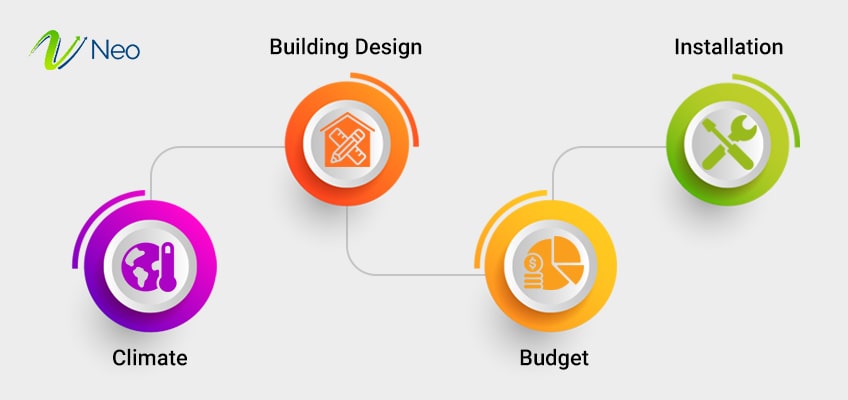
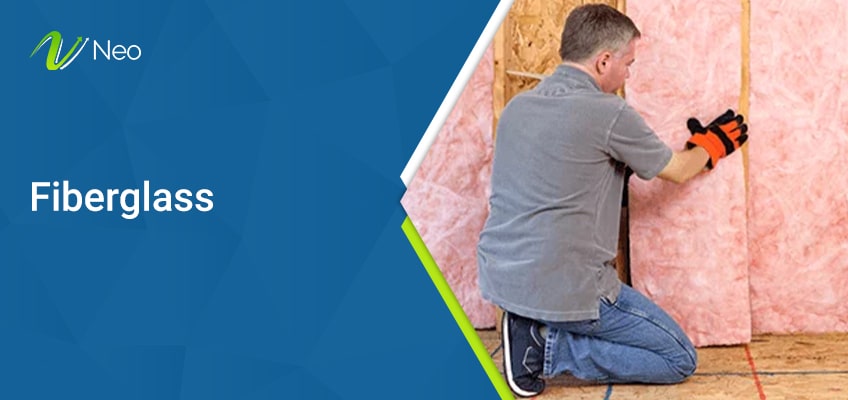
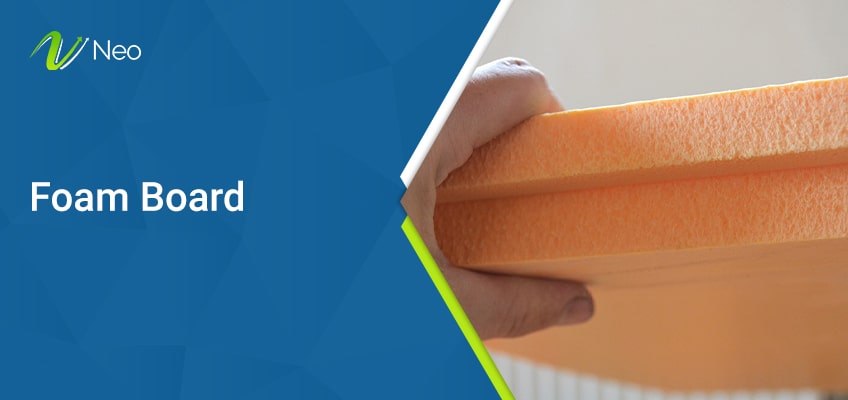
To run a successful insulation project, choosing the appropriate insulation material is mandatory. Several options are available such as foam board, fiberglass, spray foam, and more. So, depending on your requirements, you need to analyse various factors like climate, your budget and the intended use of the shed while making your selection.

Step 3 – Arranging the desired materials and tools

Every physical job requires some tools and materials just like installing insulation for sheds. Even cheap shed insulation requires some basic tools to perform the job. Common items include vapor barrier, insulation material, adhesive caulk, utility knife, nails or screws. Keep everything ready in advance to save your time and money.

Step 4 – Preparing the shed

The next step is to prepare the shed in the right manner. Clean the shed and make it free from any moisture or dampness. If there are any leakages or cracks, make sure they are properly fixed. Also, check whether or not there are any gaps in the roof and walls. Consider installing a vapor barrier to prevent condensation and moisture build-up.

Step 5 – Insulate your walls

Start the installation process by insulating your shed walls. Prepare the insulation material by cutting it in the right shape so that it fits into the wall cavities. Create an airtight barrier by sealing any gaps with caulk or tape. Following this step is mandatory if you want to regulate the temperature inside the shed.

Step 6 – Insulate your ceiling

Insulating your ceiling is very important if you plan to use your shed annually. Just like the walls you need to prepare your thermal insulation material by cutting it in the right shape so that it fits in the roof cavities. As heat rises, you need to control temperature and that can be achieved via roof insulation

Step 7 – Floor Insulation

Insulating the floor can be done depending on the intended use of your shed. Insulating the floor helps in maintaining a comfortable temperature and prevents cold drafts. Make sure that you use good quality materials as using bad quality stuff can deteriorate your structure. Buy premium Insulation materials from Neo Thermal at affordable prices.

Step 8 – Sealing all cracks and gaps

Effective insulation can only be achieved if there are no cracks or gaps in the ceiling. To achieve that, seal all sorts of cracks and gaps by using caulk or spray foam. Proper ceiling ensures energy efficiency and comfort.

Step 9 – Make wall coverings

After insulating and ceiling, you may add wall coverings like drywall, panelling or a weather-resistant finish to complete the look. This adds an extra layer of protection. Consider adding a 6mm vapor between the insulation and any finish material.

Step 10 – Adding cooling and heating systems

In extreme weather conditions, you may add heating or cooling systems for maintaining an environment that is nice and cozy.

Upgrade Your shed’s Comfort and Protection Today!

Conclusion

Now that you know so much about shed insulation, it becomes easier for you to make the right insulation purchases for your building. Note down the following – your shed size, your budget, and how you plan to use your shed. These factors must be kept in mind while making the purchases. After purchases are done, the next step is to do the installations which sometimes is a very daunting task, especially if you know nothing about shed insulation.

So, if you are a newbie and want to purchase and install a shed for your home or building then contact Neo Thermal as we offer a large variety of premium-quality sheds. Further, we also provide shed installation services at affordable prices. So, get in touch with us to build the shed of your dreams.

Frequently Asked Questions

1. How does shed insulation work?

A lot of heat is absorbed by the metal roofing and is then radiated in the inward direction. This increases the internal temperature. Shed insulation helps in slowing down the heat transfer by reflecting the radiant heat away. It works on the principle of slowing conductive heat flow and convective heat flow.

2. How thick is shed insulation?

When we talk about shed wall insulation, a good R-value should range anywhere between R-13 and R-23, depending on whether you are using 2x4s or 2x6s for your shed walls. In terms of ceiling, choose between R-30 and R-49. For shed floors and crawlspaces, anywhere between R-13 and R-30 would be sufficient.

3. How do I choose the right insulation for my shed?

To choose the right insulation for your shed you must hire an experienced insulation company like Neo Thermal and get your installation done of spray foam insulation. Properly installed spray foam provides a high R-value and eradicates any chances of air infiltration as it fills all the voids, even the tiniest ones.

4. How long does shed insulation last?

Under ideal conditions, usually shed insulations can last for decades. However, the timeline can squeeze or expand depending from situation to situation. For example, in some homes shed insulation may last for a century whereas in some homes it may require upgraded insulation every fifteen years.

5. Does shed insulation need an air gap?

Yes, there should be an air gap between the insulation and the shed wall. This will help in controlling moisture and keeping your shed healthy and dry. Surely, leaving an air gap can significantly improve the insulation’s effectiveness.
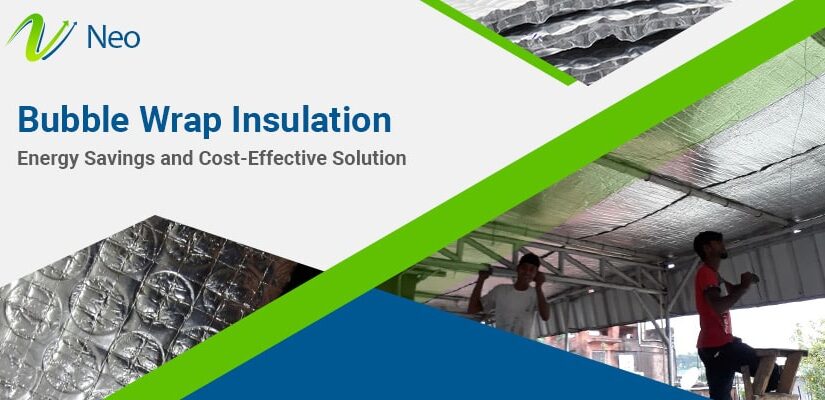
Bubble Wrap Insulation(Benefits & Types)

Just like many other discoveries, an accident led to the discovery of bubble wrap insulation. When two engineers were sealing the two plastic curtains together, air got trapped between them, leading to the innovation named bubble wrap.

Bubble insulation is now one of the most effective ways to insulate residential and commercial buildings with low cost and high reliability. This material offers sustainable as well as environment-friendly solutions to those who are looking for affordable insulation.

In this article, we will cover every aspect related to bubble wrap. You will get to know, what is air bubble insulation, how it is made, the benefits of using it, the different types of bubble insulation and how to install the insulation.

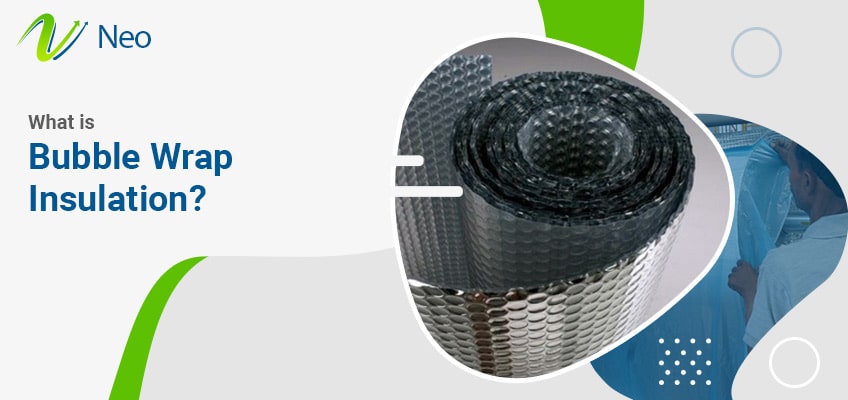
What is Bubble Wrap Insulation?

What-is-Bubble-Wrap-Insulation

Air bubble insulation is a sustainable and environment-friendly solution for modern thermal insulation requirements. The insulation material is an amalgamation of reflective surfaces with and air bubbles present between the reflective layers. The air bubble acts as a thermal barrier that traps heat and prevents heat transfer through conduction and convention between an object and the surroundings. The air bubbles sandwiched between the layers create small air pockets that act as an insulator for thermal insulation.

Bubble wrap can be used both in summers and winters as it diminishes heat loss during winters and heat gain in summers. The R-value of bubble wrap insulation lies between R-3 and R-5 per inch, depending upon the thickness and composition of the material used in the process. In addition to this, it is lightweight, flexible, malleable, inexpensive and easy to install, making it a perfect fit for duct pipes, roofs, ceilings, walls, pole barns, crawl spaces, metal buildings, ware houses and freezers.

What makes bubble insulation a popular choice is its ability to offer energy-efficient solutions. It is efficient in controlling indoor temperature. It is convenient for use in commercial and residential spaces.

Bubble Insulation: How is it Made?

Air bubble insulation , commonly known as bubble wrap foil insulation, is made up of different types of insulation materials, like low-density polyethylene. In the process, plastic films are combined with the layers of air bubbles to create air pockets for thermal resistance.

Here are the steps to follow to make this insulation material:

  • Plastic films and air are the main components of bubble wrap insulation. A durable and flexible polymer (polyethylene) is used to manufacture plastic films.
  • Temperature has a very important role in the manufacturing process of bubble insulation. The process begins with the melting of polyethylene at a high temperature (around 450 degrees Celsius) to form a thin plastic film. The thickness of this film depends on the required insulation properties.
  • After the conversion of polyethylene pellets into plastic films, these films are passed through several rollers with small and heated pins. The pins are used to create small-size hemispherical holes for air bubbles to trap air within them. The whole process is done with the help of pressure applied on the plastic film.
  • After creating air bubbles in the plastic film with the help of pressure, the next step is to apply another layer of plastic film to add durability and flexibility. Thus sealing and creating air tight pockets of air. It increases the insulation properties of the material and curtails heat transfer.
  • To curtail material from expanding unnecessarily, the perforation process is done. Under this, extra air is removed from the material.
  • For enhancing performance and durability, when required, certain additives like flame retardants, UV stabilizers, reflective coatings, etc. are added to the insulation material.

In the last, the bubble insulation material is cut down into sheets of different sizes and rolled to make them suitable for transportation.

Benefits of Using Bubble Wrap Insulation

Benefits-of-Using-Bubble-Wrap-Insulation

There are various types of benefits to using foil bubble wrap insulation. It is a perfect fit for homeowners, commercial, and industrial establishments’ energy requirements:

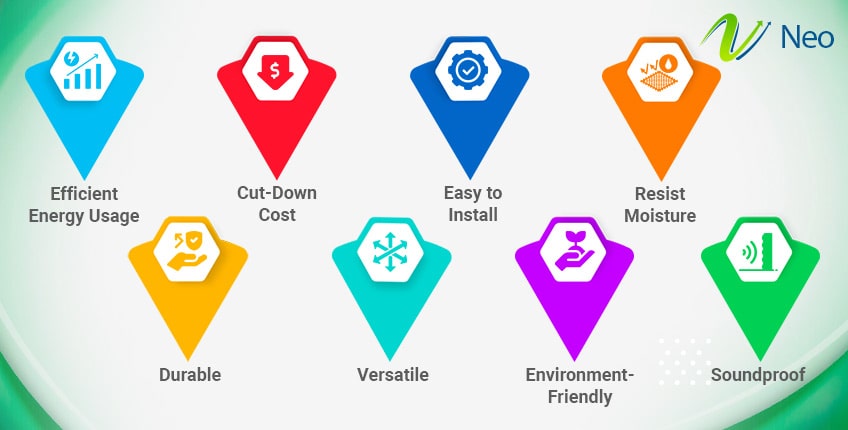
  • Efficient Energy Usage: Bubble thermal insulation curtails heat loss and heat gain during the summer and winter climates, respectively, and helps in maintaining the desired indoor temperature. It helps energy appliances run efficiently and resist any unwarranted energy load on them without any extra cost. It leads to efficient energy use and lower bills.
  • Cut-Down Cost: In comparison to other insulating materials, bubble wrap insulation is not only less expensive but also requires a minimum cost for installation. It is one of the best options for those who have a restrained budget and are looking for reliable and thermally efficient insulation options.
  • Easy to Install: The material used in the manufacturing process of bubble wrap made it lightweight, flexible, durable, and easy to install. If one opts for the right installation technique and has all the required tools, one can easily install it. It can be cut into different sizes as needed without any difficulty. It is a perfect material for insulating wall insulation, ceilings, floors, crawl spaces, attics and underfloor insulation.
  • Resist Moisture: Bubble wrap insulation is anti-humid and increases the lifespan of building materials by preventing the accumulation of moisture inside and outside the insulated material. It also creates a barrier for condensation in cold climates, thus providing 360-degree protection.
  • Durable: The insulation material is resistant to wear and tear and offers long-lasting durability. It means that once applied, it will insulate materials for the long term.
  • Versatile: This is a versatile material and can be used for different purposes. It can also easily roll down into sheets of various sizes due to its flexibility. It is compatible with both residential and commercial building requirements.
  • Soundproof: It is a soundproof material. It is used to absorb and restrict sound transmission between the surface and the surroundings.
  • Environment-Friendly: Recycled material is used in the manufacturing of bubble wrap insulation to protect the environment. It restricts the use of hazardous materials and offers environment-friendly insulation options.

Make Your Home More Energy-Efficient With Bubble Wrap Insulation

Types of Air Bubble Insulation

Single Bubble Wrap Insulation

Single bubble wrap insulation is one of the most common insulations used for thermal efficiency. As its name suggests, the material consists of only one reflective surface with bubbles of about 3/8 inch in diameter. It creates small air pockets to reduce heat transfer between the surface and the surroundings. It is efficient when moderate insulation is required without any specific requirements. The single air bubble insulation is resistant to moisture and versatile in use.

Applications:

  • Use where moderate insulation is required.
  • Use in crawl spaces, handles and doors of garages.
  • Use as packaging material and as a protective covering for fragile items.

Advantages:

  • It is both cost-effective and affordable.
  • It is easy to install.
  • It offers resistance against moisture and UV radiation.
  • It is lightweight, durable, and flexible.

Double Bubble Wrap Insulation

Double bubble wrap insulation is a combination of two insulating layers of bubble wrap and reflective foil (commonly aluminum) that acts as a separating material between two bubble wrap layers. In this material, multiple air pockets are created between the layers, which increases thermal efficiency for better insulation. Double bubble wrap insulation is more effective than single bubble wrap.

Applications:

  • Use for walls, attics, and crawl spaces.
  • Use for underfloor insulation.
  • Use for ductwork and pipes
  • Use for greenhouses.
  • Use for shipping and packaging.

Advantages:

  • It enhances the thermal performance of the material several times.
  • It offers effective resistance against moisture and condensation.
  • It is easy to install and versatile.
  • It is lightweight, durable and flexible.

Reflective Bubble Insulation

Reflective bubble insulation is an amalgamation of bubble wrap and metallic foil to reduce radiant heat transfer. It consists of aluminum foil combined with layers of bubble wrap to enhance thermal efficiency and lower utility costs. It prevents heat transfer through conduction and convection between the insulated surface and the surroundings. Inside bubble wrap reflective insulation, bubble wrap layers are sandwiched between the metallic foil that curtails heat from penetrating interiors. These layers induce small air pockets that reduce heat transfer.

Applications:

  • Use for insulating roofs and attics.
  • Use in metal buildings where temperature fluctuation and condensation are important issues.
  • Use in radiant floor heating.
  • Use in transportation, such as transport trucks and cold-storage trucks.
  • Use in cold storage facilities.

Advantages:

  • It has a high thermal-resistance material.
  • It is lightweight, flexible, and durable
  • It is versatile and offers resistance against moisture and condensation.
  • It is easy to install.

Bubble Wrap with Foam

Bubble wrap with foam is a combination of bubble wrap and foam material like expanded polystyrene (EPS) or polyethylene. The extra layer of foam in the insulation material offers supplementary thermal efficiency and curtails heat transfer through conduction and convection. The material present in bubble wrap with foam insulation adds additional R-value and improves overall insulation efficiency. The foam material helps bubble wrap layers to create small air pockets that act as an insulator.

Applications:

  • Use to insulate walls and attics.
  • Use for underfloor insulation.
  • Use in packaging and shipping.
  • Use in providing cushioning and protection to fragile items.
  • Use in making thermal blankets.

Advantages:

  • It has good thermal performance.
  • It can act as a soundproofing material.
  • It is easy to install and versatile.
  • It is flexible, durable and moisture-resistant.

Bubble Wrap with Woven or Non-Woven Fabric

Bubble wrap with woven or non-woven fabric is an effective insulating material. The material is prepared by placing layers of bubble wrap material between the layers of woven and non-woven fabric, determining enhanced insulation ability and improved thermal resistance. The woven fabric is obtained from yarns and threads, while the non-woven fabric is made of artificial fibers. The woven or non-woven fabric in bubble wrap with woven or non-woven fabric insulation provides strength, flexibility, and durability to the material. It protects bubble wrap layers from any additional damage during installation.

Applications:

  • Use for exterior walls.
  • Use in metal buildings.
  • Use in shipping and packaging.
  • Use to insulate outdoor sheds.
  • Use to create thermal covers for outdoor furniture.
  • Use to make a protective layer for gardening tools.

Advantages:

  • It increases the durability and flexibility of a material.
  • It improves the tear resistance of a material.
  • It is a good soundproofing material.
  • It provides extra protection against dust particles.
  • It is a versatile material

Different Ways to Use Air Bubble Insulation?

Different-Ways-to-Use-Bubble-Wrap-Insulation

Bubble wrap insulation is one of the best insulating materials for enhanced energy efficiency and thermal insulation requirements in residential, commercial and industrial buildings.

Here are a variety of places where bubble wrap used as insulation:

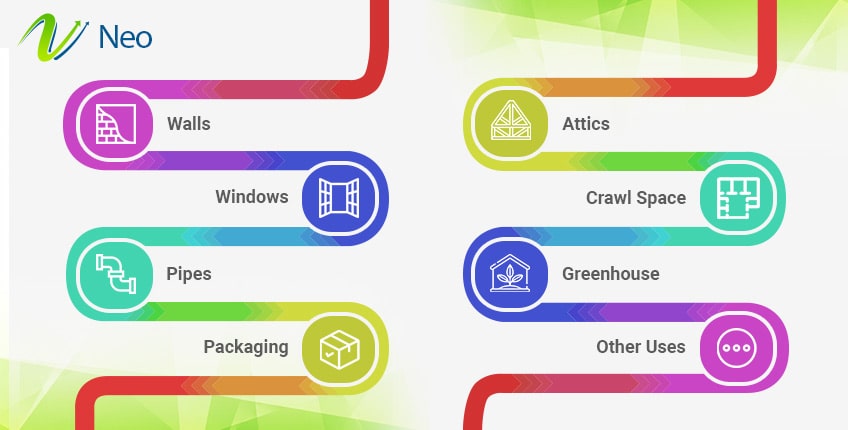
  • Walls: Walls are the parts of a building from where maximum heat gain and heat loss take place; hence, it is necessary to insulate walls for economical energy bills; bubble wrap on walls and between wall studs helps reducing transfer of heat and maintains a desirable indoor temperature without excessive utility costs.
  • Attics: Insulating attics with bubble insulation is a better option than insulating them with traditional insulating materials. Attics are places where a large amount of heat escapes to the surroundings, resulting in energy loss. In winter, bubble wrap is used as insulation for insulating attic floors and between rafters.
  • Windows: Windows bubble wrap insulation is not only necessary but also desirable for your house’s thermal insulation efficiency. The windows are necessary for warmth and light; however, a large amount of heat escapes from them, ensuring energy loss. Window bubble wrap prevents heat loss and gain by creating small thermal buffer zones when used from inside; it enhances the energy efficiency of a building.
  • Crawl Space: Creating a thermal barrier between crawl spaces and their surroundings is necessary. Providing bubble wrap insulation around floor joists and between the ground and the space above prevents heat transfer of heat and increases overall insulation.
  • Pipes: Bubble wrap for pipe insulation is used to minimize the incidence of water freezing during cold climates. The bubble wrap protects pipes from unnecessary wear and tear and provides a long life.
  • Greenhouse: Bubble wrap insulation can be used to insulate the interior walls of greenhouses. It helps to trap the sun’s energy and maintain an optimal temperature for plant growth. The insulation provides additional benefits for better plant growth.
  • Packaging: Bubble wrap used as insulation to provide protection to fragile items like glass materials, electric appliances, and other precious items during shipping and storage. Bubble wrap has excellent cushioning properties and saves products from damage and loss.
  • Other Uses: You can employ bubble wrap in a variety of different places, like water tanks, dog- houses, water-heaters and various DIY projects for insulation. It has majestic properties that make it suitable for unconventional uses.

The above mentioned cases show how bubble wrap used as insulation for better insulation, thermal efficiency and comfort in daily life.

Upgrade Your Home Cozy and Save Energy With Bubble Wrap Insulation!

How to Install Bubble Insulation in Your Buildings

Bubble wrap installation in residential or commercial buildings will ameliorate overall thermal efficiency and result in improved energy savings.

Here is a guide on how to install it.

  • It is necessary to inspect and clean the surface before applying bubble wrap insulation. If any kind of debris, dust particles or any other substance is present on the surface, it will hamper the proficiency of the insulating material, thus leading to improper results.
  • Before applying insulation, gather the required tools for proper fitting. Materials like tape, scissors, a utility knife, adhesive spay and other essential tools must be kept ready.
  • Take the proper measurement of the area where insulation is going to be installed, like windows, attics, crawl spaces or any other place. Cut the bubble wrap to the proper size and measurement. Make sure that the insulating material covers the surface properly for effective results.
  • Be careful while placing bubble wrap insulating material on the surface of the object. Ensure that the insulation “droops” between points of attachment, and there must be 1 inch of air space between the insulated surface and the wrap.

After installing insulation, check for any uncovered gaps or any other fault. This may be the case when insulation is not done properly. Carefully find out the faults or gaps and seal them to ensure the best outcome.

Conclusion

Installing bubble wrap insulation will result in lower utility costs, consistent thermal efficiency, the desired indoor temperature and comfort. In this article, we discussed important aspects of bubble wrap and made you aware of its benefits and versatile usage.

Bubble insulation is a profitable solution for those who are looking for an affordable and sustainable thermal insulation solution. It is an efficient solution for residential, commercial, or industrial buildings. It not only results in the better thermal performance of a building but also reduces energy bills. Bubble wrap insulation offers long-term and environment-friendly benefits for thermal insulation needs.

Frequently Asked Questions

1. What type of material is bubble wrap insulation?

It is made up of plastic films such as polyethylene. There are also special type of bubble wrap insulation material which consists materials like aluminum foil, foam (made up of expanded polystyrene (EPS) or polyethylene), woven or non-woven fabric.

2. What is the R-value of bubble wrap?

The R-value of bubble wrap insulation depends upon various factors like thickness, material contents, and number of layers. For example, the R-value of 3/8 inch bubble wrap is close to 1.3; on the other hand, the R-value of 3/8 inch bubble wrap foam is 1.6. It is important to note that the higher the R-value, the higher the thermal resistance.

3. How thick is bubble wrap insulation?

It comes in different kinds of thicknesses. The thickness of the standard size insulation varies from 3/16 inch to 5/16 inch. However, there may be more variation in thickness than the standards mentioned, depending on the material used.

4. Is bubble wrap insulation good for windows?

Window bubble wrap insulation is very effective and offers great help in achieving thermal insulation efficiency. The bubble wrap, when put on windows, traps air in small pockets and curtails heat transfer between the window and the surroundings. In addition to this, the insulation is not only easy to install but also easy to remove when needed.

What is Industrial Insulation?(Meaning, Benefits, Applications & Materials)

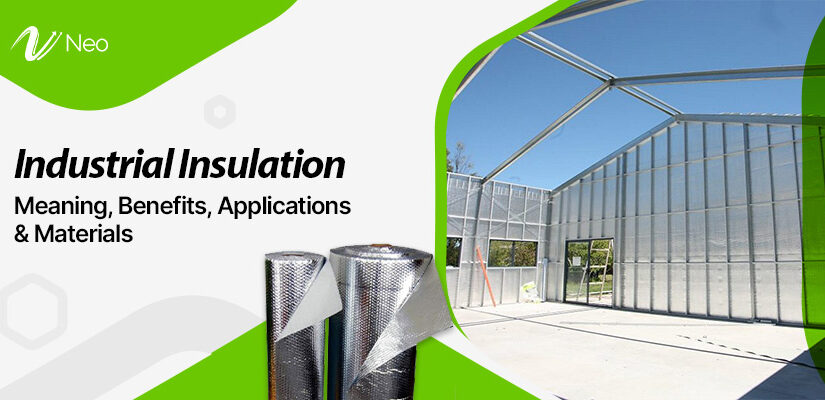
Nowadays industrial insulation is commonly practiced in the industrial sector via which companies and factories can save energy in multiple domains and sub-domains like manufacturing, power generation, oil refining, etc. Hence, be it food processing, power generation or stabilizing and controlling process temperatures, thermal insulation solutions play a critical role in the modern industrial space

Insulation is not a new phenomenon as in ancient times mud was one of the largely used industrial thermal insulation materials known for its cooling properties for building homes. People used to put straw and mud between logs to insulate their houses.

Over the years, insulation has evolved extensively and nowadays we use a variety of industrial insulation materials ranging from bulky fiber materials such as cellulose and fiberglass to sleek foils to rigid foam boards, etc. Every material has its unique properties and usage. That’s the reason the insulation industries market is so humongous as it has something valuable to offer to everyone.

To cut a long story short, a business can avail of insulation services from any of the trusted industrial insulation suppliers and manufacturers to save energy and cost and create a safe and pollution-free environment for its workforce.

Industrial Insulation: An Overview

Industrial Insulation

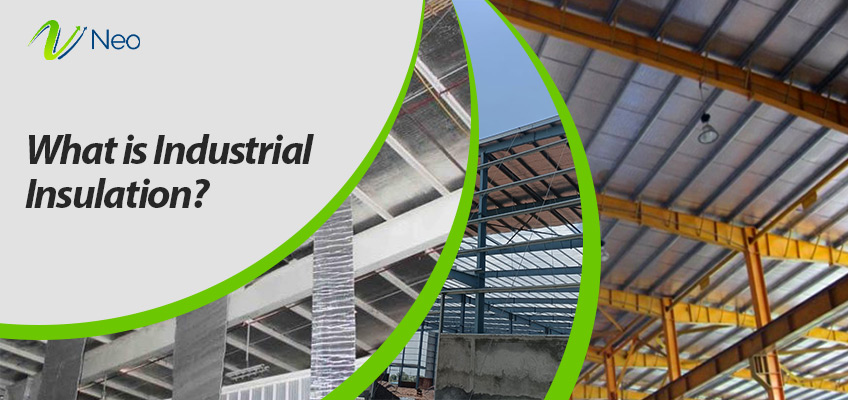
Industrial Insulation in simple words is used to control or regularize temperature. It is used around the globe in power generation plants, refineries, and manufacturing units. When a building is constructed, factors such as global warming and limited energy resources must be considered. The focus should be on constructing buildings that are energy efficient.

Thermal insulation is one such way that can optimize the use of available resources to save and conserve energy. Insulation is a great way to save more than half of the energy to provide good and stable interior conditions.

The thermal insulation industry is making millions by installing effective insulation systems within organizations to protect and safeguard the internal environment. Insulation industries use modern insulating materials that have the characteristic to control and maintain any building’s internal environmental conditions by minimizing its operational energy load.

Protect Your Equipment and Workforce with Premium Industrial Insulation.

Applications of Industrial Insulation

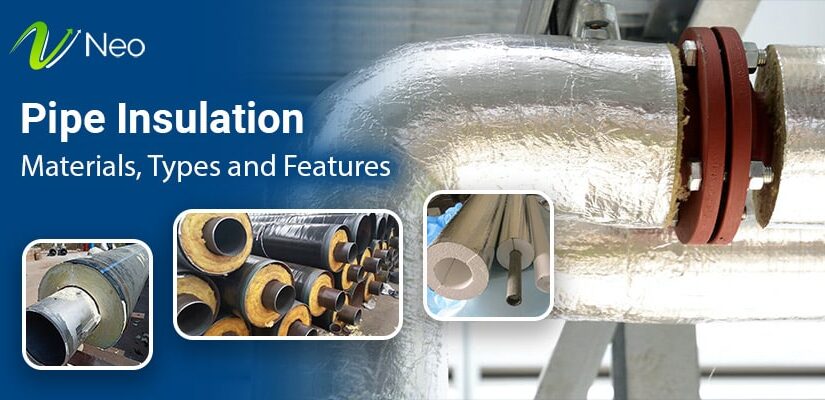
Pipe insulation

NEO Thermal Industrial Pipe Insulation Solutions are the ideal choice when it comes to addressing issues like providing thermal and sound insulation or protecting from fire with the help of a single product. They are the perfect choice for a full range of applications and temperature changes.

Tank and Vessels Insulation

Industrial Storage Tanks and Vessels are available in a wide range of shapes, sizes and temperatures. The type depends on the needs of the process; however, one common thing is the need for effective insulation that meets all process requirements to ultimately protect personnel from uneven temperatures and surfaces.

Industrial Ovens and Kilns

An industrial oven is a device used for creating high temperatures to condition metals, heat treat parts, and cure metal coatings. The Kiln is also a high-temperature thermal processing device used specifically when there is a need to burn or harden any sample. Neo Thermal has years of experience in installing Industrial ovens and kilns in various industries.

Acoustic Insulation

Acoustic Insulation greatly helps protect occupants from noise pollution so that one can feel a sense of comfort and privacy. It is typically designed to minimize the noise transfer inside and outside your home or office.

Chimney Insulation

Thermal Insulation of Industrial Chimneys is a great way if one wants to prevent corrosion of the internal steel channels. With Neo Thermal Industrial Chimneys, you get quality-driven products at affordable prices for your office and residential spaces.

HVAC System

Cellulose, rock wool, spray foam and fiberglass are the most common types of HVAC Insulation. Each type has its own benefits and limitations, for example, the property to resist fire and thermal insulation.

Equipment Insulation

With sustainable and eco-friendly equipment insulation solutions of Neo Thermal, you can incorporate effective thermal performance to save energy and increase efficiency. They aim to offer top-notch equipment installation services for acoustic performance.

Boiler Insulation

Neo Thermal offers budget-friendly insulation services for boilers to be used in various industries. The best part is that the task of installation is performed by our experienced professionals who are well-versed in their craft.

Reduce Heat Loss and Improve Workplace Comfort with Industrial Insulation Solutions.

Benefits of Industrial Insulation

Benefits of Industrial Insulation

It is impossible not to talk about the plethora of benefits Industrial Insulation has to offer in the areas of chemical processing, manufacturing, or other industrial-specific applications. So, let’s go through some of the major benefits and analyse how the Industrial Thermal Insulation Market is driven by that:

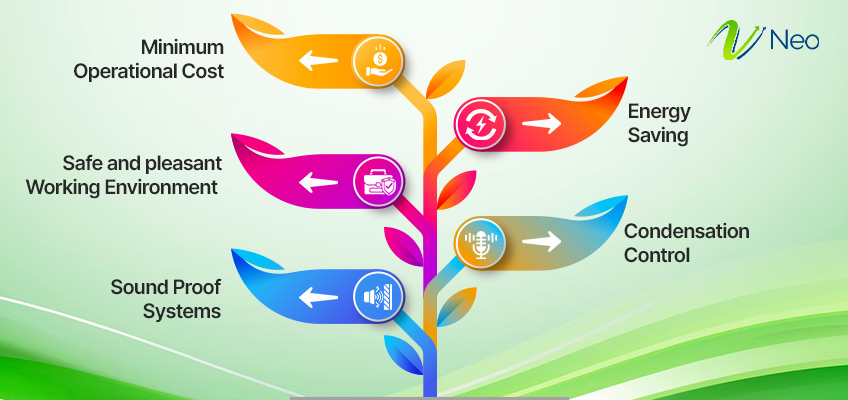
Minimum Operational Cost

A well-insulated environment is the seed of low operational cost. As the environment is suitable for the workforce, it performs at an optimum level regardless of the shift timings. Therefore, the insulation industry market can highly benefit in terms of operational cost control.

Energy Saving

Another mind-blowing benefit of Industrial Building Insulation is the fact that it helps in saving energy to a whole new level. Good insulation helps minimize heating and cooling costs resulting in saving valuable energy resources.

Safe and pleasant Working Environment

We all agree that human resources is the most important asset for any company. Industrial building insulation helps create an environment that is free from all sorts of negative effects of uncontrolled temperatures and industrial processes.

Condensation Control

Excess condensation can be controlled if pipes and vessels are properly insulated. If you can eliminate drastic temperature fluctuations then you can avoid potential damage to your sensitive mechanical or electrical components.

Sound Proof Systems

Unnecessary noises and disturbances always hamper the productivity of the workforce. This is due to thin walls or structures that cannot stop the penetration of noises from one room to another. Industrial building solutions can also help in such a scenario by installing systems to integrate effective sound control.

Common Types of Industrial Insulation Materials

Here is the list of the most commonly used Industrial Insulation Materials

Fiberglass Blanket

Talking about the types of Industrial Insulation, the most widely used is Fiberglass Blanket. Also known as batt or roll insulation, a fiberglass blanket is built with layers with an outer shell of paper or cardboard. The insulation material is mostly applied between joists and beams.

Fiberglass Board

Fiberglass Board is one of the most common industrial insulation types which is used widely in industries such as warehouses and factories. A combination of resin with fiberglass creates a rigid insulation panel. As far as the application is concerned, fiberglass board is typically used for insulating HVAC ductwork.

Rockwool

Third on the list of Insulation Materials is Rock wool. Rock wool is prepared from minerals (diabase, or basalt) that are melted and spun into fibers. The highlights of Rock wool include its high durability, fire retardant nature, and resistant property to mold and mildew. It is used in hot water tanks and pipes.

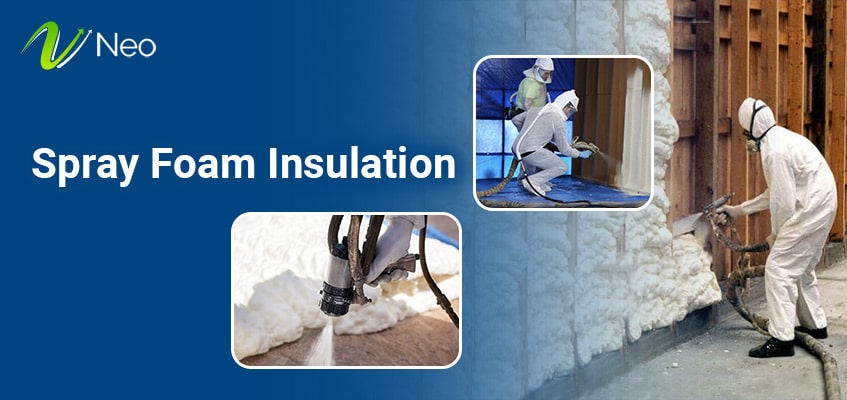
Spray Foam

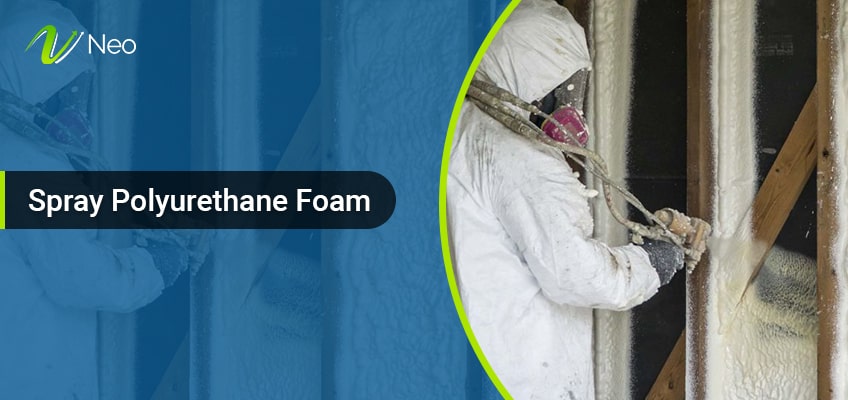
One of the most widely used Industrial Insulation Materials to reduce noise is Spray Foam. Foam insulation acts as a barrier to airborne sounds, hence reducing airborne sound transfers through different structures. It’s an alternative to fiberglass and is made by mixing two materials – isocyanate and polyol resin.

Loose Fill Insulation

The ability to conform to any space without disturbing structures or finishes make Loose Fill Solution an ideal fit for retrofits and locations where installing other sorts of insulation would be difficult. “Loose Fill Insulation” is available as either fiberglass pellets or cellulose and can fill small or inaccessible spaces.

How to Install Industrial Insulation?

Installing industrial insulation typically involves several steps to ensure proper coverage and effectiveness. Here’s a rundown on how to do it right:
Step 1 – Check Your Industrial Space

First things first, take a good look around your industrial area. Figure out where you need insulation, spots where heat might be sneaking in or out, and if there are any spots that need fixing up.

Step 2 – Pick Your Suitable Insulation Material

Choosing the right insulation material is crucial for the success of your insulation project. Think about how hot or cold it gets in the space, if there’s any moisture to deal with, and what fits your budget. There are different types like fiberglass, mineral wool, foam board, and reflective insulation, so pick what suits your needs best.

Step 3 – Get Necessary Materials and Tools

Before you start, make sure you’ve got everything you need. Grab your insulation, any barriers you need, adhesive, safety gear and tools like knives or scissors. Having it all ready saves time later.

Step 4 – Prep Your Industrial Area

Clean up your area before you get started. Make sure it’s dry, tidy and there’s nothing in the way. Fix up any leaks or gaps to keep the air where it should be. If moisture’s an issue, you might need a vapor barrier to keep things dry.

Step 5 – Insulating Pipes, Ducts, and Industrial Equipment

Now it’s time to get insulating! Proceed with insulating essential components such as pipes, ducts, and industrial equipment within your facility. Utilize insulation materials specifically designed for these applications, considering factors like temperature fluctuations and exposure to chemicals or harsh environments. Wrap pipes and ducts snugly with insulation, ensuring complete coverage and minimal heat loss or gain during operation. Pay close attention to intricate areas and connections to prevent thermal bridging and maintain insulation integrity. Properly insulating pipes, ducts, and industrial equipment is crucial for optimizing energy efficiency, preventing condensation and ensuring the reliable operation of your industrial processes.

Step 6 – Regular Maintenance and Monitoring

Once you’re done, don’t forget about your insulation. Check on it regularly to make sure it’s holding up. If you spot any problems, fix them up or let you thermal insulation provider fix it fast to keep your place comfy and efficient.

Follow these steps, and you’ll have your industrial insulation sorted, making your space more comfortable and saving energy along the way.

Why Buy Industrial Insulation from Neo Thermal?

Neo Thermal Insulation is ranked among the top Industrial Insulation Companies in India and is known for providing tailor-made and cost-effective thermal insulation solutions. We at Neo Thermal believe in revamping business spaces with our energy-saving thermal insulation materials and devices.

We are one of the leading Insulation Suppliers in India. Our services cater to a wide range of industrial sectors like manufacturing units, warehouses, commercial and residential properties, health and fitness centers, malls and a lot more.

Our wide range of services includes thermal insulation installation services for roofs, complete building insulation, ceiling insulation, floor insulation, Aluminum foil insulation, thermal insulation wall installation, and many more.

In simple words, we offer all sorts of energy-efficient industrial insulation services for optimum thermal performance. Contact us and get the best thermal insulation services suitable according to your geographical location and property structure.

Conclusion

In the end, let us all agree that Industrial Insulation is greatly helpful when it comes to creating a pleasant and workaholic environment. This is because you can maintain and regularize temperatures in the best possible manner. As this is a serious job, you need the assistance from an expert. We at NEO Thermal Insulation have experts who can install effective thermal insulation systems in your company to give you the desired results.

As far as this article is concerned, we have tried our best to give you insights into the thermal insulation industry and how you can make it work for you. By availing of Industrial Thermal Insulation Services, you can get a lot of benefits, for example, your electricity bill can be lowered, you can save natural resources and of course, you can save energy.

Frequently Asked Questions (FAQ’s)

1. What is the best industrial insulation?

The best industrial insulation depends on the place you’re adding it, the desired R-value, and your overall budget. In general, Fiberglass insulation is the best insulation as it provides great thermal resistance and is non-inflammable. Hence, it is considered the safest in terms of usage in industrial facilities.

2. How does industrial insulation contribute to energy efficiency?

It helps in reducing heating and cooling costs and protecting your facility from heat loss. Building envelope insulation helps in maintaining a stable temperature throughout the facility. Secondly, it protects your building from losing heat so that it becomes more energy efficient.

3. Why are Insulation Industries Important?

There are many reasons why insulation is very important but the most important reason would be that there is a huge amount of loss in terms of the indoor heat through the ceiling and insulation helps in protecting that. Installing insulation in your homes and office spaces helps provide resistance to heat flow and lowers your cooling and heating costs. Hence, your overall comfort is enhanced.

4. Which are the best industrial insulation Suppliers in India?

Neo Thermal Insulation is among the top manufacturers and suppliers of insulation materials in India. They are the pioneers of the insulation industry and are ranked among the top industrial insulation companies in India. They work to bring comfort to your homes and workplaces by providing premium quality thermal insulation materials at highly affordable prices.

Roof Insulation Panels – Comprehensive Guide in 2024

In the realm of energy-efficient architecture, Roof Insulation Panels stand as key players, revolutionizing global construction practices. Roof insulation industry is all set to grow from a valuation of Rs. 96000 Crores in 2023 to 1.5 lakh crores by 2032. As of 2024, roof insulation panel evolution around the world and particularly in India is marked by a significant surge. Statistics reveal a substantial increase in the adoption of Roof Insulation Panels, emphasizing the growing awareness of their benefits. Now, let’s delve into an in-depth exploration of these panels and their myriad applications.

Roof is the part of any premises or building that causes the maximum heat loss. In such a landscape, insulating the roof with help of roof insulation panels emerges as the best solution to prevent the heat loss, reflect the sunrays in summer, along with locking the heat inside the premises during the winters.

What is Roof Insulation Panel?

Roof Insulation Panels have emerged as an indispensable component in construction practices, offering a cost efficient and sustainable solution to regulate indoor temperatures and enhance energy efficiency. These panels serve as a protective barrier against external elements, minimizing heat transfer and creating a more comfortable living or working environment.

Essentially, Roof Insulation Panels are specialized materials designed to insulate the roof space of buildings. They come in various types, each tailored to meet specific requirements and climate conditions. Metal roof insulation panels, conservatory roof insulation panels, and polyurethane (PU) panels are just a few examples of the diverse range available.

The primary purpose of these panels is to prevent the escape of heat during colder seasons and inhibit the entry of heat during warmer periods. By doing so, Roof Insulation Panels contribute significantly to reducing energy consumption and subsequently lowering utility costs. Additionally, they play a pivotal role in minimizing carbon footprints, aligning with global efforts towards sustainable and eco-friendly construction practices.

Investing in Roof Insulation Panels is a strategic decision that not only enhances the thermal performance of a building but also contributes to long-term cost savings and environmental conservation. As these panels continue to evolve with advancements in technology and materials, their adoption is becoming increasingly prevalent in both residential and commercial construction projects worldwide. In essence, Roof Insulation Panels represent a forward-thinking approach to creating sustainable, energy-efficient spaces for the present and the future.

Types of Roof Insulation Panels

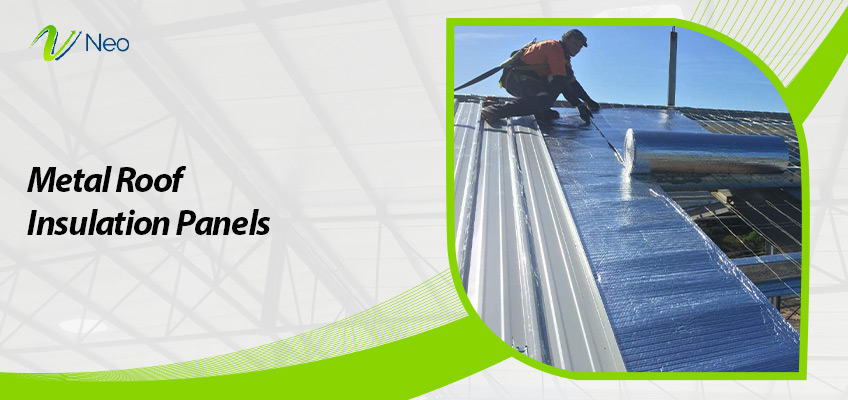
1. Metal Roof Insulation Panels

Metal Roof Insulation Panels

Metal roof insulation panels are engineered to provide thermal protection and structural support for buildings with metal roofing systems. These panels often consist of a layer of insulation sandwiched between two metal sheets. Known for their durability and weather resistance, metal roof insulation sheet offer effective insulation while also serving as a protective shield against harsh environmental elements.

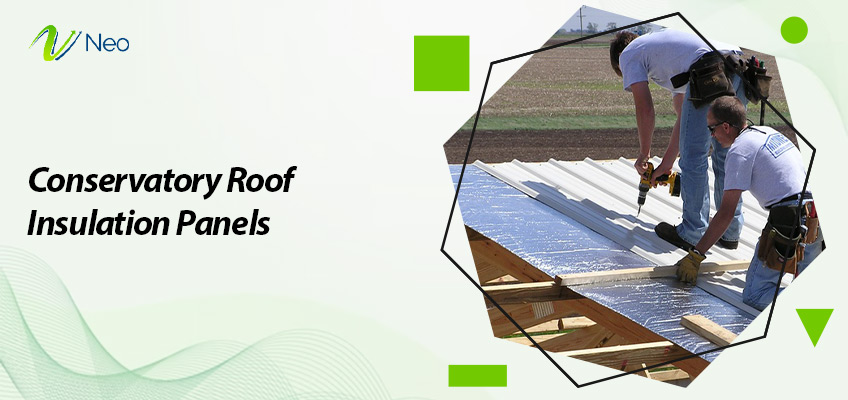
2. Conservatory Roof Insulation Panels

Conservatory Roof Insulation Panels

Designed specifically for conservatories, these insulation panels cater to the unique requirements of these sunlit spaces. Conservatory roof insulation panels help regulate temperature extremes, preventing overheating in the summer and heat loss in the winter. They offer a balance between natural light and temperature control, ensuring a comfortable environment for year-round use.

3. Polyurethane (PU) Panels

Polyurethane panels are recognized for their exceptional insulating properties and versatility. These panels consist of a rigid foam core, providing high thermal resistance. PU panels are commonly used in various applications due to their lightweight nature and ease of installation. They offer an efficient solution for achieving optimal insulation levels in diverse construction scenarios.

4. Expanded Polystyrene (EPS) Panels

Expanded Polystyrene panels are lightweight and cost-effective insulation solutions. Comprising expanded beads of polystyrene, these panels are renowned for their insulation capabilities. EPS panels are widely used in both residential and commercial construction, offering an affordable option without compromising on thermal efficiency.

Schedule Your Roof Insulation Panels Installation Today

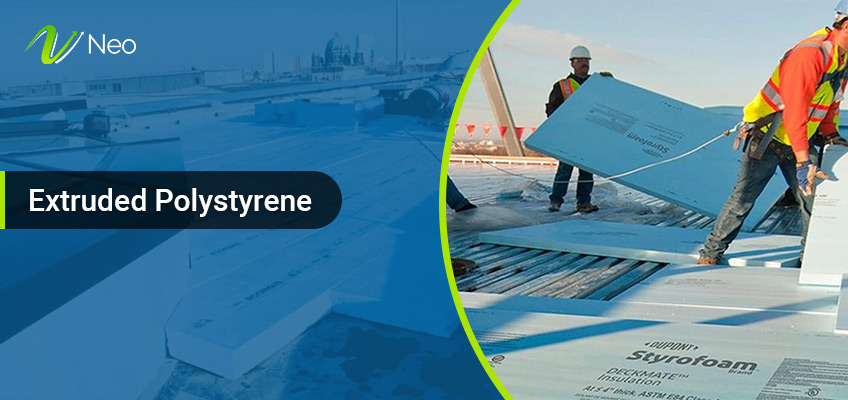
5. Extruded Polystyrene (XPS) Panels

Extruded Polystyrene panels are rigid insulation popular for their moisture resistance and high compressive strength. XPS panels are commonly used in roofing applications, providing a durable and effective thermal barrier. Their closed-cell structure makes them an excellent choice for areas prone to moisture exposure.

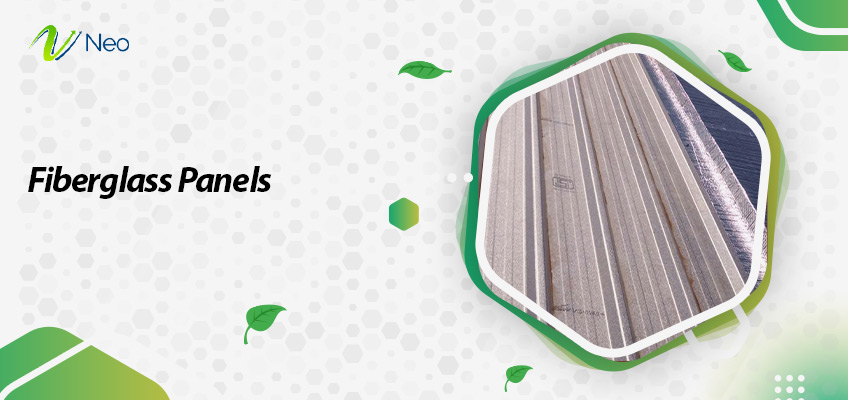
6. Fiberglass Panels

Fiberglass-Roof-Insulation-Panels

Fiberglass panels consist of fine glass fibers, providing excellent thermal resistance. These panels are lightweight, non-combustible, and easy to install. Fiberglass insulation is commonly used in both residential and commercial roofing applications, offering a cost-effective solution for thermal performance.

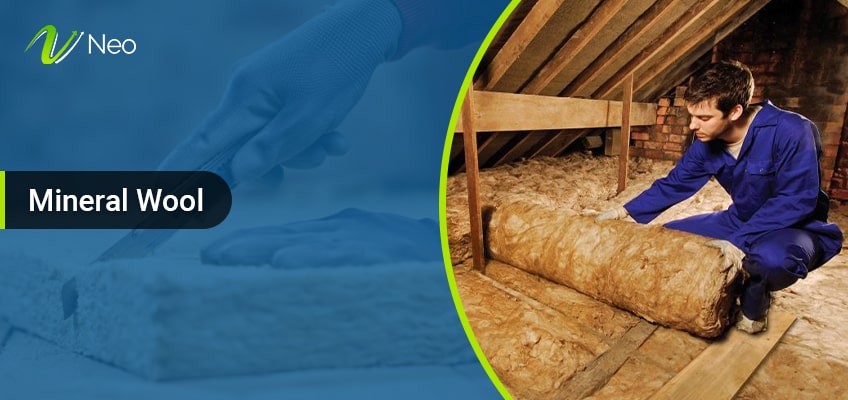
7. Mineral Wool Panels

Mineral wool panels, made from rock or slag fibers, offer fire resistance and sound absorption in addition to thermal insulation. These panels are versatile and suitable for various roofing applications. Mineral wool insulation is preferred for its durability and ability to withstand high temperatures.

8. Phenolic Foam Panels

Phenolic foam panels are recognized for their high thermal efficiency and fire resistance. Comprising phenolic resin and a blowing agent, these panels offer excellent insulation with minimal thickness. Phenolic foam is often chosen for its superior performance in demanding environments.

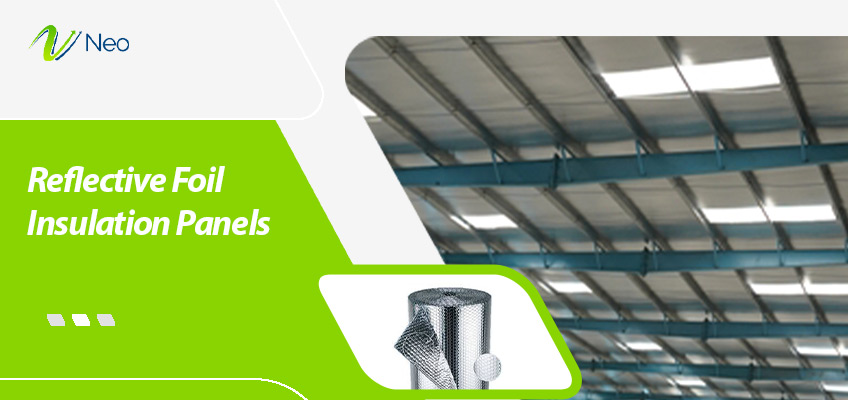
9. Reflective Foil Insulation Panels

Reflective-Foil-Roof-Insulation-Panels

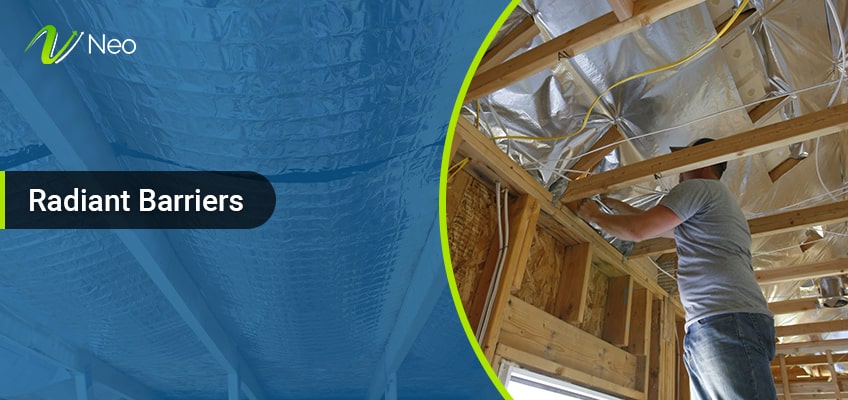
Reflective foil insulation panels consist of a reflective surface that reflects radiant heat. These panels are commonly used in attics and roofs to minimize heat gain. Reflective foil panels are effective in reducing energy consumption by reflecting sunlight away from the building.

10. Spray Foam Insulation Panels

Spray foam insulation panels provide a seamless and airtight insulation solution. The foam expands upon application, filling gaps and creating a continuous thermal barrier. Spray foam insulation is known for its versatility and ability to conform to irregular surfaces, ensuring comprehensive coverage.

11. Vacuum Insulation Panels (VIPs)

Vacuum insulation panels consist of a core material enclosed in a vacuum-sealed panel. VIPs offer exceptionally low thermal conductivity, making them highly efficient in providing insulation with minimal thickness. Although relatively expensive, VIPs are valued for their space-saving properties and superior insulation performance.

12. Wood Fiber Insulation Panels

Wood fiber insulation panels are environmentally friendly options made from recycled or sustainable wood fibers. These panels offer good thermal insulation and moisture-regulating properties. Wood fiber insulation is commonly used in eco-friendly construction projects, contributing to sustainable building practices.

Upgrade Your Living Space – Invest in Roof Insulation Panels Today!

Benefits of Roof Insulation Panels

1. Enhanced Energy Efficiency

Roof insulation panels act as a formidable barrier, preventing heat transfer between the interior and exterior of a building. This results in reduced reliance on heating and cooling systems, leading to significant energy savings.

2. Reduced Utility Costs

By maintaining a stable indoor temperature, these panels help minimize the need for constant adjustments to heating and cooling systems. This, in turn, translates to lower energy consumption and reduced utility bills.

3. Environmental Sustainability

Roof insulation panels contribute to environmental conservation by promoting energy efficiency. The reduction in energy consumption helps lower carbon emissions, aligning with global efforts to create sustainable and eco-friendly living spaces.

4. Year-Round Comfort

Whether it’s keeping the interior warm during winters or cool during summers, insulation panels provide a consistent and comfortable living or working environment throughout the year.

5. Moisture Control

Certain insulation panels, such as Polyurethane (PU) and Extruded Polystyrene (XPS), have inherent moisture-resistant properties. This helps prevent mold and mildew growth, ensuring a healthier indoor environment.

6. Long-Term Durability

Roof insulation panels, when properly installed, contribute to the structural integrity of a building. They provide an additional layer of protection against weather elements, extending the lifespan of the
roof and overall construction.

7. Noise Reduction

Insulation panels, such as Mineral Wool, contribute to sound absorption, reducing external noise infiltration. This is particularly beneficial in urban environments or areas with high noise levels.

8. Increased Property Value

The installation of roof insulation panels enhances the overall energy efficiency and comfort of a property. This improvement in functionality can positively impact its market value, making it an attractive feature for potential buyers or tenants.

9. Government Incentives

In many regions, governments offer incentives and rebates for incorporating energy-efficient practices, including the installation of roof insulation panels. Taking advantage of such programs can further offset initial investment costs.

10. Quick and Efficient Installation

Many types of roof insulation panels are designed for easy and efficient installation. This not only reduces labor costs but also minimizes disruption to the occupants during the installation process.

11. Versatility in Design

Roof insulation panels come in various materials and forms, allowing for flexibility in design and construction. This versatility enables architects and builders to tailor insulation solutions to meet specific project requirements.

12. Contribution to Building Codes

Meeting or exceeding energy efficiency standards and building codes is often a requirement for new constructions. Roof insulation panels facilitate compliance with these regulations, ensuring that the building meets the necessary standards for sustainability and performance.

How to Install Roof Insulation Panels?

Installing roof insulation panels is a strategic and essential process that, when done correctly, can significantly enhance a building’s energy efficiency and overall comfort. Here is a step-by-step guide to ensure a proper installation:/

1. Assess the Roof Structure

Before beginning the installation, assess the existing roof structure. Ensure that it is in good condition and capable of supporting the additional weight of the insulation panels. Address any necessary repairs or reinforcements as needed.

2. Choose the Right Insulation Panels

Select insulation panels based on the specific needs of the project, considering factors such as climate, building design, and budget. Different types of panels offer various levels of thermal resistance and may be better suited for particular applications.

3. Measure and Cut Panels

Measure the dimensions of the roof and cut the insulation panels accordingly. Ensure precision in measurements to achieve a snug fit. Use appropriate tools, such as a straight edge and a sharp utility knife, for accurate cuts.

4. Prepare the Surface

Clean the roof surface thoroughly, removing any debris, dust, or loose materials. A clean and smooth surface will facilitate better adhesion and ensure a secure installation.

5. Apply Adhesive or Fasteners

Depending on the type of insulation panel chosen, apply adhesive to the back of the panels or use mechanical fasteners to secure them to the roof surface. Follow manufacturer guidelines for the recommended adhesive or fastening method.

6. Install Panels in Rows

Start installing the panels in rows, ensuring a tight fit without gaps. Stagger the panels to create a continuous and seamless layer of insulation. Pay attention to the manufacturer’s recommendations regarding panel orientation and installation patterns.

7. Seal Joints and Edges

Use sealant or tape to seal joints and edges between panels. This step is crucial to prevent air leakage and maintain the integrity of the insulation layer. A properly sealed installation enhances the overall effectiveness of the insulation.

8. Address Penetrations and Vents

Cut and fit insulation panels around any roof penetrations, vents, or other protrusions. Ensure that these areas are thoroughly insulated to maintain a consistent thermal barrier across the entire roof surface.

9. Consider Vapor Barriers

Depending on the climate and local building codes, consider adding a vapor barrier between the insulation and the interior space. This helps prevent moisture from infiltrating the insulation and causing issues such as mold growth.

10. Inspect and Verify

Conduct a thorough inspection of the installed insulation panels to ensure they are secure, properly sealed, and meet the specified R-value requirements. Verify that the installation adheres to local building codes and regulations.

11. Consult Professionals if Needed

If the installation process seems complex or if specific requirements need professional attention, consult with experienced contractors or insulation specialists. Their expertise can ensure a flawless and efficient installation.

By following these steps, you can ensure a successful installation of roof insulation panels, contributing to improved energy efficiency and creating a more comfortable and sustainable living or working environment.

Applications of Roof Insulation Panels

Residential Buildings:

  • Attic Insulation: Keeps indoor temperatures stable and helps lower heating and cooling expenses.
  • Flat Roofs: Ideal for homes with flat roofs, these panels provide thermal insulation and protect against moisture.

Commercial Buildings:

  • Office Buildings: Enhances thermal comfort for employees and helps cut down on energy costs for heating and cooling.
  • Retail Spaces: Ensures a consistent indoor environment for customers, reducing operating costs.

Industrial Buildings:

  • Warehouses: Maintains the temperature for sensitive goods and boosts energy efficiency.
  • Factories: Improves worker comfort and shields machinery from extreme temperatures.

Agricultural Structures:

  • Barns and Stables: Creates a stable environment for animals and storage, lowering energy use.
  • Greenhouses: Maintains the required temperature for optimal plant growth.

Recreational Facilities:

  • Sports Halls and Arenas: Provides comfort for athletes and spectators while cutting heating and cooling costs.
  • Swimming Pools: Manages humidity and temperature, preventing condensation problems.

Educational Institutions:

  • Schools and Universities: Creates a better learning environment by maintaining comfortable temperatures and reducing energy costs.

Healthcare Facilities:

  • Hospitals and Clinics: Ensures a comfortable and controlled environment, crucial for patient and staff well-being.

What is the Cost of Roof Insulation Panel?

The cost of roof insulation panels depends on a range of factors including the type of material, thickness, and the area of purchasing. The normal price of roof insulation panels in India falls anywhere between Rs. 100-300 per square foot. However, it is important to take into account that the market conditions, location of premises, and the choice of thickness can add or eliminates the numbers from your final bill. At the same time, different suppliers also charge their fee and commission according to own preferences. So, choosing the right insulation service provider is very important to get the best worth of your investment.
Neo Thermal Insulation is renown brand for providing all insulation solutions at very competitive and cost efficient pricing.

Conclusion

In the evolving landscape of modern construction, Roof Insulation Panels have emerged as integral players, reshaping the way we approach energy efficiency and thermal regulation. This comprehensive guide has explored an array of insulation panel types, each designed to address specific needs and climates. From metal and conservatory panels to innovative solutions like vacuum insulation panels and reflective foil, the choices are diverse, reflecting a commitment to adaptability in construction practices.

The benefits of incorporating these panels into roofing structures extend far beyond the financial realm, encompassing environmental sustainability, year-round comfort, and increased property value. As we navigate the complexities of climate change and heightened energy consciousness, the role of roof insulation panels becomes increasingly vital, fostering a more responsible and resilient built environment.

Frequently Asked Questions (FAQs)

1. What is the average lifespan of roof insulation panels?

Roof insulation panels, when properly installed and maintained, typically have a lifespan ranging from 20 to 30 years. The longevity may vary based on factors such as material quality, climate conditions, and installation methods.

2. What types of materials are commonly used in roof insulation panels?

Roof insulation panels utilize diverse materials such as polyurethane, expanded and extruded polystyrene, fiberglass, mineral wool, and reflective foil. Each material offers unique properties catering to specific insulation needs and environmental considerations.

3. How do roof insulation panels contribute to energy efficiency?

Roof insulation panels contribute to energy efficiency by minimizing the need for continuous heating or cooling adjustments. This results in reduced energy consumption, lower utility costs, and a smaller carbon footprint.

4. What factors should I consider when choosing roof insulation panels?

Factors to consider include climate, budget, insulation needs, and material properties. Assessing the R-value, installation requirements, and environmental impact will guide the selection process.

5. How is the R-value important in roof insulation panels?

The R-value measures a material’s thermal resistance. A higher R-value indicates better insulation. Understanding the R-value is crucial when choosing roof insulation panels to ensure they meet the desired thermal performance.

6. Are roof insulation panels suitable for both residential and commercial buildings?

Roof insulation panels are suitable for both residential and commercial buildings. Their versatility and diverse material options make them adaptable to various construction needs and designs.

7. Do roof insulation panels provide any additional benefits besides energy efficiency?

Beyond energy efficiency, roof insulation panels provide benefits such as improved indoor comfort, reduced noise infiltration, and moisture control. They can also enhance property value and contribute to compliance with energy-efficient building standards.

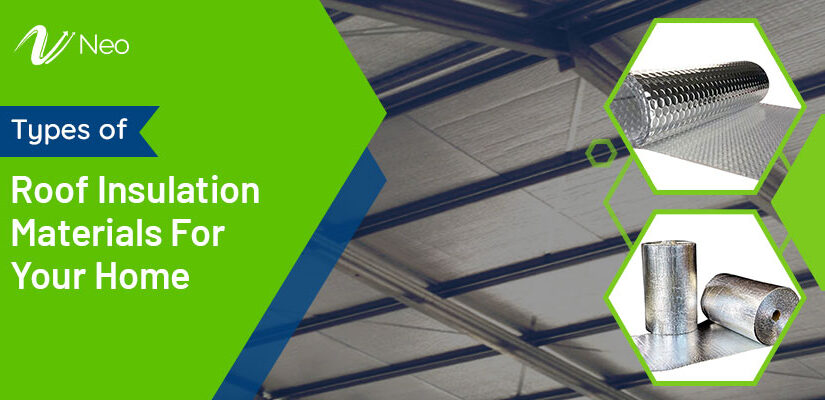
Types of Roof Insulation Materials For Your Home

“Energy efficiency” is just not a phrase anymore. In the 21st century, it takes the front seat and becomes a necessity for modern construction. Whether it is commercial establishments, industrial institutions, or residential buildings, everywhere rising energy demands and utility costs are a growing concern. People are demanding solutions that not only increase thermal efficiency but are also cost-effective. Here, Roof Insulation Materials comes into play. It is not rocket science to understand that roofs are one of the most venerable parts of a building from where radiant heat can easily penetrate. Insulating roofs will result in outstanding results.

Roof insulation directly contributes to the energy efficiency. As per different studies, in cold climates roof insulation reduces the need for heating homes by 50%, and in hot climates, it reduces the dependence on air-conditioning by 20-30%. The U.S Environmental Protection Agency (EPA) stated that on average roof insulation can save up to 11% on energy requirements in residential buildings. Also, the International Energy Agency (IEA) reported that roof insulation will help in reducing carbon dioxide emissions by a considerable amount.

Roof insulation is a modern solution for modern problems. It creates a barricade against the transfer of heat flow between the roof surface and the surroundings. By restricting heat exchange between the interiors of a building and the exterior environment, roof insulation promotes constant indoor temperature and reduces the dependence on electrical appliances. This results in the generation of fewer carbon footprints and lower energy utility costs. Sustainability is the by-product of using roof insulation.

In this article, we will understand what is roof insulation, how it works, the different kinds of roof insulation materials available in the market, and the benefits of using this product.

What is Roof Insulation?

Roof Insulation is a one-stop solution for enhancing the thermal efficiency of modern constructions by preventing the transfer of heat between the roof of a building and the surroundings. The materials and methods used for insulating roofs will create a barrier against radiant heat, curtailing its movement and helping to maintain desirable indoor temperatures. Whether it is a cold climate or a hot climate, roof insulation will play a crucial role in stabilizing the interior temperature. It curbs heat from escaping during cold climates and keeps heat away during hot climates. It creates protective layers around the roof surface either installed within or at the top, by restricting radiant heat from entering or going out via the roof.

The primary purpose of roof insulation is to enhance the overall thermal efficiency of a building and reduce the dependence on any artificial arrangement for stabilizing the indoor temperature. It does not create any difference whether it is a home or commercial space, roof insulation will work effectively in curbing the heat movement between the roof surface and the surroundings. It not only diminishes the consumption of excessive energy but also helps in achieving lower utility costs. Also, roof insulation will add longevity to the life of the roofing material and safeguard it from any external damage or wear and tear.

For defining the effectiveness of a roof insulation R-value is measured. R-value refers to the resistance offered by insulating material against heat transfer between the surface and the surroundings. The higher the R-value, the greater the operational competence shown by the insulating material in maintaining the interior temperature of a building and reducing dependence on external appliances.

How Roof Insulation Works?

Roof insulation is principally used to enhance the thermal efficiency of a building. It principally curtails the movement of heat and restricts energy transfer between the two surfaces. The restriction caused by roof insulation helps in maintaining the interior temperature and increases savings on energy bills.

The movement of heat takes place in three ways conduction, convection, and radiation. Roof insulation makes sure that it prevents the transfer of heat in all three mediums for comfortable indoor temperatures.

It works in the following way:

1. Conduction

Conduction refers to the transfer of heat taking place through solid materials. The heat tends to move from a hotter area to a cooler area. Therefore, when the temperature outside the building is higher than the inside heat tries to move in through the roof surface. Also in cold climates, this phenomenon gets reversed and heat tries to escape from inside to outside again via the roof.

To prevent this energy transfer, insulation materials like fiberglass, rigid boards, or foam (materials that are poor conductors of heat) are used. The cellular structure of these insulating materials confines the air within the structure and reduces heat flow. This leads to curbing the transmission of heat energy through the roof’s surface to the interiors of a building also, it prevents heat from escaping the interiors of a building.

2. Convention

When the transfer of heat occurs through air movement it is called convention. Air from high-density areas moves towards low-density areas and transfers energy. When the temperature outside the building is higher, the hot air tends or rise and tries to break in through the roof surface. Proper roof insulation helps in combating this hot air and keeps it out of the building.

The roof insulation materials restrain the movement of air and reduce the effectiveness of conduction. Spray foams or loose-fill gaps create a protective covering around the roof surface and fill up all the gaps and cracks present there. They create an impenetrable covering and inhibit air from moving freely through the roof. This helps in maintaining indoor temperature, assuring that hot air remains outside the building in hot climates and inside the building in cold climates.

3. Radiation

The movement of energy from one place to another in the form of waves or particles without any medium is known as radiation. The radiant heat directly reaches the roof surface from the source (sun) and tries to break through. However, the use of insulating material like reflective insulation can prevent this transgression.

Reflective insulation materials like aluminum foil or other metallic foils reflect away the radiant heat that strikes the surface of the roof and help restrain heat gain during hot climates. These insulating materials are specially crafted to restrain radiant heat energy from penetrating through the roof of a building. When placed in attics and below the roof, they reflect away heat up to 95%, fundamentally making it impossible for radiant heat to disturb the interior temperature of a building.

Roof insulation is successful in curtailing the transfer of heat through all three modes. Different materials in different situations can be used for effective results and operational efficiency. Whether it is conduction, convection, or radiation, roof insulation is capable of protecting modern constructions from all these thermal threats.

Types of Roof Insulation Materials

Different roof insulation materials have distinct advantages and properties. Before selecting an insulating material it is imperative to understand its overall properties and match it with your needs.

Types of Roof insulation materials:

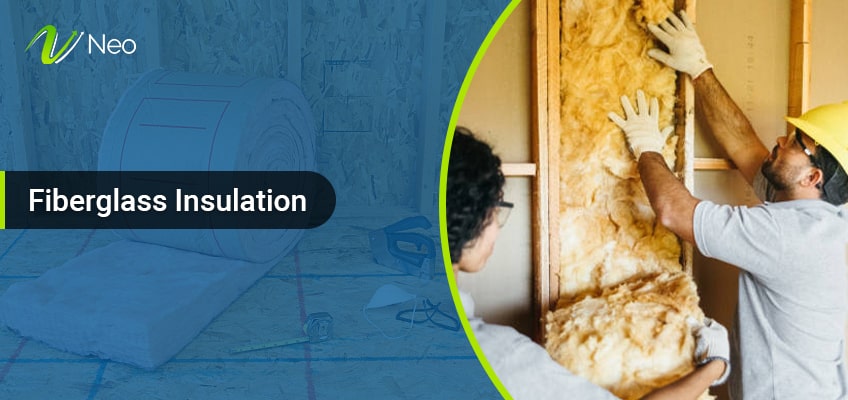
Fiberglass Insulation:

R-value: R-2.9 to R-3.8 per inch

Fiberglass insulation comes in a variety of forms. Whether it is batt or roll form, it is one of the best choices for insulating house and commercial roofs. What makes this product so effective against heat flow is its manufacturing. It is made up of woven glass fibers packed tightly together. This composition makes it effective for thermal insulation. For covering up loose spaces and cavities and insulating rafts, and joists, fiberglass insulation is the right choice. It is flexible and installed easily.

Advantages:

  • It is fire-resistant and non-corrosive.
  • It is cost-effective easily recycled is environment-friendly.
  • It restricts moisture accumulation around the insulated surface.

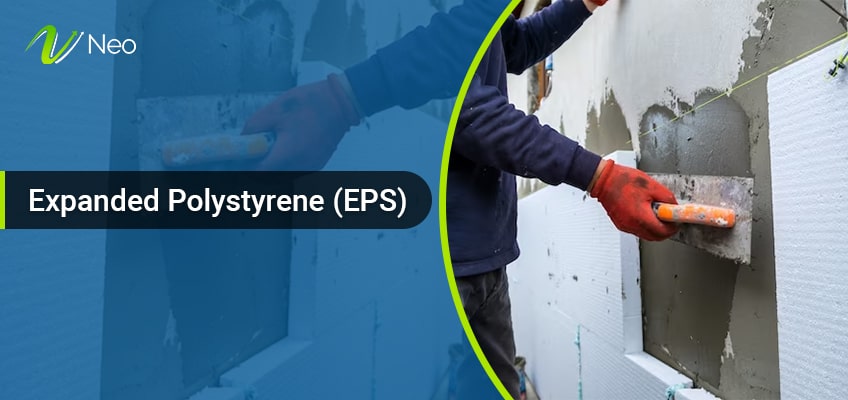
Expanded Polystyrene (EPS) Insulation:

R-value: R-3.3 to R-4.4 per inch

Expanded Polystyrene (EPS) is a product made up of solid polystyrene pellets. The polystyrene beads make it lightweight and make it recyclable. This product is suitable for use in constructions where extensive strength and longevity are required. As it is easy to install and flexible it is suitable for use to insulate walls, roofs, and floors. However, due to its structure, it is not very effective against moisture.

Advantages:

  • It resists corrosion and offers strength to the insulated surface.
  • It is cost-effective and easy to install.
  • It is fire-resistance

Save Energy, Save Money! Discover the Benefits of Roof Insulation Panels

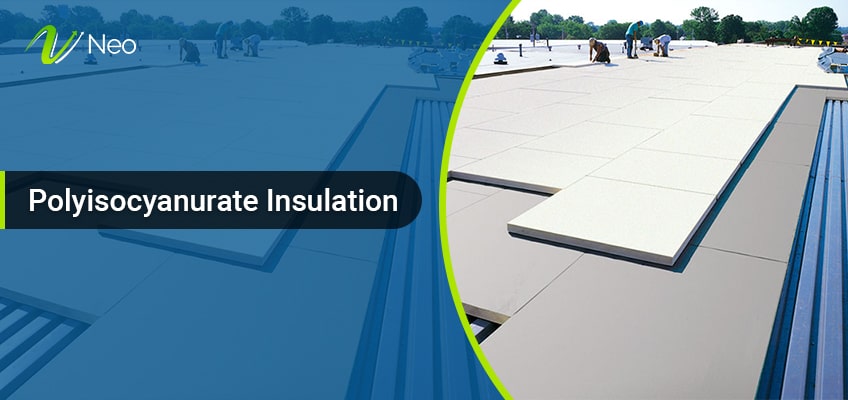
Polyisocyanurate (POCYISO) Insulation:

R-value: R-6.5 to R-8 per inch

Polyisocyanurate insulation is available in a variety of designs and thicknesses. This product is highly efficient for thermal energy requirements and adaptable to different scenarios. Popular as a modern energy-efficient solution, it is widely used in different constructions. It is specially designed to bridge thermal gaps generated during the construction process and enhance the overall thermal performance of a building. Due to its rigidness, it is a good fit for resisting air and moisture infiltration and for enhancing its capabilities it also comes with foil layering.

Advantages:

  • It is easy to handle, durable, and easily customized as per specific needs.
  • It is very efficient against heat flow due to its high R-value.
  • It is ideal for use in different places, even on flat roofs.

Spray Foam Insulation:

R-value: R-3.6 to R-3.9 per inch

Spray foam insulation comes in two varieties one is closed-cell insulation material and the second is open-cell insulation material. The open-cell spray foam insulation is flexible and light in weight. On the other hand close-cell spray insulation is heavier due to its density. It also possesses a high R-value. However, both products are good for insulating roofs as they are effective in sealing air gaps and moisture infiltration. The spray foam insulation is applied in the liquid foam over the surface and it expands into solid and foams the covering. For resisting heat flow and moisture closed-cell material is more effective while open-cell can be used for sound insulation.

Advantages:

  • It is the perfect fit for odd spaces where the gap is very tight.
  • It is durable and light-weight
  • It has a higher R-value

Reflective Foil Insulation:

R-value: R-3 to R-17 per inch

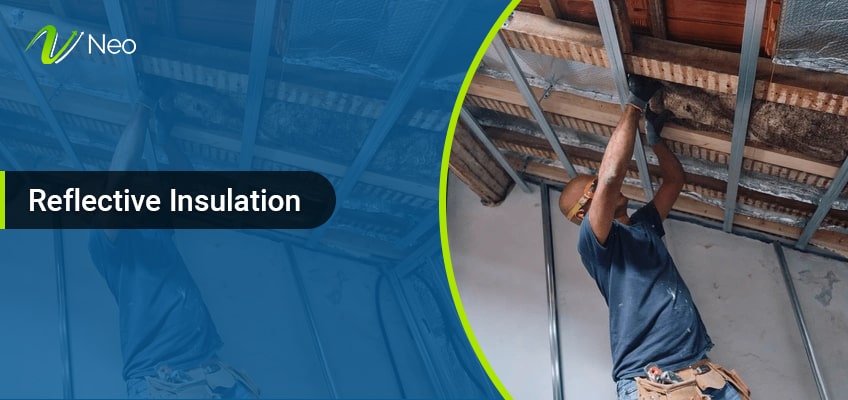
Reflective foil insulation reflects away the radiant heat by creating a barrier against the radiant heat movement. It comprises aluminum foil, polypropylene, thermo foam, etc. The metallic foil is sandwiched between layers of low-conductive materials and put together using a specialized adhesive. It helps in trapping air and reflects away heat. Due to its availability in various thicknesses and sizes, it offers a comprehensive solution for insulating roofs and tight gaps.

Advantages:

  • It is lightweight and easy to use. Appropriate for insulating attics, floors, and walls.
  • It is cost-effective and easy to install.
  • It requires low maintenance.

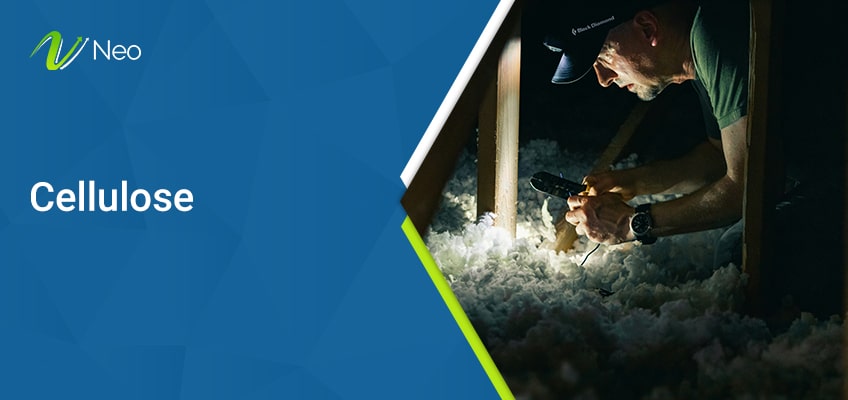
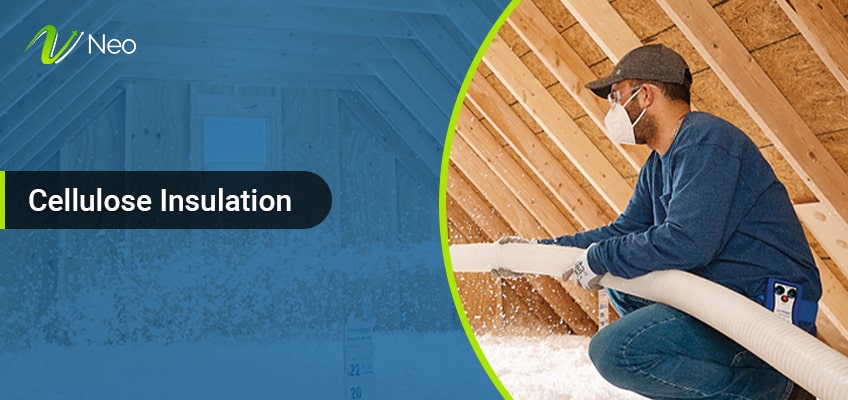
Cellulose Insulation:

R-value: R-3.5 to R-3.8 per inch

When recycled papers are treated with fire-retardant and added with chemicals, cellulose insulation material comes into existence. This environment-friendly and sustainable insulating material consists of high thermal efficiency and resistance against heat flow. Due to its composition, it is appropriate to use in loose-fill spaces like attics, walls, floors, etc. Surfaces surrounded by some kind of obstruction can be easily covered by this product.

Advantages:

  • It is environment-friendly and sustainable insulating material
  • It offers high thermal performance.
  • It is easy to use and install.

Beat the Heat, Cut the Costs! With Roof Insulation Panels.

Structural Insulated Panels:

R-value: R-5 to R-7 per inch

Structural Insulated Panels are modern solutions for insulating walls, roofs, and floors. They consist of high thermal performance, exceptional air-tight coverage, durability, and strength. They are made up of pieces of foam placed between two boards for insulation. The closed-cell polyurethane or expanded polystyrene foam offers a rigid structure and provides excellent heat resistance and flexibility. Easy to customize as per need, structural insulated panels are available in different thicknesses. They are suitable for use in residential, commercial, and industrial establishments.

Advantages:

  • It is easy to customize and available in different designs.
  • It is cost-effective and sustainable.
  • It shows high durability and heat resistance.

Key Factors to Consider When Choosing Roof Insulation

Choosing the right insulation material can make a hell of a difference. It not only increases the overall thermal performance of a building but perfectly aligns with your insulation needs. There are certain factors one must keep in mind before selecting roof insulation material. Whether it is climate conditions, budget, or sustainability of a material all these factors are crucial in determining what is right for thermal requirements.
Factors to bear in mind while choosing roof insulation material:

Climate and Weather conditions

Climate and weather conditions directly affect the outcome of an insulating material. In the winter season building is required to hold warm air inside for better heating effect. Here, insulating material with a higher R-value is beneficial because it decreases heat loss. In summer, when keeping heat away from the interiors of a building is necessary then insulating materials that reflect away the radiant heat will be more favorable.

R-value requirements

The R-value refers to the measurement of resistance caused by an insulating material against heat flow. The R-value for each construction and climate is different and that is why different insulating materials are required. It is imperative to analyze the local needs for insulation and choose the material according to it. However, the higher the R-value, the greater the performance of an insulating material.

Budget

Different insulation materials will cost different in the market. From high price insulating materials like aluminum foil to low price materials like fiberglass are present. Decide which material is the best fit for you as per your financial status as well as how much energy consumption cost it saves you in the future.

Installation Methods

Installation of roof insulation depends on the material to material. Some materials are very easy to install, while some need expert guidance for installation. For example, batts, rolls, or bubble wrap can be installed easily without any expertise. On the other hand, spray form or rigid foam requires experts for proper installation. Whether installation of insulation material requires professional help or not, impacts the overall cost of the project.

Sustainability

With the rise in sustainable living, people are demanding sustainable solutions for insulating roofs. Materials like fiberglass, mineral wool, spray foam insulation, etc. are the perfect fit in the domain. Also, materials made up of cotton or cellulose are the right choice as sustainable materials for insulating roofs. Make sure to use those materials that add up to the environmental protection.

Benefits of Proper Roof Insulation

Roof insulation not only helps you increase energy efficiency but also enhances your overall comfort level. There are several benefits of proper roof insulation.

Energy Efficiency and Cost savings

Roof insulation offers a protective layer of thermal blockade against potential heat loss and gain. It helps in maintaining the interior temperature of a building and reduces dependence on the air conditioning or heating systems for the same. This reduction in the application of appliances will lead to substantial savings over energy utility costs benefitted with extra savings.

Enhanced Comfort

Roof insulation curtails the radiant heat movement, creates barricading around the roof surface, and restricts energy exchange. This overall operation leads to comfortable indoor temperatures for living and workspaces. Irrespective of climate, roof insulation helps maintain interior temperatures comfortable for living and working that is cooler in summer and warmer in winter.

Environmental Impact

Insulating roofs with environment-friendly material will result in lesser greenhouse gas emissions and reduced energy consumption. Proper implementation of roof insulation leads to lower energy bills and curtails unnecessary dependence on electric appliances for maintaining temperature. This contributes to a greener and more sustainable environment.

Soundproofing

Roof insulation not only creates a barrier against heat flow but also restricts unwarranted sounds and establishes a sound barricade against outside noise. Buildings especially residential located in busy areas will be the most benefitted with this. This feature of roof insulation will help you enjoy peace and tranquillity without any extra cost.

Prolonging Roof Life

It is not only the protection against the heat flow that a building requires but protection of its roofing material is also desirable. Roof insulation adds to the life of roofing material and protects it from damages caused by the external environment. This protective coating defends roofing material from unwarranted expansion and contraction caused by changes in climate-enhancing material life.

Conclusion

When it comes to thermal efficiency and energy savings, insulation plays a vital role in providing environment-friendly and sustainable solutions. Roof insulation is not an exception, creating level field ground for modern constructions competing against unwarranted heat flow and energy consumption.

Stepping up for roof insulation will bring you exceptional results leading to extra savings on energy utility costs, comfortable indoor temperatures, and sustainable and thermal energy-efficient living.

However, choosing the right insulation material is not easy. There are a variety of factors one must bear in mind before selecting the perfect fit. Climate, budget, sustainability, and installation method play essential roles in deciding which roof insulation material is a good fit. Roof insulation not only protects you from external temperature interference but also adds longevity to the roofing material increasing its life span.

FAQ

1. What is the Best Insulation for a Roof?

There are a variety of insulation materials available for insulating roofs. You can opt from all these as per your needs, climate conditions, and budget. Insulation materials like fiberglass, reflective insulation, spray foam insulation, etc. provide good thermal efficiency and durability.

2. How long does Roof Insulation Last?

The life of roof insulation material depends on different factors like material used in its manufacturing, climate conditions, installation method opted, and nature of the surface where it is applied. In normal circumstances, a roof installation material lasts for 20 to 40 years. If appropriate maintenance is provided it can exist for more years.

3. Can I Install Roof Insulation Myself?

The answer to this question is yes, you can install roof insulation yourself. There are insulation materials available in the market that do not require professional help for installation. Materials like fiberglass or reflective installation can be installed without any external help.

4. What is the R-value, and Why is it Important?

R-value measures resistance offered by insulating material against the heat flow. The higher the R-value, the greater the thermal efficiency of a material.

5. Is Roof Insulation Worth the Investment?

Investing in roof insulation is worth it. It offers a variety of benefits and makes living comfortable. Whether it is protection against unwarranted heat flow or reducing dependence on electrical appliances, roof insulation does all this and helps in curtailing energy utility costs for living. It also offers durability to roofing material and increases its overall lifespan by several years, reducing the cost of maintenance.

6. How does Roof Insulation Help with Energy Savings?

Roof insulation creates a barrier against heat flow, resulting in less transfer of energy and constant indoor temperature. This ultimately reduces the dependence on appliances for maintaining the desirable indoor temperature and saves on energy consumption and bills.

7. What are the Most Eco-friendly Roof Insulation Options?

Roof insulation materials like glass wool, polyester, cellulose, sheep’s wool, earth wool, etc. are some of the options that can be used as eco-friendly roof insulation materials. They are not only sustainable but also biodegradable.

Pipe Insulation: Materials, Types and Features (Ultimate Guide)

In factories and manufacturing units where pipes operate at below-ambient temperatures, there are huge chances of water vapor condensing on the pipe surface, thus causing conditions like corrosion. So, pipe insulation is a great solution in such a condition that helps to prevent condensation from forming and maintains the overall right temperature for the different types of pipes. Pipe insulation material not only helps in dealing with condensation but, at the same time, it even lengthens the life of pipes.

Go through this blog and you will have ample information about pipe insulation, its benefits, cost, and importance.

Pipe Insulation: An Overview

What is Pipe Insulation

Pipe insulation is an important practice that requires placing specific materials around pipes to control heat flow, maintain preferred temperatures, and generally provide protection. That integral procedure is vital in many sectors and applications such as for heating, ventilation, air conditioning systems, and plumbing, as well as oil & gas pipeline networks. Pipe insulation materials are important for controlling thermal dynamics to enhance energy efficiency, avoid heat losses, and ensure the integrity of pipelines.

It helps in keeping constant temperatures during HVAC applications, which increases the performance of the heater and air conditioner. It insulates piping from freezing and condensation to reduce damage risks in plumbing. Piping insulation plays a global role in the oil and gas industry as it assists in the smooth flow of transported fluids to maintain its integrity.  Moreover, the company should enhance its marketing strategies and increase public awareness about the benefits of purchasing its products

Purpose of Pipe Insulation

Pipe insulation aims at carefully controlling the temperature of liquids flowing in pipes and therefore preventing any kind of heat loss/gain. The dual function enhances energy efficiency by serving as solid protection against damage arising from freezing, condensing, and the potential destruction of the piping system.

Protect Your Pipes From Sweat, Freeze, or Leak by Insulating Pipe Insulation!

However, thermal insulation materials are not limited to only temperature maintenance but also act as a multifunctional feature by reducing noise levels, protecting employees’ lives as well and conforming to various industry regulations”. Its broad function extends beyond thermal retention but enhances operation stability as well as the safety of various industrial, commercial, and residential setups.

Free Enquire Now

Features of Pipe Insulation

Pipe insulation boasts a range of features that contribute to its effectiveness in various applications:

Features of Pipe Insulation

1. Thermal Resistance

Pipe insulation has one main characteristic and that is its capability for thermal conduction. It ensures that the required temperature level of the fluid is maintained within the pipes, minimizes energy leakages, and promotes optimum productivity.

2. Moisture Resistance

Many of the quality insulation materials are inherently resistant to moisture. This characteristic is very important for avoiding condensation on pipes’ surface and avoiding corrosion and future damaging effects.

3. Flexibility

There are many types of insulation materials and a majority of them are meant to ensure that they are easily fitted around the pipework regardless of shape. The flexibility of the insulation also ensures that it fits perfectly on the item to be preserved, maximizing its performance.

4. Ease of Installation

Engineered pipe insulation materials are designed for easy fitting. Firstly, this element is critical because it reduces the cost of time, and labor hours, and makes insulation projects time-efficient.

5. Durability

Effective pipe insulation involves longevity as one characteristic. Durability requires the use of long-lasting materials that can endure the harshness of different surroundings, extending their protective capability and thermal effectiveness.
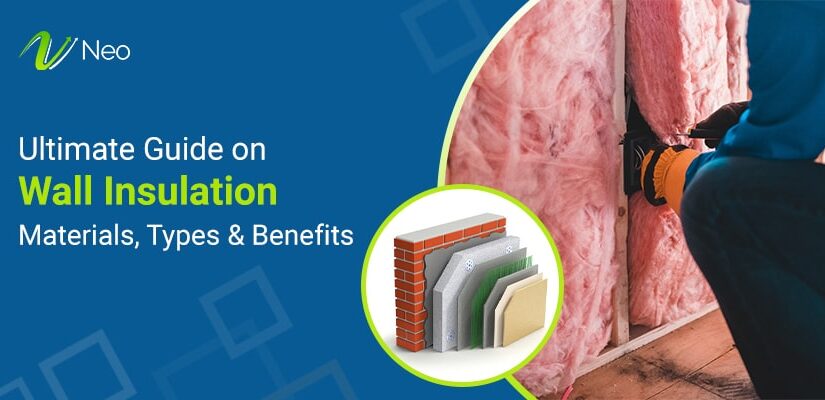
6. Compliance with Safety Standards

The piping installation meets various safety standards for reliability pipe installation. For this reason, the insulation services works not only about thermal control but it is meant to be used in a safe way to meet or even exceed the regulatory requirements for certain cases.

Types of Pipe Insulation Applications

1. Hot Insulation

Hot Insulation

Hot insulation becomes essential especially where a minute change in temperature affects production operations and the economic competitiveness of industries; such as petrochemical plants. It was specially made to prevent any heat transfer from the pipe and thus maintain a constant temperature of the transporting fluid which is used for hot water pipe insulation.

The hot insulation provides both cargo and energy security.

2. Cold Insulation

cold insulation

Pipelines conveying refrigerated substances/fluids should be insulated coldly. Condensing or cooling units are designed with the main aim of overcoming condensation, which is always encountered in cold systems.

In addition to sectors like food processing, pharmaceuticals, and cryogenics, proper AC pipes insulation is equally critical. Effective cold insulation not only prevents condensation and corrosion but also optimizes the efficiency of the cooling process in AC systems.

3. Personal Protection Insulation

Personal Protection Insulation

Personal protection insulation focuses on prioritization of personnel safety by limiting temperatures on pipe surfaces. This is a pipe insulation type that minimizes the chances of getting burnt or injured by reducing contact between people and hot or cold surfaces.

Human beings come into direct contact with various piping systems such as those used in the residential heating process and industries.

4. Acoustic Insulation

Acoustic Insulation

Noise reduction is a vital factor in some applications. The main function of acoustic insulation is to mitigate the fluid noise produced inside the pipes. Due to this fact, this form of insulation makes sense in places that are characterized by a high importance on acoustic privacy, for example, commercial buildings, apartments, or any other place with an imperative need to keep noise down.


The acoustic insulation is regarding comfort as well as a requirement that sound emission must be in line with noise regulations and standards.

Read Also: How Proper Home Insulation Can Save Your Bills & Energy?

Types of Insulation in Piping

1. Foam Pipe Insulation

Foam Insulation

Polyurethane or polyethylene can be used to make pipe insulation white foam which has high thermal insulation properties and can be applied in any place. It is highly preferred due to its lightweight nature; hence it provides a better way of insulating various types of pipes within different fields.

Foam insulation is flexible, thus providing a good fitting for pipes of different diameters and configurations.

2. Fiberglass Insulation

Fiberglass Insulation

Fiberglass insulation is well known for good heat resistance quality as well as resistant and durable products in applications where efficient temperature control is required.

Used for piping insulation in hot scenarios, and is highly resistant to heat with an added perk of being resistant to corrosion, giving it a long life even in tough conditions.

3. Rubber Insulation

rubber insulation

Rubber insulation is extremely versatile, making it suitable for both high- and low-temperature uses. Its ability to withstand moisture makes it a suitable choice for areas susceptible to water.

The rubber insulation acts as a barrier that protects against temperature changes, thereby ensuring proper working conditions for piping systems.

4. Mineral Wool Insulation

mineral wool insulation

Mineral wool insulation is made of rock fibers which are non-combustible and provide excellent thermal insulation besides sound dampening ability of mineral wool. It is a widely used solution in high-temperature environments especially where the demands of industry require the highest standard conditions.

5. Spray Foam Insulation

spray foam insulation

Spray foam is famous for being very flexible as applied as a liquid and expanding to form an airtight seal. It fills the voids perfectly creating one big homogeneous insulating plane ensuring efficient saving of energy.


It is flexible in terms of diverse pipeline arrangements and thus its use results in tight air-insulating options in homes and industrial plants.

Read Also: Wall Insulation: Materials, Types & Benefits

How to Insulate a Pipe?

There are basically two types of pipes that need to be insulated. The first one is indoor pipes and the other one is outdoor pipes. Here is the complete process for insulating both types of pipes in the easiest way-

Installing insulation in Outdoor pipes

  • First of all, make sure that all of your insulation materials and tools like foam, fiberglass, rubber, duct tape, zip ties, knife, and tape measures are at one place.
  • The water supply or any supply coming from the pipe should be turned off and the pipes should be dried off before applying the insulation. Then measure the dimensions of the pipes that need to be insulated.
  • Cut down the insulation according to the measured dimensions of the pipe, slide and wrap the insulation over the pipe, and thus secure the insulation by covering the gaps with tape or zip ties.
  • In the end, cover the pipe with weatherproof material like aluminum foil tape to prevent the external water from getting in.

Installing insulation in Indoor pipes

  • Similar to outdoor pipes, gather all the necessary tools and materials like foam, rubber, fiberglass, duct tape, zip ties, tape measures, knives, etc.
  • Then turn off the supply and make the pipes dry. Measure the dimensions of the pipes.
  • Cut the insulation material according to the dimension of the pipe, slide or wrap the material over the pipe, and make sure that it fits snugly.
  • Use duct tape or zip ties to secure any gap in the insulation.

How To Select the Right Pipe Insulation Materials?

The selected pipe insulation material for the pipe insulation depends on operational temperatures, the prevailing environment, and specialized application needs. Assess the thermal conductivity, moisture resistance, and degree of flexibility that are needed for your insulation system. Ensure the strength of the materials, ease of installation as well and safety.

A detailed assessment of these critical variables guarantees to choice of the appropriate steam pipe insulation material to promote energy conservation, minimize heat loss, and shield against unfavourable weather conditions in various business, trade, or home scenarios.

Schedule Your Piping Insulation Installation Today!

Why Choose Neo Thermal Insulation For Pipe Insulation?

When it comes to piping insulation, Neo Thermal Insulation comes as a trustworthy brand that promises the best in providing high-quality insulation materials. The company consists of experienced specialists who have worked in insulation industries for many years. At Neo Thermal, our aim is to ensure your utmost comfort and cost-effectiveness while remaining environmental sustainability. You can rely on us for top-notch insulation products in your project, guaranteeing long-term satisfaction and benefits.

Conclusion

Proper pipe insulation is critical for the efficiency, safety, and longevity of the piping system. With its wide choice of pipe insulation materials, no need is left unattended as each application gets the right level of thermal control and security. The selection of suitable materials in both hot and cold insulation, as well as in personal protection and acoustic insulation is crucial to get desired results in reliable piping systems. Neo Thermal Insulation is the right partner to ensure success and long-term comfort of outcomes while being environmentally friendly.

Frequently Asked Questions

1. What happens when the thickness of insulation on pipe exceeds the k value?

When the insulation on a pipe gets too thick, it starts to hit a point where adding more doesn’t help much. Instead of improving efficiency, it just costs more without giving many extra benefits. Plus, it can become tricky to install and maintain, and there might not even be enough space for all that extra insulation. So basically, it’s like reaching a limit where more isn’t better, it’s just excessive.

2. What are the benefits of pipe insulation?

Pipe insulation offers benefits such as energy conservation, prevention of heat loss or gain, protection against freezing, condensation control, and enhanced safety.

3. Which is the best material for piping insulation?

The best material depends on factors like operating temperature, environmental conditions, and specific application requirements. Common materials include foam insulation, fiberglass, rubber, mineral wool, and spray foam insulation.

4. What are the components of pipe insulation?

Pipe insulation typically consists of a material layer (foam, fiberglass, rubber, etc.) that provides thermal resistance and protection.

5. What are the different types of pipe insulation?

Different types include hot insulation, cold insulation, personal protection insulation, and acoustic insulation, each serving specific purposes in various applications.

Wall Insulation: Materials, Types & Benefits Complete Guide

Wall insulation entails a lot of details that need to be understood for energy-efficient and comfortable living spaces. Insulated wall contributes to the management of temperatures, save power use and create an effective home.

Numerous materials can be used, starting from well-known ones like fibreglass or cellulose and ending with modern alternatives like foam board or mineral wool which is discussed in this blog. This guide will take into consideration the climatic impacts of different wall insulating systems ranging from interior wall insulations to external insulations. These impacts should come in line with available space for installation and finally cost implications.

In addition, we will reveal different advantages of wall insulation such as increasing energy efficiency and comfort, which, finally, boost property value.

What is Wall Insulation?

Wall insulation also entails attaching a substance to the wall so that the flow of heat is restricted. This contributes to controlling an appropriate ambient temperature indoors, enhancing power conservation, and developing energy-conserved settings for residence or occupation.

What is Wall Insulation

This includes wall insulation panels, a key element in whole building insulation whose main goal is to establish an obstacle between the internal and the outside environment, with the ultimate result of controlling temperature flow and cutting down bills for energy.

Why is Wall Insulation so Important?

Wall insulation increases thermal and acoustic insulation which translates into high-efficiency affordable utility bills and an optimal living environment. Heat Insulation also comes in and goes out through walls as one of the key areas of the room that have a huge role.

Make Your Home Cozy and Energy Savings With Wall Insulation!

Good insulation allows to maintain a constant indoor temperature and thus, there is no need to heat up or cool off too much. Through this, there is less energy consumption and a reduction of greenhouse gases with positive effects on the environment.

Types of Wall Insulation

1. Internal Wall Insulation

Internal Wall Insulation

The internal wall insulation method entails placing insulating materials in the walls through their interior surfaces. This is an appropriate alternative in case of architectural or planning limitations that make it impossible to apply external wall insulation. On the other hand, it may diminish the indoor living area by a small amount.

2. External Wall Insulation

External Wall Insulation

An outer layer of insulation is applied on the external walls of the building in such a way as to help keep heat. It is mostly preferred since it does not interfere with the inside space and offers extra reinforcement to the building framework.

3. Cavity Wall Insulation

Cavity Wall Insulation

Insulating cavity is a process that entails filling up the gap between the two walls of a double–walled house with wall thermal insulation materials. It is popular nowadays as modern construction which has a big influence on minimizing the process of heat transfer.

Read Also: How Proper Home Insulation Can Save Your Bills & Energy?

Factors to Consider When Choosing Wall Insulation

One of the most important decisions that have to be made regarding a building concerns the choice of wall insulation which ensures energy efficiency, comfort and long-term cost savings. Several important aspects should be taken into account when making a decision.

Factors to Consider When Choosing Wall Insulation

Climate:

Therefore, the basic factor considered when choosing wall insulation internal is the local climate. It is important to realize how much cold or heat dominates in the region. The main purpose of insulating in colder zones is to prevent warmth losses and requires using thicker and more effective materials for this goal.

On the contrary, in hotter areas, it is all about staying cool. In most cases, it results in choosing different wall insulation materials with dissimilar application methods due to diverse climate conditions requirements.

Building Design:

The architectural design and style of a building greatly influence the choice of insulation. Insulation in some cases may be better carried out internally than externally depending on the structures suitable for such. This method may be practical where it becomes difficult to provide external insulation, for example, on account of architectural restrictions or aesthetics.

However, the use of external wall insulation where a protective cover is placed onto the exterior of the building protects the internal décor but improves energy efficiency. The design may also affect cavity spaces for insulation, especially on old or uniquely constructed buildings.

Budget:

Any insulation project should take into account cost considerations. The worst-case scenario is usually preferable upfront though the cheapest. Still, it’s a matter of striking a balance between short-term cost and long-run energy savings.

While some wall insulation materials might be costly to purchase, they could prove more energy-efficient in the long run leading to significant cost savings throughout the lifespan of the structure. An extensive cost-benefit analysis must be carried out to establish the most affordable and practical insulation option for the unique requirement of this building.

Installation:

Practically, this also involves the ease of installation as a logistic issue. The type of insulation material will determine the specific installation method that will be applied. This implies both time and costs.

The complexities of a building structure, the presence of obstacles, and accessibility of the skilled laborers affect the choice of insulation. Therefore, it is necessary to evaluate if the setup conforms to the timeline and the financial limits of the project.

Types of Wall Insulation Materials

The selection of appropriate insulation material greatly contributes toward better energy efficiency as well as improved occupant comfort in any building. Most commonly used types of wall insulation materials and their properties.

1. Fibreglass

Fiberglass

One of the most common and cheaper fibrous materials for installation is fibreglass, which is also quite effective in insulating properties. It comes as a roll or batt therefore, it is quite manageable to handle during installation. It comprises various types of fibreglass insulation which trap air to minimize heat exchange and work for different wall types. It is a cheap, flexible way that can be easily used in many construction projects.

2. Cellulose

Cellulose

Cellulose insulation can be produced using burnt fire-retardant recycled paper or cardboard. This offers good thermal properties and it’s typically eco-friendly. Blown-in cellulose insulation is a good material for retrofitting especially in old buildings that should be refurbished or upgraded, it fills gaps and cracks in cavity walls efficiently.

3. Foam Board

Foam Board

XPS and EPS are rigid foam boards that have a relatively high insulation value and flexibility. They are light, solid, and usable with different wall surfaces. Foamboard insulation offers a very good R-value thus making it suitable for residential or commercial purposes. It has high thermal insulating properties for its thickness and is thus particularly appropriate where there is a lack of space.

4. Mineral Wool

Mineral Wool

Rock wool and slag wool are examples of mineral wool, which is an effective fire-resistant insulation material with good thermo-acoustic properties. They are also known as natural or recycled minerals spun into fibers and then batts or blankets. Mineral wool is durable; has low absorption of water and cannot burn, which makes it suitable for instances that require high levels of fire safety.

Benefits of Wall Insulation

Using wall insulation has many benefits that go in the direction of energy saving, comfort, ecology, and high demand for real estate objects. Below are the benefits of wall insulation:

Benefits of Wall Insulation

1. Energy Efficiency

Wall insulation cavity is one of the main contributors to energy efficiency. Insulation serves as a thermal barrier thereby decreasing the number of heating necessary in cold climates and the numerous cooling’s required in hot climates.

In turn, this reduces energy use by ensuring that indoor temperatures are kept at a moderate level, resulting in significant savings on utility expenses in the long run. Wall insulation is an intelligent investment that will not cost people any money while reducing dependence on energy sources. 

2. Comfort

It is important to maintain a constant temperature indoors to ensure a pleasant lifestyle or workplace. It is one among several measures taken to reduce temperature fluctuation inside the rooms maintaining warmth during winter and coolness through summer.

One can feel the difference in the same type of rooms that are neighbouring with outer walls. Hereby insulation prevents the influence of outside weather changes, which becomes much more comfy and cozy.

3. Environmental Impact

Although wall insulation focuses on personal houses and buildings, it also contributes to the general benefits of the environment. The lower energy consumption is also tied to lessened carbon emissions which contributes to a minimal carbon footprint.

As the world becomes aware of the climate change problems, there is a growing need for green insulation alternatives. The principles are in line with wall insulation hence it is environmentally responsible.

4. Property Value

Insulated properties have greater appeal than non-insulated properties in the real estate market. These homes create an environment that is energy efficient, comfortable, and ultimately has lower utility bills to potential buyers whom they attract. Therefore, it can be concluded that upgrading insulation will raise property values.

In addition, insulating the property ahead makes it more marketable which can translate into better-asking price upon selling.

Insulate Your Home With Wall Insulation Now!

Why Choose Neo Thermal Insulation for Wall Insulation?

For Wall Insulation India, It’s only one name Neo Thermal Insulation is a trustworthy brand that promises best-in-class quality and continuous innovation. In addition, their insulation materials products have to perform and last if used internally or externally. This is a Neo Thermal Insulation material that provides good thermal resistance, moisture resistance, and easy installation.

Conclusion

One important factor in building energy efficiency, comfort and sustainability therefore relates to wall insulation. There are many types of different wall insulation materials and methods and what one would choose would depend on the country, type of building, its budget, and whether it was easy or not to install. However, the advantages of wall insulation go well beyond simple energy saving by increasing comfort, lowering CO2 emissions, and enhancing the worth of a residence.

Frequently Asked Questions

1. What is Wall Insulation?

Wall insulation is the addition of a material to the walls of a building that reduces heat transfer which increases energy savings and comfort.

2. What is a good insulating material for the wall?

Wall insulation may consist of such materials as cellulose, fibreglass, foam board, and mineral wool.

3. Which wall insulation is suitable for homes?

Factors that determine home wall insulation selection include climatic conditions, house design, and available funds. Some of the common options include fibreglass, cellulose, as well as foam boards.

4. Why is wall insulation important?

Some of the benefits that will accrue when walls are insulated include more efficient use of energy, better comfort, lesser damage to the environment, as well as increased property value.

5. Do you know why they put wall insulation?

Wall Insulation aims at preserving indoor temperature by creating warmth and avoiding frequent heating and cooling

10+ List of Thermal Insulation Materials in 2024

There are many things to take care of to keep your home warm and cozy. First and foremost, a home must have a building envelope with a proper list of thermal insulation materials. Fun fact, you can drastically reduce the energy you use to maintain the home’s climate by reducing heat transfer via the building envelope. Thermal insulation not only prohibits heat transfer but also keeps the sound under control. So, here is a best thermal insulation materials list that are put together that keep your home warmer

Numerous budget-friendly thermal insulation materials list currently accessible in the market, each varying in cost, R-values, application methods and environmental effects. Insulating insulation materials in your homes mitigates winter cold losses and summer heat gains, fostering consistent indoor temperatures. 

What is Insulation Thermal Material?

What is Insulation Material

Insulation materials play a crucial role in thermal insulation, aiming to minimize heat transfer between objects. Heat transfer poses challenges across various industries when objects in contact have disparate temperatures. Although heat flow between these objects is inevitable, the use of insulation materials becomes instrumental in curbing the transfer. These materials function by diminishing thermal conduction or redirecting thermal radiation rather than absorbing it.

One common type of thermal insulation material is fiberglass, which is composed of fine glass fibers. Fiberglass insulation effectively traps air, creating a barrier that hinders heat conduction. Another widely used material is foam insulation, available in various forms such as expanded polystyrene (EPS), extruded polystyrene (XPS) and polyurethane foam. These materials boast low thermal conductivity and are often utilized in construction to insulate walls, roofs, and floors.

Market Report of Thermal Insulation Materials List

insulation Materials market stats

The insulation industry has experienced significant growth in recent years, with market dynamics shaped by factors such as increasing awareness of energy conservation, stringent building codes, and a rising focus on sustainable construction practices. In 2021, the market value of insulation products worldwide reached a noteworthy USD 55.1 billion, and industry analysts project a steady climb to USD 71.7 billion by 2026, representing a robust compound annual growth rate (CAGR) of 5.4% over the forecast period.

List of the Top 5 Thermal Insulation Materials

When it comes to list of thermal insulation materials, there is a multitude of affordable and widely used materials available in the market. There are various affordable and widely used insulation materials you can find in the market. Many of these have been in use for a long time.

Each insulation material has its pros and cons. So, when choosing the right insulation for your needs, it’s important to know which one suits your situation best. We’ve taken into account factors like R-value (thermal resistance), cost, environmental impact, flammability, sound insulation, and more. Here are the five most commonly used types of insulation materials:

Insulation Material Price / sq. ft. R-Value / in Environmentally friendly? Notes
Cellulose Insulation 165/kg R-3.7 Yes Contains the highest amount of recycled content
Fiberglass Insulation Rs 20/sq. ft. R-3.1 Yes Does not absorb water.
Mineral Wool Insulation 21/Kg R-4 Yes Does not melt or support combustion.
Polystyrene (EPS) Insulation 250/square meter R-4 No Difficult to use around imperfections.
Reflective Insulation 1,000 INR R-3 Yes Providing an effective barrier against heat transfer in spaces such as attics and roofs.

Best 10+ List of Thermal Insulation Materials in 2024

Exploring the list of thermal insulation materials currently available in the market reveals a range of options with varying pricing, R-values, applications, and environmental impacts. Introducing thermal insulation to your home not only stabilizes indoor temperatures by minimizing winter heat losses and summer heat gains but also has the potential to slash your energy expenses by up to half! Here’s a compiled list of the seven most prevalent insulation materials frequently utilized in residential and commercial applications:

1. Cellulose Insulation

Cellulose Insulation

Cellulose is quite combustible because it mainly consists of shredded newspaper. You can find cellulose insulation on the ceiling, walls, and attics of your house. Please note that cellulose insulation is not fireproof, even though people treat it with flame retardants.

Furthermore, it retains and absorbs moisture. You can apply cellulose insulation using many ways, out of which you can add water into it. Another point to note here is that cellulose insulation requires the same quantity of untouched materials, such as fiberglass insulation. The only difference is that cellulose insulation needs to triple the cellulose to obtain equivalent efficiency.

Composition: Crafted from recycled cardboard, paper and similar materials.
R-Value: Ranges from R-3.1 to R-3.7.
Environmental Impact: Considered eco-friendly due to the use of recycled materials.
Form: Typically available in loose form.

2. Fiberglass Insulation

Fiberglass Insulation

Fiberglass insulation, found in various structural components such as walls, air ducts, floors, and pipes, is composed of two main subtypes: fiberglass loose-fill and blanket insulation. The loose-fill variety is blown into spaces, while the blanket insulation is available in rolls with varying densities and dimensions. Comprising recycled glass and sand, fiberglass insulation is inherently non-combustible. Other list of thermal insulation materials may include foam board, cellulose, rock wool and spray foam.

Using fiberglass insulation can be beneficial to you because it can drastically reduce your utility bills and energy usage. It has impressive environmental benefits as it helps reduce fossil fuel combustion to heat and cool buildings. All in all, it reduces the overall carbon dioxide emission.

Composition: Made from recycled glass and sand; naturally non-combustible
R-Value: Effective in minimizing heat transfer.
Environmental Impact: Reduces fossil fuel combustion for building heating and cooling
Form: Comes in rolls with varying densities and dimensions.

3. Expanded Polystyrene (EPS)

Expanded Polystyrene (EPS)

EPS consists of the fusion of plastic beads of a small size and consists best in the list of Thermal insulation materials. You can notice the use of EPS in concrete tiles. On the other hand, molded EPS comes in small-sized foam beads, and it is widely used for foam board insulation. The only thing you have to take care of is that a tiny hole in the wall or a rush of wind can disperse all the beads.

Polystyrene, a waterproof thermoplastic foam, excels in sound and temperature insulation. It’s available in two types: expanded (EPS) and extruded (XEPS or Styrofoam), differing in performance and cost.

Composition: Composed of expanded polystyrene beads, derived from styrene monomers.
R-Value: Exhibits a moderate to high R-value, providing effective insulation.
Environmental Impact: Production may involve the use of chemicals; recycling is possible.
Form: EPS boards: Available in rigid board form.

4. Extruded Polystyrene

Extruded Polystyrene

The production method sets extruded polystyrene (XPS) apart from expanded polystyrene (EPS), as covered in the preceding section. XPS originates as a molten substance, molded into sheets. Primarily employed as foam board insulation, XPS also finds application in various general or specialized uses.

Extruded polystyrene differs from expanded polystyrene in various ways. It is in molten form, which is later turned into sheets. You can use it for general purposes, but its primary use is for insulating the foam board. A few of its main advantages are that it is resistant to corrosion, moisture, and rotting. Furthermore, it also has air emission benefits with net-positive energy conservation. Extruded polystyrene (XEPS) distinguishes itself from expanded polystyrene through its molten form, later crafted into sheets. While suitable for general applications, its predominant use lies in insulating foam boards.

Composition: Molten polystyrene transformed into sheets.
R-Value: Typically higher R-value, with specific rating variations.
Environmental Impact: Resistant to corrosion, moisture, and rotting.
Form: Mainly used in insulating foam board; versatile for general purposes

Read Also: Building Insulation: Types, R Values, Benefits

5. Spray Polyurethane Foam (SPF)

Spray Polyurethane Foam (SPF)

in The List of Thermal insulation materials spray Polyurethane Foam is the best material of insulation. SPF is an insulating foam plastic. Spray polyurethane foam is sprinkled as a liquid that dilates multifold. Not only does it provide an air barrier and moisture control, but it also provides a high R-value. This list of insulation materials can also be transformed into roofing foam with durability against foot traffic and water.

Spray polyurethane foam serves not only as an air barrier and moisture control method but also boasts substantial R-value levels. It is widely used to insulate ceilings, roofing’s, air barriers, attics, and basements. It enhances the environment of your home’s ventilation for efficient functioning and keep room warm in winter. The two main types, open-cell and closed-cell, offer distinct advantages, catering to specific needs and preferences. Overall, spray foam is recognized as one of the best materials for thermal insulation.

Composition: Polyurethane or other materials in liquid form; expands and hardens.
R-Value: TOffers effective thermal insulation with specific R-values.
Environmental Impact: Superior ability to seal air leaks and prevent water leaks.
Form: Available in two main types: Open-cell and Closed-cell.

6. Reflective Insulation

Reflective Insulation

Reflective foil insulation, incorporating an aluminum or similar reflective surface, offers versatility in construction projects. This type of insulation allows for the initiation of certain internal trades before applying tiles and cladding, enhancing on-site workflow efficiency. On its own, reflective foil insulation boasts a modest R-value of approximately R1.0.

However, when correctly installed with a dead air space (sealed cavity with no air movement), significantly higher R-values can be achieved. Suitable for both commercial and residential applications, examples of reflective foil insulation include the Kingspan air-cell range and Fletcher sisalation range, making it a valuable addition to the list of thermal insulation materials.

Composition: Features a reflective surface of aluminum or similar material.
R-Value: On its own, has a modest R-value of around R1.0.
Environmental Impact: Consideration for environmental impact due to material composition.
Form: Flexible and adaptable, allowing for easy installation in various settings.

7. Radiant Barriers

Radiant Barriers

Radiant barriers are commonly installed in attics, primarily designed to minimize heat gain in hot conditions, typically during summer, and reduce heat loss in cold conditions, typically in winter. Professionals usually install these thermal insulation materials with the reflective side facing an open-air space. The radiant heat moves away from the body, heating every solid it encounters by absorbing energy. This phenomenon is why the sun heats your roof. Moreover, it contributes to lowering energy costs by blocking approximately 90% of the heat that strikes the surface.

Composition: Typically composed of reflective materials, such as aluminum foil.
R-Value: Low R-value, as it primarily focuses on reflecting radiant heat.
Environmental Impact: Consideration for environmental impact due to material composition.
Form: Thin and lightweight sheets, designed for easy installation in attics.

8. Cotton Insulation

Cotton Insulation

In the list of Thermal Insulation Materials Cotton insulation, crafted from recycled blue jeans, showcases the versatility of repurposing denim. Beyond its environmental and hygienic safety, it excels in sound absorption compared to alternative insulation methods. Installers can work without special safety precautions, eliminating the need for masks or additional equipment. Moreover, it effectively retains its R-value during the winter season. The installation process for cotton insulation mirrors that of fiberglass, providing a familiar approach for installers.

Composition: Crafted from recycled jeans, providing an eco-friendly alternative.
R-Value: Effective R-value, comparable to traditional insulation methods.
Environmental Impact: Environmentally and hygienically safe, promotes recycling.
Form: Available in batts or loose-fill, resembling traditional insulation.

9. Mineral Wool

Mineral Wool

Similar to fiberglass insulation, mineral wool is available in both loose-fill and blanket forms. Comprising approximately 75% post-industrial recycled content, mineral wool boasts flame resistance without the need for additional chemicals. Rock wool, a synthetic material, incorporates natural minerals, while slag wool is derived from blast furnace slag residue, making it a synthetic insulation material.

Composition: Around 75% post-industrial recycled content; flame-resistant.
R-Value: Varies with specific product; generally competitive with fiberglass.
Environmental Impact: Considerable use of recycled content; reduced need for additional chemicals.
Form: Available in loose-fill and blanket forms.

10. Polyisocyanurate Insulation

Polyisocyanurate Insulation

This list of thermal insulation materials comprises plastic with closed-cell foam. It also has cells with a low-conductivity gas that provides a decent R-value. But, gas leaks can happen, which let the air inside, lowering the R-value. The insulation comes in liquid foam, rigid foam board, and spray foam. You can also laminate into insulation panels with various facings. In-place foam applications are a better option than installing a foam board because it is more pocket-friendly.

It also has better performance because the liquid foam molds well to the surfaces. Polyisocyanurate insulation, often referred to as polyiso, is a versatile and widely used thermal insulation material. It belongs to the family of rigid foam board insulations and is renowned for its high R-value, making it an efficient choice for various applications.

Composition: Comprises a closed-cell foam formed by a reaction of isocyanate and polyol.
R-Value: Exhibits a high R-value, providing effective thermal insulation.
Environmental Impact: Consideration for environmental impact due to chemical composition.
Form: Available in rigid foam board form, suitable for diverse installations.

Schedule Your Insulation Installation Today!

Conclusion

So, these are the best list of thermal insulation materials that keeping your house warm. You must consider choosing one of them that can suit the best to your needs. One thing to note is that while insulating your home, you must get an R-value recommendation from the Department of Energy in your area. Neo Thermal Insulation is always a perfect choice when it comes to buying insulation materials and providing thermal insulation services. So, these are some of the best insulation materials available to keep your house warm. Choosing the right insulation is crucial to ensure optimal thermal performance and energy efficiency for your home. Before making a decision, it’s advisable to obtain an R-value recommendation from the Department of Energy in your area. The R-value is a measure of thermal resistance, helping you determine the insulation’s effectiveness in preventing heat transfer.

Frequently Asked Questions

1. What are Insulation Materials?

Insulation materials play a crucial role in thermal insulation, aiming to minimize heat transfer between objects. Heat transfer poses challenges across various industries when objects in contact have disparate temperatures. 

2. In the list of thermal insulation materials which is commonly used for insulation?

Loose-fill insulation commonly utilizes materials such as cellulose, fiberglass, and mineral wool (rock or slag). Notably, these materials are crafted from recycled waste products. Cellulose, for instance, is primarily derived from recycled newsprint, while the majority of fiberglass products incorporate 40% to 60% recycled glass.

3. Why should we use insulation material?

Ensuring a consistent temperature throughout the year, insulation safeguards your home from winter cold and summer heat. It also proves effective in diminishing noise disturbances. A properly insulated house exhibits high energy efficiency, requiring minimal additional heating and cooling.

4. Where do we use insulation materials?

Insulation serves as the protective layer you can install on your home’s roof, ceiling, external walls, and floor, mitigating the impact of external temperatures on indoor comfort. This results in a reduced need for energy to heat and cool your home, making it more economical to maintain throughout the entire year.

Top Benefits of Thermal Insulation: A Year-Round Comfort

Nowadays, thermal insulation plays a vital role in homes and buildings and there are various benefits of thermal insulation. Thermal Insulation, you may have seen it but you may be unaware of what it is. Heat insulation is applied between materials, machines or blocks to reduce the transaction of heat or thermal energy. These insulation materials are made up of low thermal-conductive material. There are a few thermal insulation materials suppliers whose materials you should use. In this blog, we will explore the top advantages of thermal insulation and how it is important for homes.

What is Thermal Insulation?

Thermal Insulation plays a crucial role in minimizing heat exchange between surfaces or areas with disparate temperatures.

The application of thermal insulation extends to the regulation of indoor temperatures in buildings, prevention of heat dissipation from pipes and equipment, and mitigation of extreme temperatures in industrial operations. Given that inadequate insulation has the potential to compromise energy efficiency, leading to escalated energy expenses, the benefits of thermal insulation become evident in maintaining these factors within optimal parameters.

In 2022, the worldwide market for thermal insulation reached a valuation of approximately USD 29.75 billion, and projections indicate an anticipated surge to about USD 48.69 billion by 2032. This trajectory suggests a steady compound annual growth rate (CAGR) of 5.1% throughout the forecast span spanning from 2023 to 2032. Specifically focusing on the United States, the market size for building thermal insulation stood at USD 9.6 billion in 2022.

Schedule Thermal Insulation Installation For Your Home Now!

Benefits of Thermal Insulation Materials

So now that you are aware of what thermal insulations are let’s know the benefits of thermal insulation and why we are using them.

1. Reduces Heating Costs

Reduces Heating Costs

For comfortable living conditions, you need a house or building that creates better thermal conditions. Well, without the right thermal insulation materials, these building blocks or houses are not fully thermal insulated. When these areas are insulated thermally well the loss of thermal energy is reduced by a lot of percentages. Now that the block is insulated well, the use of an external heat source will be reduced. This will reduce the consumption of fuel and power.

If we take a rough measure of this then you can see that with thermal insulation materials, you are saving approx. 45-60% of the energy.

2. Maintain Comfort Condition

Maintain Comfortable

The air temperature is the one thing that needs to be controlled when you are trying to create thermal comfort conditions. This comfort condition also depends on the temperature of the surrounding surface. If the room is not insulated well then it will be hard to control the level of comfort even when the air temperature is high. Unlock the high comfort with the advantage of thermal insulation.

This happens when the hot air passes through near the cold surface and creates a draft. Using heat insulation material these surfaces can be made warm and then the temperature will be slightly lower than the air temperature.

3. Fire Safety and Protection

Fire Safety and Protection

The best benefits of thermal insulation is fire protection. One of the widely adopted materials for fire resistance is Rockwool. In case of a fire outbreak, non-combustible insulation, like Rockwool, acts as a barrier, impeding the rapid spread of flames. Notably, Rockwool insulation stands out for its ability to prevent the production of harmful toxic smoke, a critical factor considering that smoke inhalation poses a greater risk to individuals than the actual fire. Beyond its fire-resistant properties, Rockwool insulation boasts exceptional thermal and acoustic characteristics, making it an excellent all-encompassing choice for home thermal insulation.

Read Also: Thermal Insulation In Buildings: Science, Benefits & Materials

4. Mitigating Moisture Condensation

Mitigating Moisture Condensation

First thing first, what is this condensation here? This phenomenon appears when the cold walls start absorbing vapors from the environment. This vapor touching the cold wall starts condensing and this will leave a grey spot on the wall and considered one of the best benefits of thermal insulation. The introduction of insulation serves as a deterrent against both heat gains and losses, ensuring a consistent temperature. This stability prevents surfaces from falling below the dew point, effectively averting condensation.

Now, if the external thermal insulation material was applied on the wall then this variance in the temperature will not take place. With this, there will be no condensation, and with no condensation…. you got the idea, right?  While air barriers and vapor control wall wraps play a role in minimizing condensation, insulation goes a step further by maintaining optimal wall temperatures and mitigating the risk of condensation occurrence.

5. Save Energy and Save Bills

Save Energy and Save Bills

With the thermal insulation, you are not only making room temperature stable but you are also making it comfortable for all seasons. With an insulation layer, you do not need heaters or ACs. Even if there is a case when you want to use these, you are saving a lot of money. So you can easily save money and energy savings with the benefits of thermal insulation.

Thermal insulation makes sure that there is no kind of loss of energy to the block it is applied. So if there is no loss of energy the heater and AC will eat up less power to reach the desired temperature. So using less AC and heater is surely going to be seen in your electricity expenses.

6. Environment Friendly

Environment Friendly

So as we talked about just right now how do things get changed when you start using heat insulation material? So now you are not required to use that much AC and heater to artificially control the temperature of the room.

Using less and less of these devices will make sure you are reducing the consumption of electricity. Now you are not just saving electricity, you are also making the environment safer. Heaters and AC exert CO2 gases to work on their principles. Without insulation, you are emitting a lot of CO2 into the atmosphere.

But now as you have applied thermal insulation material you emitting 45% less CO2 into the environment. It is just the factor of one person. By applying it to big buildings this emission of CO2 can be reduced by a lot.

7. Reduce Noise Pollution

Reduce Noise Pollution

These thermal insulation materials are not just stopping the heat from getting leaked but they are also making sure that there is low insertion of noise into the building block. The benefits of thermal insulation can be achieved using fibrous insulation materials like glass wool or stone wool. This reduces the noise and increases the sound insulation of the building elements.

Read Also: Types of Materials for Sound Insulation for buildings

8. Long Lifetime and Durability

Long Lifetime and Durability

Crafted for durability and longevity, insulation comes with extended warranties from reputable brands. When installing insulation, it’s crucial to ensure a meticulous, gap-free application to safeguard the optimal performance of your insulation.

These are the advantages of thermal insulation that you get when you install thermal insulation material in your buildings. With these, you are not just saving money for yourself but you are saving the environment too. It is time to think smart and build smart.

Get Your Home Insulated With Thermal Insulation Today!

Conclusion

A significant portion of the energy costs associated with typical commercial structures is allocated to heating and cooling. The benefits of thermal insulation serve to diminish both energy consumption and related costs, all while ensuring a consistent and comfortable indoor environment for homes and buildings. Neo Thermal Insulation is a supplier of thermal insulation materials and is considered one of the top thermal insulation manufacturers in India. Ensure your building is shielded from external elements with our thermal insulation services. Our team of experts conducts thorough inspections, tailoring a customized plan to meet your specific needs.

Frequently Asked Questions

1. What do you mean by Thermal Insulation?

Thermal Insulation minimizing heat transfer among solid objects, fluids, or gases is achieved through thermal insulation, which introduces a barrier between them and has lots of benefits of thermal insulation. Industries such as energy, industrial, medical, and others find insulation crucial, as it plays a vital role in ensuring optimal thermal environments for efficient performance in complex applications.

2. What are the most thermal insulation materials used?

The most common thermal insulation materials are Glass wool, Polyester and Rockwool, each distinct in nature yet all serving as effective insulation materials that contribute significantly to enhancing the comfort of your home.

3. What are the benefits of thermal insulation?

The advantages of Thermal insulation creates a barrier to heat flow, insulation enhances home comfort in winter and reduces the heat in summer. Through insulation, you can notably decrease heating and cooling expenses, contributing to a reduction in greenhouse gas emissions.

4. Where to buy the thermal Insulation Materials?

Count on Neo Thermal Insulation for top-tier thermal insulation materials. We’ve successfully addressed insulation requirements across diverse sectors, including warehouses, manufacturing, commercial and residential properties, apartments, malls, fitness centers, and beyond, offering tailored insulation solutions.

Colour Coated Sheets: Guide to Buy Right Sheet For Your Home

A home is considered to be the most sacred place for any individual. That’s why we are so emotionally attached to it. We put a lot of effort into building our homes. We make sure that everything is handpicked and beautifully curated so that a house finally gets a soul to be transformed into a lovely home. Colour coated sheets have always been a popular choice for home roofs.

Everything matches so perfectly that it makes the whole view simply mesmerizing. The curtains match perfectly with the wallpaper, the wallpaper synchronizes perfectly with the dressing table, and the sofa set goes perfectly with the curtains. Everything looks picture-perfect except for one thing, i.e., the roof. We all must have noticed the fact that when it comes to roofs of your homes, they are generally boring, dull and grey.

Colour Coated Sheets are not only in homes but other structures such as commercial buildings, warehouses, office premises or Gyms; are almost the same and boring as far as roofs are concerned.

But hey! You can decorate your roof and customize it accordingly to make it more appealing and beautiful. In this era, the manufacturers are producing goods keeping in mind the demand of customers. Now, you have an advantage that the previous generation hasn’t. No matter if it is your home, your office, your warehouse or your fitness center, in today’s scenario, you can decorate the roof of your building and style it with color-coated roofing sheets.

But how and where you can buy these and what are the colour coated roof sheet price? In this blog, you will know a step-by-step buying guide and you will get answers to all your queries, so here we go!

What are Colour Coated Sheets?

What are Colour Coated Sheets

Color coated sheets undergo a chemical process to acquire diverse colors, ensuring prolonged retention of both color and shine. These roofing sheets represent a significant advancement in the construction and building sector, finding extensive use in industrial roofing and cladding, as well as applications in cold insulation, warehouses, airports, atriums within malls, showrooms, false ceilings and lighting fixtures. The color coated steel sheets are available in a diverse array of colors and finishes, encompassing matte, glossy, and metallic options.

Colour Coated Sheets Market Industry

In 2021, the global market for color-coated roofing sheets reached a valuation of roughly USD 23,184 Million, and projections indicate an anticipated increase to approximately USD 29,505 Million by 2028. This growth is expected to occur at a compound annual growth rate (CAGR) of around 4.10% throughout the forecast period. The accompanying report thoroughly examines the factors influencing the color coated steel market, including drivers, restraints/challenges, and their impact on demand throughout the forecasted timeframe.

Buy Our Colour Coated Sheets For Perfect Blend Of Strength And Style!

Different Forms of Colour-Coated Roofing Sheets

The first step you need to know in order to buy colour coated profile sheets is the knowledge of the various forms of roofing sheets. They are commonly available in three different forms – corrugated, troughed, and tiled. These sheets usually come along with compatible washers with self-drilling and self-tapping screws. As far as the variety is concerned, they can be metallic and non-metallic.

Metallic Roof Sheets

Metallic Roof Sheets

Metal Roofing sheets are mostly galvanized having colour coated sheets on both surfaces. Hot-dipped galvanized steel is usually the base material and the steel can either be cold-rolled or hot-rolled. These sheets are coated with metal alloys like Aluminum, Zinc, Copper, and Tin. Further, both sides of the sheets are treated exclusively with pigmented coats.

There are commonly three paints that are used for coloring these sheets and they are – Poly Vinylidene Fluoride (PVDF), Silicone Modified Polyesters (SMP), and Regular Modified Polyesters (RMP). Apart from residential, industrial, and commercial buildings, the application of these roofing sheets can also be done in resorts, hotels, farmhouses, sports complexes, and so on.

As far as durability is concerned, these sheets can withstand high winds hail, snow, torrential rains, and fire. They generally don’t rot, break, crack, or split easily. These metal roofing panels are also resistant to attacks by insects and pests.

Cost: The cost of metal roofing sheets in India varies between 250 per square meter and 350 per square meter.

Polycarbonate Roofing Sheets

Polycarbonate Roofing Sheets

In this non-metallic category, polycarbonate roofing sheets are a good example which is often UV coated on both surfaces. These non-metallic thermoplastic colour coated sheets are considered better than fiberglass as they are multiple times stronger than ordinary glass. When we talk about features, apart from being transparent, they are also lightweight and thus easy to install. The structures where these coloured polycarbonate sheets are used are namely industrial skylights, greenhouses, multiplexes, shopping centers, patios, courtyards, etc. for providing daylight solutions apart from adding to their aesthetics.

Cost: When we talk about the cost element, the price of polycarbonate roofing sheets varies between the ranges of Rs. 800 per square meter to Rs.1500 per square meter in India.

Click Here To Know: How Proper Home Insulation Can Save Your Bills & Energy?

Plastic Roofing Sheets

Plastic Roofing Sheets

These sheets are not very popular for roofing material in most places in the country. This is due to the durability factor as they are primarily used as garden sheds or for covering structures that are temporary. The price of the plastic sheet is directly proportional to the quality of the plastic. Therefore, the overall installation cost increases depending on the quality of the plastic.

Cost: The prices of plastic roofing sheets in India generally vary between the range of Rs. 500 per square meter to Rs. 1000 per square meter.

Corrugated Roofing Sheets

Corrugated Roofing Sheets

Corrugated roofing sheets feature repetitive folds on their surface and they are mostly used in Agricultural Buildings. Their unique shape makes them more reliable and strong. It is due to their corrugated design with ridges and grooves. The special corrugated shape of these sheets is an advantage that lightweight metals like aluminum can also be equipped with them to safeguard the structure from different forms of weather. Due to the increasing pollution level, there has to be maintenance every 5 to 10 years. Their durability and eco-friendliness make them an ideal choice when it comes to protecting garages, porches, and sheds.

Cost: The price range of regular corrugated sheets in India is generally between Rs. 250 per square meter to Rs. 500 per square meter.

Aluminum Sheets for Roofing: 

Aluminum Sheets for Roofing

In contemporary construction practices, aluminum sheets are gaining extensive popularity as a replacement for traditional metal sheets due to their lightweight nature, prolonged durability, and considerable scrap value post-use. Additionally, they are readily available in a variety of color coatings. The longevity of aluminum sheets further contributes to their appeal in diverse applications.

Aluminum roofing sheets boast a non-combustible and non-flammable nature. Their robustness, coupled with an impressive energy absorption capacity, grants them superior resistance to dents compared to alternative roofing materials. This quality not only enhances safety against fires but also safeguards against potential damage from falling objects.

Cost: The pricing of aluminum sheets is considered on factors such as size and thickness. For instance, a 0.063-inch thick sheet measuring 4×8 comes in at approximately ₹200 per square foot, whereas a 0.125-inch thick sheet of the same size is priced around ₹300 per square foot.
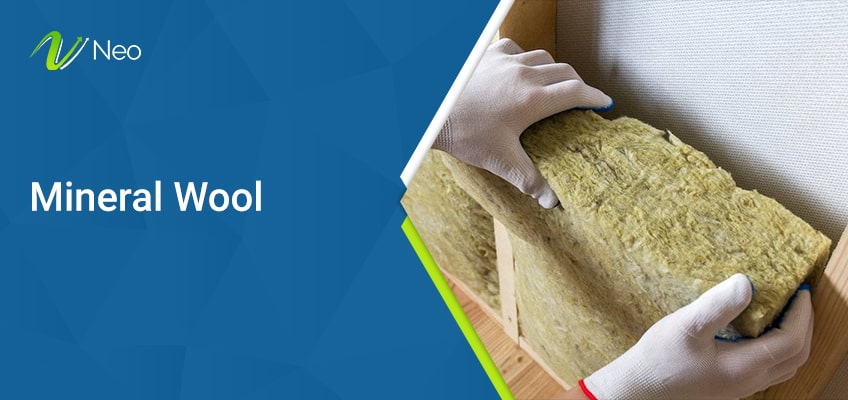
Insulated Roofing Sheets

Insulated Roofing Sheets

A range of insulation sheets is readily available, catering to various needs. Options include PUF-insulated, Rockwool-Glass wool-insulated, EPS-insulated, and other panels known for their energy efficiency and durability. These insulated Roofing sheets find applicability across diverse scenarios, showcasing resilience against high wind velocities and substantial snowfall or rainfall. Notably, they can endure extreme temperatures spanning from -50 degrees Celsius to +50 degrees Celsius. The thermal conductivity of PUF, measuring at 0.018 kCal, effectively prevents the transfer of heat between the interior space and the external environment.
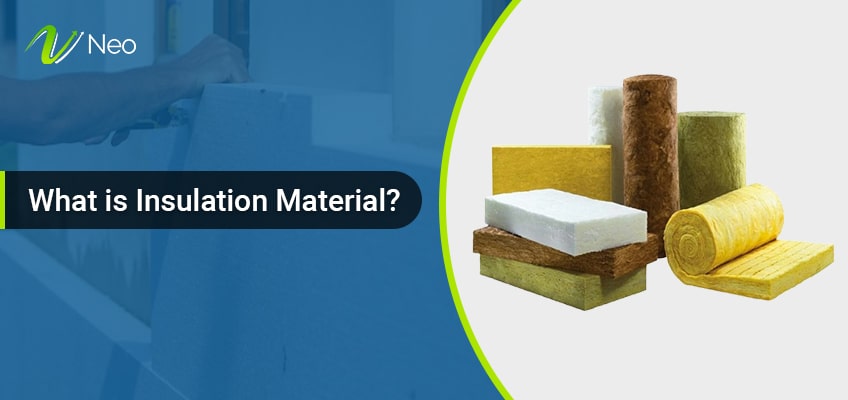

Cost:  The price range of regular insulated roofing sheets in India is generally between Rs. 350 per square meter to Rs. 550 per square meter.

Consider These Factors Before Buying Colour-Coated Roofing Sheets!

When in the process of purchasing colour coated sheets, it’s crucial to consider various factors to ensure the acquisition of a high-quality product tailored to your specific needs. Here are key aspects to take into account:

Factors Before Buying Colour-Coated Roofing Sheets

1. Purpose

Consider the intended use of the color-coated roofing sheets, whether for roofing, wall cladding, or applications such as refrigerators or car bodies. Different purposes necessitate varying coatings, colors, thicknesses, and finishes. For instance, roofing benefits from light-colored aluminum sheets that assist in temperature regulation during hot weather, while dark-colored sheets may absorb more heat, contributing to a warmer environment.

2. Types of Coatings

Different types of coatings, such as polyester, PVDF, and SMP, are employed in colour coated sheets. Each coating exhibits distinct properties and performance characteristics, making it essential to select the most suitable one for your specific application. For example, PPGI finds use in construction for manufacturing roofing sheets, roofing tiles, walls, doors, windows, partitions, panels, louvers, slotted angles, and valley gutters.

Read Also: Types of Materials for Sound Insulation for Buildings

3. Thickness

Consider the thickness of the sheet, recognizing that thicker sheets generally offer increased durability and better insulation. However, thicker sheets may also entail higher costs. Applications like the production of refrigerators and washing machines often utilize thick color-coated sheets, providing a scratch-resistant finish capable of withstanding daily wear and tear.

4. Colour and Finish

The color and finish of the sheet significantly impact the aesthetic appeal of the building or product. Choose colors and finishes that complement the design and style of your structure or item. Color coated profile sheets contribute to the aesthetic appeal of residential buildings, offering not only functionality during renovations but also pleasing aesthetics.

5. Durability and Lastingness

Prioritize sheets known for their durability and longevity to ensure the sustained vibrancy and attractiveness of the color and finish over time. This minimizes the need for frequent maintenance or replacement. Colour coated roof sheets, renowned for high corrosion resistance, find ideal use in various settings, including storage tanks, pipes, and equipment. Their notable attributes include high formability, corrosion resistance, and an appealing finish capable of withstanding challenging conditions.

Make Your Roof Vibrant And Durable With Our Colour Coated Sheets!

Conclusion

The widespread adoption of colour coated roofing sheets is attributed to their versatility and enduring qualities. These sheets offer a multitude of advantages over alternative roofing materials, making them the ideal selection for diverse construction projects. At Neo Thermal Insulation, we proudly provide top-tier colour coated sheets available in a variety of colors and designs, ensuring high quality for your construction needs.

Frequently Asked Questions

1. What are colour coated Roofing sheets?

The Color Coated Roofing Sheets stand out in the construction sector for its distinctive qualities. Crafted from high-quality steel and adorned with a colored layer, this roofing material is renowned for its durability, lightweight nature, and impressive weather-resistant properties.

2. Which colour coated sheets are best for roofing?

Choosing a light-colored aluminum roofing sheet is the best option for roofing that proves effective in sunlight reflection, aiding in maintaining a cooler temperature within your establishment during hot weather.

3. Why should we use Color-coated roofing sheets?

Color-coated roofing sheets are becoming increasingly favoured for their thermal insulation attributes and attractive appearance in both urban and rural settings. These sheets not only shield roofs from external damage but also enhance their visual appeal.

4. What is the size of color coated sheets? 

The dimensions of color-coated sheets include a Total Coating Thickness (TCT) ranging from 0.4 to 1.0 millimeters. The width is standardized at 1060 millimeters (1.06 meters), while the standard length is available in options of 8, 10, 12, 14, and 16 feet. Customization is possible, extending up to 30 feet as per specific requirements.

Talk to us?

Download Brochure