Category: Roof Insulation

How to Insulate a Cold Room: A Comprehensive Guide

Insulating a cold room is crucial for improving energy efficiency, maintaining a comfortable indoor environment and reducing heating costs. Poorly insulated cold rooms can lead to drafts, condensation and skyrocketing energy bills. This guide will walk you through the steps to insulate a cold room effectively, along with useful tips, materials and answers to common questions.

Why is Insulating a Cold Room Important?

Cold room insulation ensures optimal temperature control, reducing energy consumption and maintaining the integrity of the stored items. Without proper insulation, you risk higher utility bills, inconsistent temperatures and potential damage to stored goods.

Key benefits of insulating a cold room include:

  • Improved Energy Efficiency: Proper insulation minimizes heat loss, keeping the room warmer without overworking your heating system.
  • Enhanced Comfort: Insulation eliminates drafts and maintains consistent indoor temperatures.
  • Reduced Energy Bills: By conserving heat, you can lower your energy consumption and save money.
  • Preventing Moisture Problems: Good insulation prevents condensation, reducing the risk of mold and dampness.

Signs That a Room Needs Better Insulation

  • Cold drafts near windows, doors or walls.
  • Unusually high heating bills.
  • Cold floors or walls even when the heating is on.
  • Visible condensation or mold growth.
  • Uneven temperatures throughout the house.

How to Insulate a Cold Room(5 Best Steps)

1. Assess the Room’s Current Insulation

Start by evaluating the insulation already in place. Look for gaps, cracks or thinly insulated areas in:

  • Walls
  • Floors
  • Ceilings
  • Windows and doors

Use a thermal imaging camera or check for cold spots manually by touch.

2. Seal Drafts and Cracks

Before adding insulation, seal any air leaks around windows, doors and walls. Use:

  • Weather stripping: For gaps around windows and doors.
  • Caulking: For small cracks or openings in walls and frames.
  • Expanding Foam: For larger gaps and around pipes or vents.

3. Choose the Right Insulation Material

When insulating a cold room, Thermal Insulation Sheets are one of the most effective solutions. These sheets are designed to minimize heat transfer, regulate indoor temperatures and provide a moisture-resistant barrier.

Thermal Insulation Sheets are:

  • Versatile: Suitable for walls, floors, ceilings and even roofs.
  • Energy Efficient: Excellent at retaining heat during winter and keeping the room cool during summer.
  • Easy to Install: Lightweight and available in customizable sizes for a hassle-free installation process.
  • Durable: Long-lasting and resistant to moisture, mold and pests, ensuring optimal performance over time.

By choosing thermal insulation sheets, you can achieve superior insulation, reduce energy bills and create a comfortable indoor environment in any cold room.

4. Insulate the Walls

Insulating the walls is a crucial step in maintaining the cold room’s temperature.

  • Step 1: Clean the walls thoroughly to ensure proper adhesion of the insulation material.
  • Step 2: Attach a vapor barrier to prevent moisture infiltration.
  • Step 3: Install your chosen insulation material (e.g., foam boards or fiberglass batts).
  • Step 4: Cover the insulation with drywall or plywood for added protection and a clean finish.

5. Insulating the Floor

Cold floors can make any room feel uninviting. Insulate them using:

  • Underfloor Insulation: Lay rigid foam boards or fiberglass batts beneath the flooring.
  • Carpets and Rugs: An easy and affordable way to reduce heat loss and add comfort.

For raised floors, you can install insulation between the joists.

6. Ventilation and Moisture Control

Proper insulation should go hand-in-hand with adequate ventilation to prevent moisture build up. Use:

  • Ventilation Fans: To remove excess moisture from the room.
  • Dehumidifiers: To control humidity levels in cold or damp environments.

Insulate your Room With NEO Thermal

Additional Tips for Insulating a Cold Room

  • Invest in a programmable thermostat to monitor and maintain consistent temperatures.
  • Use draught excluders for door bottoms.
  • Consider reflective radiator panels to redirect heat back into the room.

Insulation Maintenance Tips

  • Inspect regularly: Check for signs of damage or wear in insulation, seals, and barriers.
  • Replace worn-out materials: Address cracks or gaps immediately to maintain efficiency.
  • Clean and dry: Prevent mold or mildew by ensuring the cold room remains clean and moisture-free.

Conclusion

Insulating a cold room is essential for maintaining energy efficiency, reducing costs and ensuring optimal performance. By choosing the right materials, sealing gaps and following a step-by-step approach, you can effectively insulate your cold room for long-term benefits. Regular maintenance and inspections will ensure the insulation remains effective for years to come, helping you save energy and protect your investment.

FAQs on Insulating a Cold Room

1. What is the best insulation for a cold room?

The best insulation depends on the area being insulated. For walls, thermal insulation sheets are excellent choices.

2. Does insulation help reduce energy bills?

Yes, proper insulation can significantly lower heating costs by preventing heat loss, making your home more energy-efficient.

3.How long does insulation last in a cold room?

With proper installation and maintenance, cold room insulation can last 15-30 years, depending on the material used.

How thick should the insulation be for a cold room?

The thickness depends on the desired temperature. For most cold rooms, insulation should be at least 4-6 inches thick for walls and ceilings.

Which is the Best Sheet for Roofing?

When it comes to roofing, the choice of material can make a big difference in durability, aesthetics and energy efficiency. Whether you’re building a new home, renovating or considering an upgrade, understanding the different types of roofing sheets is crucial to making the right choice. This guide covers the best roofing sheets available today, their benefits and factors to consider for various climates and building needs.

Types of Roofing Sheets

Roof Insulation Sheets

Roof Insulation Sheets are designed specifically to help regulate indoor temperature, reduce noise and improve overall energy efficiency. Common materials used in roof insulation sheets include expanded polystyrene (EPS), extruded polystyrene (XPS) and foam-based materials that offer excellent thermal insulation properties.

Pros of Roof Insulation Sheets:

  • Excellent thermal and sound insulation
  • Helps lower heating and cooling costs.
  • Moisture-resistant, reducing condensation and dampness
  • Enhances indoor comfort, especially in extreme climates

Cons of Roof Insulation Sheets:

  • Can be costly to install, especially high-quality insulation materials
  • Requires professional installation for maximum efficiency.
  • May need to be combined with other roofing materials for additional durability.

Roof Cooling Sheets

Roof Cooling Sheets are specially designed for warm or hot climates where reducing indoor heat is a priority. These sheets typically have reflective coatings or are made from materials like cool-roof paint, thermoplastic polyolefin (TPO) or white PVC to reflect sunlight and reduce heat absorption.

Pros of Roof Cooling Sheets:

  • Highly effective at reflecting sunlight and reducing indoor temperatures.
  • Can significantly lower cooling costs in hot climates.
  • Environmentally friendly, as they reduce energy usage.
  • Compatible with various roofing styles and materials.

Cons of Roof Cooling Sheets:

  • Limited benefits in cooler or less sunny climates
  • Reflective coatings may wear over time and require maintenance
  • Initial installation costs can be higher than standard roofing sheets

Beat the Heat – Choose Premium Sheets for Roofing!

Polycarbonate Roofing Sheets

Polycarbonate roofing sheets are popular for greenhouses, patios and garages due to their light weight and transparency. They come in different colors, allowing for customized lighting effects and offer excellent UV protection.

Pros of Polycarbonate Roofing Sheets:

  • Lightweight and easy to install
  • UV-resistant and weatherproof
  • Can be used for decorative purposes due to transparency
  • Highly impact-resistant

Cons of Polycarbonate Roofing Sheets:

  • Less durable than metal roofing
  • May yellow or degrade over time if exposed to direct sunlight constantly

Fiberglass Roofing Sheets

Fiberglass roofing sheets offer excellent durability and are a versatile option for both residential and commercial buildings. These sheets are crafted from a composite of glass fibers and plastic, making them strong yet flexible.

Pros of Fiberglass Roofing Sheets:

  • Durable and weather-resistant
  • Lightweight and easy to handle
  • Resistant to corrosion and UV radiation
  • Affordable for budget-conscious buyers

Cons of Fiberglass Roofing Sheets:

  • Not as energy-efficient as other options
  • May require replacement after prolonged sun exposure, as fiberglass can weaken over time

PVC Roofing Sheets

PVC (Polyvinyl Chloride) roofing sheets are popular in industrial buildings due to their excellent chemical resistance and durability. They are also an eco-friendly choice, as they are often recyclable and provide effective insulation.

Pros of PVC Roofing Sheets:

  • Lightweight and durable
  • Excellent chemical and moisture resistance
  • Can be recycled
  • Effective insulation properties for energy efficiency

Cons of PVC Roofing Sheets:

  • Can become brittle in extremely cold climates
  • Installation can be labor-intensive

Which is the Best Sheet for Roofing?

The best sheet for roofing depends on your specific needs, such as durability, energy efficiency and climate suitability. Here’s a quick overview of some top options:

  • Roof Insulation Sheets: These sheets provide excellent thermal and sound insulation, helping regulate indoor temperatures and reducing energy costs. They’re perfect for extreme climates and add comfort to residential or commercial spaces.
  • Roof Cooling Sheets: Designed for hot climates, these sheets reflect sunlight, significantly reducing heat absorption and cooling costs. They are eco-friendly and enhance indoor comfort.

For reliable options, Neo Thermal Insulation offers high-quality roof insulation and cooling sheets that are durable, efficient and customizable. They are a top choice for energy-saving and weather-resistant solutions.

Whether you prioritize aesthetics, energy efficiency or cost, choose a roofing sheet that balances your requirements while ensuring long-term performance. For energy-saving solutions, roof insulation and cooling sheets from trusted providers like Neo Thermal Insulation are highly recommended.

Factors to Consider When Choosing Roofing Sheets

1. Climate and Weather Conditions

In coastal areas or high-humidity regions, aluminum or PVC roofing may be the best choice for corrosion resistance. For areas with heavy snow or wind, steel or fiberglass roofing provides durability and resistance to harsh weather.

2. Budget

If you’re on a tight budget, asphalt roofing sheets can provide good value. However, if you can invest in a long-term solution, metal or polycarbonate sheets may offer better durability.

3. Aesthetic Preferences

For high-end designs, copper and aluminum roofing provide sleek, modern aesthetics. Polycarbonate sheets are suitable for contemporary designs that require natural lighting.

4. Environmental Impact

Metal and PVC sheets are recyclable and often made from sustainable materials. Asphalt sheets are less eco-friendly due to their petroleum-based composition.

Conclusion

Selecting the best roofing sheet depends on various factors, including durability, budget, and climate. For long-term durability and resistance, metal roofing sheets, such as aluminium or steel, are highly recommended. For areas needing lightweight, impact-resistant material, polycarbonate and fiberglass sheets are excellent options. PVC is another good choice for industrial buildings due to its chemical resistance and insulation capabilities. By evaluating your specific needs and preferences, you can choose the right roofing sheet that will offer protection, efficiency and aesthetic appeal for years to come.

FAQs about Which Are the Best Sheets for Roofing?

1. How often should roofing sheets be replaced?

This depends on the material: metal sheets can last 50 years or more, while asphalt may need replacement every 15-30 years.

2. What is the best roofing sheet for energy efficiency?

Roof cooling sheet, especially with reflective coatings and PVC sheets with insulation properties provide excellent energy efficiency.

Best Heat Resistant Sheet for Kitchen

The kitchen is the most crucial part of every home, and the most challenging part as well is keeping the kitchen clean and in shape. The intense heat coming from the hot pots, pans and spills damages the surface and makes it tough to clean the surface.

This is where a heat resistant sheet for kitchen comes in as a one stop solution. These heat-resistant sheets for the kitchen act as a protective barrier against hot temperatures and prevent damage to your kitchen’s countertops. This means it makes the environment more comfortable, enhances kitchen safety and makes cleaning the kitchen much easier.

It is one of the must-have things that every kitchen needs. However, there are a variety of heat resistant sheets available for the kitchen and each one has its own needs and preferences.
So, which one does your kitchen need?

In this article, we will dive deep into heat resistant sheets for the kitchen, their types, factors to consider and ways to keep it clean and maintained in your kitchen.

Why Do You Need a Heat Resistant Sheet?

Heat resistant sheets are now the growing demand of modern kitchens. These sheets act as a protective layer on your kitchen countertops and surfaces. Which used to protect the surface from burns, stains, or warping. When you place hot pots or pans on the surface. Plus, it makes the cleaning much easier. These heat resistant sheets are not only comfortable but have a range of benefits. Such as protection from damage, fire resistance and ease to use.

Types of Heat Resistant Sheets for Kitchens

Here are some common types of heat resistant sheets for the kitchen:

1. Heat Resistant Sheet

The Heat Resistant Sheets for the kitchen are made from silicon. Which is flexible and can handle high temperatures. These heat resistant sheets are placed on countertops to protect the surface from burns or damage. When you place the hot pots or pans. These heat resistant sheets are non-slip, easy to clean and durable. To handle high temperatures without losing their effectiveness. For everyday kitchen uses, these heat resistant sheets are a best fit option. Which improves functionality, keeps the kitchen clean and enhances durability.

2. Fiberglass Sheets

Fiberglass sheets are made from woven glass fibers. Which can withstand really high temperatures. These are perfect fit sheets for areas near stoves or ovens. They have a higher capability to handle heat than silicone and come with an extra non-stick coating to make the cleaning much easier. However, these are not as flexible as silicone sheets.

3. Teflon Coated Sheets

These sheets are known for non sticky properties and high heat resistance. They can handle up to 260 degrees Celsius. These sheets are easy to clean, flexible and lightweight. Plus they can be easily used for oven mitts, pot holders and trivets. However, the Teflon coating may wear off over time. Because of extreme heat frequently.

4. Metal or Stainless Steel Heat Shields

Metal or Stainless Steel Heat Shields are highly durable and rigid. These types of sheets are often installed near ovens, stoves, or on walls to protect the countertops and walls from heat. As stainless steel is rust resistant, it is surely a better option for kitchens with extreme heat. However, these are not portable sheets like silicon or fiberglass sheets.

Reduce Heat In Kitchen with Heat Resistant Sheet

Top Features to Look for in a Heat Resistant Sheet for Kitchen

Here are some key features to consider while looking for a heat resistant sheet:

1. Temperature Range

Temperature is a key factor when you are choosing a heat resistant sheet for your kitchen. Make sure to pick a sheet that can handle high heat temperatures. Which comes from pots, pans or non-stick and prevents the surface from burning or damaging. Some sheets have the capability to tolerate temperatures up to 500°F. So you need to check the heat limit. And based on it, you can find the right sheet.

2. Material

Material is one of the crucial factors. Because different types of material have different needs and purposes. As we have mentioned, four common materials are silicone, fiberglass, Teflon coated and stainless steel. Each has its own uniqueness and purpose to use. So, you need to identify which type of material best fits with your kitchen requirements.

3. Size and Flexibility

You need to figure out where you are planning to place the heat resistant sheet. Whether it is countertops, ovens or surfaces. Then, you should pick a heat resistant sheet that comes in different sizes and has flexibility. So that you can easily install the sheet in any area you want to protect from high heat. Silicon is one of the flexible heat resistant sheets. Which can be easily rolled or wrapped over the surface to protect from damage.

4. Non Stick and Easy to Clean

Another important factor to consider is that it should be non sticky and easy to clean. So that you can easily wipe away spills, grease and food residue without scrubbing. This means these sheets make kitchen cleaning easier and save time. Silicon and Teflon coated sheets are non sticky and easy to clean sheets that you can consider for your kitchen.

5. Durability

The reason behind using heat resistant sheets is to protect the countertops or surface from burning or damage to the kitchen surface from hot pots, pans or non-stick. However, it should be long lasting. So, you need to choose a heat resistant sheet that has high durability, which means the sheet must be thick and strong enough to handle high heat temperatures without losing effectiveness. Silicon, fiberglass and stainless steel are the most durable heat resistant sheets.

How to Maintain and Clean Heat Resistant Sheets?

Here are some useful tips to maintain and clean the heat resistant sheets:

1. Regular Cleaning:

You need to clean the sheet regularly after each use to prevent grease or food from sticking, which makes it harder to clean later.

2. Avoid Excessive Heat:

Try to avoid placing these sheets around excessive heat which they can not handle. Otherwise, extreme temperatures can damage the sheet. So, make sure you are using the right material for a heat resistant sheet at the right temperature.

3. Inspect for Damage Frequently:

You should inspect damage like cracks or burns regularly to ensure heat resistance is effective enough to protect the surface from damage.

4. Store Properly:

Steering properly is essential for sheet longevity. If you have flexible sheets, roll them up to store, while rigid sheets are flat and avoid bending.

5. Clean Gently with Soap and Water:

You need to use soap and water to gently clean the heat resistant sheet to avoid harmful chemicals that can affect the sheet.

6. Avoid Sharp Objects:

Do not use sharp objects like knives or sharp tools near the sheet to prevent scratches or low effectiveness of the sheet.

Conclusion

For modern kitchens, heat resistant sheets are becoming a must have item to protect their kitchen surface from burn or damage. These sheets not only protect the surface from burning or damage but also make cleaning the kitchen much easier and faster. We hope this guide helps you understand the importance of a heat resistant sheet for kitchen, their types and which one is the best fit for your kitchen.

So, if you are looking for a kitchen friendly heat resistant sheet, then Neo Thermal Insulation is one of the trusted names for providing high quality thermal insulation sheets at the most affordable prices. Contact us today to explore the best heat resistant sheet options.

FAQs

1. What is the best material for heat resistant kitchen sheets?

One of the best materials used for heat resistant kitchen sheets is Silicon, which is flexible, easy to clean and handles high heat temperatures all at once.

2. Are heat resistant sheets safe for all kitchen surfaces?

Yes, heat resistant sheets are safe for all kitchen surfaces. However, you need to choose the right heat resistant sheet which is compatible with your kitchen needs and requirements.

Top Pre Engineered Building Manufacturers in India

Technology has made a huge impact in several industries. One such great example is the construction industry, where the demand for pre-engineered building structures (PEBs) has rapidly grown.

According to the stats, The pre-engineered building market size is expected to reach $0.888 billion by 2032 with a CAGR of 7.40%. It clearly shows that PEBs have reached a billion-dollar industry and are growing in India.

These pre-engineered buildings are metal or steel structures that are manufactured in the factory and assessed on time. So, they make the construction process faster by setting up a pre-built structure on-site rather than traditional construction step-by-step. Because these Pre Engineered Buildings are stronger, lighter and easier to modify than steel buildings and save huge time in construction.

Mostly the demand of pre-built structures required in small retail, commercial buildings, warehouses and storage units. By seeing such numerous benefits and fast demand of PEB structures in the construction industry, various PEBs manufacturing companies are now available in India.

However, such high competition makes it challenging to find the ideal Pre engineered building manufacturers in India. Don’t worry!

In this article, we’ve handpicked the top six PEB manufacturers in India that are known for their fast production, remarkable quality and flexibility. By the end of this article, you’ll know exactly which PEB company is best fit for your requirements.

Top 6 Pre Engineered Building Manufacturers in India

Here are the top six pre-engineered building manufacturers in India:

1. Neo Thermal Insulation

Neo Thermal Insulation is an award-winning manufacturer in the list of pre-engineered buildings (PEBs) insulation solutions in India.

Since 2007, Neo Thermal Insulation has specialized in manufacturing, retail, supply and export of a wide range of insulation materials such as PEBs, heat insulation, air bubble, aluminum foil, reflective sheet, bubble wrap etc.

Whether it’s commercial, industrial, residential, warehouse, power plants or metal roof, Neo Thermal Insulation has end-to-end insulation solutions for pre-engineered buildings with top-notch quality and tailored services for their clients.

Transform Your Construction Process with Leading PEB Manufacturers

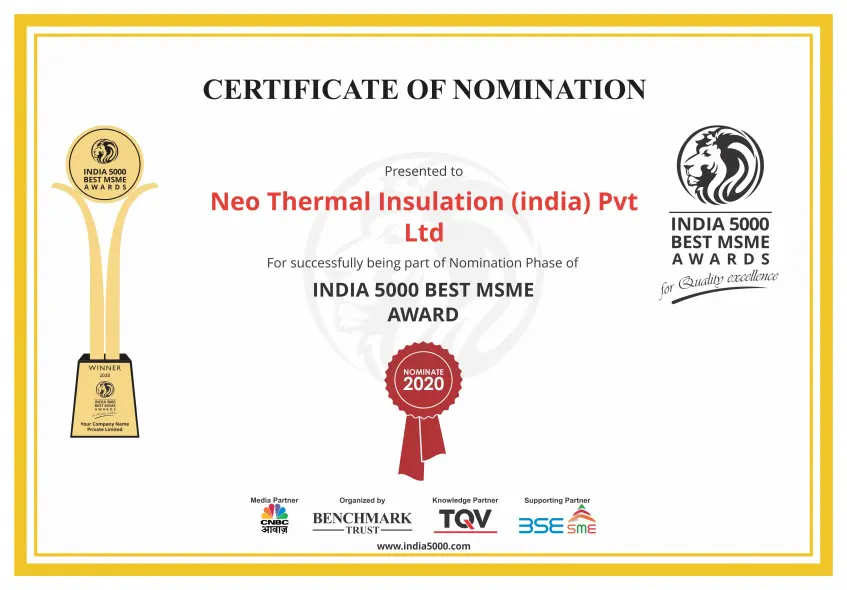
They’ve won several awards and certifications via CNBC, TQV, Benchmark Trust, ISO-certified and many others.

Neo Thermal Insulation served their insulation solutions to India’s most reputed companies including Amazon, BKT, Asian Paints, Coca-Cola, Walmart etc across various sectors including PEBs, industrial buildings, warehouses, FMCG and more.

2. Kirby Building Systems

Another popular Pre-engineered building (PEBs) manufacturer in India is Kirby. Since 1976, Kirby manufacturers have been popular for their tailor-fit pre-engineered services.

They’ve successfully delivered 100k+ projects, 515k+ MT production capacity, 7+ manufacturing locations worldwide and 5k+ dedicated team globally. They are one of the oldest PEB manufacturers with top-quality work and customer-centric approach.

Kirby building systems has a proven track record for PEBs manufacturing services for warehouses, showrooms, supermarkets, malls and much more. They’ve won several awards as an excellent manufacturer in India.

Some of the biggest clients they’ve worked with are Honda, Asia Steel, IKEA, Moyee, Unilever and more.

3. Tata BlueScope Steel

Tata BlueScope Steel is one of the leading PEB manufacturers and suppliers in India. They’ve completed more than 1000 projects for their customers across India.

It’s a Pune-based manufacturer that is known for their world class manufacturing facilities, high-quality design, fast delivery and end-to-end PEB solution.

They are popular in the SAARC region because they provide the best-prefabricated steel building solutions.

In 2005, they started a manufacturing company and are now delivering continuous quality PEB work. They are ISO-certified and FM-approved, which makes them a trustworthy manufacturer.

4. Interarch Building Products

In 1984, Interarch Building Products Ltd started and is now one of the biggest PEB manufacturers in India. They pioneered the pre-engineered construction services and took first mover advantage in metal construction from ceilings to roofs to pre-engineered buildings.

Interarch Building Products gets expertise in manufacturing, designing, and installing PEBs of top-notch quality and commitment to their customers. They have a huge portfolio of PEB projects and offices across all major cities.

Some of the giant companies they’ve worked with are HUL, Tata, Godrej, Asian Paints, Logos, MG Motors, CEAT, PepsiCo and many more.

Whether the PEB structure required for industries, commercial, infest stuck or residential purpose, Interarch Building Products has years of experience and proven track record in India.

5. Zamil Steel Buildings India

When you are looking for a reliable name in pre-engineered manufacturing, Zamil Steel Buildings always comes to our list.

With 44+ years of industry experience, global presence, quality work, and on-time delivery, Zamil Steel Buildings has made a huge name as a PEB manufacturer.

They are one of the largest global steel structural or pre-engineered steel building suppliers with over 90,000 steel structures across 90 countries. They’ve ISO 9001:2015, ISO 14001:2015 and ISO 45001:2018 Certifications, which ensure top-notch and controlled quality.

Zamil Steel is one of the few manufacturers globally that offer a complete building system, from engineering, procurement and manufacturing to accessories installation. If you’re looking for an all-in-one PEB manufacturer, then it’s worth considering. Looking for quality and efficiency? Check out the top PEB manufacturers in India.

6. Jindal Buildsys

Jindal Buildsys Limited is one of the fastest-growing PEB manufacturers in India. It was established in Gurgaon, Haryana. This firm is especially known for super-quality steel building, structural design and tailor-made solutions.

To cater the growing demand of PEB structures, Jindal Buildsys Limited has earned a big name by completing 1500+ projects successfully. They’re offering complete PEB solutions, including designing, manufacturing and erection services.

With their innovative designs, reliable buildings, warranty and proven track records make Jindal Buildsys Limited a friendly option for PEB solution.

Benefits of Pre-Engineered Buildings

Here are some major benefits of PEBs:

1. Cost-Effectiveness

One of the biggest benefits of considering pre-engineered buildings (PEBs) i.e, cost-effectiveness. As compared to traditional building construction, the cost of PEB is comparatively lower and requires less maintenance that overall leads to saving more money and less wastage in the long-term. Especially in such cases when a factory is shifting to another location then pre-engineered buildings can easily unlock the bolt and transport.

2. Faster Construction Time

Another benefit of considering pre-engineered buildings is to reduce the construction time and make it faster than traditional construction. These pre-engineered buildings are manufactured off-site and assembled on-site that reduce the construction time by doing only on-site fabrication, cutting and welding. It makes the construction process much easier and faster.

3. Design Flexibility

These pre-engineered steel buildings are modernly structured and set up with complete flexibility. These steel structures are first designed using software and then fabricated with machines that can be customized in all possible ways. These structures are versatile in design, layouts, sizes and aesthetics. So, there are tons of options for modifications and future scalability making it an ideal option.

4. Durability and Low Maintenance

The pre-engineered buildings are extremely durable and sturdy in nature, and they can stand in any bad weather conditions. Because of the fire-resistance properties, PEBs are safe materials in the industrial sector. The best part is that PEB first designed the software to allow virtual simulation before turning it into reality. So, the quality will be top-notch and will have long-term durability. Plus, having such high-quality material can make the PEBs less maintenance-free in the long term.

5. Sustainability and Energy Efficiency

Pre-engineered buildings are also energy-efficient and environmentally friendly. They used to design various sustainable things, including green roofs, solar panels, rainwater harvesting systems, etc, as these are durable and energy-efficient and they less affect the environment. Plus, these pre-engineered buildings are made up of recyclable materials that can be reused.

Key Considerations When Choosing a PEB Manufacturer in India

Here are some key factors to consider when you are choosing a right PEB manufacturer:

1. Experience and Reputation

The very first thing to consider when you’re looking for the right Pre engineered building manufacturers in India is the years of experience and reputation in the market they have. If you work with a PEB manufacturer who has huge years of experience and tons of proven track records for delivering top-quality pre-engineered buildings and complete customer satisfaction, then the chances of delivering the same or better results for your project will be higher.

2. Quality of Materials

Quality is the key factor that will decide whether to choose a manufacturer or not. You should always consider a manufacturer who is known for their quality materials and strong durability. Every company has certain parameters to check the quality; you can ask for the documents to check the quality standard they’ve and meet your expectations. Overall, the project will be executed smoothly when quality is the core thing. So, make sure to choose a manufacturer that offers quality materials that are durable, long-lasting and can withstand any bad weather conditions.

3. Customization Options

Every business has different requirements and that’s why customization is also a big factor to consider. You should consider a PEB manufacturer in India which offers tailored solutions and high customization as per specific needs including dimensions, doors, windows styles, roof and color options.

4. Project Management and Support

Pre-engineered building is one of the complex projects that is done under the surveillance of team experts and project managers. So, it’s essential to choose a company that offers an experienced project manager for your project to handle everything from designing to construction and be able to manage queries if they arise. Plus, having an excellent support team will ensure that all the operations work smoothly and provide complete satisfaction.

5. After-Sales Service

After-sales support really matters the most. So, you should look for a best pre engineered building manufacturers in India who offers after-sales support, repair and maintenance to ensure everything keeps working fine without any worry.

Conclusion

Pre-engineered building manufacturers (PEBs) are in high demand and are making a revolution in the construction industry. It makes the construction process faster, more convenient, and more cost-effective. So, it’s the right time to adopt the PEB option for numerous benefits. However, it’s essential to let the professionals do this project. We hope this guide will help you learn everything about pre-engineered buildings and their benefits and explore some of the best PEB manufacturers in India. Now, it’s your turn to find the right Pre engineered building manufacturers in India that meets your specific needs and requirements.

Plus, pre-engineered buildings (PEBs) also required insulation to save money on energy bills and long-term durability. So, if you want to insulate your pre-engineered building then Neo Thermal Insulation is a one-stop place to find the best quality insulation materials for PEBs and keep the area warmer in winter and cooler in summer for comfortable living.

FAQs

1. What is a pre-engineered building?

Pre-engineered buildings are steel structures that are manufactured off-site and assembled on-site. It’s a better option than traditional construction, and the process of construction is faster, whether it’s manufacturing buildings, commercial, residential, warehouses or storage units pre-engineered buildings can make the process faster and more effective.

2. What are the advantages of pre-engineered buildings over traditional construction?

Some of the key advantages of pre-engineered buildings (PEBs) are faster construction, cost-effectiveness, low maintenance, durability, energy efficiency and flexibility.

3. Are pre-engineered buildings suitable for all types of climates?

These pre-engineered buildings (PEBs) are durable enough to handle all types of climates. However, it’s recommended for insulation to ensure a comfortable living temperature and protect from the bad weather.

4. How do I choose the right PEB manufacturer in India for my project?

Some of the key factors to consider to find the right PEB manufacturer for your project are experience, quality, customization and after-sale support.

5. What maintenance is required for pre-engineered buildings?

As pre-engineered buildings require low maintenance, then doing some cleaning regularly and checking the insulation from time to time is enough.

6. Can PEBs be expanded or modified in the future?

Yes, PEBs can be expanded and modified if the project requires future expansion. The modular PEB structure allows for easy addition of new sections without disrupting the existing building.

How Will Insulation Keep Heat Out?

Summers and winters are going to their peak now, and it’s becoming challenging for people to comfortably live in their homes. In summer, most of the houses inside are getting warmer or need to spend money on electricity for AC to keep the temperature maintained. However, it’s not a sustainable way and personally, people don’t like it.

On the other hand, Winters are making it challenging for people to live inside their home because the inside temperature is not balanced as warm. So at this point, people are looking for the best solution to keep their home balanced in both seasons. And the first question you get in your mind that will insulation keep heat out?

This is where insulation comes as a one-stop solution for homeowners. Installing insulation in homes is one of the best decisions to keep the inside temperature balanced for comfortable living in any season without spending too much on electricity.

Especially, In hot climates, when indoor temperature is uncomfortable then adding insulation acts like a layer which protects the house from the outer hot temperature and ensures to maintain a cool indoor temperature naturally and save huge on electricity.

But, many households don’t know the true potential of insulation and how it can be beneficial. Don’t worry!

In this article, we will deep dive into insulation, how insulation works, its types and much more.

How Will Insulation Keep Heat Out?

Insulation is a thermal barrier of sheets or blocks which are installed inside of the home. These insulation sheets act as a barrier which prevent cool air going outside in summers and similarly prevent the outside hot air from entering the room.

It traps the air within the home and slows down the air transfer. So the inside temperature will be balanced in all types of seasons and give a comfortable living temperature and lower the electricity bills.

There are different types of insulation materials available in different R-values as well. The high R-value means a strong potential to maintain the inside temperature during the peak in summer and winter.

However, choosing the right insulation material depends on your HVAC system and the areas where you plan for the insulation.

Types of Insulation for Heat Reduction

Here are some of the most popular types of insulation for heat reduction:

1. Heat Resistant Sheets

Will Insulation Keep Heat Out
Heat Resistant Sheets are also known as thermal insulation sheets. These sheets are specially designed to provide a comfortable, cool temperature inside the home in hot summers. These sheets have heat-resistance properties which will prevent outer heat and keep the indoor temperature cooler. These sheets are designed to withstand high hot temperatures without any damage or deterioration. It’s an environment-friendly option that will naturally reduce indoor heat and save huge amounts of electricity.

Beat the Heat – Choose Premium Thermal Insulation!

2. Reflective or Radiant Insulation

Reflective insulation is also known as sun-reflective insulation sheets. These are thin and highly reflective sheets that reduce heat transfer from outside to inside. These are shiny sheets that reflect back the heat from its source and ensure it doesn’t affect the inside balanced temperature. Generally, this Heat Reflective Sheets is made of materials like aluminum foil or aluminized polyester, which is capable of absorbing 95% of heat back to its source. It’s highly demanding in summer to keep the indoor temperature cool and comfortable for living.

3. Air Bubble Insulation

Will Insulation Keep Heat Out
Air Bubble Insulation Sheet is popularly known as bubble wrap. This insulation is made up of one or two layers of air bubbles between aluminum foil to act as a thermal resistance layer. By wrapping up this air bubble insulation inside the home, you can stop suffering from the extremely hot temperature outside and reduce heat gain in summer. This insulation sheet traps the outer hot air within the bubbles and reduces heat transfer, which leads to better indoor temperatures. It has an R-value between R-3 and R-5, which makes it a go-to choice for those homes who want to maintain the indoor temperature for the last time in summer.

4. Roof Cooling Sheet

Did you know? Most of the heat comes from the roof, which affects the indoor temperature. This is where Roof Cooling Sheets come in as a one-stop solution. These sheets can help to reduce the heat coming from the roof and ensure that the inside temperature is cooler. These are a few of the best insulation types that have high thermal emission properties and solar reflectance index (SRI). Plus, it helps to reduce unwanted outside noise and provides a comfortable indoor environment. These sheets have a high energy-saving option and are able to cool the temperature naturally and reduce electricity consumption.

5. Aluminum Insulation Sheets

Will Insulation Keep Heat Out
Aluminum Insulation Sheets are made up of multiple-layered materials and are specially designed to prevent heat reduction in summer. These aluminum foils reflect the heat rays away in summer instead of absorbing them. It effectively controls the indoor temperature and provides natural and pure cool air for comfortable living. These aluminum sheets are durable for long-term usage and lightweight for easy installation and maintenance. It has moisture resistance and fire resistance properties that enhance home safety.

6. Underdeck Insulation

Under Deck Insulation is mostly used beneath the flooring or decking of a structure. There are so many benefits of using this insulation sheet, including controlled indoor temperature, moisture control, and soundproofing. It is one of the fastest-accepting insulation types that households are using for heat reduction in hot summers. It is lightweight, easy to install, and a budget-friendly insulation option, which is worth considering for peak summer.

Insulate your Home With NEO Thermal Insulation

Insulating Different Areas of Your Home

Here are some different areas in your home that you can insulate:

1. Walls

One of the best areas to insulate in your home is the interior and exterior walls. Because most of the outer heat transfers through the walls and by installing insulation on the walls can build a strong layer to prevent heat and keep the indoor temperature cooler. It is especially recommended for older houses who have gaps in walls then require a strong layer for protection.

2. Roof and Attic

Another important area in the home to insulate properly is the roof and attic. In hot climates, these areas transfer heat from outside to inside, and that’s why proper insulation can reflect back the heat and reduce the heat transfer. Some options for these areas are fiberglass batts and blown-in cellulose for effective insulation.

3. Floors

Floor insulation is useful for those homes which are built above a crawl space, garage or other areas. In such a case, the heat can be transferred via floors and need to be protected via insulation. It can be insulated via foam boards, fiberglass batts or spray foam for insulation.

4. Windows and Doors

Sometimes, doors and windows are not properly sealed. So it’s better to insulate them properly to fill all the gaps from where heat transfers and reduce the heat from the indoor temperature during summers. It is one of the crucial areas to cover effectively.

5. Basement

Some homes include basements, and it becomes hard to maintain the indoor temperature in such areas. At this point, insulation can be an effective solution to keep the term rapture balanced in any season. Foam board or spray insulation is the common insulation for the basement. However, make sure to only apply insulation to the interior walls.

Conclusion

Every household is dealing with high electricity bills and uncomfortable living during the summer. Insulation comes as a one-stop solution for keeping the heat out, providing a cool indoor temperature naturally, and saving huge amounts of electricity. We hope this guide helps you know the potential of insulation and how insulating your home can keep your home cool in summer, reduce noise, and save on electricity, all of which provide a comfortable living.

Now, if you are looking for a trustworthy brand for the best quality insulation, then Neo Thermal Insulation comes with the promise of quality and satisfaction. You can explore the range of insulation available and make your home insulated for numerous benefits.

FAQs

1. What is a pre-engineered building?

Pre-engineered buildings are steel structures that are manufactured off-site and assembled on-site. It’s a better option than traditional construction, and the process of construction is faster, whether it’s manufacturing buildings, commercial, residential, warehouses, or storage units; pre-engineered buildings can make the process faster and more effective.

2. What are the advantages of pre-engineered buildings over traditional construction?

Some of the key advantages of pre-engineered buildings (PEBs) are faster construction, cost-effectiveness, low maintenance, durability, energy efficiency, and flexibility.

3. Are pre-engineered buildings suitable for all types of climates?

These pre-engineered buildings (PEBs) are durable enough to handle all types of climates. However, it’s recommended for insulation to ensure a comfortable living temperature and protect from the bad weather.

4. How do I choose the right PEB manufacturer for my project?

Some of the key factors to consider to find the right PEB manufacturer for your project are experience, quality, customization and after-sale support.

5. What maintenance is required for pre-engineered buildings?

As pre-engineered buildings require low maintenance, then doing some cleaning regularly and checking the insulation from time to time is enough.

6. Can PEBs be expanded or modified in the future?

Yes, PEBs can be expanded and modified if the project requires future expansion. The modular PEB structure allows for easy addition of new sections without disrupting the existing building.

Why Is Insulation Important?

Have you noticed that nowadays the weather is so unpredictable and breaking its own record in history with the hottest summer or coldest winters ever. In such weather conditions, people prefer to spend most of their time at home to avoid such high-degree.

However, it becomes challenging for homeowners to keep their home temperature balanced in both summer and winter by spending huge amounts of money on electricity. Well this happens because many homeowners are not aware of what to do and why is insulation important?

This is where Insulation comes in as a healthy, cost-effective and energy-efficient solution for households.

Insulating a building is now the most essential part of every house where it will keep the indoor temperature balanced naturally as per the summer or winter without relying on electronic devices and save money on electricity.

Insulation has made a big impact on homeowners’ lifestyles, but many don’t know its true potential. Don’t worry!

In this article, we will understand everything about Insulation, why it’s important, how it works and some common mistakes to avoid while using insulation sheets for home and building.

How Insulation Works?

Insulation is a thermal-resistant barrier like a sheet that is installed over/under any surface, and it slows down the transfer of heat. When it’s the hottest summer, then Insulation will stop heat flow inside the house, and when it’s the coldest winter, then Insulation will stop heat flow from going outside of the house.

In both weather conditions, Insulation will make sure to provide a balanced and comfortable living indoor temperature without depending on electronic devices. This insulation sheet is like a barrier to stop heat flow and allows homeowners to reduce electricity consumption by naturally maintaining the indoor temperature.

Also, there are different types of insulation sheets available that keep the indoor temperature balanced, provide pure air, reduce noise, are moisture-free and hold fire-resistant properties.

Overall, Insulation is a protective layer that can protect the entire home from bad weather conditions by naturally balancing the indoor temperature and increasing the property’s durability by protecting it from moisture, fire and noise. It’s an ultimate and cost-effective solution that every homeowner found worth considering.

Choose Premium Thermal Insulation!

Top 6 Reasons Why Is Insulation Important

Here are six major reasons why insulation is important:

1. Energy Efficient

One of the biggest reasons why Insulation is a must-have in every house is because it’s an energy-efficient option that naturally keeps the indoor temperature balanced in both summers and winters and helps homeowners reduce the electricity bills on electronic appliances like air conditioners and heaters. It can save 45% or more in electricity bills and provide a comfortable environment throughout the year.

2. Improved Comfort

Insulation also provides great comfort because it will keep the indoor temperature naturally balanced. So that members can comfortably spend time in their homes without worrying about bad weather conditions.

3. Reduced Noise Level

The Insulation has properties which can absorb the outer noise and reduce the unwanted noise inside the home for a peaceful living. It’s specially useful for those homes that are near the busy streets with continuous traffic, sirens or neighbour’s. With proper Insulation. Noise will be reduced and ensure a noise-free environment with relaxation.

4. Improve Fire Protection

Some insulation materials have fire-resistance properties. This means that proper insulation can also make the home more durable and improve fire protection. It provides a more comfortable living with better safety by knowing that the home is protected with Insulation, which is fire-resistant.

5. Reduce Electricity Bills

Insulation is energy-efficient and able to balance the indoor temperature naturally, which automatically leads to lower electricity consumption and allows homeowners to reduce electricity bills after proper Insulation. Insulation is one of the best ways to balance the indoor temperature without depending on electrical devices like air conditioners or heaters for comfortable living.

6. Improved Environmental Impact

When homeowners are continually using air conditioners in summer and heaters in winter then it also badly impact the environment which leads to more bad weather in upcoming years. That’s why insulation is an environment-friendly option that reduces the use of electronic devices and decreases the amount of polluting gasses in the atmosphere. Plus, Insulation will keep the indoor temperature balanced with pure air quality and reduce the emission.

Insulate your Home With NEO Thermal Insulation

Some Common Insulation Mistakes to Avoid

Here are some common insulation mistakes you must avoid:

1. Under-Insulating Key Areas

One of the most common mistakes homeowners make during the insulation process is under-insulating some areas of their homes, such as attics, basements, windows/doors, and crawl spaces. People think that walls and floors are enough for Insulation, but this neglect can badly affect Insulation. It is also important to insulate these areas properly otherwise, heat will be lost from them.

So, it’s important to conduct an assessment of the home first to check all possible areas where Insulation is essential with the help of a professional and then adequately insulate the home to get the maximum benefits, including balanced temperature, comfortable living, noise reduction and lower electricity bills.

2. Ignoring Air Leaks

After choosing the right Insulation, make sure to check all the possible air leaks and gaps in your home from where air can leak around the door, walls, roof or floor and ensure to seal these air gaps properly, or it will lower the effectiveness of Insulation.

There are different ways to seal the air leaks and gaps, such as using caulk, weather-stripping or spray foam to seal it and ensure proper Insulation at the home. It’s recommended to check the leaks at least twice a year and fix them.

3. Choosing the Wrong Type of Insulation

Another common mistake that homeowners make during the Insulation is installing the wrong Insulation. There are so many types of insulation materials available in the market for different purposes, properties, and areas.

There are four main types of insulation: fiberglass, cellulose, spray foam, and slag wool. Each type of insulation is used for different purposes, at home  and in a different location. You need to identify which one is suitable for your home needs and consider the right Insulation. It’s important for homeowners to understand which type of insulation best fits their home needs and then come up with the right decision.

Some of the common factors to consider in finding the right Insulation, i.e. location, climate, and size of the home. By knowing which area you want to insulate at home and in which weather conditions and size are required, you can decide which can fulfill the requirements.

4. Poor Installation Practices

Choosing the right insulation material is not enough until you choose the right professional to install it properly. Some homeowners hire unexpected contractors or DIY to install the Insulation and end up wasting material, time, and money. It’s professional work that requires experienced contractors to properly install insulation in the home. So, you must look for an experienced contractor for the proper Insulation and let the professional do it.

Conclusion

Insulation is not an option anymore; it’s a most beneficial thing that every homeowner must install to naturally maintain an indoor temperature, reduce electricity bills, enhance air quality, and enjoy a comfortable living. There are numerous benefits of Insulation, and we hope this guide helps you know why Insulation is important and how you can do proper Insulation by avoiding mistakes. Now, if you are planning to take advantage of insulation, Neo Thermal Insulation is the most reliable and trustworthy brand to find the best quality insulation materials and products for your budget with a complete satisfaction guarantee.

FAQs

1. What is insulation, and why is it important?

Insulation is a protective layer that helps to stop the heat flow transfer. It will stop the heat flow from outside to indoors during summer and stop the heat flow from indoors to outside during winter. So, the indoor temperature will be balanced and it will provide a comfortable living for members of the house. It will also reduce electricity consumption by naturally keeping the temperature balanced.

2. How does insulation help save energy?

When Insulation keeps the indoor temperature naturally balanced during summer and winter then there’s less chances of using electronic devices like air conditioner or heater then it overall leads to saving energy and money.

3. Can insulation improve indoor air quality?

Yes, Insulation also improves indoor air quality by keeping the pollutants air out and naturally keeping the temperature balanced, avoiding moisture and reducing condensation.

4. What is the best type of insulation for my home?

Thermal insulation sheets are the best type of Insulation for your home. These are easy to install, durable and have a high R-value, which keeps the indoor temperature cooler in summer and warmer in winter.

5. How often should insulation be replaced?

Insulation must be replaced every 15 to 20 years as per the general rule. However, it also depends on several factors such as type of Insulation, R-value, installation, damage etc.

6. Does insulation help with noise reduction?

Yes, Insulation also helps to reduce unwanted outer noise because these insulation sheets can absorb the most sound and ensure a peaceful indoor environment. It is especially useful for those homes that are near busy streets and are stressed by outer noise.

How to Insulate a Room From Inside?

Climate change is one of the growing concerns in this world. Where summers and winters are going to their extreme peak, making it challenging for people to live in these seasons. House owners are spending more on electricity usage to maintain their inside temperature during the seasons. But that’s surely not a preferred solution for them.

This is where Insulation comes in as a sustainable solution for house owners who want to reduce their electricity bills, be comfortable inside at room temperature in any season and want pure air quality but not aware about how to insulate a room from inside.

Insulation is a kind of process of adding insulation materials to the inner side of house walls, which will make a layer that prevents heat loss during winter and cool air during summer from the inside room.

Some houses required a specific room for Insulation because these rooms had a heavy impact on outer temperature. Don’t worry!

This guide will help you know how to insulate a room from inside, its benefits, and steps to insulate your room from inside and ensure a comfortable temperature and healthy living.

Why Insulate Your Room?

There are numerous benefits of insulating a room from the inside that every homeowner must know:

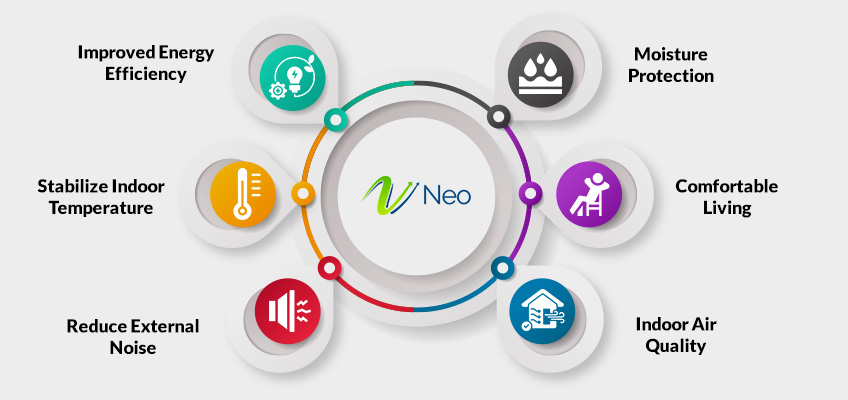
1. Improved Energy Efficiency

One of the biggest reasons to insulate your room is to improve your energy efficiency. When it is hot in summer, you need to keep running the AC to keep the inside temperature cool, but it requires high electricity consumption and more money to spend. However, insulating your room can help it naturally cool without heavy consumption of air conditioners, which leads to better energy efficiency. Similarly, if there’s winter, then it helps you keep the room warmer without a heater.

2. Stabilize Indoor Temperature

When your room is properly insulated, then there is no gaps left for air leakage. This means that no hot air will go out during the winter, and no cool air will go out in the summer. That is how Insulation helps to keep the indoor temperature naturally stabilized as per the seasons without too much depending on electrical devices.

3. Reduce External Noise

Another benefit of insulating your room is soundproofing. This means the noise from the outside will be reduced because of the insulation layer in your room and the indoors will be kept quiet and peaceful. It is helpful for those people who spend most of their time at home for work or anything, as it gives them a quiet, peaceful space.

4. Moisture protection

Moisture can affect the durability of your house. In any room, if there’s a continuous use of regular water, such as in the bathroom or kitchen, then there’s a high chance of creating moisture. In summer, when hot air mixes with inside cool air near water usage then, it creates moisture, which can badly affect the property. But not anymore. When you’re insulating your room, it will keep the inside temperature maintained, slow heat transfer, and ensure your room is moisture protected, which overall leads to high durability of the house.

Also Read:- How to Keep Home Cool in Summer?

5. Comfortable Living

Insulation in your room can help you protect from the outer temperature and provide a stable temperature naturally in your room, which gives you a comfortable living without worrying about outer temperature, electricity consumption and high durability of the house.

6. Indoor Air Quality

Many people don’t know, but Insulation can also improve the quality of your indoor air. Now, all the air leaks are sealed, which means there’s no direct airflow with dust and dirt particles. It will naturally stabilize the temperature in your room, ensure better indoor air quality, and provide a healthy living.

How to Insulate a Room From Inside?

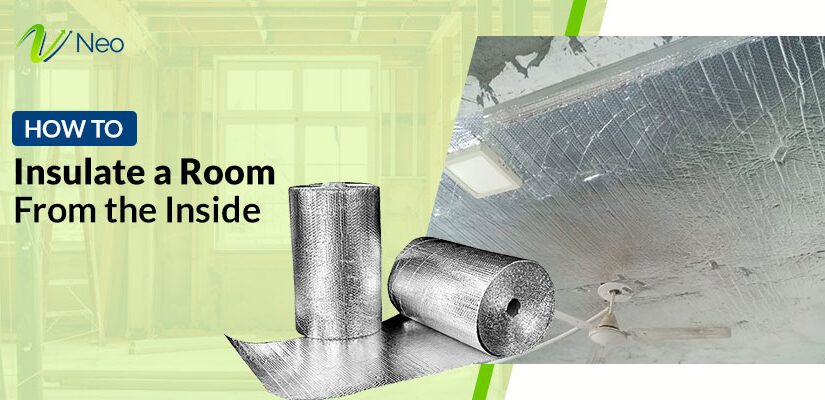
How to Insulate a Room From the Inside
Here’s the step by step process to insulate a room from the inside:

1. Prepare the Room

If you want to insulate your room from the inside, then the very first thing to do is prepare. You should prepare your room for Insulation by clearing the furniture items, removing wall coverings and electricity, and ensuring there is enough space for proper Insulation inside the room. Also, you can now select the room wall where Insulation is required based on proper inspection.

2. Choose the Right Insulation Material

Now, you need to choose the right thermal insulation material. There are different types of insulation materials available. You need to consider various factors when choosing the right material. Here are some factors to consider:

    • Thermal Performance (R-Value):

Make sure the chosen material has high thermal R-Value. It indicates better thermal performance.

    • Moisture Control:

You should choose a material which has moisture resistant properties.

    • Type of Insulation:

There are different types of internal Insulation available. Such as fiberglass batts, rigid foam boards and spray foam. Each has its own uses and specialists. You need to pick the best fit for your room’s condition.

    • Ease of Installation:

Ease of installation is another considerable factor. There are some types of Insulation that can be DIY. But other Insulations require professional help for proper Insulation in a room.

    • Fire Resistance:

The insulation material must be fire resistant to prevent any damage.

Consider these factors to choose the right insulation material for your room.

3. Measuring and Cutting Insulation

Now, you’re ready with room and have all the required materials for Insulation. Then, you can start by measuring the height and weight of each wall of your room and calculate the total area. These measurements help you understand the amount of Insulation required and cut the insulated material to the exact size of the wall fit. At this step, you need to do precise measuring and cutting for proper Insulation.

Insulate your Room With NEO Thermal

4. Fixing Insulation to Walls

Once you’ve properly cut the wall insulation material as per the size, you can start fixing insulations to the room walls. There are numerous ways to fix the Insulation, such as plugs and screws, plasterboards, or blown-in. If you find the Insulation a bit tough while fixing it, then it’s better to get help from experts to get the Insulation done perfectly in your room.

5. Sealing Gaps and Joints

Once the Insulation is done properly in your room, spend some time identifying any gaps or cracks around windows and doors where air can leak. If there’s any gap left, then the effect of Insulation is reduced. So, you should seal the gaps and cracks and ensure there’s no air leaking option left. It will help increase the effectiveness of Insulation in your room.

6. Adding a Vapour Barrier

Now, jump to the next step of adding a vapor barrier after Insulation in your room. By adding a vapor barrier, you can prevent moisture within the wall and ensure the longevity of the house. So, first, you should select a vapor barrier, unroll it across the insulated wall, and make sure it unrolls properly overall at the edges and corners. Cut the extra areas and then use specialized tape to place them properly. That’s how you can make your Insulation moisture resistant and effective.

7. Finishing the Walls

Finally, all the crucial steps have been taken, and now it’s time to focus on finishing the Insulation in your room. Some of the easier ways to finish the job are installing plasterboard, drywall, and other cleaning materials. Make sure you completely cover the Insulation in your room, protecting it from any damage and giving a new look to the insulated walls of your room.

Conclusion

Insulation is one of the best and most sustainable options for house owners to keep their indoor temperature maintained, pure air quality, energy efficiency, and reduce outer noise that overall gives a comfortable living. It is an inexpensive and long term solution for those houses where outer temperature affects indoor living. Now, it is time to insulate your room, reduce electricity bills, and have a healthy living.

FAQ

1. What type of insulation is best for interior walls?

Fiberglass is recommended for interior wall insulation. These are affordable and easy to install Insulation. It can help keep the interior walls cooled in summer and warmer in winter without high electricity consumption.

2. How do I know if my room needs insulation?

There are various early signs to know if your room needs Insulation. Such as uneven indoor temperature, high energy bills, and walls feeling cold in winter and hot in summer. It shows that walls are not properly insulated to prevent heat or cold air during the seasons and affect the indoor temperature.

3. Can I insulate my room myself, or should I hire a professional?

Yes, you can insulate your room yourself. You need to consider Insulation like fiberglass batts and rigid foam boards for DIY. However, if you are considering complex Insulation like spray foam, then you can consider hiring a professional.

4. How long does insulation last?

The average lifespan of Insulation is 15 to 20 years. It also depends on the type of Insulation, the quality and the maintenance of the property.

5. Can insulation help with noise reduction?

Yes, Insulation helps to reduce external noise by absorbing and preventing sound waves and ensures a peaceful indoor environment for comfortable living. However, not all types of Insulation can effectively reduce the noise. So, you should find the insulation material which can reduce the noise and ensure a peaceful comfort.

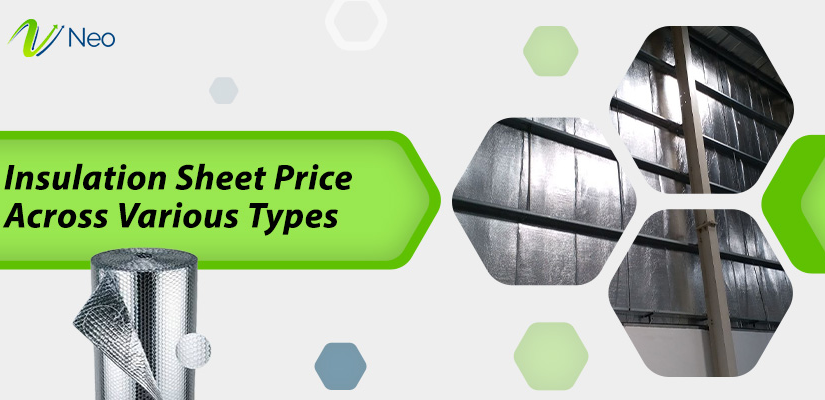
Cooling Sheet Price: What You Need to Know

If you think about why to invest in cooling sheets, we say think it over again. Cooling sheets are not just traditional roofing sheets that are used to cover roofs. Using a cooling roofing sheet has hundreds of benefits. Whether it is the cooling effect caused by these sheets or the regulation of temperature that makes you feel comfortable during extreme weather, all these properties will improve your overall living experience.

In this article, we will talk about different factors that affect cooling sheet price. We make you understand what are cooling sheets, the price range associated with them, popular bands and their prices, and from where you can buy cooling sheets. All this information will not only help you make a smart decision but also save you money on your next purchase.

What Are Cooling Sheets?

The cooling sheets are superior quality products that are specifically crafted to reflect away radiant heat and allow comfortable living inside a building. These sheets are best suitable for lowering energy utility costs and improving thermal efficiency. This material is the best fit for summers and warm climates as it offers efficient resistance against thermal heat and diminishes excessive energy consumption. The cooling sheets are made up of different materials like aluminium, steel, and a variety of polymers with functional qualities.

What makes cooling sheets so effective? The answer to this question lies in the technique used to manufacture these sheets. These materials are coated with specialized paints that make them resistant to ultraviolet rays (UV) and infrared radiation. Also, light color coating is specially used to make them more effective against radiant heat and sunlight. This is the reason why these sheets are effective in keeping away unwarranted heat from the interiors of a building and allowing comfortable temperatures.

The cooling sheets come with a variety of benefits. Whether tackling the heat island effect or saving on energy consumption, cooling sheets have done it all for you. In urban areas where summer heat causes excessive rise in temperature compared to rural areas, cooling sheets are the best option to opt for. By equipping buildings with roof cooling sheet the load on electrical appliances comes down significantly which also leads to energy savings. Also, these sheets offer sustainable and environment-friendly solutions for interior cooling requirements.

Factors Affecting Cooling Sheet Prices

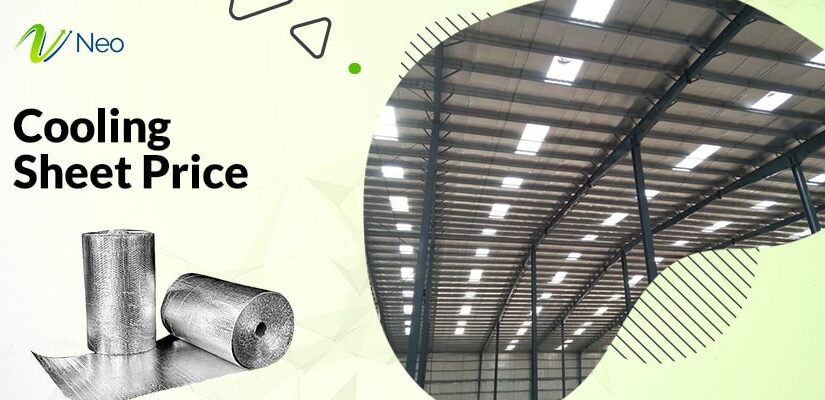
Cooling Sheet Price

To make an informed decision it is essential to understand the factors affecting cooling sheet prices. If you understand these factors properly it will help you to stay within your budget and let you grab the best deal.

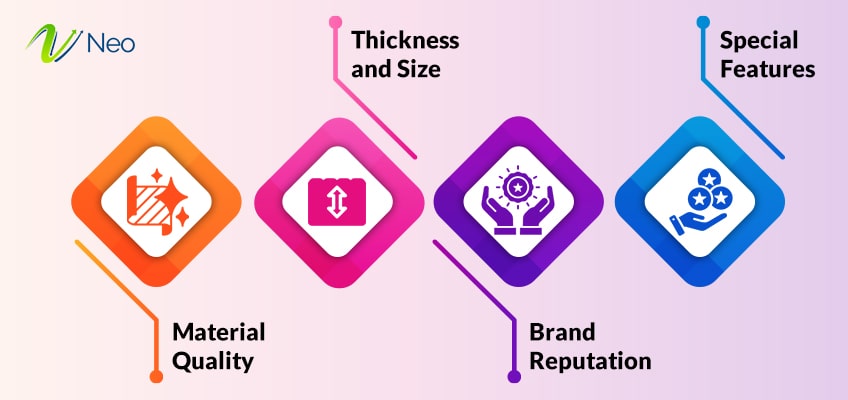
Key factors affecting cooling sheet Prices are:

1. Material Quality

The quality of materials is directly proportional to the price of cooling sheets. It means the higher the quality of a material used in manufacturing, the higher the price. Material like aluminium, steel, polymers, etc. Are known for their superior quality, reflective properties, moisture resistance, flexibility and durability directly impact the price of the sheets.

The environment-friendly and sustainable material also has a significant say in the pricing. Sustainable quality cooling sheets often come at a premium price. Additionally, the manufacturing process not only impacts the price of the sheets but also their quality. The inclusion of sophisticated techniques makes the product costly.

2. Thickness and Size

The thickness and size of cooling sheets are two important factors that cannot be ignored while determining the price. It is a universal fact that thicker sheets offer more durability, flexibility, resistance against sunlight and moisture and better sound insulation when compared to thinner sheets. Large-size sheets cover a large surface area and save customers on installation time and effort.

These two factors significantly affect the price of the sheets, because a large quantity of raw material is required to manufacture these kinds of sheets. Also, manufacturing of the sheets comprises a complex process that contributes to their price.

3. Brand Reputation

The brand name has its worth. A reputed brand cooling sheets will cost you more than a local seller. You might get a competitive price from a local dealer but you have to compromise on the quality. With brand, reputation, assurance and trust comes.

Brands follow high standards while manufacturing cooling sheets. Additionally, they offer clients on-time delivery assurance, customer support, and manufacturer warranties. All these services are missing in the case of local dealers.

Install Thermal Insulation Sheet in Your House

4. Special Features

Extensive research and the addition of special features in cooling sheets impact their pricing. A cooling sheet will cost you more if it is manufactured with state-of-the-art techniques and the addition of special features like air circulation, moisture absorption, and hypoallergenic and antimicrobial properties.

Other features like unique patterns, customization, additional durability, specialized coating, and sustainability increase the price of a cooling sheet, making it more costly than other normal sheets available in the market.

Average Price Range of Cooling Sheets

There are a variety of options available in the market for customers to choose from. You can choose among budget, mid-range and premium options according to your needs and budget. Each segment has its unique features, quality and resistance level.

To find the perfect fit for your needs it is imperative to know about the average price range of cooling sheets and features associated with it.

1. Budget Options

Budget options are best suitable for those who are looking for quality products at a lower price. These cooling sheets are made up of good quality material and possess resistance against radiant heat. Budget option cooling sheets have a good amount of moisture absorption and thermal circulation properties. These sheets hold the right balance between affordability and comfort.

Price Range: INR 150 to 300 per square meter

2. Mid-Range Options

Mid-range cooling sheets are the product of superior quality natural materials like aluminium and steel. The use of these materials in the manufacturing process offers durability, moisture-resistance capabilities and high reflective properties. Mid-range cooling sheets offer thermal cooling solutions to residential and industrial buildings. Also, these sheets come with environment-friendly certification and enhance flexibility.

Price Range: INR 300 to 600 per square meter

3. Premium Options

The result of sophisticated craftsmanship and high-quality materials like premium cooling sheets offer best-in-class resistance against radiant heat and moisture. These environment-friendly sheets are prepared with the help of intricate manufacturing techniques providing durability and longevity. The cooling sheets are best suitable for residential, commercial and industrial units, making them worth buying for the ultimate interior temperature experience.

Price Range: INR 600 to 1,500 per square meter

Popular Brands and Their Price Points

Brand Name Price Range (INR) Size (sq. Meter)
Neo Thermals Insulation 600 to 1,200 12×1
JSW Steel 450 to 900 12×1
Tata BlueScope Steel 500 to 1,000 12×1
Everest Industries 300 to 800 10×1
Hindalco Everlast 400 to 950 12×1

1. Neo Thermals

Neo Thermals provides the best-in-class cooling sheets for those who do not want to compromise with quality of the product. Cooling sheets with state-of-the-art radiant heat resistance techniques for extraordinary cooling effects and thermal efficient properties make these sheets the best product. Also, moisture resistance will keep your building safe.

2. JSW Steel

JSW Steel offers high-quality products for comfortable interior temperatures. The cooling sheets offered by them are the best in class with a high resistance against sunlight and corrosion. These sheets are known for their quality.

3. Tata BlueScope Steel

Tata BlueScope Steel is a leading manufacturer famous for providing sustainable and superior-quality products. The cooling sheets offered by it are not only durable but also provide a thermally efficient solution. It keeps you cool throughout the day.

Everest Industries

Everest Industries is famous for providing specialized insulation products. Their cooling sheets are crafted from strong and durable materials that offer optimal performance.

Hindalco Everlast

A renowned name in home products, Hindalco Everlast offers high-quality cooling sheets known for their resistance, thickness, durability and flexibility. These sheets are designed for comfortable interior temperatures.

Where to Buy Cooling Sheets

To buy cooling sheets you can either opt for online retailers or physical stores according to your need and convenience. Whether it is online retailers or physical shops each has its advantages and disadvantages.

To make the right choice between online retailers and physical stores, pay attention to these points:

Online Retailers

Online retailers provide you with a very different shopping experience. They offer you an opportunity to search for different products without leaving the comfort of your home. It is the online retailers that provide customers with thousands of brands in one place, making it easier for buyers to compare different products and their prices without much effort. Also, online platforms provide a variety of discounts and exclusive offers with easy return services to help you save your hard-earned money on products. Here, one can easily read reviews, collect in-depth information about the products, and check out thousands of deals without getting tired.

Physical Stores

There is a difference between seeing an object and feeling it. The physical stores allow you to feel the quality of cooling sheets before purchasing them. These physical stores employ expert and knowledgeable staff that help you understand about merits and demerits of a product thoroughly. Also, physical stores will offer you on-demand customization, specially curated customer service, on-time delivery and warranty. The physical stores provide an environment of assurance because whenever you have any problem regarding your purchase you can physically meet them. For those who want to feel the touch and texture of cooling sheets, physical stores are the best place.

Conclusion

To get comfortable indoor temperatures, buyers must pay attention to different factors that affect the cooling sheet prices. Whether it is material quality, thickness, size, brand or other special features, all these have an important say in determining cooling sheet price. To get the best out of cooling sheets customers must buy sheets with high thermal efficiency and moisture resistance, thoroughly follow installation techniques and properly inspect the insulation area. For securing the optimum energy efficiency and lowering utility costs you can buy cooling sheets either from online retailers or physical stores, it depends on your comfort and needs. The right kind of cooling sheet will enhance your living experience several times, making it worth buying.

FAQs

1. What Are the Best Materials for Cooling Sheets?

There are a variety of materials available that can be used for manufacturing cooling sheets. It is important properties like reflection of radiant heat away from the insulated surface, moisture resistance, and durability play an important role in determining the material. Aluminium, steel, polymers, etc. are some of the materials that are best fit for cooling sheets.

2. Do Higher-Priced Cooling Sheets Offer Better Performance?

Yes, premium-price cooling sheets will offer better performance than other cooling sheets. The excellent quality of the material used in their manufacturing offers them high thermal resistivity, moisture-resistance capabilities and flexibility.

3. How Do I Care for My Cooling Sheets?

If you want your cooling sheets will stay long-lasting then regularly inspect them,  properly resolve if there is any wear and tear in the thickness of sheet sheets and follow the installation guide thoroughly for the longevity of the sheets (you can take the help of professionals).

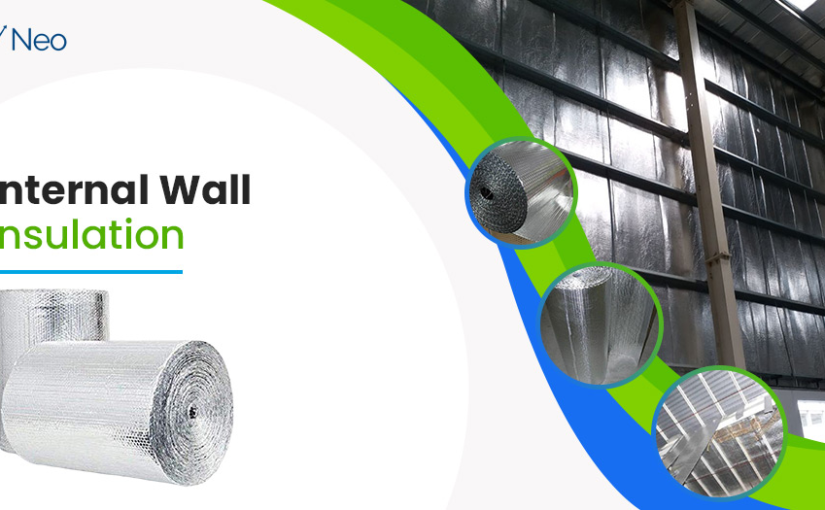
Internal Wall Insulation- Benefits and Types

Did you know? Around 35%to 40% of heat loss in a house occurs through windows, walls, and doors in the winter. That mainly happens in older houses, which have solid brick walls, where the result is the climate effect and more spending on electricity to keep the room temperature stable during the summer and winter.

However, there’s a growing concern of climate change and rising energy bills. House owners are looking for an alternative way to make their homes energy efficient. This is where the Internal Wall Insulation comes as a great solution.

It’s an additional layer of wall that is installed on the interior of the outside wall to prevent heat loss during winter and cool air during summer, reduce noise, save money on energy bills and be environmentally friendly.

These days internal wall insulation is getting popular because of its numerous advantages. But, there are so many homeowners who are unfamiliar with internal wall thermal insulation. Don’t worry!

So, if you’re planning for internal wall insulation in your home as a cost effective and energy efficient solution, then keep reading.

In this guide, we will deep dive into detail, its types, how it works, benefits and how to install in your home. Let’s find out!

What is Internal Wall Insulation?

Internal wall insulation is a process of adding insulation materials to the inner side of a building’s external walls. These insulation materials act as a thermal barrier on the inner walls which keep the warmth within the building during winter and cool air during the summer.

This helps to keep the building’s inside temperature appropriate and control the temperature flow. It overall leads to reducing energy bills and is environmentally friendly.

In some cases, it is also called Drilling, which is bonded or screwed to the walls. Internal wall thermal insulation is a cost effective option for homeowners who have solid brick walls, have high energy consumption or are planning for renovation.

Benefits of Internal Wall Insulation

Here are some key benefits of internal wall insulation:
Internal Wall Insulation Benefits

1. Improved Energy Efficiency

One of the biggest reasons why every homeowner is planning to install internal wall insulation is energy efficiency. If your home is not insulated or has solid brick walls, then the heat or cool air does not stay in your home and transfers through the windows, walls, and doors. And it increases the spend on electricity. However, internal wall insulation keeps the heat during the winter and cooled air during the summer, which leads to energy efficiency and reduces energy consumption.

2. Moisture Control

If your home has moisture infiltration, then it can damage your property, cause poor indoor air quality, and various health risks. That’s why having insulation in the interior walls is a better option. Insulating interior walls have moisture resistant material that acts as a protective layer. It keeps the temperature balanced in summer as well as winter, improves air quality, and prevents mold growth.

3. Cost Savings

After internal wall insulation, it lowers the energy bills by maintaining the thermal temperature and reduces the damage on property. As a result, it saves cost on energy and property maintenance.

Install Internal Wall Insulation in Your House

4. Comfortable Living

Another amazing benefit of internal wall insulation is reduced noise from outside. It overall leads to a comfortable and peaceful living without any outer disturbance and pure air quality.

5. Enhanced structural durability

By installing internal wall insulation, your home is not only soundproof and maintains thermal temperature. But it also helps to enhance the structural integrity and durability of your home. When there’s a proper temperature flow, pure air quality, and noise reduction, then it minimizes the risk of cracks, warping, and other damages and ensures durability for a long time.

Internal Wall Insulation Types

Here are four main types of internal wall insulation that you should know:

1. Rigid Insulation Boards

One common type of wall insulation is rigid insulation. It is made up of dense sheets of foam material such as polyiso, polystyrene, or polyurethane. It is directly placed on internal or external walls and acts as a barrier against heat transmission. However, it’s quite an expensive type of insulation as compared to other types of insulation and requires careful installation.

2. Insulated Plasterboards

It’s a combination between a layer of insulation and a layer of plasterboard which is used. It is also known as foam backed plasterboard or thermal plasterboard. It is an energy efficient insulation type which can reduce energy cost and improve wall’s durability. It’s available in different thickness and sizes with easy installation.

3. Blown-in Insulation

Blown-in insulation is also known as loose fill insulation. It’s a process that blows loose material into cavities with a special machine and hose. There are different types of material used for blown-in insulation such as cellulose, fiberglass, mineral wool, rock wool, natural wool and styrofoam pellets. This insulation has a high R-value and tight air seal. However, this insulation might settle with time.

4. Foam Insulation

It is a low density polymer that provides thermal insulation. It’s lighter, has better insulation, and is of high quality. It comes in various forms, such as Spray on foams, rigid form panels, custom pre molded shapes, cellular foams, flexible foams, and more. It’s used in homes, commercial buildings, and other spaces. It’s a better insulation but has a high upfront cost and installation complexity. Also, foam insulation contains some chemicals like isocyanates, which can affect skin and lung sensitization.

Materials Used for Internal Wall Insulation

Here are some key materials used for internal wall insulation:

1. Mineral Wool

Mineral wool is a type of fibrous material which is made from minerals like stone or silica. Two common examples of mineral wool are rock wool and slag wool. They have thermo acoustic properties, fire resistant insulation and are durable. It can not be burned and has low water absorption. It is mainly used because of fire resistant and sound absorbing properties.

2. Polystyrene

Another common material required for wall insulation i.e, Polystyrene. It is mostly used in buildings for heat prevention and available in different formats such as foam, boards and sheets that are placed inside the walls to maintain the thermal temperature. It’s a colorless and transparent thermoplastic which is used to make foam board, beadboard and concrete block insulation. However, the thermal resistance or R value of Polystyrene foam board depends on its density.

3. Polyurethane Foam

Polyurethane is a popular choice for internal wall insulation. Most homeowners and builders use this wall insulation material because of its high R value per inch of thickness, which provides high energy efficiency. It is available in both closed cell and open cell formulas. Whereas closed cell foam has high density cells and is filled with gas to expand and fill the space around it. On the other hand, open cell foam has a lower R value and is filled with air to give a spongy texture. So, it can be used as a liquid spray or rigid foam board.

4. Natural Materials

Some natural internal wall insulation materials are also used such as hemp, wood fiber boards, cellulose, cork, cotton, sheep’s wool, straw or perhaps fluffy insulation batts with a timber framework. These natural insulation are becoming popular among homeowners who are looking for eco-friendly materials for inner insulation.

How to Install Internal Wall Insulation?

Here’s the step by step process of installing internal wall insulation:

1. Preparation

The very first step for internal wall insulation in your home is preparation. It’s very important to keep your things ready, such as choosing the right insulation material and setting up the installation areas, which include clearing furniture, protecting floors from dust, proper ventilation to avoid dust, and electricity outlets cut off for safety purposes.

2. Measuring and Cutting Insulation

Then you need to accurately focus on the measurements before insulation. You need to measure the height and width of each wall where you plan for insulation and calculate the total area. So based on these measurements, you can define the amount of insulation required and cut to fit each section precisely.

3. Fixing Insulation to Walls

Now, it’s time for the internal wall insulation. Here you need to choose which type of insulation you want to install, whether it’s plugs and screws based on a special adhesive, plasterboards, or blown in. However, each installation required professional help. So, you can consider hiring an internal wall insulation service provider for perfect insulation.

4. Adding a Vapour Barrier

After the installation, adding a Vapor barrier is essential to prevent moisture within the wall cavity. First select a vapor barrier then unroll it across the insulated wall and make sure proper overlap at edges and corners. Then cut and fit the barrier around doors, windows and electrical outlets and then use specialized tape to create a moisture proof barrier.

5. Finishing

Once the insulation and vapor barrier are properly done, then you can start focusing on finishing the inner insulated walls, such as installing plasterboard, drywall, or other cleaning materials to give a final look at your newly insulated walls.

Cost of Internal Wall Insulation

Internal wall insulation is a cost effective option compared to external wall insulation. The average cost for internal wall insulation comes on average between $0.50 to $1.25 per square foot. However, the estimated upfront cost of internal wall insulation depends on various factors.

Initial Costs

The cost of internal wall insulation depends on various factors:

    • Type of Insulation:

There are different types of insulation available, from rigid boards to blown-in. You can choose any type of insulation based on your budget and preferences.

    • Size of the Wall:

Another factor that affects the cost of insulation is size of the wall. If the size of the wall is large then it requires more insulation material and installation efforts that overall leads to more cost.

    • Additional Materials:

If you plan for add ons such as fixing, adhesives, a vapor barrier, and finishing, then it can also affect the cost of insulation.

  • Complexity of Installation
  • Complexity of inner wall insulation installation can also impact the cost because of irregular shapes, many windows/doors, electrical wiring complex and that collectively increase the cost.
  • Professional Installation Cost
  • Hiring a professional insulation service provider is essential because installation requires skills and hands on experience, and it’s better to let the professional do it. So that’s another cost of internal wall insulation. These factors mainly impact the initial cost of internal wall insulation. It’s always preferred to get a quote from a professional internal wall insulation service provider for an accurate estimated cost.

    Long-term Savings

    While it seems like a high upfront cost for internal wall insulation, there are long term savings. After having successful internal wall insulation, it acts as a thermal barrier. Which will keep your home warm in winter and cool air in summer. It is overall leads to low energy consumption and long term savings.

    Conclusion

    Internal wall insulation for solid walls is becoming a popular option for homeowners. It enhances their energy efficiency, reduces electricity consumption, keeps the home noise free, provides comfort at home, and makes the property long term durable. However, there are many things to consider before installing the internal wall insulation. Such as the type of insulation, the material required, etc. We hope this guide helps you know everything about internal wall insulation, its types, materials, benefits, and how to install it. It is highly recommended that you consult with a professional before installing internal wall insulation to get the solution to your specific needs. Now, it is your turn to find the most reliable wall insulation service provider for your home and let the professionals do the things for you.

    FAQs

    1 How Long Does Internal Wall Insulation Last?

    The average lifespan of internal wall insulation is around 25 years. However, it also depends on the type of material used for insulation. It is better to consult with a professional first to get the best suggestion as per the needs of your home.

    2 Can Internal Wall Insulation Be Installed in Older Homes?

    Old houses should prefer internal wall insulation because of their thick stone walls then inner insulation helps to maintain thermal temperature.

    3 What Are the Maintenance Requirements for Internal Wall Insulation?

    Internal wall insulation is highly durable and it remains in good condition for years. However, it’s preferred to inspect at least once a year. Sometimes problems occurred due to negligence such as condensate blockage, use ladders carefully, prevent leaks etc.

Insulation Sheet Price Across Various Types

People around the globe are searching for energy-efficient and sustainable solutions for their thermal insulation needs. Whether it comes to industrial, engineering or construction use, insulation has its place everywhere. It is vital to understand that thermal insulation requirements are the need of the hour.

In the case of insulation sheet price factors like material, market demand, and individual needs are necessary to consider. This domain has multifaceted aspects, and paying attention to them results in profitable deals. There are a diverse range of factors that one must bear in mind before determining thermal insulation sheet price.

In this article, we understand the world of insulation sheets and examine different types, materials, and additional factors that affect insulation sheet prices in the market. This exhaustive overview helps you to find the best deal; without compromising on cost and thermal efficiency. We also pay attention to what is an insulation sheet. The information presented here aids you in making an informed decision and strategizing your plans for the next insulation project.

What is an Insulation Sheet?

What-is-an-Insulation-Sheet

An insulation sheet is a sustainable and environment-friendly solution for improving thermal efficiency. A heat insulation sheet (insulation panel or insulation board) curtails heat transfer between the surface of an insulated object and the surroundings. These materials are primarily used in the construction of residential, commercial, and industrial buildings for insulation purposes. Apart from this, it is also used in automotive and various industries to enhance overall energy efficiency.

Insulation Sheet Price List

1. Air Bubble Insulation Sheet

An Air Bubble Insulation Sheet is a thin, flexible material designed to provide thermal insulation by trapping air bubbles between reflective layers.

Bubble Sheet Name Thickness R Value Price (₹/sq. ft)
Bubble Insulation Sheets 4mm 2.98 M2 C/W ₹ 8.5
Aluminum Foil Air Bubble Insulation Sheets 8mm 3.10 M2 C/W ₹ 8
Aluminum Foil Double Bubble Insulation 8mm 2.20 M2 C/W ₹ 8
Bubble Insulation Thermal Wrap 8mm 3.20 M2 C/W ₹ 13
Foil Bubble Insulation Roll 4-20 MM 3.20 M2 C/W ₹ 7

2. HEAT INSULATION SHEET

A heat insulation sheet is a material designed to reduce the transfer of heat through a surface by trapping air pockets within its structure, thereby slowing down conduction, convection and radiation of heat.

Sheet Name Thickness (MM) R Value (M2°-C/W) Price (₹ per Unit)
Heat Insulation Sheet 4-20 3.00 M2° C/W ₹ 7.5 per Square Feet
Heat Resistance Insulation Material 4-20 3.18 – 3.80 M2° C/W ₹ 1,184.03 per Square Meter

3. Thermal Insulation Materials

Thermal Insulation Sheet work by incorporating barriers to minimize heat exchange between solids, fluids, or gases through mechanisms like reducing conduction, convection and radiation, effectively conserving heat and maintaining desired temperatures.

Sheet Name Thickness R-Value Price
Thermal Insulation Wrap 4-20 mm ₹ 75/ Square Meter

4. Aluminum Foil Insulation

Aluminum Foil Insulation Sheets are versatile, multi-layered materials primarily used for thermal insulation purposes in various industries and construction applications, working by reflecting radiant heat to maintain desired temperatures inside a space.

Sheet Name Thickness R-Value Price
Aluminum Foil Insulation 4-20mm 3-3.80 M2° C/W ₹ 77-80 Square Meter

Seeking a Reliable Thermal Insulation Company?

Additional Factors Affecting Insulation Sheet Price

Various factors affect thermal sheet price. Apart from the material and their costs, additional factors also play a vital role in determining the price of insulation sheets.

Additional-Factors-Affecting-Insulation-Sheet-Price

1. Location of Insulation Site

Location and accessibility to the installation site play an important role in determining the price of an insulation sheet. If a site is situated in far-flung areas and demands more transportation costs, this impacts the overall price of an insulation sheet. In case, the installation site is near and easily accessible, it will have a negligible effect on the overall cost.

2. Labor

Apart from material costs, the cost of labor also impacts the price of an insulation sheet. Insulation installation requires skilled labor for effective and hassle-free installation. A skilled labor will charge more money than a non-skilled labor.

3. Thermal Resistance (R-value)

Thermal resistance is one of the most important properties of an insulating material. R-value has a direct influence over the price and effectiveness of an insulating material. Thermal resistance and thickness of a material are directly proportional to each other. The higher the thickness, the higher the thermal resistance. Also, the higher the thickness of a material, the higher the price of a material.

4. Branding

Brands that are known for their quality products and have established reputations in the market will cost more prices than their other counterparts. Every customer desires a durable and reliable product, and this is the reason why brands with established names cost more. These brands attract customers’ attention by providing warranty support, better service and offering on-time delivery.

5. Installation Area

The installation area affects the price of an insulation sheet. Location with large surface area requires more quantity of insulation sheet than location with lower surface area. Even a difference of a few per-unit areas may affect the overall price of an insulation sheet.

6. Demand and Supply

The market has a very important say in determining the price of an insulation sheet. Market factors like demand and supply directly influence the price structure. There are some materials that have higher demand in comparison to other materials, this creates price differences. Also, factors like the availability of raw materials, production of a particular material and seasonal demands impact the price of an insulation sheet.

7. Customization

Specific customization impacts the price of insulation sheets. Sometimes, people ask for specific sizes, materials, and features, this requires special attention to fulfill the orders. When special customization is asked for, it results in a higher price than the standard price.
Some important features of insulation sheets:

Types of Insulation Sheets Material

Insulation sheets are available in a variety of materials:

  • Fiberglass: This material is known for its extraordinary thermal resistivity, durability, and flexibility. The insulation material comprises glass fiber with good thermal efficiency. It is readily available in the form of sheets and rolls.
  • Foam Boards: Materials like polystyrene, polyurethane, or polyisocyanurate are used as main ingredients in the manufacturing of foam boards. Each material has its thermal resistivity, thickness, and flexibility. Depending on insulation needs and budget, individuals can choose from any of these.
  • Reflective Insulation: These kinds of sheets consist of metallic foil that acts as a barrier between the insulated surface and the surroundings. The metallic foil present in it reflects away the radiant heat and hence, improves the thermal efficiency of this material.
  • Mineral Wool: The mineral wool insulation sheets have rock or slag fibers as their main components, making them a perfect fit for thermal and sound insulation requirements.

What is the R-value of sheet insulation?

R-value refers to the thermal resistivity of an insulation material. In simple terms, it refers to the effectiveness of an insulation sheet against heat transfer. The R-value is directly proportional to the thermal resistance, more is the resistance, higher is the R-value. Each insulation material present has its specific R-value therefore, it becomes essential to choose the right material depending on needs and application requirements.

Application of Thermal Insulation

  1. One of the primary uses of a heat insulation sheet is to insulate different parts of a residential, commercial or industrial building. The sheets are used for insulating walls, attics, floors, roofs, and various other parts for better thermal efficiency and comfort.
  2. It is used for insulating HVAC ducts which results in enhanced production efficiency and preventing unnecessary heat loss and heat gain. Insulation sheets are also applied to heating, ventilation, and air conditioning systems.
  3. Insulation sheets are widely used in the automotive industry for improving vehicle performance by reducing engine overheating. It is also used for ameliorating sound insulation and overall driving experience.
  4. Insulation sheets are used in a variety of electronic appliances like refrigerators, water heaters, etc. It improves their overall functioning, boosts thermal efficiency, and supplements in maintaining energy proficiency.

Request a quote now for the most competitive insulation pricing!

Advantages of Thermal Insulation

  • It curtails heat transfer between the insulated object’s surface and the surroundings. By curtailing heat, it improves overall efficiency, lowers energy costs, and makes systems more thermal efficient.
  • It offers consistent indoor temperatures without any extra cost. It reduces excessive heat gain in summers and excessive heat loss in winters.
  • Apart from thermal insulation, insulation sheets also provide resistance against noise pollution. It reduces the movement of excessive sound between the interior and exterior of a room.

Insulation sheets offer sustainable and green-house emission-free solutions. It contributes to overall environmental protection and energy efficiency.

Conclusion

For making an informed decision in the case of insulation sheets, it is imperative to pay attention to factors like insulation sheet price, types of insulation material, and additional factors that affect the price of insulation sheet. To fulfill individual requirements and balance between effective cost and performance, one needs expert guidance and industry knowledge. In this article, we pay attention to details and provide you with expert knowledge so that you can easily navigate through the question of insulation sheet price.

The information presented above helps you to make smart decisions that not only save you money on insulation sheet purchases but also get you effective thermal performance with environmental sustainability.

FAQ’s for Thermal Insulation Sheet Price

1. What is the thickness of the insulation sheet in MM?

Each individual insulation sheet has its specific thickness depending on its use and the materials used in its manufacturing. To get information regarding the thickness of different insulation sheets please refer to the table mentioned in the article.

2. What is the Insulation Sheet Price for the Roof?

The insulation sheet price for the roof depends on factors like the material used as an ingredient in manufacturing and the thickness of the material, and the area to cover. To get a proper idea about insulation sheet price visit the table mentioned in the article.

3. Is thermal insulation expensive?

The thermal insulation is not as expensive as many people think. the price of insulation material depends on factors like material, thickness, area to cover, thermal resistance, labor, etc.

4. What is the price of thermo foam?

The price of thermo foam is Rs. 100 to Rs 500 (approx.) depending on its quality and thickness.

Talk to us?

Download Brochure