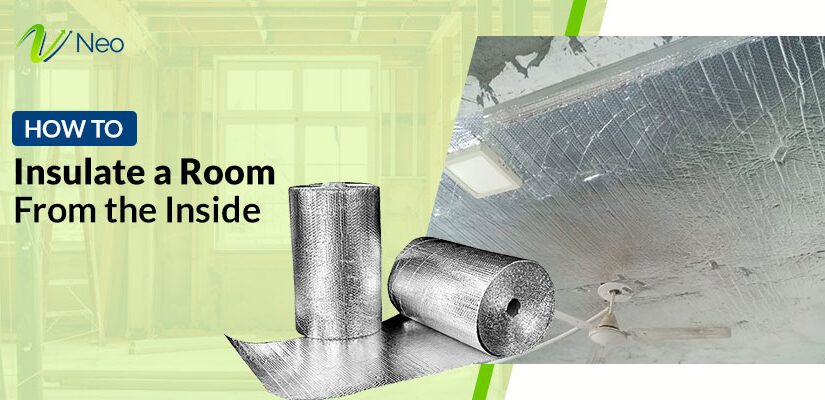
Category: Thermal Insulation

How to Insulate a Room From Inside?

Climate change is one of the growing concerns in this world. Where summers and winters are going to their extreme peak, making it challenging for people to live in these seasons. House owners are spending more on electricity usage to maintain their inside temperature during the seasons. But that’s surely not a preferred solution for them.

This is where Insulation comes in as a sustainable solution for house owners who want to reduce their electricity bills, be comfortable inside at room temperature in any season and want pure air quality but not aware about how to insulate a room from inside.

Insulation is a kind of process of adding insulation materials to the inner side of house walls, which will make a layer that prevents heat loss during winter and cool air during summer from the inside room.

Some houses required a specific room for Insulation because these rooms had a heavy impact on outer temperature. Don’t worry!

This guide will help you know how to insulate a room from inside, its benefits, and steps to insulate your room from inside and ensure a comfortable temperature and healthy living.

Why Insulate Your Room?

There are numerous benefits of insulating a room from the inside that every homeowner must know:

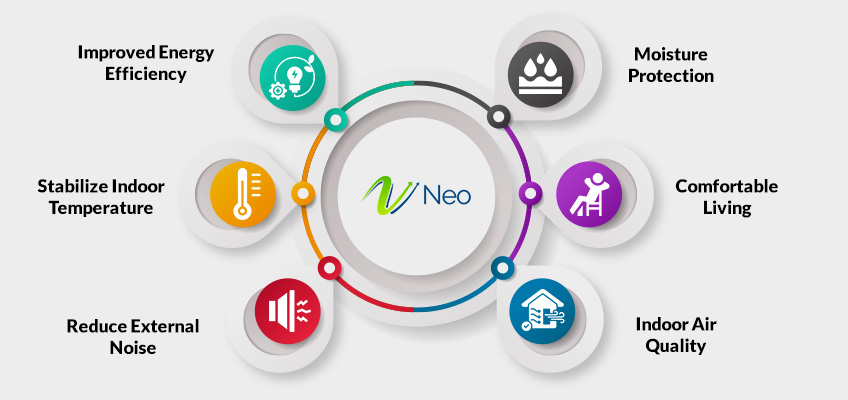
1. Improved Energy Efficiency

One of the biggest reasons to insulate your room is to improve your energy efficiency. When it is hot in summer, you need to keep running the AC to keep the inside temperature cool, but it requires high electricity consumption and more money to spend. However, insulating your room can help it naturally cool without heavy consumption of air conditioners, which leads to better energy efficiency. Similarly, if there’s winter, then it helps you keep the room warmer without a heater.

2. Stabilize Indoor Temperature

When your room is properly insulated, then there is no gaps left for air leakage. This means that no hot air will go out during the winter, and no cool air will go out in the summer. That is how Insulation helps to keep the indoor temperature naturally stabilized as per the seasons without too much depending on electrical devices.

3. Reduce External Noise

Another benefit of insulating your room is soundproofing. This means the noise from the outside will be reduced because of the insulation layer in your room and the indoors will be kept quiet and peaceful. It is helpful for those people who spend most of their time at home for work or anything, as it gives them a quiet, peaceful space.

4. Moisture protection

Moisture can affect the durability of your house. In any room, if there’s a continuous use of regular water, such as in the bathroom or kitchen, then there’s a high chance of creating moisture. In summer, when hot air mixes with inside cool air near water usage then, it creates moisture, which can badly affect the property. But not anymore. When you’re insulating your room, it will keep the inside temperature maintained, slow heat transfer, and ensure your room is moisture protected, which overall leads to high durability of the house.

Also Read:- How to Keep Home Cool in Summer?

5. Comfortable Living

Insulation in your room can help you protect from the outer temperature and provide a stable temperature naturally in your room, which gives you a comfortable living without worrying about outer temperature, electricity consumption and high durability of the house.

6. Indoor Air Quality

Many people don’t know, but Insulation can also improve the quality of your indoor air. Now, all the air leaks are sealed, which means there’s no direct airflow with dust and dirt particles. It will naturally stabilize the temperature in your room, ensure better indoor air quality, and provide a healthy living.

How to Insulate a Room From Inside?
How to Insulate a Room From the Inside
Here’s the step by step process to insulate a room from the inside:

1. Prepare the Room

If you want to insulate your room from the inside, then the very first thing to do is prepare. You should prepare your room for Insulation by clearing the furniture items, removing wall coverings and electricity, and ensuring there is enough space for proper Insulation inside the room. Also, you can now select the room wall where Insulation is required based on proper inspection.

2. Choose the Right Insulation Material

Now, you need to choose the right thermal insulation material. There are different types of insulation materials available. You need to consider various factors when choosing the right material. Here are some factors to consider:

    • Thermal Performance (R-Value):

Make sure the chosen material has high thermal R-Value. It indicates better thermal performance.

    • Moisture Control:

You should choose a material which has moisture resistant properties.

    • Type of Insulation:

There are different types of internal Insulation available. Such as fiberglass batts, rigid foam boards and spray foam. Each has its own uses and specialists. You need to pick the best fit for your room’s condition.

    • Ease of Installation:

Ease of installation is another considerable factor. There are some types of Insulation that can be DIY. But other Insulations require professional help for proper Insulation in a room.

    • Fire Resistance:

The insulation material must be fire resistant to prevent any damage.

Consider these factors to choose the right insulation material for your room.

3. Measuring and Cutting Insulation

Now, you’re ready with room and have all the required materials for Insulation. Then, you can start by measuring the height and weight of each wall of your room and calculate the total area. These measurements help you understand the amount of Insulation required and cut the insulated material to the exact size of the wall fit. At this step, you need to do precise measuring and cutting for proper Insulation.

Insulate your Room With NEO Thermal

4. Fixing Insulation to Walls

Once you’ve properly cut the wall insulation material as per the size, you can start fixing insulations to the room walls. There are numerous ways to fix the Insulation, such as plugs and screws, plasterboards, or blown-in. If you find the Insulation a bit tough while fixing it, then it’s better to get help from experts to get the Insulation done perfectly in your room.

5. Sealing Gaps and Joints

Once the Insulation is done properly in your room, spend some time identifying any gaps or cracks around windows and doors where air can leak. If there’s any gap left, then the effect of Insulation is reduced. So, you should seal the gaps and cracks and ensure there’s no air leaking option left. It will help increase the effectiveness of Insulation in your room.

6. Adding a Vapour Barrier

Now, jump to the next step of adding a vapor barrier after Insulation in your room. By adding a vapor barrier, you can prevent moisture within the wall and ensure the longevity of the house. So, first, you should select a vapor barrier, unroll it across the insulated wall, and make sure it unrolls properly overall at the edges and corners. Cut the extra areas and then use specialized tape to place them properly. That’s how you can make your Insulation moisture resistant and effective.

7. Finishing the Walls

Finally, all the crucial steps have been taken, and now it’s time to focus on finishing the Insulation in your room. Some of the easier ways to finish the job are installing plasterboard, drywall, and other cleaning materials. Make sure you completely cover the Insulation in your room, protecting it from any damage and giving a new look to the insulated walls of your room.

Conclusion

Insulation is one of the best and most sustainable options for house owners to keep their indoor temperature maintained, pure air quality, energy efficiency, and reduce outer noise that overall gives a comfortable living. It is an inexpensive and long term solution for those houses where outer temperature affects indoor living. Now, it is time to insulate your room, reduce electricity bills, and have a healthy living.

FAQ

1. What type of insulation is best for interior walls?

Fiberglass is recommended for interior wall insulation. These are affordable and easy to install Insulation. It can help keep the interior walls cooled in summer and warmer in winter without high electricity consumption.

2. How do I know if my room needs insulation?

There are various early signs to know if your room needs Insulation. Such as uneven indoor temperature, high energy bills, and walls feeling cold in winter and hot in summer. It shows that walls are not properly insulated to prevent heat or cold air during the seasons and affect the indoor temperature.

3. Can I insulate my room myself, or should I hire a professional?

Yes, you can insulate your room yourself. You need to consider Insulation like fiberglass batts and rigid foam boards for DIY. However, if you are considering complex Insulation like spray foam, then you can consider hiring a professional.

4. How long does insulation last?

The average lifespan of Insulation is 15 to 20 years. It also depends on the type of Insulation, the quality and the maintenance of the property.

5. Can insulation help with noise reduction?

Yes, Insulation helps to reduce external noise by absorbing and preventing sound waves and ensures a peaceful indoor environment for comfortable living. However, not all types of Insulation can effectively reduce the noise. So, you should find the insulation material which can reduce the noise and ensure a peaceful comfort.
Cooling Sheet Price: What You Need to Know

If you think about why to invest in cooling sheets, we say think it over again. Cooling sheets are not just traditional roofing sheets that are used to cover roofs. Using a cooling roofing sheet has hundreds of benefits. Whether it is the cooling effect caused by these sheets or the regulation of temperature that makes you feel comfortable during extreme weather, all these properties will improve your overall living experience.

In this article, we will talk about different factors that affect cooling sheet price. We make you understand what are cooling sheets, the price range associated with them, popular bands and their prices, and from where you can buy cooling sheets. All this information will not only help you make a smart decision but also save you money on your next purchase.

What Are Cooling Sheets?

The cooling sheets are superior quality products that are specifically crafted to reflect away radiant heat and allow comfortable living inside a building. These sheets are best suitable for lowering energy utility costs and improving thermal efficiency. This material is the best fit for summers and warm climates as it offers efficient resistance against thermal heat and diminishes excessive energy consumption. The cooling sheets are made up of different materials like aluminium, steel, and a variety of polymers with functional qualities.

What makes cooling sheets so effective? The answer to this question lies in the technique used to manufacture these sheets. These materials are coated with specialized paints that make them resistant to ultraviolet rays (UV) and infrared radiation. Also, light color coating is specially used to make them more effective against radiant heat and sunlight. This is the reason why these sheets are effective in keeping away unwarranted heat from the interiors of a building and allowing comfortable temperatures.

The cooling sheets come with a variety of benefits. Whether tackling the heat island effect or saving on energy consumption, cooling sheets have done it all for you. In urban areas where summer heat causes excessive rise in temperature compared to rural areas, cooling sheets are the best option to opt for. By equipping buildings with roof cooling sheet the load on electrical appliances comes down significantly which also leads to energy savings. Also, these sheets offer sustainable and environment-friendly solutions for interior cooling requirements.

Factors Affecting Cooling Sheet Prices

Cooling Sheet Price

To make an informed decision it is essential to understand the factors affecting cooling sheet prices. If you understand these factors properly it will help you to stay within your budget and let you grab the best deal.

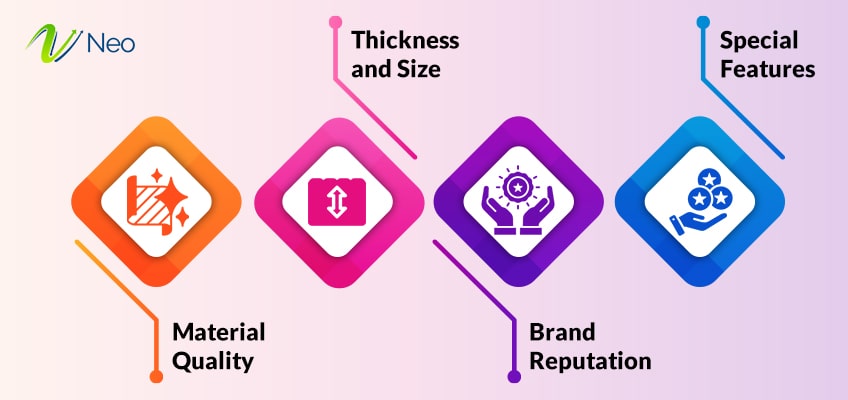
Key factors affecting cooling sheet Prices are:

1. Material Quality

The quality of materials is directly proportional to the price of cooling sheets. It means the higher the quality of a material used in manufacturing, the higher the price. Material like aluminium, steel, polymers, etc. Are known for their superior quality, reflective properties, moisture resistance, flexibility and durability directly impact the price of the sheets.

The environment-friendly and sustainable material also has a significant say in the pricing. Sustainable quality cooling sheets often come at a premium price. Additionally, the manufacturing process not only impacts the price of the sheets but also their quality. The inclusion of sophisticated techniques makes the product costly.

2. Thickness and Size

The thickness and size of cooling sheets are two important factors that cannot be ignored while determining the price. It is a universal fact that thicker sheets offer more durability, flexibility, resistance against sunlight and moisture and better sound insulation when compared to thinner sheets. Large-size sheets cover a large surface area and save customers on installation time and effort.

These two factors significantly affect the price of the sheets, because a large quantity of raw material is required to manufacture these kinds of sheets. Also, manufacturing of the sheets comprises a complex process that contributes to their price.

3. Brand Reputation

The brand name has its worth. A reputed brand cooling sheets will cost you more than a local seller. You might get a competitive price from a local dealer but you have to compromise on the quality. With brand, reputation, assurance and trust comes.

Brands follow high standards while manufacturing cooling sheets. Additionally, they offer clients on-time delivery assurance, customer support, and manufacturer warranties. All these services are missing in the case of local dealers.

Install Thermal Insulation Sheet in Your House

4. Special Features

Extensive research and the addition of special features in cooling sheets impact their pricing. A cooling sheet will cost you more if it is manufactured with state-of-the-art techniques and the addition of special features like air circulation, moisture absorption, and hypoallergenic and antimicrobial properties.

Other features like unique patterns, customization, additional durability, specialized coating, and sustainability increase the price of a cooling sheet, making it more costly than other normal sheets available in the market.

Average Price Range of Cooling Sheets

There are a variety of options available in the market for customers to choose from. You can choose among budget, mid-range and premium options according to your needs and budget. Each segment has its unique features, quality and resistance level.

To find the perfect fit for your needs it is imperative to know about the average price range of cooling sheets and features associated with it.

1. Budget Options

Budget options are best suitable for those who are looking for quality products at a lower price. These cooling sheets are made up of good quality material and possess resistance against radiant heat. Budget option cooling sheets have a good amount of moisture absorption and thermal circulation properties. These sheets hold the right balance between affordability and comfort.

Price Range: INR 150 to 300 per square meter

2. Mid-Range Options

Mid-range cooling sheets are the product of superior quality natural materials like aluminium and steel. The use of these materials in the manufacturing process offers durability, moisture-resistance capabilities and high reflective properties. Mid-range cooling sheets offer thermal cooling solutions to residential and industrial buildings. Also, these sheets come with environment-friendly certification and enhance flexibility.

Price Range: INR 300 to 600 per square meter

3. Premium Options

The result of sophisticated craftsmanship and high-quality materials like premium cooling sheets offer best-in-class resistance against radiant heat and moisture. These environment-friendly sheets are prepared with the help of intricate manufacturing techniques providing durability and longevity. The cooling sheets are best suitable for residential, commercial and industrial units, making them worth buying for the ultimate interior temperature experience.

Price Range: INR 600 to 1,500 per square meter

Popular Brands and Their Price Points

Brand Name Price Range (INR) Size (sq. Meter)
Neo Thermals Insulation 600 to 1,200 12×1
JSW Steel 450 to 900 12×1
Tata BlueScope Steel 500 to 1,000 12×1
Everest Industries 300 to 800 10×1
Hindalco Everlast 400 to 950 12×1

1. Neo Thermals

Neo Thermals provides the best-in-class cooling sheets for those who do not want to compromise with quality of the product. Cooling sheets with state-of-the-art radiant heat resistance techniques for extraordinary cooling effects and thermal efficient properties make these sheets the best product. Also, moisture resistance will keep your building safe.

2. JSW Steel

JSW Steel offers high-quality products for comfortable interior temperatures. The cooling sheets offered by them are the best in class with a high resistance against sunlight and corrosion. These sheets are known for their quality.

3. Tata BlueScope Steel

Tata BlueScope Steel is a leading manufacturer famous for providing sustainable and superior-quality products. The cooling sheets offered by it are not only durable but also provide a thermally efficient solution. It keeps you cool throughout the day.

Everest Industries

Everest Industries is famous for providing specialized insulation products. Their cooling sheets are crafted from strong and durable materials that offer optimal performance.

Hindalco Everlast

A renowned name in home products, Hindalco Everlast offers high-quality cooling sheets known for their resistance, thickness, durability and flexibility. These sheets are designed for comfortable interior temperatures.

Where to Buy Cooling Sheets

To buy cooling sheets you can either opt for online retailers or physical stores according to your need and convenience. Whether it is online retailers or physical shops each has its advantages and disadvantages.

To make the right choice between online retailers and physical stores, pay attention to these points:

Online Retailers

Online retailers provide you with a very different shopping experience. They offer you an opportunity to search for different products without leaving the comfort of your home. It is the online retailers that provide customers with thousands of brands in one place, making it easier for buyers to compare different products and their prices without much effort. Also, online platforms provide a variety of discounts and exclusive offers with easy return services to help you save your hard-earned money on products. Here, one can easily read reviews, collect in-depth information about the products, and check out thousands of deals without getting tired.

Physical Stores

There is a difference between seeing an object and feeling it. The physical stores allow you to feel the quality of cooling sheets before purchasing them. These physical stores employ expert and knowledgeable staff that help you understand about merits and demerits of a product thoroughly. Also, physical stores will offer you on-demand customization, specially curated customer service, on-time delivery and warranty. The physical stores provide an environment of assurance because whenever you have any problem regarding your purchase you can physically meet them. For those who want to feel the touch and texture of cooling sheets, physical stores are the best place.

Conclusion

To get comfortable indoor temperatures, buyers must pay attention to different factors that affect the cooling sheet prices. Whether it is material quality, thickness, size, brand or other special features, all these have an important say in determining cooling sheet price. To get the best out of cooling sheets customers must buy sheets with high thermal efficiency and moisture resistance, thoroughly follow installation techniques and properly inspect the insulation area. For securing the optimum energy efficiency and lowering utility costs you can buy cooling sheets either from online retailers or physical stores, it depends on your comfort and needs. The right kind of cooling sheet will enhance your living experience several times, making it worth buying.

FAQs

1. What Are the Best Materials for Cooling Sheets?

There are a variety of materials available that can be used for manufacturing cooling sheets. It is important properties like reflection of radiant heat away from the insulated surface, moisture resistance, and durability play an important role in determining the material. Aluminium, steel, polymers, etc. are some of the materials that are best fit for cooling sheets.

2. Do Higher-Priced Cooling Sheets Offer Better Performance?

Yes, premium-price cooling sheets will offer better performance than other cooling sheets. The excellent quality of the material used in their manufacturing offers them high thermal resistivity, moisture-resistance capabilities and flexibility.

3. How Do I Care for My Cooling Sheets?

If you want your cooling sheets will stay long-lasting then regularly inspect them,  properly resolve if there is any wear and tear in the thickness of sheet sheets and follow the installation guide thoroughly for the longevity of the sheets (you can take the help of professionals).

Internal Wall Insulation- Benefits and Types

Did you know? Around 35%to 40% of heat loss in a house occurs through windows, walls, and doors in the winter. That mainly happens in older houses, which have solid brick walls, where the result is the climate effect and more spending on electricity to keep the room temperature stable during the summer and winter.

However, there’s a growing concern of climate change and rising energy bills. House owners are looking for an alternative way to make their homes energy efficient. This is where the Internal Wall Insulation comes as a great solution.

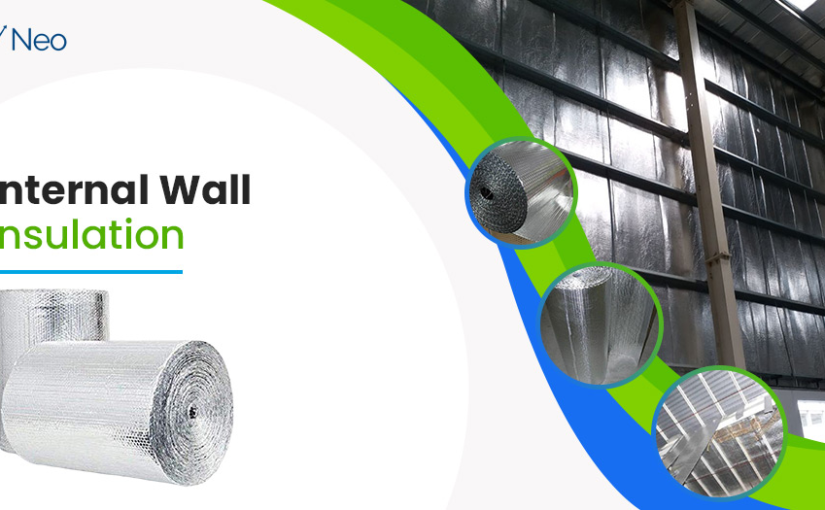
It’s an additional layer of wall that is installed on the interior of the outside wall to prevent heat loss during winter and cool air during summer, reduce noise, save money on energy bills and be environmentally friendly.

These days internal wall insulation is getting popular because of its numerous advantages. But, there are so many homeowners who are unfamiliar with internal wall thermal insulation. Don’t worry!

So, if you’re planning for internal wall insulation in your home as a cost effective and energy efficient solution, then keep reading.

In this guide, we will deep dive into detail, its types, how it works, benefits and how to install in your home. Let’s find out!

What is Internal Wall Insulation?

Internal wall insulation is a process of adding insulation materials to the inner side of a building’s external walls. These insulation materials act as a thermal barrier on the inner walls which keep the warmth within the building during winter and cool air during the summer.

This helps to keep the building’s inside temperature appropriate and control the temperature flow. It overall leads to reducing energy bills and is environmentally friendly.

In some cases, it is also called Drilling, which is bonded or screwed to the walls. Internal wall thermal insulation is a cost effective option for homeowners who have solid brick walls, have high energy consumption or are planning for renovation.

Benefits of Internal Wall Insulation

Here are some key benefits of internal wall insulation:
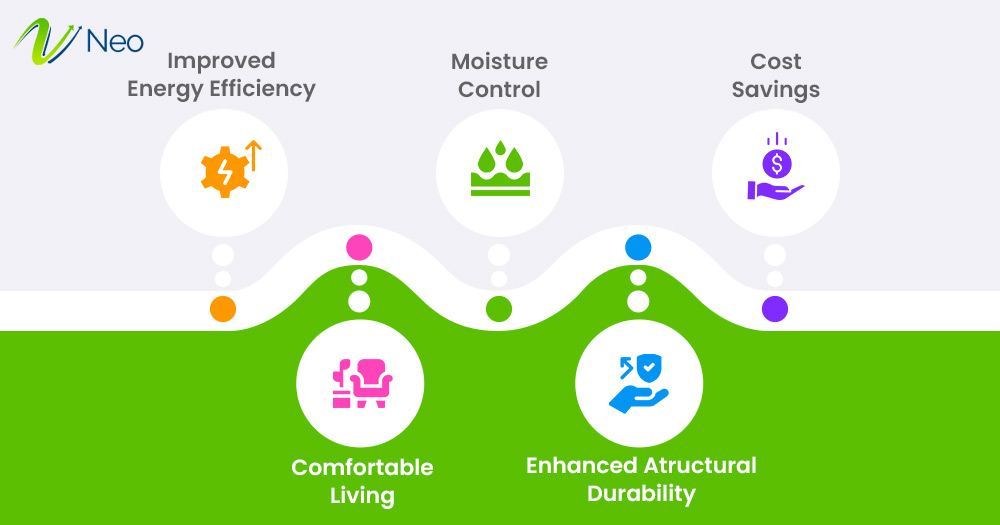
Internal Wall Insulation Benefits

1. Improved Energy Efficiency

One of the biggest reasons why every homeowner is planning to install internal wall insulation is energy efficiency. If your home is not insulated or has solid brick walls, then the heat or cool air does not stay in your home and transfers through the windows, walls, and doors. And it increases the spend on electricity. However, internal wall insulation keeps the heat during the winter and cooled air during the summer, which leads to energy efficiency and reduces energy consumption.

2. Moisture Control

If your home has moisture infiltration, then it can damage your property, cause poor indoor air quality, and various health risks. That’s why having insulation in the interior walls is a better option. Insulating interior walls have moisture resistant material that acts as a protective layer. It keeps the temperature balanced in summer as well as winter, improves air quality, and prevents mold growth.

3. Cost Savings

After internal wall insulation, it lowers the energy bills by maintaining the thermal temperature and reduces the damage on property. As a result, it saves cost on energy and property maintenance.

Install Internal Wall Insulation in Your House

4. Comfortable Living

Another amazing benefit of internal wall insulation is reduced noise from outside. It overall leads to a comfortable and peaceful living without any outer disturbance and pure air quality.

5. Enhanced structural durability

By installing internal wall insulation, your home is not only soundproof and maintains thermal temperature. But it also helps to enhance the structural integrity and durability of your home. When there’s a proper temperature flow, pure air quality, and noise reduction, then it minimizes the risk of cracks, warping, and other damages and ensures durability for a long time.

Internal Wall Insulation Types

Here are four main types of internal wall insulation that you should know:

1. Rigid Insulation Boards

One common type of wall insulation is rigid insulation. It is made up of dense sheets of foam material such as polyiso, polystyrene, or polyurethane. It is directly placed on internal or external walls and acts as a barrier against heat transmission. However, it’s quite an expensive type of insulation as compared to other types of insulation and requires careful installation.

2. Insulated Plasterboards

It’s a combination between a layer of insulation and a layer of plasterboard which is used. It is also known as foam backed plasterboard or thermal plasterboard. It is an energy efficient insulation type which can reduce energy cost and improve wall’s durability. It’s available in different thickness and sizes with easy installation.

3. Blown-in Insulation

Blown-in insulation is also known as loose fill insulation. It’s a process that blows loose material into cavities with a special machine and hose. There are different types of material used for blown-in insulation such as cellulose, fiberglass, mineral wool, rock wool, natural wool and styrofoam pellets. This insulation has a high R-value and tight air seal. However, this insulation might settle with time.

4. Foam Insulation

It is a low density polymer that provides thermal insulation. It’s lighter, has better insulation, and is of high quality. It comes in various forms, such as Spray on foams, rigid form panels, custom pre molded shapes, cellular foams, flexible foams, and more. It’s used in homes, commercial buildings, and other spaces. It’s a better insulation but has a high upfront cost and installation complexity. Also, foam insulation contains some chemicals like isocyanates, which can affect skin and lung sensitization.

Materials Used for Internal Wall Insulation

Here are some key materials used for internal wall insulation:

1. Mineral Wool

Mineral wool is a type of fibrous material which is made from minerals like stone or silica. Two common examples of mineral wool are rock wool and slag wool. They have thermo acoustic properties, fire resistant insulation and are durable. It can not be burned and has low water absorption. It is mainly used because of fire resistant and sound absorbing properties.

2. Polystyrene

Another common material required for wall insulation i.e, Polystyrene. It is mostly used in buildings for heat prevention and available in different formats such as foam, boards and sheets that are placed inside the walls to maintain the thermal temperature. It’s a colorless and transparent thermoplastic which is used to make foam board, beadboard and concrete block insulation. However, the thermal resistance or R value of Polystyrene foam board depends on its density.

3. Polyurethane Foam

Polyurethane is a popular choice for internal wall insulation. Most homeowners and builders use this wall insulation material because of its high R value per inch of thickness, which provides high energy efficiency. It is available in both closed cell and open cell formulas. Whereas closed cell foam has high density cells and is filled with gas to expand and fill the space around it. On the other hand, open cell foam has a lower R value and is filled with air to give a spongy texture. So, it can be used as a liquid spray or rigid foam board.

4. Natural Materials

Some natural internal wall insulation materials are also used such as hemp, wood fiber boards, cellulose, cork, cotton, sheep’s wool, straw or perhaps fluffy insulation batts with a timber framework. These natural insulation are becoming popular among homeowners who are looking for eco-friendly materials for inner insulation.

How to Install Internal Wall Insulation?

Here’s the step by step process of installing internal wall insulation:

1. Preparation

The very first step for internal wall insulation in your home is preparation. It’s very important to keep your things ready, such as choosing the right insulation material and setting up the installation areas, which include clearing furniture, protecting floors from dust, proper ventilation to avoid dust, and electricity outlets cut off for safety purposes.

2. Measuring and Cutting Insulation

Then you need to accurately focus on the measurements before insulation. You need to measure the height and width of each wall where you plan for insulation and calculate the total area. So based on these measurements, you can define the amount of insulation required and cut to fit each section precisely.

3. Fixing Insulation to Walls

Now, it’s time for the internal wall insulation. Here you need to choose which type of insulation you want to install, whether it’s plugs and screws based on a special adhesive, plasterboards, or blown in. However, each installation required professional help. So, you can consider hiring an internal wall insulation service provider for perfect insulation.

4. Adding a Vapour Barrier

After the installation, adding a Vapor barrier is essential to prevent moisture within the wall cavity. First select a vapor barrier then unroll it across the insulated wall and make sure proper overlap at edges and corners. Then cut and fit the barrier around doors, windows and electrical outlets and then use specialized tape to create a moisture proof barrier.

5. Finishing

Once the insulation and vapor barrier are properly done, then you can start focusing on finishing the inner insulated walls, such as installing plasterboard, drywall, or other cleaning materials to give a final look at your newly insulated walls.

Cost of Internal Wall Insulation

Internal wall insulation is a cost effective option compared to external wall insulation. The average cost for internal wall insulation comes on average between $0.50 to $1.25 per square foot. However, the estimated upfront cost of internal wall insulation depends on various factors.

Initial Costs

The cost of internal wall insulation depends on various factors:

    • Type of Insulation:

There are different types of insulation available, from rigid boards to blown-in. You can choose any type of insulation based on your budget and preferences.

    • Size of the Wall:

Another factor that affects the cost of insulation is size of the wall. If the size of the wall is large then it requires more insulation material and installation efforts that overall leads to more cost.

    • Additional Materials:

If you plan for add ons such as fixing, adhesives, a vapor barrier, and finishing, then it can also affect the cost of insulation.

  • Complexity of Installation
  • Complexity of inner wall insulation installation can also impact the cost because of irregular shapes, many windows/doors, electrical wiring complex and that collectively increase the cost.
  • Professional Installation Cost
  • Hiring a professional insulation service provider is essential because installation requires skills and hands on experience, and it’s better to let the professional do it. So that’s another cost of internal wall insulation. These factors mainly impact the initial cost of internal wall insulation. It’s always preferred to get a quote from a professional internal wall insulation service provider for an accurate estimated cost.

    Long-term Savings

    While it seems like a high upfront cost for internal wall insulation, there are long term savings. After having successful internal wall insulation, it acts as a thermal barrier. Which will keep your home warm in winter and cool air in summer. It is overall leads to low energy consumption and long term savings.

    Conclusion

    Internal wall insulation for solid walls is becoming a popular option for homeowners. It enhances their energy efficiency, reduces electricity consumption, keeps the home noise free, provides comfort at home, and makes the property long term durable. However, there are many things to consider before installing the internal wall insulation. Such as the type of insulation, the material required, etc. We hope this guide helps you know everything about internal wall insulation, its types, materials, benefits, and how to install it. It is highly recommended that you consult with a professional before installing internal wall insulation to get the solution to your specific needs. Now, it is your turn to find the most reliable wall insulation service provider for your home and let the professionals do the things for you.

    FAQs

    1 How Long Does Internal Wall Insulation Last?

    The average lifespan of internal wall insulation is around 25 years. However, it also depends on the type of material used for insulation. It is better to consult with a professional first to get the best suggestion as per the needs of your home.

    2 Can Internal Wall Insulation Be Installed in Older Homes?

    Old houses should prefer internal wall insulation because of their thick stone walls then inner insulation helps to maintain thermal temperature.

    3 What Are the Maintenance Requirements for Internal Wall Insulation?

    Internal wall insulation is highly durable and it remains in good condition for years. However, it’s preferred to inspect at least once a year. Sometimes problems occurred due to negligence such as condensate blockage, use ladders carefully, prevent leaks etc.

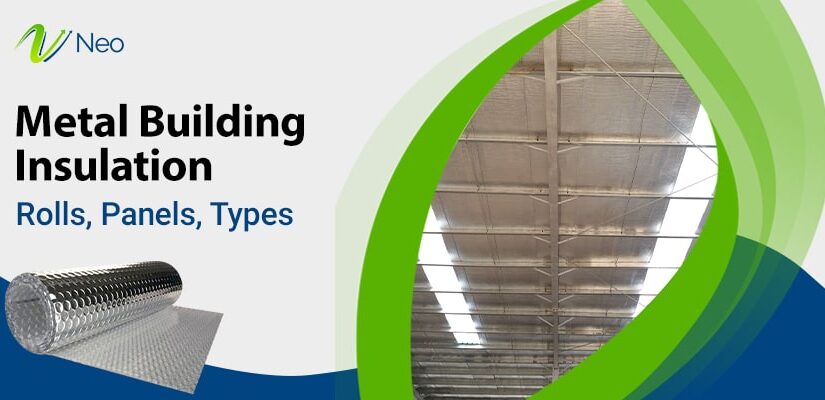
Metal Building Insulation(Rolls, Panels, Types)

When it comes to building a warehouse or any metal building, Insulation is no longer an optional accessory. It plays a most significant role because it helps to regulate the inside temperature, prevent condensation, reduce energy consumption, stop heat and reduce outside noise. Insulation is now a great option for metal building longevity, durability and low maintenance.

Insulation is a must have for proper maintenance of your metal building. There are different types and sizes of insulations available for metal buildings in the market. So, it’s quite challenging to identify which one is best for your metal building. Don’t worry! Many people are not aware of the importance of metal building insulation, its types and its purpose.

Here, let us discuss metal building insulation and how it works. We will also shed light upon the best insulation options, its benefits and how to insulate a metal building. By the end of this guide, you will know exactly everything about insulation and which one is best for your metal building. Let’s dive in!

Metal Building Insulation: An Overview

Metal building insulation is a type of sheet. It covers a metal building to reduce the building’s moisture, stabilize the temperature, reduce noise, and lower energy costs. It will keep heat inside in the winter and outside in the summer.

However, it’s more useful than just temperature adjustment. If Insulation is not installed on a metal building, then it can cause rust and damage the building’s longevity as it can absorb heat better than wood.

Did you know? The global insulation market is expected to reach $117 billion. It clearly shows how fast Insulation is adapting and becoming an essential part of metal building. So, it is a must-have thing for metal buildings to ensure the longevity and stability of the building in the long term.

Functioning of Metal Building Insulation

Insulation is a blanket that covers metal buildings to protect them from heat flow and control noise. During winter, it traps heat and releases it during the summer. Also, some types of Insulation can increase the efficiency of lighting fixtures. It creates a barrier between inside space and outside weather to maintain temperature. There are some other properties that come with insulation material, such as reduced moisture risk, fire prevention, and reduced noise, which overall lead to long-term building sustainability.

How to Insulate a Metal Building?

When it comes to insulate a metal building, it follows a typical process of installing above the framing to ensure high protection. The right placement of Insulation is essential to moderate the temperature, protect the building from damage and wall panels, ensure longevity and prevent moisture in between the exterior roof, framing and wall panels.

6 Benefits of Metal Building Insulation

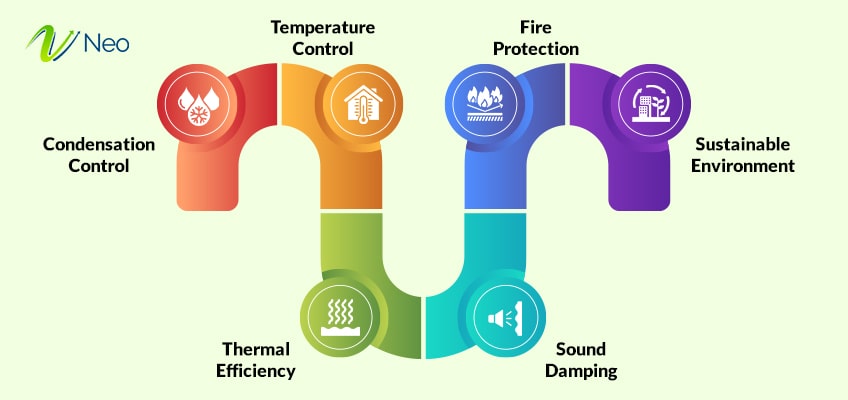
Benefits of Metal Building Insulation
Here are the significant benefits of metal building insulation:

1. Condensation Control

Since the inside and external surfaces of metal buildings have conflicting temperatures, condensation is a common problem. Condensation can result in moisture accumulation. This can harm structures and lead to corrosion and the growth of mold.

By maintaining a constant temperature of the building, metal building insulation serves as a barrier against condensation. Insulation serves to preserve the integrity of the structure and its contents. Further, it extends the life of the building components and lowering maintenance costs by avoiding moisture accumulation on metal surfaces.

2. Temperature Control

Selecting the appropriate Insulation for your metal building can help lower energy usage. In some states, it enables the building’s constructors to claim tax breaks for energy conservation. Steel panels do not insulate against heat or cold, as they have no insulating properties. Adding the right insulation material and type controls interior temperature, helping to keep the building colder during warm months.

Seeking a Reliable Thermal Insulation Company?

3. Thermal Efficiency

Metal building insulation reduces heat transfer between the building’s interior and exterior, enhancing thermal efficiency. In hot climates, these materials maintain the interior’s temperature by blocking sun rays. During the winter season, it minimizes heat loss and keeps the atmosphere warm, maintaining a comfortable spot.

4. Sound Damping

The reflecting surfaces of metal buildings give rise to echoes and reverberation, frequently linked to excessive noise. Metal insulation for buildings reduces sound transmission by absorbing and damping noise inside the building. Insulation makes an area quieter and more comfortable for occupants by lowering impact and airborne noise. This benefit is ideal for industrial and commercial facilities where noise control is vital.

5. Fire Protection

Metal building insulation adds a layer to your building, improving fire safety by acting against the spread of smoke or flame in case of fire or an emergency. Several insulation materials have fire-resistant properties, protecting your structure from heat damage. Since it slows down the spread of fire and ignition, it allows occupants to respond smartly in case of emergency.

6. Sustainable Environment

Metal building insulation helps to promote environmental sustainability by lowering greenhouse gas emissions and reducing energy consumption. Insulation lowers the carbon footprint of heating and cooling. Further, it facilitates operations by increasing a building’s energy efficiency. Furthermore, a large number of insulation materials are produced using renewable or recycled resources, which lessens their impact on the environment.

5 Best Metal Building Insulation Options

Here are some of the best insulation options you can consider:

1. Metal Building Insulation Rolls

These are insulation materials that minimize heat transfer and regulate temperature in metal structures such as barns, warehouses, and commercial buildings. These insulation rolls are made of fiberglass or other insulating materials, making installation easier. They are also moisture resistant, reduce noise and provide thermal protection, improving your building’s interiors.

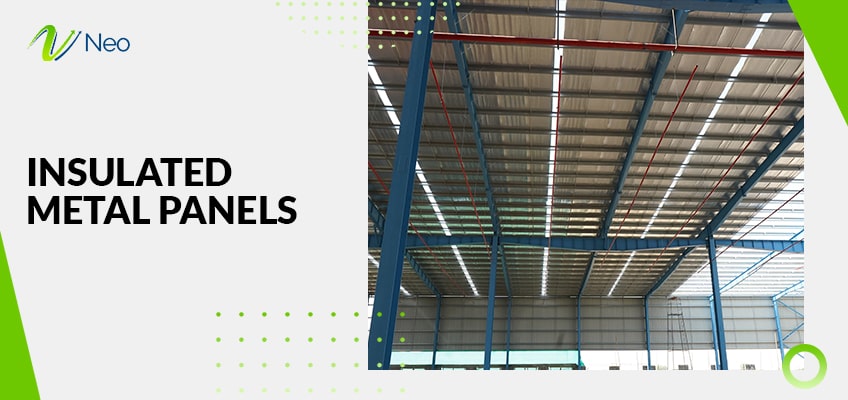
2. Insulated Metal Panels

Metal Building Insulation
Insulated metal panel is a common type of insulation that carefully combines interior Insulation and exterior metal cladding into a single panel. Known for offering top-notch thermal performance, such Insulation is great for energy-efficient buildings. These panels create moisture-resistant and highly durable exteriors for the building.

3. Spray Foam Insulation

It is a two-part liquid insulation material that foams to insulate wherever it is applied. It is available in open and closed-cell types. Additionally, this type of insulation never loses its shape or sags with time. The Insulation builds an air seal for all holes and cracks, along with large open spaces such as pole barns.

Seeking a Reliable Thermal Insulation Company?

4. Fiberglass

Fiberglass is a commonly used insulation in commercial and residential projects. Since it is a residential and commercial insulator, it reduces the heat and traps air, ensuring your building remains cool during the summer and warm during the winter season. These are generally available in batts, rolls, and loose fills that promise excellent thermal performance. Although fiberglass insulation has a lower R-value, it is more economical and easy to use.

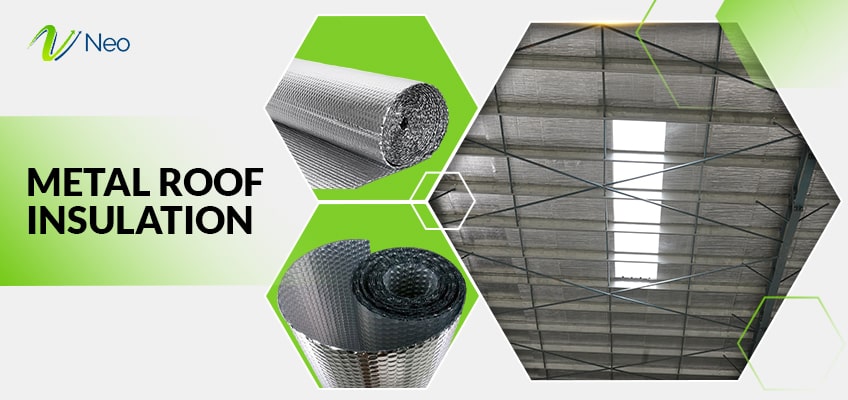
5. Metal Roof Insulation

Metal Building Insulation
Metal roof insulation is a specialized building material that protects buildings from heat and changing temperatures. Such Insulation is made using fiberglass or foam and installed underneath the metal roofing panels. Further, it reduces energy costs and improves indoor comfort, helping to maintain a more stable temperature.

Metal Building Insulation R Value

An R-value is like a rating measurement tool that is given to Insulation, which determines the quality and how well it maintains temperature. A higher R-value shows the high quality of Insulation, which means less heat can pass through the Insulation. It typically ranges from R-7 to R-30. However, there are some factors that contribute to R-values:

  • Types of Insulation
  • Density
  • Thickness

Here’s the R-value system:

  • Single layer typically ranges from 2.5″ (R-8), 3″ (R-10), 3.5″ (R-11), 4″ (R-13), 6″ (R-19), 8″ (R-25), 9.25″ (R-30).
  • Double layer ranges from 3″+6″ (R-29), 3.5″+6″ (R-30), 4″+6″ (R-32), 2.5+8″ (R-33), 3″+8″ (R-35), 6″+6″ (R-38), 3”+9.25” (R-40) and 4”+9.25” (R-43).

Conclusion

Metal building insulations play an essential part in protecting the building for longevity. However, it is important to understand earlier which type of Insulation is suitable for your metal building. We hope this guide helps you know everything about insulation, its types, and its benefits. Now, if you are planning for insulation, you have clear options, and you can select which one is suitable for your building and get Insulation done by experts.

FAQs For Metal Building Insulation

Q.1 Mention the Best Insulation for a Metal Building?

Fiberglass is a widely used insulation for metal buildings. It is famous for its attractive appeal and durable nature. Further, the installation cost is low.

Q.2 How Much Does Metal Building Insulation Cost?

On average, metal building insulation costs between 41.68 INR to 375.13 INR per square foot installed. The cost is affected by factors like the project complexity and type of Insulation.

Q.3 Which Factors to Consider When Selecting Insulation for Metal Buildings?

Some major factors to consider when choosing an insulation:

  • Thermal performance
  • Sound Insulation
  • Fire protection
  • Health impact
  • Moisture and mold
  • Sustainability

Q.4 How thick is Metal Building Insulation?

Insulation is readily available in different thicknesses. These range from 2 5/8″ R-8 to 9.5″ R-30. Out of all, the thickest insulation is 9.25″ R-30.

Insulation Sheet Price Across Various Types

People around the globe are searching for energy-efficient and sustainable solutions for their thermal insulation needs. Whether it comes to industrial, engineering or construction use, insulation has its place everywhere. It is vital to understand that thermal insulation requirements are the need of the hour.

In the case of insulation sheet price factors like material, market demand, and individual needs are necessary to consider. This domain has multifaceted aspects, and paying attention to them results in profitable deals. There are a diverse range of factors that one must bear in mind before determining thermal insulation sheet price.

In this article, we understand the world of insulation sheets and examine different types, materials, and additional factors that affect insulation sheet prices in the market. This exhaustive overview helps you to find the best deal; without compromising on cost and thermal efficiency. We also pay attention to what is an insulation sheet. The information presented here aids you in making an informed decision and strategizing your plans for the next insulation project.

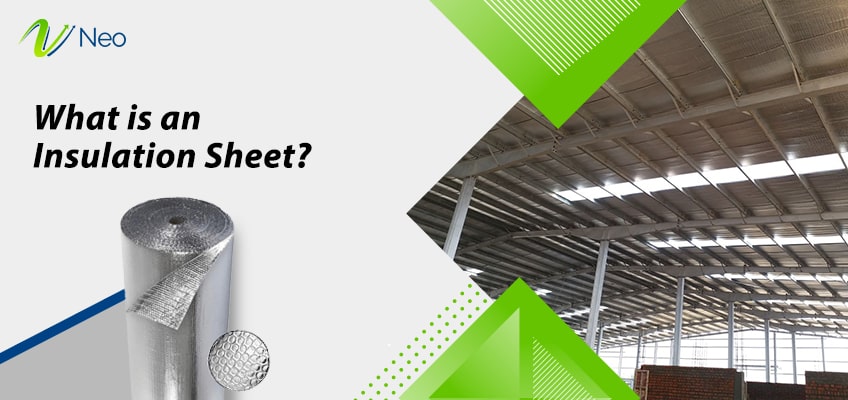
What is an Insulation Sheet?

What-is-an-Insulation-Sheet

An insulation sheet is a sustainable and environment-friendly solution for improving thermal efficiency. A heat insulation sheet (insulation panel or insulation board) curtails heat transfer between the surface of an insulated object and the surroundings. These materials are primarily used in the construction of residential, commercial, and industrial buildings for insulation purposes. Apart from this, it is also used in automotive and various industries to enhance overall energy efficiency.

Insulation Sheet Price List

1. Air Bubble Insulation Sheet

An Air Bubble Insulation Sheet is a thin, flexible material designed to provide thermal insulation by trapping air bubbles between reflective layers.

Bubble Sheet Name Thickness R Value Price (₹/sq. ft)
Bubble Insulation Sheets 4mm 2.98 M2 C/W ₹ 8.5
Aluminum Foil Air Bubble Insulation Sheets 8mm 3.10 M2 C/W ₹ 8
Aluminum Foil Double Bubble Insulation 8mm 2.20 M2 C/W ₹ 8
Bubble Insulation Thermal Wrap 8mm 3.20 M2 C/W ₹ 13
Foil Bubble Insulation Roll 4-20 MM 3.20 M2 C/W ₹ 7

2. HEAT INSULATION SHEET

A heat insulation sheet is a material designed to reduce the transfer of heat through a surface by trapping air pockets within its structure, thereby slowing down conduction, convection and radiation of heat.

Sheet Name Thickness (MM) R Value (M2°-C/W) Price (₹ per Unit)
Heat Insulation Sheet 4-20 3.00 M2° C/W ₹ 7.5 per Square Feet
Heat Resistance Insulation Material 4-20 3.18 – 3.80 M2° C/W ₹ 1,184.03 per Square Meter

3. Thermal Insulation Materials

Thermal Insulation Sheet work by incorporating barriers to minimize heat exchange between solids, fluids, or gases through mechanisms like reducing conduction, convection and radiation, effectively conserving heat and maintaining desired temperatures.

Sheet Name Thickness R-Value Price
Thermal Insulation Wrap 4-20 mm ₹ 75/ Square Meter

4. Aluminum Foil Insulation

Aluminum Foil Insulation Sheets are versatile, multi-layered materials primarily used for thermal insulation purposes in various industries and construction applications, working by reflecting radiant heat to maintain desired temperatures inside a space.

Sheet Name Thickness R-Value Price
Aluminum Foil Insulation 4-20mm 3-3.80 M2° C/W ₹ 77-80 Square Meter

Seeking a Reliable Thermal Insulation Company?

Additional Factors Affecting Insulation Sheet Price

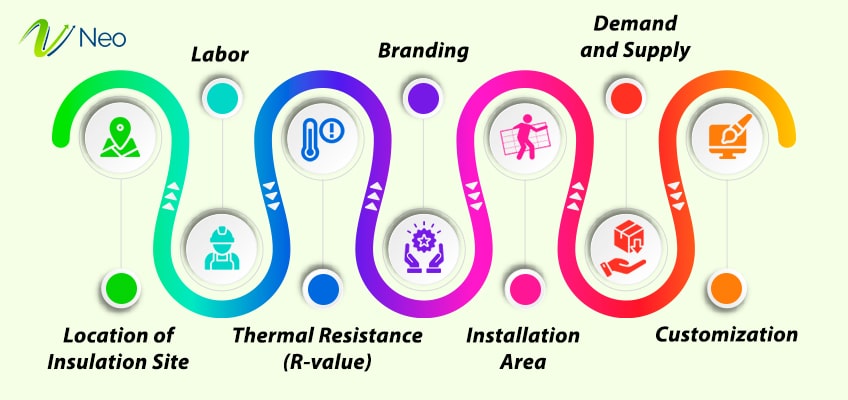
Various factors affect thermal sheet price. Apart from the material and their costs, additional factors also play a vital role in determining the price of insulation sheets.

Additional-Factors-Affecting-Insulation-Sheet-Price

1. Location of Insulation Site

Location and accessibility to the installation site play an important role in determining the price of an insulation sheet. If a site is situated in far-flung areas and demands more transportation costs, this impacts the overall price of an insulation sheet. In case, the installation site is near and easily accessible, it will have a negligible effect on the overall cost.

2. Labor

Apart from material costs, the cost of labor also impacts the price of an insulation sheet. Insulation installation requires skilled labor for effective and hassle-free installation. A skilled labor will charge more money than a non-skilled labor.

3. Thermal Resistance (R-value)

Thermal resistance is one of the most important properties of an insulating material. R-value has a direct influence over the price and effectiveness of an insulating material. Thermal resistance and thickness of a material are directly proportional to each other. The higher the thickness, the higher the thermal resistance. Also, the higher the thickness of a material, the higher the price of a material.

4. Branding

Brands that are known for their quality products and have established reputations in the market will cost more prices than their other counterparts. Every customer desires a durable and reliable product, and this is the reason why brands with established names cost more. These brands attract customers’ attention by providing warranty support, better service and offering on-time delivery.

5. Installation Area

The installation area affects the price of an insulation sheet. Location with large surface area requires more quantity of insulation sheet than location with lower surface area. Even a difference of a few per-unit areas may affect the overall price of an insulation sheet.

6. Demand and Supply

The market has a very important say in determining the price of an insulation sheet. Market factors like demand and supply directly influence the price structure. There are some materials that have higher demand in comparison to other materials, this creates price differences. Also, factors like the availability of raw materials, production of a particular material and seasonal demands impact the price of an insulation sheet.

7. Customization

Specific customization impacts the price of insulation sheets. Sometimes, people ask for specific sizes, materials, and features, this requires special attention to fulfill the orders. When special customization is asked for, it results in a higher price than the standard price.
Some important features of insulation sheets:

Types of Insulation Sheets Material

Insulation sheets are available in a variety of materials:

  • Fiberglass: This material is known for its extraordinary thermal resistivity, durability, and flexibility. The insulation material comprises glass fiber with good thermal efficiency. It is readily available in the form of sheets and rolls.
  • Foam Boards: Materials like polystyrene, polyurethane, or polyisocyanurate are used as main ingredients in the manufacturing of foam boards. Each material has its thermal resistivity, thickness, and flexibility. Depending on insulation needs and budget, individuals can choose from any of these.
  • Reflective Insulation: These kinds of sheets consist of metallic foil that acts as a barrier between the insulated surface and the surroundings. The metallic foil present in it reflects away the radiant heat and hence, improves the thermal efficiency of this material.
  • Mineral Wool: The mineral wool insulation sheets have rock or slag fibers as their main components, making them a perfect fit for thermal and sound insulation requirements.

What is the R-value of sheet insulation?

R-value refers to the thermal resistivity of an insulation material. In simple terms, it refers to the effectiveness of an insulation sheet against heat transfer. The R-value is directly proportional to the thermal resistance, more is the resistance, higher is the R-value. Each insulation material present has its specific R-value therefore, it becomes essential to choose the right material depending on needs and application requirements.

Application of Thermal Insulation

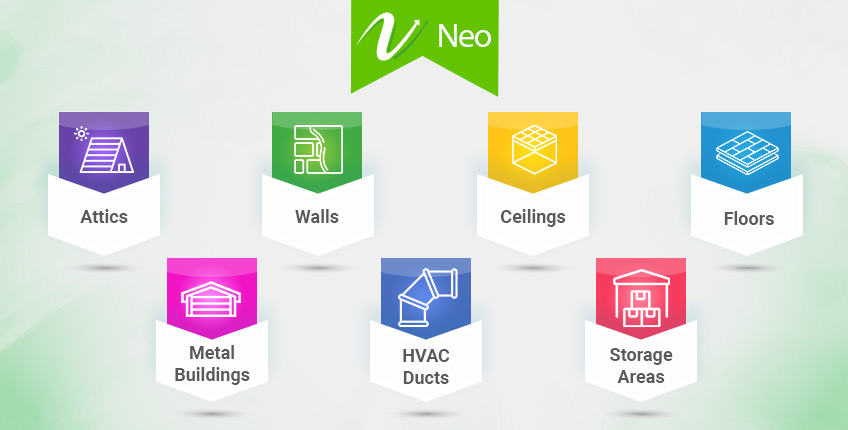
  1. One of the primary uses of a heat insulation sheet is to insulate different parts of a residential, commercial or industrial building. The sheets are used for insulating walls, attics, floors, roofs, and various other parts for better thermal efficiency and comfort.
  2. It is used for insulating HVAC ducts which results in enhanced production efficiency and preventing unnecessary heat loss and heat gain. Insulation sheets are also applied to heating, ventilation, and air conditioning systems.
  3. Insulation sheets are widely used in the automotive industry for improving vehicle performance by reducing engine overheating. It is also used for ameliorating sound insulation and overall driving experience.
  4. Insulation sheets are used in a variety of electronic appliances like refrigerators, water heaters, etc. It improves their overall functioning, boosts thermal efficiency, and supplements in maintaining energy proficiency.

Request a quote now for the most competitive insulation pricing!

Advantages of Thermal Insulation

  • It curtails heat transfer between the insulated object’s surface and the surroundings. By curtailing heat, it improves overall efficiency, lowers energy costs, and makes systems more thermal efficient.
  • It offers consistent indoor temperatures without any extra cost. It reduces excessive heat gain in summers and excessive heat loss in winters.
  • Apart from thermal insulation, insulation sheets also provide resistance against noise pollution. It reduces the movement of excessive sound between the interior and exterior of a room.

Insulation sheets offer sustainable and green-house emission-free solutions. It contributes to overall environmental protection and energy efficiency.

Conclusion

For making an informed decision in the case of insulation sheets, it is imperative to pay attention to factors like insulation sheet price, types of insulation material, and additional factors that affect the price of insulation sheet. To fulfill individual requirements and balance between effective cost and performance, one needs expert guidance and industry knowledge. In this article, we pay attention to details and provide you with expert knowledge so that you can easily navigate through the question of insulation sheet price.

The information presented above helps you to make smart decisions that not only save you money on insulation sheet purchases but also get you effective thermal performance with environmental sustainability.

FAQ’s for Thermal Insulation Sheet Price

1. What is the thickness of the insulation sheet in MM?

Each individual insulation sheet has its specific thickness depending on its use and the materials used in its manufacturing. To get information regarding the thickness of different insulation sheets please refer to the table mentioned in the article.

2. What is the Insulation Sheet Price for the Roof?

The insulation sheet price for the roof depends on factors like the material used as an ingredient in manufacturing and the thickness of the material, and the area to cover. To get a proper idea about insulation sheet price visit the table mentioned in the article.

3. Is thermal insulation expensive?

The thermal insulation is not as expensive as many people think. the price of insulation material depends on factors like material, thickness, area to cover, thermal resistance, labor, etc.

4. What is the price of thermo foam?

The price of thermo foam is Rs. 100 to Rs 500 (approx.) depending on its quality and thickness.

Shed Insulation – A Complete Guide

Have you ever wondered how to insulate a shed but didn’t know the process? Well, in that case, you have landed on the right platform. This comprehensive guide on will provide you with all the tips and tricks you need to know about shed insulation, right from the shed insulation installation process to providing the necessary details regarding the materials you can use to complete your project. We have covered all, so read the full article to insulate a shed like a pro!

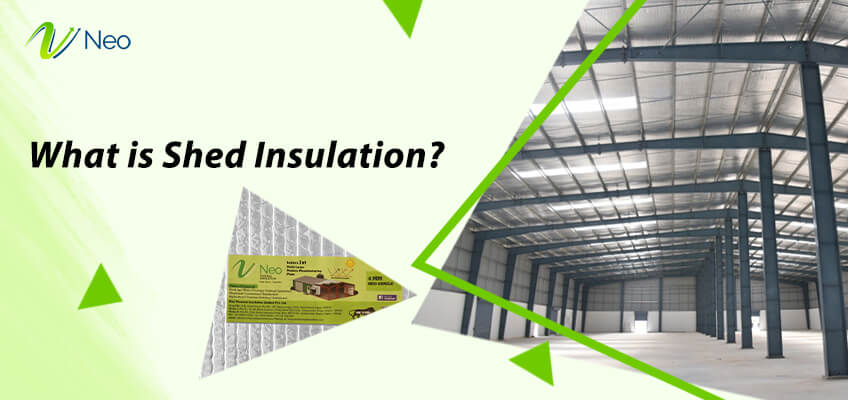
What is Shed Insulation?

What-is-Shed-Insulation

We all know that throughout the year, the outdoor temperatures can vary widely. Without insulation, sheds get excessively cold in winter and extremely hot in summer. Insulation in simple words is like a barrier between the inside and outside of your shed. When we insulate a shed, it stays cool in summer and retains heat in winter.

What are the Benefits of Shed Insulation?

While the shed insulation process may seem like a tedious job, the benefits are well worth the effort. Insulation in shed can keep the temperature of your interior more consistent, hence protecting any items from extreme heat or cold you have stored inside.

Secondly, insulated sheds prove to be more energy efficient and therefore save you money on your cooling and heating costs. Further, insulation in the shed reduces condensation and moisture build-up, both of which can lead to rot and mould.

Another reason why insulation for sheds is extremely beneficial is that when it comes to storing weather-sensitive equipment like tools or boxes you need a suitable temperature that can be achieved via shed insulation.

Lastly, if you are an animal lover and love to keep animals then it is a great idea to install some shed insulation to make sure that your pets are safe and comfortable. Regularizing temperatures for your pets can keep them healthy and fit for a longer duration.

Besides these, there are many more benefits such as:

  • You can protect your metal tools from dampness and therefore from rust
  • Your shed becomes a cozy place where you can work easily all year round
  • Helps in keeping away pests and mould
  • Electrical devices are free from moisture
  • Perishable items like paint will last longer
  • As an extra room to the house, sheds can be used as gyms, game rooms and home offices

Looking For Shed Insulation?

What are the Applications of Shed Insulation?

Applications-of-Shed-Insulation

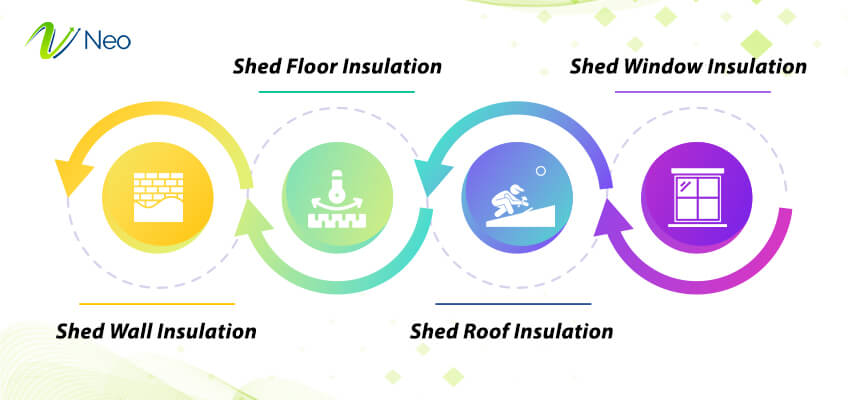
There are various forms of applications of shed insulation. Contact Neo Thermal Insulation as we are one of the famous insulation manufacturers in India providing thermal insulation and shed insulation installation services at pocket-friendly prices:

Shed Wall Insulation

Neo Thermal provides heat insulation sheets that prevent heat loss and create an energy-efficient space. The space created would be free from any unwanted noise and weather disturbances. Consider buying products from Neo Thermal and see the magic

Shed Floor Insulation

Neo Thermal Insulation brings a promise of the industry’s best shed floor insulation product for our customers. Floor insulation locks the heat inside the room by preventing it from escaping from the floor in winter. Thus, a warmer and more comfortable temperature can be maintained inside the particular space. 

Shed Roof Insulation

When is comes to roof insulation sheets, shed roof insulation is the best choice that can help you get rid of external temperature as well as noise disturbance. We deliver the best shed roof insulation services all over India at a very competitive price.

Shed Window Insulation

Our Shed Window solutions bring double-pane window designs that make the window area well insulated. It prevents the window from getting cold enough which can cause condensation.

What is the R-value for Shed Insulation?

A subject called the R-value must be understood in order to understand what the best shed insulation is. Simply put in words, R-values can measure the rate at which insulation can prevent the flow of heat into and out of your shed or home. A higher R-value indicates higher insulation performance.

So how do we measure various sorts of insulations for R-value? Well, there is a formula for finding the R-value that we’ll be discussing below:

R = ∆T ÷ Heat Flux Through Barrier.

Understanding this equation is slightly complicated. The symbol ∆T indicates your insulation thickness and “heat flux through barrier” signifies the thermal conductivity measure in your insulation.

The best part is that you no longer need to understand this formula as most insulations by default come with the R-value calculated we just need to input the square footage of our shed and it will tell us the exact amount we need.

R values vary according to the types of insulation. However, in general, the most suitable R-values for your insulation can anywhere range between R-13 and R-23.

How to Install Shed Insulation?

Follow these steps if you want to know how to install shed insulation and do the job like a pro:

Step 1 – Perform shed assessment

The first step that comes under the shed insulation process is the assessment of your shed’s current condition. Do the inspection to check for any existing insulation, signs of leakage or any other potential problems for that matter. If you analyse the unique characteristics of your shed deeply, then it will help you plan the insulation project more strategically.

Step 2 – Choosing the right insulation materials

To run a successful insulation project, choosing the appropriate insulation material is mandatory. Several options are available such as foam board, fiberglass, spray foam, and more. So, depending on your requirements, you need to analyse various factors like climate, your budget and the intended use of the shed while making your selection.

Step 3 – Arranging the desired materials and tools

Every physical job requires some tools and materials just like installing insulation for sheds. Even cheap shed insulation requires some basic tools to perform the job. Common items include vapor barrier, insulation material, adhesive caulk, utility knife, nails or screws. Keep everything ready in advance to save your time and money.

Step 4 – Preparing the shed

The next step is to prepare the shed in the right manner. Clean the shed and make it free from any moisture or dampness. If there are any leakages or cracks, make sure they are properly fixed. Also, check whether or not there are any gaps in the roof and walls. Consider installing a vapor barrier to prevent condensation and moisture build-up.

Step 5 – Insulate your walls

Start the installation process by insulating your shed walls. Prepare the insulation material by cutting it in the right shape so that it fits into the wall cavities. Create an airtight barrier by sealing any gaps with caulk or tape. Following this step is mandatory if you want to regulate the temperature inside the shed.

Step 6 – Insulate your ceiling

Insulating your ceiling is very important if you plan to use your shed annually. Just like the walls you need to prepare your thermal insulation material by cutting it in the right shape so that it fits in the roof cavities. As heat rises, you need to control temperature and that can be achieved via roof insulation

Step 7 – Floor Insulation

Insulating the floor can be done depending on the intended use of your shed. Insulating the floor helps in maintaining a comfortable temperature and prevents cold drafts. Make sure that you use good quality materials as using bad quality stuff can deteriorate your structure. Buy premium Insulation materials from Neo Thermal at affordable prices.

Step 8 – Sealing all cracks and gaps

Effective insulation can only be achieved if there are no cracks or gaps in the ceiling. To achieve that, seal all sorts of cracks and gaps by using caulk or spray foam. Proper ceiling ensures energy efficiency and comfort.

Step 9 – Make wall coverings

After insulating and ceiling, you may add wall coverings like drywall, panelling or a weather-resistant finish to complete the look. This adds an extra layer of protection. Consider adding a 6mm vapor between the insulation and any finish material.

Step 10 – Adding cooling and heating systems

In extreme weather conditions, you may add heating or cooling systems for maintaining an environment that is nice and cozy.

Upgrade Your shed’s Comfort and Protection Today!

Conclusion

Now that you know so much about shed insulation, it becomes easier for you to make the right insulation purchases for your building. Note down the following – your shed size, your budget, and how you plan to use your shed. These factors must be kept in mind while making the purchases. After purchases are done, the next step is to do the installations which sometimes is a very daunting task, especially if you know nothing about shed insulation.

So, if you are a newbie and want to purchase and install a shed for your home or building then contact Neo Thermal as we offer a large variety of premium-quality sheds. Further, we also provide shed installation services at affordable prices. So, get in touch with us to build the shed of your dreams.

Frequently Asked Questions

1. How does shed insulation work?

A lot of heat is absorbed by the metal roofing and is then radiated in the inward direction. This increases the internal temperature. Shed insulation helps in slowing down the heat transfer by reflecting the radiant heat away. It works on the principle of slowing conductive heat flow and convective heat flow.

2. How thick is shed insulation?

When we talk about shed wall insulation, a good R-value should range anywhere between R-13 and R-23, depending on whether you are using 2x4s or 2x6s for your shed walls. In terms of ceiling, choose between R-30 and R-49. For shed floors and crawlspaces, anywhere between R-13 and R-30 would be sufficient.

3. How do I choose the right insulation for my shed?

To choose the right insulation for your shed you must hire an experienced insulation company like Neo Thermal and get your installation done of spray foam insulation. Properly installed spray foam provides a high R-value and eradicates any chances of air infiltration as it fills all the voids, even the tiniest ones.

4. How long does shed insulation last?

Under ideal conditions, usually shed insulations can last for decades. However, the timeline can squeeze or expand depending from situation to situation. For example, in some homes shed insulation may last for a century whereas in some homes it may require upgraded insulation every fifteen years.

5. Does shed insulation need an air gap?

Yes, there should be an air gap between the insulation and the shed wall. This will help in controlling moisture and keeping your shed healthy and dry. Surely, leaving an air gap can significantly improve the insulation’s effectiveness.

Building Insulation: Types, R Values, Benefits

With the rising standard of living, people around the globe are searching for more comfortable lifestyle options. Whether it is a residential, commercial or industrial building, sustainable building insulation solutions have their demand everywhere.

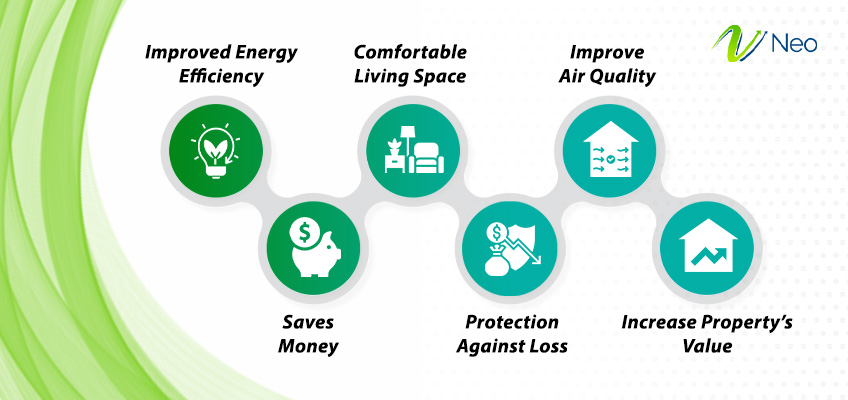
Building thermal insulation curtail unnecessary energy requirements, offer a suitable indoor temperature, and diminish heat transfer between the different parts of a building and its surroundings. The material also promotes the longevity of building structures, resilient thermal efficiency and improved energy proficiency.

In this article, we will discuss building insulation types, the different kinds of materials available in the insulation market, the benefits of insulating buildings and the installation process.

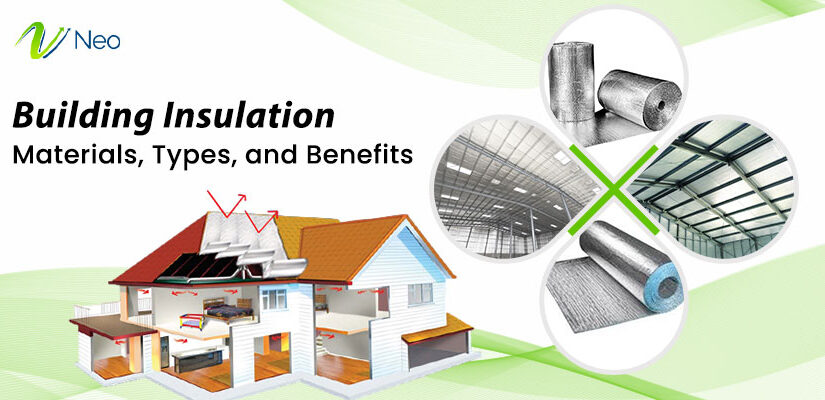
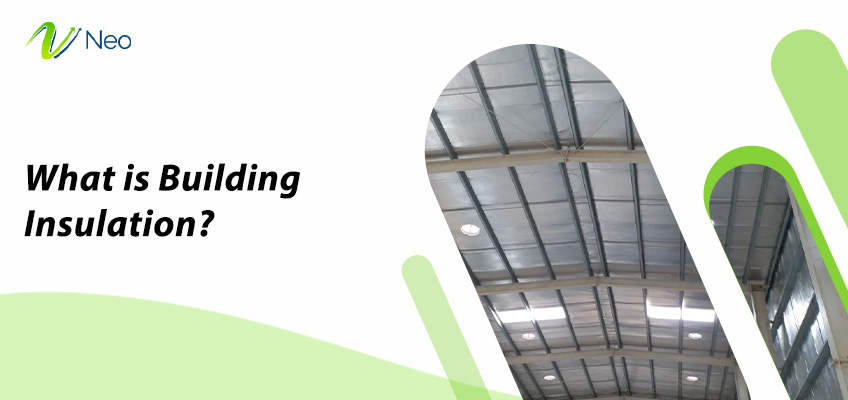
What is Building Insulation?

Building Insulation

Building insulation refers to materials installed in a building to minimize the transfer of thermal energy. This is one of the finest ways to fulfill thermal energy requirements and enhance energy productivity for residential, commercial and industrial purposes. Building insulation materials creates resistance against the movement of heat to keep indoor temperatures favorable in both winters and summers. By reducing thermal energy movement between the interior and exterior of a building, the insulation brings down costs on energy requirements.

The contemporary insulation requirements need sustainable and environment-friendly solutions, and building thermal insulation is the key to the future. According to global estimations, the building insulation market is likely to expand from $29.2 billion in 2023 to $37 billion by 2028. Market analysts also estimated that the market will grow at a rate of 3.3% from the year 2024 to the year 2032. The expected growth is close to a 6% CAGR between 2023 and 2032.

Building insulation types are fundamental to building construction because it curtails heat transfer through walls, ceilings, floors and other parts of a building to the surroundings. One can choose from a variety of building insulation materials, depending on factors like R-value, sustainability, resistance against moisture, cost and durability. Various insulation materials, like mineral wool, cellulose, fiberglass, aerogel, spray foam, etc., offer state-of-the-art insulation solutions for effective thermal needs. It helps in controlling indoor temperature, curtails unnecessary energy waste and brings down energy costs.

How Building Thermal Insulation Works?

How Building Thermal Insulation Works

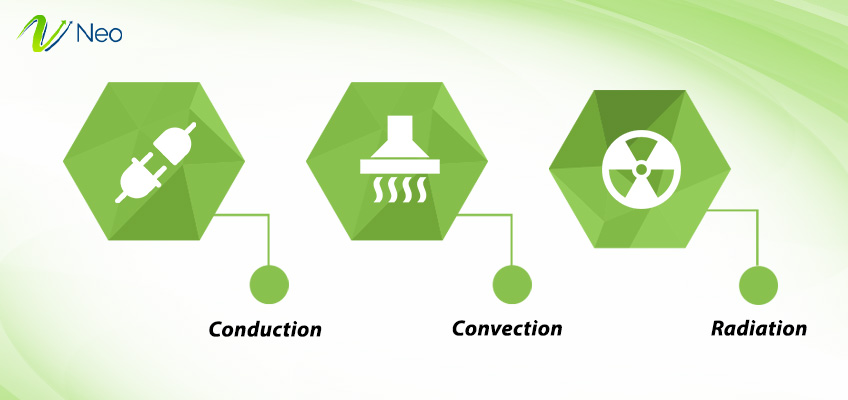
Building insulation work on the simple technique of minimizing heat loss in a cold climate and heat gain in a hot climate. In the first place, it creates a barrier and curtails the movement of heat through conduction, convection, and radiation between the different parts of a building like walls, ceilings, floors, etc., and the atmosphere. Thermal insulation creates small air pockets around the insulated material that act as deterrents against energy movement. In some cases, insulation material can also reflect radiant heat away or use other techniques for better thermal efficiency.

Let’s see how building insulation works and the techniques involved in impeding heat flow:

  • Conduction: Materials like fiberglass, mineral wool, foam board, etc. diminish the heat flow through conduction. In conduction, heat transfers from one medium to another through the physical contact of molecules. Here, insulating materials prevent heat flow by trapping air in small air pockets and creating a hindrance in direct contact between the molecules of the two surfaces. Materials create a barrier between the interior and exterior of a building.
  • Convection: In convection, heat moves from one medium to another with the movement of fluids or gases. When hot air rises above and cold air sinks down, it generates an air current where air moves from a warmer region to a colder region, carrying heat away. Building thermal insulation materials like cellulose fibers and fiberglass disrupts transfer of heat through convection. They fill up areas like wall cavities, attic spaces, and other areas where movement of air takes place and prevent any heat flow. It prevents the movement of air between the interiors and exteriors of a building.
  • Radiation: Radiation involves the transfer of heat without the involvement of any medium in the form of electromagnetic waves. When different parts of a building emit thermal radiation, materials like metallic foil-foam boards reflect radiant heat away from the building. The building thermal insulation acts as a barrier between radiant heat and the insulated surface and reduces heat gain. This method is very useful in areas with a hot climate. Certain insulating materials also have additional coatings for improved performance.

Thermal mass also plays an important factor in building insulation. Thermal mass is the ability of a material to absorb and store thermal energy. Material like concrete or adobe absorbs excessive heat during the day and radiates it out at night. However, it is less effective in comparison to other insulating materials.

Building thermal insulation works on different kinds of mechanisms to ensure effective thermal resistance and barricade heat transfer. In addition to this, thickness of material, density, climate, and specific insulation requirements also play an important role in the working of insulation materials.

Looking For Insulation For Your Building?

Building Insulation Types

There are different kinds of building insulation materials present each has its own unique characteristics, composition and advantages.

Here are different types of building thermal insulation materials:

1. Fiberglass Insulation Material

Fiberglass insulation material is known for its economical, effective, and versatile role. It is made up of glass fibers obtained from recycled glass materials. The fibers are bonded with one another using specialized (thermosetting) resin to build an efficient insulating material. Fiberglass is resistant to thermal conductivity because, as air is a poor conductor of heat, it traps air molecules within its matrix and creates small air pockets to diminish heat flow. Insulating material is widely opted for insulation in residential and commercial buildings and has a variety of advantages.

Characteristics of Fiberglass Insulation:

  • It is fire-resistant and does not require additional additives.
  • It is not useful in excessively hot climates.
  • It has R-value from R-2.8 to R-3.5.
  • It is non-combustible and does not melt.

Advantages of Fiberglass Insulation:

  • It has a high thermal resistance value (R-value).
  • It is a durable and versatile material and is easily cast into batts, rolls, sheets, and loose fills.
  • It is cost-effective and easy to install.
  • It prevents mold and mildew growth.
  • It is environment-friendly and sustainable.

2. Mineral Wool Insulation Material

Mineral Wool Insulation is divided into two types. One is rock wool; this material is obtained from minerals like basalt and diabase. The second type is slag wool, which is produced from blast furnace slag obtained from steel mills. The building insulation material is synthesized by melting different raw materials at high temperatures and fanning the molten minerals into fibers.

Characteristics of Mineral Wool Insulation:

  • It contains up to 75% of post-industrial recycled material.
  • It is a non-flammable material with fire-resistant qualities.
  • It has an R-value ranging from R-2.8 to R-3.5.
  • It does not melt, and it is non-combustible.

Advantages of Mineral Wool Insulation:

  • It is a chemically stable compound and does not degrade over time.
  • It can also be used as a sound-absorbing material because it has excellent sound-absorbing properties.
  • It offers high thermal resistance and reduces the transfer of heat through the walls, ceiling, and floors of a building.
  • It is a durable and flexible material that can be easily drawn into blankets (batts and rolls), loose-fill, blown-in, and fiber insulation.

3. Cellulose Insulation Material

Cellulose insulation is obtained from recycled paper, like newspapers. To manufacture insulating material, first paper is cut into very small pieces, and then, with the help of a chemical, it is fiberized.

Characteristics of Cellulose Insulation:

  • It is obtained by adding mineral borate or ammonium sulfate to natural materials to enhance resistance properties.
  • It is compact and, therefore, contains no oxygen within it.
  • It has thermal resistance (R-value) from R-3.1 to R-3.7.
  • It is suitable to minimize fire damage as it inhibits airflow between the surface and the surroundings.

Advantages of Cellulose Insulation:

  • It is suitable for both new and existing homes.
  • It offers high thermal resistance when placed in open attics or densely packed in cavities (present in walls and ceilings).
  • It is fire-retardant and has non-combustible properties.
  • It offers efficient air sealing and enhances the building’s air tightness.
  • It is environment-friendly as the material used is obtained from recycling (about 82–85%).

4. Polystyrene Insulation Material

Polystyrene insulation material is a product of synthetic and highly processed petrochemicals with fire resistant properties. It can be drawn into a variety of shapes and thicknesses, depending on the requirements. Polystyrene is a colorless and transparent material, and it is used in rigid foam to provide stability.

There are three kinds of polystyrene insulation:

  • Molded Expanded Polystyrene (MEPS): It is a versatile material that offers high resistance against moisture and heat. Material can be used as foam boards and small foam beads.
  • Expanded Polystyrene (EPS): It is a lightweight, durable, and strong material suitable for thermal insulation in buildings. It can be easily molded into boards, blocks, or any other shape.
  • Extruded Polystyrene (XPS): It has high compressive strength and offers strong resistance against heat movement. It is suitable for low-grade roofing, wall, and ceiling insulation.

Characteristics of Polystyrene Insulation:

  • It is available in loose-fill form, concrete block, insulating concrete form, structural insulating panel, and foam board.
  • Expanded Polystyrene (EPS) has a thermal resistance (R-value) of R-4, and XEP has an R-value of R-5.5.
  • It is prone to thermal drifting and aging.
  • It uses material that can accumulate static electricity.

Advantages of Polystyrene Insulation:

  • It has excellent waterproof properties.
  • It is durable and lightweight.
  • It is suitable for both sound and thermal insulation.
  • It is easy to install.

5. Natural Insulation Materials

Natural insulation includes different kinds of insulating materials like cotton, sheep’s wool, straw, hemp, and other natural materials.

  • Cotton: The cotton insulation material is comprised of recycled cotton and plastic fibers. Out of 100%, 85% is recycled cotton, and the rest, 15%, is fiber. The ingredients in cotton insulation are treated with borate to make them resistant to heat transfer.
  • Sheep’s Wool: To add insulation properties to sheep’s wool, it is treated with borate. This treatment with the chemical offers it resistance against fire, pests, and mold. The thermal resistance of sheep’s wool is R-13 and R-19, depending on the different sizes available.
  • Straw: For creating insulating material, straw is placed between the layers of Kraft paper on each side. The panels are produced without adding any adhesive, and they are usually 2 to 4 inches thick.
  • Hemp: It does not have any special insulation properties. However, its R-value is equivalent to that of fibrous insulation material.

Characteristics of Natural Insulation:

  • It is obtained from renewable sources like plants, minerals, and animals.
  • It has low embodied energy in comparison to other synthetic insulations.
  • It is a non-toxic material and does not emit any harmful gases.
  • It has a high thermal mass and stores a high volume of heat.

Advantages of Natural Insulation:

  • It has high breathability, which helps it maintain indoor humidity levels.
  • It offers high sound and thermal resistance.
  • It is made up of biodegradable materials and is environment-friendly.
  • It is non-toxic and suitable for residential building insulation.
  • It offers pest resistance against rodents and insects.

6. Polyurethane Insulation Material

Polyurethane, also known as PU, is a multifaceted material with high thermal resistivity. The material provides excellent protection against heat transfer between the interior and exterior of a building. Polyurethane is available in two forms, closed-cell foam and open-cell foam. The closed-cell foam consists of high-density molecules filled with non-HCFC gas; this allows the foam to expand properly and enhances its thermal resistivity. The open-cell foams do not have high-density molecules and are only filled with air. The spongy texture of open-cell foams is due to the air present in the material. Other varieties of polyurethane use carbon dioxide gas.

Characteristics of Polyurethane Insulation:

  • It contains gas with low conductivity in its molecules.
  • It has an R-value of R-6.3 per inch.
  • It can be used with a layer of foil and plastic facing to strengthen its longevity.
  • It is available in liquid sprayed foam and rigid foam board.

Advantages of Polyurethane Insulation:

  • It is a multifaceted material available in rigid foam board, spray foam and foam panels.
  • It offers an effective air barrier against heat transfer.
  • It has high compressive strength and durability.
  • It contains good adhesive properties, allowing it to bond tightly with any kind of substrate.
  • It is suitable for both sound and thermal resistivity.

7. Polyisocyanurate Insulation Material

Polyisocyanurate, also known as polyiso, is a thermoset plastic with a closed-cell molecular structure. Many properties of polyiso match those of polyurethane. The material consists of hydrochlorofluorocarbon-free gases to provide it with a foamed structure. Polyiso is prone to thermal drift and aging (with time, gases with low conductivity escape out and the place left is filled by air; this is known as thermal drift). This is the reason why foil and plastic facings are applied to strengthen materials’ life and durability.

Characteristics of Polyisocyanurate:

  • It is available in foam board/rigid foam, sprayed foam, laminated insulation panels, and structural insulated panels.
  • It has great compatibility with roofing systems, including built-up roofs, single-ply membranes, and modified bitumen systems.
  • It is a fire-resistant material that contributes to safety against fire damage.
  • It has a closed-cell structure that offers high thermal resistivity.

Advantages of Polyisocyanurate:

  • It is lightweight and durable. Makes it easy to install.
  • It is a versatile material and is used in a variety of places, like walls, roofs, ceilings, and floors, for thermal insulation.
  • It provides resistance against moisture.
  • It has a high compressive strength.

Other Types of Building Thermal Insulation

Cementitious Foam:

As it is clear from the name, the main ingredient of this insulation material is cement. The insulation material has non-toxic and fire-resistant properties, which makes it a good fit for building thermal insulation. It is manufactured from the minerals that are extracted from the seawater. The properties of cementitious foam are similar to those of polyurethane foam.

Phenolic Foam:

Phenolic foam is an insulating material that uses air for insulation purposes. The material is now available as “foamed-in-place” in the market. Air is the main ingredient that serves as a foaming agent in the material. It shrinks up to 2% after curing, which makes it unpopular as an insulating material.

Schedule Your Building’s Insulation With Neo Thermal

What is the R Value of Building Insulation?

The “R-value” of building insulation refers to its thermal resistance. It measures the ability of the insulation material to resist the flow of heat. The higher the R-value, the greater the insulating effectiveness. R-values can vary depending on the type and thickness of insulation material used. For example, fiberglass insulation typically has an R-value ranging from R-11 to R-38 per inch of thickness, while other materials like spray foam insulation can have higher R-values per inch. It’s essential to consider the R-value when selecting insulation to ensure it meets the energy efficiency requirements of a building.

Benefits of Building Insulation

Benefits of Building Insulation

There are a variety of benefits of building insulation:

  • Improved Energy Efficiency: The first and foremost important benefit of a building thermal insulation materials is enhanced thermal resistance, which results in improved energy efficiency. Thermal insulation helps maintain indoor temperature and curtails excessive load on other electronic appliances by diminishing heat gain and heat loss in summers and winters, respectively. It leads to lower utility costs and energy consumption.
  • Saves Money: Unwarranted expenditure on energy always results in money loss. For reducing energy costs and unnecessary spending, building thermal insulation is the best deal. By providing an extra layer of protection against heat loss, thermal insulation will save you money on energy expenses.
  • Comfortable living space: It is a fact that residential buildings that are properly insulated will offer a more comfortable living space than those that are not. Insulation protects from fluctuating indoor temperatures, drafts, uneasy spots, and money loss. It offers a happy living space.
  • Protection against loss: Insulation materials provide extra strength and life to the building structure. It creates a layer of defense around building materials and prevents structural degradation. Protection against fire, moisture, and condensation improves the life of building materials.
  • Improve Air Quality: Building thermal insulation material restricts the infiltration of outdoor dust particles and pollutants. It insulates indoors from any contamination and offers cleaner and healthier air to breathe.
  • Increase Property’s Value: A building with high-quality insulation has more market value than a non-insulated one. Insulation offers high thermal and energy efficiency, which attracts potential buyers as it saves them money in the future. Insulation also offers lower utility costs, enhanced comfort, and a sustainable lifestyle.

How to Insulate a Building?

Building Insulation installation is simple; all it requires is proper attention and the right technique to ensure the best performance. Here are the steps you need to follow if you want to attain effective coverage:

  • Before beginning insulation installation, analysing the building’s insulation requirements and preparing an extensive plan is essential. Pay attention to overall size, areas to cover under insulation, climate, personal requirements, and material suitable for insulation.
  • It is important to prepare the site where installation is going to be done. Make sure the area does not contain any dirt, debris, or contamination for optimal thermal efficiency. If it is not, first clean the place and secure the work area.
  • Based on the analysis done in the first step, choose the right insulation material. Select the material according to your needs, climate, and budget. There are a variety of materials available, like fiberglass, cellulose, mineral wool, polystyrene, and natural materials like cotton, sheep’s wool, straw, etc.
  • Take the proper measurement of the area where building insulation material is going to be installed like walls, ceilings, floors, etc. After taking proper measurements, cut the material according to the measured dimensions. Proper measurement ensures effective coverage of the area and the best outcome.
  • It is important to install building thermal insulation material according to the industry’s best practices by following the manufacturer’s instructions. Ensure placing insulation material between wall studs, ceiling joists, cavities, and gaps on the surfaces and spaces available in attics.
  • Additionally, pay attention to air and moisture leakages that hamper the efficiency of the insulating material and the life of the building material. Apply air sealant and moisture-resistant materials around the insulated area.
  • Assure that insulation installation must sync with other building systems like HVAC ducts, electric wiring, fire alarm systems, and other important systems. This helps in the prevention of excessive heat loss and heat gain and boosts insulation’s performance.
  • Ensure to pay attention to insulation installation guidelines, follow them by heart, take proper quality control measures, and pay attention to proper installation techniques. After installation, a proper inspection must be done to detect any gaps, leakages, or other issues that may affect the thermal insulation.

Points to remember:

  • Before applying insulation, it is wise to check the current status of the insulation installation in your building. In some cases, it may be present, but it may get removed because of some electric or construction work. In these cases, you do not need to do any new installation; place it properly.
  • If you find any difficulty in installing building thermal insulation, then you must approach the professionals. They will help you with the right insulation solutions and quality work for optimum thermal efficiency.

Proper building thermal insulation installation will not only enhance your energy proficiency but also lead to saving money and energy. It will reduce the extra pressure on your heating and cooling electronic appliances and contribute to more pleasant and stable interior temperatures. You can achieve sustainable environmental goals.

Conclusion

Building Insulation materials are the need of the hour. In this modern era, when humankind requires sustainable and environment-friendly solutions, building thermal insulation materials equips humankind with healthier and more efficient thermal measures. The building thermal insulation not only enhances your comfort level but also offers resilient and sustainable insulation options.

In this article, we provide you with in-depth knowledge of building insulation its materials, types, what they are, and the benefits of installing them. This article helps you make an informed and judicious decision when it comes to insulation.

Frequently Asked Questions (FAQ’s)

1. What Materials Are Used for Insulation in Buildings?

There are a variety of building thermal insulation materials available. Each material has its own properties and thermal resistance. Here are the materials:

  • Fiberglass
  • Mineral Wool
  • Cellulose
  • Polyurethane
  • Polyisocyanurate
  • Natural materials like cotton, wool, etc.

2. How To Insulate a Building?

Building insulation process requires proper technique and attention. In this article, we discuss steps to be followed and points to remember while insulating a building.

3. How Can We Construct a Building with Low-Cost Insulation?

For constructing a building with low-cost insulation:

  • Select affordable building insulation materials such as fiberglass, mineral wool, cellulose, etc.
  • Go for a DIY insulation layer and avoid any air leakage or gaps.
  • Search for the government’s incentives and rebates on building insulation installation.

4. What Is the Best Type of Building Thermal Insulation Materials?

There are various kinds of building thermal insulation materials available, such as fiberglass, mineral wool, cellulose, foam board, spray foam, polyurethane, polystyrene, polyisocyanurate, and natural materials like wool or cotton. You can opt for any of these according to your needs and budget. Each material has its own characteristics thermal resistivity (R-value).

Bubble Wrap Insulation(Benefits & Types)

Just like many other discoveries, an accident led to the discovery of bubble wrap insulation. When two engineers were sealing the two plastic curtains together, air got trapped between them, leading to the innovation named bubble wrap.

Bubble insulation is now one of the most effective ways to insulate residential and commercial buildings with low cost and high reliability. This material offers sustainable as well as environment-friendly solutions to those who are looking for affordable insulation.

In this article, we will cover every aspect related to bubble wrap. You will get to know, what is air bubble insulation, how it is made, the benefits of using it, the different types of bubble insulation and how to install the insulation.

What is Bubble Wrap Insulation?

What-is-Bubble-Wrap-Insulation

Air bubble insulation is a sustainable and environment-friendly solution for modern thermal insulation requirements. The insulation material is an amalgamation of reflective surfaces with and air bubbles present between the reflective layers. The air bubble acts as a thermal barrier that traps heat and prevents heat transfer through conduction and convention between an object and the surroundings. The air bubbles sandwiched between the layers create small air pockets that act as an insulator for thermal insulation.

Bubble wrap can be used both in summers and winters as it diminishes heat loss during winters and heat gain in summers. The R-value of bubble wrap insulation lies between R-3 and R-5 per inch, depending upon the thickness and composition of the material used in the process. In addition to this, it is lightweight, flexible, malleable, inexpensive and easy to install, making it a perfect fit for duct pipes, roofs, ceilings, walls, pole barns, crawl spaces, metal buildings, ware houses and freezers.

What makes bubble insulation a popular choice is its ability to offer energy-efficient solutions. It is efficient in controlling indoor temperature. It is convenient for use in commercial and residential spaces.

Bubble Insulation: How is it Made?

Air bubble insulation , commonly known as bubble wrap foil insulation, is made up of different types of insulation materials, like low-density polyethylene. In the process, plastic films are combined with the layers of air bubbles to create air pockets for thermal resistance.

Here are the steps to follow to make this insulation material:

  • Plastic films and air are the main components of bubble wrap insulation. A durable and flexible polymer (polyethylene) is used to manufacture plastic films.
  • Temperature has a very important role in the manufacturing process of bubble insulation. The process begins with the melting of polyethylene at a high temperature (around 450 degrees Celsius) to form a thin plastic film. The thickness of this film depends on the required insulation properties.
  • After the conversion of polyethylene pellets into plastic films, these films are passed through several rollers with small and heated pins. The pins are used to create small-size hemispherical holes for air bubbles to trap air within them. The whole process is done with the help of pressure applied on the plastic film.
  • After creating air bubbles in the plastic film with the help of pressure, the next step is to apply another layer of plastic film to add durability and flexibility. Thus sealing and creating air tight pockets of air. It increases the insulation properties of the material and curtails heat transfer.
  • To curtail material from expanding unnecessarily, the perforation process is done. Under this, extra air is removed from the material.
  • For enhancing performance and durability, when required, certain additives like flame retardants, UV stabilizers, reflective coatings, etc. are added to the insulation material.

In the last, the bubble insulation material is cut down into sheets of different sizes and rolled to make them suitable for transportation.

Benefits of Using Bubble Wrap Insulation

Benefits-of-Using-Bubble-Wrap-Insulation

There are various types of benefits to using foil bubble wrap insulation. It is a perfect fit for homeowners, commercial, and industrial establishments’ energy requirements:

  • Efficient Energy Usage: Bubble thermal insulation curtails heat loss and heat gain during the summer and winter climates, respectively, and helps in maintaining the desired indoor temperature. It helps energy appliances run efficiently and resist any unwarranted energy load on them without any extra cost. It leads to efficient energy use and lower bills.
  • Cut-Down Cost: In comparison to other insulating materials, bubble wrap insulation is not only less expensive but also requires a minimum cost for installation. It is one of the best options for those who have a restrained budget and are looking for reliable and thermally efficient insulation options.
  • Easy to Install: The material used in the manufacturing process of bubble wrap made it lightweight, flexible, durable, and easy to install. If one opts for the right installation technique and has all the required tools, one can easily install it. It can be cut into different sizes as needed without any difficulty. It is a perfect material for insulating wall insulation, ceilings, floors, crawl spaces, attics and underfloor insulation.
  • Resist Moisture: Bubble wrap insulation is anti-humid and increases the lifespan of building materials by preventing the accumulation of moisture inside and outside the insulated material. It also creates a barrier for condensation in cold climates, thus providing 360-degree protection.
  • Durable: The insulation material is resistant to wear and tear and offers long-lasting durability. It means that once applied, it will insulate materials for the long term.
  • Versatile: This is a versatile material and can be used for different purposes. It can also easily roll down into sheets of various sizes due to its flexibility. It is compatible with both residential and commercial building requirements.
  • Soundproof: It is a soundproof material. It is used to absorb and restrict sound transmission between the surface and the surroundings.
  • Environment-Friendly: Recycled material is used in the manufacturing of bubble wrap insulation to protect the environment. It restricts the use of hazardous materials and offers environment-friendly insulation options.

Make Your Home More Energy-Efficient With Bubble Wrap Insulation

Types of Air Bubble Insulation

Single Bubble Wrap Insulation

Single bubble wrap insulation is one of the most common insulations used for thermal efficiency. As its name suggests, the material consists of only one reflective surface with bubbles of about 3/8 inch in diameter. It creates small air pockets to reduce heat transfer between the surface and the surroundings. It is efficient when moderate insulation is required without any specific requirements. The single air bubble insulation is resistant to moisture and versatile in use.

Applications:

  • Use where moderate insulation is required.
  • Use in crawl spaces, handles and doors of garages.
  • Use as packaging material and as a protective covering for fragile items.

Advantages:

  • It is both cost-effective and affordable.
  • It is easy to install.
  • It offers resistance against moisture and UV radiation.
  • It is lightweight, durable, and flexible.

Double Bubble Wrap Insulation

Double bubble wrap insulation is a combination of two insulating layers of bubble wrap and reflective foil (commonly aluminum) that acts as a separating material between two bubble wrap layers. In this material, multiple air pockets are created between the layers, which increases thermal efficiency for better insulation. Double bubble wrap insulation is more effective than single bubble wrap.

Applications:

  • Use for walls, attics, and crawl spaces.
  • Use for underfloor insulation.
  • Use for ductwork and pipes
  • Use for greenhouses.
  • Use for shipping and packaging.

Advantages:

  • It enhances the thermal performance of the material several times.
  • It offers effective resistance against moisture and condensation.
  • It is easy to install and versatile.
  • It is lightweight, durable and flexible.

Reflective Bubble Insulation

Reflective bubble insulation is an amalgamation of bubble wrap and metallic foil to reduce radiant heat transfer. It consists of aluminum foil combined with layers of bubble wrap to enhance thermal efficiency and lower utility costs. It prevents heat transfer through conduction and convection between the insulated surface and the surroundings. Inside bubble wrap reflective insulation, bubble wrap layers are sandwiched between the metallic foil that curtails heat from penetrating interiors. These layers induce small air pockets that reduce heat transfer.

Applications:

  • Use for insulating roofs and attics.
  • Use in metal buildings where temperature fluctuation and condensation are important issues.
  • Use in radiant floor heating.
  • Use in transportation, such as transport trucks and cold-storage trucks.
  • Use in cold storage facilities.

Advantages:

  • It has a high thermal-resistance material.
  • It is lightweight, flexible, and durable
  • It is versatile and offers resistance against moisture and condensation.
  • It is easy to install.

Bubble Wrap with Foam

Bubble wrap with foam is a combination of bubble wrap and foam material like expanded polystyrene (EPS) or polyethylene. The extra layer of foam in the insulation material offers supplementary thermal efficiency and curtails heat transfer through conduction and convection. The material present in bubble wrap with foam insulation adds additional R-value and improves overall insulation efficiency. The foam material helps bubble wrap layers to create small air pockets that act as an insulator.

Applications:

  • Use to insulate walls and attics.
  • Use for underfloor insulation.
  • Use in packaging and shipping.
  • Use in providing cushioning and protection to fragile items.
  • Use in making thermal blankets.

Advantages:

  • It has good thermal performance.
  • It can act as a soundproofing material.
  • It is easy to install and versatile.
  • It is flexible, durable and moisture-resistant.

Bubble Wrap with Woven or Non-Woven Fabric

Bubble wrap with woven or non-woven fabric is an effective insulating material. The material is prepared by placing layers of bubble wrap material between the layers of woven and non-woven fabric, determining enhanced insulation ability and improved thermal resistance. The woven fabric is obtained from yarns and threads, while the non-woven fabric is made of artificial fibers. The woven or non-woven fabric in bubble wrap with woven or non-woven fabric insulation provides strength, flexibility, and durability to the material. It protects bubble wrap layers from any additional damage during installation.

Applications:

  • Use for exterior walls.
  • Use in metal buildings.
  • Use in shipping and packaging.
  • Use to insulate outdoor sheds.
  • Use to create thermal covers for outdoor furniture.
  • Use to make a protective layer for gardening tools.

Advantages:

  • It increases the durability and flexibility of a material.
  • It improves the tear resistance of a material.
  • It is a good soundproofing material.
  • It provides extra protection against dust particles.
  • It is a versatile material

Different Ways to Use Air Bubble Insulation?

Different-Ways-to-Use-Bubble-Wrap-Insulation

Bubble wrap insulation is one of the best insulating materials for enhanced energy efficiency and thermal insulation requirements in residential, commercial and industrial buildings.

Here are a variety of places where bubble wrap used as insulation:

  • Walls: Walls are the parts of a building from where maximum heat gain and heat loss take place; hence, it is necessary to insulate walls for economical energy bills; bubble wrap on walls and between wall studs helps reducing transfer of heat and maintains a desirable indoor temperature without excessive utility costs.
  • Attics: Insulating attics with bubble insulation is a better option than insulating them with traditional insulating materials. Attics are places where a large amount of heat escapes to the surroundings, resulting in energy loss. In winter, bubble wrap is used as insulation for insulating attic floors and between rafters.
  • Windows: Windows bubble wrap insulation is not only necessary but also desirable for your house’s thermal insulation efficiency. The windows are necessary for warmth and light; however, a large amount of heat escapes from them, ensuring energy loss. Window bubble wrap prevents heat loss and gain by creating small thermal buffer zones when used from inside; it enhances the energy efficiency of a building.
  • Crawl Space: Creating a thermal barrier between crawl spaces and their surroundings is necessary. Providing bubble wrap insulation around floor joists and between the ground and the space above prevents heat transfer of heat and increases overall insulation.
  • Pipes: Bubble wrap for pipe insulation is used to minimize the incidence of water freezing during cold climates. The bubble wrap protects pipes from unnecessary wear and tear and provides a long life.
  • Greenhouse: Bubble wrap insulation can be used to insulate the interior walls of greenhouses. It helps to trap the sun’s energy and maintain an optimal temperature for plant growth. The insulation provides additional benefits for better plant growth.
  • Packaging: Bubble wrap used as insulation to provide protection to fragile items like glass materials, electric appliances, and other precious items during shipping and storage. Bubble wrap has excellent cushioning properties and saves products from damage and loss.
  • Other Uses: You can employ bubble wrap in a variety of different places, like water tanks, dog- houses, water-heaters and various DIY projects for insulation. It has majestic properties that make it suitable for unconventional uses.

The above mentioned cases show how bubble wrap used as insulation for better insulation, thermal efficiency and comfort in daily life.

Upgrade Your Home Cozy and Save Energy With Bubble Wrap Insulation!

How to Install Bubble Insulation in Your Buildings

Bubble wrap installation in residential or commercial buildings will ameliorate overall thermal efficiency and result in improved energy savings.

Here is a guide on how to install it.

  • It is necessary to inspect and clean the surface before applying bubble wrap insulation. If any kind of debris, dust particles or any other substance is present on the surface, it will hamper the proficiency of the insulating material, thus leading to improper results.
  • Before applying insulation, gather the required tools for proper fitting. Materials like tape, scissors, a utility knife, adhesive spay and other essential tools must be kept ready.
  • Take the proper measurement of the area where insulation is going to be installed, like windows, attics, crawl spaces or any other place. Cut the bubble wrap to the proper size and measurement. Make sure that the insulating material covers the surface properly for effective results.
  • Be careful while placing bubble wrap insulating material on the surface of the object. Ensure that the insulation “droops” between points of attachment, and there must be 1 inch of air space between the insulated surface and the wrap.

After installing insulation, check for any uncovered gaps or any other fault. This may be the case when insulation is not done properly. Carefully find out the faults or gaps and seal them to ensure the best outcome.

Conclusion

Installing bubble wrap insulation will result in lower utility costs, consistent thermal efficiency, the desired indoor temperature and comfort. In this article, we discussed important aspects of bubble wrap and made you aware of its benefits and versatile usage.

Bubble insulation is a profitable solution for those who are looking for an affordable and sustainable thermal insulation solution. It is an efficient solution for residential, commercial, or industrial buildings. It not only results in the better thermal performance of a building but also reduces energy bills. Bubble wrap insulation offers long-term and environment-friendly benefits for thermal insulation needs.

Frequently Asked Questions

1. What type of material is bubble wrap insulation?

It is made up of plastic films such as polyethylene. There are also special type of bubble wrap insulation material which consists materials like aluminum foil, foam (made up of expanded polystyrene (EPS) or polyethylene), woven or non-woven fabric.

2. What is the R-value of bubble wrap?

The R-value of bubble wrap insulation depends upon various factors like thickness, material contents, and number of layers. For example, the R-value of 3/8 inch bubble wrap is close to 1.3; on the other hand, the R-value of 3/8 inch bubble wrap foam is 1.6. It is important to note that the higher the R-value, the higher the thermal resistance.

3. How thick is bubble wrap insulation?

It comes in different kinds of thicknesses. The thickness of the standard size insulation varies from 3/16 inch to 5/16 inch. However, there may be more variation in thickness than the standards mentioned, depending on the material used.

4. Is bubble wrap insulation good for windows?

Window bubble wrap insulation is very effective and offers great help in achieving thermal insulation efficiency. The bubble wrap, when put on windows, traps air in small pockets and curtails heat transfer between the window and the surroundings. In addition to this, the insulation is not only easy to install but also easy to remove when needed.

Reflective Insulation: A Comprehensive Guide

Unnecessary transfer of radiant heat is one of the major problems faced by contemporary constructions. This unwarranted heat transfer increases overall energy requirements and leads to higher utility costs. To curtail this unnecessary transfer of thermal radiation, reflective insulation comes into play. Whether it is a home, commercial building, or industrial establishment, reflective insulation can quench the thirst for thermal needs and enhance overall energy efficiency.

Reflective Insulation offers environment-friendly and sustainable solution for thermal insulation requirements. This energy-efficient method is designed to curtail heat transfer by reflecting radiant heat away from the surface. What makes this insulation method popular among consumers is its reliability and effectiveness which may restrict heat transfer by up to 95%.

With rising demand for energy efficiency, reflective insulation materials have come out as the one-stop solution for thermal insulation needs. By reflecting away the radiant heat, it restricts the movement of heat between the different surfaces of a building and the surroundings. It enhances the overall thermal efficiency of any construction and it is easy to insulate places with tight spaces like walls, attics, and roofs.

Before putting reflective insulation into action, it is imperative to understand what reflective insulation is, its different kinds, and how to install it properly for maximum thermal efficiency. We will help you in understanding the true potential and right use of reflective insulation.

What is Reflective Insulation?

What-is-Reflective-Insulation

Reflective insulation, as its name suggests provides a barricade against the transfer of radiant heat between the surface of the object and the surroundings. It reflects away the unwarranted radiant energy and brings down the unnecessary heat loss and gain (through the surface of an object) to a significant level. This, in turn, diminishes the extra energy requirements and lowers the utility costs.

To reflect away radiant heat effectively, reflective insulation materials comprise reflecting surface (aluminum foil or any other metallic foil) with high reflective properties, sandwiched between the two layers of low-conductivity material like polyethylene bubble wrap, foam, or air with the aid of modern lamination techniques or an adhesive. This overall arrangement comes out as a clear winner against thermal energy transfer, as it creates a successful barrier against radiant heat and restricts its movement between the surface and the surroundings.

In comparison to other insulating materials like fiberglass, foam, or mineral wool, the “E” value of reflective material is very low, making it more effective against heat transfer. With an “E” value of 0.03, reflective insulation is more competent than other insulating techniques. For extreme climates, it is one of the best methods for insulating an establishment for better thermal efficiency.

Reflective Insulation: How Does It Work?

Reflective insulation is one of the most valuable materials for sustainable thermal insulation solutions. The prime objective of the insulating material is to curtail heat transfer emitted in the form of electromagnetic waves between the object and its surroundings. It is not like traditional insulation techniques that focus on slowing down conductive heat transfer. In its true sense, it is a treasure for viable insulation practices.

Transfer of heat between an object and its surroundings takes place in three ways:

  • Conduction: When heat transfers from a hot object to its surroundings through physical contact, this is known as conduction. Here, thermal energy requires a medium (solid or fluid) to flow from a hot surface to cool. Example: transfer of heat from the hot exterior walls of a house to the interiors.
  • Convention: When air moves from high density to low density, convention takes place. Under this, the transfer of heat takes place with the help of physical air movement. When hot air rises, cool air rushes to take its place. Example: rising air from the chimneys of industrial plants and homes.
  • Radiation: When the transfer of heat takes place through space and a vacuum, it is known as radiation. Infrared rays move from one medium to another without the help of any medium or material. Example: the sun’s energy reaches the earth and is absorbed by the earth’s atmosphere.

Radiant barrier insulation manages the flow of radiant heat between the surface of an object and its surroundings. It uses highly reflective material, such as aluminum or any other metallic foil, to reflect away radiant heat when it strikes the reflective surface and prevents it from penetrating through the insulated surface.

Additionally, this insulation comprises a layer of air bubbles sandwiched between the layers of metallic foil (commonly, aluminum foil) to strengthen insulating properties or low-conductivity material to create a hindrance for heat transfer through conduction or convention.

Radiant barrier insulation works best when it is placed perpendicular to the radiant heat striking the surface. Furthermore, heat reflective sheets provides greater results when the temperature difference between the sides of the reflective material is higher.

Beat the Heat and Cold with Reflective Insulation

Types of Reflective Insulation Materials

There are different types of reflective insulation present to fulfill all kinds of application and installation prerequisites. The major types include:

Reflective Heat Insulation

Reflective Heat Insulation provides comprehensive protection against heat transfer between the surface of an object and the surroundings. It is specially designed to reflect away the radiant heat and to keep buildings cooler in hot temperatures. Materials like aluminum foil, when put together with foam, plastic, or fiberglass (low-conductivity material), offer resistance to thermal energy transfer. Ideal for hot climates, it helps reduce overall energy consumption by restricting heat movement between the object and the surroundings.

Advantages:

  • It lowers the energy consumption costs.
  • It is durable, lightweight and flexible suitable for installation in attics, walls and ceilings.
  • Helps in maintaining suitable indoor temperature in hot climates.

Reflective Insulation Roof

A reflective Insulation Roof is the best fit for restricting radiant heat from entering the indoors of a building through roofs. Suitable for hot climates, it curtails the transfer of heat between the roof of a building and its surroundings and helps in reducing energy consumption by air conditioners. In places where roofs are unprotected from direct sunlight, it becomes beneficial when it is put under the roof sheathing or between the roof columns for maintaining desirable indoor temperature.

Advantages:

  • It helps block harmful ultraviolet rays from entering the building.
  • It improves overall thermal energy efficiency.
  • It protects the roofs, increasing their lifespan.

Reflective Insulation Bubble Wrap

Reflective Insulation Bubble Wrap consists of bubbles of air or any other material sandwiched between the two layers of reflective materials (metallic foil). Due to its composition, it not only resists the transfer of heat between the surface of an object and the surroundings but also protects against moisture. Its flexibility and durability make it a fit for insulating crawl spaces, attics, walls and roofs. It is easy to install and provides all-round protection from radiant heat transfer and moisture.

Advantages:

    It is flexible and durable, making it the right material for insulating irregular surfaces with tight space.

  • It provides resistance against moisture.
  • It is very easy to install and maintain.

Protect your Home from Temperature Extremes with Reflective Insulation

How to Use Reflective Insulation?

How-to-Use-Reflective-Insulation

Reflective insulation increases energy efficiency and fulfills thermal requirements with low operating and installation costs. It offers structural stability and sustainability.

  • Determine the area: Before applying reflective insulation, determine the area of your commercial, industrial, or residential building for potent radiant heat reflection like attics, roofs, walls, HAVC ducts, etc.
  • Measurement and Material: Do a thorough assessment of the required area where the radiant heat barrier is going to be installed. This thorough assessment will help in procuring the right quantity of material for the best output.
  • Clean the surface: It is necessary to clean the surface minutely before putting in insulation material. Make sure to dry, clean, and remove any kind of obstruction, containment, or dust particles for optimal adhesion and results.
  • Follow technique: Proper installation techniques must be followed to mitigate radiant heat transfer between the surface and surroundings. Precision in cutting the material, fitting, and covering the required surface is essential.
  • Proper Fixation: It is important to imply proper fixation methods for the firm affixing of insulation material to the surface. Use staples, nails, and adhesive properly to avoid any gaps and misalignments that hamper effectiveness.
  • Seal and Integrate: Proper sealing and integration methods should be followed to create a perfect barrier against radiant heat. Every joint, gap, seam, and edge must be properly covered using insulation tapes or other compatible materials.

Apart from the above-mentioned steps, it is necessary to accurately determine the climate and environmental conditions of the area where reflective insulation is going to be installed. Regions where the temperature is high and the climate is hot have this insulation that curtails heat gain by reflecting radiant heat away from the surface. On the contrary, in cold climates with low temperatures, thermal insulation prevents radiant heat loss from inside to improve thermal efficiency and reduce heat loss.

Additionally, put a vapor barrier before placing insulating material on the surface in a climate of high humidity. The vapor barrier stops moisture accumulation on the insulated surface. Humidity in the air creates a hindrance to effective thermal insulation.

Don’t let heat or cold disrupt your comfort Install Reflective Insulation Now

Where to Use Reflective Insulation?

Where-to-Use-Reflective-Insulation

Thermal reflective insulation has a variety of applications, from attics to walls, as well as floors and HVAC ducts. This insulation material offers versatile solutions. It is efficiently used in residential, commercial, and industrial buildings to create a blockade against radiant heat transfer and reduce energy consumption. It is lightweight, flexible, and easy to install, making it a sustainable solution for thermal insulation requirements.

It can be judiciously used in various places to increase thermal efficiency:

  • Attics: The attic in our home is the place that is in direct contact with the outside. This insulation creates a blockade and prevents radiant heat from entering during the summer and escaping during the winter.
  • Walls: reflective thermal insulation can be easily used on walls as well. It is important to cover walls because a large amount of heat escapes through walls. It helps you attain desired thermal insulation and control temperature fluctuations, saving you money on monthly bills.
  • Ceilings: Uncovered ceilings can become a black sheep, helping heat escape rooms faster than you think. It is highly advisable to insulate ceilings with thermal reflective insulation material to maintain a consistent temperature.
  • Floors: A lot of heat is lost through the floor. If you overlook this area, it will cost a very high price. Floor insulation is essential not only to get the desired temperature but also to reduce energy consumption costs.
  • Metal buildings: It is really important to insulate metal buildings like warehouses, barns, and other industrial facilities to curtail radiant heat transfer and maintain temperatures.
  • HVAC Ducts: In many cases, HVAC ducts become an easy path for heat energy loss and gain during the air distribution process. Insulating HVAC ducts ensures efficient heating and cooling, which leads to less energy consumption and lower utility costs.
  • Storage Areas: In certain industrial establishments, it is necessary to maintain temperature and protect materials from heat fluctuation. Reflective insulation is one of the best ways to protect these temperature-sensitive products.

How to Install Reflective Insulation?

It is easy to install reflective insulation, all you require is the right technique and precision. The mentioned steps will help you obtain optimal efficiency and performance.

1. Identify and Clean the Place

It is very important to identify the right place for installing reflective insulation. Check out the building and find the place where installing insulation will lead to maximum results. Clean that area, and remove dust, dirt, or any other impurity present on the surface. Cleanliness is essential for better adhesion and operational efficiency.

2. Do the Right Measurement.

After cleaning the surface, the next step is to measure the total area. Measure the required area precisely, the right measurement will lead to minimal material waste and ensure that insulation material fits in the place properly.

3. Cut Down the Material According to the Measurement.

Make sure that you will cut down the insulating material in the proper measurements you have taken. For smooth cutting of the material, use a sharp knife or scissors. Remember right and clean cut is necessary for the proper fitting of the reflective insulation.

4. Place the Insulation Material Meticulously.

Place the reflective insulation material with precision over the surface. Ensure to put the reflective side towards the heat source while placing the material. For example, if you place insulation material in attics, put the reflective side facing downwards to the living space to restrict the movement of the radiant heat.

5. Fix the Insulation Material Properly.

Use adhesive, nails, or staples to properly place the insulating material over the insulating surface (depending upon the type of surface material). For example, if the insulating surface is made up of wood or has metal framing, then nails and staples will work fine. However, for insulating surfaces like concrete or other materials, adhesive can be the right choice for operational effectiveness.

6. Secure the Seams and Edges.

It is essential to accurately seal the edges and seams (if any are present) of an insulating material. If any gap remains present it will lead to continuous heat transfer and hamper the overall thermal efficiency. To ensure proper sealing use foil tapes on the edges and seams.

7. Inspect the Area After Installing Reflective Insulation Material.

Once installation is done do not forget to inspect the whole area. Assure that no gaps or uncovered areas are present. If you find any loose area immediately fix it and re-secure the insulating surface for perfect fit.
The proper installation of reflective insulation material is necessary. It will not only reduce costs on energy consumption but also provide longer life to the building material by protecting it from unwarranted damage and deterioration.

Conclusion

When it comes to thermal energy requirements, reflective insulation is standing at the podium. It offers not only environment-friendly but sustainable solutions to modern building thermal insulation needs and practices. To get the best results out of this contemporary insulation method it is essential to understand what is it and its different types. Additionally, proper installation of the material is crucial. To make an informed decision it is imperative to understand the reflective insulation technique.

FAQ

1. Is Reflective Insulation Good for Walls?

Reflective Insulation is good for walls. It restricts the movement of the radiant heat between the indoors and the surroundings leading to overall energy efficiency and reduction in electric utility costs. It is one of the best methods to satisfy modern thermal requirements.

2. How Thick is Reflective Insulation?

The thickness of reflective insulation material lies between 3/16 inch and 1 inch. The thickness of the reflective insulation is primarily based on the material used. For example, reflective insulation bubble wrap is thin when compared with other insulation materials. However, more thickness means better insulation and thermal efficiency.

3. How Long does Reflective Insulation last?

The life of a reflective insulation material lasts between 10 to 50 years. Factors like material, quality, and environmental conditions also play vital roles in deciding the life of a reflective insulating material.

4. Does Reflective Insulation Require Maintenance?

The best part about reflective insulation is, that it requires minimal maintenance and holds high durability. After you install it properly, it does not ask for any special maintenance. However, it is necessary to regularly inspect the insulating surface for unwarranted wear and tears, moisture build-up, dust, and dirt.

5. Is reflective insulation Good for Winter?

The reflective insulation is good for winter, as it helps in curtailing the movement of heat from inside to outside. It helps in maintaining indoor temperature reducing dependence on electric appliances.

6. What is the R-value of Reflective Insulation?

The R-value of the reflective insulation depends upon a variety of factors. The range varies between R-1 to R-7. Different R-value represents different degree of thermal performance.

7. What is Reflective Insulation Used for?

Reflective insulation curtails the radiant heat transfer between the insulating surface and the surroundings. It helps in maintaining the thermal efficiency of a building and reduces excessive energy use.

What is Industrial Insulation?(Meaning, Benefits, Applications & Materials)

Nowadays industrial insulation is commonly practiced in the industrial sector via which companies and factories can save energy in multiple domains and sub-domains like manufacturing, power generation, oil refining, etc. Hence, be it food processing, power generation or stabilizing and controlling process temperatures, thermal insulation solutions play a critical role in the modern industrial space

Insulation is not a new phenomenon as in ancient times mud was one of the largely used industrial thermal insulation materials known for its cooling properties for building homes. People used to put straw and mud between logs to insulate their houses.

Over the years, insulation has evolved extensively and nowadays we use a variety of industrial insulation materials ranging from bulky fiber materials such as cellulose and fiberglass to sleek foils to rigid foam boards, etc. Every material has its unique properties and usage. That’s the reason the insulation industries market is so humongous as it has something valuable to offer to everyone.

To cut a long story short, a business can avail of insulation services from any of the trusted industrial insulation suppliers and manufacturers to save energy and cost and create a safe and pollution-free environment for its workforce.

Industrial Insulation: An Overview

Industrial Insulation

Industrial Insulation in simple words is used to control or regularize temperature. It is used around the globe in power generation plants, refineries, and manufacturing units. When a building is constructed, factors such as global warming and limited energy resources must be considered. The focus should be on constructing buildings that are energy efficient.

Thermal insulation is one such way that can optimize the use of available resources to save and conserve energy. Insulation is a great way to save more than half of the energy to provide good and stable interior conditions.

The thermal insulation industry is making millions by installing effective insulation systems within organizations to protect and safeguard the internal environment. Insulation industries use modern insulating materials that have the characteristic to control and maintain any building’s internal environmental conditions by minimizing its operational energy load.

Protect Your Equipment and Workforce with Premium Industrial Insulation.

Applications of Industrial Insulation

Pipe insulation

NEO Thermal Industrial Pipe Insulation Solutions are the ideal choice when it comes to addressing issues like providing thermal and sound insulation or protecting from fire with the help of a single product. They are the perfect choice for a full range of applications and temperature changes.

Tank and Vessels Insulation

Industrial Storage Tanks and Vessels are available in a wide range of shapes, sizes and temperatures. The type depends on the needs of the process; however, one common thing is the need for effective insulation that meets all process requirements to ultimately protect personnel from uneven temperatures and surfaces.

Industrial Ovens and Kilns

An industrial oven is a device used for creating high temperatures to condition metals, heat treat parts, and cure metal coatings. The Kiln is also a high-temperature thermal processing device used specifically when there is a need to burn or harden any sample. Neo Thermal has years of experience in installing Industrial ovens and kilns in various industries.

Acoustic Insulation

Acoustic Insulation greatly helps protect occupants from noise pollution so that one can feel a sense of comfort and privacy. It is typically designed to minimize the noise transfer inside and outside your home or office.

Chimney Insulation

Thermal Insulation of Industrial Chimneys is a great way if one wants to prevent corrosion of the internal steel channels. With Neo Thermal Industrial Chimneys, you get quality-driven products at affordable prices for your office and residential spaces.

HVAC System

Cellulose, rock wool, spray foam and fiberglass are the most common types of HVAC Insulation. Each type has its own benefits and limitations, for example, the property to resist fire and thermal insulation.

Equipment Insulation

With sustainable and eco-friendly equipment insulation solutions of Neo Thermal, you can incorporate effective thermal performance to save energy and increase efficiency. They aim to offer top-notch equipment installation services for acoustic performance.

Boiler Insulation

Neo Thermal offers budget-friendly insulation services for boilers to be used in various industries. The best part is that the task of installation is performed by our experienced professionals who are well-versed in their craft.

Reduce Heat Loss and Improve Workplace Comfort with Industrial Insulation Solutions.

Benefits of Industrial Insulation

Benefits of Industrial Insulation

It is impossible not to talk about the plethora of benefits Industrial Insulation has to offer in the areas of chemical processing, manufacturing, or other industrial-specific applications. So, let’s go through some of the major benefits and analyse how the Industrial Thermal Insulation Market is driven by that:

Minimum Operational Cost

A well-insulated environment is the seed of low operational cost. As the environment is suitable for the workforce, it performs at an optimum level regardless of the shift timings. Therefore, the insulation industry market can highly benefit in terms of operational cost control.

Energy Saving

Another mind-blowing benefit of Industrial Building Insulation is the fact that it helps in saving energy to a whole new level. Good insulation helps minimize heating and cooling costs resulting in saving valuable energy resources.

Safe and pleasant Working Environment

We all agree that human resources is the most important asset for any company. Industrial building insulation helps create an environment that is free from all sorts of negative effects of uncontrolled temperatures and industrial processes.

Condensation Control

Excess condensation can be controlled if pipes and vessels are properly insulated. If you can eliminate drastic temperature fluctuations then you can avoid potential damage to your sensitive mechanical or electrical components.

Sound Proof Systems

Unnecessary noises and disturbances always hamper the productivity of the workforce. This is due to thin walls or structures that cannot stop the penetration of noises from one room to another. Industrial building solutions can also help in such a scenario by installing systems to integrate effective sound control.

Common Types of Industrial Insulation Materials

Here is the list of the most commonly used Industrial Insulation Materials

Fiberglass Blanket

Talking about the types of Industrial Insulation, the most widely used is Fiberglass Blanket. Also known as batt or roll insulation, a fiberglass blanket is built with layers with an outer shell of paper or cardboard. The insulation material is mostly applied between joists and beams.

Fiberglass Board

Fiberglass Board is one of the most common industrial insulation types which is used widely in industries such as warehouses and factories. A combination of resin with fiberglass creates a rigid insulation panel. As far as the application is concerned, fiberglass board is typically used for insulating HVAC ductwork.

Rockwool

Third on the list of Insulation Materials is Rock wool. Rock wool is prepared from minerals (diabase, or basalt) that are melted and spun into fibers. The highlights of Rock wool include its high durability, fire retardant nature, and resistant property to mold and mildew. It is used in hot water tanks and pipes.

Spray Foam

One of the most widely used Industrial Insulation Materials to reduce noise is Spray Foam. Foam insulation acts as a barrier to airborne sounds, hence reducing airborne sound transfers through different structures. It’s an alternative to fiberglass and is made by mixing two materials – isocyanate and polyol resin.

Loose Fill Insulation

The ability to conform to any space without disturbing structures or finishes make Loose Fill Solution an ideal fit for retrofits and locations where installing other sorts of insulation would be difficult. “Loose Fill Insulation” is available as either fiberglass pellets or cellulose and can fill small or inaccessible spaces.

How to Install Industrial Insulation?

Installing industrial insulation typically involves several steps to ensure proper coverage and effectiveness. Here’s a rundown on how to do it right:

Step 1 – Check Your Industrial Space

First things first, take a good look around your industrial area. Figure out where you need insulation, spots where heat might be sneaking in or out, and if there are any spots that need fixing up.

Step 2 – Pick Your Suitable Insulation Material

Choosing the right insulation material is crucial for the success of your insulation project. Think about how hot or cold it gets in the space, if there’s any moisture to deal with, and what fits your budget. There are different types like fiberglass, mineral wool, foam board, and reflective insulation, so pick what suits your needs best.

Step 3 – Get Necessary Materials and Tools

Before you start, make sure you’ve got everything you need. Grab your insulation, any barriers you need, adhesive, safety gear and tools like knives or scissors. Having it all ready saves time later.

Step 4 – Prep Your Industrial Area

Clean up your area before you get started. Make sure it’s dry, tidy and there’s nothing in the way. Fix up any leaks or gaps to keep the air where it should be. If moisture’s an issue, you might need a vapor barrier to keep things dry.

Step 5 – Insulating Pipes, Ducts, and Industrial Equipment

Now it’s time to get insulating! Proceed with insulating essential components such as pipes, ducts, and industrial equipment within your facility. Utilize insulation materials specifically designed for these applications, considering factors like temperature fluctuations and exposure to chemicals or harsh environments. Wrap pipes and ducts snugly with insulation, ensuring complete coverage and minimal heat loss or gain during operation. Pay close attention to intricate areas and connections to prevent thermal bridging and maintain insulation integrity. Properly insulating pipes, ducts, and industrial equipment is crucial for optimizing energy efficiency, preventing condensation and ensuring the reliable operation of your industrial processes.

Step 6 – Regular Maintenance and Monitoring

Once you’re done, don’t forget about your insulation. Check on it regularly to make sure it’s holding up. If you spot any problems, fix them up or let you thermal insulation provider fix it fast to keep your place comfy and efficient.

Follow these steps, and you’ll have your industrial insulation sorted, making your space more comfortable and saving energy along the way.

Why Buy Industrial Insulation from Neo Thermal?

Neo Thermal Insulation is ranked among the top Industrial Insulation Companies in India and is known for providing tailor-made and cost-effective thermal insulation solutions. We at Neo Thermal believe in revamping business spaces with our energy-saving thermal insulation materials and devices.

We are one of the leading Insulation Suppliers in India. Our services cater to a wide range of industrial sectors like manufacturing units, warehouses, commercial and residential properties, health and fitness centers, malls and a lot more.

Our wide range of services includes thermal insulation installation services for roofs, complete building insulation, ceiling insulation, floor insulation, Aluminum foil insulation, thermal insulation wall installation, and many more.

In simple words, we offer all sorts of energy-efficient industrial insulation services for optimum thermal performance. Contact us and get the best thermal insulation services suitable according to your geographical location and property structure.

Conclusion

In the end, let us all agree that Industrial Insulation is greatly helpful when it comes to creating a pleasant and workaholic environment. This is because you can maintain and regularize temperatures in the best possible manner. As this is a serious job, you need the assistance from an expert. We at NEO Thermal Insulation have experts who can install effective thermal insulation systems in your company to give you the desired results.

As far as this article is concerned, we have tried our best to give you insights into the thermal insulation industry and how you can make it work for you. By availing of Industrial Thermal Insulation Services, you can get a lot of benefits, for example, your electricity bill can be lowered, you can save natural resources and of course, you can save energy.

Frequently Asked Questions (FAQ’s)

1. What is the best industrial insulation?

The best industrial insulation depends on the place you’re adding it, the desired R-value, and your overall budget. In general, Fiberglass insulation is the best insulation as it provides great thermal resistance and is non-inflammable. Hence, it is considered the safest in terms of usage in industrial facilities.

2. How does industrial insulation contribute to energy efficiency?

It helps in reducing heating and cooling costs and protecting your facility from heat loss. Building envelope insulation helps in maintaining a stable temperature throughout the facility. Secondly, it protects your building from losing heat so that it becomes more energy efficient.

3. Why are Insulation Industries Important?

There are many reasons why insulation is very important but the most important reason would be that there is a huge amount of loss in terms of the indoor heat through the ceiling and insulation helps in protecting that. Installing insulation in your homes and office spaces helps provide resistance to heat flow and lowers your cooling and heating costs. Hence, your overall comfort is enhanced.

4. Which are the best industrial insulation Suppliers in India?

Neo Thermal Insulation is among the top manufacturers and suppliers of insulation materials in India. They are the pioneers of the insulation industry and are ranked among the top industrial insulation companies in India. They work to bring comfort to your homes and workplaces by providing premium quality thermal insulation materials at highly affordable prices.

Talk to us?

Download Brochure