Category: Bubble Insulation

Aluminium Foil Thermal Insulation Material

Are you tired of spending so much on electronic appliances to keep the house temperature balanced? You are not the only one.

Nowadays, the weather is worsening, and summer and winter seasons are at their peak. So, it is becoming hard to adjust to indoor temperatures.

What If I told you that you can reduce your electricity bills and have a natural temperature level in your home during seasons?

This is where aluminium foil thermal insulation material comes in. This lightweight, affordable material is becoming popular for homeowners, businesses and industrial spaces. It naturally keeps your space cool in summer and warm in winter.

However, many people didn’t know about the potential of aluminium foil insulation and its advantages.

This article will cover everything about aluminium foil insulation, its advantages, uses, forms and how to install it.

What is Aluminium Foil Thermal Insulation Material?

Aluminium foil insulation material is used to keep heat in or out of a space. It is made from thin sheets of aluminium that reflect heat away and reduce heat flow. It is an excellent choice for buildings and heating/cooling systems.

This insulation is made from thin aluminium sheets. Some versions have air bubbles or other materials to improve their heat-blocking ability. It can bounce away up to 97% of the heat. It also helps to keep your home cool in summer and warm in winter.

Keep your space cool in summer and warm in winter. Choose aluminium foil insulation now

Benefits of Using Aluminium Foil Thermal Insulation Material

Here are some key benefits of using aluminium foil for thermal insulation:

High Reflectivity and Low Emissivity

Aluminium foil reflects almost all the heat back. It prevents heat from entering your home during summer and warm during winter. It maintains the temperature in your region at a stable level.

Energy Efficiency and Cost Savings

Aluminium foil stops heat. So, your heating and cooling systems would not have to work. This reduces energy usage. It saves you money by paying less for your electricity. In the long run, you save money through less energy for comfort.

Lightweight and Easy Installation

Aluminium foil is simple to handle and is light. It is simple to fit, even in tight spaces, and is not bulky to transport. It is perfect for DIY use, simple to apply and saves money and time.

Resistance to Moisture, Corrosion

Aluminium foil is non-absorbent. So it would not become soggy or deteriorate in wet places, such as bathrooms and basements. It also does not promote the growth of mould. You do not have to worry about damage in wet conditions.

Eco-friendly and Recyclable

Aluminium foil is 100% recyclable. You can recycle it and make new things out of it. Aluminium foil insulation is green in the sense that it reduces waste and your carbon footprint.

Applications of Aluminium Foil Insulation

Here are some significant applications of aluminium foil insulation:

Residential Homes

Aluminium Insulation Sheets is applied to attics, roofs, and houses’ walls. It bounces heat away from outside in summer and retains heat inside in winter. This keeps the house warm and cosy, as well as electricity expenses.

Commercial Buildings and Warehouses

Aluminium foil insulation balances the temperature in offices and warehouses. It prevents buildings from getting hot in summer and warm in winter. This enables companies to provide comfortable working conditions. Plus, using a minimum amount of energy. It is quite important in large, spacious areas.

Industrial Facilities and HVAC systems

Aluminium foil protects equipment, ducts and pipes in industrial use. It maintains equipment at the right temperature to function efficiently. HVAC systems maintain air at the right temperature while flowing through ducts and systems.

Automotive and Transportation Sectors

Aluminium foil is also utilized in automobiles. It maintains the interior temperature constant. It is used to line regions such as the engine space to reflect the heat, cooling the cabin during hot conditions. This decreases the usage of air-conditioning. It enhances fuel economy and ensures a smoother ride. It is especially helpful in bad climatic conditions.

Agricultural Storage and Greenhouses

Aluminium foil insulation is used in agricultural applications. It reflects the sun, cooling greenhouses during summer and keeping them warm during winter. It ensures crops are developed in the best possible conditions. Stored vegetables and fruits are not subjected to changes in temperature.

Types of Aluminium Foil Insulation Materials

Here are three main types:

Single-Sided Foil Insulation

Single-sided foil insulation is coated on one side. The other side is usually a foam or another material that will be used to insulate. It is most commonly used when one side is used to reflect heat. It is easy to install and best for most of the usual insulation needs.

Double-Sided Foil Insulation

Double-sided foil insulation has reflective sides on each side. That is, it can reflect heat in two directions. It is ideal for areas where heat is radiating from multiple directions, for example, ceilings or ducts.

Bubble Foil Insulation

This insulation has layers of foil with air bubbles in between. The bubbles create extra insulation and reduce heat transfer. It is ideal for areas needing extra protection. It also helps with soundproofing.

Get a Free Quote Now! Let’s find the perfect insulation solution for your needs.

Installation Process for Aluminium Foil Thermal Insulation

Here is the step-by-step process to install aluminium foil insulation:

1. Collect Essential Tools and Materials

First, collect the essential resources:

  • Tape measure
  • Scissors or utility knife
  • Aluminium Foil insulation rolls
  • Strong adhesive tape
  • Gloves (optional)
  • Ladder (if needed for high areas)

2. Measure the Area

Use the tape measure to measure the space you want to insulate. This tells you how much foil you will need. Accurate measurements will help the foil fit perfectly.

3. Cut the Insulation Sheet

Now, cut the aluminium foil to the size you measured. Use scissors or a utility knife. Cut carefully for a clean fit.

4. Place the Foil

Lay the foil down in the space. The shiny side should face outwards, towards the heat source. Smooth the foil without wrinkles.

5. Secure the Edges

Use adhesive tape to hold the foil in place. Tape the edges and seams to make sure the foil stays secure.

6. Check for Gaps

Look over the insulation for any gaps between pieces. If you find any, adjust or add more tape to seal them. This ensures the insulation works appropriately.

Best Practices for Maximizing Insulation Performance

Some of the best practices to adopt are:

  • Install Insulation Correctly: Make sure that insulation is fitted tightly around ducts, pipes and openings.
  • Seal Air Gaps and Leaks: Seal windows, doors and cracks for air leaks. Use foam tape, weather stripping or caulk. Gaps make the heat escape. It reduces the insulation’s effectiveness.
  • Choose High R-Value Materials: Choose high R-value material. Such as aluminium foil insulation. The higher the R-value, the better it insulates your house during winter and summer.
  • Use Continuous Insulation: Insulate the entire building. Insulate walls, ceilings and floors. This is an excellent barrier to keeping heat in or out.
  • Provide Adequate Ventilation: Supply proper ventilation to crawl spaces and attics to prevent moisture accumulation. Fix exhaust fans in bathrooms and kitchens. It prevents mould and provides airflow.
  • Maintain Insulation in Working Order: Check your insulation for damage or deterioration. This is especially true in wet areas. Check for mould or moisture and replace damaged insulation.

Some Common Mistakes to Avoid While Installing Insulation

Following are some common mistakes to be avoided:

  • Incorrect Orientation of Reflective Side: Always ensure that the shiny side faces outwards, away from the heat. The inward-facing reflective side would not be able to block the heat, and the insulation wouldn’t function.
  • No Air Gap: Aluminium foil requires an air gap in order to work properly. The foil can not reflect heat properly without it, and your insulation will not be as effective.
  • Thin Foil: Thin foil can cause tears and diminished performance with time. Select a heavier, more durable foil that performs better at reflecting heat and lasts longer.
  • Inside the Window: Putting foil inside windows keeps the heat in. Always put it on the outside to reflect the heat and cool your house.
  • Installing Over Existing Insulation: Do not install foil over existing, damaged insulation. It would not perform as well. Upgrade or replace existing insulation first for optimum results.
  • Overlooking Ventilation Needs: Proper ventilation is essential. Without ventilation, moisture will build up, and mould will develop. Make sure that your attic spaces or crawl spaces have good ventilation.
  • Not Holding the Edges Properly: If the foil edges are not held properly, they will move or form gaps. Hold the foil with tape and avoid heat leaks.

Tips for Maintaining Aluminium Foil Thermal Insulation Material

Here are some valuable tips:

1. Regular Inspection and Cleaning

It is a good idea to check your aluminium foil insulation periodically. It might be dusty or dirty and therefore cannot reflect heat, so clean it with a cloth or vacuum every now and then. If you notice any minute tears, repair them immediately so that everything works just fine.

2. Repairing Minor Damages

If you notice small holes or punctures in your foil insulation. Then, do not wait to repair them. A small amount of aluminium foil tape can close them up in one go and allow the insulation to function as it should. Repairing small problems early saves large ones later.

3. Ensuring Proper Ventilation to Prevent Condensation

Ensure areas such as your crawl space or attic are well-ventilated. Water will deteriorate the insulation if there is too much of it. Ensure air reaches to flow through by adding a vent or exhaust fan and avoid condensation or mould.

Conclusion

Aluminium foil insulation is a great way to save energy and reduce bills. It keeps your home comfortable all year round, is easy to install, and resists moisture. We hope this guide helps you understand everything about aluminium foil insulation, its types, benefits and how you can install it efficiently to get the maximum benefits.

So, if you plan to install aluminium foil insulation, choose from a trusted manufacturer like Neo Thermal Insulation. It is a one-stop place to buy high-quality insulation materials at affordable prices. Contact Us today!

FAQ

1. How effective is aluminium foil insulation compared to other materials?

It is excellent at blocking heat, keeping your home cooler in summer and warmer in winter.

2. Can aluminium foil insulation be used in humid environments?

Yes, it would not absorb moisture or grow mould.

3. What is the lifespan of aluminium foil insulation?

It lasts a long time when installed properly.

4. Does foil insulation require any maintenance?

Not really. You can check for dirt or damage now and then.

5. Can it be used in both hot and cold climates?

Yes, it works well in both.

Reflective Insulation Foil: A Smart Solution for Energy Efficiency

Keeping your home or building comfortable can be expensive. It is especially with rising energy costs. Saving energy is now more important than ever.

This is where reflective insulation plays a big role in keeping buildings comfortable while cutting down energy bills. It is one of the best insulation which keeps the indoor keeping spaces cool in summer and warm in winter without depending on electrical items.

So, if you are looking for a cost-effective solution to keep your indoor temperature balanced in changing temperature then Reflective Insulation Sheet can be a one-stop solution.

In this blog, we will understand the role of reflective insulation, how it works, types, benefits and how you can use reflective insulation foil.

What is Reflective Insulation Foil?

Reflective insulation foil is a lightweight material. It is attached to plastic, foam or bubble wrap. This insulation reflects heat instead of absorbing it. Unlike traditional insulation, reflective insulation bounces heat away. This makes the indoor temperature comfortable.

How Reflective Insulation Works?

Reflective insulation bounce heat away instead of absorbing it. It keeps spaces cool in summer and warm in winter. This helps reduce heat transfer. So less energy is needed for heating or cooling. As a result, it lowers energy bills.

Types of Reflective Insulation Foil

Here are three main types of reflective insulation foil:

Single-Sided vs. Double-Sided Reflective Foil

Single-sided foil has one reflective side. It has a backing material like plastic or kraft paper. It works well when heat comes from only one direction. Double-sided foil has two reflective surfaces. It makes it better at blocking heat from both sides. This is useful in attics, walls, and roofs. It is especially where heat moves in different directions.

Bubble Wrap Reflective Insulation

This type has small air bubbles between two layers of reflective foil. It traps air and slows down heat transfer. It is lightweight and easy to install. It makes it great for homes, sheds and crawl spaces.

Foam-Backed Reflective Insulation

This combines reflective foil with a foam layer. It gives extra insulation and durability. The foam adds strength and moisture resistance. It makes it perfect for warehouses, garages and vehicles. It is tougher than bubble wrap insulation. It works well in commercial and industrial buildings.

Insulate your Room With Reflective Insulation Foil

Benefits of Using Reflective Insulation Foil

Here are some major benefits of using reflective insulation foil:

Energy efficiency and reduced cooling/heating costs

Reflective insulation bounces heat away. This keeps indoor temperature balanced in all seasons. It reduces the need for air conditioning or heating. As a result, electricity bills become lower.

Protection against moisture and condensation

Reflective insulation does not absorb water. It acts as a barrier against moisture. It prevents mold and water damage. This makes it great for humid areas. In areas like basements, crawl spaces and metal buildings.

Lightweight and easy installation

This insulation is thin and lightweight. It makes it easy to handle and install. It does not require special tools or professional help. Homeowners can install it themselves. Just with basic tools like a staple gun or tape.

Durability and maintenance

Reflective insulation lasts over 20 years. It does not break down or attract pests. It also does not absorb dust or moisture. So it stays effective with little to no maintenance.

Applications of Reflective Insulation Foil

Here are some key applications:

Residential Homes

Reflective insulation is great for keeping heat out. When used in attics, it bounces the sun’s heat away. It makes rooms below cooler. In walls and floors, it helps keep indoor temperatures stable. This means lower energy bills and a more comfortable home.

Commercial Buildings

Offices and warehouses use reflective insulation. It keeps the indoor temperature comfortable. Large buildings trap a lot of heat, which makes cooling expensive. Installing reflective foil helps bounce heat away. It reduces the strain on air conditioners and saves businesses thousands in energy costs.

Industrial Use

Industrial spaces generate a lot of heat from machines and equipment. Reflective insulation keeps factories cooler. It reduces heat build-up. In warehouses, it helps protect stored goods from extreme temperatures. It prevents damage
to food and temperature-sensitive materials.

Agricultural Applications

In barns and poultry farms, reflective insulation helps keep temperature controlled. This makes conditions healthier and more comfortable. It reduces stress and improves productivity. It is also useful in greenhouses. Because stable temperatures help plants grow better.

Automotive and HVAC systems

Reflective insulation is also used in automotive and air ducts. In vehicles, it reduces heat build-up. It keeps interiors cooler and improves fuel efficiency. In HVAC systems, it helps air ducts maintain the right temperature. It ensures a balanced temperature in all seasons.

Installation Guide: How to Use Reflective Insulation Foil

Here is how you can install reflective insulation:

Step 1. Gather Tools and Materials

Here are some essential tools and materials you need:

  • Reflective insulation foil (single-sided, double-sided, bubble wrap or foam-backed)
  • Measuring tape
  • Utility knife or scissors
  • Staple gun or adhesive tape
  • Aluminum foil tape
  • Safety gloves and glasses
  • Ladder

Step 2. Measure the Area

Use a measuring tape to check the size of the area you want to insulate. Write down the dimensions. So, you can cut the insulation to fit properly.

Step 3. Cut the Insulation

Use a utility knife or scissors to cut the reflective foil according to your measurements. If you are covering large areas. Because cutting in sections makes installation easier.

Step 4. Leave an Air Gap

For best performance, there should be at least a ¾-inch air gap between the insulation and the surface. This helps the foil reflect heat properly.

Step 5. Attach the Insulation

Here is how you can attach the insulation:

  • If installed on walls or roofs. You should use a staple gun or adhesive tape.
  • For attics or between rafters, attach the foil to the edges. So it does not touch the surface directly.
  • If using bubble wrap or foam-backed insulation. You may need nails or screws for extra support.

Step 6. Seal the Edges

Use aluminum foil tape to cover all seams and edges. This prevents heat leaks and improves efficiency.

Step 7. Inspect the Installation

Double-check that the insulation is securely attached. It has an air gap and covers the entire area without loose sections or gaps.

Beat the Heat With Reflective Insulation Foil

Common Mistakes to Avoid

Here are some common mistakes to avoid:

  • No Air Gap: Reflective insulation needs at least a ¾-inch air gap to reflect heat properly. Without it, it would not work effectively.
  • Wrong Side Facing the Heat: The shiny side must face the heat source. If installed incorrectly, it would not reflect heat.
  • Ignoring Moisture Risks: In humid areas, trapped moisture can lead to mold and damage. Use a vapor barrier.
  • Not Securing the Insulation: Loose or sagging insulation reduces effectiveness. Staple or tape it securely in place.
  • Skipping Safety Precautions: Wear gloves and safety glasses. It is especially when working in high places.

Comparing Reflective Insulation with Other Insulation Types

Feature Reflective Insulation Fiberglass Insulation Spray Foam Insulation
How It Works Reflects radiant heat away instead of absorbing it Slows heat transfer by trapping air in fibers Expands to fill gaps and prevent air leakage
Best For Hot climates, attics, roofs, garages, metal buildings Walls, ceilings, and floors in mild to cold climates Sealing gaps, basements, crawl spaces, extreme temperatures
R-Value 1 – 2 (requires an air gap for effectiveness) 2.2 – 4.3 per inch Open-cell: ~3.5 per inch, Closed-cell: ~6-7 per inch
Air Sealing Limited; requires additional sealing Limited; allows some air leakage Excellent; acts as an air barrier and prevents drafts
Durability 20+ years, does not sag or degrade 10-25 years, can settle and lose efficiency 20+ years, rigid and long-lasting (closed-cell type)
Installation DIY-friendly, lightweight, easy to staple or tape DIY possible, but requires cutting and safety gear Requires professional installation, complex process
Fire Resistance Non-combustible Non-combustible but can melt Varies; fire-retardant options available

Conclusion

Reflective insulation foil is an easy and affordable way. It keeps buildings cool in summer and warm in winter. Which leads to lower energy bills. It is lightweight, moisture-resistant, and lasts over 20 years with little maintenance. While it is best for hot climates, it can also be used with other insulation for better results. We hope this guide helps you understand the role of reflective insulation foil, its benefits, and how you can install it to get the max out of it.

So, if you are looking for reflective insulation foil then Neo Thermal Insulation is a trusted manufacturing partner that offers superior quality of materials at an affordable price. Contact us today!

FAQs

1. How effective is reflective insulation foil?

It reflects up to 97% of radiant heat, helping to keep spaces cool in summer and warm in winter.

2. Can reflective insulation foil be used in cold climates?

Yes, it helps trap indoor heat. But it works best when used with other insulation.

3. Is reflective insulation foil waterproof?

Yes, it does not absorb moisture and helps prevent mold and condensation.

4. Does reflective insulation replace traditional insulation?

Not always. It works best with other insulation to improve energy efficiency.

5. How long does reflective insulation last?

It can last 20+ years with little maintenance.

Best Shed Insulation Materials: A Detailed Guide

Sheds are versatile spaces that can be used for storage, workshops or even as extensions of living areas. However, without proper insulation, sheds can become uncomfortable during extreme weather conditions, either trapping heat in the summer or becoming unbearably cold in the winter. Choosing the right insulation materials can transform your shed into a more functional, energy-efficient space while protecting your belongings from temperature fluctuations and moisture damage.

In this guide, we’ll explore the best shed insulation materials, detailing their advantages, drawbacks and ideal use cases. Whether you’re looking to insulate a garden shed, a workshop or a converted home office, this comprehensive guide will help you make an informed decision.

We’ll also address common questions about shed insulation, such as installation methods, and how to choose materials based on climate and shed usage. By the end of this blog, you’ll have all the knowledge you need to select the best shed insulation material for your shed and improve its usability and comfort year-round.

Understanding the Importance of Shed Insulation.

Before we dive into the materials, let’s understand why shed insulation is crucial:

1. Temperature Regulation: Insulation helps maintain a consistent temperature, keeping your shed cool in summer and warm in winter.

2. Energy Efficiency: By reducing heat loss, you can lower energy costs, especially if you use heating or cooling appliances.

3. Moisture Control: Insulation can help prevent moisture build-up, which can lead to mold, mildew and structural damage.

4. Noise Reduction: Insulation can help to dampen noise, creating a quieter and more peaceful environment.

5. Protection of Belongings: Insulation can protect your stored items from extreme temperatures and humidity.

Factors to Consider When Choosing Shed Insulation Materials

Insulating your shed is a great way to improve comfort, energy efficiency and protection for items stored inside. However, selecting the right insulation material requires careful consideration of several factors to ensure it meets your specific needs. Below, we explore the key factors to consider when choosing shed insulation materials:

1. Climate

The climate where your shed is located determines the insulation needed. In colder regions, materials with high R-values are ideal to retain heat. In warmer climates, Heat Reflective Sheets helps keep the shed cool. For humid areas, moisture-resistant materials prevent condensation and protect against mold.

2. Budget

Your budget influences the insulation material you can afford. Fiberglass and bubble wrap are affordable options, while rigid foam and reflective insulation offer better performance at moderate costs. Premium options like spray foam provide excellent efficiency and longevity but require a higher upfront investment, offering savings in the long run.

3. Purpose of the Shed

The shed’s purpose affects the insulation choice. Storage sheds may need basic insulation like Air Bubble Insulation Sheet, while workshops or offices require higher R-value materials for comfort. If temperature-sensitive items are stored, moisture-resistant and energy-efficient materials like

R-value

R-value measures thermal resistance; the higher the value, the better the insulation. Choose a material with an R-value that suits your climate and usage needs. For extreme temperatures.

When choosing shed insulation materials, it’s essential to consider factors like climate, Purpose of the Shed, budget and R- value. Each of these elements plays a crucial role in determining the right insulation for your needs. By evaluating these factors carefully, you can select materials that provide optimal thermal performance, durability and energy efficiency, ensuring your shed remains functional and comfortable throughout the year.

Insulate your shed With NEO Thermal Insulation

Best Shed Insulation Materials

Choosing the right insulation material for your shed is crucial for maintaining temperature control, reducing energy costs, and protecting your belongings. Popular options include air bubble insulation sheet, heat reflective sheet and roof insulation sheets. Each material has unique benefits, making it important to select one that suits your shed’s purpose and climate.

1. Air Bubble Insulation Sheet

Air bubble insulation sheets are lightweight and consist of layers of polyethylene bubble film sandwiched between reflective aluminium foil. They are commonly used in sheds, roofs and walls to prevent heat transfer while offering durability and moisture resistance. The air bubbles act as a thermal barrier, reducing temperature fluctuations.

Benefits:

  • Lightweight and easy to install.
  • Cost-effective insulation option.
  • Reduces heat transfer effectively.
  • Provides moisture resistance, preventing mold and mildew.
  • Environmentally friendly and recyclable.

2. Heat Reflective Sheet

Heat reflective sheets are designed to reflect radiant heat away from the surface they cover, making them ideal for hot climates. These sheets are often made of reflective aluminium foil or similar materials and are used in walls, roofs and sheds to minimize heat absorption.

Benefits:

  • Excellent for reducing radiant heat in hot climates.
  • Energy-efficient, reducing cooling costs.
  • Lightweight and easy to handle.
  • Protects interiors from excessive heat build up.
  • Durable and resistant to corrosion.

3. Roof Insulation Sheets

Roof Insulation Sheets are specialized panels designed to reduce heat loss and gain through the roof. They are made of materials like rigid foam, fiberglass or mineral wool, offering high thermal resistance. These sheets are crucial for maintaining comfortable indoor temperatures and enhancing energy efficiency.

Benefits:

  • Superior thermal insulation, reducing heating and cooling costs.
  • Available in various materials to suit different needs.
  • Long-lasting and durable.
  • Helps regulate indoor temperatures effectively.
  • Reduces energy consumption and carbon footprint.

4. Roof Cooling Sheet

Roof Cooling Sheets are specially designed to reflect sunlight and minimize heat absorption, making them ideal for hot climates. These sheets can be applied to existing roofs or used as standalone materials to enhance energy efficiency.

Benefits:

  • Reduces roof temperature significantly, lowering indoor heat.
  • Energy-efficient, reducing cooling expenses.
  • Eco-friendly and sustainable solution for hot regions.
  • Protects roofing materials from thermal damage.
  • Enhances indoor comfort during extreme heat.

Get best Deal on Thermal Insulation Materials

How to Insulate Your Shed

Insulating your shed is essential to create a comfortable and energy-efficient space, whether it’s for storage, a workspace or a hobby area. Proper insulation helps regulate the temperature, prevent moisture build-up, and protect your belongings from extreme weather. With the right materials and steps, you can easily transform your shed into a more functional space. Here’s a step-by-step guide to help you insulate your shed effectively.

Steps:-

1. Prepare the Shed: Clean the interior, remove any obstructions, and seal any gaps or cracks.

2. Install Vapor Barrier: A vapor barrier can help prevent moisture damage. Install it on the warm side of the insulation.

3. Install Insulation: Follow the manufacturer’s instructions for the specific insulation material.

4. Seal Air Leaks: Use caulk or spray foam to seal any gaps around windows, doors, and electrical outlets.

Conclusion

Choosing the best insulation material for your shed ensures a comfortable, energy-efficient, and durable space. Whether you prioritize cost, eco-friendliness, or ease of installation, options like fiberglass, rigid foam and spray foam offer excellent thermal performance. Reflective insulation and sheep’s wool cater to specific needs, such as hot climates or sustainable solutions.

By understanding your shed’s purpose and climate requirements, you can select the right insulation and enjoy its long-term benefits. Take the time to plan, install and maintain your shed insulation to maximize comfort and efficiency.

FAQs About Shed Insulation Materials

1. Can I insulate a metal shed?

Yes, you can insulate a metal shed. Thermal insulation sheets are good options for metal sheds.

2. How much insulation do I need for my shed?

The amount of insulation you need will depend on your climate and the desired level of comfort. Consult local building codes and energy efficiency guidelines for specific recommendations.

3 How often should I inspect my shed’s insulation?

It’s a good idea to inspect your shed’s insulation annually for signs of damage, water damage or pest infestation.

Which is the Best Sheet for Roofing?

When it comes to roofing, the choice of material can make a big difference in durability, aesthetics and energy efficiency. Whether you’re building a new home, renovating or considering an upgrade, understanding the different types of roofing sheets is crucial to making the right choice. This guide covers the best roofing sheets available today, their benefits and factors to consider for various climates and building needs.

Types of Roofing Sheets

Roof Insulation Sheets

Roof Insulation Sheets are designed specifically to help regulate indoor temperature, reduce noise and improve overall energy efficiency. Common materials used in roof insulation sheets include expanded polystyrene (EPS), extruded polystyrene (XPS) and foam-based materials that offer excellent thermal insulation properties.

Pros of Roof Insulation Sheets:

  • Excellent thermal and sound insulation
  • Helps lower heating and cooling costs.
  • Moisture-resistant, reducing condensation and dampness
  • Enhances indoor comfort, especially in extreme climates

Cons of Roof Insulation Sheets:

  • Can be costly to install, especially high-quality insulation materials
  • Requires professional installation for maximum efficiency.
  • May need to be combined with other roofing materials for additional durability.

Roof Cooling Sheets

Roof Cooling Sheets are specially designed for warm or hot climates where reducing indoor heat is a priority. These sheets typically have reflective coatings or are made from materials like cool-roof paint, thermoplastic polyolefin (TPO) or white PVC to reflect sunlight and reduce heat absorption.

Pros of Roof Cooling Sheets:

  • Highly effective at reflecting sunlight and reducing indoor temperatures.
  • Can significantly lower cooling costs in hot climates.
  • Environmentally friendly, as they reduce energy usage.
  • Compatible with various roofing styles and materials.

Cons of Roof Cooling Sheets:

  • Limited benefits in cooler or less sunny climates
  • Reflective coatings may wear over time and require maintenance
  • Initial installation costs can be higher than standard roofing sheets

Beat the Heat – Choose Premium Sheets for Roofing!

Polycarbonate Roofing Sheets

Polycarbonate roofing sheets are popular for greenhouses, patios and garages due to their light weight and transparency. They come in different colors, allowing for customized lighting effects and offer excellent UV protection.

Pros of Polycarbonate Roofing Sheets:

  • Lightweight and easy to install
  • UV-resistant and weatherproof
  • Can be used for decorative purposes due to transparency
  • Highly impact-resistant

Cons of Polycarbonate Roofing Sheets:

  • Less durable than metal roofing
  • May yellow or degrade over time if exposed to direct sunlight constantly

Fiberglass Roofing Sheets

Fiberglass roofing sheets offer excellent durability and are a versatile option for both residential and commercial buildings. These sheets are crafted from a composite of glass fibers and plastic, making them strong yet flexible.

Pros of Fiberglass Roofing Sheets:

  • Durable and weather-resistant
  • Lightweight and easy to handle
  • Resistant to corrosion and UV radiation
  • Affordable for budget-conscious buyers

Cons of Fiberglass Roofing Sheets:

  • Not as energy-efficient as other options
  • May require replacement after prolonged sun exposure, as fiberglass can weaken over time

PVC Roofing Sheets

PVC (Polyvinyl Chloride) roofing sheets are popular in industrial buildings due to their excellent chemical resistance and durability. They are also an eco-friendly choice, as they are often recyclable and provide effective insulation.

Pros of PVC Roofing Sheets:

  • Lightweight and durable
  • Excellent chemical and moisture resistance
  • Can be recycled
  • Effective insulation properties for energy efficiency

Cons of PVC Roofing Sheets:

  • Can become brittle in extremely cold climates
  • Installation can be labor-intensive

Which is the Best Sheet for Roofing?

The best sheet for roofing depends on your specific needs, such as durability, energy efficiency and climate suitability. Here’s a quick overview of some top options:

  • Roof Insulation Sheets: These sheets provide excellent thermal and sound insulation, helping regulate indoor temperatures and reducing energy costs. They’re perfect for extreme climates and add comfort to residential or commercial spaces.
  • Roof Cooling Sheets: Designed for hot climates, these sheets reflect sunlight, significantly reducing heat absorption and cooling costs. They are eco-friendly and enhance indoor comfort.

For reliable options, Neo Thermal Insulation offers high-quality roof insulation and cooling sheets that are durable, efficient and customizable. They are a top choice for energy-saving and weather-resistant solutions.

Whether you prioritize aesthetics, energy efficiency or cost, choose a roofing sheet that balances your requirements while ensuring long-term performance. For energy-saving solutions, roof insulation and cooling sheets from trusted providers like Neo Thermal Insulation are highly recommended.

Factors to Consider When Choosing Roofing Sheets

1. Climate and Weather Conditions

In coastal areas or high-humidity regions, aluminum or PVC roofing may be the best choice for corrosion resistance. For areas with heavy snow or wind, steel or fiberglass roofing provides durability and resistance to harsh weather.

2. Budget

If you’re on a tight budget, asphalt roofing sheets can provide good value. However, if you can invest in a long-term solution, metal or polycarbonate sheets may offer better durability.

3. Aesthetic Preferences

For high-end designs, copper and aluminum roofing provide sleek, modern aesthetics. Polycarbonate sheets are suitable for contemporary designs that require natural lighting.

4. Environmental Impact

Metal and PVC sheets are recyclable and often made from sustainable materials. Asphalt sheets are less eco-friendly due to their petroleum-based composition.

Conclusion

Selecting the best roofing sheet depends on various factors, including durability, budget, and climate. For long-term durability and resistance, metal roofing sheets, such as aluminium or steel, are highly recommended. For areas needing lightweight, impact-resistant material, polycarbonate and fiberglass sheets are excellent options. PVC is another good choice for industrial buildings due to its chemical resistance and insulation capabilities. By evaluating your specific needs and preferences, you can choose the right roofing sheet that will offer protection, efficiency and aesthetic appeal for years to come.

FAQs about Which Are the Best Sheets for Roofing?

1. How often should roofing sheets be replaced?

This depends on the material: metal sheets can last 50 years or more, while asphalt may need replacement every 15-30 years.

2. What is the best roofing sheet for energy efficiency?

Roof cooling sheet, especially with reflective coatings and PVC sheets with insulation properties provide excellent energy efficiency.

Top Pre Engineered Building Manufacturers in India

Technology has made a huge impact in several industries. One such great example is the construction industry, where the demand for pre-engineered building structures (PEBs) has rapidly grown.

According to the stats, The pre-engineered building market size is expected to reach $0.888 billion by 2032 with a CAGR of 7.40%. It clearly shows that PEBs have reached a billion-dollar industry and are growing in India.

These pre-engineered buildings are metal or steel structures that are manufactured in the factory and assessed on time. So, they make the construction process faster by setting up a pre-built structure on-site rather than traditional construction step-by-step. Because these Pre Engineered Buildings are stronger, lighter and easier to modify than steel buildings and save huge time in construction.

Mostly the demand of pre-built structures required in small retail, commercial buildings, warehouses and storage units. By seeing such numerous benefits and fast demand of PEB structures in the construction industry, various PEBs manufacturing companies are now available in India.

However, such high competition makes it challenging to find the ideal Pre engineered building manufacturers in India. Don’t worry!

In this article, we’ve handpicked the top six PEB manufacturers in India that are known for their fast production, remarkable quality and flexibility. By the end of this article, you’ll know exactly which PEB company is best fit for your requirements.

Top 6 Pre Engineered Building Manufacturers in India

Here are the top six pre-engineered building manufacturers in India:

1. Neo Thermal Insulation

Neo Thermal Insulation is an award-winning manufacturer in the list of pre-engineered buildings (PEBs) insulation solutions in India.

Since 2007, Neo Thermal Insulation has specialized in manufacturing, retail, supply and export of a wide range of insulation materials such as PEBs, heat insulation, air bubble, aluminum foil, reflective sheet, bubble wrap etc.

Whether it’s commercial, industrial, residential, warehouse, power plants or metal roof, Neo Thermal Insulation has end-to-end insulation solutions for pre-engineered buildings with top-notch quality and tailored services for their clients.

Transform Your Construction Process with Leading PEB Manufacturers

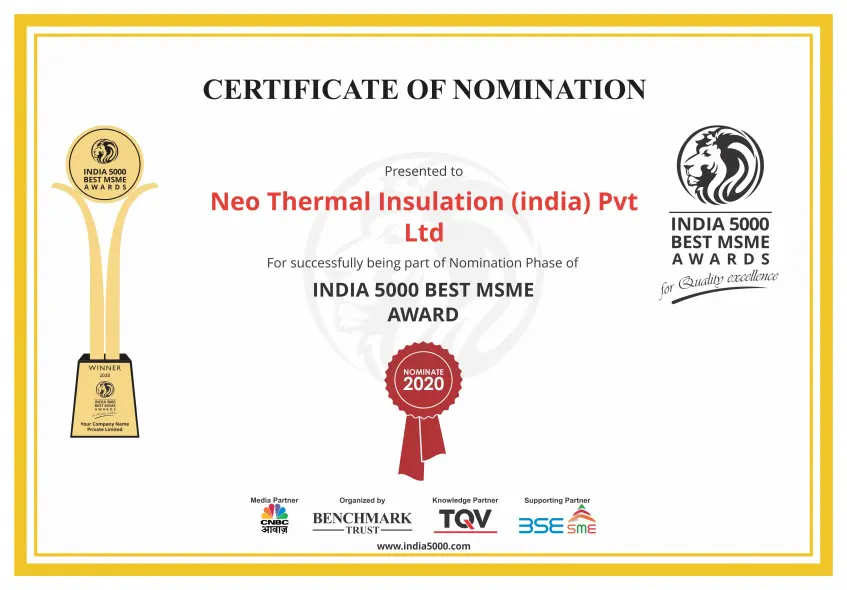
They’ve won several awards and certifications via CNBC, TQV, Benchmark Trust, ISO-certified and many others.

Neo Thermal Insulation served their insulation solutions to India’s most reputed companies including Amazon, BKT, Asian Paints, Coca-Cola, Walmart etc across various sectors including PEBs, industrial buildings, warehouses, FMCG and more.

2. Kirby Building Systems

Another popular Pre-engineered building (PEBs) manufacturer in India is Kirby. Since 1976, Kirby manufacturers have been popular for their tailor-fit pre-engineered services.

They’ve successfully delivered 100k+ projects, 515k+ MT production capacity, 7+ manufacturing locations worldwide and 5k+ dedicated team globally. They are one of the oldest PEB manufacturers with top-quality work and customer-centric approach.

Kirby building systems has a proven track record for PEBs manufacturing services for warehouses, showrooms, supermarkets, malls and much more. They’ve won several awards as an excellent manufacturer in India.

Some of the biggest clients they’ve worked with are Honda, Asia Steel, IKEA, Moyee, Unilever and more.

3. Tata BlueScope Steel

Tata BlueScope Steel is one of the leading PEB manufacturers and suppliers in India. They’ve completed more than 1000 projects for their customers across India.

It’s a Pune-based manufacturer that is known for their world class manufacturing facilities, high-quality design, fast delivery and end-to-end PEB solution.

They are popular in the SAARC region because they provide the best-prefabricated steel building solutions.

In 2005, they started a manufacturing company and are now delivering continuous quality PEB work. They are ISO-certified and FM-approved, which makes them a trustworthy manufacturer.

4. Interarch Building Products

In 1984, Interarch Building Products Ltd started and is now one of the biggest PEB manufacturers in India. They pioneered the pre-engineered construction services and took first mover advantage in metal construction from ceilings to roofs to pre-engineered buildings.

Interarch Building Products gets expertise in manufacturing, designing, and installing PEBs of top-notch quality and commitment to their customers. They have a huge portfolio of PEB projects and offices across all major cities.

Some of the giant companies they’ve worked with are HUL, Tata, Godrej, Asian Paints, Logos, MG Motors, CEAT, PepsiCo and many more.

Whether the PEB structure required for industries, commercial, infest stuck or residential purpose, Interarch Building Products has years of experience and proven track record in India.

5. Zamil Steel Buildings India

When you are looking for a reliable name in pre-engineered manufacturing, Zamil Steel Buildings always comes to our list.

With 44+ years of industry experience, global presence, quality work, and on-time delivery, Zamil Steel Buildings has made a huge name as a PEB manufacturer.

They are one of the largest global steel structural or pre-engineered steel building suppliers with over 90,000 steel structures across 90 countries. They’ve ISO 9001:2015, ISO 14001:2015 and ISO 45001:2018 Certifications, which ensure top-notch and controlled quality.

Zamil Steel is one of the few manufacturers globally that offer a complete building system, from engineering, procurement and manufacturing to accessories installation. If you’re looking for an all-in-one PEB manufacturer, then it’s worth considering. Looking for quality and efficiency? Check out the top PEB manufacturers in India.

6. Jindal Buildsys

Jindal Buildsys Limited is one of the fastest-growing PEB manufacturers in India. It was established in Gurgaon, Haryana. This firm is especially known for super-quality steel building, structural design and tailor-made solutions.

To cater the growing demand of PEB structures, Jindal Buildsys Limited has earned a big name by completing 1500+ projects successfully. They’re offering complete PEB solutions, including designing, manufacturing and erection services.

With their innovative designs, reliable buildings, warranty and proven track records make Jindal Buildsys Limited a friendly option for PEB solution.

Benefits of Pre-Engineered Buildings

Here are some major benefits of PEBs:

1. Cost-Effectiveness

One of the biggest benefits of considering pre-engineered buildings (PEBs) i.e, cost-effectiveness. As compared to traditional building construction, the cost of PEB is comparatively lower and requires less maintenance that overall leads to saving more money and less wastage in the long-term. Especially in such cases when a factory is shifting to another location then pre-engineered buildings can easily unlock the bolt and transport.

2. Faster Construction Time

Another benefit of considering pre-engineered buildings is to reduce the construction time and make it faster than traditional construction. These pre-engineered buildings are manufactured off-site and assembled on-site that reduce the construction time by doing only on-site fabrication, cutting and welding. It makes the construction process much easier and faster.

3. Design Flexibility

These pre-engineered steel buildings are modernly structured and set up with complete flexibility. These steel structures are first designed using software and then fabricated with machines that can be customized in all possible ways. These structures are versatile in design, layouts, sizes and aesthetics. So, there are tons of options for modifications and future scalability making it an ideal option.

4. Durability and Low Maintenance

The pre-engineered buildings are extremely durable and sturdy in nature, and they can stand in any bad weather conditions. Because of the fire-resistance properties, PEBs are safe materials in the industrial sector. The best part is that PEB first designed the software to allow virtual simulation before turning it into reality. So, the quality will be top-notch and will have long-term durability. Plus, having such high-quality material can make the PEBs less maintenance-free in the long term.

5. Sustainability and Energy Efficiency

Pre-engineered buildings are also energy-efficient and environmentally friendly. They used to design various sustainable things, including green roofs, solar panels, rainwater harvesting systems, etc, as these are durable and energy-efficient and they less affect the environment. Plus, these pre-engineered buildings are made up of recyclable materials that can be reused.

Key Considerations When Choosing a PEB Manufacturer in India

Here are some key factors to consider when you are choosing a right PEB manufacturer:

1. Experience and Reputation

The very first thing to consider when you’re looking for the right Pre engineered building manufacturers in India is the years of experience and reputation in the market they have. If you work with a PEB manufacturer who has huge years of experience and tons of proven track records for delivering top-quality pre-engineered buildings and complete customer satisfaction, then the chances of delivering the same or better results for your project will be higher.

2. Quality of Materials

Quality is the key factor that will decide whether to choose a manufacturer or not. You should always consider a manufacturer who is known for their quality materials and strong durability. Every company has certain parameters to check the quality; you can ask for the documents to check the quality standard they’ve and meet your expectations. Overall, the project will be executed smoothly when quality is the core thing. So, make sure to choose a manufacturer that offers quality materials that are durable, long-lasting and can withstand any bad weather conditions.

3. Customization Options

Every business has different requirements and that’s why customization is also a big factor to consider. You should consider a PEB manufacturer in India which offers tailored solutions and high customization as per specific needs including dimensions, doors, windows styles, roof and color options.

4. Project Management and Support

Pre-engineered building is one of the complex projects that is done under the surveillance of team experts and project managers. So, it’s essential to choose a company that offers an experienced project manager for your project to handle everything from designing to construction and be able to manage queries if they arise. Plus, having an excellent support team will ensure that all the operations work smoothly and provide complete satisfaction.

5. After-Sales Service

After-sales support really matters the most. So, you should look for a best pre engineered building manufacturers in India who offers after-sales support, repair and maintenance to ensure everything keeps working fine without any worry.

Conclusion

Pre-engineered building manufacturers (PEBs) are in high demand and are making a revolution in the construction industry. It makes the construction process faster, more convenient, and more cost-effective. So, it’s the right time to adopt the PEB option for numerous benefits. However, it’s essential to let the professionals do this project. We hope this guide will help you learn everything about pre-engineered buildings and their benefits and explore some of the best PEB manufacturers in India. Now, it’s your turn to find the right Pre engineered building manufacturers in India that meets your specific needs and requirements.

Plus, pre-engineered buildings (PEBs) also required insulation to save money on energy bills and long-term durability. So, if you want to insulate your pre-engineered building then Neo Thermal Insulation is a one-stop place to find the best quality insulation materials for PEBs and keep the area warmer in winter and cooler in summer for comfortable living.

FAQs

1. What is a pre-engineered building?

Pre-engineered buildings are steel structures that are manufactured off-site and assembled on-site. It’s a better option than traditional construction, and the process of construction is faster, whether it’s manufacturing buildings, commercial, residential, warehouses or storage units pre-engineered buildings can make the process faster and more effective.

2. What are the advantages of pre-engineered buildings over traditional construction?

Some of the key advantages of pre-engineered buildings (PEBs) are faster construction, cost-effectiveness, low maintenance, durability, energy efficiency and flexibility.

3. Are pre-engineered buildings suitable for all types of climates?

These pre-engineered buildings (PEBs) are durable enough to handle all types of climates. However, it’s recommended for insulation to ensure a comfortable living temperature and protect from the bad weather.

4. How do I choose the right PEB manufacturer in India for my project?

Some of the key factors to consider to find the right PEB manufacturer for your project are experience, quality, customization and after-sale support.

5. What maintenance is required for pre-engineered buildings?

As pre-engineered buildings require low maintenance, then doing some cleaning regularly and checking the insulation from time to time is enough.

6. Can PEBs be expanded or modified in the future?

Yes, PEBs can be expanded and modified if the project requires future expansion. The modular PEB structure allows for easy addition of new sections without disrupting the existing building.

How Will Insulation Keep Heat Out?

Summers and winters are going to their peak now, and it’s becoming challenging for people to comfortably live in their homes. In summer, most of the houses inside are getting warmer or need to spend money on electricity for AC to keep the temperature maintained. However, it’s not a sustainable way and personally, people don’t like it.

On the other hand, Winters are making it challenging for people to live inside their home because the inside temperature is not balanced as warm. So at this point, people are looking for the best solution to keep their home balanced in both seasons. And the first question you get in your mind that will insulation keep heat out?

This is where insulation comes as a one-stop solution for homeowners. Installing insulation in homes is one of the best decisions to keep the inside temperature balanced for comfortable living in any season without spending too much on electricity.

Especially, In hot climates, when indoor temperature is uncomfortable then adding insulation acts like a layer which protects the house from the outer hot temperature and ensures to maintain a cool indoor temperature naturally and save huge on electricity.

But, many households don’t know the true potential of insulation and how it can be beneficial. Don’t worry!

In this article, we will deep dive into insulation, how insulation works, its types and much more.

How Will Insulation Keep Heat Out?

Insulation is a thermal barrier of sheets or blocks which are installed inside of the home. These insulation sheets act as a barrier which prevent cool air going outside in summers and similarly prevent the outside hot air from entering the room.

It traps the air within the home and slows down the air transfer. So the inside temperature will be balanced in all types of seasons and give a comfortable living temperature and lower the electricity bills.

There are different types of insulation materials available in different R-values as well. The high R-value means a strong potential to maintain the inside temperature during the peak in summer and winter.

However, choosing the right insulation material depends on your HVAC system and the areas where you plan for the insulation.

Types of Insulation for Heat Reduction

Here are some of the most popular types of insulation for heat reduction:

1. Heat Resistant Sheets

Will Insulation Keep Heat Out
Heat Resistant Sheets are also known as thermal insulation sheets. These sheets are specially designed to provide a comfortable, cool temperature inside the home in hot summers. These sheets have heat-resistance properties which will prevent outer heat and keep the indoor temperature cooler. These sheets are designed to withstand high hot temperatures without any damage or deterioration. It’s an environment-friendly option that will naturally reduce indoor heat and save huge amounts of electricity.

Beat the Heat – Choose Premium Thermal Insulation!

2. Reflective or Radiant Insulation

Reflective insulation is also known as sun-reflective insulation sheets. These are thin and highly reflective sheets that reduce heat transfer from outside to inside. These are shiny sheets that reflect back the heat from its source and ensure it doesn’t affect the inside balanced temperature. Generally, this Heat Reflective Sheets is made of materials like aluminum foil or aluminized polyester, which is capable of absorbing 95% of heat back to its source. It’s highly demanding in summer to keep the indoor temperature cool and comfortable for living.

3. Air Bubble Insulation

Will Insulation Keep Heat Out
Air Bubble Insulation Sheet is popularly known as bubble wrap. This insulation is made up of one or two layers of air bubbles between aluminum foil to act as a thermal resistance layer. By wrapping up this air bubble insulation inside the home, you can stop suffering from the extremely hot temperature outside and reduce heat gain in summer. This insulation sheet traps the outer hot air within the bubbles and reduces heat transfer, which leads to better indoor temperatures. It has an R-value between R-3 and R-5, which makes it a go-to choice for those homes who want to maintain the indoor temperature for the last time in summer.

4. Roof Cooling Sheet

Did you know? Most of the heat comes from the roof, which affects the indoor temperature. This is where Roof Cooling Sheets come in as a one-stop solution. These sheets can help to reduce the heat coming from the roof and ensure that the inside temperature is cooler. These are a few of the best insulation types that have high thermal emission properties and solar reflectance index (SRI). Plus, it helps to reduce unwanted outside noise and provides a comfortable indoor environment. These sheets have a high energy-saving option and are able to cool the temperature naturally and reduce electricity consumption.

5. Aluminum Insulation Sheets

Will Insulation Keep Heat Out
Aluminum Insulation Sheets are made up of multiple-layered materials and are specially designed to prevent heat reduction in summer. These aluminum foils reflect the heat rays away in summer instead of absorbing them. It effectively controls the indoor temperature and provides natural and pure cool air for comfortable living. These aluminum sheets are durable for long-term usage and lightweight for easy installation and maintenance. It has moisture resistance and fire resistance properties that enhance home safety.

6. Underdeck Insulation

Under Deck Insulation is mostly used beneath the flooring or decking of a structure. There are so many benefits of using this insulation sheet, including controlled indoor temperature, moisture control, and soundproofing. It is one of the fastest-accepting insulation types that households are using for heat reduction in hot summers. It is lightweight, easy to install, and a budget-friendly insulation option, which is worth considering for peak summer.

Insulate your Home With NEO Thermal Insulation

Insulating Different Areas of Your Home

Here are some different areas in your home that you can insulate:

1. Walls

One of the best areas to insulate in your home is the interior and exterior walls. Because most of the outer heat transfers through the walls and by installing insulation on the walls can build a strong layer to prevent heat and keep the indoor temperature cooler. It is especially recommended for older houses who have gaps in walls then require a strong layer for protection.

2. Roof and Attic

Another important area in the home to insulate properly is the roof and attic. In hot climates, these areas transfer heat from outside to inside, and that’s why proper insulation can reflect back the heat and reduce the heat transfer. Some options for these areas are fiberglass batts and blown-in cellulose for effective insulation.

3. Floors

Floor insulation is useful for those homes which are built above a crawl space, garage or other areas. In such a case, the heat can be transferred via floors and need to be protected via insulation. It can be insulated via foam boards, fiberglass batts or spray foam for insulation.

4. Windows and Doors

Sometimes, doors and windows are not properly sealed. So it’s better to insulate them properly to fill all the gaps from where heat transfers and reduce the heat from the indoor temperature during summers. It is one of the crucial areas to cover effectively.

5. Basement

Some homes include basements, and it becomes hard to maintain the indoor temperature in such areas. At this point, insulation can be an effective solution to keep the term rapture balanced in any season. Foam board or spray insulation is the common insulation for the basement. However, make sure to only apply insulation to the interior walls.

Conclusion

Every household is dealing with high electricity bills and uncomfortable living during the summer. Insulation comes as a one-stop solution for keeping the heat out, providing a cool indoor temperature naturally, and saving huge amounts of electricity. We hope this guide helps you know the potential of insulation and how insulating your home can keep your home cool in summer, reduce noise, and save on electricity, all of which provide a comfortable living.

Now, if you are looking for a trustworthy brand for the best quality insulation, then Neo Thermal Insulation comes with the promise of quality and satisfaction. You can explore the range of insulation available and make your home insulated for numerous benefits.

FAQs

1. What is a pre-engineered building?

Pre-engineered buildings are steel structures that are manufactured off-site and assembled on-site. It’s a better option than traditional construction, and the process of construction is faster, whether it’s manufacturing buildings, commercial, residential, warehouses, or storage units; pre-engineered buildings can make the process faster and more effective.

2. What are the advantages of pre-engineered buildings over traditional construction?

Some of the key advantages of pre-engineered buildings (PEBs) are faster construction, cost-effectiveness, low maintenance, durability, energy efficiency, and flexibility.

3. Are pre-engineered buildings suitable for all types of climates?

These pre-engineered buildings (PEBs) are durable enough to handle all types of climates. However, it’s recommended for insulation to ensure a comfortable living temperature and protect from the bad weather.

4. How do I choose the right PEB manufacturer for my project?

Some of the key factors to consider to find the right PEB manufacturer for your project are experience, quality, customization and after-sale support.

5. What maintenance is required for pre-engineered buildings?

As pre-engineered buildings require low maintenance, then doing some cleaning regularly and checking the insulation from time to time is enough.

6. Can PEBs be expanded or modified in the future?

Yes, PEBs can be expanded and modified if the project requires future expansion. The modular PEB structure allows for easy addition of new sections without disrupting the existing building.

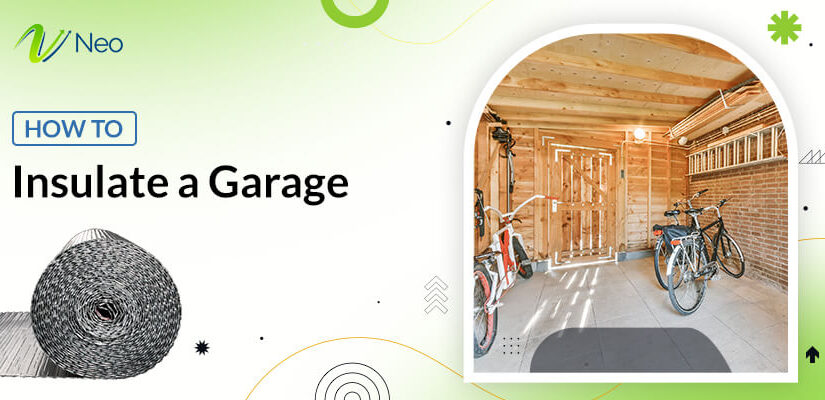
How to Insulate a Garage?

A garage is just an extra space for homeowners that may be used to park cars and store their necessary tools. But the garage has so much more potential than this usage.

What if? I told you that your garage could be a workspace for work, a place to host a guest house, set up your gym, or play games with friends. However, many homeowners didn’t see their garage as such potential because the condition seems old-fashioned, cold, dark and unfinished which didn’t give a feeling like home space.

At this point, you must know how to insulate a garage. Especially, when weather conditions are changing rapidly and affecting the indoor temperature of the garage.

Insulation is the best way to improve your garage condition, balance the inside temperature of your garage and allow you to utilize the space without worrying about the bad temperature.

If your eyes are now open and you are wondering how you can insulate your garage for better usage, then this guide is all you need.

Here, we’ve covered everything about how to insulate a garage, types of insulation, its cost and which type of insulation is best for your garage. So that you can make the most out of this space.

How to Insulate a Garage? – 5 Simple Steps

Here’s the step-by-step process to insulate a garage:

1. Prep the Workspace

The very first thing to do is remove all the equipment and tools hanging on the garage walls. And, if there’s existing drywalls then dispute it.

Also make sure the walls must be clean and free from the stud cavities. You can look for mold and clean up with chemicals like gasoline or fertilizer and let it dry before starting.

2. Inspect Gaps and Cracks in the Wall

Now, it’s time to look for the gaps and cracks in the walls and if there’s any then use expanding foam, shake it properly for a minute then use the straw to fill the gaps around 50% full and let the foam expand, which usually takes 15-minutes.

It’s important to cover all the gaps and completely harden within 8 hours. Otherwise, water seepage can reduce the effect of insulation.

3. Begin Insulation

Let’s start insulating the garage walls. You need a utility knife to cut the insulation sheet vertically to the correct size and then properly place it between the studs. Don’t forget to cut off any excess on the sides. Because the insulation is supposed to fit snugly but not tightly.

Use a staple gun to staple the insulation to the edges of the frame and all the way down the side of the stud, not the face of the stud. So, you need to leave the face of the stud exposed and install the drywall on top of the insulation.

4. Install a Vapor Barrier

You can install a vapor barrier on the room side of the stud. It will protect the insulation from the humidity and moisture.

5. Cover the Insulation With Drywall

Once you’re satisfied with the insulation work, then it’s time to give a finished look with drywalls. Attach the drywall to the studs using coarse-thread drywall screws every eight inches.

Also, you can apply tape, mud and sand to the drywall for a more finished look. Make sure not to leave the paper of the insulation exposed because it’s a fire hazard.

Insulate your Garage With NEO Thermal

What Kind of Insulation is Best For a Garage?

Before beginning the insulation, you should understand that there are different types of insulation available for a garage, and each has its own use case. So, you should identify which type of insulation is best fit for your garage.

Let’s explore each type of insulation and help you find the right one!

1. Heat Resistant

If you are looking for the best insulation for your garage during summer, then a heat resistant sheet is all you need. This heat-resistant sheet is thick and consists of two layers, i.e., aluminum foil and polyethylene foam, which can prevent heat up to 97% in the walls, keep the indoor temperature cool and reduce electricity consumption. These are sustainable and cost-efficient insulation materials that ensure a comfortable template in your garage without high energy consumption.

2. Air Bubble Insulation

Air Bubble Insulation Sheet is also known as bubble wrap. It’s made up of multiple layers of air bubbles between an aluminum foil, which creates an effective barrier to prevent heat up to 96%. It helps to maintain the indoor temperature and is ideally used for garages, basements and crawl spaces. The R-value of air bubble insulation is R-3 and R-5, which makes it one of the best options for cost-effective insulation. It keeps the indoor temperature cool in summer and warm in winter with energy efficiency.

3. Roof Cooling Sheet

Roof Cooling Sheets are best for those areas where the heat goes to its peak. It’s obvious to know that most of the heat comes from the roof in the house, and that’s why a roof cooling sheet is the best solution for them. They’re made up of high solar reflectance index (SRI) and thermal emittance properties, which make them robust insulation to prevent heat during the peak summer and ensure a cool indoor temperature. Plus, it reduces the outer noise to provide a comfortable, cool inside environment.

4. Underdeck Insulation

The under deck insulation is placed beneath a deck to maintain a balanced indoor temperature, reduce the energy consumption up to 50% and reduce noise level. Whether it’s residential, commercial or industrial, this type of insulation is used oftenly, especially for metal or concrete slab roofs.

5. Reflective Insulation Sheets

Another type of insulation is reflective insulation which has multiple layers to create a thermal barrier and resist heat flow inside the temperature. These are made up of fiberglass, foam, air bubbles and the foil faces to ensure air sealed. And reflective insulation also installed as a radiant barrier.

These are the five types of insulation available for your garage. You need to choose the best-fit as per your budget, garage needs, installation process and flexibility.

Buy Thermal Insulation Sheets and Start Saving on Energy Bills!”

Which R-value Should I Use For Garage Insulation?

R-value is one of the key factors that you should consider while choosing the right insulation for your garage because the R-value indicates how effective the insulation is in protecting the indoor temperature from outer space.

A high R-value means the insulation is effective, thick and able to maintain the indoor temperature and reduce the energy consumption. However, you should choose the insulation with R-value based on your garage.

So, maybe your garage doesn’t need the highest R-value to properly insulate. You check the building codes for your climate zone to determine the right R-value for your garage insulation.

  • Garage Ceilings: Most households use R-38 insulation for 10” deep rafters and R-30 for 10” deep ceiling joists.
  • Exterior Walls: Homes traditionally built with 2×4 studs and filled insulation between R-13 and R-15. However, newer homes have 2×6 studs, which require R-19 to R-21.
  • Garage Doors: Modern garage doors come with pre-installed insulation that ranges R-value between 9.3 and 17.5.

How to Insulate My Garage Door?

Here’s the step-by-step process to insulate your garage door:

  • Step 1: First, you need to determine your garage door is constructed with which material i.e, steel, wood frame or flat.
  • Step 2: Now, choose the right insulation material based on your garage door. If your garage has a steel door or flat then pre-cut foam board is a suitable option, just use double sided tape or glue to insulate the door with the insulated material. Or if its wood frame-and-panel then cut and secure the insulation sheet and stiff properly between the frames.
  • Step 3: But make sure that before the insulation, the door is clean from the internal side. It must be free from grease, dirt, and debris. You can use a cloth and clean it properly.
  • Step 4: Once it is cleaned then measure the garage door from both side width and height and note down these dimensions. So that you’ll pick the right amount of insulation material for the door.
  • Step 5: Now, roll out the insulation sheet and cut as per the door size. So that you can cover the entire area.
  • Step 6: To install the insulation on the garage door, you can use double-sided tape or adhesive tape based on the material you’ve used for insulation. Make sure you’re carefully insulating the garage door.
  • Step 7. Once the insulation is done properly then check if there’s any gaps left around the door then seal it as well to prevent air leaks. And test the garage door and ensure it opens and closes smoothly after the insulation.

Conclusion

Insulation can literally transform your old unused garage into valuable space that can be used for different purposes, such as the workplace, gym, guest house, and more. We hope this guide helps you know the step-by-step process of how to insulate a garage, its types, and its costs. Now, it’s your turn to find the ideal insulation material for your garage and follow the given steps below. If you are looking for the best insulation sheets for your garage, then check Neo Thermal Insulation, the most trusted brand and best-in-quality insulation sheets. Here, you’ll find the best insulation sheets under your budget with high quality, easy installation and energy saving.

FAQs

1. Does insulating a garage door make a difference?

Yes, insulating a garage door can make a huge difference such as maintaining indoor temperature, reducing the electricity consumption and reducing the outer noise.

2. What is the best way to insulate garage walls?

Installing thermal insulation sheets is the best way to insulate your garage walls. Because these insulation sheets are budget-friendly, maintain the temperature, prevent moisture and are easily installed.

3. Should you insulate your garage ceiling?

Yes, It is important to insulate your garage ceiling. Because most of the heat comes from the ceiling and insulation helps to prevent the heat during summer and maintain a balanced, cool indoor temperature.

4. How to insulate a concrete garage?

To insulate the concrete garage walls, you can use spray foam and inject foam that ensures air seal insulation. However, it’s quite expensive compared to other insulation options.

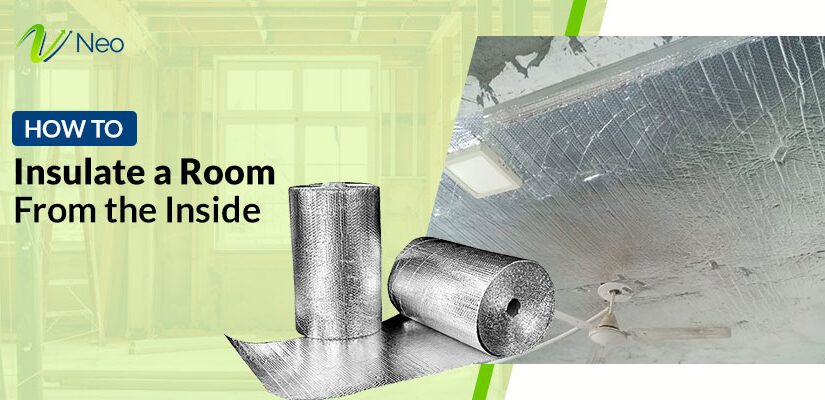
How to Insulate a Room From Inside?

Climate change is one of the growing concerns in this world. Where summers and winters are going to their extreme peak, making it challenging for people to live in these seasons. House owners are spending more on electricity usage to maintain their inside temperature during the seasons. But that’s surely not a preferred solution for them.

This is where Insulation comes in as a sustainable solution for house owners who want to reduce their electricity bills, be comfortable inside at room temperature in any season and want pure air quality but not aware about how to insulate a room from inside.

Insulation is a kind of process of adding insulation materials to the inner side of house walls, which will make a layer that prevents heat loss during winter and cool air during summer from the inside room.

Some houses required a specific room for Insulation because these rooms had a heavy impact on outer temperature. Don’t worry!

This guide will help you know how to insulate a room from inside, its benefits, and steps to insulate your room from inside and ensure a comfortable temperature and healthy living.

Why Insulate Your Room?

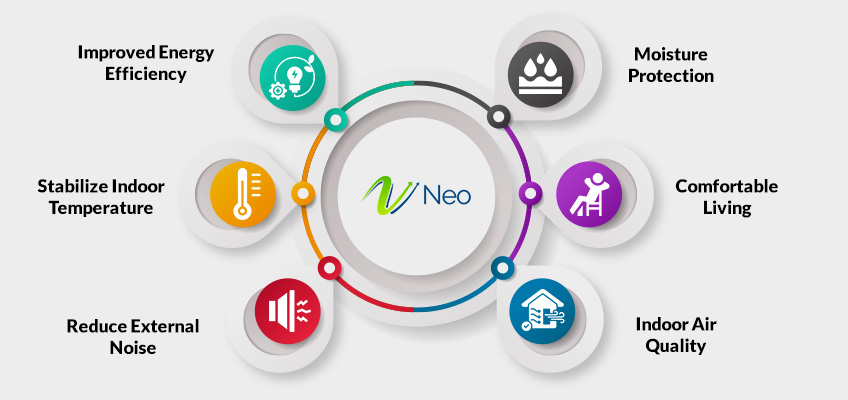
There are numerous benefits of insulating a room from the inside that every homeowner must know:

1. Improved Energy Efficiency

One of the biggest reasons to insulate your room is to improve your energy efficiency. When it is hot in summer, you need to keep running the AC to keep the inside temperature cool, but it requires high electricity consumption and more money to spend. However, insulating your room can help it naturally cool without heavy consumption of air conditioners, which leads to better energy efficiency. Similarly, if there’s winter, then it helps you keep the room warmer without a heater.

2. Stabilize Indoor Temperature

When your room is properly insulated, then there is no gaps left for air leakage. This means that no hot air will go out during the winter, and no cool air will go out in the summer. That is how Insulation helps to keep the indoor temperature naturally stabilized as per the seasons without too much depending on electrical devices.

3. Reduce External Noise

Another benefit of insulating your room is soundproofing. This means the noise from the outside will be reduced because of the insulation layer in your room and the indoors will be kept quiet and peaceful. It is helpful for those people who spend most of their time at home for work or anything, as it gives them a quiet, peaceful space.

4. Moisture protection

Moisture can affect the durability of your house. In any room, if there’s a continuous use of regular water, such as in the bathroom or kitchen, then there’s a high chance of creating moisture. In summer, when hot air mixes with inside cool air near water usage then, it creates moisture, which can badly affect the property. But not anymore. When you’re insulating your room, it will keep the inside temperature maintained, slow heat transfer, and ensure your room is moisture protected, which overall leads to high durability of the house.

Also Read:- How to Keep Home Cool in Summer?

5. Comfortable Living

Insulation in your room can help you protect from the outer temperature and provide a stable temperature naturally in your room, which gives you a comfortable living without worrying about outer temperature, electricity consumption and high durability of the house.

6. Indoor Air Quality

Many people don’t know, but Insulation can also improve the quality of your indoor air. Now, all the air leaks are sealed, which means there’s no direct airflow with dust and dirt particles. It will naturally stabilize the temperature in your room, ensure better indoor air quality, and provide a healthy living.

How to Insulate a Room From Inside?

How to Insulate a Room From the Inside
Here’s the step by step process to insulate a room from the inside:

1. Prepare the Room

If you want to insulate your room from the inside, then the very first thing to do is prepare. You should prepare your room for Insulation by clearing the furniture items, removing wall coverings and electricity, and ensuring there is enough space for proper Insulation inside the room. Also, you can now select the room wall where Insulation is required based on proper inspection.

2. Choose the Right Insulation Material

Now, you need to choose the right thermal insulation material. There are different types of insulation materials available. You need to consider various factors when choosing the right material. Here are some factors to consider:

    • Thermal Performance (R-Value):

Make sure the chosen material has high thermal R-Value. It indicates better thermal performance.

    • Moisture Control:

You should choose a material which has moisture resistant properties.

    • Type of Insulation:

There are different types of internal Insulation available. Such as fiberglass batts, rigid foam boards and spray foam. Each has its own uses and specialists. You need to pick the best fit for your room’s condition.

    • Ease of Installation:

Ease of installation is another considerable factor. There are some types of Insulation that can be DIY. But other Insulations require professional help for proper Insulation in a room.

    • Fire Resistance:

The insulation material must be fire resistant to prevent any damage.

Consider these factors to choose the right insulation material for your room.

3. Measuring and Cutting Insulation

Now, you’re ready with room and have all the required materials for Insulation. Then, you can start by measuring the height and weight of each wall of your room and calculate the total area. These measurements help you understand the amount of Insulation required and cut the insulated material to the exact size of the wall fit. At this step, you need to do precise measuring and cutting for proper Insulation.

Insulate your Room With NEO Thermal

4. Fixing Insulation to Walls

Once you’ve properly cut the wall insulation material as per the size, you can start fixing insulations to the room walls. There are numerous ways to fix the Insulation, such as plugs and screws, plasterboards, or blown-in. If you find the Insulation a bit tough while fixing it, then it’s better to get help from experts to get the Insulation done perfectly in your room.

5. Sealing Gaps and Joints

Once the Insulation is done properly in your room, spend some time identifying any gaps or cracks around windows and doors where air can leak. If there’s any gap left, then the effect of Insulation is reduced. So, you should seal the gaps and cracks and ensure there’s no air leaking option left. It will help increase the effectiveness of Insulation in your room.

6. Adding a Vapour Barrier

Now, jump to the next step of adding a vapor barrier after Insulation in your room. By adding a vapor barrier, you can prevent moisture within the wall and ensure the longevity of the house. So, first, you should select a vapor barrier, unroll it across the insulated wall, and make sure it unrolls properly overall at the edges and corners. Cut the extra areas and then use specialized tape to place them properly. That’s how you can make your Insulation moisture resistant and effective.

7. Finishing the Walls

Finally, all the crucial steps have been taken, and now it’s time to focus on finishing the Insulation in your room. Some of the easier ways to finish the job are installing plasterboard, drywall, and other cleaning materials. Make sure you completely cover the Insulation in your room, protecting it from any damage and giving a new look to the insulated walls of your room.

Conclusion

Insulation is one of the best and most sustainable options for house owners to keep their indoor temperature maintained, pure air quality, energy efficiency, and reduce outer noise that overall gives a comfortable living. It is an inexpensive and long term solution for those houses where outer temperature affects indoor living. Now, it is time to insulate your room, reduce electricity bills, and have a healthy living.

FAQ

1. What type of insulation is best for interior walls?

Fiberglass is recommended for interior wall insulation. These are affordable and easy to install Insulation. It can help keep the interior walls cooled in summer and warmer in winter without high electricity consumption.

2. How do I know if my room needs insulation?

There are various early signs to know if your room needs Insulation. Such as uneven indoor temperature, high energy bills, and walls feeling cold in winter and hot in summer. It shows that walls are not properly insulated to prevent heat or cold air during the seasons and affect the indoor temperature.

3. Can I insulate my room myself, or should I hire a professional?

Yes, you can insulate your room yourself. You need to consider Insulation like fiberglass batts and rigid foam boards for DIY. However, if you are considering complex Insulation like spray foam, then you can consider hiring a professional.

4. How long does insulation last?

The average lifespan of Insulation is 15 to 20 years. It also depends on the type of Insulation, the quality and the maintenance of the property.

5. Can insulation help with noise reduction?

Yes, Insulation helps to reduce external noise by absorbing and preventing sound waves and ensures a peaceful indoor environment for comfortable living. However, not all types of Insulation can effectively reduce the noise. So, you should find the insulation material which can reduce the noise and ensure a peaceful comfort.

Cooling Sheet Price: What You Need to Know

If you think about why to invest in cooling sheets, we say think it over again. Cooling sheets are not just traditional roofing sheets that are used to cover roofs. Using a cooling roofing sheet has hundreds of benefits. Whether it is the cooling effect caused by these sheets or the regulation of temperature that makes you feel comfortable during extreme weather, all these properties will improve your overall living experience.

In this article, we will talk about different factors that affect cooling sheet price. We make you understand what are cooling sheets, the price range associated with them, popular bands and their prices, and from where you can buy cooling sheets. All this information will not only help you make a smart decision but also save you money on your next purchase.

What Are Cooling Sheets?

The cooling sheets are superior quality products that are specifically crafted to reflect away radiant heat and allow comfortable living inside a building. These sheets are best suitable for lowering energy utility costs and improving thermal efficiency. This material is the best fit for summers and warm climates as it offers efficient resistance against thermal heat and diminishes excessive energy consumption. The cooling sheets are made up of different materials like aluminium, steel, and a variety of polymers with functional qualities.

What makes cooling sheets so effective? The answer to this question lies in the technique used to manufacture these sheets. These materials are coated with specialized paints that make them resistant to ultraviolet rays (UV) and infrared radiation. Also, light color coating is specially used to make them more effective against radiant heat and sunlight. This is the reason why these sheets are effective in keeping away unwarranted heat from the interiors of a building and allowing comfortable temperatures.

The cooling sheets come with a variety of benefits. Whether tackling the heat island effect or saving on energy consumption, cooling sheets have done it all for you. In urban areas where summer heat causes excessive rise in temperature compared to rural areas, cooling sheets are the best option to opt for. By equipping buildings with roof cooling sheet the load on electrical appliances comes down significantly which also leads to energy savings. Also, these sheets offer sustainable and environment-friendly solutions for interior cooling requirements.

Factors Affecting Cooling Sheet Prices

Cooling Sheet Price

To make an informed decision it is essential to understand the factors affecting cooling sheet prices. If you understand these factors properly it will help you to stay within your budget and let you grab the best deal.

Key factors affecting cooling sheet Prices are:

1. Material Quality

The quality of materials is directly proportional to the price of cooling sheets. It means the higher the quality of a material used in manufacturing, the higher the price. Material like aluminium, steel, polymers, etc. Are known for their superior quality, reflective properties, moisture resistance, flexibility and durability directly impact the price of the sheets.

The environment-friendly and sustainable material also has a significant say in the pricing. Sustainable quality cooling sheets often come at a premium price. Additionally, the manufacturing process not only impacts the price of the sheets but also their quality. The inclusion of sophisticated techniques makes the product costly.

2. Thickness and Size

The thickness and size of cooling sheets are two important factors that cannot be ignored while determining the price. It is a universal fact that thicker sheets offer more durability, flexibility, resistance against sunlight and moisture and better sound insulation when compared to thinner sheets. Large-size sheets cover a large surface area and save customers on installation time and effort.

These two factors significantly affect the price of the sheets, because a large quantity of raw material is required to manufacture these kinds of sheets. Also, manufacturing of the sheets comprises a complex process that contributes to their price.

3. Brand Reputation

The brand name has its worth. A reputed brand cooling sheets will cost you more than a local seller. You might get a competitive price from a local dealer but you have to compromise on the quality. With brand, reputation, assurance and trust comes.

Brands follow high standards while manufacturing cooling sheets. Additionally, they offer clients on-time delivery assurance, customer support, and manufacturer warranties. All these services are missing in the case of local dealers.

Install Thermal Insulation Sheet in Your House

4. Special Features

Extensive research and the addition of special features in cooling sheets impact their pricing. A cooling sheet will cost you more if it is manufactured with state-of-the-art techniques and the addition of special features like air circulation, moisture absorption, and hypoallergenic and antimicrobial properties.

Other features like unique patterns, customization, additional durability, specialized coating, and sustainability increase the price of a cooling sheet, making it more costly than other normal sheets available in the market.

Average Price Range of Cooling Sheets

There are a variety of options available in the market for customers to choose from. You can choose among budget, mid-range and premium options according to your needs and budget. Each segment has its unique features, quality and resistance level.

To find the perfect fit for your needs it is imperative to know about the average price range of cooling sheets and features associated with it.

1. Budget Options

Budget options are best suitable for those who are looking for quality products at a lower price. These cooling sheets are made up of good quality material and possess resistance against radiant heat. Budget option cooling sheets have a good amount of moisture absorption and thermal circulation properties. These sheets hold the right balance between affordability and comfort.

Price Range: INR 150 to 300 per square meter

2. Mid-Range Options

Mid-range cooling sheets are the product of superior quality natural materials like aluminium and steel. The use of these materials in the manufacturing process offers durability, moisture-resistance capabilities and high reflective properties. Mid-range cooling sheets offer thermal cooling solutions to residential and industrial buildings. Also, these sheets come with environment-friendly certification and enhance flexibility.

Price Range: INR 300 to 600 per square meter

3. Premium Options

The result of sophisticated craftsmanship and high-quality materials like premium cooling sheets offer best-in-class resistance against radiant heat and moisture. These environment-friendly sheets are prepared with the help of intricate manufacturing techniques providing durability and longevity. The cooling sheets are best suitable for residential, commercial and industrial units, making them worth buying for the ultimate interior temperature experience.

Price Range: INR 600 to 1,500 per square meter

Popular Brands and Their Price Points

Brand Name Price Range (INR) Size (sq. Meter)
Neo Thermals Insulation 600 to 1,200 12×1
JSW Steel 450 to 900 12×1
Tata BlueScope Steel 500 to 1,000 12×1
Everest Industries 300 to 800 10×1
Hindalco Everlast 400 to 950 12×1

1. Neo Thermals

Neo Thermals provides the best-in-class cooling sheets for those who do not want to compromise with quality of the product. Cooling sheets with state-of-the-art radiant heat resistance techniques for extraordinary cooling effects and thermal efficient properties make these sheets the best product. Also, moisture resistance will keep your building safe.

2. JSW Steel

JSW Steel offers high-quality products for comfortable interior temperatures. The cooling sheets offered by them are the best in class with a high resistance against sunlight and corrosion. These sheets are known for their quality.

3. Tata BlueScope Steel

Tata BlueScope Steel is a leading manufacturer famous for providing sustainable and superior-quality products. The cooling sheets offered by it are not only durable but also provide a thermally efficient solution. It keeps you cool throughout the day.

Everest Industries

Everest Industries is famous for providing specialized insulation products. Their cooling sheets are crafted from strong and durable materials that offer optimal performance.

Hindalco Everlast

A renowned name in home products, Hindalco Everlast offers high-quality cooling sheets known for their resistance, thickness, durability and flexibility. These sheets are designed for comfortable interior temperatures.

Where to Buy Cooling Sheets

To buy cooling sheets you can either opt for online retailers or physical stores according to your need and convenience. Whether it is online retailers or physical shops each has its advantages and disadvantages.

To make the right choice between online retailers and physical stores, pay attention to these points:

Online Retailers

Online retailers provide you with a very different shopping experience. They offer you an opportunity to search for different products without leaving the comfort of your home. It is the online retailers that provide customers with thousands of brands in one place, making it easier for buyers to compare different products and their prices without much effort. Also, online platforms provide a variety of discounts and exclusive offers with easy return services to help you save your hard-earned money on products. Here, one can easily read reviews, collect in-depth information about the products, and check out thousands of deals without getting tired.

Physical Stores

There is a difference between seeing an object and feeling it. The physical stores allow you to feel the quality of cooling sheets before purchasing them. These physical stores employ expert and knowledgeable staff that help you understand about merits and demerits of a product thoroughly. Also, physical stores will offer you on-demand customization, specially curated customer service, on-time delivery and warranty. The physical stores provide an environment of assurance because whenever you have any problem regarding your purchase you can physically meet them. For those who want to feel the touch and texture of cooling sheets, physical stores are the best place.

Conclusion

To get comfortable indoor temperatures, buyers must pay attention to different factors that affect the cooling sheet prices. Whether it is material quality, thickness, size, brand or other special features, all these have an important say in determining cooling sheet price. To get the best out of cooling sheets customers must buy sheets with high thermal efficiency and moisture resistance, thoroughly follow installation techniques and properly inspect the insulation area. For securing the optimum energy efficiency and lowering utility costs you can buy cooling sheets either from online retailers or physical stores, it depends on your comfort and needs. The right kind of cooling sheet will enhance your living experience several times, making it worth buying.

FAQs

1. What Are the Best Materials for Cooling Sheets?

There are a variety of materials available that can be used for manufacturing cooling sheets. It is important properties like reflection of radiant heat away from the insulated surface, moisture resistance, and durability play an important role in determining the material. Aluminium, steel, polymers, etc. are some of the materials that are best fit for cooling sheets.

2. Do Higher-Priced Cooling Sheets Offer Better Performance?

Yes, premium-price cooling sheets will offer better performance than other cooling sheets. The excellent quality of the material used in their manufacturing offers them high thermal resistivity, moisture-resistance capabilities and flexibility.

3. How Do I Care for My Cooling Sheets?

If you want your cooling sheets will stay long-lasting then regularly inspect them,  properly resolve if there is any wear and tear in the thickness of sheet sheets and follow the installation guide thoroughly for the longevity of the sheets (you can take the help of professionals).

Internal Wall Insulation- Benefits and Types

Did you know? Around 35%to 40% of heat loss in a house occurs through windows, walls, and doors in the winter. That mainly happens in older houses, which have solid brick walls, where the result is the climate effect and more spending on electricity to keep the room temperature stable during the summer and winter.

However, there’s a growing concern of climate change and rising energy bills. House owners are looking for an alternative way to make their homes energy efficient. This is where the Internal Wall Insulation comes as a great solution.

It’s an additional layer of wall that is installed on the interior of the outside wall to prevent heat loss during winter and cool air during summer, reduce noise, save money on energy bills and be environmentally friendly.

These days internal wall insulation is getting popular because of its numerous advantages. But, there are so many homeowners who are unfamiliar with internal wall thermal insulation. Don’t worry!

So, if you’re planning for internal wall insulation in your home as a cost effective and energy efficient solution, then keep reading.

In this guide, we will deep dive into detail, its types, how it works, benefits and how to install in your home. Let’s find out!

What is Internal Wall Insulation?

Internal wall insulation is a process of adding insulation materials to the inner side of a building’s external walls. These insulation materials act as a thermal barrier on the inner walls which keep the warmth within the building during winter and cool air during the summer.

This helps to keep the building’s inside temperature appropriate and control the temperature flow. It overall leads to reducing energy bills and is environmentally friendly.

In some cases, it is also called Drilling, which is bonded or screwed to the walls. Internal wall thermal insulation is a cost effective option for homeowners who have solid brick walls, have high energy consumption or are planning for renovation.

Benefits of Internal Wall Insulation

Here are some key benefits of internal wall insulation:
Internal Wall Insulation Benefits

1. Improved Energy Efficiency

One of the biggest reasons why every homeowner is planning to install internal wall insulation is energy efficiency. If your home is not insulated or has solid brick walls, then the heat or cool air does not stay in your home and transfers through the windows, walls, and doors. And it increases the spend on electricity. However, internal wall insulation keeps the heat during the winter and cooled air during the summer, which leads to energy efficiency and reduces energy consumption.

2. Moisture Control

If your home has moisture infiltration, then it can damage your property, cause poor indoor air quality, and various health risks. That’s why having insulation in the interior walls is a better option. Insulating interior walls have moisture resistant material that acts as a protective layer. It keeps the temperature balanced in summer as well as winter, improves air quality, and prevents mold growth.

3. Cost Savings

After internal wall insulation, it lowers the energy bills by maintaining the thermal temperature and reduces the damage on property. As a result, it saves cost on energy and property maintenance.

Install Internal Wall Insulation in Your House

4. Comfortable Living

Another amazing benefit of internal wall insulation is reduced noise from outside. It overall leads to a comfortable and peaceful living without any outer disturbance and pure air quality.

5. Enhanced structural durability

By installing internal wall insulation, your home is not only soundproof and maintains thermal temperature. But it also helps to enhance the structural integrity and durability of your home. When there’s a proper temperature flow, pure air quality, and noise reduction, then it minimizes the risk of cracks, warping, and other damages and ensures durability for a long time.

Internal Wall Insulation Types

Here are four main types of internal wall insulation that you should know:

1. Rigid Insulation Boards

One common type of wall insulation is rigid insulation. It is made up of dense sheets of foam material such as polyiso, polystyrene, or polyurethane. It is directly placed on internal or external walls and acts as a barrier against heat transmission. However, it’s quite an expensive type of insulation as compared to other types of insulation and requires careful installation.

2. Insulated Plasterboards

It’s a combination between a layer of insulation and a layer of plasterboard which is used. It is also known as foam backed plasterboard or thermal plasterboard. It is an energy efficient insulation type which can reduce energy cost and improve wall’s durability. It’s available in different thickness and sizes with easy installation.

3. Blown-in Insulation

Blown-in insulation is also known as loose fill insulation. It’s a process that blows loose material into cavities with a special machine and hose. There are different types of material used for blown-in insulation such as cellulose, fiberglass, mineral wool, rock wool, natural wool and styrofoam pellets. This insulation has a high R-value and tight air seal. However, this insulation might settle with time.

4. Foam Insulation

It is a low density polymer that provides thermal insulation. It’s lighter, has better insulation, and is of high quality. It comes in various forms, such as Spray on foams, rigid form panels, custom pre molded shapes, cellular foams, flexible foams, and more. It’s used in homes, commercial buildings, and other spaces. It’s a better insulation but has a high upfront cost and installation complexity. Also, foam insulation contains some chemicals like isocyanates, which can affect skin and lung sensitization.

Materials Used for Internal Wall Insulation

Here are some key materials used for internal wall insulation:

1. Mineral Wool

Mineral wool is a type of fibrous material which is made from minerals like stone or silica. Two common examples of mineral wool are rock wool and slag wool. They have thermo acoustic properties, fire resistant insulation and are durable. It can not be burned and has low water absorption. It is mainly used because of fire resistant and sound absorbing properties.

2. Polystyrene

Another common material required for wall insulation i.e, Polystyrene. It is mostly used in buildings for heat prevention and available in different formats such as foam, boards and sheets that are placed inside the walls to maintain the thermal temperature. It’s a colorless and transparent thermoplastic which is used to make foam board, beadboard and concrete block insulation. However, the thermal resistance or R value of Polystyrene foam board depends on its density.

3. Polyurethane Foam

Polyurethane is a popular choice for internal wall insulation. Most homeowners and builders use this wall insulation material because of its high R value per inch of thickness, which provides high energy efficiency. It is available in both closed cell and open cell formulas. Whereas closed cell foam has high density cells and is filled with gas to expand and fill the space around it. On the other hand, open cell foam has a lower R value and is filled with air to give a spongy texture. So, it can be used as a liquid spray or rigid foam board.

4. Natural Materials

Some natural internal wall insulation materials are also used such as hemp, wood fiber boards, cellulose, cork, cotton, sheep’s wool, straw or perhaps fluffy insulation batts with a timber framework. These natural insulation are becoming popular among homeowners who are looking for eco-friendly materials for inner insulation.

How to Install Internal Wall Insulation?

Here’s the step by step process of installing internal wall insulation:

1. Preparation

The very first step for internal wall insulation in your home is preparation. It’s very important to keep your things ready, such as choosing the right insulation material and setting up the installation areas, which include clearing furniture, protecting floors from dust, proper ventilation to avoid dust, and electricity outlets cut off for safety purposes.

2. Measuring and Cutting Insulation

Then you need to accurately focus on the measurements before insulation. You need to measure the height and width of each wall where you plan for insulation and calculate the total area. So based on these measurements, you can define the amount of insulation required and cut to fit each section precisely.

3. Fixing Insulation to Walls

Now, it’s time for the internal wall insulation. Here you need to choose which type of insulation you want to install, whether it’s plugs and screws based on a special adhesive, plasterboards, or blown in. However, each installation required professional help. So, you can consider hiring an internal wall insulation service provider for perfect insulation.

4. Adding a Vapour Barrier

After the installation, adding a Vapor barrier is essential to prevent moisture within the wall cavity. First select a vapor barrier then unroll it across the insulated wall and make sure proper overlap at edges and corners. Then cut and fit the barrier around doors, windows and electrical outlets and then use specialized tape to create a moisture proof barrier.

5. Finishing

Once the insulation and vapor barrier are properly done, then you can start focusing on finishing the inner insulated walls, such as installing plasterboard, drywall, or other cleaning materials to give a final look at your newly insulated walls.

Cost of Internal Wall Insulation

Internal wall insulation is a cost effective option compared to external wall insulation. The average cost for internal wall insulation comes on average between $0.50 to $1.25 per square foot. However, the estimated upfront cost of internal wall insulation depends on various factors.

Initial Costs

The cost of internal wall insulation depends on various factors:

    • Type of Insulation:

There are different types of insulation available, from rigid boards to blown-in. You can choose any type of insulation based on your budget and preferences.

    • Size of the Wall:

Another factor that affects the cost of insulation is size of the wall. If the size of the wall is large then it requires more insulation material and installation efforts that overall leads to more cost.

    • Additional Materials:

If you plan for add ons such as fixing, adhesives, a vapor barrier, and finishing, then it can also affect the cost of insulation.

  • Complexity of Installation
  • Complexity of inner wall insulation installation can also impact the cost because of irregular shapes, many windows/doors, electrical wiring complex and that collectively increase the cost.
  • Professional Installation Cost
  • Hiring a professional insulation service provider is essential because installation requires skills and hands on experience, and it’s better to let the professional do it. So that’s another cost of internal wall insulation. These factors mainly impact the initial cost of internal wall insulation. It’s always preferred to get a quote from a professional internal wall insulation service provider for an accurate estimated cost.

    Long-term Savings

    While it seems like a high upfront cost for internal wall insulation, there are long term savings. After having successful internal wall insulation, it acts as a thermal barrier. Which will keep your home warm in winter and cool air in summer. It is overall leads to low energy consumption and long term savings.

    Conclusion

    Internal wall insulation for solid walls is becoming a popular option for homeowners. It enhances their energy efficiency, reduces electricity consumption, keeps the home noise free, provides comfort at home, and makes the property long term durable. However, there are many things to consider before installing the internal wall insulation. Such as the type of insulation, the material required, etc. We hope this guide helps you know everything about internal wall insulation, its types, materials, benefits, and how to install it. It is highly recommended that you consult with a professional before installing internal wall insulation to get the solution to your specific needs. Now, it is your turn to find the most reliable wall insulation service provider for your home and let the professionals do the things for you.

    FAQs

    1 How Long Does Internal Wall Insulation Last?

    The average lifespan of internal wall insulation is around 25 years. However, it also depends on the type of material used for insulation. It is better to consult with a professional first to get the best suggestion as per the needs of your home.

    2 Can Internal Wall Insulation Be Installed in Older Homes?

    Old houses should prefer internal wall insulation because of their thick stone walls then inner insulation helps to maintain thermal temperature.

    3 What Are the Maintenance Requirements for Internal Wall Insulation?

    Internal wall insulation is highly durable and it remains in good condition for years. However, it’s preferred to inspect at least once a year. Sometimes problems occurred due to negligence such as condensate blockage, use ladders carefully, prevent leaks etc.

Talk to us?

Download Brochure