Category: Roof Insulation

Home Insulation: Types, Benefits and Insulation Areas

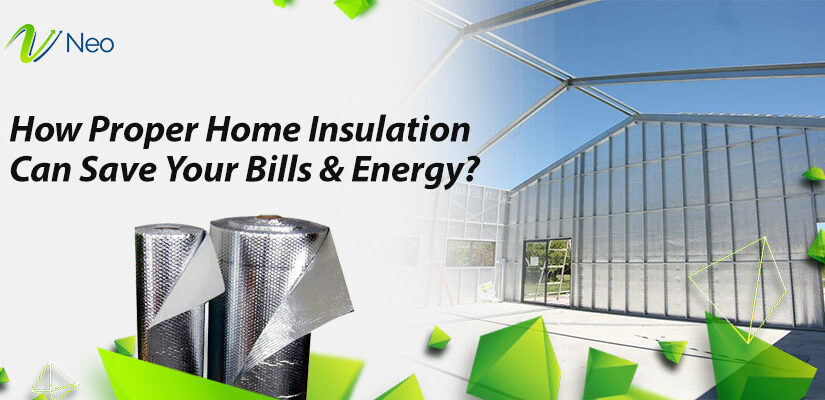
The importance of proper home insulation lies in ensuring that every home has it, as it is a key aspect of energy efficiency and cost-effectiveness. Poorly insulated homes result in heat escaping during winter and seeping in during summer, causing heating and cooling systems to work overtime. This leads to high energy bills and increased carbon dioxide emissions. However, effective insulation provides a thermal barrier that keeps indoor temperatures stable and minimizes the load on HVAC equipment. It reduces expenses by preventing heat exchange and saving a significant amount of energy required to maintain favorable climatic conditions inside your house, thus limiting the ecological impact.

Whether you’re constructing a new house or retrofitting insulation into your existing home, you’re in the right place. In this blog, we will explore how appropriate home insulation can help you reduce your bills and energy consumption.

What is Home Insulation?

What is Home Insulation

When speaking of home insulation, it means materials and methods by which a thermal barrier is created inside of a house’s walls, roof, floors, etc. The main objective of home thermal insulation is limiting the amount of heat transferred inside versus outside of a structure. Insulating materials work by blocking out any kind of heat flow within the building to keep temperatures at a more even level.

Examples of common insulating materials are; fiberglass, foam boards, cellulose, and spray foam. These heat insulation materials are set up on walls, roofs, and floors with a view preventing heat transfer thereby maintaining houses warm in winter and cool in the summer period. Insulation is effective by improving comfort, which is vital for energy efficiency as well. This minimizes unnecessary heating and cooling hence low electricity bills and reduced damage to the environment. Listed the majority of people who participate in informal games are uninhibited by rules or any other restraints. House Insulation should be properly designed and installed as well as regularly checked to sustain a comfortable and efficient environment in your dwelling place.

How Does Home Insulation Work?

Insulation aims to stop the transmission of heat between the inside and outside of a construction. This principle is based on a fundamental notion of reducing heat transmission rate. Therefore heat naturally finds its way from warmer places towards the cooler. During the winter season, the insulation keeps heat within a home, and in summer, it stops unwanted heat from flowing in.

This is a result of low thermal conductivity in some home insulation material. This results in pockets of air that are trapped within the structure of each fibre, acting like an insulator. For instance, there is a good example of fibreglass insulation made of silicate glass and consisting of tiny fibres, which hold well-trapping air, and thus act as a thermal barrier. Heat also flows through other material such as foam boards which uses its cellular structure.

The effectiveness of insulation depends on several factors, which include the thickness and types of insulation. The higher the thickness/density of insulation the greater its ability to resist heat transfer/conduction. Installed well in walls, ceilings, and floors, insulation promotes consistency of inside temperature thereby minimizing the extra requirement of heating or cooling which results in saving on energy and feeling comforted at home.

Get Home Insulation Installation Now To Save Bills And Enjoy Comfort!

What are the Benefits of Home Insulation?

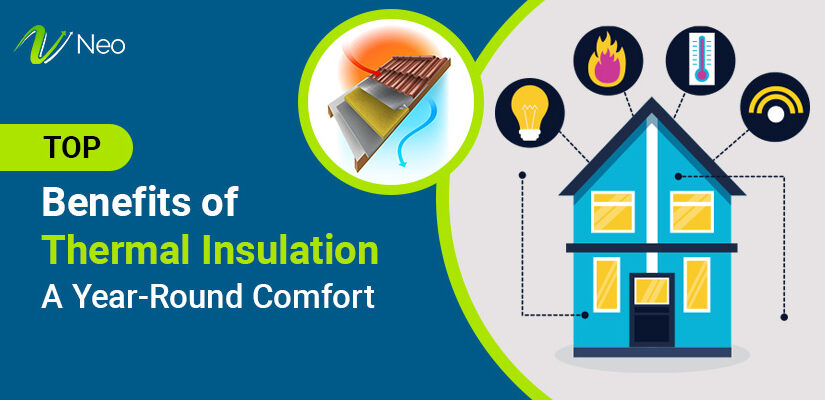
By upgrading your Thermal insulation, you can enjoy its benefits year-round and throughout your lifetime. Here are some key advantages:

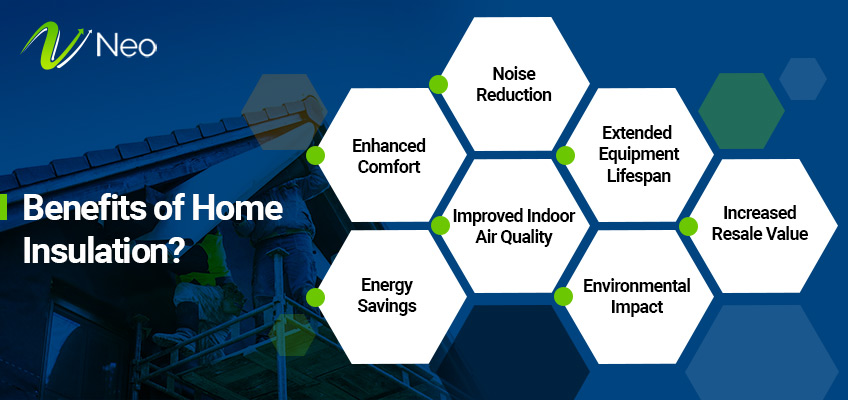
benefits of home insulation

1. Energy Savings

The home insulation is like a thermal barrier with reduced heat transfer in and beyond the house. Insulation keeps your home warm during winter, and cool in summer thus significantly reducing load on your heating & cooling systems. To elaborate further, it will consume a lesser amount of energy to sustain a given temperature and with this saving, you will be able to realize reduced energy consumption bills on a long-term basis as far as this is concerned.

2. Enhanced Comfort

Effective insulation helps to maintain stable indoor temperatures regardless of external conditions. In winter, you will not experience cold gusts and in summer, you will not suffer from high temperatures. Such consistency in temperate helps make the living environment comfortable around the year to the pleasure of you and your friends and relatives.

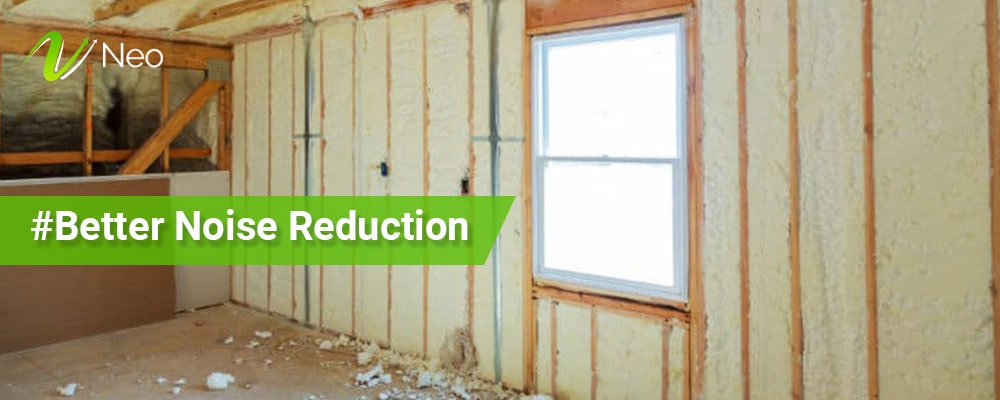
3. Noise Reduction

Using certain house insulation material, especially those that have some damping abilities for sound, you can limit the amount of noise from outside entering your house or business premises. It translates to fewer cases of car noise, barking dogs, and other disruptions coming from the outside leading to less intrusive noise getting in or sound transfer between two spaces reducing the amount of background noise within the home.

4. Improved Indoor Air Quality

There is more than one reason why house insulation is vital for controlling room temperatures. For instance, insulation prevents draughts, dust, allergens, and outdoor pollutants from entering a room or house. As such, this creates cleaner indoor air which minimizes the cases of respiratory problems and allergies within your house, thus ensuring good health and welfare for your home.

5. Environmental Impact

This results in insulated houses that use less energy for heating and cooling, resulting in a reduced carbon emission level. Reduced use of energy helps reduce emissions of greenhouse gases promoting environmental sustainability and combating global warming.

6. Extended Equipment Lifespan

The insulation will also help reduce your HVAC system’s workload. Insulation of a building reduces the need for systems to be operational all the time, thereby extending their lifespan. This also helps in cutting down on maintenance costs, repair jobs, and replacing your HVAC machines early.

7. Increased Resale Value

Most people value well-insulated homes and usually have options for them. Compared to conventional technologies people perceive them as more energy-efficient, cost-effective, and comfortable. Therefore, this helps make your property more desirable among buyers in the real estate business and therefore increases its resale value thereby making it an ideal investment for the future.

8. Long-Term Savings

There may be an initial investment in home insulation but the long-term savings on energy bills can outweigh the costs. Insulation helps maintain a consistent indoor temperature, reducing the need for excessive heating or cooling throughout the year.
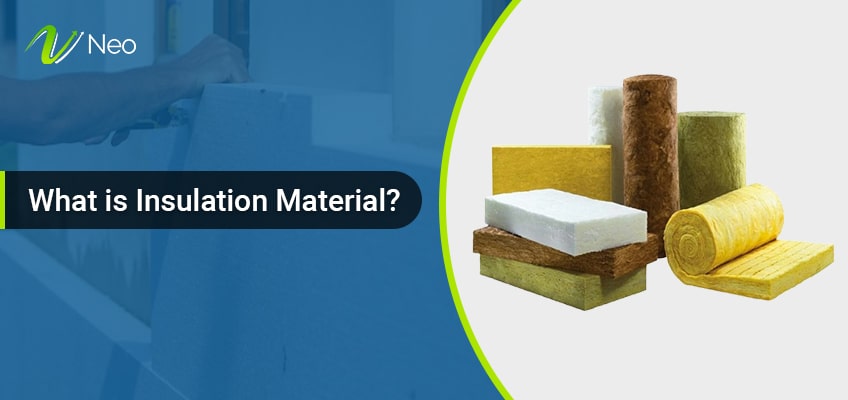
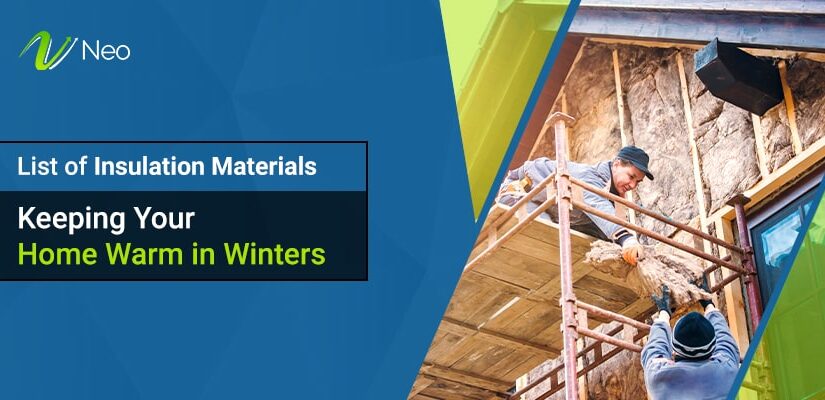
Types of Insulations Material Used in home

When it comes to insulating your home, there are several insulation materials to consider, each with its own benefits and drawbacks. Here are six common types of home insulation material:

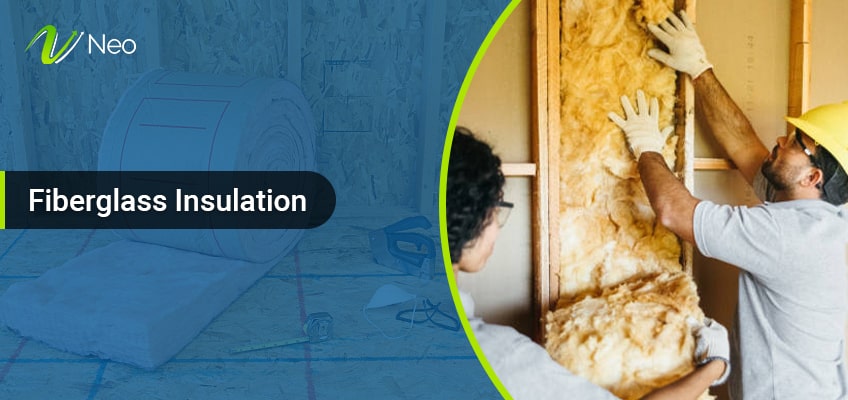
Fiberglass Insulation

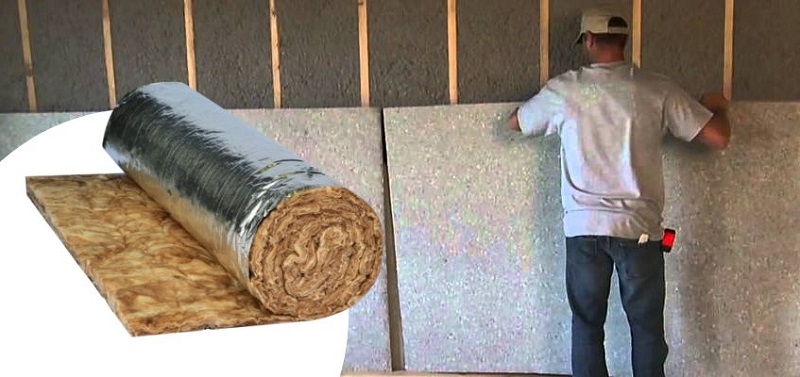
This insulation material is made from fine glass fibers and is one of the most popular choices due to its affordability and effectiveness. It’s typically found in rolls or batts and is known for its excellent thermal performance and soundproofing qualities.

Foam Board Insulation

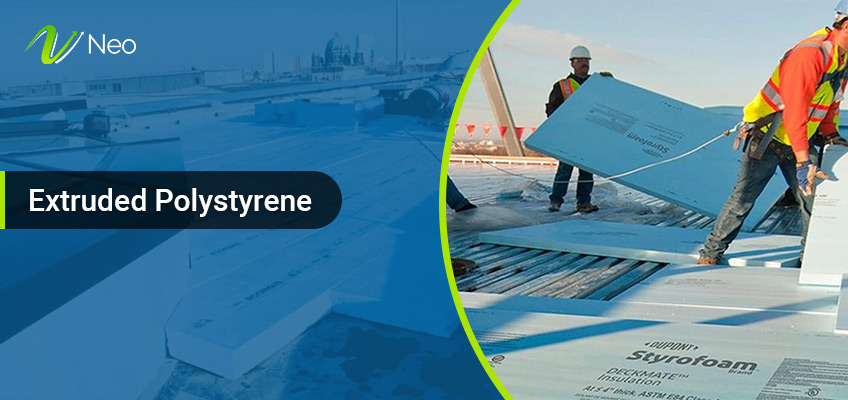
This consists of rigid panels that provide high insulating value with minimal thickness. It’s great for insulating foundation walls, basement walls, and certain types of roofs. Foam boards are resistant to moisture and are easy to install.

Insulation Sheets

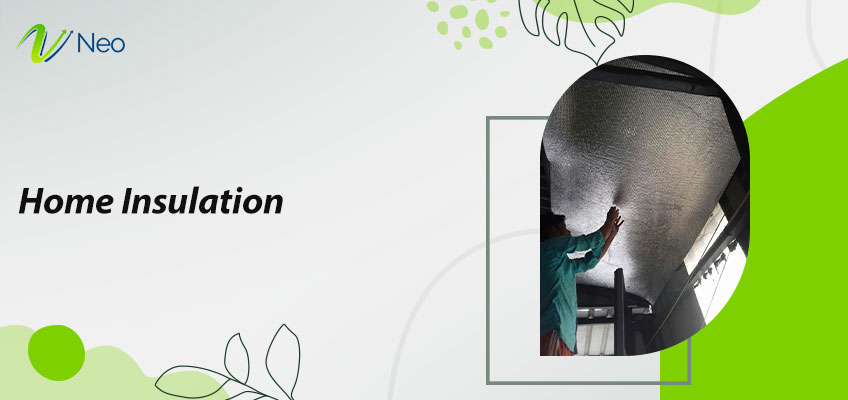
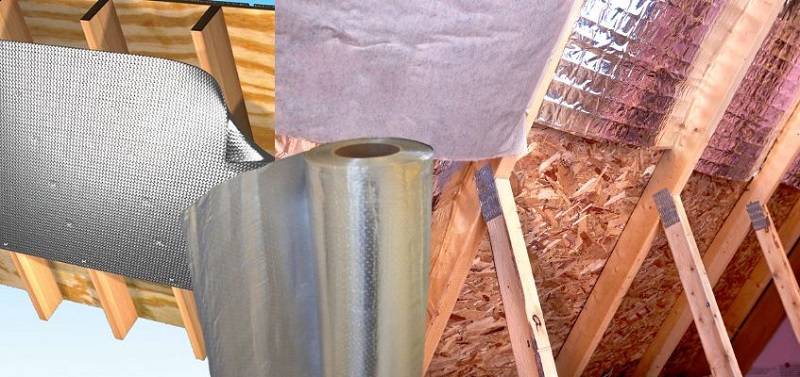
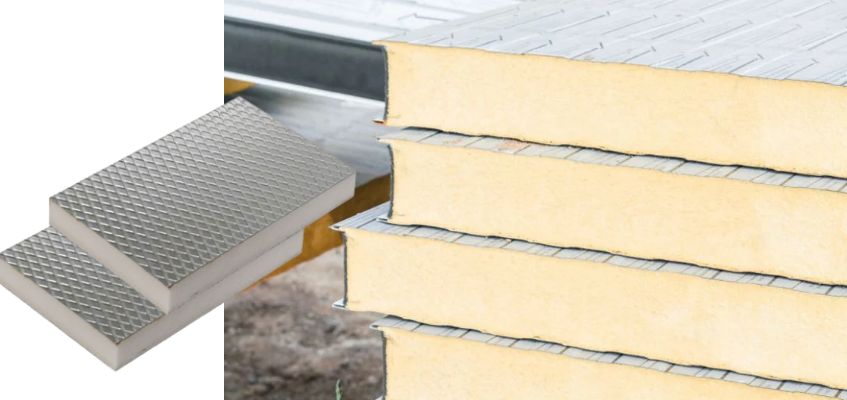
Insulation sheets are large, flat pieces of insulation material that can be cut to fit various spaces. They come in different materials, such as air bubble sheets, aluminum and provide a continuous layer of insulation. These sheets are ideal for insulating walls, roofs, and floors.

Spray Foam Insulation

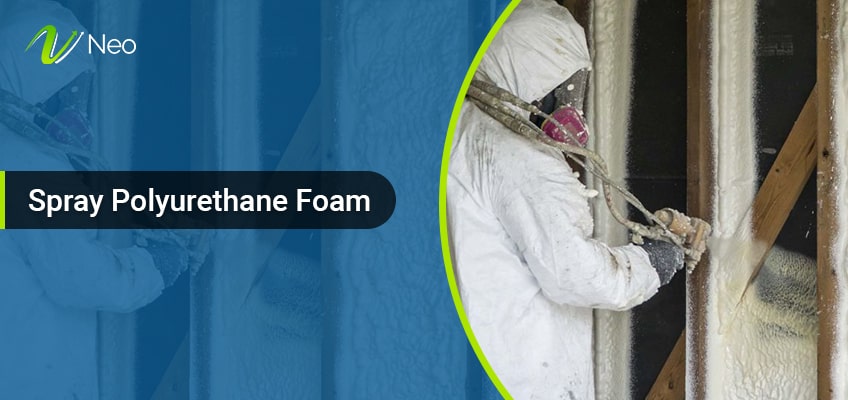
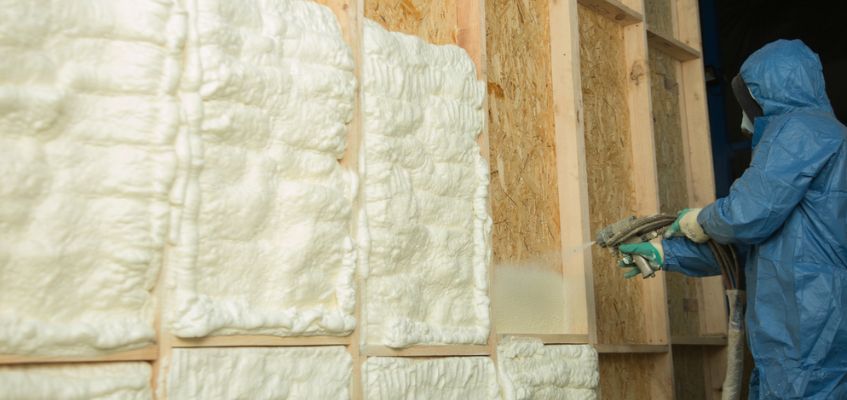
Spray Foam Insulation is a versatile option that can be sprayed into walls, ceilings, and floors. It expands to fill gaps and cracks, providing an airtight seal. This type of insulation is highly effective at reducing air leakage and improving energy efficiency.

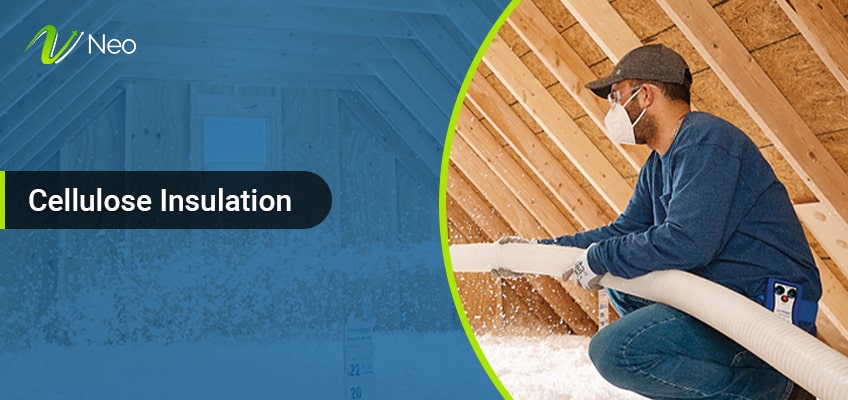
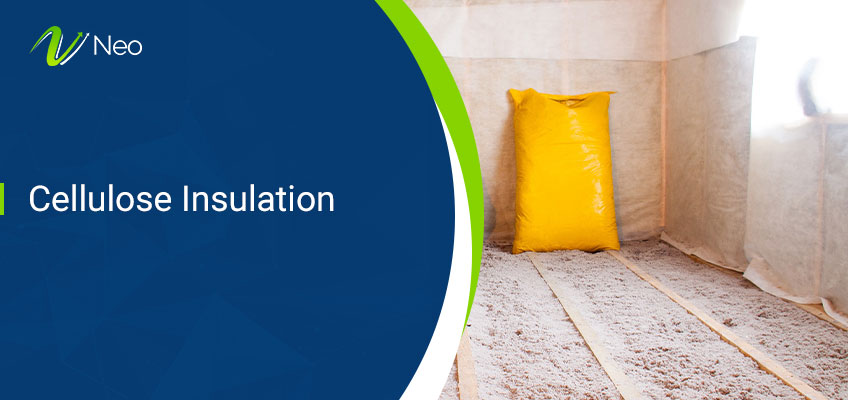
Cellulose Insulation

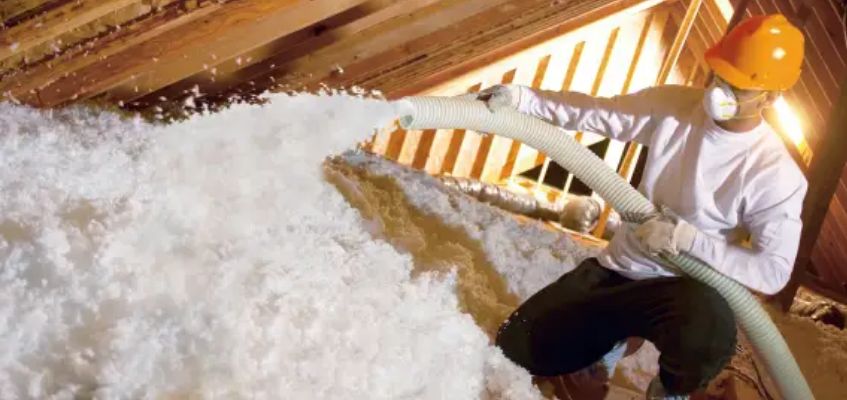
Made from recycled paper products, Cellulose Insulation is an eco-friendly choice. It’s treated with fire retardants to improve safety and is often blown into attics and wall cavities. Cellulose insulation provides good coverage and is effective at reducing airflow.

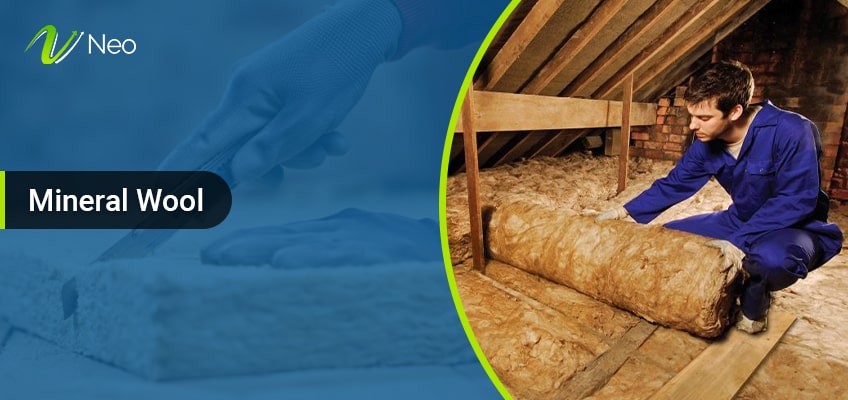
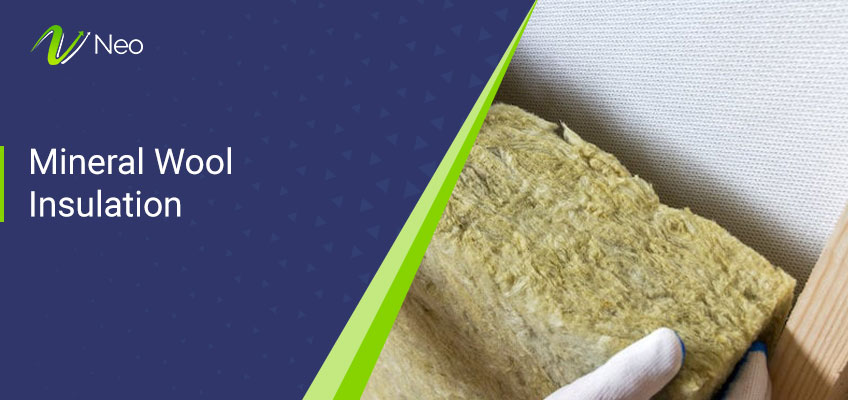
Mineral Wool Insulation

Also known as rock wool or slag wool, mineral wool insulation is made from molten rock or industrial waste products. It offers excellent fire resistance and soundproofing properties. Mineral wool is available in loose-fill or batts and is often used in areas requiring high-temperature insulation.

If you want to know in each type of insulation check out this detailed article: Types of Insulation.

How to Choose the Type of Insulation For Your Home?

It’s crucial to bear in mind that the effectiveness of your home insulation hinges on two main factors: how well it’s installed and how well-suited it is to your specific location and climate. Therefore, as we delve into the various insulation types, let’s keep these three critical considerations in focus:

1. Which Part of Your Home Needs Insulation?

Different insulation types are tailored to different areas of your home. For instance, if you’re insulating a new wall, blanket batts or rolls (discussed below) are great options. However, if you’re insulating a roof or ceiling, thermal insulation sheets are the best options.

2. What’s the Ideal R-Value for Your Region?

The R-value of insulation indicates its resistance to conductive heat flow. The higher the R-value, the more effective the insulation. Keep in mind that recommended R-values can vary depending on your specific climate and location.

3. What’s Your Budget?

When considering insulation, your budget plays a significant role. Insulating a substantial portion of your home can lead to significant cost differences between insulation types. While cost is a factor, remember that most insulation pays for itself over time through energy savings on heating and cooling bills. Additionally, some pricier insulation options offer health benefits that make them worthwhile investments.

Other factors to take into account include the insulation material’s longevity, ease of installation, the percentage of recycled content, and its impact on indoor air quality. Fire safety is another crucial factor; certain insulation types are more fire-resistant than others, and we’ll discuss this aspect in detail for each type.

Places you can Install Insulation in Your Home!

The right method of installation of insulation inside a home ensures a sufficient amount of comfort and energy efficacy. Here are key areas to install insulation:

Attic

One of the best ways to improve efficiency in your attic is by insulation. In the winter, it prevents heat from escaping while in summer, it prevents heat from entering. Option for such materials as fibreglass batts, blown-in cellulose, or foamed board insulation./

Walls

The outer walls are insulated to ensure that indoor temperatures remain constant. The walls of houses can be insulated by inserting home insulation walls in wall cavities or fitting rigid foam boards.

Basement and Crawlspaces

These areas are insulated so that the floors above remain warmer. In such areas, you can use foam board or spray foam insulation.

Floors

An example of this is insulating floors above unheated spaces like garages and crawlspaces to preserve heat. Employ ‘batt’ or ‘foam board’ insulation.

Doors and Windows

Sealing gaps and adding weather strips on doors and windows although this cannot be termed a traditional type of insulation is crucial to avoid drafts.

Pipes and Ducts

This is due to reduced energy loss from insulated pipes and HVAC ducts that maintain hot water temperature.

Roof

Insulate your roof if you have a flat or low sloppy one and you will save on energy costs. More so, it would assist you in improving your savings and energy use.

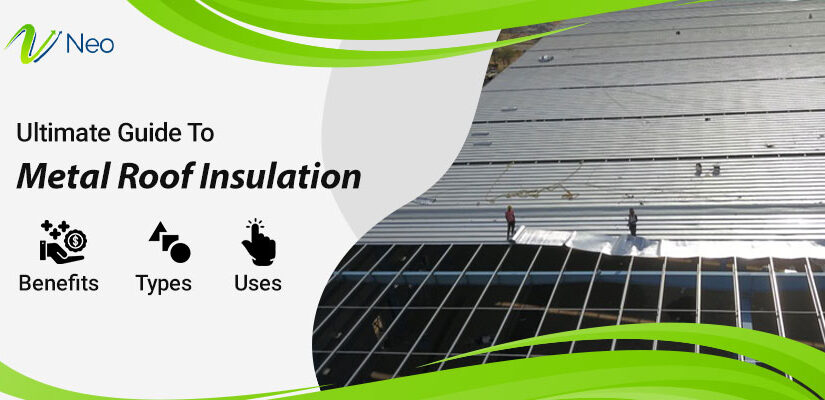
Read Also: Ultimate Guide to Metal Roof Insulation: Benefits, Types, and Uses

Insulation should be installed properly in these locations because it leads to great energy savings as well as enhancement of comfort at homes.

Tips to Consider During Home Insulation

  • Prioritize insulating key areas in your home first, such as the attic, outer walls, and crawl space, as these are the primary areas of heat transfer.
  • To curb energy loss and save on costs, insulate your water heater. Seek out pre-cut jackets or blankets with an insulating value of at least R-8. Adding insulation to your water heater can slash standby heat losses by 25 to 45 percent, resulting in savings of approximately 4 to 9 percent on water heating expenses.
  • Prevent freezing and maintain hot water by wrapping your hot water pipes with tubular insulation. Opt for high-quality pipe insulation wrap. Insulating hot water pipes minimizes heat loss and can elevate water temperature by 2 to 4 degrees Fahrenheit compared to non-insulated pipes, allowing you to use a lower temperature setting.
  • Enhance efficiency and reduce noise by insulating heating and air conditioning vent ducts. Properly insulating air ducts situated in unconditioned areas, such as attics, crawl spaces, garages, or unfinished basements, can significantly boost your home’s energy efficiency.

Why Choose Neo Thermal For Your House Insulation?

There are an ample number of reasons that make Neo Thermal Insulation an excellent choice when selecting your home insulation solutions provider. Its staff consists of experienced specialists who have worked in this sphere for many years. Through their expertise, they offer efficient installations, optimizing the gains of insulation. They specialize in enhancing the energy efficiency of your home, with a particular focus on providing solutions that minimize thermal bridging, thus optimizing your monthly utility costs.

Schedule Your Home Insulation Installation Today!

They know that each house has its specific features and they provide individual insulation options either for attics, walls, or any other parts, thereby enhancing efficiency. They employ top-quality wall insulator materials reputed for toughness and efficiency thereby guaranteeing you a lasting solution and profits within a short period.

Also, this home insulation contractor understands that they have an impact on the environment and therefore may offer energy-efficient options that will lessen your carbon footprint and make our Earth green. If you select Neo Thermal as your insulation installer, you can be assured of professionalism and dependability all through the way, from start to finish, without any problem or delay. Neo Thermal is an ideal option that will save you money on energy costs while providing optimum comfort.

Conclusion

There is no doubt that effective home insulation saves you money and power. A properly insulated home becomes a great barrier in blocking heat transfer toward a constant and bearable house temperature indoors. Insulation during the winter limits the loss of heat while keeping out much of the summer’s unwanted infiltration, which eases up the HVAC’s job a lot. As a result, the company will realize actual energy savings and reduced electricity bills.

In addition, the practice of insulation supports both financial and ecological stability. Lower energy expenditure implies lower levels of carbon emissions, making your house environmentally friendly. This translates to more comfortable environments, enhanced indoor air purity that minimizes allergies, and improved durability of your HVAC equipment.

The importance of proper home insulation in a world focused on conserving energy and operating efficiently cannot be overstated. This is an attempt at making your dwelling more eco-friendly and friendly to your pocket, thus improving your lifestyle for sure.

Frequently Asked Questions

1. What is the Best Home Insulation?

The best insulation for your home depends on various factors such as your climate, budget, and the specific area you want to insulate. However, if you’re looking for an overall good option, insulation sheets are highly recommended. They are versatile and come in various types to suit different needs.

2. What Is Home Insulation?

Home insulation refers to the utilization of different elements of technology to develop a heat shield inside a homestead. Specifically, it is designed to regulate heating between inside and outside, ensuring constant air conditions within the building.

3. Where Is House Insulation Most Important?

House insulation is most important in areas subjected to high-temperature fluctuations like the attic, wall, and roof. These are among of the areas where proper insulation can result in great energy efficiency and comfort.

4. How Can Home Insulation Save Your Bills?

Home insulation reduces heat transfer hence, avoids heat loss during winter while preventing the entry of heat, which happens during summer. As a result, there is less dependence on thermal units causing a decrease in utilities and bills.

5. What Part Of The House Is Best To Insulate?

The attic is often considered one of the best areas where insulation could make a major difference in terms of making living spaces energy efficient. Also important in achieving overall insulation is insulating walls, floor over an unheated space, and sealing gaps around doors or windows.

Metal Roof Insulation: Panels, Benefits, Types, and Uses

Are you considering metal roof insulation for your property? Installing a roof insulation sheet is a crucial aspect of metal roofing projects. The surge in popularity of metal roofing among property owners is largely due to its durability and longevity. However, the significance of proper insulation for metal roofs is often overlooked. Implementing effective metal roofing insulation can significantly enhance the energy efficiency and overall comfort of your building.

This blog will cover everything about metal roof insulation panels related to its significance, advantages, types and materials. For a cost-effective and comfortable home or work environment, knowledge of metal roof with insulation is significant whether its a new metal roof or you are upgrading your present metal roof.

So, let’s start our discussion about metal roof insulation and various other aspects involved in metal roof insulation panels.

What Are Metal Roof Insulation Panels?

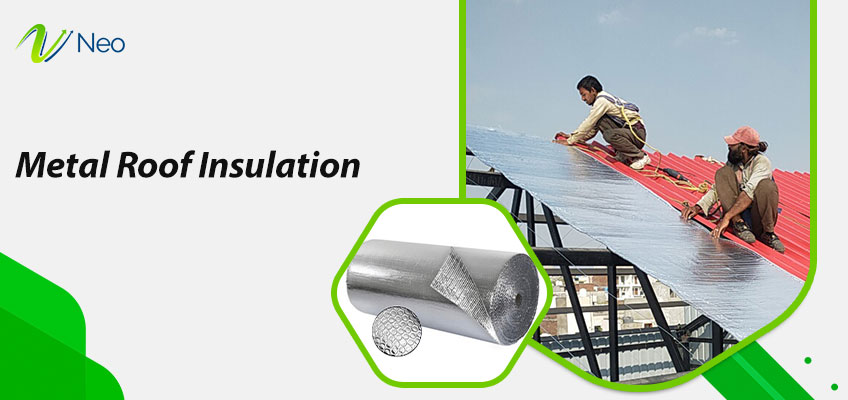
metal roof insulation panels

Metal roof insulation panels are a layer of material installed to balance temperature and lower energy usage between a metal roof and a building structure. It also acts as a thermal insulation material, that will limit heat transport and control condensation problems. This type of insulation is necessary for homes and businesses since it creates a comfortable interior for individuals and is affordable for heating and air conditioning.

Metal Roof Insulation Market

The global market for metal roofing was worth $23.8 billion in the year 2020. It is expected to climb to $33.5 billion by the year 2030, with a steady compound annual growth rate (CAGR) of 3.5% between 2020 and 2030. This growth can be attributed to its widespread use in various sectors such as industrial and commercial, among others. Moreover, the expansion of infrastructure in developing nations, coupled with favourable governmental regulations, is driving the demand for metal roofing.

Why do we need a Metal Roof With Insulation?

It is significant to insulate a metal roof due to various reasons. It improves energy efficiency by helping to lower heat gain in the summer season and heat loss in the winter season. This finally leads to lower energy bill amounts and a reduced carbon footprint. In addition, metal roof insulation reduces the build-up of condensation inside the building, thereby protecting the structural integrity of the building and ensuring good indoor air quality. Thirdly, it improves the quality of the living or working space by regulating the environment, ensuring pleasant temperature levels and minimal noise from the surroundings.

Insulate Your Roof With Metal Roof Insulation And Saves Your Energy Bills!

What are the benefits of Metal Roof Insulation? 

1. Energy Efficiency

By acting as a thermal barrier, metal roof insulation reduces the need for excessive utilization of heating and cooling systems hence reducing energy bills and environmental pollution. This translates to substantial future savings on the environment, as well as energy.

2. Condensation Control

Insulation reduces condensation, which could cause structural damage and mold growth, leading to a long-lasting roof. The structural integrity keeps your building intact and saves you on expensive repairs.

3. Comfort

The metal roofing with insulation ensures a comfortable indoor temperature due to good thermal regulation and noise insulation of outside elements. The place in which you stay is cool during summer and warm during winter, leading to comfortable living and working conditions

4. Longevity

Good thermal insulation of the metal roofing house saves it from huge temperature changes, thus prolonging the life span of the roof. Heat insulation minimizes the expansion and contraction, thereby reducing friction and prolonging the lifespan of your roof as well.

5. Cost Savings

The savings on energy costs and reduced maintenance make it a very economical alternative in the future. Over time, you’ll get back your first investment by way of reduced energy bills and fewer repairs.

Read Also: Types of Warehouse Insulation Materials: Which is the Best for Your Space

Types of Metal Roofing Insulation

Let us explore the metal roof insulation options briefly by going through their key types. Some of the types of metal roofing insulation are discussed as follows:

Fiberglass Batt Insulation

These come in rolls or batts and are one of the most common choices, offering excellent thermal performance. Fiberglass batts provide efficient insulation by trapping air and preventing heat transfer. They are affordable and easy to install.

Spray Foam Insulation

Provides an airtight seal and is highly effective at preventing heat transfer and air leakage. Spray foam insulation creates a seamless barrier, filling gaps and preventing air infiltration, resulting in exceptional thermal efficiency.

Rigid Board Insulation

It is suitable for commercial buildings as these boards are highly resistant to moisture and provide high R-values. Rigid board insulation is dense, providing exceptional thermal resistance and protection from moisture, making it suitable for various purposes.

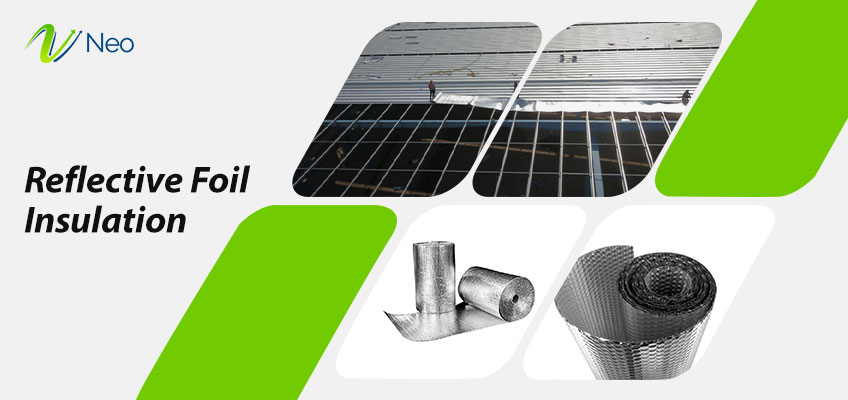
Reflective Foil Insulation

Reflective Foil Insulation

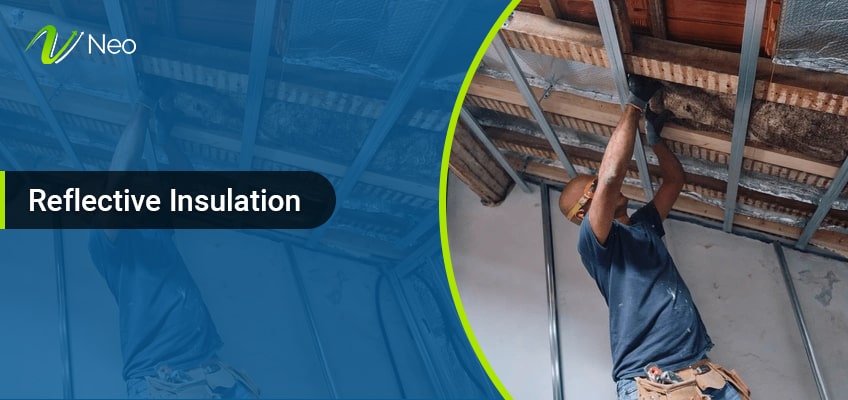
The reflective foil insulation is one of the major types of metal roof insulation. It Reflects heat away from the roof and offers excellent results for hot climates, reducing cooling costs. Reflective foil insulation uses a reflective surface to reflect heat away, decreasing the amount of heat absorbed by the roof and lowering cooling costs. It’s particularly effective in those regions which have hot and sunny climatic conditions.

Loose-Fill Insulation

This type of metal roofing insulation comprises loose fibers or pellets. It is perfect for irregular spaces. Loose-fill insulation is versatile, as it can be blown into various smaller and unnoticeable parts, filling all the irregular spaces and gaps to provide uniform thermal protection.

Aerogel Insulation

This advanced insulation material is highly advantageous such as it is lightweight, offering superior thermal performance. Aerogel is a unique, lightweight material with exceptional thermal properties, providing high insulation values while maintaining its thin and space-saving feature

Read Also: Types of Materials for Sound Insulation for buildings

Different Types of Materials for Metal Roofs

1. Steel

Steel metal roofing is known for being economical and durable as its main component. Steel is robust and highly durable and this makes it convenient for various uses, especially in high-risk weather areas.

2. Aluminium

Aluminium is resistant to corrosion and lightweight suitable for coastal areas. It is resistant to corrosion and light enough for humid places or near oceans.

3. Copper

Copper is known for its looks and it can last many years without fading away, and it develops a beautiful patina. These copper roofs are known for their distinct looks and the natural patina that eventually gives the building more life.

4. Zinc

Zinc roofs require lesser maintenance and have a life span of over a century. Zinc roofs require little maintenance and they last for ages. Hence it can be considered as one of the affordable options.

5. Galvalume

Galvalume is a combination made out of steel and aluminium giving the most effective mixture of stability and corrosion resistance. Galvanized steel is mixed with aluminium, producing a sturdy corrosion-resistant metal.

6. Color-Coated Steel

These are different colour options to ensure they not only offer an aesthetic feel but deliver on their role as roofs. Steel colour-coated roofing sheets offers visual appeal plus steel’s durability and strength giving you a wide selection of colours to work with and choose what you like.

Factors to be Consider for Metal Roofing Sheets 

However, when selecting metal roofing sheets, some factors need to be considered. Material selection is influenced by climate first. For example, in salty coastal areas, they use corrosion-resistant materials such as aluminium or copper. Inland steel might work fine. Another important thing to consider is your budget. Copper is a good example of a high-quality material that may be relatively expensive as compared to steel and alumin.

The materials that you choose should also take into account one’s aesthetic preference because some materials such as copper acquire a distinct patina with age, while others like colour-coated steel are available in several varieties and colours to complement one’s design

The demands for maintenance are different with each of the materials and hence, it is advisable to look at your capability to preserve the roof for a long period. Finally, get advice from a roofing contractor to see that the chosen material will fit well to your building structure and climate as well as follow the local building code and regulations.

Schedule Your Insulation Installation Today!

Why Choose Neo Thermal for Metal Roof Insulation?

The selection of the right partner for your metal roofing insulation is very important. Neo Thermal Insulation gives you tested and proven best-performance insulation systems that are energy-efficient and eco-friendly. Our knowledgeable team has extensive experience with a wide range of insulation types that are made of different materials, thus you will get the most suitable one for your situation. Our goal is to provide you with maximum comfort and economical expenditure while remaining environmentally friendly. You can always count on Neo Thermal for high-quality results in your project, which will result in long-term satisfaction and benefits.

Conclusion

Metal roof insulation is an important piece towards increasing energy efficiency, comfort, and longevity in your building. This has the advantage of saving energy, avoiding condensation, and making it more comfortable. As a result, it is wise to understand the different types of insulation materials and the roofing materials that are essential in creating an appropriate environment at reasonable amounts. Choose metal roofing sheets considering climate, affordability, aesthetics, and maintenance, and consult a professional. Making the right choice of partner such as Neo Thermal will ensure successful and long-lasting comfort and environmental friendliness of the outcomes.

Frequently Asked Questions

1. What is Metal Roof Insulation?

It refers to laying down the metal roof insulation which functions as a temperature regulator and reduces energy output. It acts as a vapor insulator and thus acts as a thermal barrier that prevents heat transmission and condensation issues. Insulation of both residential and industrial buildings is important as it provides a conducive environment inside and reduces heating, ventilation, and air conditioning (HVAC) operation costs.

2. What is the best insulation for metal roofs?

The best insulation for metal roofs depends on certain factors, including climate, budget, and specific needs. Common insulation for metal roofing includes fiberglass batts, spray foam, and reflective foil insulation. For determining the best choice, consider your location, budget, and the desired R-value, which measures the effectiveness of roof insulation.

3. What are the benefits of metal roof insulation?

There are various benefits of metal roof insulation including improved energy efficiency, condensation control, enhanced comfort, extended roof longevity, and long-term cost savings. Insulation reduces heat transfer, lowers energy bills, prevents condensation-related damage, maintains indoor comfort, and extends the lifespan of the metal roof.

4. What are the types of Materials for Metal Roofs?

Different materials can be used for metal roofing, including aluminum copper, steel, zinc, galvalume (a blend of steel and aluminum), and color-coated steel. Each metal roofing insulation material has its distinctive characteristics, such as durability, moisture resistance, and aesthetics. Choosing the material for metal roof insulation depends on factors like geographical location and design preferences.

5. How does metal roofing perform in different weather conditions?

Metal roof insulation is known for its durability as it can perform well in various weather conditions. In hot climates, reflective metal roofs help decrease cooling costs by reflecting heat. In snowy regions, metal roofs shed snow easily, preventing heavy accumulation. Properly installed and insulated metal roofs can withstand extreme weather conditions and provide long-lasting protection for your property.

Types of Warehouse Insulation Materials: Which is the Best for Your Space

Warehouses are the fortresses of commodities in a wide range of commercial entities and industrial places. These spaces need to be adequately insulated as they protect important items and goods. Warehouse insulation is more than just a cooling system. It is about maintaining the quality of commodities, improving energy economies, and developing a conducive setting for employees.

This blog is about the types of insulation used in a warehouse, helping people make the right decision about the kind of insulators to install. We will look at the pros and cons of traditional fiberglass, eco-friendly cellulose, reflective foil, high-performing spray foam and versatile mineral wool. You will go away with an opinion of what type of insulating material will suit your warehouse better. Your warehouse will remain a haven of safety, productivity and comfort.

What is Warehouse Insulation?

Insulation in a warehouse is one factor that should be observed to achieve control and constant conditions in a storage centre. This is the process that entails using some insulating materials on storehouses and roofs to control the temperature so as not to harm commodities. The purpose of warehouse insulations is to protect against the surrounding temperatures’ fluctuations, thereby allowing for constant conditions within the building.

Additionally, it helps a lot with reducing energy expenditures as well as avoiding issues such as condensation, whose results may include the destruction of goods that are being preserved. It also builds a conducive and safe working space for workers hence promoting high-level production in the workplace.

Why do you need Warehouse Insulation?

We need insulation, especially for the warehouse, due to some reasons. It also plays a significant role in saving energy by keeping a constant temperature inside despite variable outside conditions. For instance, this helps in reducing the cost of continuously maintaining such facilities as heating and cooling systems used by those industries storing perishable items, thus saving energy and money.

Protect Your Goods With Proper Warehouse Insulation!

Warehouse insulation also helps save costs by protecting your inventories. The products, equipment, and machines are protected from damage by acting as a barrier to very high and low temperatures and humidities. Insulation is important in safeguarding items that may be damaged by temperature changes like perishable goods, chemicals, and electronics.

Additionally, the insulation warehouse prevents condensation that results in corrosion, mold growth and possible structural damage to the warehouse. Warehouse Insulation helps to extend the life span of your products and building by reducing moisture-related issues.

Read Also: Types of Materials for Sound Insulation for buildings

Also, another benefit that comes with it is boosting of comfortability and safety in employees. Insulation is a way of reducing the risk associated with temperatures being too hot or very cold, as well as slippery surfaces that can result in a range of accidents. It keeps the labor force operating efficiently and on board as well as your business success.

Different Types of Warehouse Insulation

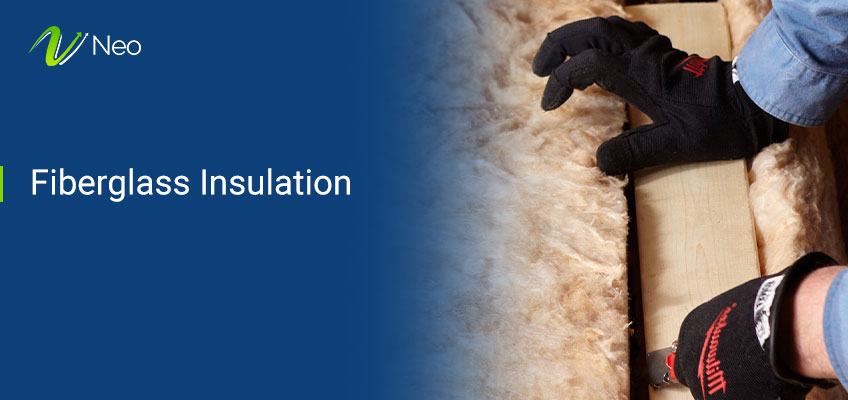
1. Fiberglass Insulation

Fiberglass Insulation

One of the common materials when it comes to warehouse insulation is fibreglass insulation. The device is inexpensive, readily accessible, and simple to install. Fiberglass has roll, batt or blowing type and it is used on walls, ceilings and floors. It offers great thermal resistance and is non-inflammable hence safe for use in industrial facilities.

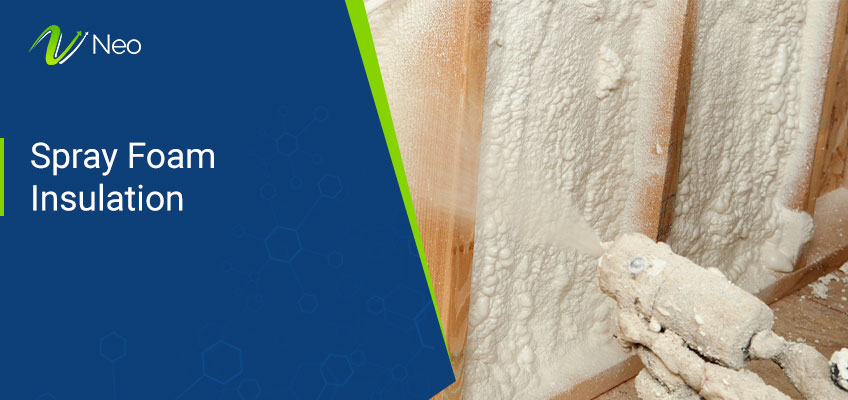
2. Spray Foam Insulation

Spray Foam Insulation

High-performing warehouses can choose to spray foam insulation. Its design makes it a perfect air-tight fit, sealing the smallest of spaces and fissures. The thermal resistance of spray foam insulation makes it an appropriate option when energy efficiency is necessary. It is however more costly compared to other insulations.

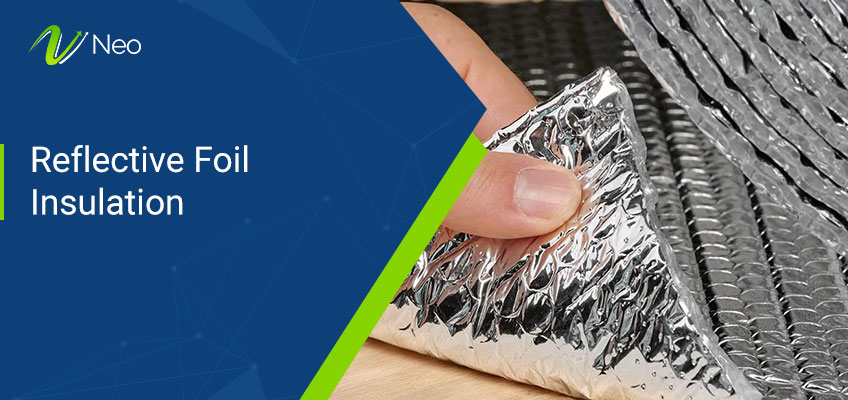
3. Reflective Foil Insulation

Reflective Foil Insulation

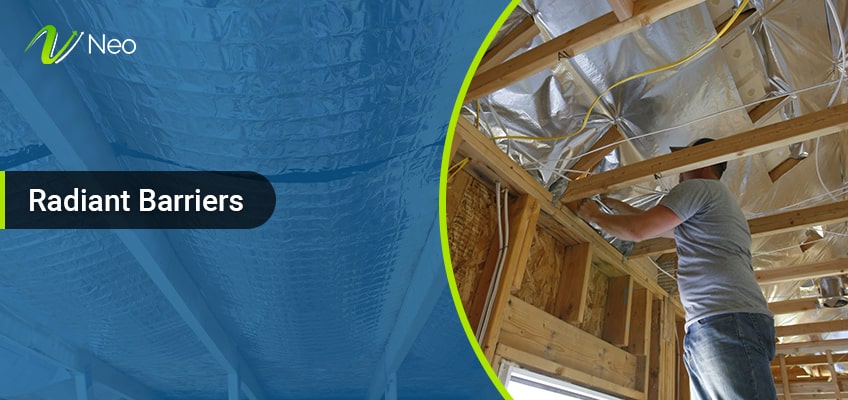
The most common type of reflective is foil insulation which is constructed using several pieces of layered foil with a sheet of plastic. The design of this material is such that it reflects the heat. This makes it a good option for use in warehouses under hot weather conditions. Such insulation can be placed into walls and on ceilings to mitigate summertime heat gain and to ensure a pleasant ambient atmosphere inside.

4. Cellulose Insulation

Cellulose Insulation

As a green option, cellulose insulation consists of reprocessed papers. This offers a good thermal performance when blown through the walls or attics. Therefore, cellulose insulation treated to be fire-resistant and pest-resistant has proved to be an effective solution for Warehouse Insulation.

5. Mineral Wool Insulation

Mineral Wool Insulation

Rock wool and slag wool are types of mineral wool insulation, which are regarded as being highly resistant to combustion. In addition, it performs good acoustic and thermal insulation materials. Minerals wool is widely used in industries that require high efficiencies and safety issues taken into account.

Insulation for warehouses: Which one is right for you?

The most suitable insulation for your warehouse is dependent on several issues such as the available funding, climatic conditions, and warehouse requirements.

Fiberglass is a good cheaper option if it is what you want. It’s cheap and reliable as far as thermal resistance goes. However, this might not be a good option for those who need high airtightness levels.

However, spray foam insulation is more energy efficient but costly for maximum energy efficacy and air tightness.
Using reflective foil insulation is ideal for when trying to minimize radiant heat gains, especially in a hot environment. The system can aid in keeping warm temperatures in the facility.

One can opt for cellulose insulation for sustainability issues to matter. Moreover, it is produced from recycled waste, which makes it environmentally friendly with excellent heating characteristics.

Mineral wool insulation gives an option for being both thermally insulating and soundproof at the same time. This is particularly critical in an industrial setting, especially when safety is of utmost importance. It is vital to approach professional insulations that will carry out an appropriate analysis of the unique requirements of your warehouse before recommending the ideal type of insulation for you.

Why Choose Neo Thermal For Warehouse Insulation Installation?

Neo Thermal Insulation has strong credibility as a reputable brand when it comes to warehouse insulation installation. Their staff is very experienced in determining and solving special insulating needs of warehouses and industrial objects. They know it is important for keeping your stored goods intact and for being energy efficient, they therefore appreciate choosing the right kind of insulation and installation.

Keep Your Goods Safe with Warehouse Insulation!

Choosing Neo Thermal ensures that only the best quality and efficient work is delivered in your warehouse insulation installation. In partnership with you, they establish an appropriate insulating material to meet your particular climate, demands and budget. They make sure that the project meets the best professional standards possible thus reducing your operating costs in the future.

Neo Thermal has all types of insulations including fibreglass, spray foam, reflective foil, cellulose, and mineral wool suitable for any job. They provide superior insulation services for the protection of your commodities, workplace comfort, and productivity enhancement.

Conclusion

The importance of warehouse insulation as part of ensuring consistent ambient conditions in warehousing facilities cannot be overstated. This will reduce energy costs, protect inventory, prevent condensation-related problems at the site and ensure employee comfort and safety.

It is important to choose an appropriate insulation material, depending on aspects like climate, money, and conditions. Different types of insulation consider issues such as cost-effectiveness, energy efficiency, sustainability and sound proofing etc.

Consulting insulation professionals will help you choose a suitable material for the environment, making sure it is efficiently installed. Warehouse insulation pays for itself since it saves money, as well as preserves the value you put into your products/assets.

Frequently Asked Questions

1. What is Warehouse Insulation?

warehouse insulation is installing products that will regulate temperature and other conditions in a stockroom. The insulating capability of this layer of cells helps safeguard the inside of the house from variations in external temperatures and keeps the interior environment in balance.

2. Why do warehouses need to be insulated?

Insulation regulates the temperature, protects the inventory, reduces energy costs, and makes working in warehouses comfortable. It also insulates against temperature variations leading to safe handling and movement of goods, improved security, reduced loss, and savings on energy costs.

3. What are the benefits of Warehouse Insulation?

With the warehouse insulation energy costs are lowered, products are protected against fluctuations in temperatures, condensation damages are avoided, employee comfort is ensured, and safe working conditions are promoted when there is insulation of the warehouse. This explains why warehouse insulation is of great importance.

4. What is the Best Insulation for a Warehouse?

The best insulation for a warehouse depends on factors like budget, climate, and specific needs. Options include fibreglass, spray foam, reflective foil, cellulose and mineral wool. The choice should align with your unique requirements for cost-effectiveness, energy efficiency, sustainability or soundproofing.

Cold Insulation Materials: Types, Features and Benefits

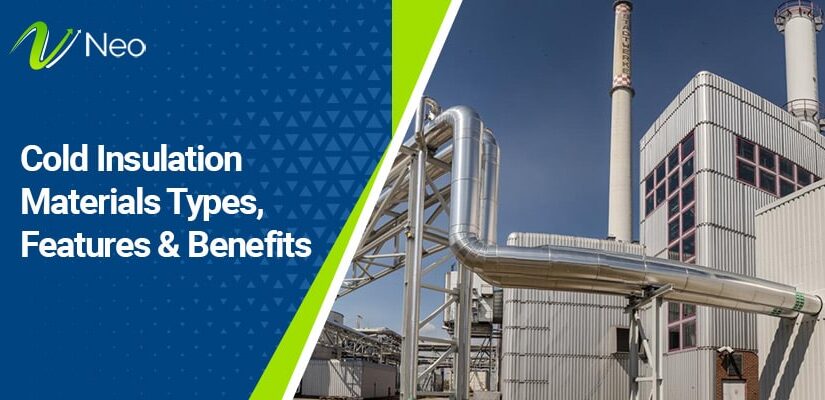
Cold insulation materials play a vital role in maintaining low temperatures in various applications, from industrial processes to residential settings. These materials are designed to minimize heat transfer, ensuring that cold environments remain stable and efficient. The primary types of cold insulation materials include thermal insulation sheets, polystyrene and specialized cold room panels. Each type offers unique features and benefits, such as high thermal resistance, durability and ease of installation. Understanding the characteristics of these materials can help in selecting the right insulation for specific needs, ultimately leading to improved energy efficiency and cost savings.

Cold insulation is essential for industries like food storage, pharmaceuticals, and chemical processing, where maintaining a controlled temperature is crucial. By using effective cold insulation materials, businesses can prevent temperature fluctuations, reduce energy consumption and enhance the longevity of their equipment. Additionally, these materials help in preventing condensation and moisture build-up, which can lead to structural damage and product spoilage. Investing in the right cold insulation solutions not only ensures operational efficiency but also contributes to sustainability by reducing the overall carbon footprint.

What is Cold Insulation Material?

Cold insulation materials offer substances or products used to prevent the transfer of heat in environments where maintaining low temperatures is crucial. These insulation materials are developed to minimize thermal energy transfer, helping to maintain a controlled and stable cold environment. Here are some best examples of cold insulation materials including polyurethane foam, polystyrene, fiberglass and various types of cold room panels specifically designed for cold storage insulation facilities and refrigeration systems.

These panels find application in various parts of the cold room, including floors, walls, and roof Insulation. To ensure their effectiveness, additional supporting materials are necessary. Their use significantly contributes to preventing temperature fluctuations and reinforces the overall structure of the cold room or cooling room panels, minimizing the risk of air leakage.

Businesses often rely on these panels not only for maintaining consistent temperatures within cold rooms but also for general cold insulation purposes, considering their numerous benefits.

Cold Insulation Material Market Report

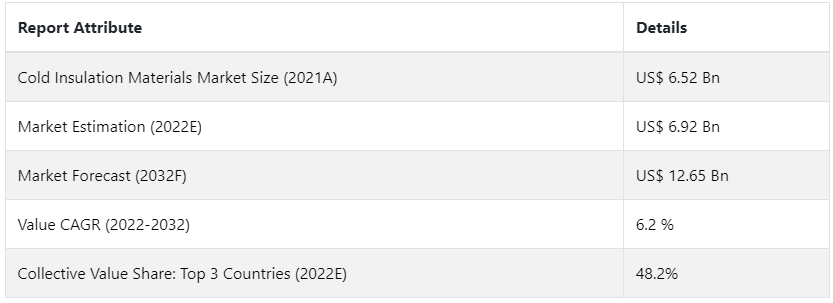
Recent data on the global cold insulation materials market indicates a sales value of approximately US$ 6.92 billion in 2022, with a year-on-year growth of around 6%. Projections suggest that the global demand for cold insulation will experience a 6.2% compound annual growth rate, reaching an estimated US$ 12.65 billion by 2032.

Throughout the next decade, East Asia and North America are anticipated to remain crucial regional markets for cold insulation material suppliers, with expected compound annual growth rates of 6.8% and 6.1%, respectively.

cold insulation material report

What are Cold Room Insulated Panels?

Basically, an insulated cold room panel is a building material consisting of a shielding layer of inflexible core between two strata of structural board. The core can be developed from either XPS or EPS and the structural board could be plywood or cement. These panels are extensively used in cold rooms to maintain the temperature inside the structure, prevent air leakage, and make the structure stronger.

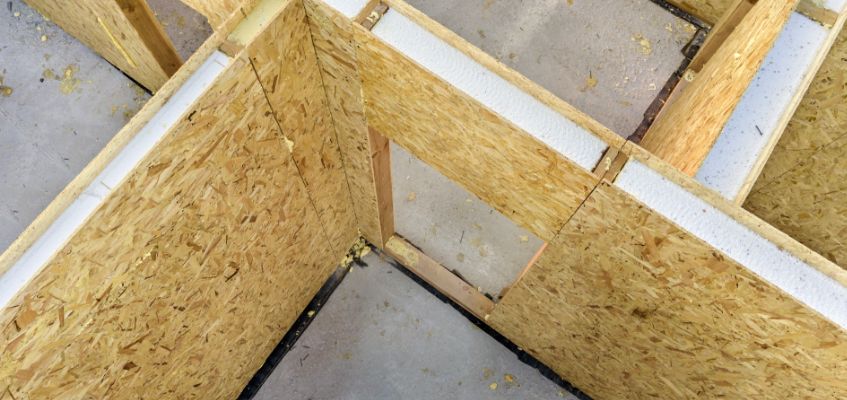
Multiple components of cold insulation materials are combined with SIPs. The application of these panels can be on flooring, external walls, and rooftops. We can use these panels to tackle many different problems. Most commonly the insulated panels are used in cold rooms and refrigerated vehicles. Across the globe, insulated panels are used broadly for thermal insulation material.

Insulate Your Home Now With Cold Insulation!

Types of Cold Insulation Materials

Various types of cold insulation materials are used for cold insulation, each with its unique properties and applications. Here are some types of cold insulation materials:

1. Insulation Sheet

Insulation Sheets are versatile materials used to enhance thermal efficiency in buildings and industrial applications. They help maintain desired temperatures which can lead to significant energy savings. Available in various materials like foam, fiberglass, and polystyrene, insulation sheets are easy to install and provide long-lasting performance.

Read Also: Insulation for External Walls: Cost and How it Works?

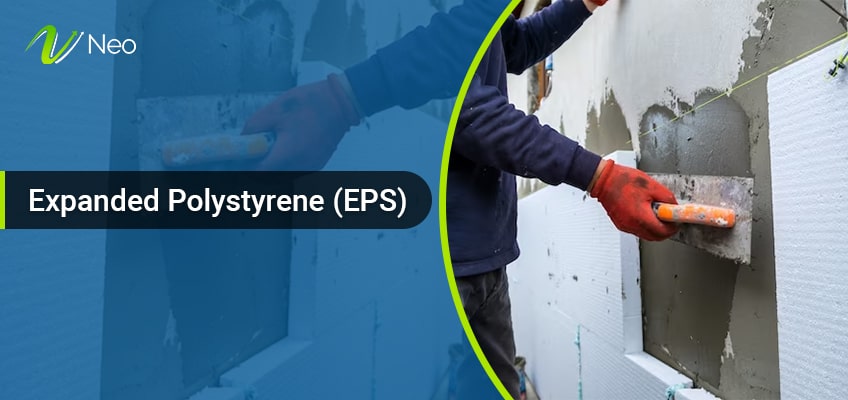
2. Polystyrene:

Polystyrene offers good thermal resistance and it is often used in the form of expanded polystyrene (EPS) or extruded polystyrene (XPS) for cold insulation and cold room panels.

3. Fiberglass:

It is a widely used material that provides effective thermal insulation for cold environments, mostly used in the form of blankets, boards, or preformed pipe sections.

4. Phenolic Foam:

Known for its excellent fire resistance and low smoke emission, making it suitable for cold insulation in areas with strict fire safety requirements.

5. Polyisocyanurate (PIR) Foam:

Exhibits low thermal conductivity and high fire resistance, often used in cold storage and refrigeration applications where fire safety is a priority.

6. Cellular Glass:

Offers high compressive strength and resistance to moisture, making it suitable for cold insulation in areas where moisture infiltration is a concern.

These cold insulation materials are utilized based on specific requirements, such as the desired temperature range, environmental conditions, and application areas, in industries such as food storage, pharmaceuticals, and cold chain logistics.

Benefits of Cold Insulation Materials

If you’re involved in handling fruits, foods, or even wine, maintaining the appropriate storage temperature is crucial. While a standard refrigerator or cellar might suffice for smaller quantities, they aren’t the most practical options for handling large volumes of goods. This is where the integration of cooling room panels becomes imperative. If you find yourself uncertain about investing in these panels, continue reading to understand the myriad benefits they can bring to you and your business.

1. Outstanding Thermal Insulation Properties

A key advantage of the cold room panels available at Central West Refrigeration lies in their exceptional insulation capabilities. The insulation properties play a critical role in achieving precise control over the temperature within your refrigerated space. Whether you opt for a panel with a cell structure or board insulation, you can count on impressive thermal performance with any of the available solutions.

2. Enhanced Energy Efficiency

In Australia, energy expenses pose a significant challenge for numerous industries. Regulating room temperatures often leads to substantial cooling costs. However, integrating cool room panels can alleviate this burden. These panels not only enable better control over interior temperature using less energy but also contribute to stabilizing the overall environment.

3. Temperature Stability

Temperature Stability

A notable feature of these cool room panels is their ability to maintain a consistent environment. Similar to the operation of a freezer, the panels facilitate passive temperature control, ensuring heightened efficiency and a comfortable atmosphere within the refrigerated rooms.

4. Cost-effective and Low-Maintenance Solutions

Cost effective and Low Maintenance Solutions

Given the current economic climate, many businesses operate under stringent budget constraints. Therefore, investing in efficient cooling equipment is a critical consideration for any budget-conscious business owner. Cool room panels offer a practical solution; they allow for rapid construction, minimizing the number of trades required and reducing overall cold insulation materials and operational costs.

5. Versatile Design and Safety

Renowned for their adaptability, panels designed for the commercial refrigeration industry come in various colors, shapes, sizes, and construction materials. Whether for interior walls, roofs, or exterior walls, cool room panels cater to diverse design requirements.

Additionally, these panels prioritize safety and hygiene. With high fire ratings and long-term performance, they provide enhanced protection for both your goods and your well-being.

Features and Dimensions of Cold Room Insulated Panels

Cold room panels are commonly produced in small sections for convenient transportation and application. Their thickness typically ranges from four to nine inches, depending on the specific requirements of the cold room design.

Experts strongly advise integrating these panels during the initial construction phase. This approach not only reduces costs and effort but also ensures the overall structural integrity of the cold room. Installing the panels post-construction may lead to suboptimal performance and potential cold air leakages.

Read Also: Types of Materials for Sound Insulation for buildings

Installation of Cold Storage Insulation

The installation majorly depends upon the size and type of cold storage insulation materials. Cold room panels are most needed in Cold Rooms having a very large area. There are cold room kits available that provide a complete description of cold insulation. The following are the prerequisites in order to begin the installation process:

  • Insulation Panels
  • Measuring Tape
  • Allen Key
  • Screw & Screw Driver

The first step after collecting all the tools is to ensure the correct type of panels as per your building. For that reason having the correct amount of thickness of the PU panel is very important as they are going to get fixed in the targeted areas. Make use of the measuring tape and take proper measurements of the ceilings & walls to the floors.

All the measurements should be very accurate including the corner gaps and spots where the walls have any leakage or mouse holes. You can then cut the insulation panels as per the measurements so that they fit perfectly. Now the installation step comes. Begin with installing the panels at the corners and then cover the area to the center. The Allen key will help to fix the lock properly.

Schedule Your Cold Insulation Installation Today!

You need to ensure that the locks are tightly fixed as loose locks tend to come out slowly over time, resulting in gap and energy loss. Maintaining proper temperature in cold rooms is quite a challenge especially when you have no technical knowledge. If you are doubtful, then you can contact a thermal insulation company and they will provide you cold insulation materials with an experienced cold room professional installer to do this job for you.

Conclusion

In the end, it is quite clear that cold room insulated panels provide strength and stability to your cold rooms. Although, there are also some disadvantages attached to it. The installation of cold room panels offers numerous benefits, enhancing the thermal insulation of your cold room. Beyond lowering energy expenses and ensuring the prolonged and efficient operation of refrigeration components, these panels contribute to bolstering the structural stability and integrity of cold rooms. If you are doubtful, then you can contact a thermal insulation company and they will provide you with an experienced cold room professional installer to do this job for you. Choosing the Neo Thermal Insulation for cold insulation is a highly favorable decision. The company is renowned as a leader in cold insulation materials.

Also, as we all know apart from being thermally insulted, cold rooms should also be able to control bacteria, grease, and dust. Therefore one should choose wisely to make the structure resistant to pests and dust. The insulated panels must have a minimum R-value of up to 40 and they should give high thermal efficiency.

Frequently Asked Questions

1. What is Cold Insulation?

Heat insulation aims to minimize heat loss, while cold insulation focuses on minimizing the loss of cold air. Moreover, the insulation of both hot and cold systems and building equipment holds a safety significance.

2. What is cold insulation in piping?

Insulating cold pipes is essential for maintaining the temperature of drinking water, chilled water, air conditioning and outdoor wastewater piping. This practice effectively prevents the heating of transported water and air at low temperatures.

3. What is the best cold insulation material?

Polyurethane Foam is an ideal choice for managing materials with temperatures below freezing, offering excellent thermal conductivity. This type of foam is also known for its minimal smoke emission and effective resistance to water vapor permeability.

4. What are cold room panels used for?

Rooms with ambient temperature control typically maintain temperatures ranging from +10 to +30 degrees. Cold room panels find application in constructing both ambient areas and walk-in cold rooms. These insulated panels play a crucial role in safeguarding temperature-controlled rooms from external environmental conditions.

Benefits of Roof Insulation in Buildings & Homes

Why should I install and use roof insulation? If this question has been bothering you too, then here we present the major benefits of roof insulation in buildings as the best roofing sheets for houses.

If you are thinking about renovating or getting a new roof for your property, then roof insulation is a name that gets repeated regularly. Just like its name, this roofing solution allows you to insulate your roof and create a stable temperature for your premises. Providing the best feel to helpers in warehouses and factories as well as residents of houses.

But, just knowing something about roof insulation does not provide a clear image of the benefits of roofing insulation. Hence, for better insight, we are pointing out and explaining all the best benefits of insulating your roof with insulation sheets.

roof insulation stats

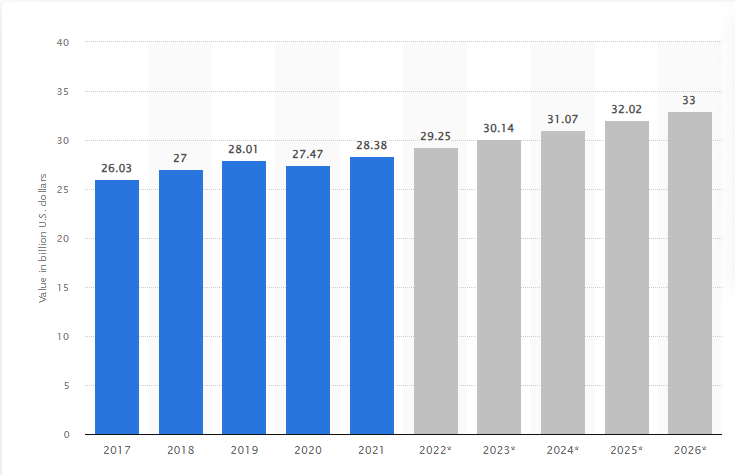
Over the span from 2021 to 2026, the global building insulation market is anticipated to witness a growth of 4.6 billion U.S. dollars. Back in 2021, this specific segment of the construction industry was appraised at 28 billion U.S. dollars. However, experts project it to escalate and hit 33 billion U.S. dollars by 2026. Insulation’s significance in constructing sustainable buildings cannot be overstated, as it effectively curbs heat transfer, ultimately contributing to the enhanced energy efficiency of buildings.

What is Roof Insulation?

Undoubtedly, the overhead cover of a building serves a vital role in safeguarding the entire structure from severe weather conditions. Its absence renders the walls and even the foundation vulnerable to potential harm. A properly cared-for roof functions as a robust protective shield, warding off the impact of harsh elements. Thus, the necessity of roof insulation cannot be overstated.

Benefits of Roof Insulation Over Other Roofing Solutions

Now, we will shine some light on the major advantages of roof insulation in your residency or commercial premises.

Read Also: Insulation for External Walls: Cost and How it Works?

1. Sustainability Sustainability

Prioritizing sustainability in building projects is of utmost importance, and the utilization of insulated shed roof panels can significantly contribute to this goal. Opting for these panels aids in the reduction of a building’s energy usage and overall environmental impact. The insulation components effectively trap heat, preventing its dissipation and thereby lessening the reliance on heating and cooling systems. Consequently, this leads to a decrease in energy consumption and a diminished carbon footprint. Employing environmentally friendly materials for insulation can further bolster the eco-friendliness of the building.

2. Energy and Cost Savings

Energy and Cost Savings

When you go and look for any roofing pattern or idea, the first thing that strikes your mind is how much will it cost right? So, we are addressing the benefits of roof insulation first. Insulating the roof with these sheets is very economical. When compared to other forms of roofing, insulated roofing sheets are quite cheap. The application of roofing insulation can lead to notable savings on your energy expenses. With insulated roofs effectively retaining warmth in the winter and cool air in the summer, the need for excessive heating or cooling diminishes. Consequently, this reduction in energy usage translates to lower utility bills. Over the long term, the accumulated savings from reduced energy consumption can become a substantial and financially prudent outcome, making roofing insulation a viable and economical choice.

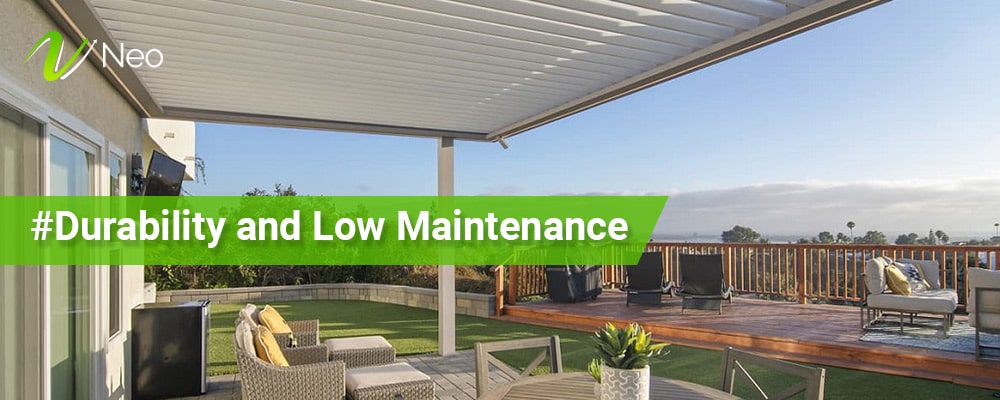
3. Durability and Low Maintenance

Durability and Low Maintenance

One of the benefits of roof insulation is durability and low maintenance. If installed once, the roof insulation sheets will last for not months, not years, but decades. These sheets are very durable and long-lasting. There will be no chance of corrosion, cracks, or other forms of damage to these insulation sheets.

The implementation of roof insulation can effectively enhance the resilience of your roof. It acts as a shield against various external elements like rain, snow, and wind, thereby safeguarding the roof’s integrity. This, in turn, can prolong the lifespan of your roof and alleviate the necessity for costly repairs or replacements. Moreover, opting for premium-grade roof insulation materials can offer superior protection against weather-induced degradation and physical deterioration, ultimately bolstering the overall durability of your building.

Now that you know that the Insulation sheets for the roof are long-lasting. This is something that every other form of roofing lacks. Hence, insulating the roof is considered to be one of the best forms of roofing for all.

4. Easy Installation

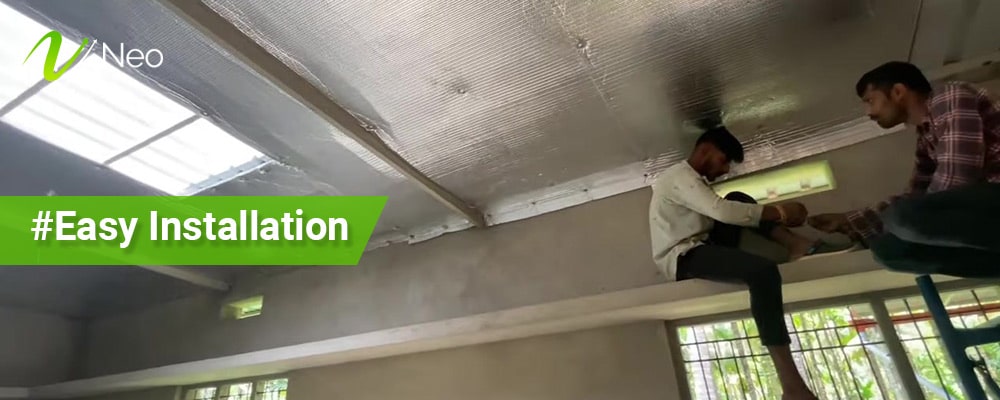
Easy Installation

If you decide to get the roof insulation services today, it won’t take much time to install the roof on your premises. Additionally, the labor cost of sheet installation is also low as the task is very easy. Less time and less payment help in saving one of the most important things in life, time and money.

5. No Damage to Property:

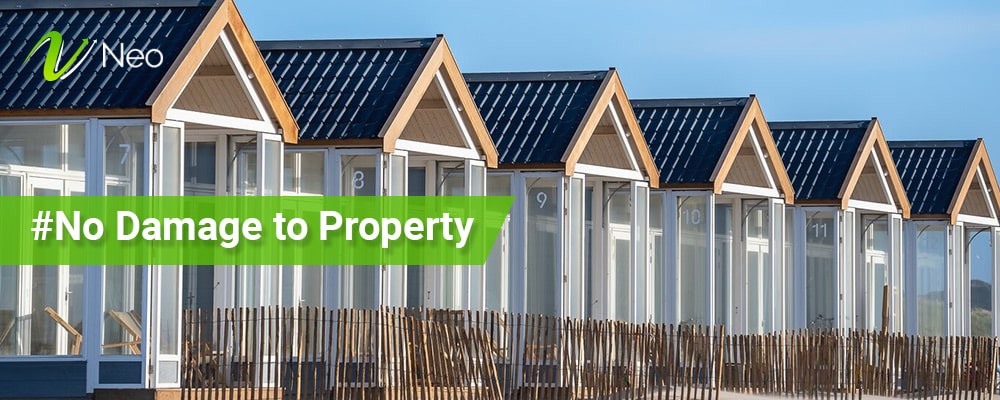
No Damage to Property

Different weather types have adverse effects on the premises. Winter and snow bring structural damage. Summer results in wall cracks and dryness. While with rain, the chances of mold and increased moisture content are more. Getting the best roofing sheets for houses and commercial premises with insulation is the only solution to this problem. As the insulated sheets help in stabilizing the temperature, the chances of such weather impacts are few. Whatever the weather is outside, your building is safe from all kinds of damage.

6. Better Noise Reduction

Better Noise Reduction

Additionally, roof insulation techniques contribute to the reduction of indoor noise levels. Insulated roofs are capable of absorbing sound, effectively hindering its transmission through the roof into your living space. This attribute proves particularly advantageous if you reside in a bustling neighborhood or near a heavily trafficked road. By mitigating noise pollution, roofing insulation can significantly enhance the overall living standards within your building.

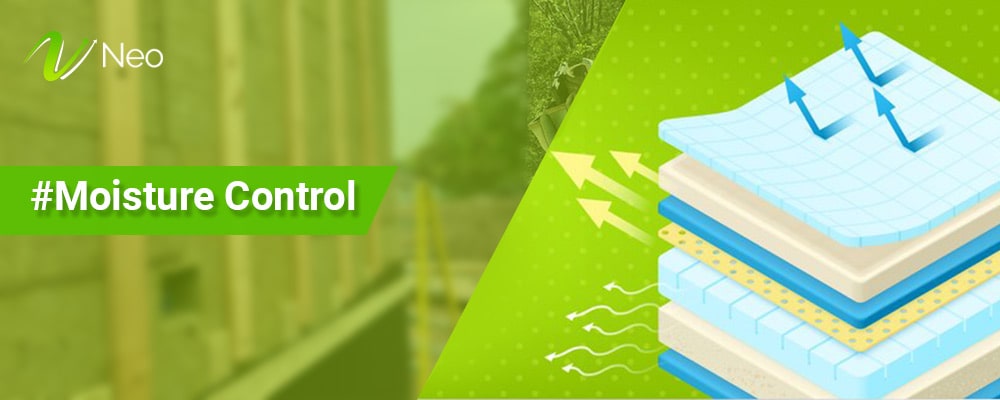
7. Moisture Control

Moisture Control

Moreover, this roof insulation benefits in regulating the moisture levels within your living space. During the winter, insulated roofs effectively retain the warm, damp air indoors, preventing its escape and subsequent condensation on colder surfaces. This preventive measure reduces the potential for the development of mold and mildew, which can pose health risks. By upholding the optimal humidity levels, roofing insulation plays a vital role in improving the overall indoor air quality of your building.

Get Your Roof Insulation Installed Today!

Things You Should Consider Before Installing Roofing Insulation

If you’re considering roofing insulation, there are key factors to keep in mind before making a decision.

Click Here To Know: 10 Types of Insulation for Every Home 2023

Type of Insulation:

Choose from options like fiberglass, foam board, spray foam, or reflective insulation based on your specific needs and budget.

Climate Considerations:

Different insulation materials perform better in different climates. Make sure to select one that suits your local weather conditions.

R-Value:

This indicates the insulation’s resistance to heat flow. Higher R-values mean better insulation performance.

Moisture Management:

Ensure the insulation material can handle moisture to prevent issues like mold and mildew.

Installation Method:

Decide whether you’ll install it yourself or hire a professional. Some materials are easier to install than others.

Cost:

Consider the cost of materials, labor, and potential long-term savings on energy bills.

Roof Condition:

Inspect your roof for any damage or leaks that need to be repaired before installing insulation.

Building Codes:

Check local building codes and regulations to ensure compliance.

Environmental Impact:

Look for eco-friendly insulation options that have a lower environmental impact.

Fire Resistance:

Some insulation materials offer better fire resistance, which can be crucial for safety.

Durability:

Choose materials that will last long and maintain their insulating properties over time.

Energy Efficiency:

Evaluate how the insulation will improve your home’s overall energy efficiency.

Warranty:

Check if the insulation material comes with a warranty for added peace of mind.

Final Words

These were the main benefits of roof insulation in commercial shops, warehouses, offices, factories, etc. as well as housing premises. We hope that now that you have the required information about the roofing idea. By selecting the appropriate roof insulation, such as Neo Thermal Insulation, you have the opportunity to significantly enhance your home’s energy efficiency, overall comfort, and long-term cost savings. It is crucial to assess your specific needs thoroughly and opt for the roof insulation sheets that align with your objectives, enabling you to establish a more efficient and comfortable home for the years ahead.

Frequently Asked Questions

1. What is Roof Insulation

Roof insulation is a crucial element serving as the initial defense line against heat loss for a roof. Typically situated between the outermost roof layer and the inner ceiling layer, it plays a significant role in the overall construction of the roof.

2. Why is insulation important for roofs?

The importance of insulation for the roof is paramount, primarily because it curtails heat loss from the house, leading to potential savings on energy expenses. Insulating the roof shields it from wintry winds and scorching summer heat, reducing the need for energy consumption for heating and cooling, thereby contributing to lower energy costs.

3. Where is insulation placed on a roof?

The recommended placement for insulation in the roof is between the ceiling joists, with the individual pieces tightly fitted together at all junctions. Any leftover pieces can be used to fill in any remaining gaps.

4. Is Roof Insulation energy and cost savings?

Yes, roof insulation leads to both energy and cost savings. By effectively retaining heat during winter and preserving cool air during summer, insulated roofs lessen the necessity for excessive heating or cooling, ultimately resulting in reduced utility bills.

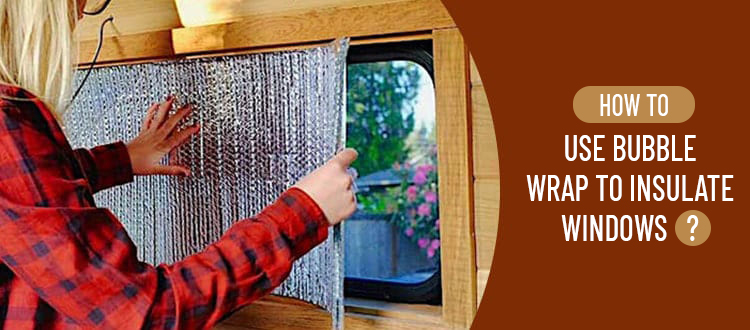
How To Use Bubble Wrap To Insulate Windows?

Have you ever considered using bubble wrap to insulate windows on your walls and questioned its effectiveness? Is it just a passing trend, or a practical and viable solution for maintaining the desired temperature? During winter, employing bubble wrap insulation for windows has been a common practice. The most effective way to minimize heat loss and reduce heating expenses is to apply bubble wrap sheet to your windows.

If you’ve ever employed interior temperature sensors placed on walls or windows, you’re likely aware of how rapidly the temperature drops when the focus is on windows. Indeed, windows can be a significant contributor to heat loss. Therefore, using bubble wrap to insulate windows can help you achieve your goal.

How Does Bubble Wrap Insulation For Windows Work?

Certainly! After the evaluation of using bubble wrap insulation for windows by applying a bubble sheet roll to north-facing windows, it is analyzed that it is an excellent insulator. So, what are we here to guess? Bubble wrap insulation cover works great! Gary from the Build it Solar test shows that the efficiency of bubble wrap insulation for windows gets amazed by its simplicity and its short payback time frame.

The sole drawback is that the vision through the insulated window may be slightly blurry; nevertheless, this does let in too much sunlight. Bubble sheets also aid in keeping you protected from harmful dirt particles.

If you are not clear how to insulate walls, check why we believe that bubble wrap is a great low-budget option for home insulation:

  • Good insulator to single air pockets, due to its structure
  • Made from plastic which can rapidly heat up
  • Cost efficient-Cheap or even free when recycled/reused
  • Easy to install, it only takes sprayed water
  • Will last many years for your windows
  • Short term payback
  • Easily uninstall, peel through one corner or save until next year.
  • Last and not the least: this leaves no fingerprints on the bottle and sticky scotch tape leftovers.

Get Year-Round Comfort With Bubble Wrap Insulation For Windows!

How To Install Bubble Wrap To Insulate Windows?

Insulating windows with a bubble wrap roll is a cost-effective and energy-efficient way to keep your home cozy during the cold winter months. Bubble wrap, readily available at most stores, provides excellent insulation by trapping heat and preventing drafts. This simple and accessible bubble wrap insulation for windows not only helps in maintaining warmth but also proves effective in preventing drafts and reducing heating costs. Here’s a step-by-step guide on how to install bubble wrap to insulate windows and enhance their energy efficiency:

Materials You’ll Need:

  • Bubble wrap roll
  • Scissors or utility knife
  • Measuring tape or ruler
  • Spray bottle with water (optional)

Step 1: Measure the Window

Start by measuring the dimensions of the window you want to insulate. You’ll want to cut the bubble wrap slightly larger than the window frame to ensure a snug fit.

Step 2: Cut the Bubble Wrap

Using scissors or a utility knife, carefully cut the bubble wrap to the measured dimensions. If you have a large window, you may need to cut several pieces to cover the entire surface.

Step 3: Wet the Window

If you’re working in a dry climate, consider spraying a thin layer of water onto the window’s surface. This will help the bubble wrap adhere to the glass.

Step 4: Apply the Bubble Wrap

Press the bubble wrap, bubble side facing the window, onto the glass. Make sure it adheres smoothly and covers the entire windowpane. You can use a damp cloth to press out any air bubbles and ensure a tight seal.

Step 5: Trim Excess

Trim any excess bubble wrap around the edges using scissors or a utility knife. Be careful not to damage your window frame.

Step 6: Repeat for Multiple Windows

If you have more windows to insulate, repeat the process for each one.

Step 7: Enjoy the Benefits

Once your bubble wrap insulation is in place, you’ll notice a significant reduction in drafts and heat loss. During the summer months, you can easily remove the bubble wrap to let in natural light.

Additional Tips:

  • Consider using double-sided tape to make the installation of bubble wrap insulation for windows even more secure.
  • Remove the bubble wrap in the spring and store it for future use.
  • Bubble wrap to insulate windows is a temporary solution, so it may need to be replaced over time.

Also Read: – Facts About insulation Service

Bubble Wrap To Insulate Windows: Buying Tips

Insulating your windows with bubble wrap can be a smart decision for both energy efficiency and cost savings. However, navigating the market to find the right bubble wrap for your needs can be a task in itself. Whether you are seeking affordability, durability, or specific features, these tips will serve as a valuable resource in your search for an optimal bubble wrap to insulate windows solution.

Roll Size

The cost of bubble wrap is typically influenced by the size of the roll, with larger rolls commanding a higher price. Smaller rolls are ideal for occasional use, offering convenience for smaller projects. In contrast, larger rolls prove to be more cost-effective for those with frequent packaging needs, providing ample material for multiple applications.

Bubble Size

Bubble wrap with larger bubbles is often priced higher because of its enhanced protective capabilities. The larger bubbles create a thicker layer of insulation, providing increased protection while still allowing ample natural light to filter through.

Quality

Premium bubble wrap, designed for heavy-duty or industrial applications, often comes with a higher price tag. Despite the elevated cost, it offers superior protection, making it an excellent choice for safeguarding valuable or delicate items during shipping or storage.

Quantity

Purchasing bubble wrap in bulk frequently leads to cost savings, as retailers often provide discounts on multi-roll packages. This approach is advantageous for those with larger packaging needs, offering both convenience and economic benefits.

Brand

Established and well-known brands often come with higher price tags compared to generic or lesser-known alternatives. While recognized brands may bring a certain level of trust and quality, consumers should weigh the brand reputation against their budgetary considerations when making purchasing decisions.

Measure carefully before buying

Measure the overall length of your windows when ordering bubble wrap packs, considering that unless the roll is excessively narrow, it may not adequately cover your window panes. It is advisable to opt for a larger size rather than a smaller one. Ensuring that the wrap you order is sufficiently large can reduce the need for extensive cutting or the inconvenience of piecing together multiple sheets to cover your windows.

Think twice before ordering perforated wrap

For more convenient usage, rolls of bubble wrap insulation for windows often come with perforated sections for easier panel separation. However, it’s essential to understand the length (height) of each piece in perforated rolls before making a purchase. While opting for perforated sections can be a practical idea to facilitate panel separation, it’s crucial to note that most rolls have perforations at approximately 12-inch intervals.
This may be impractical if your windows are not particularly tall. The entire concept is remarkably simple, making bubble wrap user-friendly and eliminating the need for tape. So, why go through the hassle of cutting additional pieces when you can easily assemble panels that align with your window dimensions?

Removing Bubble Wrap Insulation For Windows

When the summer season comes to an end, removing the bubble wrap insulation for windows is a simple task. Start peeling off each sheet from a corner, and the sheets come off easily without any sticky tape to handle. This effortless procedure ensures a smooth removal of the bubble wrap, leaving your windows free and clear.
Storage Tips For Future Use

Store the bubble wrap to insulate widows neatly in a closet or designated space where they will remain undisturbed until the next heating season. This ensures that the bubble wrap is kept in good condition and readily available for reuse when needed.

Make Your Home Winter Ready. Invest in Bubble Wrap To Insulate Windows!

Conclusion

Bubble wrap sheets used in window kits for insulation are notably thicker than standard thin plastic. The enhanced rigidity of this material makes it much easier to handle compared to thin plastic, which tends to stick and cling due to friction. By employing the methods mentioned above, you can effectively attach the bubble wrap to insulate windows without the need for splitting or tapping. This approach eliminates the requirement for thick plastic, thereby avoiding issues related to blow drying. Consequently, you save on potential expenses for window replacements. The method of bubble wrap insulation for windows discussed here is not only easy and fast but also hassle-free.

FAQ’s

1. Can I insulate windows with bubble wrap?

Yes, you can insulate windows with bubble wrap. By adhering bubble wrap to the glass, you create an insulating barrier that helps reduce heat loss and drafts.

2. Can I use bubble wrap as insulation?

Bubble wrap can indeed be used as insulation. When applied to windows or other surfaces, it traps air and acts as an effective insulator against temperature changes.

3. Does bubble wrap insulation really work?

Yes, bubble wrap insulation can be effective for temporarily reducing heat loss through windows by creating a layer of trapped air. It is most useful during colder months and is a cost-effective, DIY solution. However, its effectiveness depends on factors such as the type of bubble wrap, window quality, and proper installation. Bubble wrap may slightly impact visibility and natural light, making it a more suitable choice for single-pane or poorly insulated windows.

4. Is bubble wrap a good insulator for windows?

Bubble wrap is a cost-effective, temporary solution that can reduce heat loss through windows. It provides insulation by creating a trapped air layer. While not as effective as permanent solutions, it can be useful, especially for single-pane windows during colder seasons.

5. How do you insulate windows with foam board?

To insulate windows with foam board, measure, cut the foam board to fit the window frame, and secure it in place using double-sided tape or removable adhesive. This provides excellent insulation.

6. How do you install foil bubble wrap insulation?

Installing foil bubble wrap insulation for windows involves measuring and cutting the material to fit the desired area, ensuring the foil side faces outward. It can be attached using adhesive or staples, providing an effective radiant barrier and insulation.

10 Types of Insulation You Should Know in 2024

As a homeowner, you are aware of how important insulation is to the operation, comfort, and energy efficiency of your property. Thermal Insulation done properly can help keep temperatures stable, lower energy costs and improve living conditions. However, different types of insulation materials are made uniquely for multiple purposes that are available to insulate your accommodation.

The thermal insulation market in India achieved a valuation of INR 3,674.98 crore in 2020 and is anticipated to reach INR 2,189.81 crore by 2028. This represents a projected growth rate of 7.4% from 2021 to 2028. The significant expansion and development of India’s infrastructure are emerging as vital factors in the fight against climate change.

This blog will discuss 10 types of thermal insulation that every resident should be aware of.

What is Insulation?

Buildings may employ insulation as a material or construction method to reduce the flow of electricity, heat, and sound between the interior and outside environments. Its major objective is to provide a barrier that restricts the flow of thermal energy, keeping the interior temperature steady, increasing energy effectiveness, and enhancing comfort.

what is insulation

In order to slow down the flow of heat, materials with poor thermal conductivity, such as fiberglass, foam, or cellulose, are put in walls, ceilings, floors and roofs. This ultimately lowers heating and cooling costs by keeping indoor rooms warmer in cold weather and cooler in hot weather.

On the other hand, sound insulation concentrates on reducing or obstructing sound transmission within rooms or from the outside world. Noise disturbances are reduced by using materials like acoustic foam, mass-loaded vinyl, and double-glazed windows.

Modern construction must include insulation because it makes living and working environments cozier, quieter and more energy-efficient, all of which contribute to energy conservation, environmental sustainability, and general well-being.

Kinds of Insulation Materials – Comparison Table

TYPE MATERIAL APPLICABLE
Concrete Block Insulation The foam board should be placed either outside the wall (for new construction) or inside the wall (for existing homes). Including foundation walls, unfinished walls

Renovations or new construction

Insulating concrete forms (ICFs) Foam Blocks or Foam boards New construction foundation walls, including unfinished walls
Blanket Batts and Rolls Natural fibers

Fiberglass

Plastic fibers

Mineral (rock or slag) wool

The walls and ceilings are unfinished, including the foundation walls
Reflective or Radiant Barrier Systems Cardboard, foil-faced Kraft paper or polyethylene bubbles Ceilings, floors and Unfinished walls
Loose-Fill and Blown-In Insulation Fiberglass

Cellulose

Mineral (rock or slag) wool

Creating a new wall cavity or enclosing an existing wall

Attic floors that are unfinished

Places that are hard to reach

Spray Foam Insulation Polyisocyanurate

Cementitious

Polyurethane

Phenolic

Existing wall enclosed

Creating new wall cavities

Unfinished attic floors

Structural Insulated Panels (SIPs) Liquid foam insulation core or foam board

Insulation with straw core

New construction walls, ceilings, floors, and roofs are unfinished
Rigid foam or fiber insulation Fiberglass

Mineral (rock or slag) wool

Ducts in an unconditioned space

High-temperature insulation is also needed in other places

Insulate Your Property Now

10 Types of Insulations – All Property Owners Should Know

Let us explore about 10 different types of insulation that you can choose while constructing your house or any other property.

1. Concrete Block Insulation

concrete block insulation

The main components of concrete block insulation are foam boards or foam beads. To improve the insulating qualities of concrete while building a new home, you may either install these boards on the exterior of concrete walls or incorporate foam beads into the concrete itself. The moderated indoor temperatures are the main advantage.

Insulating the inside walls of pre-existing dwellings with concrete block insulation can enhance insulation. However, it’s crucial to keep in mind that installing this kind of insulation frequently calls for specialized knowledge and equipment, making it less appropriate for DIY enthusiasts.

2. Insulating Concrete Forms types of insulation (ICFs)

Insulating Concrete Forms

ICFs, or insulating concrete forms, are only used in new construction projects, yet they resemble concrete block insulation in certain ways. ICFs constitute an essential component of the building construction, supporting the concrete with foam blocks or boards.

The resultant level of thermal resistance is excellent. ICFs aren’t practical for retrofitting existing homes due to their integration into the construction process, needing professional installation.

3. Blanket Batts and Rolls

Blanket Batts and Rolls

Fibreglass and mineral wool are frequently found in blanket batts and rolls, which are among the most commonly used insulation materials. These types of insulation are adaptable for usage in floors, ceilings, walls, and foundations since they are available in large rolls or pre-cut pieces.

They are the material of choice for DIY projects because of how affordable and simple they are to install. However, in order to ensure your safety when handling hazardous materials, you must wear protection gear.
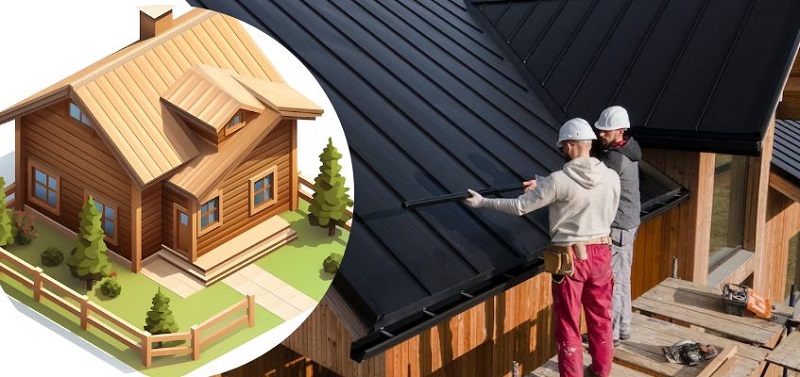
4. Reflective or Radiant Barrier Systems

Reflective or Radiant Barrier Systems

Systems for reflective or radiant barriers are made of thin, inexpensive materials with foil facings that reflect light. These insulation materials are frequently reinforced by Kraft paper or plastic. These types of insulation are useful for insulating floors, walls, and ceilings. They may be installed easily by DIY enthusiasts thanks to their accessibility.

They may not provide enough insulation on their own, so it’s crucial to understand that they are more effective when combined with other types of insulation material.

5. Loose-Fill and Blown-In Insulation

Loose-Fill and Blown-In Insulation
For insulating enclosed regions that are challenging to reach, like wall cavities or attics, loose-fill and blown-in insulation provide an efficient option. To make installation easier, this insulation can be poured or blown into these areas.

DIYers can hire equipment for private use, even though professional tools and knowledge are frequently utilized for blown-in insulation. Due to their adaptability, blown-in and loose-fill insulation are practical options, especially when insulating spaces of atypical design.

6. Spray Foam Insulation

Spray Foam Insulation

Utilizing specialized spray containers or equipment, spray foam insulation is applied. It first expands and then hardens, sealing tightly. This kind of insulation is appropriate for open wall cavities, attic floors and existing walls.

After the foam has dried, it must be cut off if there is any extra. Spray foam insulation is especially useful in places that are difficult to insulate using traditional techniques.

7. Structural Insulated Panels (SIPs)

Structural Insulated Panels

Depending on the exact product and manufacturer, structural insulated panels (SIPs) are available with foam board, liquid foam or straw insulation cores. Unfortunately, because it needs to be included in the home’s building, this form of insulation isn’t ideal for do-it-yourself projects.

To avoid any potential delamination throughout the installation process, experts are responsible for properly attaching, compressing, and curing SIP panels. In freshly built premises, SIPs are used to insulate the walls, ceilings, floors, and roofs, greatly boosting the home insulation capabilities. This ultimately results in less heat transmission and cheaper utility costs.

8. Rigid Foam Board Insulation

Rigid Foam Board Insulation

When upgrading existing insulation, do-it-yourselfers typically choose the reasonably priced rigid foam board insulation option. Depending on the exact product and manufacturer, the composition of these types of insulation materials may comprise components like polystyrene, polyisocyanurate, or polyurethane.

These stiff foam boards offer a high level of kinds of insulation materials and significantly slow down the flow of heat through steel and wood studs. For do-it-yourselfers, this insulation material is adaptable and suited for a variety of regions inside the house, including foundation walls, attic access points, external walls, interior walls and ceilings and floors. However, interior and external wall sheathing is where it excels most.

Read Also: Top 5 Benefits of Roof Insulation in Buildings

9. Rigid Fiber Board Insulation

Rigid Fiber Board Insulation

The outstanding heat and fire resistance of rigid fibreboard insulation makes it a top option for insulating home air ducts. Before delivering it to the house or job site, HVAC businesses frequently manufacture ducting with rigid fibreboard insulation already installed.

Although not frequently used, this sort of insulation is essential for reducing heat transfer within the heating and cooling system, which helps to save utility costs. However, because of its specialized nature and crucial application, it requires installation by a qualified expert, making it an inappropriate option for people seeking do-it-yourself insulation projects.

10. Recycled and Eco-Conscious Insulation

Recycled and Eco-Conscious Insulation

Owners who are concerned about the environment may choose to consider insulation produced from recycled or natural materials, such as cellulose, wool, denim or cork. These materials, which come in a variety of shapes like batts, rolls, and loose-fill, present sustainable alternatives and aid in construction waste reduction.

It’s also crucial to remember that these environmentally friendly solutions frequently cost a little bit more than conventional insulation materials.

Where to Purchase the Insulation Material?

Neo Thermal Insulation caters to a wide range of sectors, including warehouses, manufacturing industries, commercial, residential properties, apartments, malls, fitness training centers and more. Our offerings contain roof insulation, complete building insulation, ceiling insulation, floor insulation, and many more. Selecting the most suitable building insulation types hinges on your geographical location and the existing condition of your home’s insulation. Alternatively, you can rely on our expert guidance on the right insulation for your premises.

Conclusion

It can be concluded that you are better equipped to decide what types of insulation your home needs if you have a good awareness of the different types that are available. There is an insulation type suitable for your demands, whether affordability, environmental friendliness, or DIY accessibility are your top priorities. You may dramatically improve your home’s energy efficiency, comfort, and long-term savings with Neo Thermal Insulation by picking the correct insulation. Take the time to consider your unique requirements and choose the sort of insulation that supports your goals to create a place that is more efficient and comfortable for years to come. Consult trustworthy sector specialists to support your choice.

Frequently Asked Questions

1. What insulation is best?

The optimal insulation choice is influenced by variables like environment, spending capacity, and individual requirements. Common choices include cellulose for environmental friendliness, spray foam for great performance, and fiberglass for price. To choose the best types of insulation and application for your home, it is essential to consult with an insulation expert.

2. What Material is Insulation?

Although there are many other types of insulation, fiberglass, foam board, cellulose, mineral wool and spray foam are frequently used. These materials are used to improve energy efficiency in homes and buildings by lowering heat transmission, maintaining temperature control, and doing so. The selection of insulating material is influenced by budget, thermal resistance, and fire resistance.

3. Why is insulation material used?

Buildings’ interiors and exteriors are kept as separate from one another as possible through types of insulation materials. In addition to providing acoustic comfort, this increases energy efficiency, maintains cozy indoor temperatures, and lowers energy expenses. To create a more sustainable and comfortable living and working environment, insulation is essential.

4. What is the best heat insulator?

The ideal heat insulator frequently depends on particular conditions and demands. But aerogel is regarded as one of the best heat insulators. Due to its exceptionally low thermal conductivity, it is very effective at obstructing the transfer of heat. Other effective heat insulators include vacuum insulation panels, several varieties of foam insulation, and when employed in suitable thicknesses, materials like fiberglass or mineral wool. The decision is made based on elements including price, space restrictions, and desired thermal performance.

5. Which insulation is best for walls?

Several options for wall insulation are effective, depending on your needs and financial situation. Spray foam, rigid foam boards, and fiberglass batts are popular options. Fibreglass batts are less expensive, while spray foam performs well but is more expensive. Good insulating value and moisture resistance are offered by rigid foam boards. The best option relies on particular needs.

Why Pre-Engineered Buildings are Selected?

Pre Engineered Buildings are assembled at site and engineered at a factory. Normally, Pre Engineered Buildings are related to steel format. Developed sections are fabricated in the factory in order to exact size, transported to the site as well as, assembled at site with the bolted network. Following are reason for selecting Pre-engineered buildings:

Utilize Preset Stock of Raw Materials :

Pre engineered buildings utilize preset stock of raw materials, which attains larger areas of aesthetic and structural design needs. This kind of resilience permits Pre-engineered buildings steel to meet almost developing configurations, uses and custom designs.

Related to Metal Area Development :

The Pre-engineered buildings are related to metal area development which involves a structural design as well as, wall support and standard roof. It is developed for a factory and it is erected on the site.

Pre-engineered buildings related to new manufacturing aspect that replaces conventional manufacturing.

It is identified as a breakthrough in the sector of construction that provides less time in construction, low maintenance, cost-effectiveness, consistent span, as well as premium quality.

Industrial Building Manufacturers :

Pre-engineered buildings focus on wider area of industry. In the current time, there has been substantial improvement in Pre-engineered buildings. Because of rapid construction development, there is an increase in demand regarding quick-track construction in India.

Eco-Friendly Modes

Pre-engineered buildings use eco-friendly modes to address global warming, which is also economically efficient. The prefabricated construction saves time since it is intended in a shorter time. The components are prefabricated regarding transport and specification to the site in which they are accumulated.

Steel Structures :

Generally, Pre-engineered buildings are related to steel structures. For correct size, developed segments are manufactured in the factory. There are two kinds of systems in the context of pre-engineering buildings such as primary and secondary.

Primary Structures :

Primary structures in Pre-engineered buildings are the management of developed I-shaped members of steel and considering the trusses and castellated beams. It contains all elements regarding the structure that passes the load to the base as well as considering End wall structures. The end walls are either intended to be economical bearing structures and rigid structures. These structures are reinforced to connect bolts, wind bracing and if required, it considers anchor bolts.

Apart of individual parts, it integrates these three components as well as weather considering sheeting outcomes in the context of robust steel construction. In the context of conventional framing, individually developed and stand-alone structures could be trusses as well as, individual columns in large as well as, heavy structures.

Secondary Structures :

The secondary structure considers wall girts, clips, struts as well as roof purlins. It assists and aids the primary structure regarding wall panelling as well as, roof. The secondary framing technique consists mainly of C and Z purlin kinds of different sizes. The initial technique involves the column and rafters whereas Z and C Purlin have been considered in the structure maintenance.

Decline Expenses :

Apart from conventional platforms, angles, and beams uses purlins that aids to decline expenses. To get whole stability about building structures, Purlins/Girts moves force instantly from one frame to another. It functions as a developing system for weather covering sheeting requirements. Purlins exist in different thicknesses and lengthy that makes sure no cost of production as well, wastage. Purlins could be frequently mounted, robust, lightweight and resistant to corrosion.
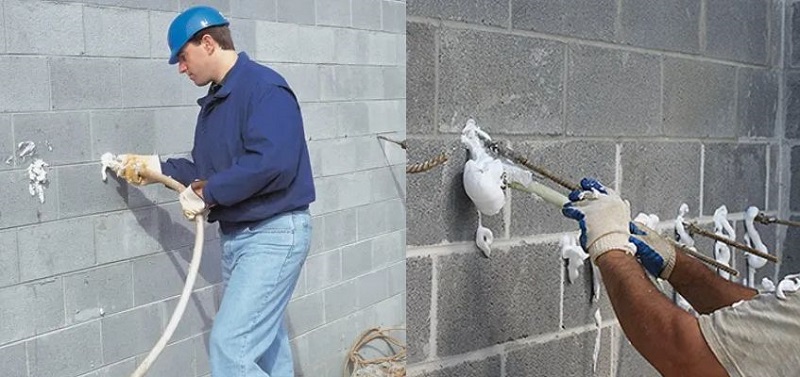
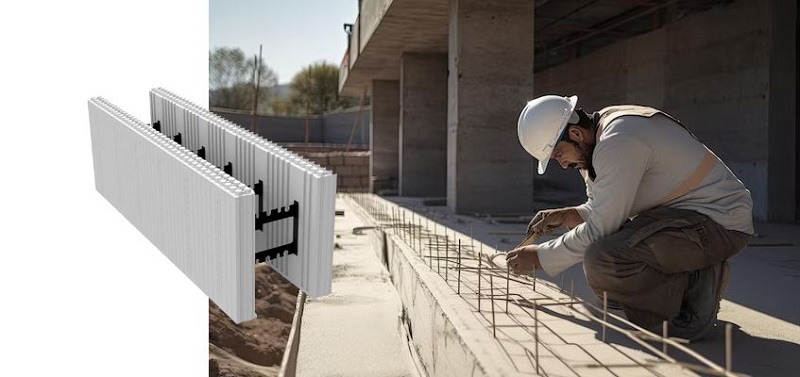
Leading Supplier and Manufactures of Pre Engineered Building

Neo thermal insulation is a leading supplier and manufactures of Pre-engineered buildings in India. Pre engineered building manufacturers in India considers single-source accountability regarding shipment, manufacture, design and erection related to Pre-engineered building manufacturers. Neo thermal insulation company focuses on providing Pre-engineered building manufacturers to the SAARC areas.

Involvement of overseas and Indian companies

Neo thermal insulation has accomplished more than 1500 projects for our customers across different areas of India. Neo thermal insulation list of clients involves different significant overseas and Indian companies. Neo thermal insulation company is one of the first companies in India that integrates to the system for planning, manufacturing, engineering and erection.

Energy efficiency is another factor supporting the success of Pre-engineered building designs. Pre-engineered metal buildings are energy efficient since they could be manufactured in factories. Therefore, there is no construction contamination happening at the site that is unheard about brick and mortar construction.

Wider Range of products

Neo Thermal Insulation offers these steel buildings to companies ranging from e-commerce warehouses to airports. They are high-quality structures that are developed to longer terms. The construction though lightweight that needs minimal maintenance. Therefore, in the longer term, Neo thermal insulation focuses on immense savings of cost. Thermal insulation products are prominent in the context of weather-resistant properties as well as, it is easy in terms of installation. Lastly, Neo thermal insulation company provides peace of mind assurance for every steel building we develop.

Why Is Neo Premium Plus the Best Solution for Home Insulation?

You might have heard about the term thermal insulation but ever wondered what it is? Thermal insulation is a modern technology that helps reduce the consumption of energy in buildings. Thermal insulation creates a building envelope which prevents loss or gain of heat. It is a type of a construction material which generally has thermal conductivity 0.1 W/mk or even lesser. The main job of a thermal insulator is to save energy and provide comfort to people. These are often used on the walls, floors and roof of the building.

Neo Premium Plus is a thermal insulator which is made up of a high resistance foil. It also has anti-corrosion properties which makes it an ultimate thermal insulation solution.

Product Options Provided by Neo Thermal Insulation

We also have a wide variety of insulation options available that you can choose from. Some of our products are:

● Neo single
● Neo Single Plus
● Neo Double
● Neo Double Plus
● Neo Premium
● Neo Premium Plus
● Neo Triple Advance
● Neo superior
● Neo Reflective Foil Tape

Neo Premium Plus is one of the best insulation options that we provide. Its features make it one of the best insulation options in India. Its premium quality, high resilience, and anti-corrosive features attract customers. It is the home insulation solution that you should go for right away but before moving into anything else, let us know why home insulation is essential.

Why Is Home Insulation Essential?

Home insulation is a perfect way to save energy. Yes, I am not talking about installing expensive solar panels or heat pumps to save energy. Simple insulation can help you save a lot of money. If you feel that you have been getting massive electricity bills, you should consider getting home insulation done. Home insulation controls the flow of air moving in and out of your house, thus acting as a thermal resistor. Insulation is one of the most efficient ways to save electricity bills. It will keep your home cold during the summer seasons and warm during the winter season. Hence your consumption of AC during summers and heaters during winters will reduce a lot. Therefore, you can save your valuable money.

There are other perks of home insulation, too, like it reduces outdoor moisture and noise. It also decreases the possibility of ice dam formation. With so many benefits, you should indeed consider installing a home insulation system. If you are still not sure about that, then go through this article. We have attempted to provide detailed information to help you make an informed choice.

Reasons Why Neo Premium Plus Is the Best Home Insulation Solution

The all-new Neo Premium Plus is manufactured from a non-corrosive, high resistance and defective foil. On both sides of the foil is a non-toxic closed cell fiber with extra thickness. There are also two layers of air bubbles present in between the foil. Here are a few reasons that make Neo Premium Plus the best insulation option available in the market:

Non-corrosive Foil

Corrosion in the insulation system has evolved as a familiar yet notorious problem, leading to cracks and damaging insulation. This problem usually occurs in places with high humidity or during the rainy season. Why will you want to invest in an insulation foil that will ultimately damage? It is the reason we have come up with a non-corrosive feature in the neo-Premium Plus. It is done using modern technology, which will protect the insulation system from corrosion even during the rainy season.

Thickness

Neo Premium Plus insulation foil has several benefits. It comes with a thickness of 20mm and is the thickest foil that we manufacture. The thickness of our other sheet ranges from 4mm to 12 mm. A thicker insulation sheet will always provide more protection to your building than a comparatively thinner sheet.

Reflectivity

An insulation sheet with good reflectivity has a lot of benefits. During summers, it will reflect heat from your building, thereby keeping your house cool. During winters, it reflects the heat in the direction of your office or home, thereby keeping your house warm. This feature of a Reflective insulation sheet will reduce your electricity bills drastically.

Therefore it is vital to go for an excellent Reflectivity insulation sheet. It is better than Neo Premium Plus, which has a reflectivity percentage of 97.

Read now:- Advantage and Benefits of Thermal Insulation

Operating Temperature

Make sure the insulation foil you select operates in the temperature conditions of your area. There is no use investing in an insulation foil that cannot handle your area’s weather conditions and temperature. Neo Premium Plus has a wide operating temperature range. It can comfortably operate in temperatures ranging from – 40 degrees to 90 degrees. Thus, this insulation sheet will work in Kashmir as well as Rajasthan!

Air Bubble Thermal Insulation

The Neo Premium Plus comes with a layer of air bubbles in between, making it an excellent insulator. The air in the air bubbles acts as a cheap and natural insulator. It also acts as a radiant barrier. And a radiant barrier reduces the transfer of heat by radiation.

Other Great Features of Neo Premium Plus Are

● Emissivity is of 3%
● R-value of 3.80 m 2 degree C/W.
● Standard roll width of 1.25 meters.
● Fire Retardant(BS 406 PART 6, PART 7)-Class 0-1
● It has been designed keeping in mind the hot Indian sun.
● Experts test the product.
● It also comes with a warranty to make your investment risk free.

Final Words

At Neo Thermal Insulation, we use the latest insulation technology to present the country’s best insulation options. Our every product is of high quality. Also, we strictly supervise our products at the time of manufacturing. We have used the latest technology to design and manufacture our neo premium plus. Our experts have tried to solve the issues faced by obsolete insulation options by using the world’s best insulation technology. Do not miss the experience of our top-notch services and make your office or home insulated.

Agricultural Building Insulation Guide-Things to Know About It

Are you looking for insulation of top-notch quality and the best services? Make sure that you are paying for some optimum quality products for your company. There are many heat insulators readily available in the market, therefore choosing the best and according to your need may be confusing. Please read this article carefully to understand more about the heat insulators in farms, its uses, and other insulating machines.

How do Heat Insulators Help Farms?

All farmers keep in mind the maximum capacity of their storage and carry out farming. It won’t be beneficial if you do not have a big storage area that has insulating services. Without insulation, the produce will rot within no time. Insulators help keep the storage area’s temperature in control so that the fruits or vegetables are good for present and future sales.

In the present situation, there are no storage areas without insulating services. With its help, you can easily store your vegetable for future sales and profit from the entire season. In winters, the insulators will increase the temperature in the storage, and in summers, it brings down the heat. That allows you can check the decay period of fruits and vegetables. Even during the off-season, there remains a need for specific fruits and vegetables. You can sell them at more increased prices, thus incurring profits.

Now you must know that several types of equipment to control temperature are available in the market at a low price. Remember to install only those who are professionals in this sector and provides the best services and machines.

How does Insulating Farm Works?

You can install insulating roofs in your farms that will keep the temperature in check and forbid the decay or rotting of vegetables. Farmers worldwide carry the burden of maintaining the right temperature, which is harder during season change.

The winter veggies and fruits need a cold temperature to survive; therefore, insulating roofs are necessary. The insulation does not allow the warm weather to affect the storage and keeps them safe from rotting at any given point.

The insulating cavity seals the storage area and retains the conditioned air, providing the perfect temperature for months or several years. Farmers carrying out intensive farming need these types of advanced equipment the most. Vegetables, such as potatoes and tomatoes, are common and required throughout the year in many countries and regions. Though it needs cold temperatures to survive, which is not possible around the year, you can produce potatoes all around the year with the insulating farms.

Optimum insulating material saves more than 30% to 45% of the energy required to cool or heat the storage sections. However, you must remember to choose only the best materials from the market at a reasonable price. Sometimes a customer thinks over-priced material will render the best result, but they are mistaken.

Where can you Install Insulating Materials?

Poultry farms, greenhouses, cold storage sections, pork sheds, farmhouses, wherever you need to control the temperature artificially, insulation is possible. It would help if you kept in mind that the insulating materials help to preserve the temperature. If you need to cut down the cost of providing energy in your farmhouses, roof insulation is the best option. It saves more energy when compared to the insulating floors and walls.

It has several scientific reasons- as the warm air is lighter than the cold air, it tends to exit from above (roofs). Therefore insulating the roof with optimum material from reputed companies is wise.

Read Now:- How to keep home cool in summer

Types of Insulating Materials According to Agricultural Needs

There are different types of unique and advanced insulating material for all purposes. Some of them are mentioned below:

1. Spray Foam Insulations

Farms that need to store edibles for mid-season can opt for spray foam insulations as they fulfill the requirements for a short period. The spray foam is mainly soy-based and sometimes also petroleum-based in liquid form. These materials are heated or mixed in large containers to apply on the insulating surfaces. After using the foam, it automatically expands on the surface, filling all the existing cracks on walls or floors.

It creates a radiant barrier and maintains the required temperature. Depending upon the need, the density of the foam insulations differs. Generally, they are closed-cell or open-cell (high or low density, respectively). Farmers use this process to ensure there is no moisture in the storage section and obstruct air circulation.

2. Insulation Boards

Generally, the insulating material is cut into composite boards according to the required size to insulate the area. Material such as extruded polystyrene renders better strength and is rigid. Professionals cut out the panels and fix them on the required sites with caulk or foam.

3. Insulation Batts

It contains materials such as fiberglass, sheep’s wool, and rock wool from the volcanic rocks. These materials work as a blanket fixed on the required surface.

4. Reflective Insulations

You can efficiently insulate the roof of your storage area with the help of insulating roofs. These are mainly foil-type insulations that retain the temperature within the confined space. If you can provide reflective insulations and the insulation batts or boards, it will render the best results.

About Neo Thermal Insulations

Neo Thermal Insulations have changed the entire insulating business. They have set their benchmark set at such a level that few companies can even reach. The vast customer base all across the globe speaks for itself about its products and dauntless services. Neo is one of the best thermal insulation material suppliers in India.

The company provides top-notch products with effective services, making them reach and survive at pole positions. Therefore, choose Neo Thermal Insulations for the best work and longevity.

Conclusion

Through this article, you will understand the need and efforts of insulating farms. Keep in mind to choose only the best for quality products and services. If you have any queries about Neo Thermal Insulations, do not forget to check their website. Do not hesitate to call or email them for more information.

Talk to us?

Download Brochure