Category: Thermal Insulation

Why Should You Insulate Basement of Your House? Pros and Cons

When we talk about basements, the first thing that strikes in the mind is “Store Room”. A place to keep all used or unwanted or occasionally used items. We find basement not so important to give it an extra care or invest an extra cent to maintain it. Moreover, we never ponder on a thought to insulate the basement, are we?

But after reading this blog, we assure that you will again give a second thought on insulating your basement. Do you know that discriminating or taking a chance with proper insulation of your basement can cost you heavily?  What if we tell you that basement insulation actually improves the overall energy efficiency of your home! It also reduces consumption of energy, eliminates moisture retention on the walls and roofs.

So, let’s understand how we can manage our house thermal stability with the help of thermal insulation.

Basement Insulation

Basement insulation is not a rocket science but a proven skillful thermal insulation technique to implement high-quality thermal insulation material evenly on the desired area. The current buildings are having inbuilt thermal insulated basements. However, the already existing buildings are required to opt these energy-efficient approaches to insulate their basements.

Here are some questions to ask before insulating basement to give an affirmative response to your queries related to the insulation of the basement.

  • What is the state of your house thermal stability? You need to have a home energy audit to get an idea of the exact thermal insulation required in your home to save energy consumption.
  • If you have existing insulation, then what is the R-value of it? R-value is the measure of the capabilities of an object to resist the heat flow. The Thermal Insulation Materials are present in various density and thickness. The more the thickness the better the thermal insulation.

It is obvious with the fact that there is a significant amount of air leakage through the walls, roofs, ceilings, vents, etc. Maintaining the thermal condition inside the house during the winter is difficult because heat travels from higher temperature to lower temperature. Basement being at the lower temperature condition, the heat travels from the rooms which are cozy and are at a high temperature. Thus, it becomes utmost important to insulate the basement with a high-quality thermal insulation material.

Which Part to Insulate in the Basement?

There are three major places where insulation is effective: exterior wall, interior walls and ceilings. The best insulation placement depends on how the basement is used, also it depends on if the building is already existing or you are constructing a new building. However, you can use a combination of insulation to get the best result.

  • Wall insulation: Wall insulation is the most vital part of the basement insulation because the maximum amount of heat is transferred through walls, especially if your surrounding climatic conditions are colder in the winter season.
  • Ceiling insulation: A general way to insulate the ceiling of your building’s basement is fiberglass bat insulation. It will make the space in the basement much warmer and thermally stable.
  • Floor insulation: When we start constructing a building, we make sure that the foundation is strong and don’t allow any kind of leakage in the building. Moisture retention can be a major issue if the floor is lacking proper insulation. Thus, insulation contractors in India recommend floor insulation for the existing buildings and also for the buildings that are under construction.

Pros of Basement Insulation

–    Maintain Thermal Stability:

Insulation prevents air leakage and heat transfer. It boosts comfort and helps in cost cutting of the utility bills.

–    Control Moisture:

Moisture enters through the ground and foundation. This moisture gets trap in the basement due to lack of proper ventilation. Thus, a simple SPF foam sprayed onto inside wall can prevent moisture intrusion. For exterior insulation, fiberglass is the first choice.

–    Prevents Freezing of Water Pipes:

Areas where mercury drops frequently, water pipes get frozen easily in the basements. Thus, basement insulation is the best and cost-effective solution.

–    Reduces Energy Consumption:

When you insulate the basement, there is no place for heat to escape. Thus, maintains the desired temperature in the building which further cut down the energy consumption during variable climatic conditions.

Cons of Basement Insulation

  • Cost of Installation:

    The cost is a variable quantity, highly depending on the type of thermal insulation material and the area (dimensions) required to insulate. However, the maintenance cost is 100% more than the initial cost of installation.

  • Degradation of Exterior Insulation:

    The most common reason for the destruction or degradation of the external wall installation is insect infestation. Because of the direct contact to the external surrounding, insulation is highly susceptible to degradation.

  • Improper installation:

    If the insulation contractor or agency is not having proper experience then, there will be loopholes in insulating your building. Thus, choose wisely a thermal insulation contractor to get the best services.

Conclusion

Basement insulation is surely an important factor to consider while insulating other parts of the building and especially if that building is your comfy house. You might think that thermal insulation is a costly approach or investment but if you are in a construction phase then it will not cost you much compared to the other investments. It surely enhances the lifespan of the building and reduces the post-maintenance costs. Live comfortably and save your energy consumption to reduce your expenses.

What are The Benefits of Colour Coated Roofing Sheets?

Constructing a building either for a domestic purpose or for a commercial purpose requires a stable and strong roof. Each part of the building needs to have the ability to withstand adverse climatic conditions and external deterioration caused due to climatic changes.

As per statistics from Grand View Research, the global roofing material market size had a valuation of $120.34 billion in 2021 which is all set to mark a CAGR of 4% from 2022-2030. The market is expected to achieve the valuation of $178 billion by the end of 2030.

Recently, in industrial and urban areas, colour coated roofing sheets are gaining popularity because of their aesthetic look and thermal insulation property. They serve the purpose of adding beauty and at the same time protecting the roof from external wear and tear. There are many benefits of Colour Coated Roofing Sheets that we discuss in this blog.

The colour coated roofing sheets are used in place of galvanized iron sheets in residential buildings to provide better aesthetic look. Today, colour coated sheets can be seen at various places like offices, garages, restaurants, car-parking area, warehouses, manufacturing industries, etc.

These sheets are available in different shapes and sizes according to the requirements. Moreover, unlike traditional coating sheets, these sheets have a strong base of steel metals. These colour coated steel metals can be copper, aluminum, zinc-aluminum and tin. Offering high-functional buildings that are compatible with high environmental requirements and delivers top-notch quality cladding to the roofs.

What is Colour Coated Roofing Sheet?

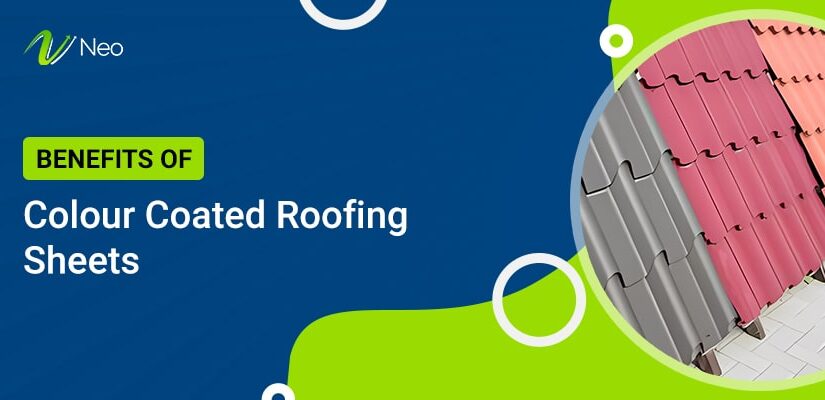
A Colour Coated Roofing Sheets are specially treated metal sheet designed for roofing applications, enhanced with a protective coating that not only adds an aesthetic appeal but also imparts crucial functional benefits. These sheets are typically made from materials like steel or aluminum and undergo a meticulous coating process to ensure durability and performance.

The primary purpose of the colour coating is to provide weather resistance, protecting the roofing material from the detrimental effects of rain, sunlight and other environmental factors. This coating acts as a shield, preventing corrosion, rust and wear and tear, thereby significantly extending the lifespan of the roofing sheet.

Beyond their protective properties, colour coated roofing sheets are known for their versatility. Available in a spectrum of colors and finishes, they allow for customization to match the architectural style and design preferences of a structure. This not only adds a visual dimension to the building but also enhances its overall aesthetic appeal.

The coating on these roofing sheets serves multiple functions, contributing to thermal insulation that regulates indoor temperatures. This can result in energy savings by reducing the need for excessive heating or cooling, making them a sustainable choice.

Benefits Of Colour Coated Roofing Sheets

Benefits of Colour Coated Roofing Sheets
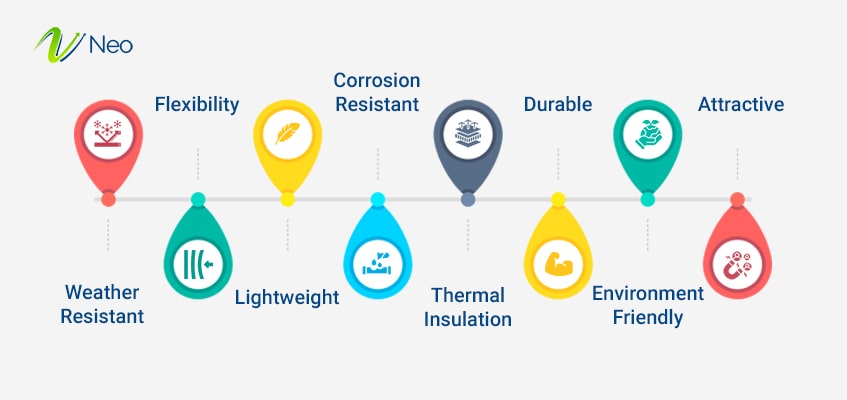
Colour coated roof sheets offer a multitude of advantages, including exceptional weather resistance, flexibility for diverse architectural designs, and a lightweight yet robust structure. With features such as corrosion resistance, thermal insulation, and eco-friendliness, these sheets provide a durable and attractive roofing solution, ensuring longevity, energy efficiency and visual appeal for residential and commercial structures alike.

1. Weather Resistant:

Colour coated roof sheets offer exceptional weather resistance, making them a reliable choice for diverse climates. The specialized coating acts as a shield against harsh weather conditions, including heavy rainfall, extreme temperatures and UV rays. This resilience ensures prolonged longevity and minimal wear and tear, providing a durable roofing solution for both residential and commercial structures.

2. Flexibility:

One of the standout features of colour coated roof sheets is their flexibility, allowing for versatile applications in roofing designs. This flexibility facilitates creative architectural solutions, making them suitable for various roof shapes and structures. Whether it’s a modern, angular design or a more traditional pitched roof, these sheets can be adapted to meet diverse aesthetic and functional requirements.

3. Lightweight:

Colour coated roof sheets are lightweight yet robust, offering a balance between structural integrity and ease of installation. The reduced weight minimizes the load on the underlying structure, making them an ideal choice for a variety of buildings. This characteristic not only simplifies the installation process but also contributes to cost-effectiveness and structural efficiency.

4. Corrosion Resistant:

The corrosion-resistant properties of colour coated roof sheets make them an excellent choice for areas prone to high humidity or proximity to corrosive environments. The protective coating acts as a barrier against rust and corrosion, ensuring the longevity and structural integrity of the roofing material.

5. Thermal Insulation:

These roof sheets provide effective thermal insulation, helping to regulate temperatures within the building. The reflective coating minimizes heat absorption, keeping interiors cooler in hot weather and reducing the need for excessive air conditioning. This not only enhances comfort but also contributes to energy efficiency, making them a sustainable choice for environmentally conscious consumers.

6. Durable:

Colour coated roof sheets are known for their durability, with the protective coating serving as a robust shield against external elements. This durability translates to a longer lifespan, reducing the frequency of maintenance and replacement. It’s an investment that pays off over time, offering a cost-effective and reliable roofing solution.

7. Environment Friendly:

For those seeking eco-friendly options, colour coated roof sheets are a sustainable choice. Their extended lifespan and recyclability contribute to a reduced environmental impact. Additionally, the thermal insulation properties can contribute to energy efficiency, aligning with green building practices and promoting a more sustainable approach to construction.

8. Attractive:

Beyond their functional benefits of colour coated roofing sheets they also add an aesthetic dimension to buildings. Available in a wide range of colors and finishes, they allow for customization to match architectural styles and personal preferences. The attractive appearance not only enhances the curb appeal of structures but also provides a visually pleasing aspect to the overall design. This combination of functionality and aesthetics makes colour coated roof sheets a popular choice for modern roofing solutions.

Conclusion

Recently, many measures have been taken especially in commercial sectors to promote eco-friendly products. And colour coated metal roofing sheets is a step forward to minimize the use of harmful products. If you are planning to implement colour coated roofing sheets to provide roof insulation or thermal insulation to your workplace or houses, then it is recommended to get a consultation from the insulation contractors. As implementing sheets requires precision and many deciding parameters to taken care before installing the sheets.

FAQs

1. What are the Advantages of Colored Roofs?

Colored roofs offer a range of advantages, from enhancing the aesthetic appeal of a structure to practical benefits. The primary advantage lies in the customization options, allowing homeowners and builders to choose a color that complements the overall design and style of the building. Additionally, colored roofs can contribute to energy efficiency by reflecting sunlight, reducing heat absorption, and subsequently lowering cooling costs. The protective coating on colored roofs also adds a layer of durability, providing resistance against weather elements and extending the lifespan of the roofing material.

2. Which Color Sheet is Best for Roofing?

The choice of the best color for roofing depends on various factors, including climate, architectural style, and personal preferences. Light-colored sheets, such as whites and pastels, are effective in reflecting sunlight and keeping interiors cooler, making them suitable for hot climates. However, in colder regions, darker colors can aid in absorbing heat, contributing to better insulation. Ultimately, the ideal color is one that aligns with the specific needs of the building and the climate of the region.

3. How Thick is a Color Coated Roofing Sheet?

The thickness of a color-coated roofing sheet can vary based on the material and the specific requirements of the project. Common thickness ranges from 0.35mm to 0.60mm. Thicker sheets may offer increased durability and resistance to external forces, but the choice depends on factors such as structural requirements, local weather conditions, and the intended use of the roofing material.

4. Which Roof Sheet is Best for Hot Climates?

For hot climates, it’s advisable to choose roofing sheets with reflective and heat-resistant properties. Light-colored sheets, especially those with reflective coatings, are effective in minimizing heat absorption. Metal sheets, such as aluminum or coated steel, are popular choices for hot climates due to their ability to reflect sunlight and resist heat, keeping the interiors cooler and reducing the reliance on air conditioning.

5. What is the Life of Color Coated Roofing Sheets?

The lifespan of roofing sheets depends on various factors, including the material, maintenance practices, and local weather conditions. Generally, high-quality color-coated roofing sheets made from durable materials like steel or aluminum can last for several decades. Regular maintenance, such as cleaning to prevent debris build-up and timely repairs can contribute to extending the life of the roofing sheets.

6. How do I Choose Roofing Sheets?

Choosing the right roofing sheets involves considering factors such as material, color, thickness and the climate of the region. Start by assessing the specific requirements of the building, including the slope of the roof, local weather conditions and the desired aesthetic. Consult with roofing experts or manufacturers to understand the properties of different materials and coatings. Additionally, consider factors like insulation, durability, and maintenance requirements to make an informed decision. Ultimately, the choice of roofing sheets should align with both functional needs and the overall design vision for the structure.

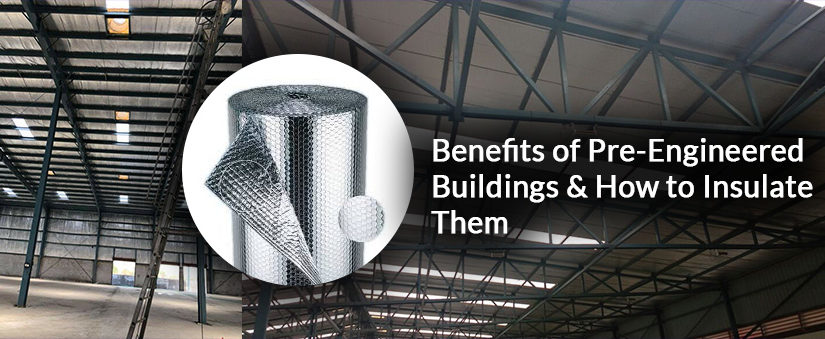
Benefits of Pre-Engineered Buildings and How to Insulate Them

From small businesses to large heavy machinery industries are choosing pre-engineered buildings over concrete buildings. The reason is very simple, they are easy to construct and are cost-effective. A pre-engineered building is designed by using best-suited raw materials depending on the structural and aesthetic requirements. That is why they offer robust and strong structural designs suiting various industrial needs. In this article we will discuss the following points:

  • What is a pre-engineered building?
  • Benefits of using pre-engineered buildings.
  • What are the thermal insulation techniques for insulating pre-engineered buildings?

What is a pre-engineered building?

Pre-Engineered Building (PEB) are custom computer-aided designs which are simply engineered metal buildings. These buildings are easy, fast and cost-effective to develop. Pre-engineered buildings are steel structures which are built over a structural concept of having wall cladding, roof sheeting, primary framing system, secondary framing system and accessories.

PEB is best-suited for construction sites or large industries or manufacturing units. It is also used in earthquake-prone areas to build the houses.

Benefits of Using Pre-Engineered Buildings

There are many benefits of using pre-engineered buildings over concrete buildings, few of them are as follows:

Less Construction Time:

The use of high-quality steel, tapered build-up sections, light gauge steel section, etc. makes the overall process extremely light weighted and cost-effective. Apart from this, the pre-engineered building designs are computerized design programs. Using automatic machinery for welding, multi-cutting torches, etc.in the production line to fasten the procedure of construction. These buildings take 50% less time than usual.

Simple Foundation:

Pre-engineered buildings are easy to construct and are lighter in weight as they are 30%-40% lighter than conventional steel structures.

Scalable:

The building design after construction is expandable for the future needs or additional requirements. The modification or changes in the physical design like height or width are easily changeable, unlike concrete buildings.

High- Quality Assurance:

As the production line is highly automated and under great supervision, thus, the quality of products is assured.

Energy- Efficient:

This is the exclusive feature of a pre-engineered building. As they are energy efficient, they save up to 70% of energy consumption, thus reduces electricity expenses.

What are the thermal insulation techniques for insulating pre-engineered buildings?

To make the metal building energy efficient it is important to create a thermal barrier and air barrier. It is unavoidable to prevent the temperature stability if there will be heat transfer through the walls, roofs/lofts, ceiling, vents etc. Thus, it is important to provide the heat insulation to the buildings. Metal building insulation provides a barrier to exterior sounds, heat, dust and moisture hence improves the energy efficiency of the building.

There are many thermal insulation materials available in the market which offers high insulating characteristics. But when we talk about pre-engineered building insulation then there are two main insulating materials, that is:

Fiber Insulation:

Fiberglass provides an excellent insulation to the pre-engineered buildings. It provides insulation to thermal and acoustical for walls, roofs, and ceilings. Fiberglass comes in many forms like batt, loose-fill and roll form. Fiberglass can be made from recycled glass and it offers insulation to diverse parts of the building.

Rock and mineral wool insulation provides high resistance to fire and is used to the insulated floor, ceiling or walls. Another fiber insulation product – Cellulose insulation is used in a loose-fill form to insulate attics, walls, and floors. Cellulose have high resistance to air leakage thus, provides better roof insulation, under deck roof insulation, etc.

Foams:

Polyurethane and Polyisocyanurate have high R-value, thus are better insulating materials. Polyurethane foam is primarily used to block the air leakage and insulate efficiently. These foaming products are less polluting and harmful to the environment and offer cost-effective solutions.

Insulating Techniques for Pre-Engineered Buildings

Steel or metal buildings are incapable of protecting from the outside climatic conditions. Thus, supportive insulation materials are required to enhance the thermal stability. In general, there are four insulating techniques that are used to protect the pre-engineered buildings.

Batt and Blanket Insulation:

Batt insulation is inexpensive and offers effective wall insulation. It consists of rock wool or fiberglass processed to form a mineral fiber. Batt and blanket insulation are used for walls, floor, ceiling insulation. They have an R-value of R-3 per inch.

Loose-fill Insulation:

It is perfect insulation techniques to block the air leakage and reduce unwanted noise from outside. It wills every corner and space in the cavities thus, provides effective thermal insulation. Loose-fill insulation consists of loose fiber pallets or fibers and is blown into the building cavities with an equipment. The R-value lies between R-3 to R-4 per inch. This insulating technique can be a little expensive than other techniques.

Spray Foam Insulation:

It provides a perfect floor, ceiling, and wall insulation. With the help spray technique, liquid form of polyurethane is sprayed on to the wall or ceiling or floor. The mixture expands as it is sprayed and then convert into solid air-filled cells of plastic. This technique is advantageous to buildings having shaped designs or some complex structures.

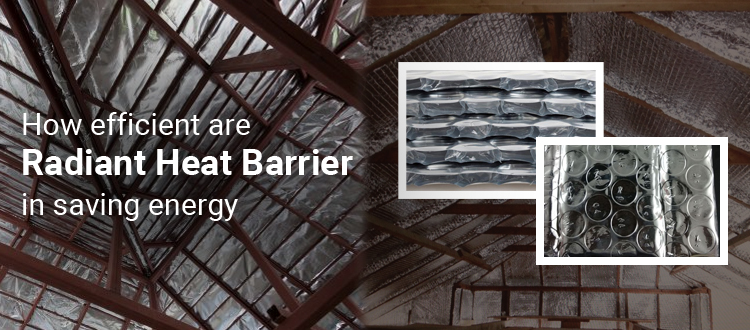
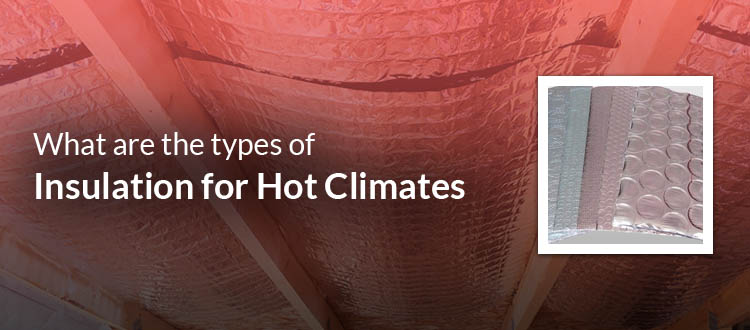
Reflective Foil Bubble Insulation:

This is the most effective form of thermal insulation technique. It provides a dry, clean and easy installation of the insulation material. Reflective foil bubble insulation sheet provides a barrier to moisture, radiation, reflects heat, and dust. Bubble insulation sheets give roof insulation offering temperature stability in the building during the change in the environment.

It reflects 90% – 95% of radiant heat and offers waterproof insulation. The reflective foil bubble insulation sheets are strong, light weighted and flexible.

Conclusion

Proving roof insulation, heat insulation or any other insulation to your pre-engineered building entirely depends to the requirements for which the building will be required and on the climatic conditions of the region. Thus, it is important to consult insulation constructor or thermal insulation providing service companies for better guidance. In the market, there are many insulation materials and insulating techniques are available. Thus, depending on your business requirements or personal demands, choose the perfect insulation technique and material for your pre-engineered building.

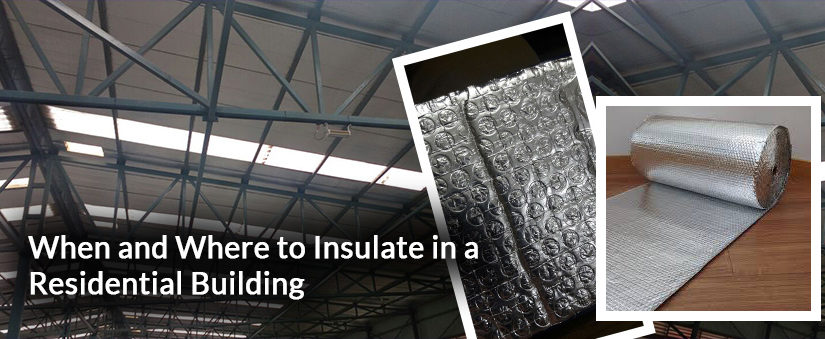
When and Where to Insulate in a Residential Building

Insulation is one of the prime factors that one should consider before constructing a building. When we talk about energy conservation and preservation, it starts with your home. Energy is a strategic commodity and plays a prominent role in a country’s economic development. Thus, it is important to wisely use the national commodity. Moreover, if energy consumption is reduced then there will be cost-saving on utilities like electricity, water, etc. Thermal Insulation is the key factor that if implemented successfully can benefit in saving up to 90% of the energy.

Where to insulate in a building?

To start with the thermal insulation of the house or any residential building, it is important to analyze the weak spots in the building that need to be insulated. There are numerous areas from where air can leak or heat transfer can take place.

Few of the areas where possibilities are high for heat transfer is as follows:

  • Thermal insulation is required for unfinished attic spaces between and over the floor joists to prevent the escape of the air and heat exchange.
  • Insulate between studs of knee walls.
  • Insulate space between rafters and studs.
  • Providing insulation between roof and ceilings.
  • Insulation of exterior walls is more prone to exchange the heat, moisture, and air.
  • Floors above unheated garages or floors that are built directly above ground.
  • Bend beam, where there is a high chance for escape spaces.

Attic/Loft Insulation

Providing loft or Roof Insulation ensures high resistance to heat, moisture and sun’s radiation. The type of insulation used for insulating attic is either loose-fill or batt insulation. However, loose-fill insulation is cost-effective and offers better coverage area than batt insulation.

Exterior Wall Insulation

If your house feels warmer in summer or colder in winter then one of the reason is lack of proper exterior wall insulation. For a pre-built home, use blow-in insulation that will provide a significant air sealing and will enhance thermal stability inside your living space. Also, if you are repairing or remodelling your house walls and if, your wall cavity is open then use two-part spray foam to fill the cavity.

However, if you are planning an architectural structure for your new house, then it is advisory to consider thermal insulation contractors. They will help you in deciding the best-suited Heat Insulation Material or thermal insulation material for your house according to the climatic conditions in your surroundings.

The perfect insulation technique which will improve the R-value of the complete wall is advanced wall framing techniques. This technique helps in thermal bridging and enhancing wall insulation area. Use of insulation wall sheets provides higher R-value than wood sheathing. Thus, use higher R-value insulation sheets for better thermal bridging.

Underdeck Roof Insulation

They are the efficient heat barriers and thus ideal for providing heat insulation in buildings. The underdeck insulation materials for roofs provides resistance to UV rays penetration. Apart from this, it reduces unwanted noise entrance and heat escape.

There are many types of underdeck roof insulation materials like TF Expanded Polystyrene, Phenotherm, Aluminum Faced Fiberglass, Polynum or Crosslinked Polyethylene.

Color Coated Roofing Sheets

Well, another type of insulation for the open space in the roof can be insulated by color coated insulation sheets. These sheets come in different colors like grey, blue, green, red, etc. each color has a specific significance in preventing the entrance of harmful UV rays and wind from the roof. Apart from this, it stops dust to enter your clean living space. If you are living in areas with hot weather and little dust then you can implement color coated sheets. Also, it will add to the beauty of the house.

Basement Insulation

Basement is connected to a major part of your living space. The ceiling which becomes the floor of your living space and the exterior walls of the basement which is highly susceptible to the underground soil, moisture and water content can cause a major defect in the thermal stability of your house.

Thus, to insulate better you basement it is advised to build a strong foundation of the house by minimizing the thermal bridging, providing resistance to moisture intrusion, reduce condensation on the surfaces, etc.

Depending on various geographical conditions and constructional requirements, your insulation contractors will suggest the best type of insulation material. Following are the types of insulation materials that enhance the thermal stability of your building.

– Foam board insulation

– Loose-fill insulation

– Blanket insulation

– Sprayed foam insulation

What is the best time to insulate your residential building?

The best and highly recommended time to install insulation whether heat insulation, underdeck roof insulation or ceiling insulation, etc. is when you are constructing the building or while renovating the building.

To meet the minimum energy efficiency standards it is preferred to build a house by following the standards as stated by the legal department of the states or territories. However, it is never too late to insulate your existing building as there are many options to do the insulation of your already constructed building.

Conclusion

Insulating your building brings a significant cost-cutting in your electricity bills while making your living space comfortable and cozy. Today, there are many cost-effective insulation materials are available that are eco-friendly and offers high durability with less maintenance. Try to consult an expert from a top provider of insulation services and get the best-suited insulation advice.

Talk to us?

Download Brochure