Category: Thermal Insulation

Pipe Insulation: Materials, Types and Features (Ultimate Guide)

In factories and manufacturing units where pipes operate at below-ambient temperatures, there are huge chances of water vapor condensing on the pipe surface, thus causing conditions like corrosion. So, pipe insulation is a great solution in such a condition that helps to prevent condensation from forming and maintains the overall right temperature for the different types of pipes. Pipe insulation material not only helps in dealing with condensation but, at the same time, it even lengthens the life of pipes.

Go through this blog and you will have ample information about pipe insulation, its benefits, cost, and importance.


Pipe Insulation: An Overview

What is Pipe Insulation


Pipe insulation is an important practice that requires placing specific materials around pipes to control heat flow, maintain preferred temperatures, and generally provide protection. That integral procedure is vital in many sectors and applications such as for heating, ventilation, air conditioning systems, and plumbing, as well as oil & gas pipeline networks. Pipe insulation materials are important for controlling thermal dynamics to enhance energy efficiency, avoid heat losses, and ensure the integrity of pipelines.

It helps in keeping constant temperatures during HVAC applications, which increases the performance of the heater and air conditioner. It insulates piping from freezing and condensation to reduce damage risks in plumbing. Piping insulation plays a global role in the oil and gas industry as it assists in the smooth flow of transported fluids to maintain its integrity.  Moreover, the company should enhance its marketing strategies and increase public awareness about the benefits of purchasing its products

Purpose of Pipe Insulation

Pipe insulation aims at carefully controlling the temperature of liquids flowing in pipes and therefore preventing any kind of heat loss/gain. The dual function enhances energy efficiency by serving as solid protection against damage arising from freezing, condensing, and the potential destruction of the piping system.

Protect Your Pipes From Sweat, Freeze, or Leak by Insulating Pipe Insulation!

However, thermal insulation materials are not limited to only temperature maintenance but also act as a multifunctional feature by reducing noise levels, protecting employees’ lives as well and conforming to various industry regulations”. Its broad function extends beyond thermal retention but enhances operation stability as well as the safety of various industrial, commercial, and residential setups.

Features of Pipe Insulation

Pipe insulation boasts a range of features that contribute to its effectiveness in various applications:

Features of Pipe Insulation

1. Thermal Resistance

Pipe insulation has one main characteristic and that is its capability for thermal conduction. It ensures that the required temperature level of the fluid is maintained within the pipes, minimizes energy leakages, and promotes optimum productivity.

2. Moisture Resistance

Many of the quality insulation materials are inherently resistant to moisture. This characteristic is very important for avoiding condensation on pipes’ surface and avoiding corrosion and future damaging effects.

3. Flexibility

There are many types of insulation materials and a majority of them are meant to ensure that they are easily fitted around the pipework regardless of shape. The flexibility of the insulation also ensures that it fits perfectly on the item to be preserved, maximizing its performance.

4. Ease of Installation

Engineered pipe insulation materials are designed for easy fitting. Firstly, this element is critical because it reduces the cost of time, and labor hours, and makes insulation projects time-efficient.

5. Durability

Effective pipe insulation involves longevity as one characteristic. Durability requires the use of long-lasting materials that can endure the harshness of different surroundings, extending their protective capability and thermal effectiveness.

6. Compliance with Safety Standards

The piping installation meets various safety standards for reliability pipe installation. For this reason, the insulation services works not only about thermal control but it is meant to be used in a safe way to meet or even exceed the regulatory requirements for certain cases.

Types of Pipe Insulation Applications

1. Hot Insulation

Hot Insulation

Hot insulation becomes essential especially where a minute change in temperature affects production operations and the economic competitiveness of industries; such as petrochemical plants. It was specially made to prevent any heat transfer from the pipe and thus maintain a constant temperature of the transporting fluid which is used for hot water pipe insulation.

The hot insulation provides both cargo and energy security.

2. Cold Insulation

cold insulation

Pipelines conveying refrigerated substances/fluids should be insulated coldly. Condensing or cooling units are designed with the main aim of overcoming condensation, which is always encountered in cold systems.

In addition to sectors like food processing, pharmaceuticals, and cryogenics, proper AC pipes insulation is equally critical. Effective cold insulation not only prevents condensation and corrosion but also optimizes the efficiency of the cooling process in AC systems.

3. Personal Protection Insulation

Personal Protection Insulation

Personal protection insulation focuses on prioritization of personnel safety by limiting temperatures on pipe surfaces. This is a pipe insulation type that minimizes the chances of getting burnt or injured by reducing contact between people and hot or cold surfaces.

Human beings come into direct contact with various piping systems such as those used in the residential heating process and industries.

4. Acoustic Insulation

Acoustic Insulation

Noise reduction is a vital factor in some applications. The main function of acoustic insulation is to mitigate the fluid noise produced inside the pipes. Due to this fact, this form of insulation makes sense in places that are characterized by a high importance on acoustic privacy, for example, commercial buildings, apartments, or any other place with an imperative need to keep noise down.


The acoustic insulation is regarding comfort as well as a requirement that sound emission must be in line with noise regulations and standards.

Read Also: How Proper Home Insulation Can Save Your Bills & Energy?

Types of Insulation in Piping

1. Foam Pipe Insulation

Foam Insulation

Polyurethane or polyethylene can be used to make pipe insulation white foam which has high thermal insulation properties and can be applied in any place. It is highly preferred due to its lightweight nature; hence it provides a better way of insulating various types of pipes within different fields.

Foam insulation is flexible, thus providing a good fitting for pipes of different diameters and configurations.

2. Fiberglass Insulation

Fiberglass Insulation

Fiberglass insulation is well known for good heat resistance quality as well as resistant and durable products in applications where efficient temperature control is required.

Used for piping insulation in hot scenarios, and is highly resistant to heat with an added perk of being resistant to corrosion, giving it a long life even in tough conditions.

3. Rubber Insulation

rubber insulation

Rubber insulation is extremely versatile, making it suitable for both high- and low-temperature uses. Its ability to withstand moisture makes it a suitable choice for areas susceptible to water.

The rubber insulation acts as a barrier that protects against temperature changes, thereby ensuring proper working conditions for piping systems.

4. Mineral Wool Insulation

mineral wool insulation

Mineral wool insulation is made of rock fibers which are non-combustible and provide excellent thermal insulation besides sound dampening ability of mineral wool. It is a widely used solution in high-temperature environments especially where the demands of industry require the highest standard conditions.

5. Spray Foam Insulation

spray foam insulation

Spray foam is famous for being very flexible as applied as a liquid and expanding to form an airtight seal. It fills the voids perfectly creating one big homogeneous insulating plane ensuring efficient saving of energy.


It is flexible in terms of diverse pipeline arrangements and thus its use results in tight air-insulating options in homes and industrial plants.

Read Also: Wall Insulation: Materials, Types & Benefits

How to Insulate a Pipe?

There are basically two types of pipes that need to be insulated. The first one is indoor pipes and the other one is outdoor pipes. Here is the complete process for insulating both types of pipes in the easiest way-

Installing insulation in Outdoor pipes

  • First of all, make sure that all of your insulation materials and tools like foam, fiberglass, rubber, duct tape, zip ties, knife, and tape measures are at one place.
  • The water supply or any supply coming from the pipe should be turned off and the pipes should be dried off before applying the insulation. Then measure the dimensions of the pipes that need to be insulated.
  • Cut down the insulation according to the measured dimensions of the pipe, slide and wrap the insulation over the pipe, and thus secure the insulation by covering the gaps with tape or zip ties.
  • In the end, cover the pipe with weatherproof material like aluminum foil tape to prevent the external water from getting in.

Installing insulation in Indoor pipes

  • Similar to outdoor pipes, gather all the necessary tools and materials like foam, rubber, fiberglass, duct tape, zip ties, tape measures, knives, etc.
  • Then turn off the supply and make the pipes dry. Measure the dimensions of the pipes.
  • Cut the insulation material according to the dimension of the pipe, slide or wrap the material over the pipe, and make sure that it fits snugly.
  • Use duct tape or zip ties to secure any gap in the insulation.

How To Select the Right Pipe Insulation Materials?

The selected pipe insulation material for the pipe insulation depends on operational temperatures, the prevailing environment, and specialized application needs. Assess the thermal conductivity, moisture resistance, and degree of flexibility that are needed for your insulation system. Ensure the strength of the materials, ease of installation as well and safety.

A detailed assessment of these critical variables guarantees to choice of the appropriate steam pipe insulation material to promote energy conservation, minimize heat loss, and shield against unfavourable weather conditions in various business, trade, or home scenarios.

Schedule Your Piping Insulation Installation Today!

Why Choose Neo Thermal Insulation For Pipe Insulation?

When it comes to piping insulation, Neo Thermal Insulation comes as a trustworthy brand that promises the best in providing high-quality insulation materials. The company consists of experienced specialists who have worked in insulation industries for many years. At Neo Thermal, our aim is to ensure your utmost comfort and cost-effectiveness while remaining environmental sustainability. You can rely on us for top-notch insulation products in your project, guaranteeing long-term satisfaction and benefits.

Conclusion

Proper pipe insulation is critical for the efficiency, safety, and longevity of the piping system. With its wide choice of pipe insulation materials, no need is left unattended as each application gets the right level of thermal control and security. The selection of suitable materials in both hot and cold insulation, as well as in personal protection and acoustic insulation is crucial to get desired results in reliable piping systems. Neo Thermal Insulation is the right partner to ensure success and long-term comfort of outcomes while being environmentally friendly.

Frequently Asked Questions

1. What happens when the thickness of insulation on pipe exceeds the k value?

When the insulation on a pipe gets too thick, it starts to hit a point where adding more doesn’t help much. Instead of improving efficiency, it just costs more without giving many extra benefits. Plus, it can become tricky to install and maintain, and there might not even be enough space for all that extra insulation. So basically, it’s like reaching a limit where more isn’t better, it’s just excessive.

2. What are the benefits of pipe insulation?

Pipe insulation offers benefits such as energy conservation, prevention of heat loss or gain, protection against freezing, condensation control, and enhanced safety.

3. Which is the best material for piping insulation?

The best material depends on factors like operating temperature, environmental conditions, and specific application requirements. Common materials include foam insulation, fiberglass, rubber, mineral wool, and spray foam insulation.

4. What are the components of pipe insulation?

Pipe insulation typically consists of a material layer (foam, fiberglass, rubber, etc.) that provides thermal resistance and protection.

5. What are the different types of pipe insulation?

Different types include hot insulation, cold insulation, personal protection insulation, and acoustic insulation, each serving specific purposes in various applications.

Wall Insulation: Materials, Types & Benefits Complete Guide

Wall insulation entails a lot of details that need to be understood for energy-efficient and comfortable living spaces. Insulated wall contributes to the management of temperatures, save power use and create an effective home.

Numerous materials can be used, starting from well-known ones like fibreglass or cellulose and ending with modern alternatives like foam board or mineral wool which is discussed in this blog. This guide will take into consideration the climatic impacts of different wall insulating systems ranging from interior wall insulations to external insulations. These impacts should come in line with available space for installation and finally cost implications.

In addition, we will reveal different advantages of wall insulation such as increasing energy efficiency and comfort, which, finally, boost property value.

What is Wall Insulation?

Wall insulation also entails attaching a substance to the wall so that the flow of heat is restricted. This contributes to controlling an appropriate ambient temperature indoors, enhancing power conservation, and developing energy-conserved settings for residence or occupation.

What is Wall Insulation

This includes wall insulation panels, a key element in whole building insulation whose main goal is to establish an obstacle between the internal and the outside environment, with the ultimate result of controlling temperature flow and cutting down bills for energy.

Why is Wall Insulation so Important?

Wall insulation increases thermal and acoustic insulation which translates into high-efficiency affordable utility bills and an optimal living environment. Heat Insulation also comes in and goes out through walls as one of the key areas of the room that have a huge role.

Make Your Home Cozy and Energy Savings With Wall Insulation!

Good insulation allows to maintain a constant indoor temperature and thus, there is no need to heat up or cool off too much. Through this, there is less energy consumption and a reduction of greenhouse gases with positive effects on the environment.

Types of Wall Insulation

1. Internal Wall Insulation

Internal Wall Insulation

The internal wall insulation method entails placing insulating materials in the walls through their interior surfaces. This is an appropriate alternative in case of architectural or planning limitations that make it impossible to apply external wall insulation. On the other hand, it may diminish the indoor living area by a small amount.

2. External Wall Insulation

External Wall Insulation

An outer layer of insulation is applied on the external walls of the building in such a way as to help keep heat. It is mostly preferred since it does not interfere with the inside space and offers extra reinforcement to the building framework.

3. Cavity Wall Insulation

Cavity Wall Insulation

Insulating cavity is a process that entails filling up the gap between the two walls of a double–walled house with wall thermal insulation materials. It is popular nowadays as modern construction which has a big influence on minimizing the process of heat transfer.

Read Also: How Proper Home Insulation Can Save Your Bills & Energy?

Factors to Consider When Choosing Wall Insulation

One of the most important decisions that have to be made regarding a building concerns the choice of wall insulation which ensures energy efficiency, comfort and long-term cost savings. Several important aspects should be taken into account when making a decision.

Factors to Consider When Choosing Wall Insulation

Climate:

Therefore, the basic factor considered when choosing wall insulation internal is the local climate. It is important to realize how much cold or heat dominates in the region. The main purpose of insulating in colder zones is to prevent warmth losses and requires using thicker and more effective materials for this goal.

On the contrary, in hotter areas, it is all about staying cool. In most cases, it results in choosing different wall insulation materials with dissimilar application methods due to diverse climate conditions requirements.

Building Design:

The architectural design and style of a building greatly influence the choice of insulation. Insulation in some cases may be better carried out internally than externally depending on the structures suitable for such. This method may be practical where it becomes difficult to provide external insulation, for example, on account of architectural restrictions or aesthetics.

However, the use of external wall insulation where a protective cover is placed onto the exterior of the building protects the internal décor but improves energy efficiency. The design may also affect cavity spaces for insulation, especially on old or uniquely constructed buildings.

Budget:

Any insulation project should take into account cost considerations. The worst-case scenario is usually preferable upfront though the cheapest. Still, it’s a matter of striking a balance between short-term cost and long-run energy savings.

While some wall insulation materials might be costly to purchase, they could prove more energy-efficient in the long run leading to significant cost savings throughout the lifespan of the structure. An extensive cost-benefit analysis must be carried out to establish the most affordable and practical insulation option for the unique requirement of this building.

Installation:

Practically, this also involves the ease of installation as a logistic issue. The type of insulation material will determine the specific installation method that will be applied. This implies both time and costs.

The complexities of a building structure, the presence of obstacles, and accessibility of the skilled laborers affect the choice of insulation. Therefore, it is necessary to evaluate if the setup conforms to the timeline and the financial limits of the project.

Types of Wall Insulation Materials

The selection of appropriate insulation material greatly contributes toward better energy efficiency as well as improved occupant comfort in any building. Most commonly used types of wall insulation materials and their properties.

1. Fibreglass

Fiberglass

One of the most common and cheaper fibrous materials for installation is fibreglass, which is also quite effective in insulating properties. It comes as a roll or batt therefore, it is quite manageable to handle during installation. It comprises various types of fibreglass insulation which trap air to minimize heat exchange and work for different wall types. It is a cheap, flexible way that can be easily used in many construction projects.

2. Cellulose

Cellulose

Cellulose insulation can be produced using burnt fire-retardant recycled paper or cardboard. This offers good thermal properties and it’s typically eco-friendly. Blown-in cellulose insulation is a good material for retrofitting especially in old buildings that should be refurbished or upgraded, it fills gaps and cracks in cavity walls efficiently.

3. Foam Board

Foam Board

XPS and EPS are rigid foam boards that have a relatively high insulation value and flexibility. They are light, solid, and usable with different wall surfaces. Foamboard insulation offers a very good R-value thus making it suitable for residential or commercial purposes. It has high thermal insulating properties for its thickness and is thus particularly appropriate where there is a lack of space.

4. Mineral Wool

Mineral Wool

Rock wool and slag wool are examples of mineral wool, which is an effective fire-resistant insulation material with good thermo-acoustic properties. They are also known as natural or recycled minerals spun into fibers and then batts or blankets. Mineral wool is durable; has low absorption of water and cannot burn, which makes it suitable for instances that require high levels of fire safety.

Benefits of Wall Insulation

Using wall insulation has many benefits that go in the direction of energy saving, comfort, ecology, and high demand for real estate objects. Below are the benefits of wall insulation:

Benefits of Wall Insulation

1. Energy Efficiency

Wall insulation cavity is one of the main contributors to energy efficiency. Insulation serves as a thermal barrier thereby decreasing the number of heating necessary in cold climates and the numerous cooling’s required in hot climates.

In turn, this reduces energy use by ensuring that indoor temperatures are kept at a moderate level, resulting in significant savings on utility expenses in the long run. Wall insulation is an intelligent investment that will not cost people any money while reducing dependence on energy sources. 

2. Comfort

It is important to maintain a constant temperature indoors to ensure a pleasant lifestyle or workplace. It is one among several measures taken to reduce temperature fluctuation inside the rooms maintaining warmth during winter and coolness through summer.

One can feel the difference in the same type of rooms that are neighbouring with outer walls. Hereby insulation prevents the influence of outside weather changes, which becomes much more comfy and cozy.

3. Environmental Impact

Although wall insulation focuses on personal houses and buildings, it also contributes to the general benefits of the environment. The lower energy consumption is also tied to lessened carbon emissions which contributes to a minimal carbon footprint.

As the world becomes aware of the climate change problems, there is a growing need for green insulation alternatives. The principles are in line with wall insulation hence it is environmentally responsible.

4. Property Value

Insulated properties have greater appeal than non-insulated properties in the real estate market. These homes create an environment that is energy efficient, comfortable, and ultimately has lower utility bills to potential buyers whom they attract. Therefore, it can be concluded that upgrading insulation will raise property values.

In addition, insulating the property ahead makes it more marketable which can translate into better-asking price upon selling.

Insulate Your Home With Wall Insulation Now!

Why Choose Neo Thermal Insulation for Wall Insulation?

For Wall Insulation India, It’s only one name Neo Thermal Insulation is a trustworthy brand that promises best-in-class quality and continuous innovation. In addition, their insulation materials products have to perform and last if used internally or externally. This is a Neo Thermal Insulation material that provides good thermal resistance, moisture resistance, and easy installation.

Conclusion

One important factor in building energy efficiency, comfort, and sustainability therefore relates to wall insulation. There are many types of different wall insulation materials and methods and what one would choose would depend on the country, type of building, its budget, and whether it was easy or not to install. However, the advantages of wall insulation go well beyond simple energy saving by increasing comfort, lowering CO2 emissions, and enhancing the worth of a residence.

Frequently Asked Questions

1. What is Wall Insulation?

Wall insulation is the addition of a material to the walls of a building that reduces heat transfer which increases energy savings and comfort.

2. What is a good insulating material for the wall?

Wall insulation may consist of such materials as cellulose, fibreglass, foam board, and mineral wool.

3. Which wall insulation is suitable for homes?

Factors that determine home wall insulation selection include climatic conditions, house design, and available funds. Some of the common options include fibreglass, cellulose, as well as foam boards.

4. Why is wall insulation important?

Some of the benefits that will accrue when walls are insulated include more efficient use of energy, better comfort, lesser damage to the environment, as well as increased property value.

5. Do you know why they put wall insulation?

Wall Insulation aims at preserving indoor temperature by creating warmth and avoiding frequent heating and cooling

10+ List of Thermal Insulation Materials in 2024

There are many things to take care of to keep your home warm and cozy. First and foremost, a home must have a building envelope with a proper list of thermal insulation materials. Fun fact, you can drastically reduce the energy you use to maintain the home’s climate by reducing heat transfer via the building envelope. Thermal insulation not only prohibits heat transfer but also keeps the sound under control. So, here is a best thermal insulation materials list that are put together that keep your home warmer

Numerous budget-friendly thermal insulation materials list currently accessible in the market, each varying in cost, R-values, application methods and environmental effects. Insulating insulation materials in your homes mitigates winter cold losses and summer heat gains, fostering consistent indoor temperatures. 

What is Insulation Thermal Material?

What is Insulation Material

Insulation materials play a crucial role in thermal insulation, aiming to minimize heat transfer between objects. Heat transfer poses challenges across various industries when objects in contact have disparate temperatures. Although heat flow between these objects is inevitable, the use of insulation materials becomes instrumental in curbing the transfer. These materials function by diminishing thermal conduction or redirecting thermal radiation rather than absorbing it.

One common type of thermal insulation material is fiberglass, which is composed of fine glass fibers. Fiberglass insulation effectively traps air, creating a barrier that hinders heat conduction. Another widely used material is foam insulation, available in various forms such as expanded polystyrene (EPS), extruded polystyrene (XPS) and polyurethane foam. These materials boast low thermal conductivity and are often utilized in construction to insulate walls, roofs, and floors.

Market Report of Thermal Insulation Materials List

insulation Materials market stats

The insulation industry has experienced significant growth in recent years, with market dynamics shaped by factors such as increasing awareness of energy conservation, stringent building codes, and a rising focus on sustainable construction practices. In 2021, the market value of insulation products worldwide reached a noteworthy USD 55.1 billion, and industry analysts project a steady climb to USD 71.7 billion by 2026, representing a robust compound annual growth rate (CAGR) of 5.4% over the forecast period.

List of the Top 5 Thermal Insulation Materials

When it comes to list of thermal insulation materials, there is a multitude of affordable and widely used materials available in the market. There are various affordable and widely used insulation materials you can find in the market. Many of these have been in use for a long time.

Each insulation material has its pros and cons. So, when choosing the right insulation for your needs, it’s important to know which one suits your situation best. We’ve taken into account factors like R-value (thermal resistance), cost, environmental impact, flammability, sound insulation, and more. Here are the five most commonly used types of insulation materials:

Insulation Material Price / sq. ft. R-Value / in Environmentally friendly? Notes
Cellulose Insulation 165/kg R-3.7 Yes Contains the highest amount of recycled content
Fiberglass Insulation Rs 20/sq. ft. R-3.1 Yes Does not absorb water.
Mineral Wool Insulation 21/Kg R-4 Yes Does not melt or support combustion.
Polystyrene (EPS) Insulation 250/square meter R-4 No Difficult to use around imperfections.
Reflective Insulation 1,000 INR R-3 Yes Providing an effective barrier against heat transfer in spaces such as attics and roofs.

Best 10+ List of Thermal Insulation Materials in 2024

Exploring the list of thermal insulation materials currently available in the market reveals a range of options with varying pricing, R-values, applications, and environmental impacts. Introducing thermal insulation to your home not only stabilizes indoor temperatures by minimizing winter heat losses and summer heat gains but also has the potential to slash your energy expenses by up to half! Here’s a compiled list of the seven most prevalent insulation materials frequently utilized in residential and commercial applications:

1. Cellulose Insulation

Cellulose Insulation

Cellulose is quite combustible because it mainly consists of shredded newspaper. You can find cellulose insulation on the ceiling, walls, and attics of your house. Please note that cellulose insulation is not fireproof, even though people treat it with flame retardants.

Furthermore, it retains and absorbs moisture. You can apply cellulose insulation using many ways, out of which you can add water into it. Another point to note here is that cellulose insulation requires the same quantity of untouched materials, such as fiberglass insulation. The only difference is that cellulose insulation needs to triple the cellulose to obtain equivalent efficiency.

Composition: Crafted from recycled cardboard, paper and similar materials.
R-Value: Ranges from R-3.1 to R-3.7.
Environmental Impact: Considered eco-friendly due to the use of recycled materials.
Form: Typically available in loose form.

2. Fiberglass Insulation

Fiberglass Insulation

Fiberglass insulation, found in various structural components such as walls, air ducts, floors, and pipes, is composed of two main subtypes: fiberglass loose-fill and blanket insulation. The loose-fill variety is blown into spaces, while the blanket insulation is available in rolls with varying densities and dimensions. Comprising recycled glass and sand, fiberglass insulation is inherently non-combustible. Other list of thermal insulation materials may include foam board, cellulose, rock wool and spray foam.

Using fiberglass insulation can be beneficial to you because it can drastically reduce your utility bills and energy usage. It has impressive environmental benefits as it helps reduce fossil fuel combustion to heat and cool buildings. All in all, it reduces the overall carbon dioxide emission.

Composition: Made from recycled glass and sand; naturally non-combustible
R-Value: Effective in minimizing heat transfer.
Environmental Impact: Reduces fossil fuel combustion for building heating and cooling
Form: Comes in rolls with varying densities and dimensions.

3. Expanded Polystyrene (EPS)

Expanded Polystyrene (EPS)

EPS consists of the fusion of plastic beads of a small size and consists best in the list of Thermal insulation materials. You can notice the use of EPS in concrete tiles. On the other hand, molded EPS comes in small-sized foam beads, and it is widely used for foam board insulation. The only thing you have to take care of is that a tiny hole in the wall or a rush of wind can disperse all the beads.

Polystyrene, a waterproof thermoplastic foam, excels in sound and temperature insulation. It’s available in two types: expanded (EPS) and extruded (XEPS or Styrofoam), differing in performance and cost.

Composition: Composed of expanded polystyrene beads, derived from styrene monomers.
R-Value: Exhibits a moderate to high R-value, providing effective insulation.
Environmental Impact: Production may involve the use of chemicals; recycling is possible.
Form: EPS boards: Available in rigid board form.

4. Extruded Polystyrene

Extruded Polystyrene

The production method sets extruded polystyrene (XPS) apart from expanded polystyrene (EPS), as covered in the preceding section. XPS originates as a molten substance, molded into sheets. Primarily employed as foam board insulation, XPS also finds application in various general or specialized uses.

Extruded polystyrene differs from expanded polystyrene in various ways. It is in molten form, which is later turned into sheets. You can use it for general purposes, but its primary use is for insulating the foam board. A few of its main advantages are that it is resistant to corrosion, moisture, and rotting. Furthermore, it also has air emission benefits with net-positive energy conservation. Extruded polystyrene (XEPS) distinguishes itself from expanded polystyrene through its molten form, later crafted into sheets. While suitable for general applications, its predominant use lies in insulating foam boards.

Composition: Molten polystyrene transformed into sheets.
R-Value: Typically higher R-value, with specific rating variations.
Environmental Impact: Resistant to corrosion, moisture, and rotting.
Form: Mainly used in insulating foam board; versatile for general purposes

Read Also: Building Insulation: Types, R Values, Benefits

5. Spray Polyurethane Foam (SPF)

Spray Polyurethane Foam (SPF)

in The List of Thermal insulation materials spray Polyurethane Foam is the best material of insulation. SPF is an insulating foam plastic. Spray polyurethane foam is sprinkled as a liquid that dilates multifold. Not only does it provide an air barrier and moisture control, but it also provides a high R-value. This list of insulation materials can also be transformed into roofing foam with durability against foot traffic and water.

Spray polyurethane foam serves not only as an air barrier and moisture control method but also boasts substantial R-value levels. It is widely used to insulate ceilings, roofing’s, air barriers, attics, and basements. It enhances the environment of your home’s ventilation for efficient functioning and keep room warm in winter. The two main types, open-cell and closed-cell, offer distinct advantages, catering to specific needs and preferences. Overall, spray foam is recognized as one of the best materials for thermal insulation.

Composition: Polyurethane or other materials in liquid form; expands and hardens.
R-Value: TOffers effective thermal insulation with specific R-values.
Environmental Impact: Superior ability to seal air leaks and prevent water leaks.
Form: Available in two main types: Open-cell and Closed-cell.

6. Reflective Insulation

Reflective Insulation

Reflective foil insulation, incorporating an aluminum or similar reflective surface, offers versatility in construction projects. This type of insulation allows for the initiation of certain internal trades before applying tiles and cladding, enhancing on-site workflow efficiency. On its own, reflective foil insulation boasts a modest R-value of approximately R1.0.

However, when correctly installed with a dead air space (sealed cavity with no air movement), significantly higher R-values can be achieved. Suitable for both commercial and residential applications, examples of reflective foil insulation include the Kingspan air-cell range and Fletcher sisalation range, making it a valuable addition to the list of thermal insulation materials.

Composition: Features a reflective surface of aluminum or similar material.
R-Value: On its own, has a modest R-value of around R1.0.
Environmental Impact: Consideration for environmental impact due to material composition.
Form: Flexible and adaptable, allowing for easy installation in various settings.

7. Radiant Barriers

Radiant Barriers

Radiant barriers are commonly installed in attics, primarily designed to minimize heat gain in hot conditions, typically during summer, and reduce heat loss in cold conditions, typically in winter. Professionals usually install these thermal insulation materials with the reflective side facing an open-air space. The radiant heat moves away from the body, heating every solid it encounters by absorbing energy. This phenomenon is why the sun heats your roof. Moreover, it contributes to lowering energy costs by blocking approximately 90% of the heat that strikes the surface.

Composition: Typically composed of reflective materials, such as aluminum foil.
R-Value: Low R-value, as it primarily focuses on reflecting radiant heat.
Environmental Impact: Consideration for environmental impact due to material composition.
Form: Thin and lightweight sheets, designed for easy installation in attics.

8. Cotton Insulation

Cotton Insulation

In the list of Thermal Insulation Materials Cotton insulation, crafted from recycled blue jeans, showcases the versatility of repurposing denim. Beyond its environmental and hygienic safety, it excels in sound absorption compared to alternative insulation methods. Installers can work without special safety precautions, eliminating the need for masks or additional equipment. Moreover, it effectively retains its R-value during the winter season. The installation process for cotton insulation mirrors that of fiberglass, providing a familiar approach for installers.

Composition: Crafted from recycled jeans, providing an eco-friendly alternative.
R-Value: Effective R-value, comparable to traditional insulation methods.
Environmental Impact: Environmentally and hygienically safe, promotes recycling.
Form: Available in batts or loose-fill, resembling traditional insulation.

9. Mineral Wool

Mineral Wool

Similar to fiberglass insulation, mineral wool is available in both loose-fill and blanket forms. Comprising approximately 75% post-industrial recycled content, mineral wool boasts flame resistance without the need for additional chemicals. Rock wool, a synthetic material, incorporates natural minerals, while slag wool is derived from blast furnace slag residue, making it a synthetic insulation material.

Composition: Around 75% post-industrial recycled content; flame-resistant.
R-Value: Varies with specific product; generally competitive with fiberglass.
Environmental Impact: Considerable use of recycled content; reduced need for additional chemicals.
Form: Available in loose-fill and blanket forms.

10. Polyisocyanurate Insulation

Polyisocyanurate Insulation

This list of thermal insulation materials comprises plastic with closed-cell foam. It also has cells with a low-conductivity gas that provides a decent R-value. But, gas leaks can happen, which let the air inside, lowering the R-value. The insulation comes in liquid foam, rigid foam board, and spray foam. You can also laminate into insulation panels with various facings. In-place foam applications are a better option than installing a foam board because it is more pocket-friendly.

It also has better performance because the liquid foam molds well to the surfaces. Polyisocyanurate insulation, often referred to as polyiso, is a versatile and widely used thermal insulation material. It belongs to the family of rigid foam board insulations and is renowned for its high R-value, making it an efficient choice for various applications.

Composition: Comprises a closed-cell foam formed by a reaction of isocyanate and polyol.
R-Value: Exhibits a high R-value, providing effective thermal insulation.
Environmental Impact: Consideration for environmental impact due to chemical composition.
Form: Available in rigid foam board form, suitable for diverse installations.

Schedule Your Insulation Installation Today!

Conclusion

So, these are the best list of thermal insulation materials that keeping your house warm. You must consider choosing one of them that can suit the best to your needs. One thing to note is that while insulating your home, you must get an R-value recommendation from the Department of Energy in your area. Neo Thermal Insulation is always a perfect choice when it comes to buying insulation materials and providing thermal insulation services. So, these are some of the best insulation materials available to keep your house warm. Choosing the right insulation is crucial to ensure optimal thermal performance and energy efficiency for your home. Before making a decision, it’s advisable to obtain an R-value recommendation from the Department of Energy in your area. The R-value is a measure of thermal resistance, helping you determine the insulation’s effectiveness in preventing heat transfer.

Frequently Asked Questions

1. What are Insulation Materials?

Insulation materials play a crucial role in thermal insulation, aiming to minimize heat transfer between objects. Heat transfer poses challenges across various industries when objects in contact have disparate temperatures. 

2. In the list of thermal insulation materials which is commonly used for insulation?

Loose-fill insulation commonly utilizes materials such as cellulose, fiberglass, and mineral wool (rock or slag). Notably, these materials are crafted from recycled waste products. Cellulose, for instance, is primarily derived from recycled newsprint, while the majority of fiberglass products incorporate 40% to 60% recycled glass.

3. Why should we use insulation material?

Ensuring a consistent temperature throughout the year, insulation safeguards your home from winter cold and summer heat. It also proves effective in diminishing noise disturbances. A properly insulated house exhibits high energy efficiency, requiring minimal additional heating and cooling.

4. Where do we use insulation materials?

Insulation serves as the protective layer you can install on your home’s roof, ceiling, external walls, and floor, mitigating the impact of external temperatures on indoor comfort. This results in a reduced need for energy to heat and cool your home, making it more economical to maintain throughout the entire year.

Top Benefits of Thermal Insulation: A Year-Round Comfort

Nowadays, thermal insulation plays a vital role in homes and buildings and there are various benefits of thermal insulation. Thermal Insulation, you may have seen it but you may be unaware of what it is. Heat insulation is applied between materials, machines or blocks to reduce the transaction of heat or thermal energy. These insulation materials are made up of low thermal-conductive material. There are a few thermal insulation materials suppliers whose materials you should use. In this blog, we will explore the top advantages of thermal insulation and how it is important for homes.

What is Thermal Insulation?

Thermal Insulation plays a crucial role in minimizing heat exchange between surfaces or areas with disparate temperatures.

The application of thermal insulation extends to the regulation of indoor temperatures in buildings, prevention of heat dissipation from pipes and equipment, and mitigation of extreme temperatures in industrial operations. Given that inadequate insulation has the potential to compromise energy efficiency, leading to escalated energy expenses, the benefits of thermal insulation become evident in maintaining these factors within optimal parameters.

In 2022, the worldwide market for thermal insulation reached a valuation of approximately USD 29.75 billion, and projections indicate an anticipated surge to about USD 48.69 billion by 2032. This trajectory suggests a steady compound annual growth rate (CAGR) of 5.1% throughout the forecast span spanning from 2023 to 2032. Specifically focusing on the United States, the market size for building thermal insulation stood at USD 9.6 billion in 2022.

Schedule Thermal Insulation Installation For Your Home Now!

Benefits of Thermal Insulation Materials

So now that you are aware of what thermal insulations are let’s know the benefits of thermal insulation and why we are using them.

1. Reduces Heating Costs

Reduces Heating Costs

For comfortable living conditions, you need a house or building that creates better thermal conditions. Well, without the right thermal insulation materials, these building blocks or houses are not fully thermal insulated. When these areas are insulated thermally well the loss of thermal energy is reduced by a lot of percentages. Now that the block is insulated well, the use of an external heat source will be reduced. This will reduce the consumption of fuel and power.

If we take a rough measure of this then you can see that with thermal insulation materials, you are saving approx. 45-60% of the energy.

2. Maintain Comfort Condition

Maintain Comfortable

The air temperature is the one thing that needs to be controlled when you are trying to create thermal comfort conditions. This comfort condition also depends on the temperature of the surrounding surface. If the room is not insulated well then it will be hard to control the level of comfort even when the air temperature is high. Unlock the high comfort with the advantage of thermal insulation.

This happens when the hot air passes through near the cold surface and creates a draft. Using heat insulation material these surfaces can be made warm and then the temperature will be slightly lower than the air temperature.

3. Fire Safety and Protection

Fire Safety and Protection

The best benefits of thermal insulation is fire protection. One of the widely adopted materials for fire resistance is Rockwool. In case of a fire outbreak, non-combustible insulation, like Rockwool, acts as a barrier, impeding the rapid spread of flames. Notably, Rockwool insulation stands out for its ability to prevent the production of harmful toxic smoke, a critical factor considering that smoke inhalation poses a greater risk to individuals than the actual fire. Beyond its fire-resistant properties, Rockwool insulation boasts exceptional thermal and acoustic characteristics, making it an excellent all-encompassing choice for home thermal insulation.

Read Also: Thermal Insulation In Buildings: Science, Benefits & Materials

4. Mitigating Moisture Condensation

Mitigating Moisture Condensation

First thing first, what is this condensation here? This phenomenon appears when the cold walls start absorbing vapors from the environment. This vapor touching the cold wall starts condensing and this will leave a grey spot on the wall and considered one of the best benefits of thermal insulation. The introduction of insulation serves as a deterrent against both heat gains and losses, ensuring a consistent temperature. This stability prevents surfaces from falling below the dew point, effectively averting condensation.

Now, if the external thermal insulation material was applied on the wall then this variance in the temperature will not take place. With this, there will be no condensation, and with no condensation…. you got the idea, right?  While air barriers and vapor control wall wraps play a role in minimizing condensation, insulation goes a step further by maintaining optimal wall temperatures and mitigating the risk of condensation occurrence.

5. Save Energy and Save Bills

Save Energy and Save Bills

With the thermal insulation, you are not only making room temperature stable but you are also making it comfortable for all seasons. With an insulation layer, you do not need heaters or ACs. Even if there is a case when you want to use these, you are saving a lot of money. So you can easily save money and energy savings with the benefits of thermal insulation.

Thermal insulation makes sure that there is no kind of loss of energy to the block it is applied. So if there is no loss of energy the heater and AC will eat up less power to reach the desired temperature. So using less AC and heater is surely going to be seen in your electricity expenses.

6. Environment Friendly

Environment Friendly

So as we talked about just right now how do things get changed when you start using heat insulation material? So now you are not required to use that much AC and heater to artificially control the temperature of the room.

Using less and less of these devices will make sure you are reducing the consumption of electricity. Now you are not just saving electricity, you are also making the environment safer. Heaters and AC exert CO2 gases to work on their principles. Without insulation, you are emitting a lot of CO2 into the atmosphere.

But now as you have applied thermal insulation material you emitting 45% less CO2 into the environment. It is just the factor of one person. By applying it to big buildings this emission of CO2 can be reduced by a lot.

7. Reduce Noise Pollution

Reduce Noise Pollution

These thermal insulation materials are not just stopping the heat from getting leaked but they are also making sure that there is low insertion of noise into the building block. The benefits of thermal insulation can be achieved using fibrous insulation materials like glass wool or stone wool. This reduces the noise and increases the sound insulation of the building elements.

Read Also: Types of Materials for Sound Insulation for buildings

8. Long Lifetime and Durability

Long Lifetime and Durability

Crafted for durability and longevity, insulation comes with extended warranties from reputable brands. When installing insulation, it’s crucial to ensure a meticulous, gap-free application to safeguard the optimal performance of your insulation.

These are the advantages of thermal insulation that you get when you install thermal insulation material in your buildings. With these, you are not just saving money for yourself but you are saving the environment too. It is time to think smart and build smart.

Get Your Home Insulated With Thermal Insulation Today!

Conclusion

A significant portion of the energy costs associated with typical commercial structures is allocated to heating and cooling. The benefits of thermal insulation serve to diminish both energy consumption and related costs, all while ensuring a consistent and comfortable indoor environment for homes and buildings. Neo Thermal Insulation is a supplier of thermal insulation materials and is considered one of the top thermal insulation manufacturers in India. Ensure your building is shielded from external elements with our thermal insulation services. Our team of experts conducts thorough inspections, tailoring a customized plan to meet your specific needs.

Frequently Asked Questions

1. What do you mean by Thermal Insulation?

Thermal Insulation minimizing heat transfer among solid objects, fluids, or gases is achieved through thermal insulation, which introduces a barrier between them and has lots of benefits of thermal insulation. Industries such as energy, industrial, medical, and others find insulation crucial, as it plays a vital role in ensuring optimal thermal environments for efficient performance in complex applications.

2. What are the most thermal insulation materials used?

The most common thermal insulation materials are Glass wool, Polyester and Rockwool, each distinct in nature yet all serving as effective insulation materials that contribute significantly to enhancing the comfort of your home.

3. What are the benefits of thermal insulation?

The advantages of Thermal insulation creates a barrier to heat flow, insulation enhances home comfort in winter and reduces the heat in summer. Through insulation, you can notably decrease heating and cooling expenses, contributing to a reduction in greenhouse gas emissions.

4. Where to buy the thermal Insulation Materials?

Count on Neo Thermal Insulation for top-tier thermal insulation materials. We’ve successfully addressed insulation requirements across diverse sectors, including warehouses, manufacturing, commercial and residential properties, apartments, malls, fitness centers, and beyond, offering tailored insulation solutions.

Home Insulation: Types, Benefits and Insulation Areas

The importance of proper home insulation lies in ensuring that every home has it, as it is a key aspect of energy efficiency and cost-effectiveness. Poorly insulated homes result in heat escaping during winter and seeping in during summer, causing heating and cooling systems to work overtime. This leads to high energy bills and increased carbon dioxide emissions. However, effective insulation provides a thermal barrier that keeps indoor temperatures stable and minimizes the load on HVAC equipment. It reduces expenses by preventing heat exchange and saving a significant amount of energy required to maintain favorable climatic conditions inside your house, thus limiting the ecological impact.

Whether you’re constructing a new house or retrofitting insulation into your existing home, you’re in the right place. In this blog, we will explore how appropriate home insulation can help you reduce your bills and energy consumption.

What is Home Insulation?

What is Home Insulation

When speaking of home insulation, it means materials and methods by which a thermal barrier is created inside of a house’s walls, roof, floors, etc. The main objective of home thermal insulation is limiting the amount of heat transferred inside versus outside of a structure. Insulating materials work by blocking out any kind of heat flow within the building to keep temperatures at a more even level.

Examples of common insulating materials are; fiberglass, foam boards, cellulose, and spray foam. These heat insulation materials are set up on walls, roofs, and floors with a view preventing heat transfer thereby maintaining houses warm in winter and cool in the summer period. Insulation is effective by improving comfort, which is vital for energy efficiency as well. This minimizes unnecessary heating and cooling hence low electricity bills and reduced damage to the environment. Listed the majority of people who participate in informal games are uninhibited by rules or any other restraints. House Insulation should be properly designed and installed as well as regularly checked to sustain a comfortable and efficient environment in your dwelling place.

How Does Home Insulation Work?

Insulation aims to stop the transmission of heat between the inside and outside of a construction. This principle is based on a fundamental notion of reducing heat transmission rate. Therefore heat naturally finds its way from warmer places towards the cooler. During the winter season, the insulation keeps heat within a home, and in summer, it stops unwanted heat from flowing in.

This is a result of low thermal conductivity in some home insulation material. This results in pockets of air that are trapped within the structure of each fibre, acting like an insulator. For instance, there is a good example of fibreglass insulation made of silicate glass and consisting of tiny fibres, which hold well-trapping air, and thus act as a thermal barrier. Heat also flows through other material such as foam boards which uses its cellular structure.

The effectiveness of insulation depends on several factors, which include the thickness and types of insulation. The higher the thickness/density of insulation the greater its ability to resist heat transfer/conduction. Installed well in walls, ceilings, and floors, insulation promotes consistency of inside temperature thereby minimizing the extra requirement of heating or cooling which results in saving on energy and feeling comforted at home.

Get Home Insulation Installation Now To Save Bills And Enjoy Comfort!

What are the Benefits of Home Insulation?

By upgrading your Thermal insulation, you can enjoy its benefits year-round and throughout your lifetime. Here are some key advantages:

benefits of home insulation

1. Energy Savings

The home insulation is like a thermal barrier with reduced heat transfer in and beyond the house. Insulation keeps your home warm during winter, and cool in summer thus significantly reducing load on your heating & cooling systems. To elaborate further, it will consume a lesser amount of energy to sustain a given temperature and with this saving, you will be able to realize reduced energy consumption bills on a long-term basis as far as this is concerned.

2. Enhanced Comfort

Effective insulation helps to maintain stable indoor temperatures regardless of external conditions. In winter, you will not experience cold gusts and in summer, you will not suffer from high temperatures. Such consistency in temperate helps make the living environment comfortable around the year to the pleasure of you and your friends and relatives.

3. Noise Reduction

Using certain house insulation material, especially those that have some damping abilities for sound, you can limit the amount of noise from outside entering your house or business premises. It translates to fewer cases of car noise, barking dogs, and other disruptions coming from the outside leading to less intrusive noise getting in or sound transfer between two spaces reducing the amount of background noise within the home.

4. Improved Indoor Air Quality

There is more than one reason why house insulation is vital for controlling room temperatures. For instance, insulation prevents draughts, dust, allergens, and outdoor pollutants from entering a room or house. As such, this creates cleaner indoor air which minimizes the cases of respiratory problems and allergies within your house, thus ensuring good health and welfare for your home.

5. Environmental Impact

This results in insulated houses that use less energy for heating and cooling, resulting in a reduced carbon emission level. Reduced use of energy helps reduce emissions of greenhouse gases promoting environmental sustainability and combating global warming.

6. Extended Equipment Lifespan

The insulation will also help reduce your HVAC system’s workload. Insulation of a building reduces the need for systems to be operational all the time, thereby extending their lifespan. This also helps in cutting down on maintenance costs, repair jobs, and replacing your HVAC machines early.

7. Increased Resale Value

Most people value well-insulated homes and usually have options for them. Compared to conventional technologies people perceive them as more energy-efficient, cost-effective, and comfortable. Therefore, this helps make your property more desirable among buyers in the real estate business and therefore increases its resale value thereby making it an ideal investment for the future.

8. Long-Term Savings

There may be an initial investment in home insulation but the long-term savings on energy bills can outweigh the costs. Insulation helps maintain a consistent indoor temperature, reducing the need for excessive heating or cooling throughout the year.

Types of Insulations Material Used in home

When it comes to insulating your home, there are several insulation materials to consider, each with its own benefits and drawbacks. Here are six common types of home insulation material:

Fiberglass Insulation

This insulation material is made from fine glass fibers and is one of the most popular choices due to its affordability and effectiveness. It’s typically found in rolls or batts and is known for its excellent thermal performance and soundproofing qualities.

Foam Board Insulation

This consists of rigid panels that provide high insulating value with minimal thickness. It’s great for insulating foundation walls, basement walls, and certain types of roofs. Foam boards are resistant to moisture and are easy to install.

Insulation Sheets

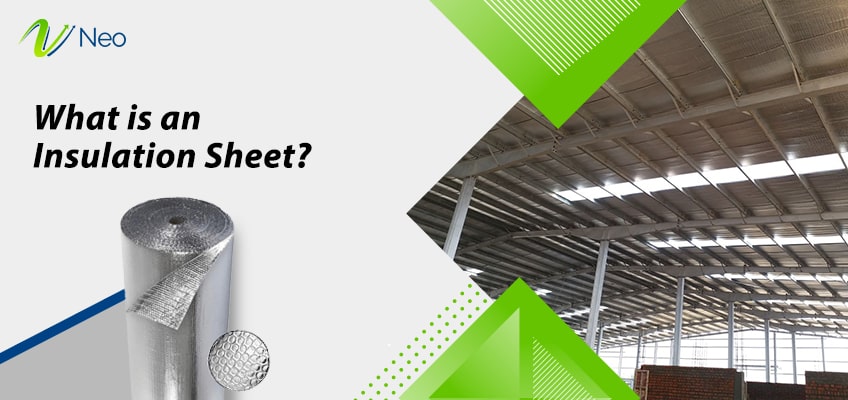
Insulation sheets are large, flat pieces of insulation material that can be cut to fit various spaces. They come in different materials, such as air bubble sheets, aluminum and provide a continuous layer of insulation. These sheets are ideal for insulating walls, roofs, and floors.

Spray Foam Insulation

Spray Foam Insulation is a versatile option that can be sprayed into walls, ceilings, and floors. It expands to fill gaps and cracks, providing an airtight seal. This type of insulation is highly effective at reducing air leakage and improving energy efficiency.

Cellulose Insulation

Made from recycled paper products, Cellulose Insulation is an eco-friendly choice. It’s treated with fire retardants to improve safety and is often blown into attics and wall cavities. Cellulose insulation provides good coverage and is effective at reducing airflow.

Mineral Wool Insulation

Also known as rock wool or slag wool, mineral wool insulation is made from molten rock or industrial waste products. It offers excellent fire resistance and soundproofing properties. Mineral wool is available in loose-fill or batts and is often used in areas requiring high-temperature insulation.

If you want to know in each type of insulation check out this detailed article: Types of Insulation.

How to Choose the Type of Insulation For Your Home?

It’s crucial to bear in mind that the effectiveness of your home insulation hinges on two main factors: how well it’s installed and how well-suited it is to your specific location and climate. Therefore, as we delve into the various insulation types, let’s keep these three critical considerations in focus:

1. Which Part of Your Home Needs Insulation?

Different insulation types are tailored to different areas of your home. For instance, if you’re insulating a new wall, blanket batts or rolls (discussed below) are great options. However, if you’re insulating a roof or ceiling, thermal insulation sheets are the best options.

2. What’s the Ideal R-Value for Your Region?

The R-value of insulation indicates its resistance to conductive heat flow. The higher the R-value, the more effective the insulation. Keep in mind that recommended R-values can vary depending on your specific climate and location.

3. What’s Your Budget?

When considering insulation, your budget plays a significant role. Insulating a substantial portion of your home can lead to significant cost differences between insulation types. While cost is a factor, remember that most insulation pays for itself over time through energy savings on heating and cooling bills. Additionally, some pricier insulation options offer health benefits that make them worthwhile investments.

Other factors to take into account include the insulation material’s longevity, ease of installation, the percentage of recycled content, and its impact on indoor air quality. Fire safety is another crucial factor; certain insulation types are more fire-resistant than others, and we’ll discuss this aspect in detail for each type.

Places you can Install Insulation in Your Home!

The right method of installation of insulation inside a home ensures a sufficient amount of comfort and energy efficacy. Here are key areas to install insulation:

Attic

One of the best ways to improve efficiency in your attic is by insulation. In the winter, it prevents heat from escaping while in summer, it prevents heat from entering. Option for such materials as fibreglass batts, blown-in cellulose, or foamed board insulation./

Walls

The outer walls are insulated to ensure that indoor temperatures remain constant. The walls of houses can be insulated by inserting home insulation walls in wall cavities or fitting rigid foam boards.

Basement and Crawlspaces

These areas are insulated so that the floors above remain warmer. In such areas, you can use foam board or spray foam insulation.

Floors

An example of this is insulating floors above unheated spaces like garages and crawlspaces to preserve heat. Employ ‘batt’ or ‘foam board’ insulation.

Doors and Windows

Sealing gaps and adding weather strips on doors and windows although this cannot be termed a traditional type of insulation is crucial to avoid drafts.

Pipes and Ducts

This is due to reduced energy loss from insulated pipes and HVAC ducts that maintain hot water temperature.

Roof

Insulate your roof if you have a flat or low sloppy one and you will save on energy costs. More so, it would assist you in improving your savings and energy use.

Read Also: Ultimate Guide to Metal Roof Insulation: Benefits, Types, and Uses

Insulation should be installed properly in these locations because it leads to great energy savings as well as enhancement of comfort at homes.

Tips to Consider During Home Insulation

  • Prioritize insulating key areas in your home first, such as the attic, outer walls, and crawl space, as these are the primary areas of heat transfer.
  • To curb energy loss and save on costs, insulate your water heater. Seek out pre-cut jackets or blankets with an insulating value of at least R-8. Adding insulation to your water heater can slash standby heat losses by 25 to 45 percent, resulting in savings of approximately 4 to 9 percent on water heating expenses.
  • Prevent freezing and maintain hot water by wrapping your hot water pipes with tubular insulation. Opt for high-quality pipe insulation wrap. Insulating hot water pipes minimizes heat loss and can elevate water temperature by 2 to 4 degrees Fahrenheit compared to non-insulated pipes, allowing you to use a lower temperature setting.
  • Enhance efficiency and reduce noise by insulating heating and air conditioning vent ducts. Properly insulating air ducts situated in unconditioned areas, such as attics, crawl spaces, garages, or unfinished basements, can significantly boost your home’s energy efficiency.

Why Choose Neo Thermal For Your House Insulation?

There are an ample number of reasons that make Neo Thermal Insulation an excellent choice when selecting your home insulation solutions provider. Its staff consists of experienced specialists who have worked in this sphere for many years. Through their expertise, they offer efficient installations, optimizing the gains of insulation. They specialize in enhancing the energy efficiency of your home, with a particular focus on providing solutions that minimize thermal bridging, thus optimizing your monthly utility costs.

Schedule Your Home Insulation Installation Today!

They know that each house has its specific features and they provide individual insulation options either for attics, walls, or any other parts, thereby enhancing efficiency. They employ top-quality wall insulator materials reputed for toughness and efficiency thereby guaranteeing you a lasting solution and profits within a short period.

Also, this home insulation contractor understands that they have an impact on the environment and therefore may offer energy-efficient options that will lessen your carbon footprint and make our Earth green. If you select Neo Thermal as your insulation installer, you can be assured of professionalism and dependability all through the way, from start to finish, without any problem or delay. Neo Thermal is an ideal option that will save you money on energy costs while providing optimum comfort.

Conclusion

There is no doubt that effective home insulation saves you money and power. A properly insulated home becomes a great barrier in blocking heat transfer toward a constant and bearable house temperature indoors. Insulation during the winter limits the loss of heat while keeping out much of the summer’s unwanted infiltration, which eases up the HVAC’s job a lot. As a result, the company will realize actual energy savings and reduced electricity bills.

In addition, the practice of insulation supports both financial and ecological stability. Lower energy expenditure implies lower levels of carbon emissions, making your house environmentally friendly. This translates to more comfortable environments, enhanced indoor air purity that minimizes allergies, and improved durability of your HVAC equipment.

The importance of proper home insulation in a world focused on conserving energy and operating efficiently cannot be overstated. This is an attempt at making your dwelling more eco-friendly and friendly to your pocket, thus improving your lifestyle for sure.

Frequently Asked Questions

1. What is the Best Home Insulation?

The best insulation for your home depends on various factors such as your climate, budget, and the specific area you want to insulate. However, if you’re looking for an overall good option, insulation sheets are highly recommended. They are versatile and come in various types to suit different needs.

2. What Is Home Insulation?

Home insulation refers to the utilization of different elements of technology to develop a heat shield inside a homestead. Specifically, it is designed to regulate heating between inside and outside, ensuring constant air conditions within the building.

3. Where Is House Insulation Most Important?

House insulation is most important in areas subjected to high-temperature fluctuations like the attic, wall, and roof. These are among of the areas where proper insulation can result in great energy efficiency and comfort.

4. How Can Home Insulation Save Your Bills?

Home insulation reduces heat transfer hence, avoids heat loss during winter while preventing the entry of heat, which happens during summer. As a result, there is less dependence on thermal units causing a decrease in utilities and bills.

5. What Part Of The House Is Best To Insulate?

The attic is often considered one of the best areas where insulation could make a major difference in terms of making living spaces energy efficient. Also important in achieving overall insulation is insulating walls, floor over an unheated space, and sealing gaps around doors or windows.

Types of Warehouse Insulation Materials: Which is the Best for Your Space

Warehouses are the fortresses of commodities in a wide range of commercial entities and industrial places. These spaces need to be adequately insulated as they protect important items and goods. Warehouse insulation is more than just a cooling system. It is about maintaining the quality of commodities, improving energy economies, and developing a conducive setting for employees.

This blog is about the types of insulation used in a warehouse, helping people make the right decision about the kind of insulators to install. We will look at the pros and cons of traditional fiberglass, eco-friendly cellulose, reflective foil, high-performing spray foam and versatile mineral wool. You will go away with an opinion of what type of insulating material will suit your warehouse better. Your warehouse will remain a haven of safety, productivity and comfort.

What is Warehouse Insulation?

Insulation in a warehouse is one factor that should be observed to achieve control and constant conditions in a storage centre. This is the process that entails using some insulating materials on storehouses and roofs to control the temperature so as not to harm commodities. The purpose of warehouse insulations is to protect against the surrounding temperatures’ fluctuations, thereby allowing for constant conditions within the building.

Additionally, it helps a lot with reducing energy expenditures as well as avoiding issues such as condensation, whose results may include the destruction of goods that are being preserved. It also builds a conducive and safe working space for workers hence promoting high-level production in the workplace.

Why do you need Warehouse Insulation?

We need insulation, especially for the warehouse, due to some reasons. It also plays a significant role in saving energy by keeping a constant temperature inside despite variable outside conditions. For instance, this helps in reducing the cost of continuously maintaining such facilities as heating and cooling systems used by those industries storing perishable items, thus saving energy and money.

Protect Your Goods With Proper Warehouse Insulation!

Warehouse insulation also helps save costs by protecting your inventories. The products, equipment, and machines are protected from damage by acting as a barrier to very high and low temperatures and humidities. Insulation is important in safeguarding items that may be damaged by temperature changes like perishable goods, chemicals, and electronics.

Additionally, the insulation warehouse prevents condensation that results in corrosion, mold growth and possible structural damage to the warehouse. Warehouse Insulation helps to extend the life span of your products and building by reducing moisture-related issues.

Read Also: Types of Materials for Sound Insulation for buildings

Also, another benefit that comes with it is boosting of comfortability and safety in employees. Insulation is a way of reducing the risk associated with temperatures being too hot or very cold, as well as slippery surfaces that can result in a range of accidents. It keeps the labor force operating efficiently and on board as well as your business success.

Different Types of Warehouse Insulation

1. Fiberglass Insulation

Fiberglass Insulation

One of the common materials when it comes to warehouse insulation is fibreglass insulation. The device is inexpensive, readily accessible, and simple to install. Fiberglass has roll, batt or blowing type and it is used on walls, ceilings and floors. It offers great thermal resistance and is non-inflammable hence safe for use in industrial facilities.

2. Spray Foam Insulation

Spray Foam Insulation

High-performing warehouses can choose to spray foam insulation. Its design makes it a perfect air-tight fit, sealing the smallest of spaces and fissures. The thermal resistance of spray foam insulation makes it an appropriate option when energy efficiency is necessary. It is however more costly compared to other insulations.

3. Reflective Foil Insulation

Reflective Foil Insulation

The most common type of reflective is foil insulation which is constructed using several pieces of layered foil with a sheet of plastic. The design of this material is such that it reflects the heat. This makes it a good option for use in warehouses under hot weather conditions. Such insulation can be placed into walls and on ceilings to mitigate summertime heat gain and to ensure a pleasant ambient atmosphere inside.

4. Cellulose Insulation

Cellulose Insulation

As a green option, cellulose insulation consists of reprocessed papers. This offers a good thermal performance when blown through the walls or attics. Therefore, cellulose insulation treated to be fire-resistant and pest-resistant has proved to be an effective solution for Warehouse Insulation.

5. Mineral Wool Insulation

Mineral Wool Insulation

Rock wool and slag wool are types of mineral wool insulation, which are regarded as being highly resistant to combustion. In addition, it performs good acoustic and thermal insulation materials. Minerals wool is widely used in industries that require high efficiencies and safety issues taken into account.

Insulation for warehouses: Which one is right for you?

The most suitable insulation for your warehouse is dependent on several issues such as the available funding, climatic conditions, and warehouse requirements.

Fiberglass is a good cheaper option if it is what you want. It’s cheap and reliable as far as thermal resistance goes. However, this might not be a good option for those who need high airtightness levels.

However, spray foam insulation is more energy efficient but costly for maximum energy efficacy and air tightness.
Using reflective foil insulation is ideal for when trying to minimize radiant heat gains, especially in a hot environment. The system can aid in keeping warm temperatures in the facility.

One can opt for cellulose insulation for sustainability issues to matter. Moreover, it is produced from recycled waste, which makes it environmentally friendly with excellent heating characteristics.

Mineral wool insulation gives an option for being both thermally insulating and soundproof at the same time. This is particularly critical in an industrial setting, especially when safety is of utmost importance. It is vital to approach professional insulations that will carry out an appropriate analysis of the unique requirements of your warehouse before recommending the ideal type of insulation for you.

Why Choose Neo Thermal For Warehouse Insulation Installation?

Neo Thermal Insulation has strong credibility as a reputable brand when it comes to warehouse insulation installation. Their staff is very experienced in determining and solving special insulating needs of warehouses and industrial objects. They know it is important for keeping your stored goods intact and for being energy efficient, they therefore appreciate choosing the right kind of insulation and installation.

Keep Your Goods Safe with Warehouse Insulation!

Choosing Neo Thermal ensures that only the best quality and efficient work is delivered in your warehouse insulation installation. In partnership with you, they establish an appropriate insulating material to meet your particular climate, demands and budget. They make sure that the project meets the best professional standards possible thus reducing your operating costs in the future.

Neo Thermal has all types of insulations including fibreglass, spray foam, reflective foil, cellulose, and mineral wool suitable for any job. They provide superior insulation services for the protection of your commodities, workplace comfort, and productivity enhancement.

Conclusion

The importance of warehouse insulation as part of ensuring consistent ambient conditions in warehousing facilities cannot be overstated. This will reduce energy costs, protect inventory, prevent condensation-related problems at the site and ensure employee comfort and safety.

It is important to choose an appropriate insulation material, depending on aspects like climate, money, and conditions. Different types of insulation consider issues such as cost-effectiveness, energy efficiency, sustainability and sound proofing etc.

Consulting insulation professionals will help you choose a suitable material for the environment, making sure it is efficiently installed. Warehouse insulation pays for itself since it saves money, as well as preserves the value you put into your products/assets.

Frequently Asked Questions

1. What is Warehouse Insulation?

warehouse insulation is installing products that will regulate temperature and other conditions in a stockroom. The insulating capability of this layer of cells helps safeguard the inside of the house from variations in external temperatures and keeps the interior environment in balance.

2. Why do warehouses need to be insulated?

Insulation regulates the temperature, protects the inventory, reduces energy costs, and makes working in warehouses comfortable. It also insulates against temperature variations leading to safe handling and movement of goods, improved security, reduced loss, and savings on energy costs.

3. What are the benefits of Warehouse Insulation?

With the warehouse insulation energy costs are lowered, products are protected against fluctuations in temperatures, condensation damages are avoided, employee comfort is ensured, and safe working conditions are promoted when there is insulation of the warehouse. This explains why warehouse insulation is of great importance.

4. What is the Best Insulation for a Warehouse?

The best insulation for a warehouse depends on factors like budget, climate, and specific needs. Options include fibreglass, spray foam, reflective foil, cellulose, and mineral wool. The choice should align with your unique requirements for cost-effectiveness, energy efficiency, sustainability, or soundproofing.

Cold Insulation Materials: Types, Features and Benefits

Cold insulation materials play a vital role in maintaining low temperatures in various applications, from industrial processes to residential settings. These materials are designed to minimize heat transfer, ensuring that cold environments remain stable and efficient. The primary types of cold insulation materials include thermal insulation sheets, polystyrene and specialized cold room panels. Each type offers unique features and benefits, such as high thermal resistance, durability and ease of installation. Understanding the characteristics of these materials can help in selecting the right insulation for specific needs, ultimately leading to improved energy efficiency and cost savings.

Cold insulation is essential for industries like food storage, pharmaceuticals, and chemical processing, where maintaining a controlled temperature is crucial. By using effective cold insulation materials, businesses can prevent temperature fluctuations, reduce energy consumption and enhance the longevity of their equipment. Additionally, these materials help in preventing condensation and moisture build-up, which can lead to structural damage and product spoilage. Investing in the right cold insulation solutions not only ensures operational efficiency but also contributes to sustainability by reducing the overall carbon footprint.

What is Cold Insulation Material?

Cold insulation materials offer substances or products used to prevent the transfer of heat in environments where maintaining low temperatures is crucial. These insulation materials are developed to minimize thermal energy transfer, helping to maintain a controlled and stable cold environment. Here are some best examples of cold insulation materials including polyurethane foam, polystyrene, fiberglass and various types of cold room panels specifically designed for cold storage insulation facilities and refrigeration systems.

These panels find application in various parts of the cold room, including floors, walls, and roof Insulation. To ensure their effectiveness, additional supporting materials are necessary. Their use significantly contributes to preventing temperature fluctuations and reinforces the overall structure of the cold room or cooling room panels, minimizing the risk of air leakage.

Businesses often rely on these panels not only for maintaining consistent temperatures within cold rooms but also for general cold insulation purposes, considering their numerous benefits.

Cold Insulation Material Market Report

Recent data on the global cold insulation materials market indicates a sales value of approximately US$ 6.92 billion in 2022, with a year-on-year growth of around 6%. Projections suggest that the global demand for cold insulation will experience a 6.2% compound annual growth rate, reaching an estimated US$ 12.65 billion by 2032.

Throughout the next decade, East Asia and North America are anticipated to remain crucial regional markets for cold insulation material suppliers, with expected compound annual growth rates of 6.8% and 6.1%, respectively.

cold insulation material report

What are Cold Room Insulated Panels?

Basically, an insulated cold room panel is a building material consisting of a shielding layer of inflexible core between two strata of structural board. The core can be developed from either XPS or EPS and the structural board could be plywood or cement. These panels are extensively used in cold rooms to maintain the temperature inside the structure, prevent air leakage, and make the structure stronger.

Multiple components of cold insulation materials are combined with SIPs. The application of these panels can be on flooring, external walls, and rooftops. We can use these panels to tackle many different problems. Most commonly the insulated panels are used in cold rooms and refrigerated vehicles. Across the globe, insulated panels are used broadly for thermal insulation material.

Insulate Your Home Now With Cold Insulation!

Types of Cold Insulation Materials

Various types of cold insulation materials are used for cold insulation, each with its unique properties and applications. Here are some types of cold insulation materials:

1. Insulation Sheet

Insulation sheets are versatile materials used to enhance thermal efficiency in buildings and industrial applications. They help maintain desired temperatures which can lead to significant energy savings. Available in various materials like foam, fiberglass, and polystyrene, insulation sheets are easy to install and provide long-lasting performance.

Read Also: Insulation for External Walls: Cost and How it Works?

2. Polystyrene:

Polystyrene offers good thermal resistance and it is often used in the form of expanded polystyrene (EPS) or extruded polystyrene (XPS) for cold insulation and cold room panels.

3. Fiberglass:

It is a widely used material that provides effective thermal insulation for cold environments, mostly used in the form of blankets, boards, or preformed pipe sections.

4. Phenolic Foam:

Known for its excellent fire resistance and low smoke emission, making it suitable for cold insulation in areas with strict fire safety requirements.

5. Polyisocyanurate (PIR) Foam:

Exhibits low thermal conductivity and high fire resistance, often used in cold storage and refrigeration applications where fire safety is a priority.

6. Cellular Glass:

Offers high compressive strength and resistance to moisture, making it suitable for cold insulation in areas where moisture infiltration is a concern.

These cold insulation materials are utilized based on specific requirements, such as the desired temperature range, environmental conditions, and application areas, in industries such as food storage, pharmaceuticals, and cold chain logistics.

Benefits of Cold Insulation Materials

If you’re involved in handling fruits, foods, or even wine, maintaining the appropriate storage temperature is crucial. While a standard refrigerator or cellar might suffice for smaller quantities, they aren’t the most practical options for handling large volumes of goods. This is where the integration of cooling room panels becomes imperative. If you find yourself uncertain about investing in these panels, continue reading to understand the myriad benefits they can bring to you and your business.

1. Outstanding Thermal Insulation Properties

A key advantage of the cold room panels available at Central West Refrigeration lies in their exceptional insulation capabilities. The insulation properties play a critical role in achieving precise control over the temperature within your refrigerated space. Whether you opt for a panel with a cell structure or board insulation, you can count on impressive thermal performance with any of the available solutions.

2. Enhanced Energy Efficiency

In Australia, energy expenses pose a significant challenge for numerous industries. Regulating room temperatures often leads to substantial cooling costs. However, integrating cool room panels can alleviate this burden. These panels not only enable better control over interior temperature using less energy but also contribute to stabilizing the overall environment.

3. Temperature Stability

Temperature Stability

A notable feature of these cool room panels is their ability to maintain a consistent environment. Similar to the operation of a freezer, the panels facilitate passive temperature control, ensuring heightened efficiency and a comfortable atmosphere within the refrigerated rooms.

4. Cost-effective and Low-Maintenance Solutions

Cost effective and Low Maintenance Solutions

Given the current economic climate, many businesses operate under stringent budget constraints. Therefore, investing in efficient cooling equipment is a critical consideration for any budget-conscious business owner. Cool room panels offer a practical solution; they allow for rapid construction, minimizing the number of trades required and reducing overall cold insulation materials and operational costs.

5. Versatile Design and Safety

Renowned for their adaptability, panels designed for the commercial refrigeration industry come in various colors, shapes, sizes, and construction materials. Whether for interior walls, roofs, or exterior walls, cool room panels cater to diverse design requirements.

Additionally, these panels prioritize safety and hygiene. With high fire ratings and long-term performance, they provide enhanced protection for both your goods and your well-being.

Features and Dimensions of Cold Room Insulated Panels

Cold room panels are commonly produced in small sections for convenient transportation and application. Their thickness typically ranges from four to nine inches, depending on the specific requirements of the cold room design.

Experts strongly advise integrating these panels during the initial construction phase. This approach not only reduces costs and effort but also ensures the overall structural integrity of the cold room. Installing the panels post-construction may lead to suboptimal performance and potential cold air leakages.

Read Also: Types of Materials for Sound Insulation for buildings

Installation of Cold Storage Insulation

The installation majorly depends upon the size and type of cold storage insulation materials. Cold room panels are most needed in Cold Rooms having a very large area. There are cold room kits available that provide a complete description of cold insulation. The following are the prerequisites in order to begin the installation process:

  • Insulation Panels
  • Measuring Tape
  • Allen Key
  • Screw & Screw Driver

The first step after collecting all the tools is to ensure the correct type of panels as per your building. For that reason having the correct amount of thickness of the PU panel is very important as they are going to get fixed in the targeted areas. Make use of the measuring tape and take proper measurements of the ceilings & walls to the floors.

All the measurements should be very accurate including the corner gaps and spots where the walls have any leakage or mouse holes. You can then cut the insulation panels as per the measurements so that they fit perfectly. Now the installation step comes. Begin with installing the panels at the corners and then cover the area to the center. The Allen key will help to fix the lock properly.

Schedule Your Cold Insulation Installation Today!

You need to ensure that the locks are tightly fixed as loose locks tend to come out slowly over time, resulting in gap and energy loss. Maintaining proper temperature in cold rooms is quite a challenge especially when you have no technical knowledge. If you are doubtful, then you can contact a thermal insulation company and they will provide you cold insulation materials with an experienced cold room professional installer to do this job for you.

Conclusion

In the end, it is quite clear that cold room insulated panels provide strength and stability to your cold rooms. Although, there are also some disadvantages attached to it. The installation of cold room panels offers numerous benefits, enhancing the thermal insulation of your cold room. Beyond lowering energy expenses and ensuring the prolonged and efficient operation of refrigeration components, these panels contribute to bolstering the structural stability and integrity of cold rooms. If you are doubtful, then you can contact a thermal insulation company and they will provide you with an experienced cold room professional installer to do this job for you. Choosing the Neo Thermal Insulation for cold insulation is a highly favorable decision. The company is renowned as a leader in cold insulation materials.

Also, as we all know apart from being thermally insulted, cold rooms should also be able to control bacteria, grease, and dust. Therefore one should choose wisely to make the structure resistant to pests and dust. The insulated panels must have a minimum R-value of up to 40 and they should give high thermal efficiency.

Frequently Asked Questions

1. What is Cold Insulation?

Heat insulation aims to minimize heat loss, while cold insulation focuses on minimizing the loss of cold air. Moreover, the insulation of both hot and cold systems and building equipment holds a safety significance.

2. What is cold insulation in piping?

Insulating cold pipes is essential for maintaining the temperature of drinking water, chilled water, air conditioning and outdoor wastewater piping. This practice effectively prevents the heating of transported water and air at low temperatures.

3. What is the best cold insulation material?

Polyurethane Foam is an ideal choice for managing materials with temperatures below freezing, offering excellent thermal conductivity. This type of foam is also known for its minimal smoke emission and effective resistance to water vapor permeability.

4. What are cold room panels used for?

Rooms with ambient temperature control typically maintain temperatures ranging from +10 to +30 degrees. Cold room panels find application in constructing both ambient areas and walk-in cold rooms. These insulated panels play a crucial role in safeguarding temperature-controlled rooms from external environmental conditions.

Thermal Insulation In Buildings: Science, Benefits & Materials

Maintaining the temperature inside a space with energy-consuming appliances like air conditioners and heaters is a traditional way that requires a lot of energy and cost. At the same time, the maintenance costs overtake everything with these approaches. Effective thermal insulation in buildings increases energy efficiency and comfort. So, Thermal Insulation technology has emerged as the new solution that helps people maintain the temperature balance between two spaces without any energy-required appliance or machinery. At the same time, being an environment-friendly product, it doesn’t carry any side effects.

Thermal Insulation is a great choice for commercial as well as residential purposes. So, in this blog, we will talk all about what this solution is and how it can change the way you choose comfort in different climates.

A glance over the thermal insulation market

According to Fortune Business Insights, the global thermal insulation market was valued at USD 31.15 billion in 2021 which is all set to achieve a valuation of USD 42.5 billion by the end of 2029. The thermal insulation market around the world is expected to show a CAGR of 4.5% during the forecasted period (2022-2029).

So, it can be predicted that the insulation market is only expected to show an upward curve due to its efficiency in controlling temperature in multiple weather conditions.

What is Thermal Insulation?

What is Thermal Insulation

Thermal insulation basically refers to the material or process that helps to reduce the heat transfer between two surfaces or areas of different temperatures. For example, this technique makes sure that the external temperature doesn’t impact the temperature inside your residence. Thermal and Roof Insulation is a great way to maintain the desired temperature inside a space as per the preferences without much energy requirements.

Due to the efficiency of this technology, Thermal Insulation in buildings is being used in a range of industries and landscapes. Be it maintaining the temperature inside the buildings, preventing heat loss from pipes and equipment, or protecting something from the extreme outside temperature, Thermal Insulation covers it all.

Purpose of Thermal Insulation in Buildings

Thermal Insulation is a prominent technique, been used by people for a long time for their different needs. With exposure to the technology, almost all industries are leveraging its benefits on their own scale, according to their own usability. Here are some of the core purposes of using thermal insulation in buildings

  • The foremost purpose of using thermal insulation is to maintain a steady heat or temperature inside a particular premises.
  • Thermal insulation keeps the interior temperature warm in winter and cool in summer. It provides comfort for working in living in the space with increased productivity.
  • Eliminates the cost of heavy energy consumption in winter and summer to maintain the temperature.
  • Thermal insulation is a great way to prevent moisture from condensing on ceilings, windows, and interior walls.
  • Prevent the chances of heat loss from the hot water system and water freezing in pipes.

Book Your Thermal Insulation Today!

The Science Behind Thermal Insulation

Thermal Insulation in buildings is using insulation materials and design adaptations in buildings to slow down the heat transfer through the enclosure to control heat loss and gain. The temperature difference between outdoors and indoors is responsible for heat transfer. The heat transfer can be caused by convection, conduction or radiation. The transmission rate is closely linked to the propagating medium.

When heat is transmitted through the walls, ceilings, doors, windows and floors, it gets gained or lost. This uneven reduction and acquisition of heat are not appropriate for any building structure. On one hand, it increases the load on the HVAC system resulting in more energy waste, and on the other hand, it also reduces the thermal comfort of the people living in the building.

Insulating a building thermally is best for achieving thermal comfort for its occupants. Unwanted heat loss or gain can be reduced by using insulation in buildings and it can also decrease the energy demands of cooling and heating systems. Thermal insulation doesn’t directly relate to influencing sound insulation or the issues of adequate ventilation.

Click Here To Know: 10 Types of Insulation for Every Home 2023

Benefits of Thermal Insulation in Building

Economic Value

The thermal insulation material also has a good resale value which means that having used the technique for a long time, the owner can get a good amount by selling the insulation to another party.

Social benefits

The buildings that are properly insulated are more comfortable in terms of good health, controlled temperature, and minimum noise pollution.

Structures like office spaces and residential buildings can be highly benefitted as the insulation can provide an ideal environment resulting in greater productivity and lesser building and maintenance costs.

Building insulation is a great way to cut the noise transfer to a significant extent. So, it makes building insulation a great technique to enhance the comfort level in libraries, hospital rooms, and more.

Types of thermal insulation material and methods

There are multiple forms of thermal insulation material available in the market to meet the different needs and preferences of the people. Here are some of the most known and usable thermal insulation building materials

1. Slab or Block Insulation

Slab or Block Insulation

These blocks are made of mineral wool, cellular glass, corkboard, and cellular rubber fixed to the wall or roof to prevent heat loss and thus maintain the preferred temperature. These sizes are available in 60 cm x 120cm with a thickness of 2.5 cm.

2. Blanket Insulation

Blanket Insulation

As the name indicates, blanket insulation materials are manufactured in blanket shapes or paper rolls. These sheets are directly distributed across the wall or ceiling. Blanket thermal insulation sheet carries thickness varying from 12mm to 80mm. These sheets are made up of animal hair, wood fibers, or cotton.

3. Loose-fill insulation

Loose Fill Insulation

Loose-fill insulation is generally the thermal insulation material that is filled in the stud space of walls where doors or windows are to be opened. This material generally consists of rock wool, cellulose, wood fiber wool, etc.

4. Bat Insulating Material

bat Insulating Material

Bat insulation material in thermal insulation in buildings is also available in the form of blanket rolls but comparatively are thicker than blanket-type materials. Like blanket type, bat insulating material is also spread over the wall.

Read Also: Top 5 Benefits of Roof Insulation in Buildings

5. Insulating Boards

Insulating Boards

Made up from pulp of wood, cane, and other materials, Insulating boards are a prominent type of insulating option. Pressing hard with some stress at the right temperature makes the insulating board hard in order to install. These boards are available in several sizes and thus are also used for the interior lining of wall or partition walls.

6. Reflective sheet materials

Reflective sheet materials

This thermal insulation sheet is known majorly for its high reflectivity and low emissivity. Reflective sheets are made up of different materials like aluminum sheets, steel sheets, and gypsum boards. As it reflects solar energy, it carries high heat resistance. Thus, this is a great option to stop heat from entering a particular space.

7. Lightweight Materials

Lightweighted Materials

Using lightweight aggregates to prepare the concrete mixture also provides good heat loss prevention and thus acts as a great insulator. Concrete becomes more heat resistant when made with a mixture of blast furnace slag, burnt clay aggregates, and vermiculite.

Where to buy the Thermal Insulation Material?

Neo Thermal Insulation is the best name to rely on for thermal insulation material. We have been catering to a wide range of sectors for their insulation needs. We have explored the industries like warehouses, manufacturing industries, commercial, and residential properties, apartments, malls, fitness training centers, and more with our insulation solutions. At the same time, we master a range of services including thermal insulation for roofs, complete building insulation, ceiling insulation, thermal insulation wall, floor insulation, Aluminum Foil Insulation, etc. Neo Thermal Insulation offers the best insulation services by customizing it according to a particular geographical location and property structure.

Conclusion

In the end, it can be concluded that thermal insulation in buildings is very important and it can play a significant role in residential and commercial buildings. As far as the benefits are concerned, apart from the aforementioned benefits, thermal insulation can also prevent building damage caused by the formation of moisture on the interior of the building envelope. A thermal environment can make the place much more comfortable by maintaining the temperature in winter and summer. Lastly, it can reduce unwanted heating or cooling energy input. You can contact Neo Thermal Group and get your building insulated to make it solid and comfortable for living.

Frequently Asked Questions

1. What is the purpose of thermal insulation in buildings?

Ensuring your home is well-insulated serves as a barrier against heat transfer, ultimately cutting down on your expenses for heating and cooling. Efficient insulation not only diminishes the costs associated with maintaining a comfortable temperature but also enhances overall living comfort.

2. What are examples of thermal insulation?

Typical thermal insulating materials include wool, fiberglass, rock wool, polystyrene, polyurethane, goose feathers, and perlite. These materials exhibit low thermal conductivity, making them effective thermal insulators by impeding the transfer of heat.

3. What is thermal insulation used for?

Enhancing thermal efficiency involves minimizing heat transfer among solids, fluids, or gases through the implementation of a protective barrier. This insulation plays a crucial role in diverse sectors such as energy, industrial, medical, and beyond.

4. What are the benefits of thermal insulation?

Insulation functions as a shield against the movement of heat. It contributes to the comfort of your living space by curbing the loss of warmth during winter and limiting the influx of heat in the summer months.

10 Types of Insulation You Should Know in 2024

As a homeowner, you are aware of how important insulation is to the operation, comfort, and energy efficiency of your property. Thermal Insulation done properly can help keep temperatures stable, lower energy costs and improve living conditions. However, different types of insulation materials are made uniquely for multiple purposes that are available to insulate your accommodation.

The thermal insulation market in India achieved a valuation of INR 3,674.98 crore in 2020 and is anticipated to reach INR 2,189.81 crore by 2028. This represents a projected growth rate of 7.4% from 2021 to 2028. The significant expansion and development of India’s infrastructure are emerging as vital factors in the fight against climate change.

This blog will discuss 10 types of thermal insulation that every resident should be aware of.

What is Insulation?

Buildings may employ insulation as a material or construction method to reduce the flow of electricity, heat, and sound between the interior and outside environments. Its major objective is to provide a barrier that restricts the flow of thermal energy, keeping the interior temperature steady, increasing energy effectiveness, and enhancing comfort.

what is insulation

In order to slow down the flow of heat, materials with poor thermal conductivity, such as fiberglass, foam, or cellulose, are put in walls, ceilings, floors and roofs. This ultimately lowers heating and cooling costs by keeping indoor rooms warmer in cold weather and cooler in hot weather.

On the other hand, sound insulation concentrates on reducing or obstructing sound transmission within rooms or from the outside world. Noise disturbances are reduced by using materials like acoustic foam, mass-loaded vinyl, and double-glazed windows.

Modern construction must include insulation because it makes living and working environments cozier, quieter and more energy-efficient, all of which contribute to energy conservation, environmental sustainability, and general well-being.

Kinds of Insulation Materials – Comparison Table

TYPE MATERIAL APPLICABLE
Concrete Block Insulation The foam board should be placed either outside the wall (for new construction) or inside the wall (for existing homes). Including foundation walls, unfinished walls

Renovations or new construction

Insulating concrete forms (ICFs) Foam Blocks or Foam boards New construction foundation walls, including unfinished walls
Blanket Batts and Rolls Natural fibers

Fiberglass

Plastic fibers

Mineral (rock or slag) wool

The walls and ceilings are unfinished, including the foundation walls
Reflective or Radiant Barrier Systems Cardboard, foil-faced Kraft paper or polyethylene bubbles Ceilings, floors and Unfinished walls
Loose-Fill and Blown-In Insulation Fiberglass

Cellulose

Mineral (rock or slag) wool

Creating a new wall cavity or enclosing an existing wall

Attic floors that are unfinished

Places that are hard to reach

Spray Foam Insulation Polyisocyanurate

Cementitious

Polyurethane

Phenolic

Existing wall enclosed

Creating new wall cavities

Unfinished attic floors

Structural Insulated Panels (SIPs) Liquid foam insulation core or foam board

Insulation with straw core

New construction walls, ceilings, floors, and roofs are unfinished
Rigid foam or fiber insulation Fiberglass

Mineral (rock or slag) wool

Ducts in an unconditioned space

High-temperature insulation is also needed in other places

Insulate Your Property Now

10 Types of Insulations – All Property Owners Should Know

Let us explore about 10 different types of insulation that you can choose while constructing your house or any other property.

1. Concrete Block Insulation

concrete block insulation

The main components of concrete block insulation are foam boards or foam beads. To improve the insulating qualities of concrete while building a new home, you may either install these boards on the exterior of concrete walls or incorporate foam beads into the concrete itself. The moderated indoor temperatures are the main advantage.

Insulating the inside walls of pre-existing dwellings with concrete block insulation can enhance insulation. However, it’s crucial to keep in mind that installing this kind of insulation frequently calls for specialized knowledge and equipment, making it less appropriate for DIY enthusiasts.

2. Insulating Concrete Forms types of insulation (ICFs)

Insulating Concrete Forms

ICFs, or insulating concrete forms, are only used in new construction projects, yet they resemble concrete block insulation in certain ways. ICFs constitute an essential component of the building construction, supporting the concrete with foam blocks or boards.

The resultant level of thermal resistance is excellent. ICFs aren’t practical for retrofitting existing homes due to their integration into the construction process, needing professional installation.

3. Blanket Batts and Rolls

Blanket Batts and Rolls

Fibreglass and mineral wool are frequently found in blanket batts and rolls, which are among the most commonly used insulation materials. These types of insulation are adaptable for usage in floors, ceilings, walls, and foundations since they are available in large rolls or pre-cut pieces.

They are the material of choice for DIY projects because of how affordable and simple they are to install. However, in order to ensure your safety when handling hazardous materials, you must wear protection gear.

4. Reflective or Radiant Barrier Systems

Reflective or Radiant Barrier Systems

Systems for reflective or radiant barriers are made of thin, inexpensive materials with foil facings that reflect light. These insulation materials are frequently reinforced by Kraft paper or plastic. These types of insulation are useful for insulating floors, walls, and ceilings. They may be installed easily by DIY enthusiasts thanks to their accessibility.

They may not provide enough insulation on their own, so it’s crucial to understand that they are more effective when combined with other types of insulation material.

5. Loose-Fill and Blown-In Insulation

Loose-Fill and Blown-In Insulation
For insulating enclosed regions that are challenging to reach, like wall cavities or attics, loose-fill and blown-in insulation provide an efficient option. To make installation easier, this insulation can be poured or blown into these areas.

DIYers can hire equipment for private use, even though professional tools and knowledge are frequently utilized for blown-in insulation. Due to their adaptability, blown-in and loose-fill insulation are practical options, especially when insulating spaces of atypical design.

6. Spray Foam Insulation

Spray Foam Insulation

Utilizing specialized spray containers or equipment, spray foam insulation is applied. It first expands and then hardens, sealing tightly. This kind of insulation is appropriate for open wall cavities, attic floors and existing walls.

After the foam has dried, it must be cut off if there is any extra. Spray foam insulation is especially useful in places that are difficult to insulate using traditional techniques.

7. Structural Insulated Panels (SIPs)

Structural Insulated Panels

Depending on the exact product and manufacturer, structural insulated panels (SIPs) are available with foam board, liquid foam or straw insulation cores. Unfortunately, because it needs to be included in the home’s building, this form of insulation isn’t ideal for do-it-yourself projects.

To avoid any potential delamination throughout the installation process, experts are responsible for properly attaching, compressing, and curing SIP panels. In freshly built premises, SIPs are used to insulate the walls, ceilings, floors, and roofs, greatly boosting the home insulation capabilities. This ultimately results in less heat transmission and cheaper utility costs.

8. Rigid Foam Board Insulation

Rigid Foam Board Insulation

When upgrading existing insulation, do-it-yourselfers typically choose the reasonably priced rigid foam board insulation option. Depending on the exact product and manufacturer, the composition of these types of insulation materials may comprise components like polystyrene, polyisocyanurate, or polyurethane.

These stiff foam boards offer a high level of kinds of insulation materials and significantly slow down the flow of heat through steel and wood studs. For do-it-yourselfers, this insulation material is adaptable and suited for a variety of regions inside the house, including foundation walls, attic access points, external walls, interior walls and ceilings and floors. However, interior and external wall sheathing is where it excels most.

Read Also: Top 5 Benefits of Roof Insulation in Buildings

9. Rigid Fiber Board Insulation

Rigid Fiber Board Insulation

The outstanding heat and fire resistance of rigid fibreboard insulation makes it a top option for insulating home air ducts. Before delivering it to the house or job site, HVAC businesses frequently manufacture ducting with rigid fibreboard insulation already installed.

Although not frequently used, this sort of insulation is essential for reducing heat transfer within the heating and cooling system, which helps to save utility costs. However, because of its specialized nature and crucial application, it requires installation by a qualified expert, making it an inappropriate option for people seeking do-it-yourself insulation projects.

10. Recycled and Eco-Conscious Insulation

Recycled and Eco-Conscious Insulation

Owners who are concerned about the environment may choose to consider insulation produced from recycled or natural materials, such as cellulose, wool, denim or cork. These materials, which come in a variety of shapes like batts, rolls, and loose-fill, present sustainable alternatives and aid in construction waste reduction.

It’s also crucial to remember that these environmentally friendly solutions frequently cost a little bit more than conventional insulation materials.

Where to Purchase the Insulation Material?

Neo Thermal Insulation caters to a wide range of sectors, including warehouses, manufacturing industries, commercial, residential properties, apartments, malls, fitness training centers and more. Our offerings contain roof insulation, complete building insulation, ceiling insulation, floor insulation, and many more. Selecting the most suitable building insulation types hinges on your geographical location and the existing condition of your home’s insulation. Alternatively, you can rely on our expert guidance on the right insulation for your premises.

Conclusion

It can be concluded that you are better equipped to decide what types of insulation your home needs if you have a good awareness of the different types that are available. There is an insulation type suitable for your demands, whether affordability, environmental friendliness, or DIY accessibility are your top priorities. You may dramatically improve your home’s energy efficiency, comfort, and long-term savings with Neo Thermal Insulation by picking the correct insulation. Take the time to consider your unique requirements and choose the sort of insulation that supports your goals to create a place that is more efficient and comfortable for years to come. Consult trustworthy sector specialists to support your choice.

Frequently Asked Questions

1. What insulation is best?

The optimal insulation choice is influenced by variables like environment, spending capacity, and individual requirements. Common choices include cellulose for environmental friendliness, spray foam for great performance, and fiberglass for price. To choose the best types of insulation and application for your home, it is essential to consult with an insulation expert.

2. What Material is Insulation?

Although there are many other types of insulation, fiberglass, foam board, cellulose, mineral wool and spray foam are frequently used. These materials are used to improve energy efficiency in homes and buildings by lowering heat transmission, maintaining temperature control, and doing so. The selection of insulating material is influenced by budget, thermal resistance, and fire resistance.

3. Why is insulation material used?

Buildings’ interiors and exteriors are kept as separate from one another as possible through types of insulation materials. In addition to providing acoustic comfort, this increases energy efficiency, maintains cozy indoor temperatures, and lowers energy expenses. To create a more sustainable and comfortable living and working environment, insulation is essential.

4. What is the best heat insulator?

The ideal heat insulator frequently depends on particular conditions and demands. But aerogel is regarded as one of the best heat insulators. Due to its exceptionally low thermal conductivity, it is very effective at obstructing the transfer of heat. Other effective heat insulators include vacuum insulation panels, several varieties of foam insulation, and when employed in suitable thicknesses, materials like fiberglass or mineral wool. The decision is made based on elements including price, space restrictions, and desired thermal performance.

5. Which insulation is best for walls?

Several options for wall insulation are effective, depending on your needs and financial situation. Spray foam, rigid foam boards, and fiberglass batts are popular options. Fibreglass batts are less expensive, while spray foam performs well but is more expensive. Good insulating value and moisture resistance are offered by rigid foam boards. The best option relies on particular needs.

Why Pre-Engineered Buildings are Selected?

Pre Engineered Buildings are assembled at site and engineered at a factory. Normally, Pre Engineered Buildings are related to steel format. Developed sections are fabricated in the factory in order to exact size, transported to the site as well as, assembled at site with the bolted network. Following are reason for selecting Pre-engineered buildings:

Utilize Preset Stock of Raw Materials :

Pre engineered buildings utilize preset stock of raw materials, which attains larger areas of aesthetic and structural design needs. This kind of resilience permits Pre-engineered buildings steel to meet almost developing configurations, uses and custom designs.

Related to Metal Area Development :

The Pre-engineered buildings are related to metal area development which involves a structural design as well as, wall support and standard roof. It is developed for a factory and it is erected on the site.

Pre-engineered buildings related to new manufacturing aspect that replaces conventional manufacturing.

It is identified as a breakthrough in the sector of construction that provides less time in construction, low maintenance, cost-effectiveness, consistent span, as well as premium quality.

Industrial Building Manufacturers :

Pre-engineered buildings focus on wider area of industry. In the current time, there has been substantial improvement in Pre-engineered buildings. Because of rapid construction development, there is an increase in demand regarding quick-track construction in India.

Eco-Friendly Modes

Pre-engineered buildings use eco-friendly modes to address global warming, which is also economically efficient. The prefabricated construction saves time since it is intended in a shorter time. The components are prefabricated regarding transport and specification to the site in which they are accumulated.

Steel Structures :

Generally, Pre-engineered buildings are related to steel structures. For correct size, developed segments are manufactured in the factory. There are two kinds of systems in the context of pre-engineering buildings such as primary and secondary.

Primary Structures :

Primary structures in Pre-engineered buildings are the management of developed I-shaped members of steel and considering the trusses and castellated beams. It contains all elements regarding the structure that passes the load to the base as well as considering End wall structures. The end walls are either intended to be economical bearing structures and rigid structures. These structures are reinforced to connect bolts, wind bracing and if required, it considers anchor bolts.

Apart of individual parts, it integrates these three components as well as weather considering sheeting outcomes in the context of robust steel construction. In the context of conventional framing, individually developed and stand-alone structures could be trusses as well as, individual columns in large as well as, heavy structures.

Secondary Structures :

The secondary structure considers wall girts, clips, struts as well as roof purlins. It assists and aids the primary structure regarding wall panelling as well as, roof. The secondary framing technique consists mainly of C and Z purlin kinds of different sizes. The initial technique involves the column and rafters whereas Z and C Purlin have been considered in the structure maintenance.

Decline Expenses :

Apart from conventional platforms, angles, and beams uses purlins that aids to decline expenses. To get whole stability about building structures, Purlins/Girts moves force instantly from one frame to another. It functions as a developing system for weather covering sheeting requirements. Purlins exist in different thicknesses and lengthy that makes sure no cost of production as well, wastage. Purlins could be frequently mounted, robust, lightweight and resistant to corrosion.

Leading Supplier and Manufactures of Pre Engineered Building

Neo thermal insulation is a leading supplier and manufactures of Pre-engineered buildings in India.  Pre engineered building manufacturers in India considers single-source accountability regarding shipment, manufacture, design and erection related to Pre-engineered building manufacturers. Neo thermal insulation company focuses on providing Pre-engineered building manufacturers to the SAARC areas.

Involvement of overseas and Indian companies

Neo thermal insulation has accomplished more than 1500 projects for our customers across different areas of India. Neo thermal insulation list of clients involves different significant overseas and Indian companies. Neo thermal insulation company is one of the first companies in India that integrates to the system for planning, manufacturing, engineering and erection.

Energy efficiency is another factor supporting the success of Pre-engineered building designs. Pre-engineered metal buildings are energy efficient since they could be manufactured in factories. Therefore, there is no construction contamination happening at the site that is unheard about brick and mortar construction.

Wider Range of products

Neo thermal insulation offers these steel buildings to companies ranging from e-commerce warehouses to airports. They are high-quality structures that are developed to longer terms. The construction though lightweight that needs minimal maintenance. Therefore, in the longer term, Neo thermal insulation focuses on immense savings of cost. Thermal insulation products are prominent in the context of weather-resistant properties as well as, it is easy in terms of installation. Lastly, Neo thermal insulation company provides peace of mind assurance for every steel building we develop.

Talk to us?

Download Brochure