We’ve been around talking to our people today and the environment is very buoyant. NEO’s people are glad to be back at work again and serve you with extra safe services.
A little bit apprehensive of course they are, but you can see all people are getting return into the swing of working. They’re getting used to social distancing.
We assure you that the working environment and atmosphere at the NEO is completely fantastic during the COVID-19 pandemic.
Everybody is happy to provide excellent customer service again.
The course of Action To Prevent The Spread Of COVID-19 Pandemic With Supporting Customer Service
The unpredictability caused by the COVID-19 pandemic has tremendously impacted distinct business cycles across the world. We are taking higher precautions for the protection of people and to reduce the chances of an increase of COVID-19 disease by following simple steps as mentioned below.
1 The initial step is, we ask our associates to check their body temperature when they’re at home because we know that temperature’s a vital indicator of this disease.
2. We have installed thermal cameras so we can check our employees’ temperatures when they come for services throughout the day.
3. Every one of our associates has access to full PPE to make them feel comfortable with coming back to work, including the safety visor. We’ve been producing these ourselves and we’ve made sure every single person has access.
4. We put the safety of our NEO’s family and customers prior.
5. We provide sanitizer, and alcohol-based hand washes to clean hands often. All you know is that washing your hands with soap and sanitizer for at least 20 seconds, kills the viruses that may be present on your hands.
6. We, at the NEO, maintain the social distancing for a minimum of 1 meter while designing and manufacturing thermal insulation sheet material. So, if someone is having health issues like sneezing, cough, or at the time of speaking, your body should not come in contact with droplets, which may contain viruses.
7. NEO is advising the customers to stay at home with no worries. We deliver NEO products to your doorstep without any trouble.
8. Additionally, we are using a face mask and gloves to take extra precautions. It is advisable for NEO’s people not to touch the nose, eyes, ears and mouth. These are the most important places viruses can enter into your body.
9. We are also offering the best packaging services for each order made at NEO.
10. It is recommended to the NEO’s people and its customers to follow the extra respiratory hygiene. All you need to wash your hands with running water regularly.
11. Immediately dispose of the used tissue. By doing this, you can protect all nearby people with infection.
12. Now, we are reaching out to our customers by delivering and providing the best NEO and installation services at their doorstep.
13. We offer our services through different digital mediums to the customers.
14. Furthermore, we are sanitizing each product at every milestone as well as after the final packaging of product material.
15. We promise our customers to give the best quality of the materials generated and constructed by NEO.
16. Importantly, we are dealing with the latest technical aspects, which makes every single requirement more beneficial.
17. Our experts are always happy to serve you better in all parts of material designing to delivery, as well as with the most important specifications, requirements and queries during this COVID-19 pandemic situation.
18. In the end, we advise our customers to stay at home. Although we promise to give the best services and delivery at your doorstep. Stay safe.
Do’s
Avoid close contacts with the sick person or those who are having cold or cough.
Also, if you’re feeling sick, it’s better to stay at home.
Always cover your mouth and face if you cough or sneeze.
Stay at home quarantine, if you’re feeling sick. There’s still no vaccine available for COVID-19 disease. So, this is the one single way to prevent or stop other people from getting sick.
It is importantly advisable to clean your regularly usable things for example doorknobs, tables, light switches, watches, the pen with some soap and water or sanitizer.
You can also use different high-quality screen cleaners for your cell phones, tablets and laptops.
Wash your hands before eating anything and after coughing or sneezing with soap and water for at least 20 seconds immediately.
Always use quality sanitizer with at least 60% alcohol.
Don’ts
Do not share food or drinks.
Do not share your personally used face mask and gloves.
Also, if there is the shared washroom, all you need to use separate towels which are regularly washed and cleaned.
Don’t touch any body part like mouth, eyes, nose, lips, ears when you’re outside or at any public place.
Do not go near to anyone who is feeling sick.
Above all are the measures to prevent the spreading of COVID-19 pandemic.
We assure you to give the best in class strong as well as safe services with quality installation, delivery, product packaging to our customers with doorstep delivery by NEO thermal insulation.
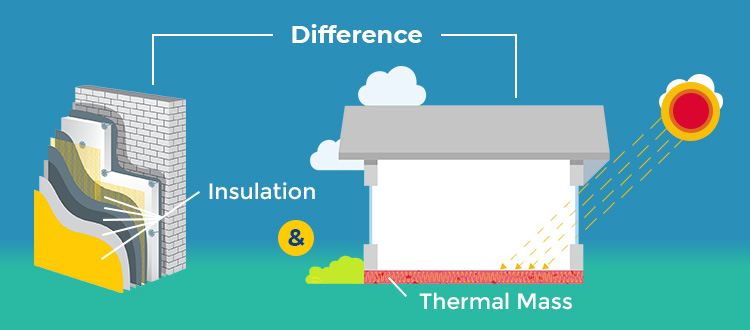
Insulation and thermal mass are the terms related to thermal insulation for home. But people often get confused between both these terms thermal insulation and thermal mass. So knowing the difference will not only help you understand about them but also will make you decide between the use of their combination or only one to prepare a more substantial and effective solution. Both are used to control the temperature inside a house throughout the seasons but work in a completely different way. Their use will not only help you in saving money on the long term basis and increase overall energy efficiency.
We are here to answer the basic difference between thermal mass and insulation to help you decide accordingly and protect your home.
Thermal Mass
Thermal Mass is a specific material with the ability to absorb but also store and radiate heat energy. In a home, you can find these materials in the form of masonry like brick, concrete, adobe, rammed earth and earthbags. To help you understand thermal mass, besides explaining thermal heat formulas and equations which are not meant to common people. I would like to explain it using a simple example.
If you are having an old uninsulated adobe house. The walls will simply soak up the heat during the day and channel the heat through the wall at a rate of 1 inch per hour. When the wall is fully charged like a battery by the end of the day, it will start emitting heat to the interior and keep it warm overnight. While in the night walls started getting cooler from outside at the rate of 1 inch per hour and radiated it into the house during the day. The cycle keeps on repeating and maintains room temperature. People have figured out this amazing physics a very long time ago.
Thermal mass can also be understood as the thermal admittance because both are proportionally related. Actually, it is the capability of absorbing and releasing heat. The higher thermal admittance results in higher thermal mass. Other than this, thermal mass can also be explained through the material density (higher density means higher thermal mass). While the thermal conductivity is calculated based on the heat travel through the material. For example, the materials like stone, brick, concrete, gypsum plaster and water hold high thermal mass. Whereas, the materials like timber, steel or mineral fibre insulation possess low thermal mass.
The insulation can be understood as the ability of a material to slow down the transfer of heat energy and maintain the temperature between inside and outside. This ability to maintain heat energy is decided based on R- and U-values of the material. The materials like foam, fibreglass, loose-fill or any other reflective materials, provide thermal insulation for home.
Proper insulation can safeguard your home from drastic weather and temperature changes throughout the year. So choose insulation material sensibly because all products are not meant for every part of your home. Like insulation for the floor uses different material as compared to the roof or cavity wall.
Homes built using structural insulated panels are the best example of thermal insulation. Such houses have walls manufactured with big foam pieces sandwiched between specific sheathing formed by engineers like oriented strand board (OSB). These panels with mostly foam form an extremely tight super-insulated shell which results in no air transmission to keep the room temperature unchanged.
The decision between choosing thermal mass and insulation depends on the temperature fluctuations outside. If you want to maintain a stable, constant temperature inside the home as compared to the stable, constant temperature outside but comparatively higher than the inside temperature. You should go with the thermal insulation because it will prevent additional heat emission inside and will maintain a proper difference between outside and inside temperature. In this case, if you choose thermal mass it will soak out heat and eventually release inside which will equalize temperature both outside and inside the home. So basically thermal insulation is an ideal choice since it prevents overheating in the day time and overcooling during the night.
What if you choose the best of both-thermal mass and insulation?
If you have ever noticed an old adobe, you should be aware of how it regulates temperature and gets cold in the winter after a series of cold sunless days. Whereas a super-insulated home completely depends on artificial heating and cooling systems to control the air temperature.
So the combination of thermal mass and insulation will be the most practical solution. Because it will provide complete insulation but you have to rely on cooling and heating devices you are going to use.
The combination of thermal mass and insulation is often considered as passive solar design. It provides a comfortable space to live in where heat and cool manages itself naturally without any artificial heating and cooling systems. It results in the reduction of heating and cooling bills and preserves natural resources as well.
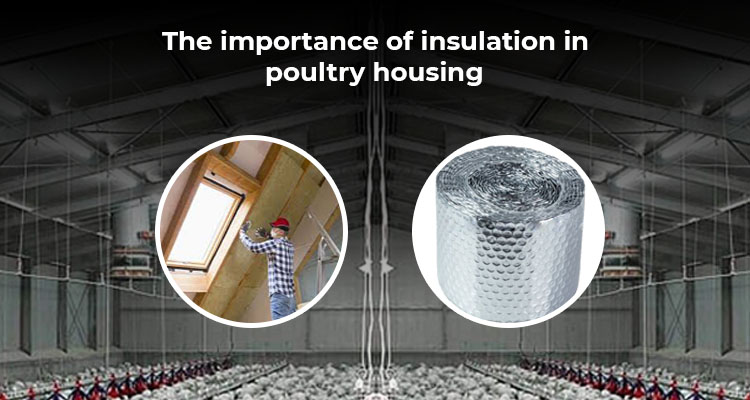
“Do you have a poultry farm or planning a new one? Make sure you follow the chief guidelines and plan an organized Poultry Farm Insulation. Wondering why insulating poultry houses proves beneficial? Let’s find out.”
Poultry and Its Roots
Poultry is the method of raising the domestic bird for their eggs and meats. These birds can be chicken, geese, ducks, turkey, etc. The practice of poultry farming is conducted for several years and is an integral part of the farming and agriculture system in India. Poultry farming techniques have a whole new science that is evolving every day. India has a large consumption of eggs and meat. Therefore, India ranked third in egg production and fifth in chicken meat production in the world. The science of agriculture and poultry farming is introducing new methods and techniques to enhance the productivity of the business. The eggs are a good source of protein and are considered as mandatory breakfast in most of the metro cities in India.
Rearing birds for eggs is called layers and raising them for meat is called broilers. Both, layer, and broiler are part of poultry farming. Many factors should be kept in mind before starting a poultry farm such as the breed of bird, type of temperature they need, type food available in the market for feeding, types of vaccinations (if required) etc. Out of all these, one basic and most important need is to create a healthy environment and temperature so that they do not face any inconvenience while laying the eggs and performing activity.
Poultry farm insulation is the method to cover the habitats of layers and broilers to maintain the temperature. Why is it important?
Maintains the Temperature
The body temperature of the chicken is expected to be 106-degree Fahrenheit (41-degree Celsius). The temperature depends on the type of production for which chickens are raised. It is essential for all the birds, especially egg laying birds to be kept in an environment where they can facilitate with enough temperature. The correct temperature helps the birds to make their internal system work well which results in laying good eggs. The insulated shed helps to maintain the temperature of the birdhouse.
Protection from UV Rays
Global warming is increasing rapidly which is resulting in depletion of the ozone layer. Due to the poor shield of the ozone layer, harmful Ultra voile trays are directly reflecting on earth. These UV rays can cause skin diseases and many other hazardous body problems. The bird shelter should be insulated to prevent them from these harmful rays. The water consumption by the birds should be well purified. Therefore, an insulated water tank jacket is suggested to wrap around the water tank to protect the tank from UV rays and other harmful pollutants.
The biggest problem that occurs in poultry farm management is the disease in the birds. If any of the birds gets any disease, it will quickly spread among other birds. The main source of any disease can be caused by interaction with rodents, insects and other unwanted flies. The shelter should be insect-proof so that the birds stay healthy. It is important to protect the roof and other parts of shelter from rodents, insects and other unwanted flies. The insulation on roofs and walls will prevent the rodent and flies from entering the shelter. Like this, there are fewer chances of spreading any type of influenza among the birds.
These little creatures are yielding at large numbers. It is important to protect them from the chaotic area, heavy rain, storms, excess of cold and hot weather. If insulation is done efficiently then not a single drop of rainwater can enter the birdhouse. The insulation roofs and walls stand solid in rigid weather and promise to guard the birds from any weather condition.
Conclusion:
The water tank covers are easy to install and are ideal for poultry farming. Poultry farm insulation materials are leak-proof and are last in all weather conditions. Insulation poultry house help the animals and birds to stay healthy by protecting them, for various problems. The insulation is suitable for all types of domestic rearing and breeding shelters. After all, the animals and birds give you the output only if you take care of them by proving the best care of their hygiene. Make the insulation installed in your poultry farm today and boost your business productivity.
Machines, they are just like humans. If you want a man to work for long, you have to keep up his energy, provide him proper rest. Same goes with machines. With regular maintenance they can be your best investment. Machines take longer to fix once they are start malfunctioning due to poor maintenance. Thermal Insulation is one of the important parts of carrying out proper maintenance. With proper maintenance you can prevent all the problems about to occur in the near future. This way you are saving yourself a big fortune for self and protecting your investment.
Preventive maintenance is like taking record of data of the machine when it was new and good. We can say that equipment are in top shape when they first to the work station. In this data record you have to record the data of the resistance shown in by machines/instruments. If the value of the insulation resistance is consistent shows that the device is still in good shape. But if there is any kind of decrease in insulation resistance then it is a bad news for the equipment. This indicates that you might run into trouble in the near future.
How Preventive Maintenance Benefits?
Beating the Time:
Without preventive maintenance equipment can only run for a fixed time period that is sometimes shorter than estimated time by manufacturer. With insulation this age can be extended for a long period. This extension of age results in saving a big amount of your investment on equipment.
As insulation maintenance is presented as the solution to machines or equipment it can not increase their age, it will also increase the efficiency. This regularity in checking for the defects in work-flow of the machines increases your product quality too.
Safe and Sound:
There are several cases happened in industrial facilities all because of the poor preventive maintenance schedules. Burn hazard is one of the most frequently occurring in the plants. By installing some insulation jackets a plant can stop there hazards by spending a few hundred dollars more. So with this you are not saving the life of your equipment but also the life of the workers on that machine.
Eliminating Corrosion:
Moisture, one core enemy of all kinds of equipment. If you failed just slightly you can see how much a little thing like moisture can be dangerous. A little introduction of moisture for a long can cause corrosion to machine parts, that can reduce the age of the machine to half very easily. So introducing a proactive maintenance to equipment on time to time basis can solve these kind of problems very easily.
So if you are tying things near a fixed budget then you have to consider all the things that can cost you a fortune in future. This is where you need to see through the time. But sometimes people do not count maintenance in this list but now you know should. Stopping a problem a lot before it takes place your power here that enables you to see through the time. So try to keep the insulation maintenance done frequently so that you can save a lot by not losing your machines and investing them in growing you venture strong.
The winter is knocking at the door, and people at home have started preparing for keeping their home warm and cozy. The traditional approaches that were once popular like open-coal fire, kerosene lamps and indoor small room heaters are replaced with modern heating appliances and insulation techniques. These techniques are far efficient and effective regarding durability, maintenance cost and installation cost.
Thermal Insulation is being popular among urban society because of its prominent advantage that it reduces energy consumption and provide environment-friendly solutions. In this article, we will learn about the need to insulate your home and the best ways to insulate your homes to prevent heat escape.
What is the Need to Insulate your Home?
Insulation creates a protective barrier around the homes that prevent the heat transfer from the outer space into the inner space of the house. The thermal insulation on the wall, over the roof and beneath the floor, helps to reduce the amount of heat loss during winter and keeps heat out of the house in the warm days.
Thus, thermal insulation takes the place of Air Conditioners in summers and Heaters in winters. Leading to a subsequent cost-cutting in the utility bills and saving a considerable amount of energy that is put in maintaining the desired temperature in winters and summers.
How to Keep your Home Warm?
To maximize the effect of thermal insulation, we need to analyse the condition of the house, R-value and the types of thermal insulation materials. Depending on the requirements, you can implement any of these two insulation techniques roof insulation and wall insulation. Furthermore, a combination of these insulations can maximize the insulation effect.
Roof Insulation
The most vulnerable area of your house from where there is a high probability of heat transfer is the roof. Around 25% of the heat is lost through the roof and thus, applying roof insulation is the primary procedure that you should implement in your house. To reduce the heat escape, roof insulation materials are used. To enhance the insulation quality, you can also insulate the loft area with either fiberglass or rock wool.
Wall Insulation
Homes with two layers of bricks between the outer world and inner rooms creates a cavity and thus known as cavity walls. These cavities are filled with an insulating material to stop heat transfer. Usually, these air gaps are filled with either expanding foams or loosely-packed, air-filled materials such as recycled papers, vermiculite or fiberglass. This type of insulation is also known as cavity-wall insulation.
Types of Thermal Insulation Materials for Winters
Batt and Roll:
These materials consist of fiberglass and are possible insulation material for attic insulation.
Loose Fill:
It can insulate the attic and small crawl spaces as it is a filler. Loose fill is used to fill up the areas that have little traffic.
Spray-Foam:
Spray foam insulation is a wet and expandable liquid that gets dry afterwards. This is an effective way to insulate the areas where you can’t reach or invisible to the naked eyes. It is easy to apply and cost-effective at the same time.
Conclusion
If you start feeling cold in winters inside your houses, then it is the sign that you should go for thermal insulation. Implement the most appropriation heat insulation material to trap the heat inside your houses and make it warm and comfortable. Moreover, you can hire insulation contractors that are professionals and provide diverse thermal insulation services. Remember insulation is the basic need to attain a perfect insulation and reduce energy consumption.
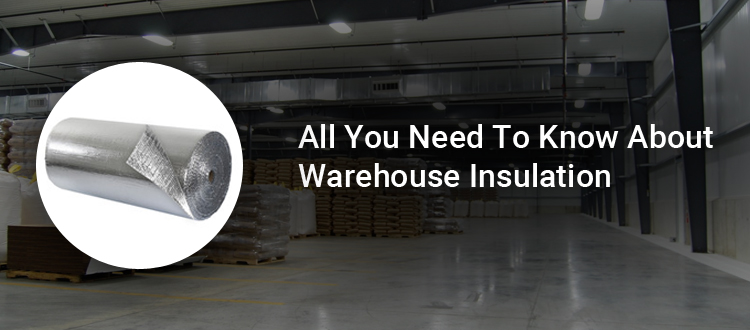
Insulating a warehouse or any other similar commercial building can save up to $9.5 billion in energy costs annually. It’s huge, right? You can also save a major portion of your money from going into utility bills through Warehouse Insulation . And how to save the energy consumption, we are going to learn in this article.
In this article we will get to know the following things:
Reasons to insulate your warehouse
Types of suitable warehouse insulation
The best way to insulate your warehouse
What is Insulation Sheet?
An insulate sheet, also known as an insulation sheet, is a material specifically designed to enhance the thermal resistance and energy efficiency of buildings or structures. These sheets are typically composed of various insulating materials such as foam board, fiberglass, or reflective foil.
The primary purpose of an insulate sheet is to reduce heat transfer, keeping indoor spaces warmer in the winter and cooler in the summer. It accomplishes this by creating a barrier that inhibits the movement of heat through walls, ceilings, roofs or windows. This helps homeowners and building occupants maintain a more comfortable and energy-efficient environment while reducing heating and cooling costs.
Insulate sheets come in various forms, including rigid boards, flexible rolls and reflective bubble wrap. The choice of insulating material and form depends on specific application needs and local climate conditions.
Overall, insulate sheets are a crucial component in modern construction and retrofitting efforts, playing a significant role in sustainable building practices and energy conservation. They are instrumental in creating well-insulated, energy-efficient and environmentally-friendly structures. So let’s address the points one by one.
Benefits of Insulate your Warehouse
The cost that you pay for the utility bills is much more than that of the investment you put in warehouse insulation. Thus, insulating the warehouse is important for attaining stable and desirable conditions.
Following are the reasons to insulate the warehouse.
1. Reduce Cooling and Heating Costs:
Recently, architectures and the designers are constructing the warehouses using pre-engineered building designs. Pre-engineered buildings consist of metal frames and walls that are easy to construct and cost-efficient. But the only drawback it offers is poor quality in maintaining the interior conditions.
Metal warehouses consume a large amount of energy to maintain the desired temperature. Thus, a perfect insulation layer with suitable R-value is applied to the ceiling, exterior and interior walls. Insulation helps in keeping the air inside the building and prevents or blocks the movement of air.
2. Reduce Emissions:
Well, a major concern these days is to improve the environmental conditions by reducing the carbon emissions. Insulation helps to reduce the energy consumptions which further leads to a reduction in fuel consumption which is essential for heating and cooling. Thus, leading to a lower carbon emission from your end.
3. Enhance HVAC System Performance:
HVAC (Heating, Ventilation, Air Conditioning) System requires more repair and maintenance when they work excessively and continuously for a longer duration. Insulation helps to reduce the cost that is put in the maintenance of the HVAC system.
Insulation provides more than just a barrier to heat transfer. It is a perfect remedy to reduce external noise.
5. Comfortable and Healthier Work Place:
To enhance the productivity and quality of the work, it is necessary to create a healthier environment. Warehouse insulation gives a comfortable and cozy workplace for the employees.
Types of suitable Warehouse Insulation
There are a variety of insulation types and insulation materials available in the market. But insulation depends on various factors like climatic conditions, demography, usage of the warehouse, etc.
Following are the insulation types suitable of warehouse:
1. Insulation Sheets
Insulation Sheets are pre-cut panels that can be easily installed to provide insulation for walls, ceilings and floors. They offer a convenient and efficient solution for improving energy efficiency and reducing heat loss or gain.
Advantages:
Quick and easy installation: No specialized equipment or labor is required.
Versatile: Can be used in various applications, including new construction and retrofit projects.
Durable: Resistant to moisture, mold and pests.
Cost-effective: Can be a more affordable option compared to other insulation methods.
1. Cellulose Insulation:
It consists of about 80% recycled materials and is environmentally friendly. You can use cellulose to insulate the walls for your commercial buildings or warehouses.
2. Fiberglass Insulation:
Fiberglass sandwiched between two layers of foil is effective in providing heat insulation. They are installed below the roof deck for achieving better insulation. Fiberglass insulation is available in either loose-fill or blanket form.
3. Radiant Barrier Insulation:
Radiant barrier offers a great reflection to the radiant heat coming from the sun. It helps to keep the warehouse cool as it doesn’t absorb the heat but reflect it back to space. Installing on the warehouse roof, radiant barriers are very useful if you utilize your warehouse for storing things that require low temperature. It consists of reflective material like foil.
4. Spray Foam Insulation:
The liquid of Polyurethane is sprayed evenly on the walls or attic, it expands as it is applied and peeks into the cracks and unreachable places. It blocks each and every crack, gaps, etc. which lets air exchange between the exterior and interior spaces.
5. Vinyl insulation:
It is a synthetic plastic consisting of polyvinyl chloride. It is a versatile material which is used for making seat covers, window frames, phonograph records, etc. Vinyl insulation is moisture and humidity resistant. It is durable and strong insulation material for commercial metal buildings.
Climate: Your region’s climate will influence the type of insulation needed. For example, colder climates may require thicker insulation.
Building Structure: The age, size, and construction materials of your warehouse will impact insulation requirements.
Budget: Different insulation types vary in cost. Consider your budget when making a decision.
Environmental Considerations: Some insulation materials are more environmentally friendly than others.
By carefully considering these factors and selecting the appropriate insulation type, you can significantly improve the energy efficiency, comfort and overall performance of your warehouse.
What are the Best ways to Insulate your Warehouse?
There can be two choices; either you insulate yourself by doing DIY steps or call the insulation contractors for doing it professionally. Well, DIY is possible if you are insulating a small space like home, garage etc. But for a space as big for a warehouse, it is not possible for an individual to do it the right way.
On the other hand, professional insulation contractors can analyse the surroundings and implement best-suited insulation material. They can install insulation layer with perfection and also provide a cost-effective solution for your requirements.
Conclusion
Insulation plays an important part in preventing heat transfer, moisture retention and helping to maintain desirable interior conditions. Warehouse insulation is necessary to maintain the quality of the products that you store in the warehouse for a long duration. We suggest taking advice from an expert on providing perfect thermal insulation conditions for your warehouse.
FAQ’s
1. What is Insulation in Warehouse?
Insulation in a warehouse refers to the use of materials to minimize heat transfer, helping to maintain stable indoor temperatures, reduce energy costs and protect stored goods from temperature fluctuations.
2. Why is Insulation Important in Commercial Buildings?
Insulation in commercial buildings is crucial to conserve energy, improve comfort and reduce heating and cooling expenses, making it a cost-effective and environmentally-friendly choice.
3. How can we Reduce Heat in Warehouse?
To reduce heat in a warehouse, consider using reflective roof coatings, insulating walls and ceilings, installing proper ventilation and using high-efficiency lighting systems.
4. What is the Best Insulation for a Warehouse?
The best insulation for a warehouse depends on factors like climate, budget and specific needs. Options include fiberglass, spray foam and reflective insulation, tailored to the building’s requirements.
If you are reading this article then probably in your region the sun is extra bright and strong in the hot weather like in major part of north India. Insulation in such an area where the temperature rises above 35°C becomes a must to maintain a cool and comfortable environment inside the building. It will not only block the heat transfer but will also reduce the energy consumption required to cool the buildings.
We are very much aware of the fact that in hot weather, we frequently face electricity cut downs for hours. In this circumstances, we require an alternative to maintain a comfortable temperature all year long.
Many people are misinformed about the Thermal Insulation, that it only keeps your building warm during cold weather. However, thermal insulation helps to slow down the heat transfer rate between two temperature varied spaces. Thus, it prevents overheating of the building during hot climatic conditions.
In this article, we will learn about the thermal insulation types that are best for the hot climatic condition.
Thermal Insulation Types for a Hot Climate
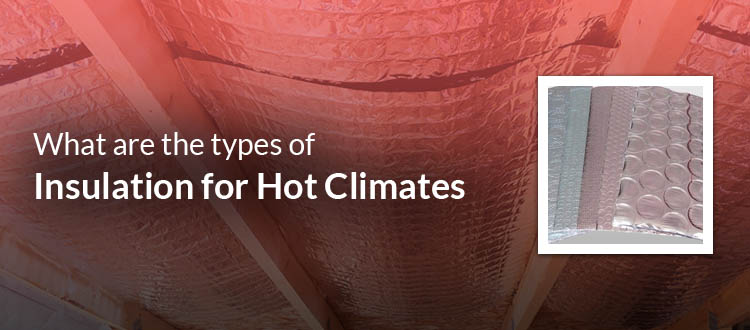
It is important that you implement the correct type of insulation after researching and analysing the available insulations that are suitable for hot weather. It is better to take an advice or hire insulation services as they have a vast knowledge about the Indian climatic conditions. There are mainly 4 categories that are preferred by the thermal insulation contractors in India, they are as given below.
Radiant Barrier
This is the best insulation type as it rarely allows any heat transfer through the material. A radiant barrier reflects the energy and prevents heat transfer efficiency. To make a radiant barrier more efficient and an extra layer of insulation inside the attics. This will help in making more comfortable and cooling conditions inside the building.
Rolled Batt
If your budget is limited and you want to deal with the heat with the simplest approach, then roll batt is the best choice. Roll batts come in yellow or pink rolls and they are installed with the help of staple guns. It is installed between the wall studs and rafters for cooling down the inside temperature.
Spray Foam
Spray foam has an incredible property of expanding into cracks and gaps into the wall. Thus, covering every single inch and providing excellent insulation from the external environment. Spray foam has high R-value thus, offers high resistance to heat transfer. It is advisable to get a consultation from an experienced insulation contractor because it requires high-level of technique to implement the insulation.
Loose Fill
Another name of loose fill insulation is “blow in insulation”. It is a great option for attic walls and floors. The spaces where you can’t reach to insulate properly, loose fill can easily reach. A machine blows loose fill into the spaces, filling each corner in the wall and floors to apply in every corner.
Tips to opt to Amplify the Insulation Effect in Hot Climate
If you have implemented a good insulation material in your building, then you can boost their effect by following these tips.
Use blinds, drapes or reflective material on the windows to minimize the impact of solar gain because of the Sun.
Air conditioners definitely make a pleasant cool living space but then it is an expensive approach to fight back hot weather. It consumes a significant amount of electricity and adds the cost of maintenance. Thus, rather than exceeding the budget of your expenses, try to opt the DIY for your home.
Try to turn off the unnecessary electronic items that produce a lot of heat. Apart from this, put water in a tray and put under the fan. Yes, it does work and comes with no cost.
Allow proper air circulation in the buildings. Open all windows at the night time to have an effective air circulation.
Conclusion
So, is insulation is important in the hot weather? Yes! Of course, it is important. Because it not only insulate the building from the external hot climate but it reduces a huge amount of energy. You will definitely run your AC for a lesser time and will save a considerable amount of expenses. A poorly insulated roof or attic or wall is cooler in winters and hotter in summer. Thus, a good thermal insulation is a must to protect your building and enhance your living comforts.
When we talk about basements, the first thing that strikes in the mind is “Store Room”. A place to keep all used or unwanted or occasionally used items. We find basement not so important to give it an extra care or invest an extra cent to maintain it. Moreover, we never ponder on a thought to insulate the basement, are we?
But after reading this blog, we assure that you will again give a second thought on insulating your basement. Do you know that discriminating or taking a chance with proper insulation of your basement can cost you heavily? What if we tell you that basement insulation actually improves the overall energy efficiency of your home! It also reduces consumption of energy, eliminates moisture retention on the walls and roofs.
So, let’s understand how we can manage our house thermal stability with the help of thermal insulation.
Basement Insulation
Basement insulation is not a rocket science but a proven skillful thermal insulation technique to implement high-quality thermal insulation material evenly on the desired area. The current buildings are having inbuilt thermal insulated basements. However, the already existing buildings are required to opt these energy-efficient approaches to insulate their basements.
Here are some questions to ask before insulating basement to give an affirmative response to your queries related to the insulation of the basement.
What is the state of your house thermal stability? You need to have a home energy audit to get an idea of the exact thermal insulation required in your home to save energy consumption.
If you have existing insulation, then what is the R-value of it? R-value is the measure of the capabilities of an object to resist the heat flow. TheThermal Insulation Materials are present in various density and thickness. The more the thickness the better the thermal insulation.
It is obvious with the fact that there is a significant amount of air leakage through the walls, roofs, ceilings, vents, etc. Maintaining the thermal condition inside the house during the winter is difficult because heat travels from higher temperature to lower temperature. Basement being at the lower temperature condition, the heat travels from the rooms which are cozy and are at a high temperature. Thus, it becomes utmost important to insulate the basement with a high-quality thermal insulation material.
Which Part to Insulate in the Basement?
There are three major places where insulation is effective: exterior wall, interior walls and ceilings. The best insulation placement depends on how the basement is used, also it depends on if the building is already existing or you are constructing a new building. However, you can use a combination of insulation to get the best result.
Wall insulation: Wall insulation is the most vital part of the basement insulation because the maximum amount of heat is transferred through walls, especially if your surrounding climatic conditions are colder in the winter season.
Ceiling insulation: A general way to insulate the ceiling of your building’s basement is fiberglass bat insulation. It will make the space in the basement much warmer and thermally stable.
Floor insulation: When we start constructing a building, we make sure that the foundation is strong and don’t allow any kind of leakage in the building. Moisture retention can be a major issue if the floor is lacking proper insulation. Thus, insulation contractors in India recommend floor insulation for the existing buildings and also for the buildings that are under construction.
Pros of Basement Insulation
– Maintain Thermal Stability:
Insulation prevents air leakage and heat transfer. It boosts comfort and helps in cost cutting of the utility bills.
– Control Moisture:
Moisture enters through the ground and foundation. This moisture gets trap in the basement due to lack of proper ventilation. Thus, a simple SPF foam sprayed onto inside wall can prevent moisture intrusion. For exterior insulation, fiberglass is the first choice.
– Prevents Freezing of Water Pipes:
Areas where mercury drops frequently, water pipes get frozen easily in the basements. Thus, basement insulation is the best and cost-effective solution.
– Reduces Energy Consumption:
When you insulate the basement, there is no place for heat to escape. Thus, maintains the desired temperature in the building which further cut down the energy consumption during variable climatic conditions.
Cons of Basement Insulation
Cost of Installation:
The cost is a variable quantity, highly depending on the type of thermal insulation material and the area (dimensions) required to insulate. However, the maintenance cost is 100% more than the initial cost of installation.
Degradation of Exterior Insulation:
The most common reason for the destruction or degradation of the external wall installation is insect infestation. Because of the direct contact to the external surrounding, insulation is highly susceptible to degradation.
Improper installation:
If the insulation contractor or agency is not having proper experience then, there will be loopholes in insulating your building. Thus, choose wisely a thermal insulation contractor to get the best services.
Conclusion
Basement insulation is surely an important factor to consider while insulating other parts of the building and especially if that building is your comfy house. You might think that thermal insulation is a costly approach or investment but if you are in a construction phase then it will not cost you much compared to the other investments. It surely enhances the lifespan of the building and reduces the post-maintenance costs. Live comfortably and save your energy consumption to reduce your expenses.
Constructing a building either for a domestic purpose or for a commercial purpose requires a stable and strong roof. Each part of the building needs to have the ability to withstand adverse climatic conditions and external deterioration caused due to climatic changes.
As per statistics from Grand View Research, the global roofing material market size had a valuation of $120.34 billion in 2021 which is all set to mark a CAGR of 4% from 2022-2030. The market is expected to achieve the valuation of $178 billion by the end of 2030.
Recently, in industrial and urban areas, colour coated roofing sheets are gaining popularity because of their aesthetic look and thermal insulation property. They serve the purpose of adding beauty and at the same time protecting the roof from external wear and tear. There are many benefits of Colour Coated Roofing Sheets that we discuss in this blog.
The colour coated roofing sheets are used in place of galvanized iron sheets in residential buildings to provide better aesthetic look. Today, colour coated sheets can be seen at various places like offices, garages, restaurants, car-parking area, warehouses, manufacturing industries, etc.
These sheets are available in different shapes and sizes according to the requirements. Moreover, unlike traditional coating sheets, these sheets have a strong base of steel metals. These colour coated steel metals can be copper, aluminum, zinc-aluminum and tin. Offering high-functional buildings that are compatible with high environmental requirements and delivers top-notch quality cladding to the roofs.
What is Colour Coated Roofing Sheet?
A Colour Coated Roofing Sheets are specially treated metal sheet designed for roofing applications, enhanced with a protective coating that not only adds an aesthetic appeal but also imparts crucial functional benefits. These sheets are typically made from materials like steel or aluminum and undergo a meticulous coating process to ensure durability and performance.
The primary purpose of the colour coating is to provide weather resistance, protecting the roofing material from the detrimental effects of rain, sunlight and other environmental factors. This coating acts as a shield, preventing corrosion, rust and wear and tear, thereby significantly extending the lifespan of the roofing sheet.
Beyond their protective properties, colour coated roofing sheets are known for their versatility. Available in a spectrum of colors and finishes, they allow for customization to match the architectural style and design preferences of a structure. This not only adds a visual dimension to the building but also enhances its overall aesthetic appeal.
The coating on these roofing sheets serves multiple functions, contributing to thermal insulation that regulates indoor temperatures. This can result in energy savings by reducing the need for excessive heating or cooling, making them a sustainable choice.
Benefits Of Colour Coated Roofing Sheets
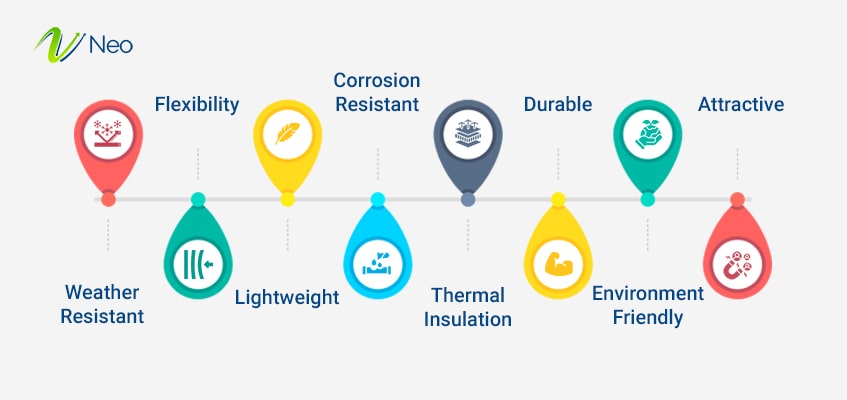
Colour coated roof sheets offer a multitude of advantages, including exceptional weather resistance, flexibility for diverse architectural designs, and a lightweight yet robust structure. With features such as corrosion resistance, thermal insulation, and eco-friendliness, these sheets provide a durable and attractive roofing solution, ensuring longevity, energy efficiency and visual appeal for residential and commercial structures alike.
1. Weather Resistant:
Colour coated roof sheets offer exceptional weather resistance, making them a reliable choice for diverse climates. The specialized coating acts as a shield against harsh weather conditions, including heavy rainfall, extreme temperatures and UV rays. This resilience ensures prolonged longevity and minimal wear and tear, providing a durable roofing solution for both residential and commercial structures.
2. Flexibility:
One of the standout features of colour coated roof sheets is their flexibility, allowing for versatile applications in roofing designs. This flexibility facilitates creative architectural solutions, making them suitable for various roof shapes and structures. Whether it’s a modern, angular design or a more traditional pitched roof, these sheets can be adapted to meet diverse aesthetic and functional requirements.
3. Lightweight:
Colour coated roof sheets are lightweight yet robust, offering a balance between structural integrity and ease of installation. The reduced weight minimizes the load on the underlying structure, making them an ideal choice for a variety of buildings. This characteristic not only simplifies the installation process but also contributes to cost-effectiveness and structural efficiency.
4. Corrosion Resistant:
The corrosion-resistant properties of colour coated roof sheets make them an excellent choice for areas prone to high humidity or proximity to corrosive environments. The protective coating acts as a barrier against rust and corrosion, ensuring the longevity and structural integrity of the roofing material.
5. Thermal Insulation:
These roof sheets provide effective thermal insulation, helping to regulate temperatures within the building. The reflective coating minimizes heat absorption, keeping interiors cooler in hot weather and reducing the need for excessive air conditioning. This not only enhances comfort but also contributes to energy efficiency, making them a sustainable choice for environmentally conscious consumers.
6. Durable:
Colour coated roof sheets are known for their durability, with the protective coating serving as a robust shield against external elements. This durability translates to a longer lifespan, reducing the frequency of maintenance and replacement. It’s an investment that pays off over time, offering a cost-effective and reliable roofing solution.
7. Environment Friendly:
For those seeking eco-friendly options, colour coated roof sheets are a sustainable choice. Their extended lifespan and recyclability contribute to a reduced environmental impact. Additionally, the thermal insulation properties can contribute to energy efficiency, aligning with green building practices and promoting a more sustainable approach to construction.
8. Attractive:
Beyond their functional benefits of colour coated roofing sheets they also add an aesthetic dimension to buildings. Available in a wide range of colors and finishes, they allow for customization to match architectural styles and personal preferences. The attractive appearance not only enhances the curb appeal of structures but also provides a visually pleasing aspect to the overall design. This combination of functionality and aesthetics makes colour coated roof sheets a popular choice for modern roofing solutions.
Conclusion
Recently, many measures have been taken especially in commercial sectors to promote eco-friendly products. And colour coated metal roofing sheets is a step forward to minimize the use of harmful products. If you are planning to implement colour coated roofing sheets to provide roof insulation or thermal insulation to your workplace or houses, then it is recommended to get a consultation from the insulation contractors. As implementing sheets requires precision and many deciding parameters to taken care before installing the sheets.
FAQs
1. What are the Advantages of Colored Roofs?
Colored roofs offer a range of advantages, from enhancing the aesthetic appeal of a structure to practical benefits. The primary advantage lies in the customization options, allowing homeowners and builders to choose a color that complements the overall design and style of the building. Additionally, colored roofs can contribute to energy efficiency by reflecting sunlight, reducing heat absorption, and subsequently lowering cooling costs. The protective coating on colored roofs also adds a layer of durability, providing resistance against weather elements and extending the lifespan of the roofing material.
2. Which Color Sheet is Best for Roofing?
The choice of the best color for roofing depends on various factors, including climate, architectural style, and personal preferences. Light-colored sheets, such as whites and pastels, are effective in reflecting sunlight and keeping interiors cooler, making them suitable for hot climates. However, in colder regions, darker colors can aid in absorbing heat, contributing to better insulation. Ultimately, the ideal color is one that aligns with the specific needs of the building and the climate of the region.
3. How Thick is a Color Coated Roofing Sheet?
The thickness of a color-coated roofing sheet can vary based on the material and the specific requirements of the project. Common thickness ranges from 0.35mm to 0.60mm. Thicker sheets may offer increased durability and resistance to external forces, but the choice depends on factors such as structural requirements, local weather conditions, and the intended use of the roofing material.
4. Which Roof Sheet is Best for Hot Climates?
For hot climates, it’s advisable to choose roofing sheets with reflective and heat-resistant properties. Light-colored sheets, especially those with reflective coatings, are effective in minimizing heat absorption. Metal sheets, such as aluminum or coated steel, are popular choices for hot climates due to their ability to reflect sunlight and resist heat, keeping the interiors cooler and reducing the reliance on air conditioning.
5. What is the Life of Color Coated Roofing Sheets?
The lifespan of roofing sheets depends on various factors, including the material, maintenance practices, and local weather conditions. Generally, high-quality color-coated roofing sheets made from durable materials like steel or aluminum can last for several decades. Regular maintenance, such as cleaning to prevent debris build-up and timely repairs can contribute to extending the life of the roofing sheets.
6. How do I Choose Roofing Sheets?
Choosing the right roofing sheets involves considering factors such as material, color, thickness and the climate of the region. Start by assessing the specific requirements of the building, including the slope of the roof, local weather conditions and the desired aesthetic. Consult with roofing experts or manufacturers to understand the properties of different materials and coatings. Additionally, consider factors like insulation, durability, and maintenance requirements to make an informed decision. Ultimately, the choice of roofing sheets should align with both functional needs and the overall design vision for the structure.